
Neighborhood Guide: Best Salt Lake City Areas for Every Type of Student
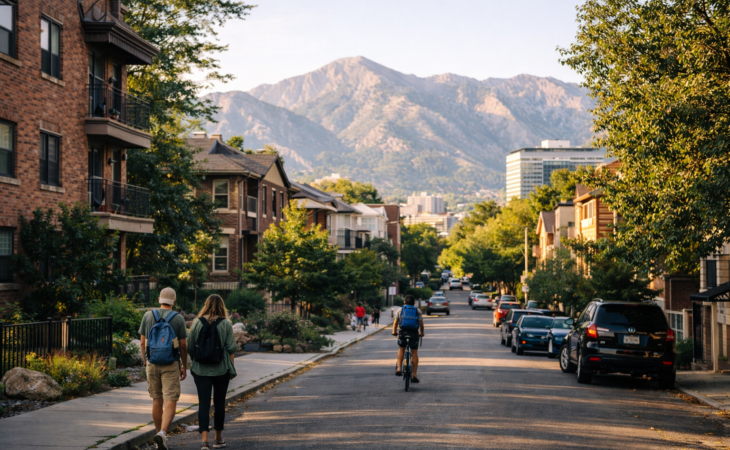
Salt Lake City neighborhood selection determines student housing costs, daily commute times, study environment quality, and overall college lifestyle experiences. Location matters as much as apartment features for students attending University of Utah, Westminster University, and Salt Lake Community College.
Salt Lake City provides diverse student-friendly neighborhoods ranging from social hubs near campus to quiet residential areas perfect for focused studying, plus transit-connected locations ideal for daily commuters.
At Find My Place, students match housing with lifestyle priorities beyond basic budget constraints. This guide examines top Salt Lake City neighborhoods for different student types and priorities.
Students Evaluate Neighborhoods Using Personal Priorities
Successful neighborhood selection requires honest self-assessment about daily needs and preferences.
Consider actual campus attendance patterns. Walking to class daily requires different proximity than attending twice weekly. Budget constraints versus convenience preferences create tradeoffs requiring conscious decisions.
Social environment preferences vary dramatically between students. Some thrive in active urban settings. Others need quiet residential areas for concentration and mental health.
Transportation access matters significantly. Car ownership changes options compared to exclusive public transit reliance. TRAX light rail and UTA bus coverage varies across Salt Lake City neighborhoods.
Semester-only residence versus year-round living affects neighborhood suitability. Some areas serve students better during academic terms. Others accommodate year-round residents more comfortably.
No universally best neighborhood exists. Only best fits for individual circumstances.
Glendale and Poplar Grove Offer Budget-Friendly Housing
Glendale and Poplar Grove neighborhoods provide lower monthly rent compared to Salt Lake City east-side areas near University of Utah campus. Students get more living space for comparable costs.
TRAX green line and multiple UTA bus routes connect these neighborhoods to downtown Salt Lake City and campus areas efficiently. Commute times range from 20 to 35 minutes depending on specific locations and class schedules.
These neighborhoods suit students splitting rent with multiple roommates who prioritize larger apartments and lower monthly costs over immediate campus proximity. Kitchen space, living areas, and bedroom sizes exceed typical campus-adjacent apartments.
Budget-conscious students accept slightly longer commute times in exchange for $150 to $300 monthly savings compared to University area housing. The tradeoff makes financial sense for cost-sensitive situations.
South Salt Lake Connects Students to Multiple Campuses
South Salt Lake sits between downtown Salt Lake City and suburban areas with strong TRAX and bus coverage. Red line TRAX service connects to both University of Utah and downtown employment centers.
Housing options include apartment complexes and shared rental houses. Prices fall between budget neighborhoods like Glendale and premium areas like downtown or University districts.
Salt Lake Community College students benefit from South Salt Lake proximity to multiple SLCC campuses. University of Utah commuters access reliable transit without downtown rental premiums.
Students relying primarily on public transportation find South Salt Lake’s central location advantageous. Multiple transit lines provide backup options when schedules change or delays occur.
The neighborhood attracts students wanting affordability without feeling isolated from campus activities and city amenities.
Downtown Salt Lake City Provides Urban Student Lifestyle
Downtown Salt Lake City offers restaurants, entertainment venues, coffee shops, and cultural events within walking distance of apartments. Transit hubs provide connections throughout the metropolitan area.
The urban environment creates active social atmospheres. Students interact with professionals, tourists, and diverse residents beyond typical college populations.
Walkability characterizes downtown living. Grocery stores, gyms, restaurants, and entertainment exist within blocks rather than miles. Car ownership becomes optional rather than necessary.
Rent costs run higher downtown compared to other Salt Lake City neighborhoods. Students typically need roommates to afford downtown apartments. One-bedroom units average $1,200 to $1,800 monthly. Shared two-bedroom or three-bedroom apartments reduce per-person costs to $700 to $1,000 monthly.
Students valuing lively atmospheres, cultural access, and urban convenience over quiet and space choose downtown locations. The lifestyle suits extroverted students prioritizing social opportunities.
University and East Bench Areas Minimize Commute Times
Neighborhoods immediately surrounding University of Utah campus provide walking and biking access to classes, libraries, and campus facilities. Commute times measure in minutes rather than transit schedules.
Strong student community concentrations characterize University area housing. Roommate finding becomes easier. Study groups form naturally. Campus involvement increases with proximity.
Housing demand exceeds supply in these areas. Students should begin searches three to four months before desired move-in dates. Premium pricing reflects convenience. Studio and one-bedroom apartments cost $900 to $1,400 monthly. Shared housing runs $600 to $900 per person.
Students eliminating commute time entirely and immersing in campus culture benefit most from University area locations. Convenience justifies higher costs for students prioritizing class attendance ease and campus engagement.
These neighborhoods fill fastest during peak leasing seasons. Early action becomes necessary.
Sugar House Balances Quiet and Convenience
Sugar House residential streets away from the commercial district provide quieter environments compared to downtown or University areas. Parks, local cafes, and study-friendly businesses exist without urban density or constant activity.
The neighborhood maintains convenient access to amenities and transit without sacrificing peaceful home environments. Students find focus easier in residential settings.
Sugar House suits students wanting neighborhood character rather than apartment complex anonymity. Tree-lined streets, local businesses, and established residential feel appeal to students seeking community atmosphere.
TRAX service connects Sugar House to University of Utah and downtown Salt Lake City. Bus routes supplement light rail coverage. Students can access campus and entertainment while maintaining calmer home bases.
Rent levels sit between budget neighborhoods and premium downtown areas. Shared apartments cost $550 to $850 per person monthly depending on proximity to commercial areas versus residential pockets.
Students balancing quiet study needs with social access and convenience choose Sugar House. The mix works particularly well for upper-level undergraduates and graduate students.
Millcreek Offers Suburban Peace Near Salt Lake City
Millcreek provides suburban residential environments with lower population density than central Salt Lake City neighborhoods. Peaceful streets, established homes, and family-oriented atmospheres characterize the area.
Grocery stores, essential services, and everyday amenities exist throughout Millcreek without urban congestion. Students access necessities easily while avoiding crowded campus-adjacent living.
Graduate students, older undergraduates, and students prioritizing calm over social scenes find Millcreek particularly suitable. The environment supports focused study and stress reduction.
Car ownership or reliable transit access matters more in Millcreek compared to central neighborhoods. Some areas lack frequent bus service. Students should verify transit routes match class schedules.
Rent costs reflect suburban character. Shared apartments typically run $500 to $750 per person monthly. Space and quiet justify slightly lower prices compared to urban areas.
Murray Combines Affordability with TRAX Access
Murray provides strong public transportation connections through TRAX blue and red line service. Students reach University of Utah, downtown Salt Lake City, and multiple SLCC campuses without cars.
Rent costs significantly less than downtown or University neighborhoods while maintaining reliable transit. One-bedroom apartments average $900 to $1,200. Shared housing costs $550 to $800 per person monthly.
Multiple TRAX stations throughout Murray give students options for commute routes and backup plans when schedules change. Bus routes supplement light rail coverage.
Students commuting daily to campus rather than living adjacent to universities find Murray’s balance of affordability and transit access appealing. The neighborhood serves commuter students particularly well.
West Valley City Offers Space and Transit Value
West Valley City neighborhoods include multiple TRAX line connections throughout the area. Green line service reaches downtown Salt Lake City and University of Utah campus.
Larger apartments at lower price points characterize West Valley City housing. Two-bedroom and three-bedroom units provide more space than comparable downtown options while costing less.
Students sharing housing with multiple roommates maximize value in West Valley City. Per-person costs decrease significantly with three or four roommates splitting rent and utilities.
The neighborhood works best for students comfortable with commuting who don’t need constant campus proximity. Class attendance patterns of two or three days weekly suit West Valley City locations well.
Students prioritizing space and affordability over downtown lifestyle or campus immersion choose West Valley City. The tradeoff makes sense for budget-focused situations with flexible schedules.
Neighborhood Selection Requires Honest Priority Assessment
Students should determine realistic monthly housing budgets before neighborhood comparison. Budget constraints eliminate certain options immediately.
Commute frequency affects neighborhood suitability dramatically. Daily campus attendance requires different considerations than twice-weekly classes. Calculate actual weekly campus visits.
Social environment versus quiet atmosphere represents fundamental lifestyle difference. Honest self-awareness about social needs and study requirements guides better decisions. Extroverts and introverts thrive in different settings.
Transportation access changes available options significantly. Car ownership expands neighborhood possibilities. Exclusive transit reliance requires neighborhood selection based on TRAX and bus coverage.
Matching neighborhoods to actual lifestyles rather than idealized preferences creates smoother student experiences and reduces housing-related stress.
Find My Place Simplifies Salt Lake City Neighborhood Comparison
Find My Place helps students explore neighborhood characteristics across Salt Lake City, compare housing options by lifestyle priorities and budget ranges, locate rentals near campus and transit connections, and eliminate guesswork through verified neighborhood information.
Students find neighborhoods and homes supporting college success rather than creating complications. Browse student housing in Salt Lake City neighborhoods matching your priorities and discover your ideal location.
