
Best Neighborhoods in Logan for Graduate Students at Utah State University
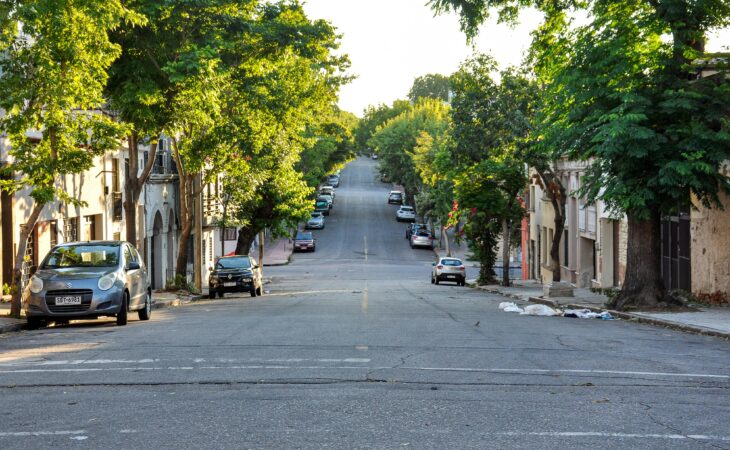
Graduate students at Utah State University prioritize Logan neighborhoods offering quiet environments, reliable parking, and manageable commutes over social proximity to undergraduate housing. Logan divides into three distinct zones serving different graduate student needs: campus-adjacent areas near 900 North and Aggie Village provide walking convenience, downtown Logan along Grand Avenue balances affordability with access, and South Logan neighborhoods including Hillcrest and Blue Square offer budget-friendly options requiring transportation planning. Most USU graduate students choose housing based on program demands, vehicle ownership, and budget constraints rather than undergraduate social factors. Find My Place organizes Logan housing into these zones with price comparisons and commute details.
TL;DR: Quick Answer
- Campus-adjacent Logan neighborhoods cost more but eliminate commute stress for lab-intensive programs
- Downtown Logan balances affordability with coffee shops, errands, and Aggie Shuttle access
- South Logan offers lowest rents but requires vehicle or consistent shuttle use for campus access
- Graduate students prioritize quiet buildings, parking availability, and private rooms over social density
- Find My Place filters Logan listings by neighborhood zone, price, and graduate student preferences
Campus-Adjacent Logan Neighborhoods Provide Maximum Convenience
Areas surrounding Utah State campus within walking distance offer significant lifestyle advantages. 900 North corridor and Aggie Village complexes sit closest to academic buildings.
Walking or biking to campus takes five to fifteen minutes typically. Lab schedules with early mornings or late evenings become manageable. Graduate students avoid winter driving concerns. Parking permit costs disappear.
These neighborhoods fill quickly during spring housing searches. Properties near campus receive applications from multiple interested students. Graduate students should start searching three to four months before needed move-in dates.
Rent premiums exist in campus-adjacent areas. Monthly costs reach $600 to $800 per person in modern complexes. Older buildings closer to campus charge $500 to $650 typically. Premium pricing reflects convenience value and high demand.
Undergraduate density varies significantly by building. Some complexes near campus house primarily graduate students and senior undergraduates. Others contain mostly freshmen and sophomores. Building culture matters substantially for graduate students seeking quiet study environments.
Find My Place reviews indicate which campus-adjacent properties attract graduate student populations. Current tenant comments reveal noise levels and neighbor demographics. This information helps identify suitable buildings within convenient zones.
Graduate students with heavy laboratory commitments benefit most from campus-adjacent housing. Chemistry, biology, and engineering programs often require irregular hours. Walking eliminates transportation stress during demanding research periods.
Students without vehicles should strongly consider campus-adjacent neighborhoods. Logan winters make walking difficult beyond certain distances. Campus proximity provides reliable daily access regardless of weather conditions.
Downtown Logan Offers Balance Between Access and Affordability
Grand Avenue and surrounding downtown blocks create different neighborhood character. This zone sits approximately one to two miles from Utah State campus.
Coffee shops, restaurants, and local businesses concentrate downtown. Graduate students access amenities within walking distance from housing. Grocery stores appear closer than in campus-adjacent zones. This convenience matters for students cooking meals regularly.
Rent costs drop compared to campus-adjacent areas. Monthly rates range $500 to $700 per person typically. Similar apartment quality costs $100 to $150 less monthly than equivalent campus-adjacent units.
Aggie Shuttle routes serve downtown Logan extensively. Students without vehicles rely on shuttle schedules. Routes run frequently during academic year. Service reduces significantly during summer and breaks.
Street parking situations vary by specific block. Some downtown streets offer ample parking. Others struggle during evening hours. Graduate students with vehicles should verify parking availability before signing leases.
Building age varies downtown significantly. Historic homes converted to apartments provide character. Newer construction offers modern amenities. Price differences reflect age and condition variations.
Downtown Logan attracts working professionals alongside students. This creates quieter neighborhood dynamics than campus-adjacent zones. Graduate students seeking adult community find better fit downtown typically.
Find My Place categorizes downtown Logan as strong balance option. The platform emphasizes weighing commute methods against rent savings. Students comfortable with short drives or shuttle dependence save substantially.
Graduate students in humanities and social science programs often prefer downtown neighborhoods. These programs require less laboratory time. Flexible schedules accommodate shuttle routes or short drives easily.
South Logan Neighborhoods Maximize Budget Savings
Hillcrest and Blue Square areas south of downtown provide most affordable Logan housing. These neighborhoods sit two to four miles from Utah State campus.
Rent costs drop significantly in South Logan. Monthly rates range $400 to $600 per person. Budget-conscious graduate students save $1,200 to $2,400 annually compared to campus-adjacent housing. These savings matter substantially for students on assistantship stipends.
Apartment sizes increase in South Logan typically. Units offer more square footage for equivalent or lower costs than closer neighborhoods. Graduate students gain space for home offices and research materials.
Vehicle ownership becomes practically necessary in South Logan. Walking to campus takes 45 to 60 minutes. Biking requires 20 to 30 minutes. Logan winters make these options unpleasant frequently.
Aggie Shuttle routes serve South Logan but less frequently than downtown or campus zones. Students must plan schedules around shuttle timing. Missing shuttles creates significant delays.
Parking availability improves dramatically in South Logan. Most complexes offer assigned spaces or ample lots. Street parking remains available consistently. Graduate students with vehicles encounter zero parking stress.
Family-oriented demographics dominate South Logan neighborhoods. Fewer undergraduates live in these areas. Quieter environments appeal to graduate students prioritizing study focus.
Find My Place identifies South Logan as budget-friendly option requiring transportation planning. The platform connects students with roommates seeking similar neighborhood choices and budget priorities.
Graduate students in programs allowing flexible schedules benefit most from South Logan savings. Coursework-heavy programs without laboratory commitments accommodate longer commutes easily. Online or hybrid programs make commute frequency manageable.
Graduate Student Housing Priorities Differ From Undergraduate Needs
Program demands should drive neighborhood selection primarily. Laboratory scientists need different housing than humanities scholars. Schedule flexibility affects commute tolerance significantly.
Private rooms matter more to graduate students than undergraduates typically. Shared bedrooms create study challenges and privacy concerns. Most graduate students budget for private spaces when possible.
Quiet building culture ranks highly for graduate students. Undergraduate party noise disrupts research and writing. Graduate students should seek properties with older tenant populations or explicit quiet policies.
Parking availability becomes critical for vehicle owners. Campus permits cost money and offer no guarantees. Housing with included or ample parking eliminates daily frustration. Graduate students should verify parking situations explicitly before signing.
Lease timing flexibility matters for graduate students. Assistantship schedules and program timelines don’t always align with standard August leases. Mid-year contract takeovers through Find My Place help graduate students arriving spring semester or January starts.
Decision Framework Helps Graduate Students Choose Optimal Logan Neighborhoods
Heavy laboratory or clinical commitments favor campus-adjacent housing despite higher costs. Time saved commuting exceeds money saved on rent. Mental energy preservation matters during intensive programs.
Moderate schedules with predictable hours support downtown Logan choices. Balanced commute and affordability suits most graduate student budgets. Shuttle access or short drives remain manageable with consistent schedules.
Tight budgets requiring maximum savings point toward South Logan. Students must own reliable vehicles or tolerate shuttle dependence. Extra space and quiet neighborhoods compensate for commute inconvenience.
Vehicle ownership significantly expands suitable neighborhood options. Graduate students with cars access all Logan zones effectively. Those without vehicles should prioritize campus-adjacent or downtown areas with strong shuttle service.
Winter commute tolerance varies personally. Some graduate students handle cold weather walking easily. Others find Logan winters miserable beyond minimal exposure. Honest self-assessment about weather tolerance informs neighborhood selection.
Roommate situations affect neighborhood affordability calculations. Splitting three or four-bedroom units in any zone reduces per-person costs substantially. Solo living narrows budget-friendly options toward South Logan typically.
Find My Place Streamlines Graduate Student Housing Searches
Platform filters target graduate student specific needs effectively. Quiet building preferences appear in reviews. Parking availability shows in listings. Private room options display clearly.
Neighborhood zone organization matches how Logan actually divides. Graduate students search by convenient campus-adjacent, balanced downtown, or budget South Logan categories directly. This structure simplifies decision-making.
Graduate student reviews provide peer perspectives. Comments from other USU graduate students reveal program-specific insights. Engineering students discuss laboratory proximity. Business students mention evening class access.
Contract marketplace serves graduate students with non-standard timelines. Students can assume leases mid-year. Others exit early when graduating or transferring. This flexibility accommodates graduate program variations better than rigid annual leases.
Verified property listings indicate professional management companies. These organizations typically respond faster to maintenance issues. Graduate students with demanding schedules appreciate reliable property management.
Roommate matching helps graduate students find compatible living situations. Filters for quiet preferences, study habits, and age ranges connect similar students. Avoiding undergraduate roommate mismatches prevents common conflicts.
Practical Steps for Graduate Students Choosing Logan Neighborhoods
Visit Logan before committing when possible. Drive potential commutes during typical schedule times. Experience shuttle routes firsthand. Winter visits reveal weather realities.
Calculate comprehensive monthly costs including rent, utilities, parking, and transportation. Campus-adjacent housing costing $700 monthly eliminates $50 parking permits and $80 gas expenses. Downtown housing at $550 requires $30 monthly shuttle passes or vehicle costs. South Logan at $450 needs $100 monthly vehicle expenses. True costs reveal better value than sticker rent.
Contact current graduate students in your program. Ask where they live and why. Department-specific insights reveal neighborhood preferences within programs. Laboratory proximity matters more for some disciplines.
Read Find My Place reviews from verified graduate student tenants. Focus on comments about noise levels, parking, and management responsiveness. Undergraduate-focused reviews provide less relevant information for graduate student needs.
Confirm lease flexibility for potential program changes. Graduate timelines shift with research projects, funding changes, and post-graduation employment. Subletting allowances and contract transfer options protect against unexpected departures.
Evaluate personal priorities honestly. Convenience, budget, space, and quiet all matter differently to different students. No universal best neighborhood exists. Individual circumstances determine optimal Logan location for each graduate student.
Logan neighborhoods serve Utah State graduate students effectively when matched appropriately to program demands and personal situations. Campus-adjacent areas maximize convenience for intensive programs. Downtown Logan balances multiple factors for moderate schedules. South Logan optimizes budgets when transportation works reliably. Find My Place provides tools comparing neighborhoods, costs, and tenant experiences helping graduate students identify housing supporting successful academic completion.
