
CU Boulder Buff OneCard & RTD Transit: A 2026 Student’s Guide to Free Rides, Routes & Bikes
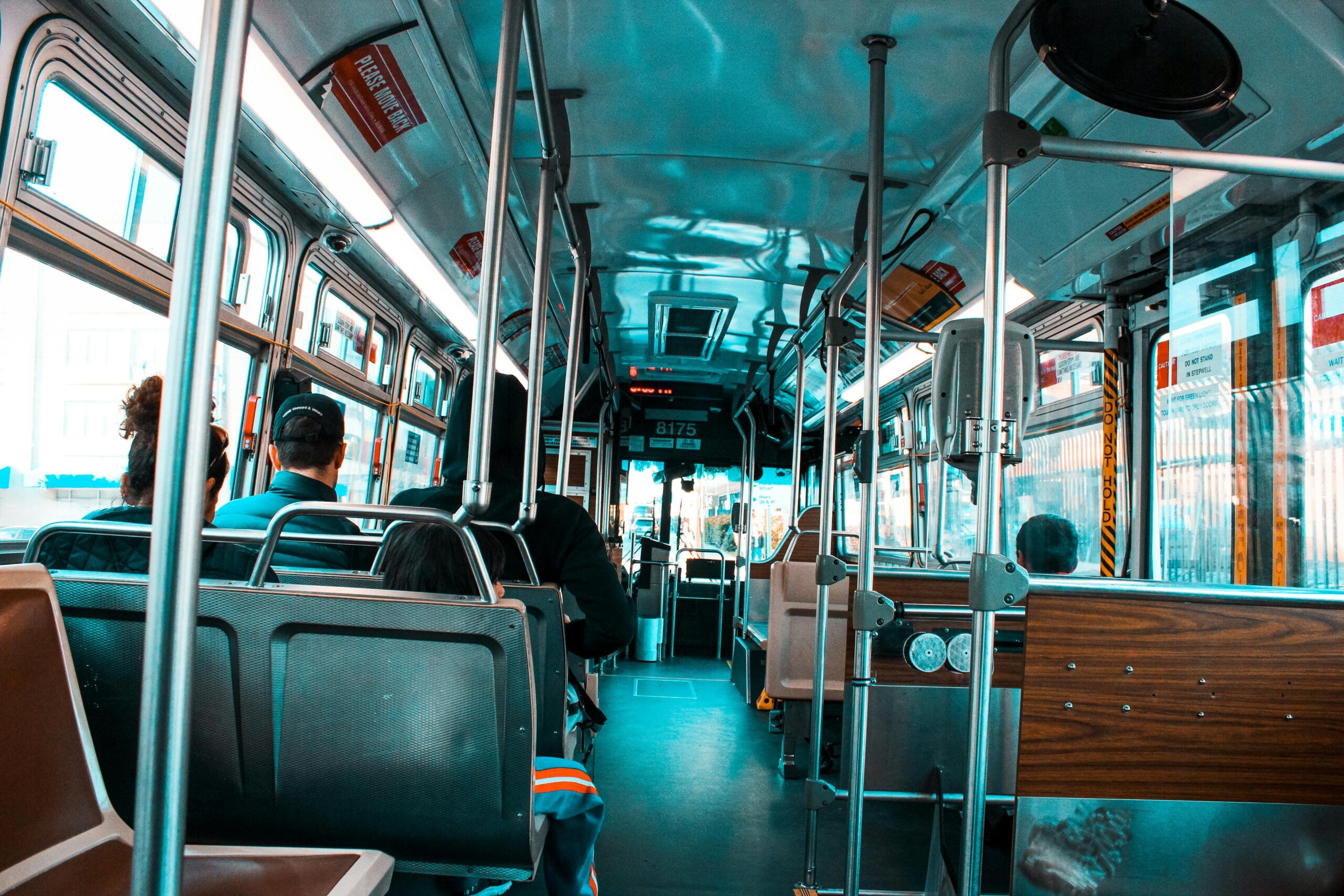
CU Boulder students ride every regularly scheduled RTD bus completely free using their Buff OneCard — local buses, the HOP, the Skip, the Flatiron Flyer to Denver, and regional routes to Longmont, Lafayette, and Louisville. The benefit replaces a $100 to $150 monthly RTD pass, which adds up to roughly $900 to $1,350 in savings over a nine-month academic year. Combine that with Boulder’s bike path network and the vast majority of CU students live four years here without owning a car. This guide covers the OneCard transit benefit, the routes that actually matter for student commutes, and the bike-plus-bus combos that make car-free Boulder student living genuinely workable.
Key Takeaways
- The Buff OneCard works as an unlimited transit pass on every scheduled RTD route. No swipe-out, no monthly activation.
- Coverage includes local Boulder routes, the HOP, the Skip, regional commuter routes, and the Flatiron Flyer to Denver Union Station.
- Replaces roughly $100 to $150/month in transit costs. Over an academic year, that is real money.
- The Transit app and RTD’s Trip Planner are the two tools worth installing the day you get your OneCard.
- Boulder’s bike paths run year-round but get plowed second. Studded tires matter from December through March.
- Late-night service after 10 PM thins out. Plan return trips before the bars close.
The Buff OneCard Is the Full Transit Pass
Every enrolled CU Boulder student gets a Buff OneCard at orientation. The card is the student ID, dining card, building access fob, and RTD transit pass in one piece of plastic.
The transit benefit is automatic. Tap the card on any RTD fare reader when boarding the bus. There is no separate pass to activate, no monthly renewal, no app to download for fare. The benefit stays active as long as you are registered for the current semester.
Coverage is broader than most students realize. Local Boulder routes are obvious. But the OneCard also works on the HOP and Skip routes through Boulder, the DASH and BOLT routes connecting Boulder to Louisville, Lafayette, and Longmont, regional commuter routes like the AB connecting to the Flatiron Flyer, and the Flatiron Flyer itself, which puts you at Denver Union Station in about 50 minutes for student internships, downtown shows, or a Rockies game.
The dollar value of this benefit is real. RTD’s monthly local pass runs about $114 in 2026, and the regional pass higher. Over a nine-month academic year, that is $1,000-plus in transit costs students don’t pay. Worth weighing if you’re debating whether to bring the car to Boulder.
Lose the card and the replacement is $25. Keep it in a sleeve, attach it to a lanyard, or stash it in a wallet you don’t lose track of.
CU’s On-Campus Shuttles: Buff Bus, HOP, and Skip
RTD does the heavy lifting, but a few campus-adjacent services round out the daily commute.
The Buff Bus runs campus-specific shuttle loops during the academic year — connecting residence halls, academic buildings, and the further-out parking lots like the Williams Village area. Service frequency picks up during peak class hours and tapers off in evenings.
The HOP loops through central Boulder with stops at campus, Pearl Street, the Boulder Junction transit area, and major shopping nodes. Frequency is roughly every 10 to 15 minutes during peak hours. The HOP is what students take to dinner on Pearl, to the grocery store, and to weekend errands.
The Skip runs Broadway north-south, threading north Boulder, the central campus, and south Boulder. Frequency runs 10 to 12 minutes peak. Anyone living along the Broadway corridor uses the Skip daily.
The JUMP and BOUND routes cover east-west corridors on Arapahoe, Baseline, and Table Mesa. Frequency varies; check the actual schedule for your specific stop before assuming.
Late-night service is the gap. After 10 PM, frequencies stretch and some routes stop running entirely. Students returning from late library sessions, evening labs, or social events need to plan their last bus home before they head out. Otherwise the alternatives are walking, biking, or calling a ride share.
Routes That Connect Campus to Off-Campus Neighborhoods
Picking an apartment without checking the transit map is how students end up with surprise 40-minute commutes. The routes below cover the housing zones students actually live in.
The 204 and 225 run Boulder to Longmont along the Diagonal corridor. Express service makes Longmont a viable lower-rent commute for students who want cheaper housing and don’t mind a 30- to 45-minute ride each way.
The DASH connects Boulder to Louisville and Lafayette. Daytime frequency makes these towns workable commuter bases — particularly Louisville, where rent runs noticeably below Boulder.
Route AB connects Boulder to the Flatiron Flyer stations along U.S. 36, which puts Denver and Broomfield within reach. Students with internships in the Denver metro use this corridor daily.
Local Boulder routes serve specific neighborhoods. Table Mesa, Martin Acres, Gunbarrel, and North Boulder each have their own coverage. The quality varies. Check the actual route map and the actual schedule for your specific class hours before signing a lease in any of these areas.
Apps That Make Transit Planning Painless
The Transit app is the one to install first. Real-time bus locations, arrival predictions, and a clean interface. Open it ten minutes before you’d otherwise leave for the stop — if your bus is running late, you don’t stand around in November cold.
RTD’s own Trip Planner handles the more complex transfer routes. Enter your apartment address and your destination, pick your arrival time, and the tool generates options with walking segments, transfers, and total travel time. Save the routes you use daily.
Google Maps integrates RTD schedule data and works for casual trip planning. It is fine. Transit and the RTD Trip Planner are better.
A note about transfers: routes that require a bus change introduce real variability. A missed connection can add 15 to 30 minutes depending on the next scheduled bus. Students with tight back-to-back classes should avoid transfer-heavy commutes when scheduling matters.
Bikes Plus Buses: How Most CU Students Actually Get Around
Boulder is genuinely set up for bike commuting. The city maintains a network of dedicated bike paths separated from car traffic — the Boulder Creek Path is the marquee route, running east-west through the city, and it is the fastest way across town for most cycling commutes.
Campus is bike-friendly in a way few American campuses are. Bike racks at every academic building, covered parking at several locations, and a university registration program that helps recover stolen bikes. CU Boulder also runs a bike-share program for students who want cycling flexibility without committing to ownership.
The bike-plus-bus strategy works like this. Bike to the nearest major bus stop for longer commutes. Load the bike onto the bus’s front-mounted rack. Ride the bus for the highway or long stretch. Bike from the destination stop to your final location. The combination extends your practical commute range substantially.
Two practical limits: RTD buses accommodate two bikes per rack on a first-come basis, so peak hours can fill the racks before your stop. Folding bikes ride inside the bus as carry-on items and bypass the rack limit entirely.
Winter Biking in Boulder
Boulder sees snow from October through April. Dedicated bike paths receive plowing priority but not the morning after a storm — plan on a day or two of slush.
Year-round bike commuters invest in studded tires, waterproof shoe covers, and decent gloves. Fair-weather cyclists park the bike from November through March and switch to bus-only routes. Either approach works as long as you make the call before the first 7 AM ride in 20 degrees.
Frequently Asked Questions About CU Boulder Transit
Does the Buff OneCard cover the bus to Denver?
Yes. The Buff OneCard works on the AB route to the Flatiron Flyer stations and on the Flatiron Flyer itself, which puts you at Denver Union Station in about 50 minutes. The benefit covers regional service across the Front Range, not just local Boulder routes.
How much does the Buff OneCard transit pass save students each year?
About $1,000 to $1,350 over a nine-month academic year, based on RTD’s 2026 pass pricing of roughly $114 per month for local service. Students who would otherwise commute by car or pay full RTD fare see the largest benefit.
What apps should I use to plan RTD bus trips around Boulder?
The Transit app for real-time bus locations and arrival predictions. RTD’s Trip Planner for complex routes with transfers. Google Maps works fine as a backup but is less accurate on real-time arrivals.
Can I bring my bike on RTD buses?
Yes. Every RTD bus has a front-mounted bike rack that holds two bikes on a first-come basis. Folding bikes ride inside the bus as carry-on items. Peak-hour racks can fill before your stop, so the bike-plus-bus combo is more reliable off-peak.
Is the Skip or the HOP a better commute option from north Boulder?
The Skip runs Broadway north-south at higher frequency, so it is usually the better commute from north Boulder to campus. The HOP loops through central Boulder for shopping, Pearl Street, and downtown errands rather than serving as a north-south spine.
What happens to my Buff OneCard transit benefit between semesters?
The transit benefit is tied to active enrollment. Most students retain the benefit through fall, spring, and summer if they’re registered. If you take a semester off, confirm with CU Boulder’s Transportation Services before assuming the card still works.
How late do RTD buses run in Boulder?
Service thins meaningfully after 10 PM and many routes stop running entirely by midnight. Friday and Saturday extend later on a few core routes. Plan return trips before heading out for the evening so you’re not stranded.
Bottom Line for CU Boulder Transit
The Buff OneCard is the most underused benefit at CU. Activate the Transit app and the RTD Trip Planner on day one. Know your three or four core routes before classes start. Add a bike for the spring and fall. Spend the money you would have spent on parking and gas on something better.
When you start looking at apartments, check the bus and bike access to the specific address before falling in love with the photos. Find My Place lists CU Boulder rentals with transit accessibility flagged on each listing, which makes the comparison work easier when you are evaluating multiple neighborhoods.
