
Pet-Friendly Apartments in Logan: Rules, Fees, and Where to Look
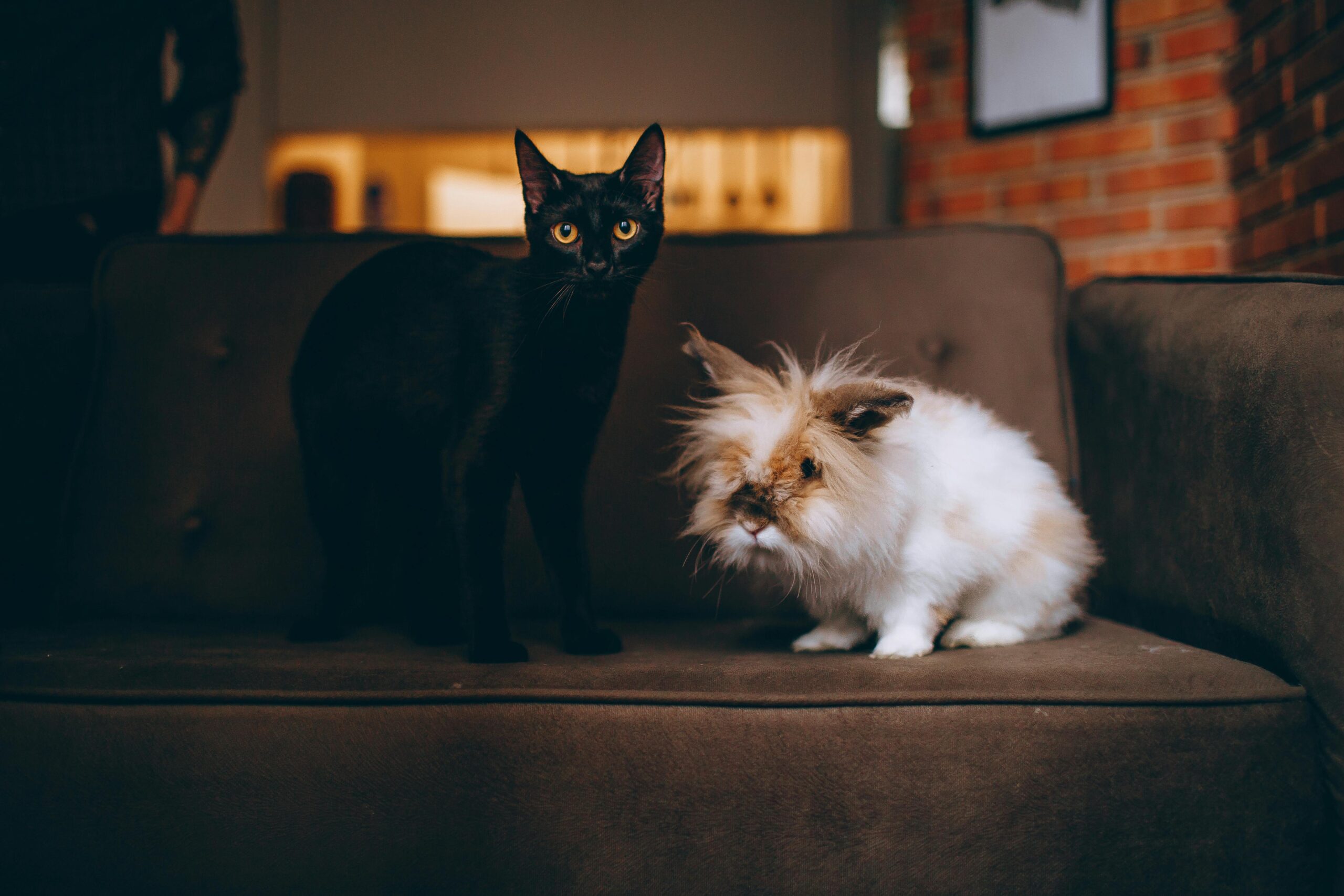
Pet-friendly apartments near Utah State University in Logan typically charge $200 to $500 refundable deposits, $100 to $300 non-refundable fees, and $25 to $50 monthly pet rent per animal. Many large student housing complexes near USU prohibit pets entirely, while smaller apartment buildings, duplexes, single-family homes, and basement units allow cats and dogs with restrictions. Common limitations include weight limits of 25 to 50 pounds, breed restrictions, and maximum pet counts of one to two animals per unit. Students with pets should start Logan apartment searches three to six months early, filter listings specifically for pet-friendly properties, and obtain written lease confirmation for specific animals before signing.
TL;DR: Quick Answer
- Logan pet deposits range $200-$500 refundable plus $100-$300 non-refundable fees
- Monthly pet rent adds $25-$50 per animal to housing costs
- Most large USU student complexes prohibit pets—search smaller buildings and private landlords
- Cats face fewer restrictions than dogs in Logan rental properties
- Find My Place filters Logan apartments by pet policies, showing fees and restrictions clearly
Logan Apartment Pet Policies Vary Significantly by Property Type
Pet allowances depend heavily on property ownership and management structures near Utah State University.
Many student-focused apartment complexes near USU do not permit pets. Large multi-bedroom student housing communities typically enforce no-pet policies strictly. Marketing targets students without animals primarily.
Smaller apartment buildings demonstrate more flexibility. Duplexes, single-family homes, and basement apartments allow pets more frequently. Private landlords make individual decisions rather than following corporate policies.
Never assume pet allowance from general listings. Confirm policies directly before applying or touring properties. Wasted time viewing no-pet apartments frustrates searches unnecessarily.
Filter listings specifically for pet-friendly designations. Direct landlord confirmation prevents misunderstandings. Written lease language provides legal protection for pet owners.
Pet Deposits and Monthly Fees Increase Total Housing Costs
Logan landlords accepting pets charge multiple fee types.
Refundable pet deposits range $200 to $500 typically. Non-refundable pet fees cost $100 to $300 upfront. Monthly pet rent adds $25 to $50 per animal to base rent amounts. These numbers represent common Utah rental market ranges.
Students paying $600 monthly rent who add a $35 monthly pet fee increase total housing costs to $635 before utilities. Deposits compound upfront expenses significantly. A $400 security deposit combined with a $200 pet deposit requires $600 before moving in.
Calculate complete monthly costs including pet rent before signing leases. Budget planning requires accuracy. Hidden pet fees strain finances when overlooked.
Pet ownership increases Logan housing expenses by $300 to $600 annually minimum through monthly fees alone. Deposits raise initial move-in costs substantially beyond standard security deposits.
Weight Limits and Breed Restrictions Control Pet Allowances
Most Logan rentals permitting pets impose specific limitations.
Common policies include allowing cats while restricting dogs. Weight limits typically cap dogs at 25 to 50 pounds maximum. Breed restrictions prohibit certain dog types regardless of size or temperament. Properties limit total pet counts to one or two animals per unit.
Exotic pets like reptiles, large birds, and unusual animals require special landlord approval case-by-case. Standard pet policies rarely address uncommon species specifically.
Obtain written lease confirmation for your specific pet before signing. Generic pet-friendly status doesn’t guarantee acceptance of particular animals. Documentation protects both parties from disputes.
Small dogs and cats face fewer restrictions than large breeds. Weight and breed policies eliminate many dog owners from standard pet-friendly properties.
Emotional Support Animals Follow Different Legal Standards
Federal fair housing laws treat Emotional Support Animals separately from regular pets.
ESAs may be allowed in no-pet housing when properly documented. Landlords can request valid documentation verifying ESA status. Rules differ significantly from service animal regulations. ESA policy abuse creates legal complications for students and landlords.
Communicate ESA status early in apartment searches. Provide appropriate documentation proactively. Legitimate ESAs deserve accommodation but require proper verification processes.
ESA designations don’t eliminate all landlord concerns. Damage and noise complaints still apply. Responsible pet ownership matters regardless of legal status.
Private Landlords Offer More Pet-Friendly Flexibility
Students with pets find success through specific search channels.
Individual property owners renting houses or basement units demonstrate more flexibility than large student complexes. Personal landlord decisions consider individual circumstances rather than corporate blanket policies.
Smaller apartment communities not marketing exclusively to students broaden options. Generic rental properties serve diverse tenant populations beyond college students exclusively.
Housing listing platforms allowing pet-friendly filtering save enormous time. Touring no-pet properties wastes effort when searches target confirmed pet-allowing options from the start.
Expand searches beyond USU-branded student housing. Generic residential rentals near campus often permit pets when student complexes don’t.
Dogs Face More Rental Restrictions Than Cats
Dog ownership in Logan creates additional challenges.
Large dogs encounter resistance from landlords consistently. Restricted breeds face outright denials regardless of individual temperament or training. Campus-proximity properties reject dogs more frequently than distant locations.
Cats generally receive easier accommodation in apartments. Size remains constant. Noise complaints occur less frequently. Property damage risks decrease compared to dogs.
Dog owners should start apartment searches earlier than typical timelines. January through March searching secures fall leases when options exist. Expanded location radius beyond immediate campus area increases available properties. Higher costs through increased deposits and monthly fees become standard.
Essential Questions Clarify Pet Policy Details
Students must ask specific questions before committing to pet-friendly rentals.
Is the pet deposit refundable or non-refundable? Are monthly pet rent charges required? Do breed or weight limits exist? Can pets access common areas like courtyards or lobbies? Does the property include fenced yards or nearby parks?
Logan winter climate makes outdoor access critical for dogs. Snow and freezing temperatures require convenient walking areas. Proximity to parks simplifies daily routines significantly.
Written answers to these questions prevent misunderstandings. Verbal assurances lack enforcement mechanisms. Lease documentation protects tenant rights.
Logan Winters Require Pet-Friendly Infrastructure Planning
Heavy snowfall and subzero temperatures affect pet owners practically.
Dog owners need accessible sidewalks year-round. Clarify snow removal responsibilities before signing leases. Properties near parks reduce walking distances during harsh weather. Budget for winter pet gear including booties and coats when necessary.
Walking paths matter more during Logan’s five-month winter season. Convenient outdoor access determines daily quality of life for dogs and owners.
Evaluate properties considering winter functionality beyond summer touring impressions. February reality differs from August appearances dramatically.
Roommate Agreement Precedes Landlord Approval
Landlord pet permission doesn’t guarantee roommate acceptance.
Obtain written roommate agreement before signing leases with pets. Clarify shared cleaning responsibilities upfront. Discuss expectations regarding noise, odors, and common area usage explicitly.
Pets create tension when expectations remain unclear. Preventive communication avoids conflicts. Roommate refusal can prevent otherwise viable housing options.
Consider pet impact on shared living honestly. Not all roommate situations accommodate animals successfully.
Strong Applications Reduce Landlord Pet Concerns
Property owners worry about damage and noise from animals. Students reduce concerns through proactive documentation.
Provide current veterinary records showing vaccinations and health. Offer references from previous landlords confirming responsible pet ownership. Show proof of training for dogs. Propose slightly higher deposits voluntarily when competing for limited pet-friendly units.
Professional presentation demonstrates responsibility. Landlords choose applicants minimizing perceived risks. Preparation differentiates serious pet owners from casual inquiries.
Complete Budget Planning Includes All Pet Costs
Calculate comprehensive monthly housing expenses accurately.
Base rent of $550 plus utilities of $90 plus pet rent of $30 equals $670 total monthly. Upfront costs include $400 security deposit plus $200 pet deposit totaling $600 before moving in.
Pet ownership increases student housing budgets by 5 to 10 percent monthly minimum. Annual impact reaches hundreds of dollars through recurring fees.
Before signing leases, confirm pet approval in writing, understand deposit versus non-refundable fee structures, budget monthly pet rent accurately, verify winter access and snow removal, and secure roommate agreement.
Find My Place lists Logan pet-friendly apartments with transparent fee structures, restriction details, and proximity to parks for convenient pet ownership near Utah State University.
