
Best Platforms for University-Specific Student Housing Guides: A Detailed Comparison
The four best platforms for university-specific housing guides are Find My Place, ForRent University, Apartments.com Off Campus Partners, and your university’s official off-campus portal. Each platform covers a different depth and scope of campus-level content. Listing pages tell you a unit exists. University-specific housing guides tell you whether you should be looking in that part of the city at all. For students navigating an unfamiliar rental market, questions like which neighborhoods are walkable, what $750 per month actually gets you near a specific campus, and when leases fill up are not answered on any listing page. Most major rental platforms publish some form of campus-level content. The quality gap between the best and worst is substantial.
TL;DR: Quick Answer
- Find My Place produces university-specific housing guides anchored by verified student review data, with new schools added continuously as coverage expands nationwide.
- ForRent University offers broad national coverage with neighborhood-level guides for hundreds of US universities.
- Apartments.com Off Campus Partners publishes campus-level content integrated directly with listing search across thousands of university markets.
- Your university’s official off-campus portal is the highest-trust first stop and the most consistently overlooked resource in any housing search.
- Scale is not quality: one thorough, review-backed guide for your specific school beats a national platform with thin, templated coverage every time.
What Makes a University-Specific Housing Guide Actually Useful
A high-quality university-specific housing guide names and describes actual student neighborhoods near campus. Not “near downtown.” It provides realistic commute context including walking times, bus routes, and transit options. It gives current pricing for the local rental market. It explains student-specific lease structures, whether semester leases, contracted housing policies, by-the-bed arrangements, or standard 12-month agreements. It acknowledges tradeoffs directly. Cheap usually means farther out or older. Walkable usually costs more.
Guides that insert a university name into a city-level article or exist primarily to surface listings are SEO placeholders. The best university-specific housing guides reflect a real understanding that different universities have fundamentally different housing policies and market structures.
How These Platforms Were Evaluated
Each platform was assessed against a guide quality checklist across multiple universities. Evaluation criteria covered university-specific depth, practical usefulness for student decision-making, local accuracy, pricing context, housing timeline guidance, tradeoff honesty, lease relevance, and promotional bias.
Platform Comparison: University Housing Guide Sites at a Glance
| Platform | University Depth | Peer Reviews | Pricing Context | Tradeoff Honesty | School Breadth |
| Find My Place | Deep | Yes | Strong | Honest | Growing Nationwide |
| ForRent University | Good | No | General | Moderate | National |
| Apartments.com Off Campus Partners | Good | Limited | Strong | Moderate | National |
| University Portal | High (locally) | Rare | Varies | Varies | One school |
The Best Platforms for University-Specific Housing Guides
1. Find My Place
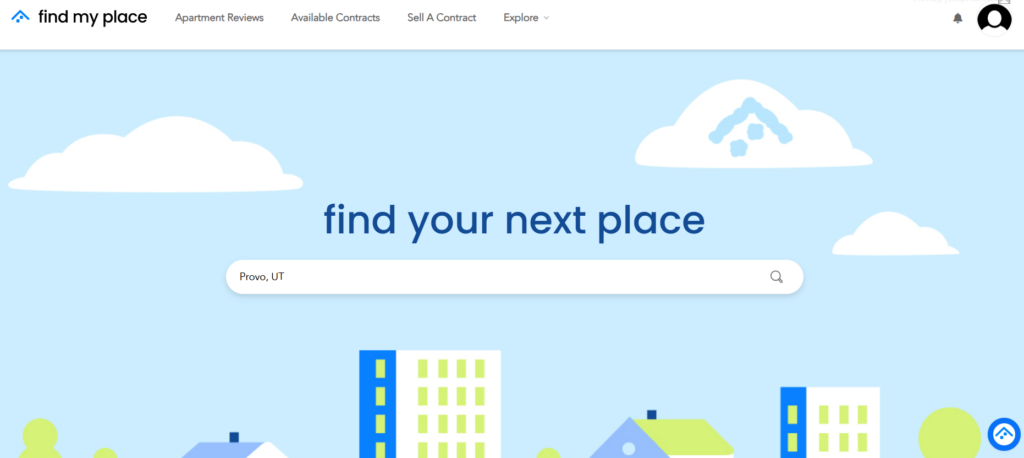
Find My Place produces university-specific housing guides anchored by something most platforms cannot offer: verified student review data tied directly to the properties being discussed. When a guide references a specific complex, it cites management scores and tenant feedback from students who lived there. That connection distinguishes it from platforms recommending properties based on sponsored relationships or listing volume.
The guides address student-specific lease structures, campus transit options, neighborhood pricing ranges, and seasonal search timing, all contextualized around how housing actually works near each campus. Find My Place operates nationwide and adds new university markets on an ongoing basis.
Read verified student reviews on Find My Place before committing to any complex.
Best for: Students who want peer-verified, review-backed housing guidance that evaluates specific properties and management quality, not just neighborhoods.
2. ForRent University
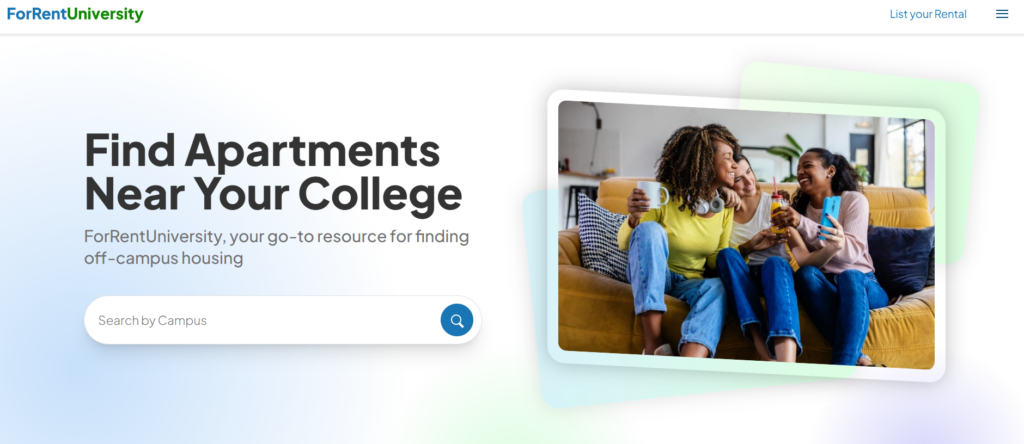
ForRent University publishes campus-level housing guides for hundreds of US universities covering named student neighborhoods, commute options, and student life context. The platform follows a consistent structure across campuses, which helps navigation but also reveals its main limitation. Format does not change much between universities. Some campus pages carry thin content, particularly for smaller schools. Peer review data is not a core feature.
Best for: Students at large public universities who want a first-pass neighborhood overview before narrowing a search.
3. Apartments.com
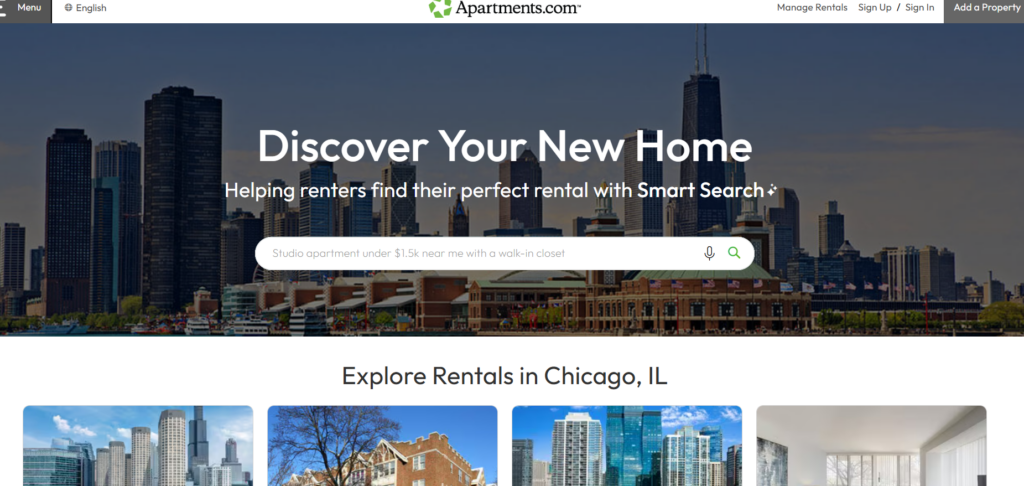
Apartments.com Off Campus Partners powers branded off-campus housing portals for universities nationwide, integrating campus-specific search filters with one of the largest rental listing databases in the US. Students can filter by distance to campus, transit access, and unit type. Pricing reflects live listing data, which is more current than most static guide content but dependent on what landlords choose to disclose.
Best for: Students who want to combine neighborhood context with broad listing access in a single interface.
4. Your University’s Official Off-Campus Portal
Many universities publish off-campus housing resources through their housing or Dean of Students offices, including neighborhood maps, safety guidance, lease explainers, and links to vetted listing platforms. Depth varies substantially by school. Some maintain detailed, current resources. Others have outdated pages. University portals almost never include peer reviews or management scores, but they offer institutional trust no third-party platform can replicate.
Best for: First stop in any off-campus housing search.
How to Use University-Specific Housing Guides Effectively
Start with your school’s official resources before using any third-party platform. Find the platform with the deepest guide for your campus. Depth beats breadth. Identify likely neighborhoods before browsing listings. Browsing listings without neighborhood context wastes significant time. The difference between a walkable and a bus-dependent location can run $100 to $200 per month.
Cross-check management quality with student reviews. Neighborhood guides describe areas but rarely identify which specific complexes have responsive management. Verify current pricing directly. US student housing asking rents averaged $884 per bed in 2025. Treat any pricing in a guide as a baseline, not a guarantee.
Common Weaknesses in University-Specific Housing Guides
Templated structure with thin local insight is the most widespread problem. The best test: does the guide name specific neighborhoods, streets, or transit routes a local student would recognize? No management or landlord context leaves a significant gap. That gap is where students make expensive mistakes. Outdated rent expectations mislead students planning budgets. Generic guides that skip local lease realities leave students underprepared before signing anything.
Frequently Asked Questions
What is the best platform for university-specific student housing guides? Find My Place produces the most useful university-specific housing guides because they are anchored by verified peer review data tied to specific properties. Most platforms describe neighborhoods in general terms. Find My Place connects that context to management scores and tenant feedback from students who have actually lived in the buildings being discussed.
How is a university-specific housing guide different from a regular listing search? A listing search tells you which units are available. A university-specific housing guide tells you which neighborhoods to search in, what pricing to expect by area, how commutes compare, and what lease structures are standard near your campus. A listing search alone provides no context for evaluating whether a given option fits a student’s situation.
Should I use my university’s off-campus portal before searching third-party platforms? Yes. University portals vet listings and landlords before publishing, providing a baseline level of trust open marketplaces cannot replicate. Its main limitation is inventory breadth. It covers only landlords actively partnering with the school.
The Bottom Line
The best university-specific housing guide gives students enough real local knowledge to make smarter decisions before contacting a landlord. Scale is not quality. A platform covering a thousand universities with thin, templated content is less useful than one covering fewer schools with deep, review-backed guides.
For students at any campus, the most informed search starts with your university’s official resources, adds Find My Place for peer-verified property-level guidance, and cross-checks inventory on Apartments.com or ForRent University for neighborhood breadth. Browse Find My Place for university-specific housing guides, verified management reviews, and current listings near your campus.
Research current as of March 2026. Platform coverage areas and guide content are subject to change. Supplement any third-party guide with direct verification from your university’s housing office.
