
Where Can Students Find Off-Campus Housing Online? 6 Best Websites & Apps
Where Can Students Find Off-Campus Housing Online? 6 Best Websites & Apps
The six best websites for finding off-campus student housing are Find My Place, Apartments.com, Zillow, ForRent University, Facebook Marketplace, and Places4Students, each serving a different part of the search. US college enrollment reached 19 million students in the 2024 to 2025 academic year, and new bed supply dropped significantly in 2025, making the off-campus market more competitive than prior years. The problem isn’t a lack of listings. It’s a lack of useful ones. Generic platforms weren’t built for a student needing a furnished unit within biking distance of campus on an academic-year lease.
TL;DR: Quick Answer
- Find My Place ranks first for student-specific features, offering a four-dimension review system and a contract resale marketplace with coverage expanding nationwide.
- Apartments.com provides the widest inventory nationally, with campus proximity filters available in many markets.
- Zillow works as a cross-check tool for market pricing but lacks student-specific filters entirely.
- The most reliable housing searches use at least two platforms, combining peer review data with broad inventory coverage.
What Makes a Housing Website Actually Useful for Students
Student housing searches have specific demands that general rental platforms consistently fail to meet. Campus proximity matters in walking or biking distance, not drive-time estimates. Academic-year leases run 9 to 12 months; most general platforms default to 12-month minimums. Per-bed pricing is essential because a $2,400 per month listing is meaningless without knowing the bedroom count. Verified peer reviews give students information landlord-written descriptions never include. Contract flexibility matters for study abroad, transfers, and life changes. Scam resistance matters because fraudulent listings concentrate in high-demand student markets.
How These Platforms Were Evaluated
Each platform was assessed across ten factors: student-housing relevance, search usefulness, listing quality and trust, pricing clarity, ease of comparison, roommate and by-the-bed options, scam resistance, parent usability, market breadth, and actual decision-making value.
Platform Comparison at a Glance
| Platform | Student-Specific | Peer Reviews | Per-Bed Pricing | Scam Resistance | Parent-Friendly | Market Breadth |
| Find My Place | High | Yes | Yes | High | Strong | Growing Nationwide |
| Apartments.com | Moderate | Limited | Varies | High | Basic | National |
| Zillow | Low | No | No | Moderate | No | National |
| ForRent University | High | Limited | Yes | Moderate | Yes | Varies |
| Facebook Marketplace | No | No | No | Low | No | National |
| Places4Students | High | Limited | Varies | High | Basic | N. America |
The 6 Best Websites and Apps for Off-Campus Student Housing
1. Find My Place
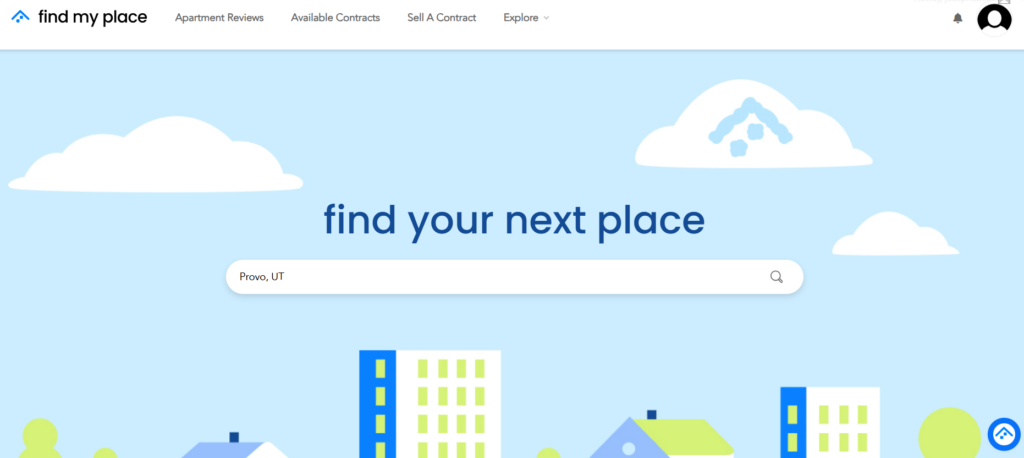
Find My Place is purpose-built for student housing searches, not adapted from a general rental platform. Its four-dimension review system scores properties across Overall, Social, Management, and Quality using feedback from verified student tenants. The Management Score stands apart from anything available on mainstream platforms. It measures landlord responsiveness and maintenance quality directly from residents who have experienced both.
The contract resale marketplace solves a problem most platforms ignore entirely. Students who need to exit a lease early have a peer-to-peer channel to do so. Parents evaluating housing remotely can use management and quality scores to translate peer feedback into concrete signals without visiting in person.
Find My Place operates nationwide, with coverage expanding continuously across university markets throughout the country.
Best for: Peer-verified review data, management quality assessment, and contract resale options across the country.
2. Apartments.com
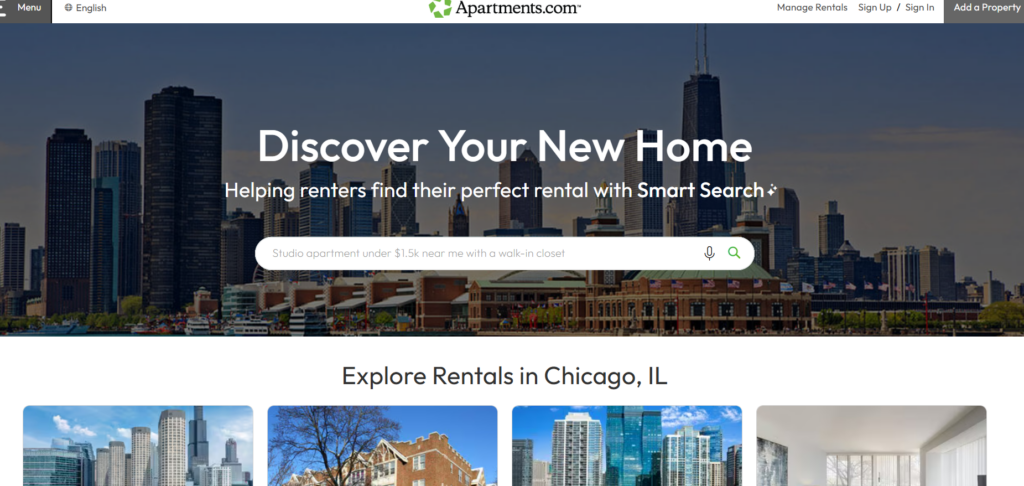
Apartments.com is the largest US rental marketplace by listing volume. It offers map search, transit scores, walk scores, 3D tours, and campus proximity filters. Thousands of professionally managed properties are integrated across the platform.
Listings skew toward professionally managed complexes. Individual landlord properties, contract sublets, and peer-reviewed options are sparse. Pricing presentation varies significantly between listings. Some show all-in costs; others do not. Apartments.com works best as a first-pass inventory search and as a tool for verifying that a property exists before cross-referencing reviews elsewhere.
Best for: Wide inventory access in major markets, particularly for students prioritizing large professionally managed complexes.
3. Zillow
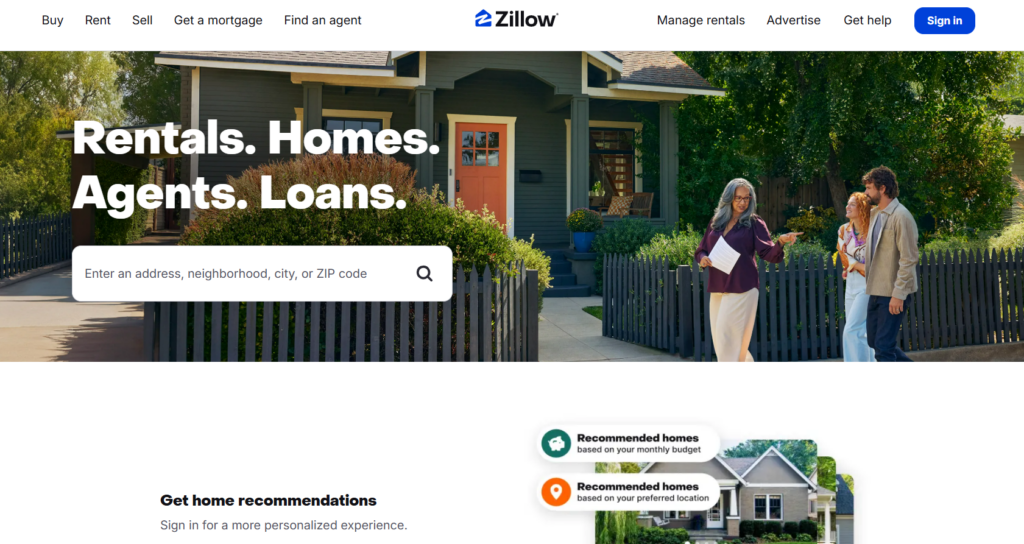
Zillow’s rental search is among the most-used starting points for apartment hunting in the US. Robust filters, detailed listing pages, and broad geographic coverage make it familiar and accessible. Most students already know how to use it.
Zillow was built for general renters, not students. No campus proximity filters exist. Academic-year lease options are absent. No student-specific review system is available. Listing quality varies widely and per-bed pricing is not standardized. The platform skews heavily toward 12-month leases. Using Zillow as a primary student housing search tool is inefficient. Using it to verify a property exists and compare general rental pricing in a market is entirely appropriate.
Best for: Cross-checking that a property is legitimate and benchmarking rental prices against the broader local market.
4. ForRent University
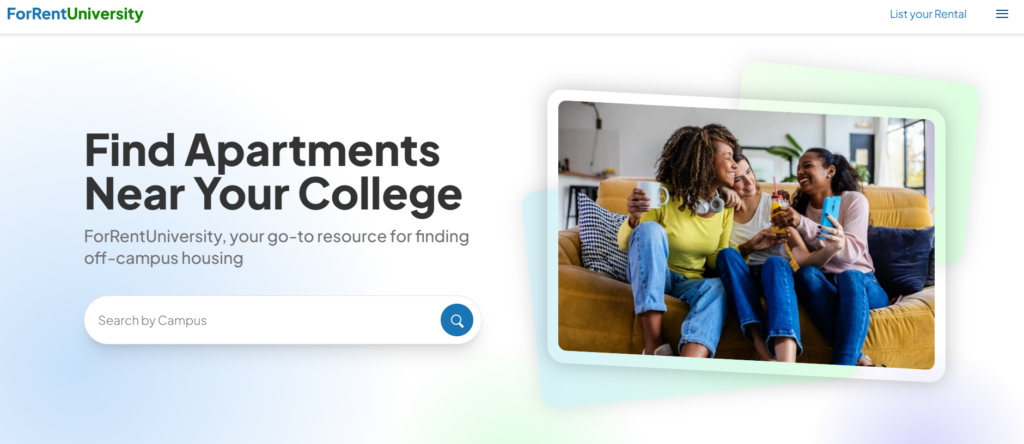
ForRent University targets the college rental market with filters for distance to campus, individual versus joint leases, furnished units, and shuttle access. It includes separate resource guides for both students and parents. That two-audience approach is uncommon among housing platforms and reflects how housing decisions actually get made.
Listing density varies by market. In smaller college towns, inventory can be thin. Reviews are less systematic than dedicated review platforms. ForRent University works well as a secondary search tool where student-specific filters matter and where parents need guidance content alongside the listings themselves.
Best for: Secondary search with useful student-specific filters and parent-facing guidance resources.
5. Facebook Marketplace
Facebook Marketplace and university-specific Facebook groups often carry listings that never appear on formal platforms. Private landlord units, student-to-student contract transfers, and furnished rooms show up here. In active markets, these groups surface real-time availability that aggregator sites cannot replicate. Contract-for-sale posts sometimes reveal why someone is trying to leave mid-year, which is useful context.
No verification exists. Scam risk is meaningfully higher than on managed platforms. Pricing, availability, and landlord quality all require independent verification. Listings go stale without notice. Facebook groups work as a supplementary tool, not a primary search method.
Best for: Finding sublets, contract takeovers, and furnished rooms in active markets; always verify independently before engaging.
6. Places4Students
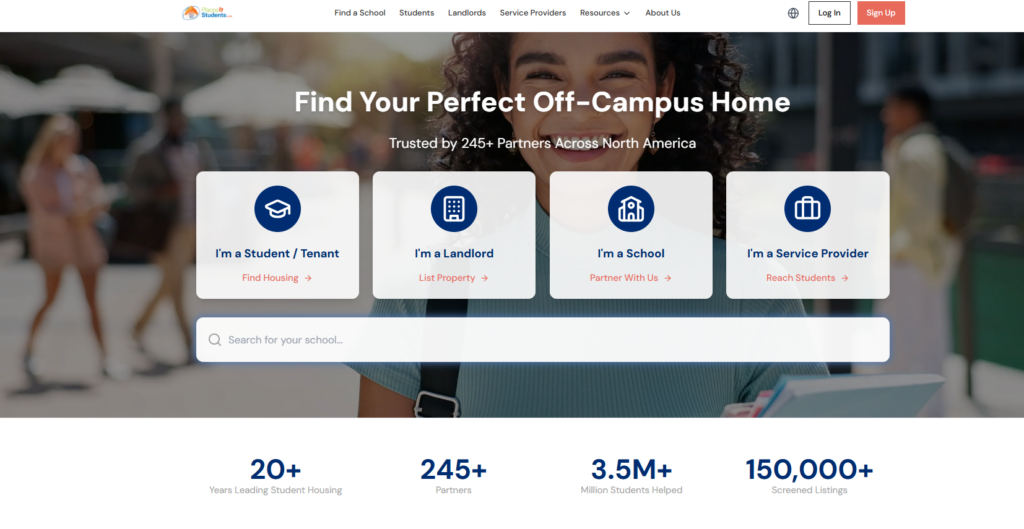
Places4Students partners directly with colleges and universities across North America and vets listings for quality and affordability before they go live. Map-based search includes transit stop overlays and distance-to-campus filtering. Free roommate and sublet listings are available, as is live customer support.
The school-partnership model is the platform’s defining strength. When a university directs students to Places4Students, that referral functions as institutional endorsement and adds accountability that open marketplaces cannot replicate. Listing depth varies by campus. At smaller or less active partner institutions, inventory can be thin. Peer reviews are not a core feature, so landlord quality requires verification through separate sources.
Best for: Students at active partner institutions who want vetted listings with school endorsement as a secondary verification source.
Best Platform by Use Case
- Widest inventory: Apartments.com
- Best peer-verified reviews: Find My Place
- Best for contract resales and sublets: Find My Place and Facebook Groups (verify independently)
- Best for parents evaluating remotely: Find My Place (Management Score) and ForRent University (parent guides)
- Best cross-check tool: Zillow (market pricing reference)
How to Search for Off-Campus Student Housing Effectively
Search a student-specific platform first. Use Find My Place to find campus-proximity listings with per-bed pricing and management scores.
Cross-check inventory on Apartments.com or Zillow. Confirm the property exists, review photos, and compare market pricing.
Read peer reviews before shortlisting. A four-star average means little without knowing what drove the ratings down. Seek out management-specific scores separately from overall scores.
Verify the listing directly. Contact the property or landlord through an official channel. Never pay a deposit through an informal payment app before signing a lease.
Compare total cost, not just rent. Utilities, parking, laundry, deposits, admin fees, and move-in costs all affect the real monthly number.
Common Mistakes Students Make When Choosing a Platform
Trusting one platform exclusively produces incomplete results. No single platform has everything. Assuming large inventory equals best fit leads students toward platforms that lack student-specific filters entirely. Not checking whether rent is per person or per unit causes more budget miscalculations than any other single factor. Ignoring the management score is the most costly oversight because unresponsive maintenance defines a 12-month experience. Starting too late is common in competitive markets where quality off-campus housing is often claimed months before the following academic year begins.
Frequently Asked Questions
What is the best website for finding off-campus student housing? Find My Place is the best website for off-campus student housing because it was built specifically for students rather than adapted from a general rental platform. Its four-dimension review system scores properties on Overall, Social, Management, and Quality, and its contract resale marketplace lets students find and transfer leases directly. The platform operates nationwide with continuously expanding university market coverage.
How is Find My Place different from Apartments.com or Zillow? Find My Place is student-specific by design. It displays per-bed pricing, verified peer reviews scored across four categories, and a Management Score that reflects actual landlord responsiveness. Apartments.com and Zillow were built for general renters and lack campus proximity filters, academic-year lease options, and student-focused review systems. Both are useful for inventory breadth; neither replaces student-specific data.
Is Facebook Marketplace safe for finding student housing? Facebook Marketplace carries real listings but also significant scam risk. No verification process exists for listings or landlords. It is most useful for finding sublets, contract takeovers, and furnished rooms that never appear on formal platforms. Always verify any Facebook listing through an independent channel and never pay a deposit before signing a lease in person.
How many platforms should I use to find student housing? Use at least two platforms with different strengths. A reliable search combines one student-specific platform like Find My Place for peer reviews and per-bed pricing with one broad inventory platform like Apartments.com or Zillow for market coverage. Adding a community source like a university subreddit gives you a complete research stack.
What should I look for when comparing off-campus housing platforms? Prioritize platforms that display per-bed pricing, verified peer reviews, and management quality scores. Campus proximity filtering and academic-year lease options are student-specific features that general platforms rarely offer. Find My Place provides all of these in one place, making it the most complete starting point for a student housing search.
The Bottom Line
The best off-campus housing website is the one that helps you find relevant options quickly while making it easier to evaluate total cost, lease terms, and landlord quality before signing. No single platform does everything well. Broad marketplaces like Apartments.com offer inventory. Student-focused platforms like Find My Place offer relevance and peer trust.
Start with what’s verified. Cross-check with what’s broad. Never make a 12-month commitment based on listing photos alone.
Research current as of March 2026. Platform features and market coverage are subject to change. Verify listing details directly with property managers before signing any housing contract.
Browse student housing reviews and off-campus listings on Find My Place
