
How Boulder Off-Campus Housing Costs Compare to On-Campus Housing
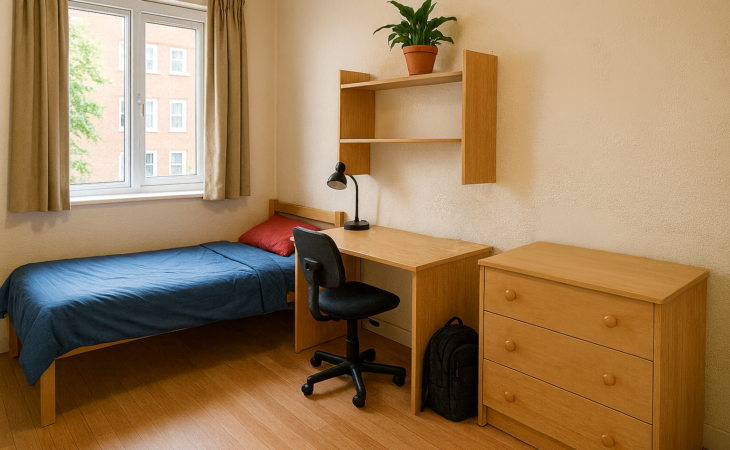
You’ll pay $12,200-$14,500 yearly living on campus at CU Boulder with meals and utilities included – but here’s what nobody tells you about going off-campus in Boulder’s brutal housing market.
That “cheap” studio apartment at $1,200 monthly? It’s actually $1,400-$1,480 once you add utilities ($150-200) and internet ($50-80). Shared two-bedrooms look better at $600-$800 per person, but you’re still looking at $800-$1,080 monthly after those hidden costs hit.
Boulder’s expensive reality gets worse. Parking permits run $50-100 monthly (street parking is a nightmare near campus), plus renter’s insurance adds another $15-25. Your “affordable” off-campus option suddenly costs $14,400-$17,280 yearly – potentially MORE than on-campus housing.
The Hill and University Hill apartments disappear within 48 hours of listing. You’re competing with returning students who know Boulder’s neighborhoods while you’re frantically googling “is 28th Street walkable to campus?” from your hometown bedroom.
Bottom line: Off-campus only saves money if you score a great roommate situation in neighborhoods like Martin Acres or Table Mesa and don’t mind the bus commute. Otherwise, that meal plan and guaranteed housing spot starts looking pretty smart for your first year while you figure out Boulder’s impossible housing game.
Breaking Down On-Campus Housing Costs at CU Boulder

Understanding CU Boulder’s on-campus housing costs is crucial before you start apartment hunting. Traditional dorm rooms cost $7,200 to $9,500 per academic year – and that’s before adding a required meal plan that starts at $5,000. You’re looking at $12,200 to $14,500 total for nine months of campus living.
Here’s what those dorm fees actually include: utilities, internet, and zero surprise bills hitting your already tight budget. You’ll be walking distance to classes and libraries, which saves time and bus fare when you’re juggling academics and that part-time job.
CU requires freshmen to live on campus, so you don’t have a choice your first year. But once you’re free to explore off-campus options? Those dorm costs suddenly become your baseline for comparison. When you’re splitting a 2-bedroom apartment near The Hill with a roommate, you might discover you can get more space, freedom, and Boulder neighborhood experience for similar money – or even less if you’re strategic about location and timing.
The key is knowing these campus housing numbers upfront so you can make informed decisions about where your housing budget goes after freshman year.
Average Off-Campus Rental Rates in Boulder Neighborhoods
After you research campus housing costs, it’s time to dive into Boulder’s competitive rental market. The Hill offers studios starting around $1,200 monthly – perfect walking distance to campus for those early morning classes and late-night study sessions.
North Boulder pushes $1,400 for one-bedrooms, but you’ll discover more diverse housing options that won’t break your budget completely.
South Boulder delivers better value in the $1,000-$1,300 range – definitely worth exploring if you want more space for your money. East Boulder sits between $900-$1,200 for similar spaces, giving you the best bang for your buck while still maintaining reasonable access to campus and Boulder’s outdoor scene.
Rental prices spike dramatically during August and January when landlords know desperate students need places immediately. This is when your “I’m going to be homeless” fears become very real, so plan ahead.
Sharing a two-bedroom slashes costs substantially – split rent typically means $600-$800 per person across most Boulder neighborhoods. This strategy keeps you within budget while building the community connections you’re craving.
Downtown Boulder costs significantly more but positions you steps from Pearl Street’s restaurants, shops, and nightlife. Your call on whether proximity to Boulder’s social hub outweighs the budget hit.
Most leases require twelve-month commitments, so factor in summer months when you might head home or need to sublet. This timing challenge catches many first-time Boulder renters off guard, especially out-of-state students unfamiliar with the local rental cycle.
Hidden Expenses That Impact Your Total Housing Budget
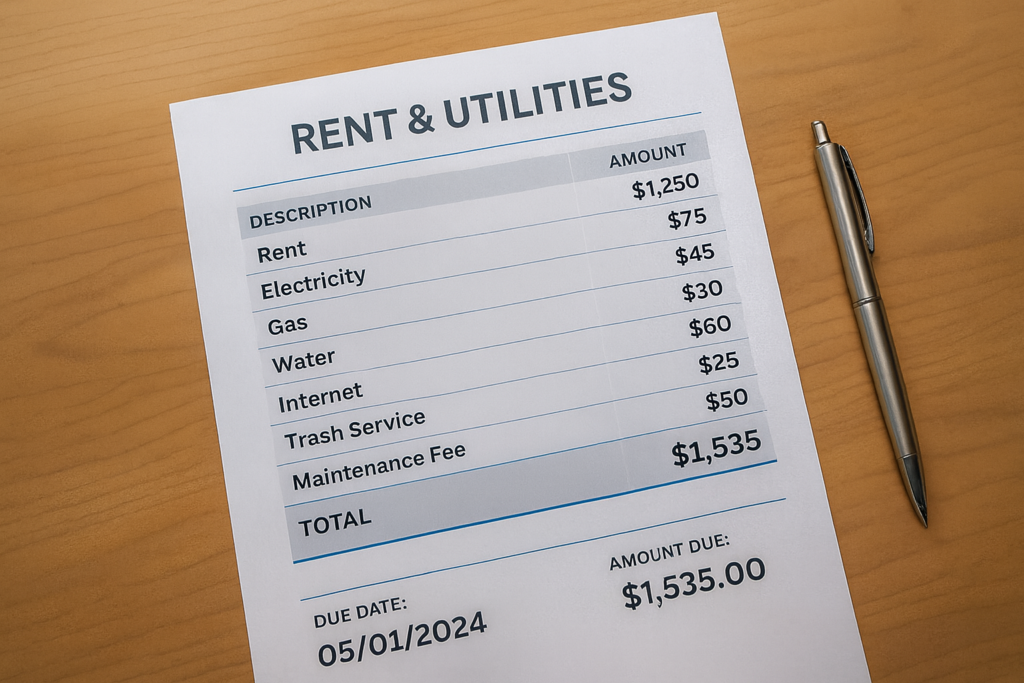
That security deposit hits differently when you’re already stretching every dollar – usually one month’s rent upfront before you even step foot in Boulder. But here’s what nobody warns CU students about: the hidden costs that can wreck your carefully planned budget.
Utilities aren’t just “included” like you’d hope. Expect $150-200 monthly for gas, electric, water, and trash in most places near campus. The Hill apartments especially love to surprise students with separate billing for everything. Internet? That’s another $50-80 monthly unless you’re lucky enough to find a place with WiFi included.
When stuff breaks in your apartment (and it will), you’re covering repairs unless it’s major structural damage. Stock up on lightbulbs, air filters, and basic maintenance supplies. Your landlord won’t replace these for free. If you brought your car to Boulder – which most out-of-state students do – parking permits run $75-150 monthly depending on how close to campus you want to be.
Renter’s insurance is mandatory at most Boulder properties and costs about $15-20 monthly. Here’s the real talk: budget an extra 30% on top of your base rent for actual monthly housing costs. Boulder’s expensive enough without getting blindsided by fees your parents never mentioned when they helped you apartment hunt online.
Know exactly what you’re paying before you sign anything. No freshman year financial surprises.
Money-Saving Strategies for Living Off Campus
Living with roommates in Boulder slashes your housing costs dramatically. Instead of paying $1,400+ for a studio, you’ll spend just $600-800 per month sharing a place. For students working with tight budgets from part-time jobs and family support, this single decision can make Boulder housing actually affordable.
Cooking at home becomes your financial lifeline in one of America’s most expensive college towns. You’ll save $200-300 monthly compared to eating out constantly. King Soopers and Safeway both offer student discounts – flash your Buff OneCard and watch your grocery bills shrink. This strategy alone can stretch your monthly budget to cover other Boulder essentials.
Score used furniture from graduating students who need to sell fast. Facebook Marketplace explodes with deals every May when seniors are desperate to offload everything before moving. You’ll furnish your entire place for a fraction of retail costs while helping fellow students.
Ditch the parking pass if you can swing it. RTD buses run completely free with your Buff OneCard, saving you $100+ monthly. Boulder’s bus system connects you to campus, Pearl Street, and major shopping areas. That’s $1,000+ back in your pocket each year.
Master your thermostat game to avoid utility bill shock. Set it to 65°F during Boulder’s brutal winters – your monthly bills will stay manageable instead of eating your entire food budget. Split streaming accounts like Netflix and Spotify with your housemates. These small moves add up to hundreds in savings, keeping you financially stable throughout the semester.
Which Housing Option Offers Better Value for Different Student Situations

Which Housing Option Delivers Better Value for Your Boulder Student Journey
Freshmen: On-Campus Investment Pays Off Despite Higher Costs
Choose on-campus dorms even though you’ll pay $200+ more monthly. Your social foundation starts here – meeting people in hallways, dining halls, and study lounges creates the connections that define your CU Boulder experience. These relationships become your support system during homesickness, study partners for brutal pre-med courses, and your weekend adventure crew for hiking the Flatirons. The premium you pay eliminates the stress of navigating Boulder’s brutal housing market during your most overwhelming semester.
Sophomores: Test Off-Campus Waters Strategically
Explore off-campus options now that you understand Boulder’s layout and bus routes. You know which neighborhoods connect easily to your classes and which areas align with your lifestyle. Keep your commute under 15 minutes – Boulder weather can turn a 20-minute walk into a miserable trek through snow. This year offers the perfect balance of independence without the pressure of having everything figured out.
Juniors and Seniors: Off-Campus Freedom Matches Your Maturity
Move off-campus when your lifestyle preferences crystallize. You know whether you need dead-quiet spaces for MCAT prep or thrive in social environments. You’ve mastered RTD routes, understand Boulder’s seasonal rental cycles, and can navigate lease negotiations confidently. Your established friend groups mean you’re not dependent on dorm proximity for social connections.
Car Ownership Changes Your Housing Equation Completely
Own a car? Off-campus options multiply dramatically. Access Pearl Street, grocery stores, and hiking trailheads without depending on bus schedules. No car means prioritizing proximity to campus and reliable transit routes – Factor this into every housing decision.
Budget-Conscious Students: Calculate True Costs, Not Just Rent
Compare total monthly expenses, not advertised rent prices. Add utilities ($80-120/month), parking permits ($50+), transportation costs, and grocery expenses for off-campus living. Sometimes on-campus meal plans and included utilities make dorms financially competitive, especially when you factor in the time saved commuting and the networking value.
