
How to Get Around Boulder Without a Car as a CU Student
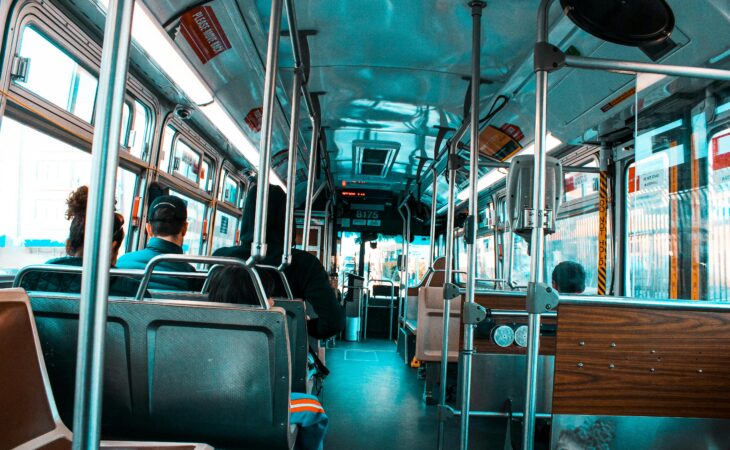
CU Boulder students ride all regularly scheduled RTD bus routes completely free using their Buff OneCard, covering local, limited, express, and regional services across Boulder County and beyond. Boulder’s transit network includes roughly 44 routes connecting campus to neighborhoods, shopping areas, and surrounding cities like Longmont, Lafayette, and Louisville. Most students combine bus transit with Boulder’s extensive bike path network to eliminate car ownership entirely. The city’s infrastructure genuinely supports car-free living in ways most college towns cannot match.
TL;DR: Quick Answer
- CU Boulder students ride any scheduled RTD bus route free with their Buff OneCard student ID
- Boulder’s roughly 44 RTD routes connect campus to off-campus neighborhoods, grocery stores, and nearby cities
- Apps like Transit and RTD Trip Planner help students time bus commutes around class schedules
- Boulder’s dedicated bike path network makes bike-plus-bus combinations practical for daily transportation
- Find My Place listings include transit accessibility details for off-campus rentals near CU Boulder
The Buff OneCard Gives CU Boulder Students Free Access to All RTD Routes
Every enrolled CU Boulder student receives a Buff OneCard. It works as a student ID, meal plan card, building access key, and transit pass all in one. The transit benefit alone saves students significant money each semester.
How it works is simple. Tap the card on any RTD bus fare reader when boarding. No additional payment required. No monthly pass to activate or renew. The benefit stays active as long as enrollment continues through the current semester.
Coverage is broad. The Buff OneCard works on local Boulder routes, limited-stop services, express buses to Denver, and regional routes reaching across the Front Range. Students commuting from Longmont or Lafayette ride free on the same card they use to enter the rec center. One card handles everything.
RTD fare-free access eliminates $100 to $150 in monthly transit costs that non-students pay. Over a nine-month academic year, that translates to $900 to $1,350 in savings. Students who would otherwise consider buying a car should calculate that benefit against insurance, gas, parking permits, and maintenance costs.
Replacement cards cost $25 if lost. Keep track of it.
CU Boulder Students Ride Multiple Free Transit Services Beyond RTD
RTD buses get the most attention. They deserve it. But Boulder offers additional transit options that students sometimes overlook.
The Buff Bus system operates campus-specific shuttle routes during the academic year. These routes connect residence halls, academic buildings, and parking lots across CU Boulder’s sprawling campus. Service runs frequently during class hours with reduced evening schedules.
HOP buses circulate through central Boulder on a fixed loop. The route connects campus to Pearl Street Mall, downtown restaurants, and major shopping areas. Frequency runs every 10 to 15 minutes during peak hours. Students heading to dinner or weekend shopping use this route heavily.
The SKIP route runs along Broadway, connecting north and south Boulder neighborhoods to campus. Students living along the Broadway corridor rely on this route daily. Service runs every 10 to 12 minutes during peak times.
JUMP and BOUND routes serve east-west corridors. These connect campus to residential areas along Arapahoe, Baseline, and Table Mesa. Frequency varies by route and time of day. Morning and afternoon service runs most reliably during semester weeks.
Late-night service exists but is limited. Students returning from evening study sessions or social events after 10 PM face longer wait times and reduced route availability. Planning return trips before boarding outbound buses prevents stranding.
Key Bus Routes Connect CU Boulder Campus to Popular Off-Campus Areas
Knowing which routes serve which neighborhoods saves time and frustration during apartment searches. Location determines transit convenience.
The 204 and 225 routes connect Boulder to Longmont along the Diagonal Highway corridor. Express service reduces travel time compared to local routes. Students living in Longmont use these for daily campus commutes.
The DASH route links Boulder to Louisville and Lafayette. Regular service throughout the day makes these cities viable commuter locations. Stops near major apartment complexes add convenience for students who choose these more affordable communities.
Route AB connects Boulder to the Flatiron Flyer stations along U.S. 36, providing access to Broomfield and eventually Denver. Students with internships or part-time jobs in the Denver metro area use this corridor regularly.
Local routes within Boulder serve distinct neighborhoods. The Table Mesa area, Martin Acres, Gunbarrel, and North Boulder each have dedicated route service. Coverage quality varies. Students should check specific route maps before signing leases in particular neighborhoods.
Transit apps make route planning manageable. The Transit app provides real-time bus locations and arrival predictions. RTD’s own Trip Planner tool calculates routes between any two addresses with departure and arrival time options. Google Maps also integrates RTD schedule data for basic trip planning.
CU Boulder Students Plan Bus Commutes Around Class Schedules Using Transit Apps
Class schedules dictate commute planning. Not the other way around.
Start with your class times. Work backward. If a lecture begins at 10 AM and the bus ride takes 25 minutes, plan to catch the bus departing at 9:20 AM or earlier. Buffer time matters because buses occasionally run late and walking from the stop to the classroom adds minutes.
The Transit app shows real-time bus positions. Open it 10 minutes before departure. Check whether your bus is running on schedule. Adjust departure from your apartment accordingly. This eliminates unnecessary waiting at stops during cold Boulder winters.
RTD Trip Planner handles more complex routes. Enter your apartment address and campus building. Select your arrival time. The tool generates route options with transfers, walking segments, and total travel time. Save frequent trips for quick reference on busy mornings.
Build schedule buffers on transfer days. Routes requiring bus changes introduce variability. A missed connection can delay arrival by 15 to 30 minutes depending on the next scheduled bus. Students with back-to-back classes should avoid transfer-dependent commutes when possible.
Semester schedules shift transit demand. The first two weeks of fall semester see the heaviest ridership. Buses fill quickly on popular routes. Standing room becomes normal during peak morning hours. Crowds thin by week three as students settle into routines and some switch to biking.
Bikes Plus Buses Replace Cars Completely for Most CU Boulder Students
Boulder earns its bike-friendly reputation. The city maintains extensive dedicated bike paths separated from vehicle traffic. These paths connect residential neighborhoods to campus, shopping districts, and parks throughout the city.
The Boulder Creek Path runs east-west through the city center. Students bike this path between campus and east Boulder neighborhoods safely and quickly. No car traffic. No intersections for long stretches.
Campus itself accommodates bikes extensively. Bike racks sit outside virtually every academic building. Covered bike parking exists at several locations. The university operates a bike registration program that helps recover stolen bikes.
The combination strategy works like this. Bike to the nearest bus stop for longer commutes. Load the bike onto the bus’s front-mounted rack. Ride the bus for the highway portion. Bike from the destination stop to your final location. This approach extends practical commuting range significantly.
RTD buses accommodate two bikes per rack on a first-come basis. Peak hours occasionally fill racks before your stop. Folding bikes bypass this limitation entirely since they ride inside the bus as carry-on items.
Winter complicates biking. Boulder sees snow from October through April. Dedicated bike paths receive plowing priority but not immediately after storms. Students who bike year-round invest in studded tires and waterproof gear. Most fair-weather cyclists switch to bus-only commuting from November through March.
CU Boulder’s bike-share program provides short-term rental options for students who want cycling flexibility without ownership. Stations near campus and along popular routes offer pickup and drop-off convenience.
Find My Place listings for CU Boulder include proximity information for both bus stops and bike paths, helping students evaluate car-free commute options before signing a lease.
