
Getting Around Eugene Without a Car: A Bushnell Student’s Guide to LTD Buses, Bike Trails, and Campus Transportation
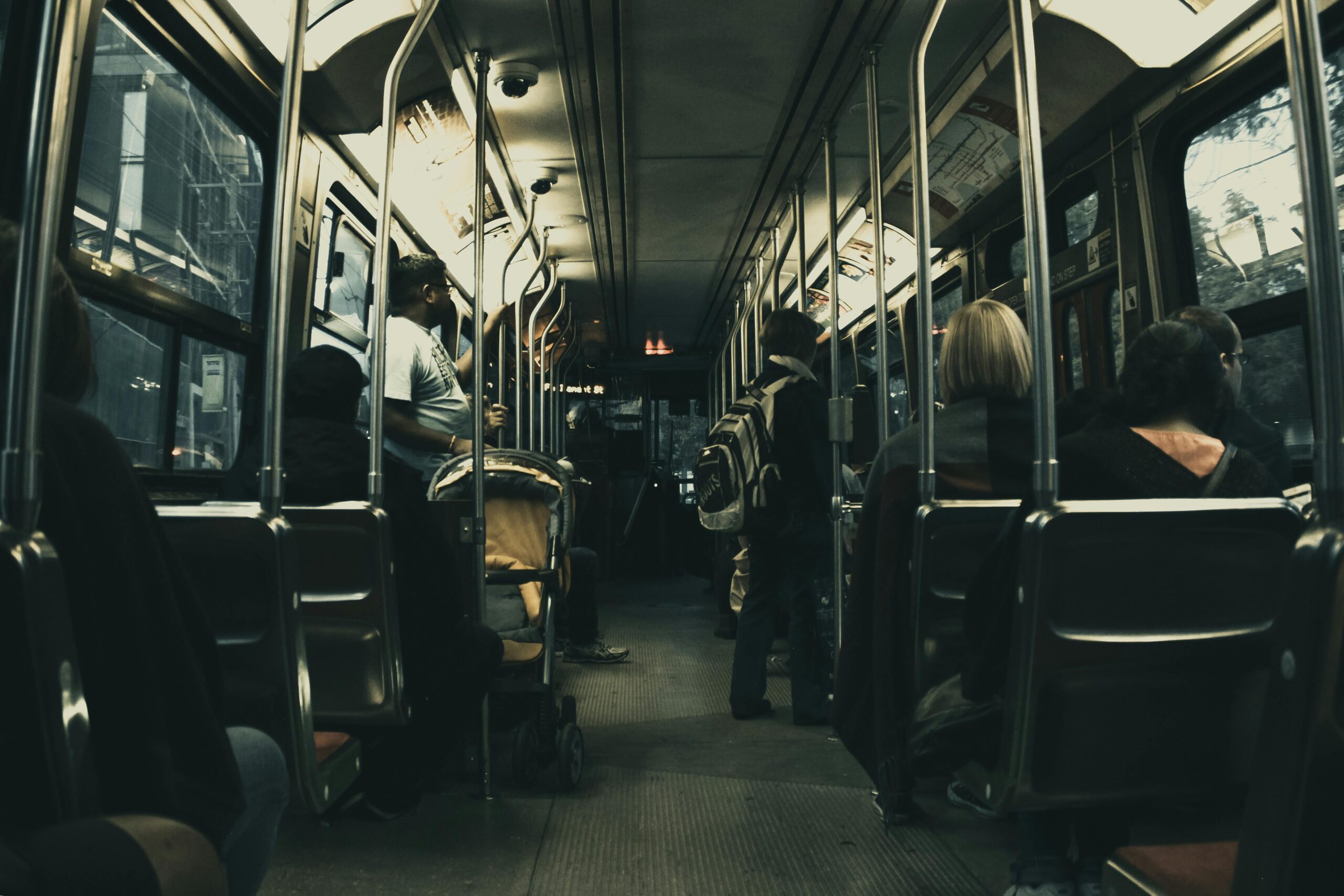
Bushnell University students navigate Eugene car-free using Lane Transit District buses, the EmX Emerald Express, three major bike paths, and PeaceHealth Rides bike share. Bushnell’s location near downtown Eugene makes car-free daily life realistic from day one. This guide covers how the transit system works, what it costs, which bike routes matter, and practical tips for staying safe and dry in Oregon’s wet season.
TL;DR: Quick Answer
- LTD single-ride bus fares cost $1.75, day passes run $3.50, and 31-day passes cost $50 paid via Umo app, tap card, or cash
- EmX Emerald Express connects West Eugene, Downtown Eugene, the University of Oregon, Downtown Springfield, and Gateway with dedicated lane service
- Bushnell University is not named on LTD’s College Pass list, so plan on standard fares unless Bushnell’s Student Services offers a separate program
- Ruth Bascom Riverbank Path, Amazon Path, and Fern Ridge Path are the three bike routes Bushnell students use most
- PeaceHealth Rides operates 300 bikes across 35 stations in Eugene for students who don’t own or want to maintain a bike
LTD Buses and EmX: How Eugene Transit Works
Lane Transit District Runs the Bus and EmX Network
Lane Transit District operates all public bus service in Eugene and Springfield. The system includes standard bus routes plus the EmX Emerald Express.
EmX uses dedicated lanes on major corridors for faster travel. It connects West Eugene, Downtown Eugene, the University of Oregon area, Downtown Springfield, and the Gateway and RiverBend areas. If your apartment is in Springfield or West Eugene, EmX is the commute backbone.
Standard LTD routes cover the rest of the city. Most Bushnell students find the downtown proximity of campus makes several routes practical on any given day.
LTD Fares Cost $1.75 Per Ride With Monthly Pass Options
LTD fares work as follows. Single rides cost $1.75. Day passes run $3.50. A 31-day pass costs $50, valid from your first tap rather than the calendar month start.
Students who ride regularly more than four days per week save money with the 31-day pass versus day passes. Calculate your actual usage before buying a monthly pass.
Payment options include the Umo app, a tap card loaded at LTD locations or online, cash paid on-board, and EmX ticket vending machines at EmX stations.
Bushnell Students Pay Standard LTD Fares
LTD’s College Pass program serves University of Oregon, Lane Community College, and Pacific University students. Bushnell University is not listed.
Check with Bushnell’s Student Services directly. Some smaller institutions negotiate transit benefits separately from LTD’s main College Pass program. Until you confirm otherwise, budget for standard fares.
Biking in Eugene: Routes That Matter for Bushnell Students
Download Eugene’s Bike Map Before Your First Ride
The City of Eugene provides a Eugene-Springfield bicycle map and resource guide. Download it before assuming you know the best route.
Eugene has calmer parallel streets that avoid traffic on major roads. The map shows you which routes work for regular commuting versus recreational riding. It’s an underused tool. Use it.
Ruth Bascom Riverbank Path System Runs Along the Willamette
The Ruth Bascom Riverbank Path System is paved multi-use trail along the Willamette River. It connects Eugene and Springfield throughout its length.
Bike commuters, runners, and walkers all use it. The path connects to downtown Eugene and gives students a car-free corridor that avoids street traffic entirely. It’s the most useful infrastructure for students living near the river corridor.
Amazon Path Connects the Ridgeline to the River System
The City of Eugene describes the Amazon Path as the Amazon Active Transportation Corridor. It connects the Ridgeline Trail and Spencer Butte area toward the river path network.
Students living in the southern part of Eugene near Amazon Park find this the most direct route to campus. It links recreational trails to the commute network without forcing you onto busy streets.
Fern Ridge Path Runs Through West Eugene
The Fern Ridge Path winds through west Eugene past wetlands and wildlife areas. It connects to broader city routes at multiple points.
Students living in west Eugene find it useful as a commute option and a decompression route after class. It’s less central than Ruth Bascom but more pleasant than street alternatives in the same area.
Bike Share: PeaceHealth Rides for Students Without a Bike
PeaceHealth Rides operates Eugene’s bike share network. The system runs 300 bikes across more than 35 stations distributed throughout the city.
You don’t need to own a bike to ride regularly in Eugene. PeaceHealth Rides stations cluster near transit stops, campus areas, and downtown. Check the app for station locations before relying on one specific stop.
Bike share works well as a supplement. Use it when your personal bike is in the shop, when you need a one-way trip, or when you’re testing whether biking fits your routine before investing in a bike.
Shared Scooters: Available but Not Reliable as Your Primary Plan
Eugene launched a shared e-scooter pilot program in March 2023. Scooter availability changes over time. Program expansions and contractions depend on city decisions and operator agreements.
Treat scooters as a convenient bonus when available. Do not build your daily transportation plan around scooter access. The other options on this list are more stable.
Getting Out of Eugene Without a Car
Three services connect Bushnell students to Portland and beyond.
Amtrak Cascades and the Coast Starlight serve Eugene’s downtown station directly. Service runs to Portland, Seattle, and Vancouver BC. Book in advance for weekend trips, especially Sunday evening returns.
POINT bus operates the Cascades route between Eugene and Portland. FlixBus also runs Eugene to Portland service. Compare fares across all three services before booking, rates and schedules vary by day and season.
Safety and Practical Tips for Car-Free Eugene Students
On the bike: Run a front white light and a rear red light after dark. Front and rear are both required by Oregon law and both save you from cars that aren’t paying attention. Lock with a U-lock through the frame and rear wheel. Don’t leave your bike outside overnight if you can avoid it.
In wet season: A waterproof layer and a rain cover for your backpack are not optional in Eugene. October through April means rain most days. Students who don’t plan for it get wet repeatedly. Students who do plan for it barely notice.
On the bus: Sit where you feel comfortable. Keep one earbud out at night. Trust your instincts about which stop to exit. LTD routes cover the city well enough that you rarely need to walk long distances from a stop.
