
San Diego Student Leases Explained: What to Know Before You Sign
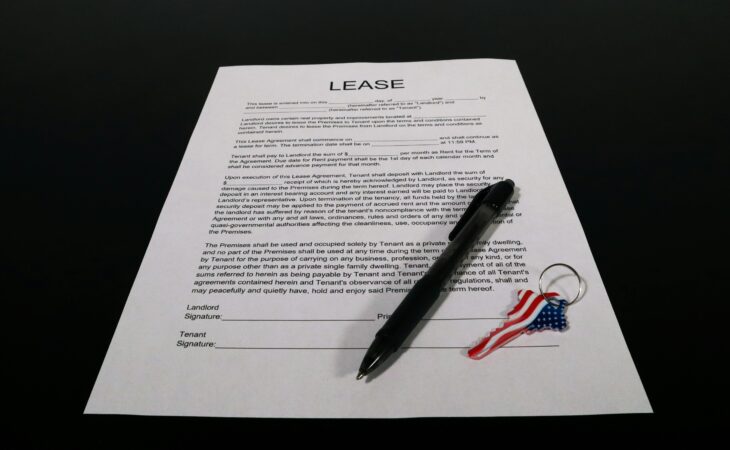
San Diego student leases typically last 12 months with standard terms requiring students to pay rent throughout summer months when many return home or complete internships elsewhere. Most San Diego landlords require parent or guardian guarantors for students lacking established income and credit history, creating co-signer obligations before lease approval. Breaking San Diego student leases early results in financial penalties including break fees and continued rent responsibility until replacement tenants get found and approved. Students avoid expensive lease-breaking penalties through lease takeover arrangements where new students assume existing contracts with landlord approval.
TL;DR: Quick Answer
- San Diego student leases typically last 12 months requiring summer rent payments during breaks
- Most landlords require parent or guardian guarantors when students lack income or credit history
- Breaking leases early costs students break fees plus rent until replacement tenants get approved
- Lease takeovers let students exit contracts without penalties when new tenants assume remaining terms
- Nine-month and 10-month student-specific leases exist but remain less common than 12-month standards
Standard San Diego Student Leases Run 12 Months
Most off-campus San Diego student leases operate on 12-month terms. Standard duration. Properties use annual cycles for planning and operations.
Twelve-month commitments mean students pay rent year-round. Summer months included. Many students leave San Diego during June, July, and August for internships or family time. Rent continues regardless.
Students should budget for summer rent when signing 12-month leases. Three additional months beyond typical nine-month academic years. This represents substantial financial commitment many students underestimate initially.
Some properties offer nine-month or 10-month lease options specifically designed for academic year schedules. These student-focused terms align with fall and spring semesters. Availability varies significantly between properties and neighborhoods.
Academic year leases cost slightly more monthly than 12-month terms. Landlords charge premiums for shorter commitments. Students save overall by avoiding summer payments despite higher monthly rates.
Properties offering academic year leases fill quickly. High demand. Limited supply. Students wanting these terms should begin searches early and apply immediately when finding suitable options.
Guarantor Requirements Affect Most San Diego Students
San Diego landlords typically require guarantors for student tenants. Standard practice. Students rarely possess sufficient income or established credit history for independent lease approval.
Guarantors agree to cover rent and damages if students cannot pay. Legal obligation. This co-signer arrangement protects landlords from payment defaults.
Parents or guardians serve as guarantors most commonly. They provide income verification and credit checks. Their financial qualifications determine approval.
Guarantor income requirements vary between properties. Many require guarantors earning three to four times monthly rent annually. A $1,200 monthly lease might require guarantors earning $43,200 to $57,600 yearly.
Credit score minimums apply to guarantors. Properties typically require scores above 650 or 700. Lower scores may disqualify otherwise qualified guarantors.
Some students lack access to guarantors meeting requirements. International students face particular challenges. Third-party guarantor services exist providing paid co-signer arrangements for fees.
These commercial guarantor services charge percentages of total rent. Typically 50% to 100% of one month’s rent for guarantor services throughout lease terms. Expensive but necessary when family members cannot qualify.
Students should verify guarantor requirements before falling in love with specific properties. Discovering requirements after investing time touring and applying wastes effort when guarantors cannot qualify.
Lease Breaking Creates Substantial Financial Consequences
Breaking San Diego student leases early triggers multiple financial penalties. Landlords lose expected income. They charge fees recovering costs and compensating losses.
Early termination fees appear in most lease agreements. Flat charges. Amounts vary from one to two months’ rent typically. Some leases specify exact break fee amounts clearly. Others use vague language creating confusion.
Students should identify specific break fee amounts before signing. Ask directly. Get written confirmation. Vague lease language about “reasonable fees” or “actual damages” leaves students vulnerable to excessive charges.
Beyond break fees, students remain responsible for rent until replacement tenants get approved and move in. Vacancy periods cost departing students hundreds or thousands of dollars depending on how quickly units fill.
California Civil Code Section 1951.2 addresses landlord duties to mitigate damages. Landlords must make reasonable efforts finding replacement tenants. They cannot simply collect rent from departing tenants throughout remaining lease terms without attempting to re-rent units.
However, students bear burden proving landlords failed mitigation duties. Difficult process. Most students pay rather than pursue legal challenges.
Properties in high-demand areas near UCSD, SDSU, and USD fill faster than properties in less desirable locations. Students breaking leases in popular neighborhoods limit financial exposure through quicker replacement tenant placement.
Lease Takeovers Provide Alternatives to Breaking Leases
Lease takeovers allow students exiting leases early to transfer contracts to new tenants. Clean exit strategy. Both parties benefit.
Departing students avoid break fees and ongoing rent responsibilities. Incoming students access immediate housing without waiting for traditional lease cycles. Win-win arrangement when executed properly.
Property approval remains required. Landlords must approve new tenants assuming leases. Application processes, credit checks, and guarantor verification apply to takeover candidates identically to original applicants.
Some properties prohibit lease takeovers entirely. Lease agreements specifically disallow contract transfers. Students should verify takeover policies before signing leases if flexibility might become necessary later.
Properties allowing takeovers sometimes charge transfer fees. Administrative costs. Typically $100 to $500 depending on property. Less expensive than break fees but still meaningful amounts for student budgets.
FindMyPlace lists lease takeover opportunities specifically. Students needing exits and students seeking immediate housing connect efficiently. Platform specializes in contract transfers other sites ignore.
Timing affects takeover success significantly. Properties near campuses during fall and spring semesters fill quickly. Summer takeovers become more challenging with fewer students searching actively.
Summer Rent Obligations Surprise Many Students
Twelve-month leases include summer months explicitly. Students pay June, July, and August rent despite potentially not occupying units. This catches many first-time renters unprepared.
Students should calculate total annual costs before signing. Multiply monthly rent by 12. Not by nine. Complete financial picture prevents mid-year budget crises.
Options for summer months include subletting to summer school students or young professionals seeking short-term housing. Some properties allow subletting with proper approvals. Others prohibit subletting completely.
Students considering subletting must verify lease terms permit it. Unauthorized subletting violates lease agreements and creates liability. Landlords can pursue eviction and damages against tenants subletting without permission.
Subletting introduces risks. Subtenants might damage property. They might fail paying rent. Original tenants remain responsible for all sublet issues under lease terms.
Some students simply pay summer rent without occupying units. Expensive decision but straightforward. No subletting complications. No property approval processes. Units remain available for occasional visits or storage.
Lease Terms Contain Critical Details Beyond Rent Amounts
Rent represents most obvious lease component. Other terms significantly affect students throughout tenancy.
Utility payment responsibilities vary between properties. Some include water, sewer, and trash in rent. Others bill separately. Electric and gas typically get billed to tenants directly regardless of base rent inclusions.
Students should clarify exactly which utilities get included and which require separate payments. Budget accurately for complete monthly costs.
Maintenance responsibilities define who handles various repairs and upkeep. Landlords typically maintain major systems like plumbing, electrical, heating, and structural elements. Tenants handle minor issues like changing light bulbs or furnace filters.
Lease language specifying maintenance divisions prevents disputes. Students should understand which problems they must address versus which require landlord action.
Guest policies establish rules about overnight visitors and common area access. Some properties restrict guest stays to specific durations. Others limit guest parking or amenity usage.
Students with significant others not on leases should verify guest policies accommodate their situations. Violations can trigger lease violations and penalties.
Pet policies matter for students with animals. Most San Diego student housing prohibits pets completely. Properties allowing pets charge deposits and monthly pet rent typically.
Unauthorized pets violate leases seriously. Landlords can demand removal or pursue eviction. Students with pets must find pet-friendly housing explicitly rather than hoping to hide animals.
Deposit Return Procedures Require Documentation
Security deposits get collected at lease signing. Returned after move-out minus legitimate deductions. California law governs deposit handling and return procedures.
California Civil Code Section 1950.5 requires landlords to return deposits within 21 days after tenants vacate and surrender keys. Itemized statements must accompany partial returns explaining all deductions.
Students should document unit conditions thoroughly at move-in and move-out. Photos and videos create evidence protecting against unfair deductions.
Normal wear and tear cannot justify deductions. Small nail holes from hanging pictures qualify as normal use. Large holes or damaged walls exceed normal wear.
Students disputing deductions can pursue small claims court. Documentation becomes crucial evidence. Timestamp photos proving pre-existing damage prevent unjust charges.
Lease Renewal Decisions Require Advance Notice
Most San Diego student leases require 60-day notice before expiration regarding renewal intentions. Students must notify landlords whether they plan staying or leaving.
Missing notification deadlines can trigger automatic renewals or month-to-month conversions at higher rates. Students should calendar notice deadlines preventing accidental obligations.
Renewal rate increases commonly occur. Landlords raise rent $50 to $200 monthly upon renewal. Students should budget for potential increases when planning second years.
Negotiating renewal rates sometimes works. Students with excellent payment records and minimal maintenance issues can request holding current rates. Success varies depending on market conditions.
Understanding San Diego Leases Prevents Expensive Mistakes
San Diego student leases typically last 12 months requiring summer rent and parent guarantors for approval. Breaking leases early costs substantially through fees and continued rent responsibility until replacement tenants get approved.
Lease takeovers provide alternatives to expensive break fees when circumstances change. FindMyPlace connects students needing exits with students seeking immediate housing through verified contract listings.
Students should read complete leases thoroughly before signing. Understanding guarantor requirements, break fees, summer obligations, utility responsibilities, and deposit return procedures prevents surprises throughout tenancy.
Informed lease decisions based on complete understanding of terms and obligations lead to successful off-campus housing experiences. Rushing into leases without careful review creates problems lasting throughout entire rental periods.
