
The Essential Student Budget Guide for Living Off-Campus in Arlington, TX
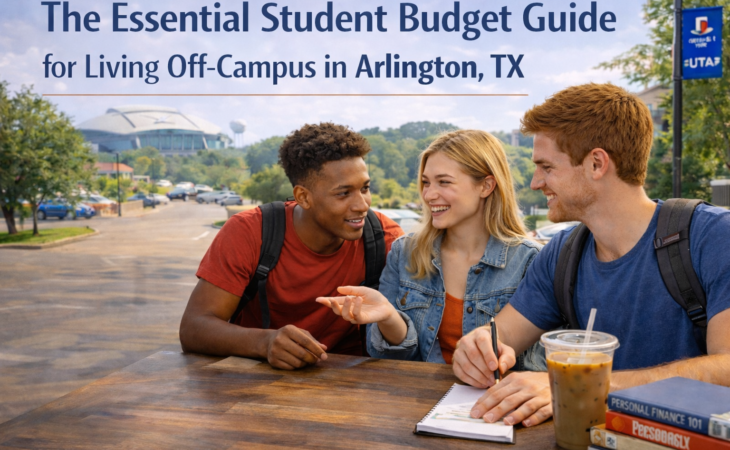
Living off campus is a big step toward independence. Exciting stuff. But here’s the thing. Budgeting is what actually makes it sustainable. Without that? Things fall apart fast.
If you’re a UTA student planning to live off campus in Arlington, this guide covers real costs, common money mistakes to dodge, and how to build a budget that holds up all semester. Not just the first few weeks when motivation’s high.
Let’s walk through it like someone who’s been there.
Why Budgeting Matters More Off Campus
On-campus housing bundles most costs together. One bill. Done. Off campus? Everything hits separately. Rent. Electric. Internet. Groceries. Gas. It stacks up.
Without a plan, students overspend early in the semester when the financial aid refund feels huge. They underestimate utilities. Forget groceries exist. Then credit cards come out when things get tight around midterms. Seen it happen constantly.
A simple budget keeps you focused on school instead of stressed about money. That’s the whole point.
Step 1: Understand the Real Cost of Living Off Campus in Arlington
Here’s what most UTA students actually pay each month. Not the optimistic version. The real numbers.
Rent for a shared apartment typically runs $650 to $950. Studios and one-bedrooms land closer to $1,050 to $1,450. Utilities add another $80 to $150 depending on the season. Internet’s usually $40 to $70. Groceries sit around $200 to $300 if you’re cooking. Transportation, gas, and parking combined run maybe $50 to $100. Then there’s random stuff. Toiletries, subscriptions, the occasional emergency. Budget another $50 to $100 for miscellaneous.
One thing locals know? Summer electric bills jump. Texas heat means AC blasting from May through September. That $80 utility estimate becomes $150 real quick. Plan for it.
Step 2: Decide What You Can Comfortably Afford
Smart rule for students. Keep housing costs under 35% of monthly income. Rent plus utilities combined. That’s your ceiling.
Income looks different for everyone. Financial aid refunds. Scholarships. Part-time job money. Whatever parents contribute. Add it up honestly. If rent stretches you too thin, you’ll feel it later. Especially during finals when work hours drop and stress peaks. Better to know your real number upfront than scramble in November.
Step 3: Save Money with the Right Housing Setup
Your apartment choice impacts your budget more than anything else. Pick smart here and everything else gets easier.
Arlington students lower costs by renting with roommates, choosing furnished places so they’re not buying furniture, picking student-focused communities that understand flexible schedules, living close to campus to cut gas expenses, and grabbing apartments with utilities or internet already included. Those savings compound fast.
Individual leases are worth considering too. If a roommate bails, you’re not stuck covering their portion. That protection matters.
Find My Place makes comparing student-friendly options straightforward. No wasting hours on listings outside your budget or designed for families. Everything’s filtered for what actually works.
Step 4: Plan for Upfront Move-In Costs
This part blindsides a lot of first-time renters. Monthly budget looks fine. Then move-in hits and suddenly you need a chunk of cash all at once.
Expect security deposits, application fees, first month’s rent upfront, parking fees if applicable, and renter’s insurance. Some complexes want all of that before you get keys. Can easily total $1,500 to $2,500 depending on the place.
Parents often help with these initial costs. Being transparent about what’s coming builds trust and avoids that panicked phone call two weeks before move-in. Plan ahead.
Step 5: Create a Simple Monthly Budget and Stick to It
Doesn’t need to be complicated. Fancy spreadsheets are great if you’re into that. Most students aren’t.
Start basic. Fixed costs first. Rent, utilities, internet. Those don’t change. Then variable stuff. Groceries, gas, eating out. Those fluctuate. Finally, build in a small buffer. Even $50 a month set aside helps when something unexpected pops up.
Lots of students just use their phone’s notes app. Check spending once a week. Takes five minutes. Consistency beats perfection here. You don’t need a perfect system. You need one you’ll actually use.
Step 6: Budget Smarter for Groceries and Food
Food is where student budgets quietly implode. Delivery apps make it too easy. One $18 lunch here, another there. Suddenly you’ve spent $300 on food in two weeks.
Meal prep a couple times per week. Doesn’t have to be elaborate. Rice, protein, vegetables. Done. Shop store brands. Kroger, Walmart, Aldi. Nobody cares about labels. Split grocery runs with roommates when you can. And seriously limit delivery. Cook instead. That’s where the real savings live.
Living off campus actually costs less than meal plans if you’re intentional about it. Key word being intentional.
Step 7: Don’t Forget Transportation Costs
Most UTA students commute. Arlington’s not really a walking city outside of a few pockets near campus.
Budget for gas, parking permits, occasional car maintenance, and maybe rideshare when you need it. Those costs sneak up on people. A semester’s worth of gas and parking can easily run several hundred dollars.
Living closer to campus or near shuttle routes cuts this significantly. Sometimes paying slightly more in rent saves money overall when you factor in what you’re not spending on transportation. Worth calculating.
Step 8: Prepare for the Unexpected
College life shifts fast. Things come up that weren’t in the plan.
Medical expenses happen. Laptops break at the worst possible time. Family emergencies require last-minute flights. Lease situations change. Life doesn’t care about your budget spreadsheet.
Even a small emergency fund helps. A few hundred dollars set aside means you’re not panicking or putting everything on a credit card when something goes wrong. Peace of mind, basically.
Step 9: Tips for Parents Helping with Budgeting
For parents supporting a student through this process. Ask for a full monthly cost breakdown, not just the rent number. Review lease terms together before anything gets signed. Help plan a realistic spending buffer for surprises. Encourage independence while staying involved enough to keep things accountable.
Budgeting is a life skill that extends way beyond college. This is practice for everything that comes after.
Final Thoughts
A good budget doesn’t limit you. It protects you. Gives you breathing room. Keeps stress manageable.
When you understand your actual costs and plan ahead, you stress less, focus more on school, avoid those last-minute money scrambles, and actually enjoy living off campus in Arlington.
And when you’re ready to compare student-friendly, budget-conscious apartments near UTA? Find My Place makes the whole process simple and transparent. Built for students. No nonsense.
