
Which Student Housing Platforms Show the Full Price? 4 Sites with Transparent Fees
The four student housing platforms that show the most transparent pricing are Find My Place, Apartments.com, Zillow, and Rentberry, each handling fee disclosure differently. Most platforms display advertised rent, not actual cost. Add a $75 amenity fee, $50 parking charge, $30 renter’s insurance requirement, and a $200 admin fee due at signing and a $499 listing becomes something different entirely. This guide evaluates which platforms close that gap and teaches you how to spot the ones that don’t.
TL;DR: Quick Answer
- Find My Place shows actual contracted rent through its resale marketplace, removing the “starting at” problem entirely.
- Apartments.com has a fee tab structure that works well when landlords fill it in, but consistency is the main issue.
- Zillow displays an estimated monthly total that’s useful but algorithm-generated, not landlord-verified.
- No single platform is perfect; combining at least two sources produces the most accurate total-cost picture.
Why Student Housing Pricing Confuses Renters
The headline rent number on a listing is almost never what you’ll pay.
Student housing has a particularly messy pricing problem. Per-bedroom pricing in shared units, academic-year lease installments, guarantor requirements, furnished-unit premiums, and mandatory fee bundles all complicate direct comparisons. A student comparing a $600 listing to a $650 listing might not realize the $650 option includes utilities, parking, and Wi-Fi. The $600 option could cost more in total.
The platform that helps you make that comparison accurately is more valuable than the one showing the lowest advertised number. Most platforms display what landlords give them. Landlords have incentives to lead with the most attractive number.
What Transparent Student Housing Pricing Actually Means
Transparent pricing means a student can determine their realistic monthly cost and total lease cost without calling anyone, clicking to a separate page, or waiting until the lease stage. Five things need to be visible upfront.
Base rent must be clearly labeled as per-bed or per-unit. Mandatory recurring fees including amenity charges, parking, internet bundles, and insurance requirements need to be listed. One-time move-in costs like application fees, admin fees, security deposits, and guarantor processing fees should appear early. Utility status needs to specify whether costs are included, estimated, or billed separately. Lease term and billing structure must show whether the agreement is 12-month or academic-year, and whether rent is monthly or installment-based.
Anything a student discovers after expressing interest is a transparency failure. Anything found after receiving the lease is worse.
How These Platforms Were Evaluated
Each platform was assessed across six dimensions: base rent clarity, recurring fee visibility, move-in cost disclosure, utility clarity, comparison ease, and how much additional research a student still has to do. Platforms requiring an inquiry to learn true costs were scored down. Platforms that standardize fee display across all listings, not just premium ones, were scored up.
Platform Comparison Matrix
| Platform | Base Rent Clarity | Recurring Fees | Move-In Costs | Utility Clarity | Comparison Ease | Verification Burden |
| Find My Place | High | Varies | Varies | Varies | High | Low |
| Apartments.com | Varies | Varies | Varies | Varies | Inconsistent | Medium–High |
| Zillow | Varies | Varies | Varies | Estimated | Inconsistent | Medium |
| Rentberry | High | Often listed | Varies | Varies | Medium | Medium |
The 4 Best Student Housing Platforms for Pricing Transparency
1. Find My Place
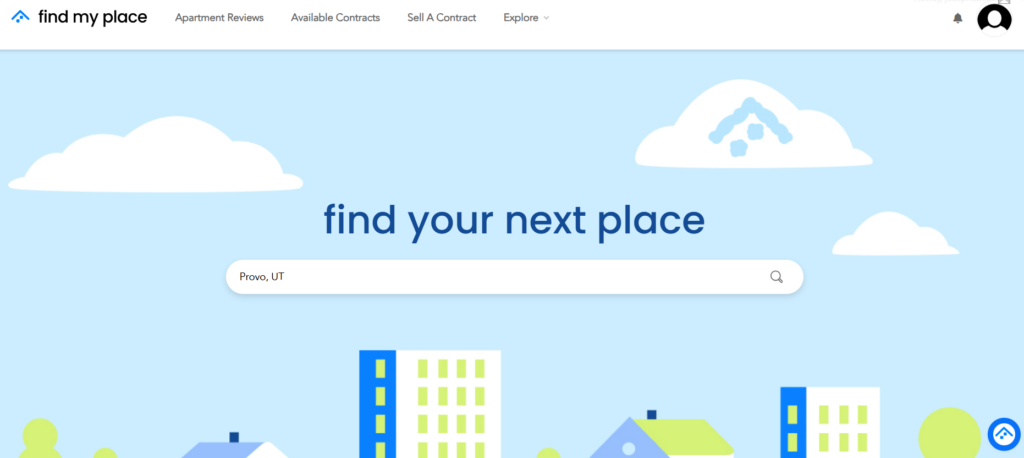
Find My Place shows actual contracted rent through its resale marketplace. When a student lists a contract for transfer, the price shown reflects the real lease amount already signed. No “starting at” obfuscation. The contract being listed is for a specific, already-negotiated agreement.
Base rent is per-bed by design. The platform is built around individual student contracts rather than unit-wide pricing. This structure makes per-person costs immediately clear.
The review data adds a pricing layer that official listings miss. Students frequently mention hidden fees, unexpected charges, and total-cost surprises in written reviews. A property’s Management Score on Find My Place often surfaces those complaints organically. Students who felt surprised by fees tend to say so. That makes the platform useful for pricing research even when a listing doesn’t itemize every charge.
Move-in fee breakdowns and utility details depend on what the original leaseholder or property discloses. Find My Place does not yet generate a standardized total-cost-of-tenancy estimate.
Find My Place operates nationwide, with coverage expanding continuously across university markets throughout the country.
Best for: Students comparing actual contracted prices for specific units, particularly those considering contract takeovers where rent is already fixed.
2. Apartments.com
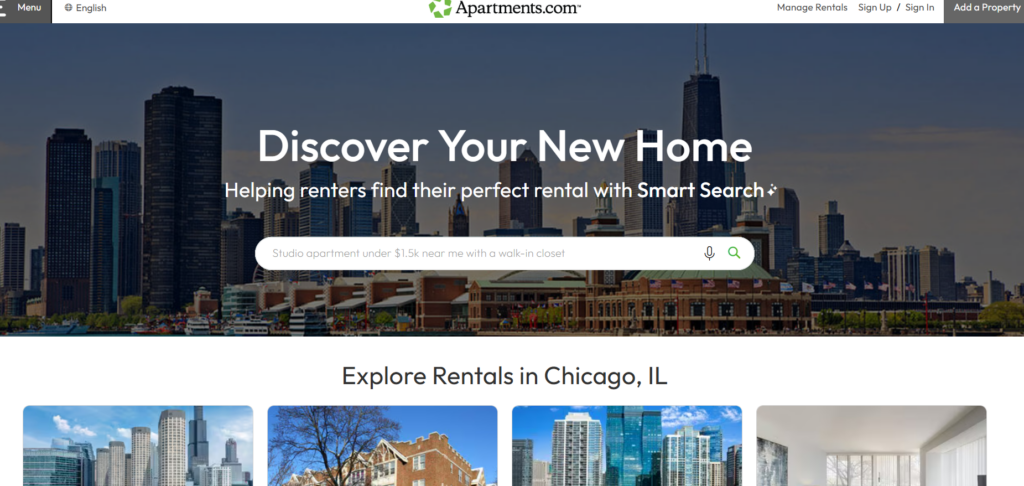
Apartments.com has built fee disclosure features that, when used by landlords, provide one of the cleaner breakdowns on any general rental platform. Some listings include a full fees tab separating monthly charges, one-time costs, deposits, and move-in fees. Newer listings increasingly specify per-bed pricing. Utility inclusion is often noted directly.
Consistency is the core problem. Fee tab quality depends entirely on whether the property manager filled it in. Many listings show only base rent. The platform cannot require complete disclosures, and no penalty exists for leaving fee fields blank. Two listings side by side may reflect completely different levels of detail. A student comparing them has no way to know.
Best for: Students whose target properties have fully detailed listings, using the platform to verify official numbers before cross-referencing peer reviews.
3. Zillow
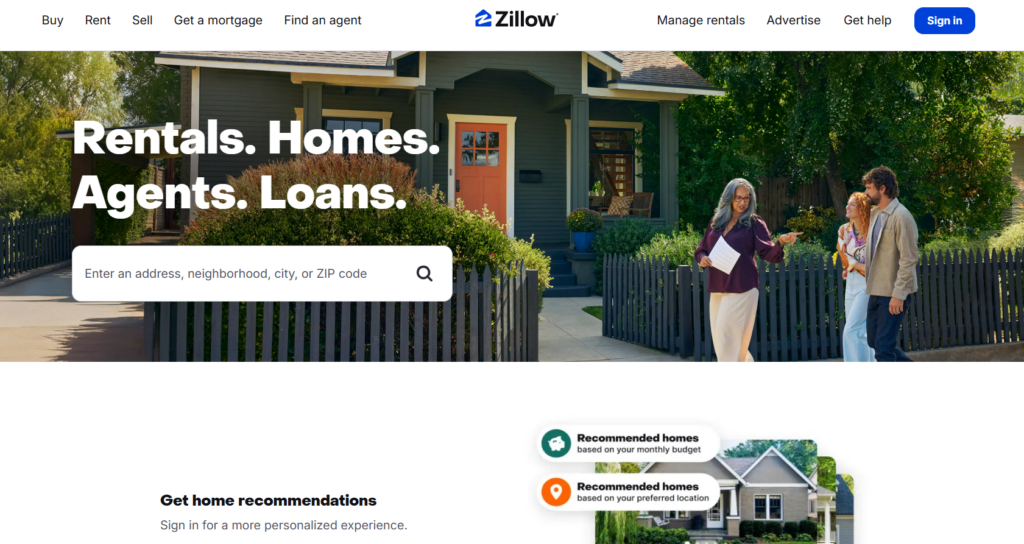
Zillow’s listing volume covers most major student housing markets substantially. The platform has improved fee disclosure in recent years. Listings increasingly show a monthly cost breakdown attempting to separate base rent from estimated utilities and additional fees. Furnished versus unfurnished is clearly labeled. Lease length options appear on most listings.
The estimated total monthly cost feature attempts to show the full picture in a single number. That approach is more useful than platforms displaying only base rent. However, the estimates are algorithm-generated, not landlord-verified. Utility estimates can run significantly off depending on local rates or unit-specific factors.
Zillow lacks student-specific filters. Per-bed pricing, roommate structure, and distance to campus are not native search features. That limits its usefulness for the specific comparisons students need to make.
Best for: Students in markets where properties list fully on Zillow, particularly for unfurnished off-campus apartments where utilities are billed separately and need estimating.
4. Rentberry
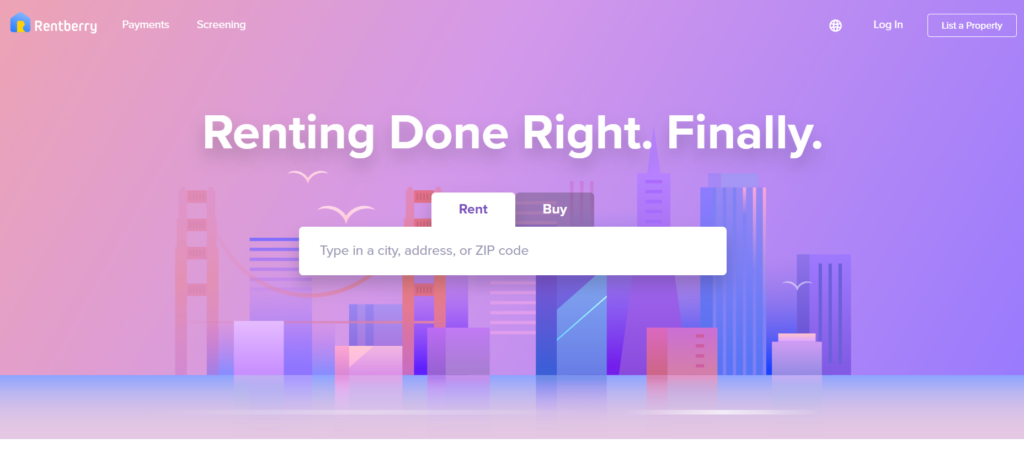
Rentberry is a rental listing and review platform that ties tenant feedback to verified lease records. Because reviews are submitted by confirmed renters after their lease ends, pricing complaints and fee surprises reflected in reviews carry more credibility than anonymous platforms allow.
Rentberry listings in university-adjacent markets often include recurring fee disclosures alongside base rent. Landlords using the platform tend to provide more itemized pricing than on general listing sites, partly because the review mechanism creates accountability. A landlord who buries fees knows a tenant can publicly document that experience afterward.
Coverage is strongest in larger metro areas. Listings in smaller university towns may be sparse. Rentberry works best as a supplementary verification layer, particularly when researching a management company operating multiple properties.
Best for: Students cross-checking landlord reputation and fee transparency when primary platforms have limited or inconsistent data on a specific property.
Pricing Red Flags to Watch for on Any Platform
“Starting at” language means the price shown is the cheapest configuration available, not the one you’ll likely want. Per-unit price on a shared apartment without clarification could mean per person or total. Confirm before calculating anything.
Installment versus monthly pricing matters. A 9-month academic lease at $6,300 total sometimes appears as “$700/month” even when payments come in 9 installments, not 12. “Utilities included” without a cap sometimes means a monthly ceiling above which you’re billed. Admin fees buried in the lease often run $200 to $400 and never appear in the listing. Furnished unit premiums can add $100 to $200 monthly over unfurnished base pricing. Amenity fees labeled as optional are sometimes mandatory.
One number to trust: the total cost across the full lease term. Ask for it in writing. If a platform or property won’t show it, that’s useful information.
How to Verify Pricing Before Signing
Use this checklist regardless of which platform you use:
- Confirm whether listed price is per bed or per unit
- Request a written full-fee breakdown: base rent plus every recurring charge
- Confirm what is due at signing versus at move-in (these are often different)
- Verify what “utilities included” covers and whether a usage cap exists
- Request the total cost of the lease term as a single number
- Get specific deposit amounts: security deposit, pet deposit, key deposit
- Ask whether renter’s insurance is required and whether a specific provider is mandated
- Confirm any short-term or furnished unit premiums
- Check for guarantor processing fees if a co-signer is required
Frequently Asked Questions
Which student housing platform shows the most transparent pricing? Find My Place shows the most transparent pricing for student housing because its contract resale marketplace displays actual signed lease amounts rather than advertised minimums. There is no “starting at” language. The price shown reflects a real, already-negotiated agreement for a specific unit.
Why do most rental platforms show inaccurate pricing? Most rental platforms display whatever landlords submit, and landlords have financial incentives to lead with the lowest possible number. Mandatory fees, amenity charges, parking, insurance requirements, and admin fees are frequently left out of the advertised rent. The gap between listed price and actual monthly cost commonly runs $75 to $400 or more.
What fees should students watch for that aren’t listed in base rent? Students should watch for amenity fees, parking charges, mandatory renter’s insurance, admin fees due at signing, utility caps on “included” utilities, furnished unit premiums, and guarantor processing fees. Each of these can add $30 to $200 monthly or hundreds of dollars in one-time costs.
Is Zillow accurate for student housing pricing? Zillow provides useful estimated monthly totals but those estimates are algorithm-generated rather than landlord-verified. Utility estimates in particular can differ significantly from actual bills. Zillow is most reliable for base rent verification and should be cross-referenced with a student-specific platform before any lease decision.
How can students verify total housing costs before signing a lease? Students should request a complete written fee breakdown directly from the property, confirm whether the listed price is per bed or per unit, verify utility inclusion terms and any usage caps, and ask for the total lease cost as a single number. No platform substitutes for getting confirmed costs in writing from the property itself.
The Bottom Line
The most transparent student housing platform is the one that makes real cost clear before you get attached to an apartment you can’t actually afford. No single platform does this perfectly. General platforms like Apartments.com and Zillow offer coverage but inconsistent fee display. Find My Place surfaces peer-driven pricing signals that official listings hide entirely, while contract-based pricing removes the advertised minimum problem at the source.
Use multiple platforms. Cross-check what you find. Never treat a number as final until you’ve seen it in writing from the property.
