
Furnished vs Unfurnished Apartments Near Utah State University: Which Option Saves Students More Money?
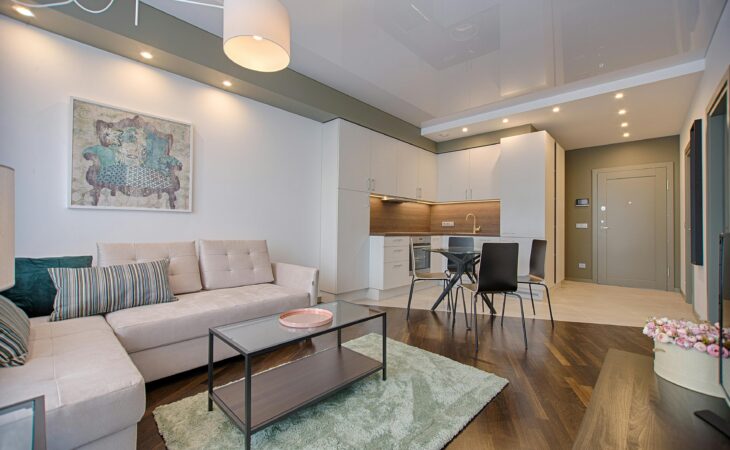
Furnished apartments near Utah State University cost $50 to $150 more monthly than unfurnished options but eliminate upfront furniture expenses ranging $600 to $1,650. Students staying one academic year typically save money choosing furnished Logan housing. Students remaining two or more years save substantially with unfurnished apartments despite initial furniture investment. Monthly rent differences accumulate differently based on lease duration. Unfurnished options require beds, couches, tables, and kitchen items purchased upfront. Furnished units include these items in exchange for higher base rent throughout the lease term.
TL;DR: Quick Answer
- Furnished USU apartments charge $50-$150 extra monthly but eliminate $600-$1,650 upfront furniture costs
- Students staying only one year save more with furnished options avoiding large initial expenses
- Unfurnished apartments become cheaper after 12-18 months when furniture investment spreads across time
- Roommates sharing existing furniture make unfurnished Logan housing significantly more affordable
- Find My Place filters show furnished and unfurnished options with exact monthly cost breakdowns
Furnished Apartments Include Essential Items Students Need
Furnished apartments near Utah State come equipped with necessary furniture. No shopping required. Move-in happens immediately.
Beds appear in every bedroom. Frame and mattress included. Some properties provide desk lamps too. Seating furniture fills living areas. Couches accommodate three or four people typically. Chairs accompany dining tables.
Kitchen basics vary by property. Some furnished apartments include dishes and cookware. Others provide only major appliances. Students should confirm kitchen item inclusion before signing leases. Assumptions create unpleasant surprises.
Desks and tables support studying and dining. Bedroom desks accommodate laptops and textbooks. Living room tables serve multiple purposes. These items come standard in furnished Logan properties targeting Utah State students.
Additional items sometimes appear. Bookshelves provide storage. Floor lamps add lighting. Window blinds come pre-installed. Furnished apartments eliminate dozens of shopping decisions and purchases.
Unfurnished Apartments Require Complete Furnishing by Tenants
Unfurnished options provide empty spaces. Walls and floors exist. Nothing else. Students bring everything needed for daily living.
Bedroom furniture represents the largest expense category. Twin or full beds cost $150 to $400 depending on quality. Mattresses alone run $100 to $300. Bed frames add another $50 to $100. Dressers for clothing storage cost $80 to $200.
Living room furniture creates the second major expense. Couches range $200 to $600 for student-appropriate options. Coffee tables cost $50 to $150. End tables add another $30 to $80 each. TV stands run $60 to $150.
Kitchen items accumulate quickly. Pots and pans cost $50 to $100 for basic sets. Dishes for four people run $30 to $60. Silverware sets cost $15 to $30. Small appliances like microwaves and coffee makers add $50 to $100 combined.
Miscellaneous items complete the list. Lamps provide necessary lighting at $20 to $50 each. Shower curtains and bathroom items cost $30 to $60. Cleaning supplies run $20 to $40 initially. Total unfurnished apartment setup reaches $600 to $1,650 realistically.
Monthly Cost Differences Create Long-Term Savings Patterns
Rent premiums for furnished apartments appear consistently across Logan properties. This premium reflects furniture value and replacement costs landlords manage.
Typical furnished rent premium ranges $50 to $150 monthly per unit. Four-bedroom apartments might charge $100 extra monthly total, or $25 per student. Two-bedroom units often add $75 monthly. These amounts vary by property age and furniture quality.
Monthly costs accumulate over time. A $100 monthly premium equals $1,200 annually. Over two years that reaches $2,400. Over three years the premium totals $3,600. These amounts exceed typical unfurnished apartment furniture costs significantly.
Unfurnished apartments charge lower base rent but require upfront investment. A student spending $1,000 on furniture breaks even after approximately 10 months if the furnished premium equals $100 monthly. After break-even, unfurnished becomes progressively cheaper.
Short-term students benefit from furnished options financially. One semester or single academic year doesn’t provide enough time to recover furniture investment. Furnished apartments make sense despite higher monthly costs for these situations.
Long-term students save substantially choosing unfurnished housing. Furniture purchased during sophomore year serves through graduation. Three years of lower rent offset initial costs repeatedly. The savings compound significantly over time.
Roommate Furniture Sharing Dramatically Reduces Unfurnished Costs
Shared living situations change cost calculations substantially. Existing furniture from roommates eliminates entire expense categories.
One roommate bringing a couch saves everyone $200 to $600. Another providing kitchen items saves $100 to $200 shared costs. A third contributing a TV and stand saves $150 to $300. Collaborative furnishing reduces individual expenses significantly.
Bedroom furniture remains individual typically. Each student needs their own bed. Personal sleeping spaces require separate furniture. But common areas benefit from shared contributions and split costs.
Roommate agreements about furniture ownership prevent future disputes. Determining who owns which items before move-in clarifies exit responsibilities. Written agreements help when roommates leave at different times. This planning prevents conflicts later.
Find My Place helps students find roommates with compatible furniture situations. Listings and reviews indicate whether properties attract students bringing furniture. Coordinating furnishing strategies before signing leases saves money and stress.
Hidden Costs Impact Both Furnished and Unfurnished Options
Additional expenses beyond base rent affect total housing costs. Students should factor these amounts into comparisons.
Furnished apartments sometimes charge cleaning fees for furniture maintenance. End-of-lease furniture cleaning costs $50 to $150. Damage charges apply when furniture shows excessive wear. Stained couches or broken bed frames trigger replacement fees.
Unfurnished apartments require moving costs. Renting trucks costs $50 to $150 for local moves. Hiring movers runs $200 to $500 depending on distance and volume. Gas and mileage add another $30 to $80. These expenses occur at both move-in and move-out.
Storage fees affect students leaving Logan during summer. Storing furniture costs $30 to $80 monthly at local facilities. Three summer months equal $90 to $240 annually. Multiple years of storage reduce unfurnished savings significantly. Students should budget storage when planning multi-year housing.
Furniture quality affects replacement frequency. Cheap items break faster. A $150 couch lasting one year costs more than a $400 couch lasting four years. Quality decisions impact long-term costs substantially. Students should balance upfront affordability with durability realistically.
Assembly tools and supplies add minor costs. Screwdrivers, Allen wrenches, and small hardware items cost $20 to $40 total. Most furniture requires some assembly. Having proper tools prevents frustration and damage during setup.
Timeline Determines Optimal Housing Choice
Lease duration creates the primary decision factor. Different timelines favor different options clearly.
Students staying one semester or single academic year benefit from furnished apartments. The furnished premium of $50 to $150 monthly totals $400 to $1,200 over eight months. Buying furniture costs more upfront and complicates departure. Furnished housing provides clean entry and exit for short stays.
Students planning two academic years face closer calculations. Furniture costs spread across 16 to 20 months. A $1,000 furniture investment equals approximately $50 to $63 monthly when spread over this period. Unfurnished apartments start showing savings during the second year if the furnished premium exceeds this amount.
Students remaining three or four years save substantially with unfurnished options. Furniture investment spreads across 30 to 40 months. Monthly equivalent costs drop to $25 to $40. Lower base rent compounds these savings. Total savings over four years easily reach $2,000 to $4,000.
Transfer students and those with uncertain timelines should consider furnished housing. Flexibility matters when plans might change. Selling furniture quickly before unexpected departures creates hassles and losses. Furnished apartments eliminate these complications.
Specific Utah State Student Situations Favor Different Options
Real scenarios illustrate which choice makes financial sense. Students can identify their situation among these examples.
Scenario one involves a transfer student completing final year requirements at Utah State. Single academic year timeline. No existing furniture. No summer Logan residence. Furnished apartment wins clearly. Upfront costs stay minimal. Departure remains simple.
Scenario two includes a sophomore beginning three years at USU. Parents helping with initial furniture purchases. Summer employment keeps student in Logan year-round. Unfurnished apartment provides substantial long-term savings. Furniture serves entire remaining undergraduate period.
Scenario three features four roommates where two already own furniture. One brings a couch and TV. Another provides kitchen items. Remaining two need only bedroom furniture. Unfurnished apartment becomes extremely affordable. Shared resources minimize individual costs significantly.
Scenario four involves a graduate student with two-year program timeline. Uncertain about summer residence. Limited vehicle capacity. Furnished apartment offers better flexibility. Moderate timeline doesn’t provide enough savings to justify unfurnished complications.
Scenario five includes a freshman testing off-campus living spring semester. Plans returning to dorms if off-campus doesn’t work well. Single semester timeline. Furnished option provides easy experiment opportunity without long-term commitment.
Logan Property Types Show Different Furnishing Patterns
Housing categories near Utah State approach furnishing differently. Understanding these patterns helps target searches effectively.
Student-oriented apartment complexes often offer both furnished and unfurnished units. Management companies maintain furniture inventory for multiple properties. These complexes market heavily to Utah State students. Furnished premiums stay competitive because volume reduces per-unit costs.
Private house rentals typically remain unfurnished. Individual landlords rarely invest in complete furniture sets. Houses suit groups bringing their own items. Larger spaces require more furniture making furnished options cost-prohibitive for house rentals.
Older apartment buildings lean toward unfurnished options. These properties target longer-term residents. Students, families, and working adults all rent these units. Demographic diversity makes furnished offerings impractical.
Newer luxury complexes sometimes include furniture in premium units. These properties target convenience-focused students. Higher overall rents absorb furniture costs more easily. Amenities and location justify premium pricing including furnished options.
Find My Place Filters Simplify Furnished Versus Unfurnished Searches
Search tools help Utah State students compare options efficiently. Platform features target this specific decision.
Furnished filter shows only properties offering equipped units. This eliminates irrelevant results immediately. Students can view furnished options exclusively without sorting through unfurnished listings repeatedly.
Price sorting within filtered results reveals cost differences clearly. Comparing furnished and unfurnished units at similar properties shows exact premiums. This transparency helps students calculate break-even timelines accurately.
Property reviews mention furniture quality and condition. Current tenants describe whether furnished items meet basic needs or disappoint. Some properties advertise as furnished but provide worn or insufficient items. Reviews expose these situations before signing.
Landlord responsiveness to furniture issues appears in reviews also. Broken beds or damaged couches need prompt replacement. Properties with slow furniture maintenance create frustration. Reviews help identify responsive versus neglectful management.
Distance filters combined with furnished options show convenient locations. Students can prioritize proximity to Utah State campus while maintaining furnished requirements. This combination narrows choices to truly suitable options.
Making the Decision Requires Calculating Total Costs
Students should perform actual calculations rather than guessing. Specific numbers reveal optimal choices.
List expected furniture needs. Price each item realistically using local stores or online retailers. Total these costs accurately. Underestimating creates budget problems later.
Calculate monthly furnished premium. Multiply by expected lease duration. Compare this total against furniture purchase costs. The comparison reveals break-even timing clearly.
Factor moving costs for unfurnished choice. Add storage fees if applicable. Include these amounts in unfurnished total costs. Comprehensive calculation prevents overlooking significant expenses.
Consider furniture resale value when leaving Logan. Used furniture sells for 20 to 40 percent of original cost typically. This partial recovery reduces net unfurnished apartment costs somewhat. Factor realistic resale amounts into calculations.
Evaluate roommate contribution potential. Confirmed furniture from others dramatically changes cost calculations. Don’t assume roommate contributions without explicit agreements. Confirmed commitments should adjust calculations accordingly.
Furnished Advantages Extend Beyond Simple Cost Calculations
Non-financial factors matter for many students. Convenience and flexibility provide real value.
Move-in simplicity appeals strongly to busy students. Arriving with suitcases and starting classes immediately reduces transition stress. No furniture shopping during adjustment period. No assembly frustrations competing with academic responsibilities.
Departure convenience helps students leaving Logan. No furniture sales needed. No truck rental required. No donation drop-offs consuming final days. Clean exit allows focus on next destination.
Quality consistency comes with furnished apartments. Management ensures basic functionality. Broken items receive replacement. Students avoid furniture that collapses or disappoints after purchase.
Aesthetic coordination happens automatically. Furniture matches and fits appropriately. No mismatched sizes or clashing styles. Living spaces look intentional without design effort.
Unfurnished Advantages Include Personalization and Control
Students valuing customization prefer unfurnished options. Complete control over furnishing choices matters to many.
Personal style expression happens through furniture selection. Students choose colors, styles, and quality levels matching preferences. Living spaces reflect individual tastes rather than generic property furniture.
Comfort optimization comes from selecting specific items. Mattress firmness preferences vary significantly. Couch comfort matters for studying and socializing. Personal selection ensures satisfaction rather than accepting provided items.
Quality control rests with students. Investing in durable furniture creates better daily experience. Cheap property furniture often disappoints. Personal ownership incentivizes better purchase decisions.
Long-term value accrues to students owning furniture. Items serve beyond college years. First post-graduation apartments benefit from existing furniture. This continuity reduces future moving costs and setup hassles.
Both Options Work Successfully for Different Student Needs
No universal right answer exists. Individual circumstances determine optimal choice.
Furnished apartments serve short-term students, convenience seekers, and those without furniture access. The monthly premium buys simplicity and flexibility. These students should confirm furniture condition during tours. Quality varies significantly between properties.
Unfurnished apartments suit long-term residents, budget-conscious students, and those with furniture resources. Initial investment pays dividends through lower monthly costs. These students should plan storage solutions for summer breaks. Furniture security matters for maintaining savings.
Roommate dynamics influence decisions substantially. Groups with existing furniture benefit dramatically from unfurnished housing. Solo students or groups without resources lean toward furnished options. Communication before signing prevents mismatched expectations.
Find My Place listings provide information needed for informed decisions. Filtering by furnished status, comparing costs, reading reviews, and confirming details through direct landlord contact creates comprehensive evaluation. Students who research thoroughly make better choices matching their specific situations and timelines.
