Student Housing in Augusta, GA
Student Housing in Augusta, GA
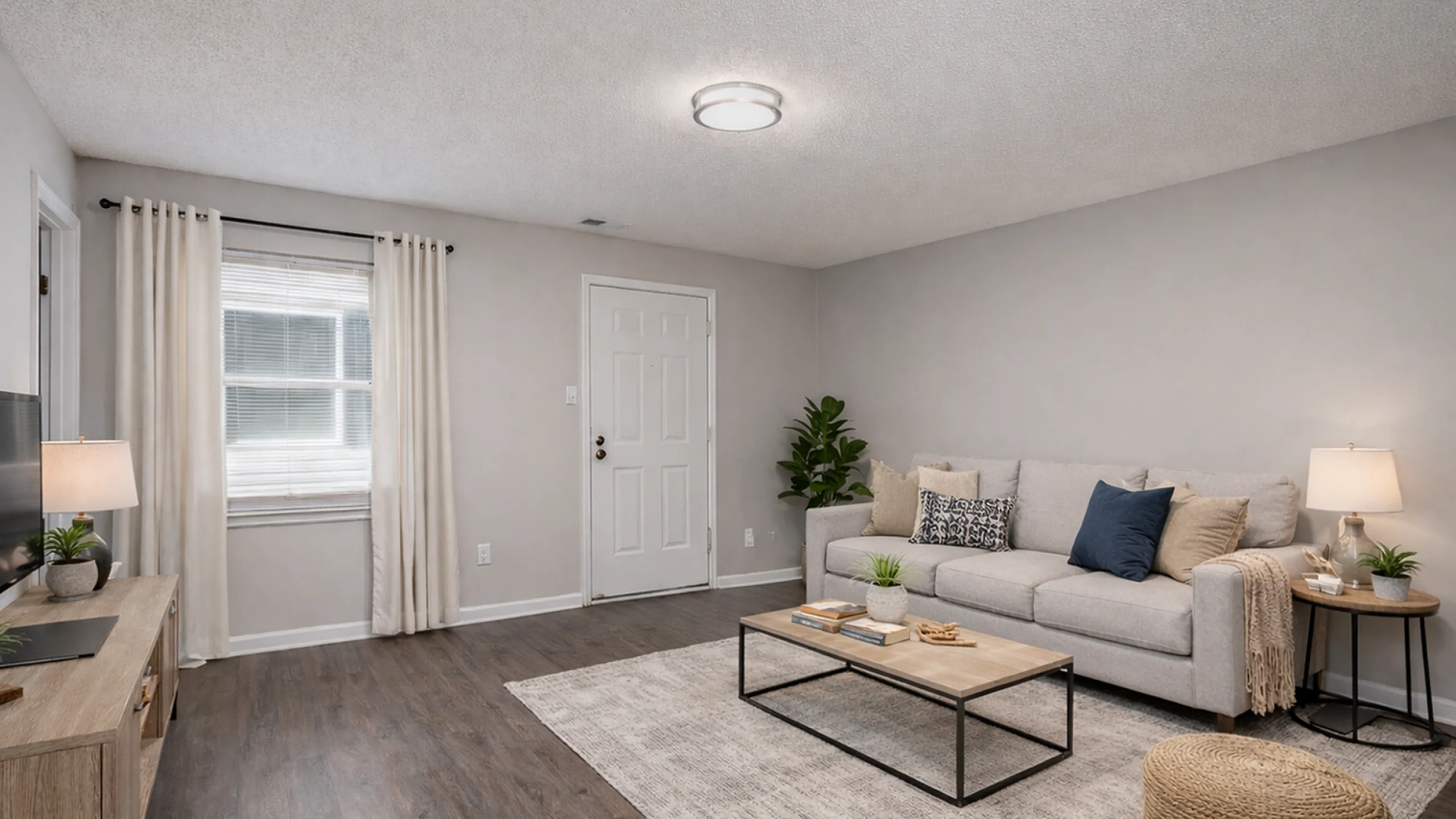

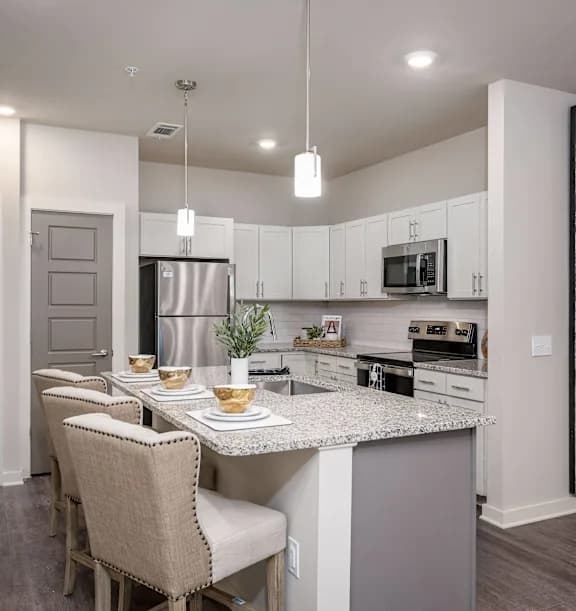

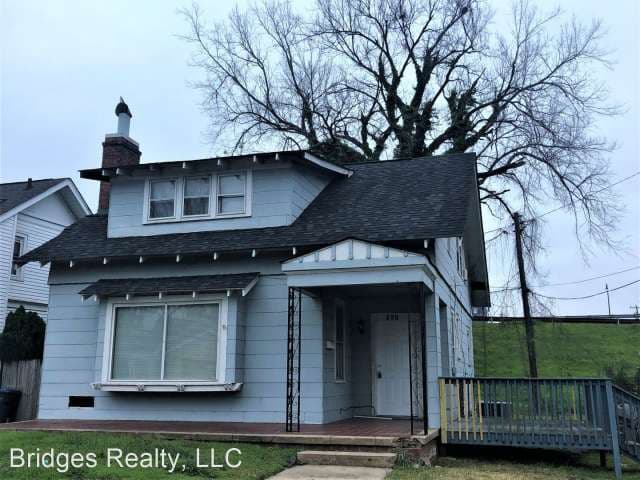
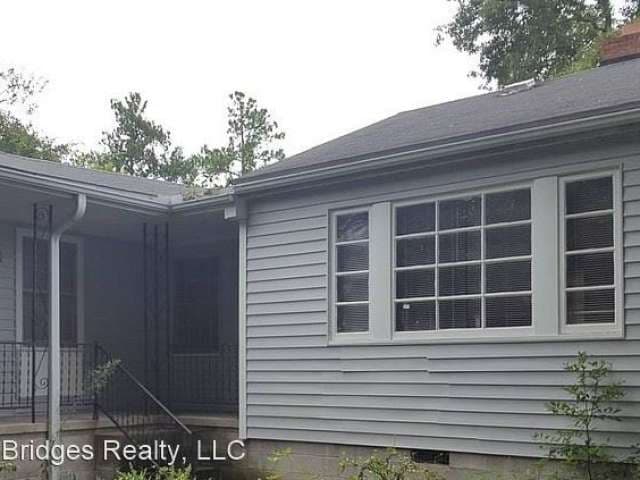
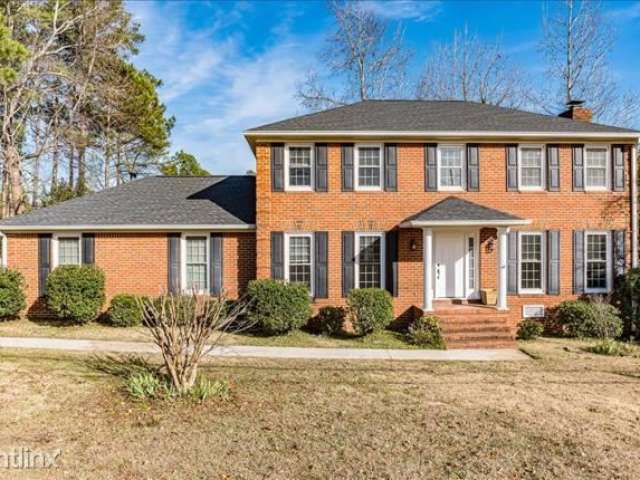
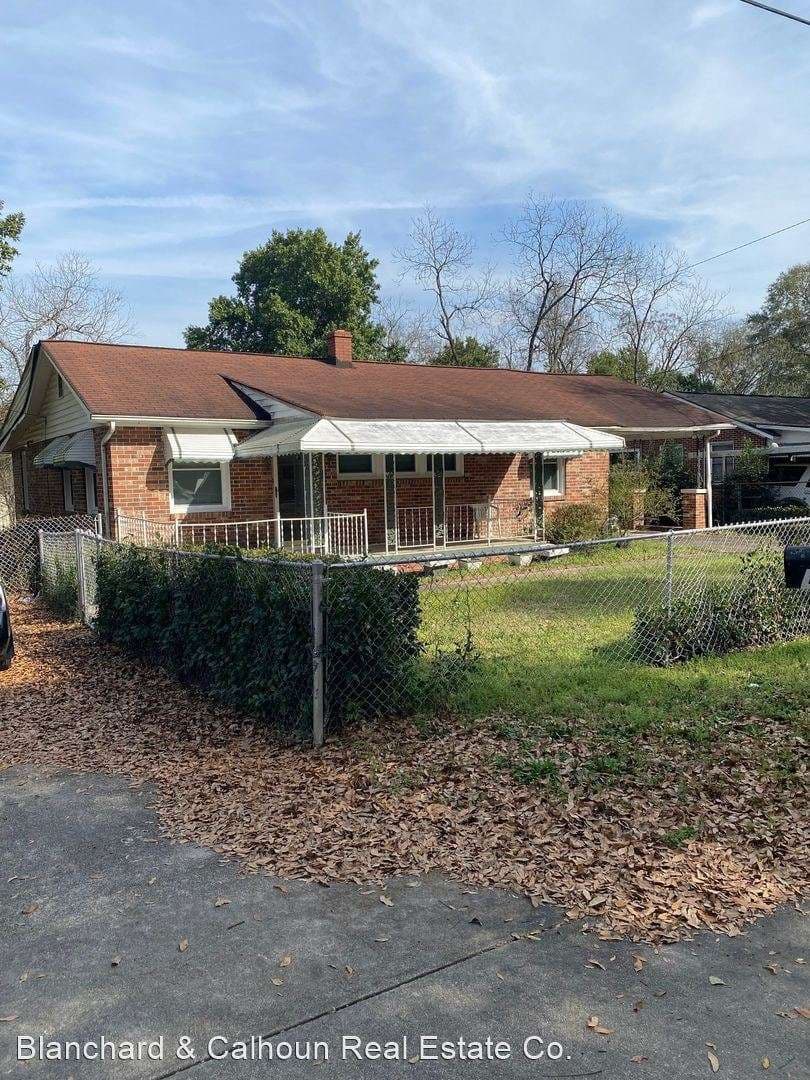
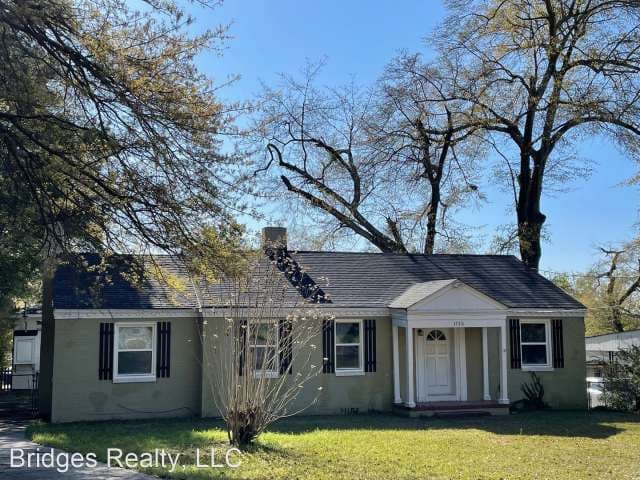
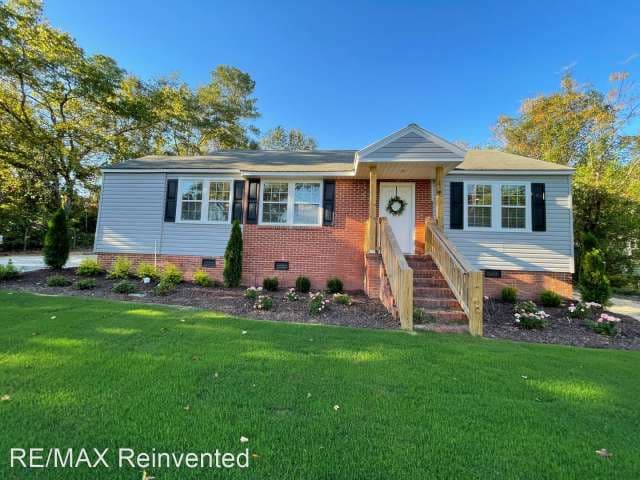
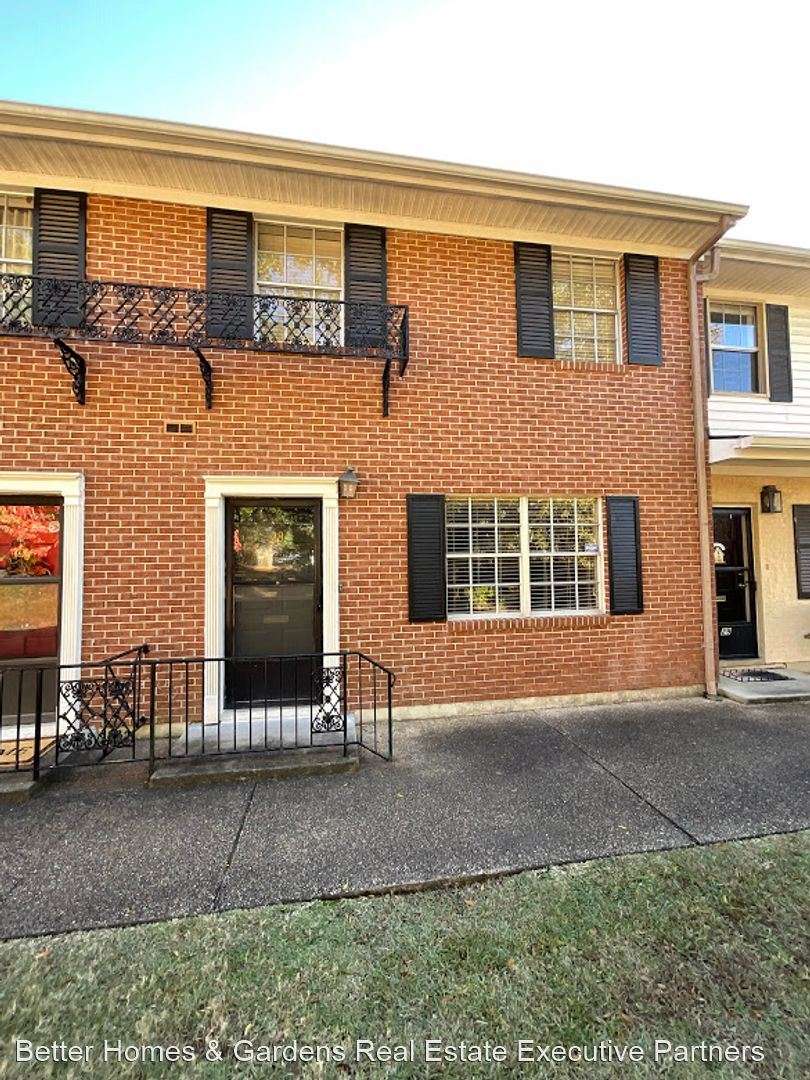
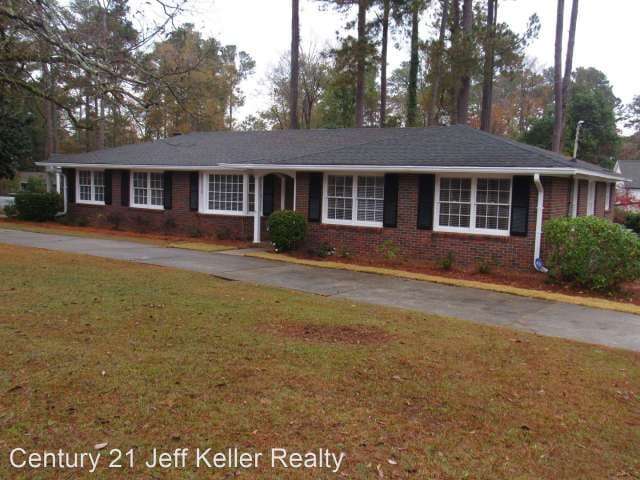
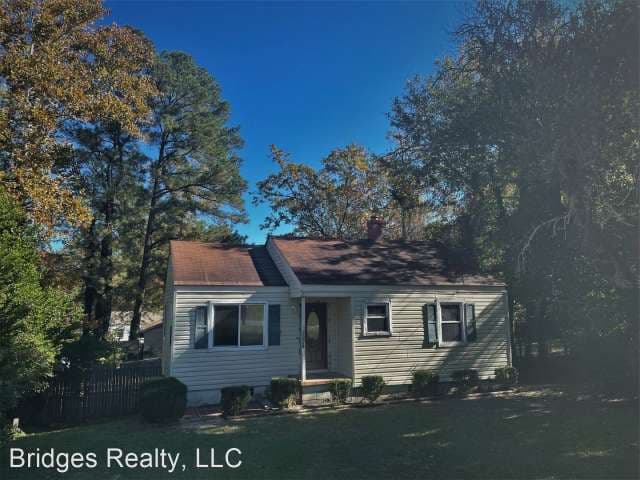
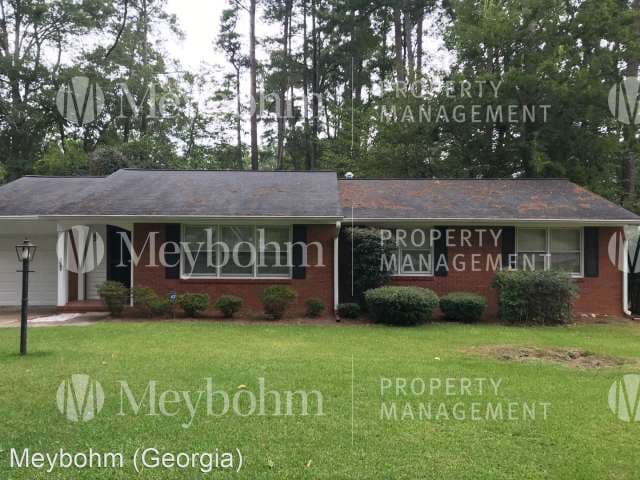
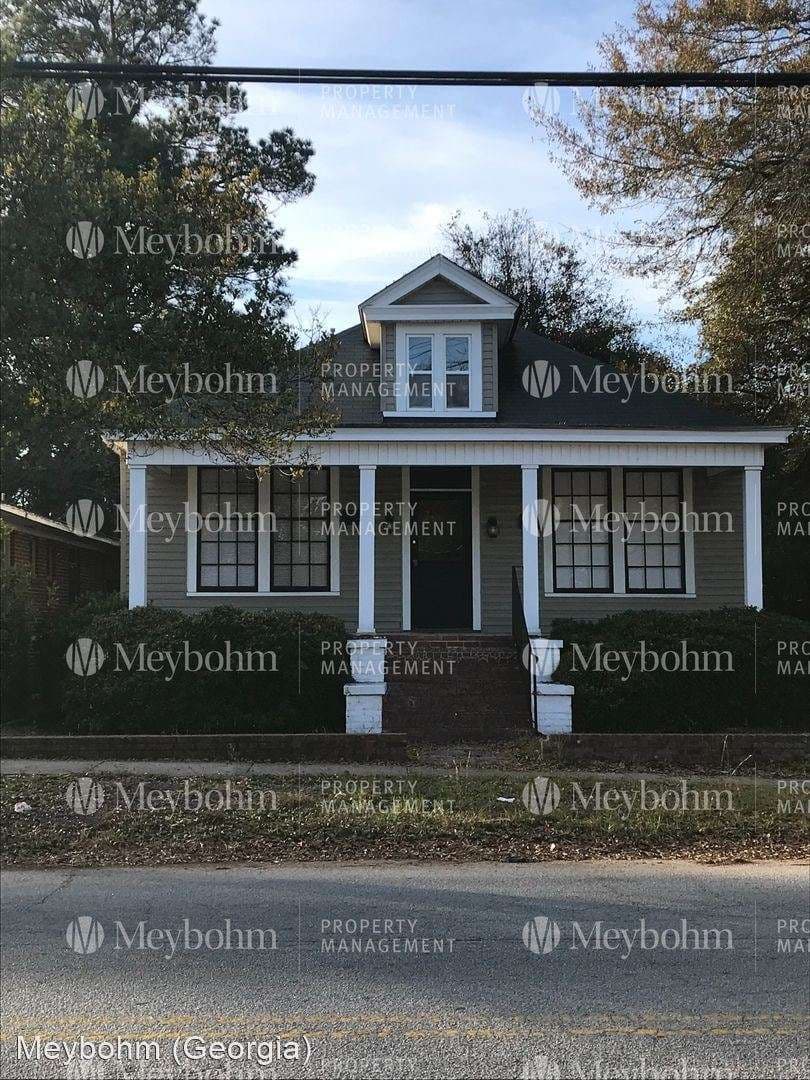
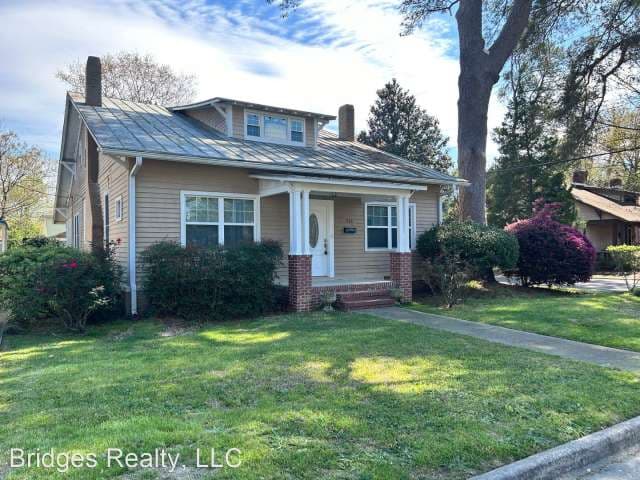
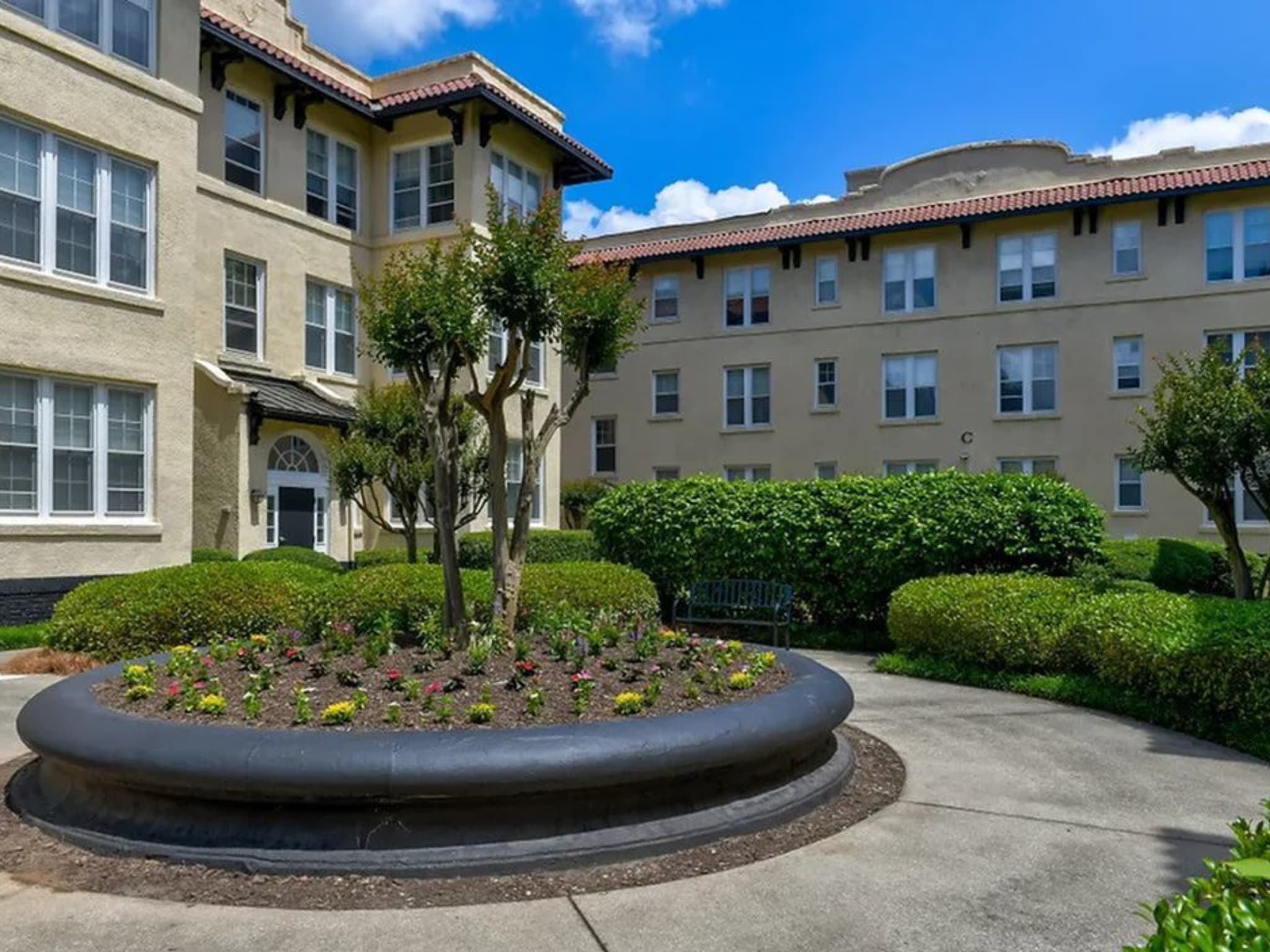
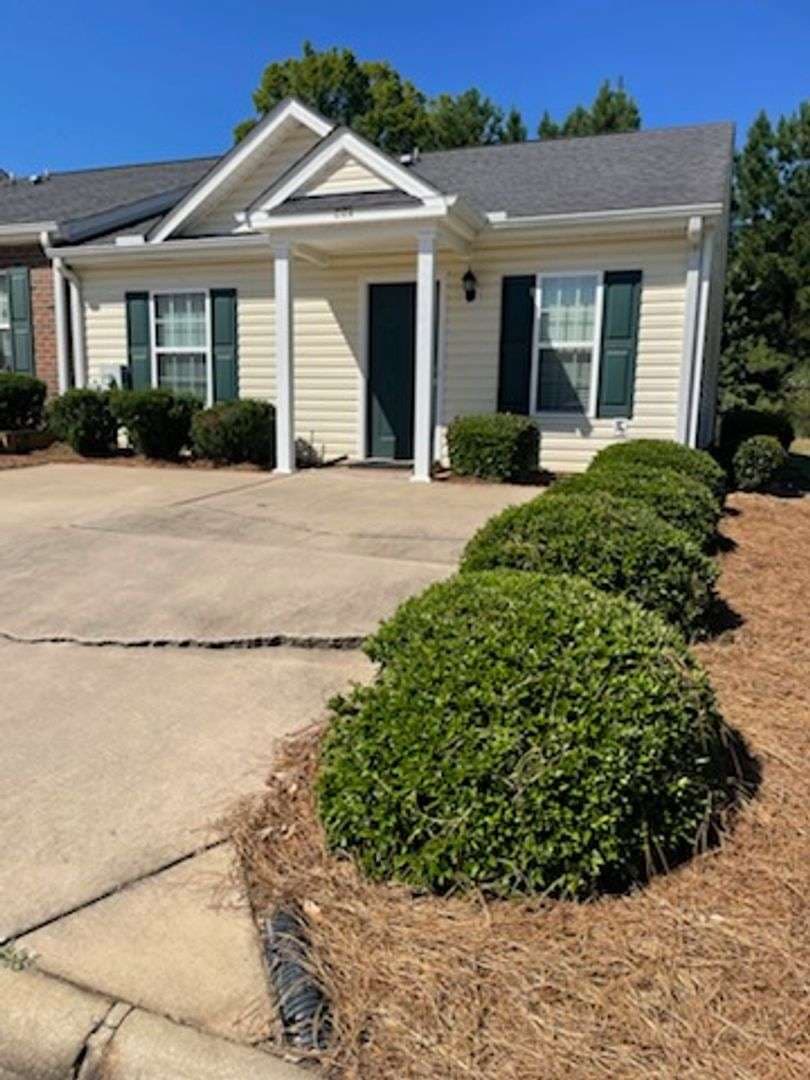
$1,250/unit
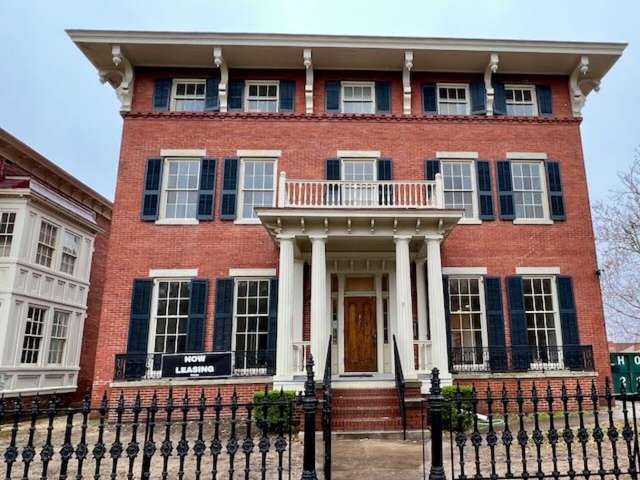
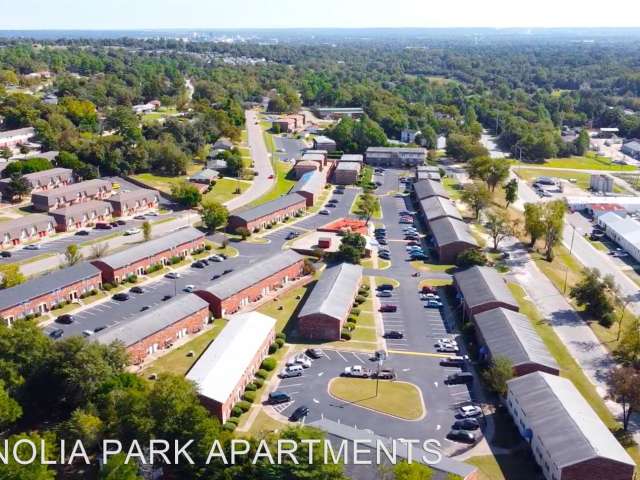
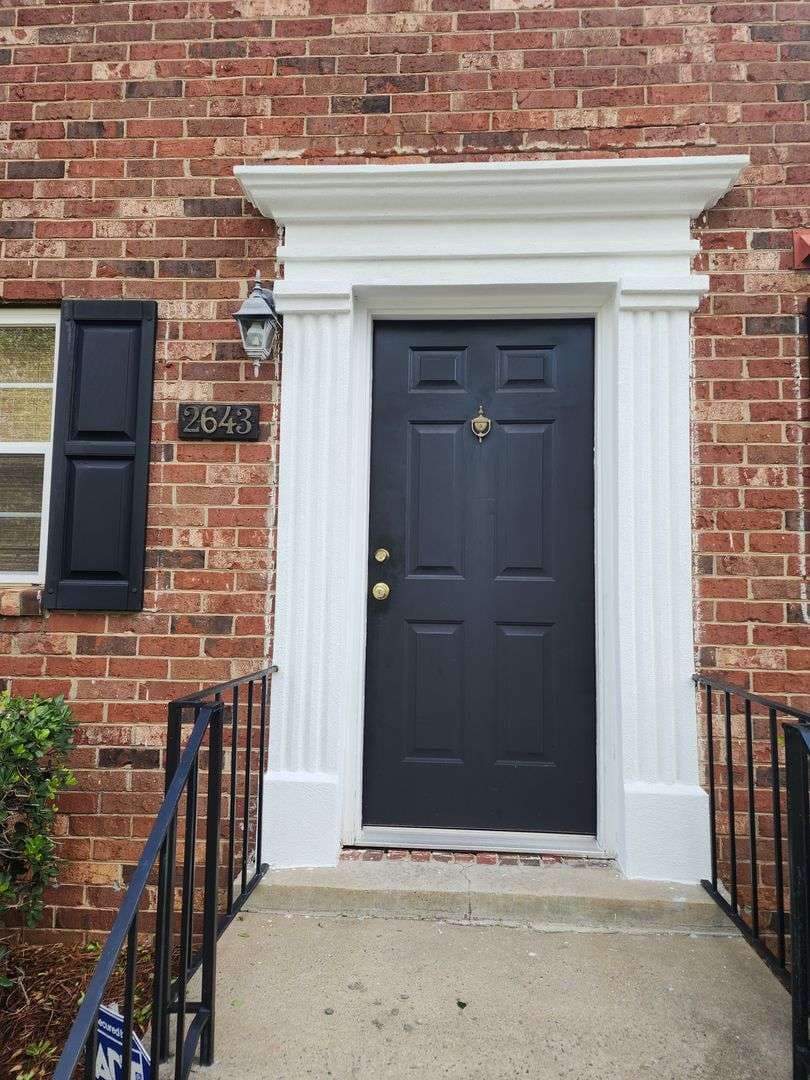
Fees may applyConvenient West Augusta Townhome-Convenient to medical
About Student Housing in Augusta
Augusta, Georgia sits on the Savannah River at the South Carolina border and is best known internationally for the Masters Tournament each April at Augusta National Golf Club. The city is home to Augusta University and the Medical College of Georgia, which makes healthcare the dominant industry and shapes the rental market near both campuses. Augusta is a mid-sized Southern city with a low cost of living, a revitalized downtown along Broad Street and the Riverwalk, and historic neighborhoods like Summerville and Harrisburg that attract students and young professionals. Winters are mild, summers are hot and humid, and the annual influx of golf fans in April briefly transforms the city's hospitality and parking landscape.
Best Neighborhoods for Students in Augusta
Summerville
The Summerville neighborhood immediately around the main campus is the most walkable area in Augusta for students. Tree-lined streets, historic homes, and proximity to campus amenities make it the first choice for those who want to minimize commute time.
Harrisburg
Harrisburg is an in-town neighborhood about two miles from campus that has been steadily revitalized with new restaurants and renovated housing stock. It is a good fit for upper-division and graduate students who want proximity to downtown Augusta and the medical corridor.
Walton Way Corridor
The Walton Way corridor east of campus toward downtown has a range of rental options at varying price points. It offers a practical middle ground between the walkable Summerville core and the more affordable complexes further out along Washington Road.
North Augusta, SC
Just across the Savannah River, North Augusta provides newer apartment options at prices generally below comparable Augusta units. The short commute and improving retail base along Knox Avenue make it a legitimate option for cost-conscious students.
Getting Around Augusta as a Student
Here's what you need to know about getting around Augusta.
Public Transit
Augusta operates the Augusta Public Transit (APT) bus system, which covers major corridors including Washington Road, Wrightsboro Road, and the Medical District on 15th Street. Service runs on roughly 30 to 60-minute headways and is adequate for basic errands but not well-suited to the schedule demands of students with early clinical shifts or late evening classes. The university does not operate its own shuttle between the Summerville and Health Sciences campuses, so students relying entirely on public transit should plan routes carefully. Most students in Augusta find a car necessary for a comfortable daily routine.
Walking and Biking
The Summerville campus area is reasonably walkable within a half-mile radius, with coffee shops, restaurants, and a grocery store accessible on foot along Wrightsboro Road and Washington Road. Biking is viable in the flat residential streets near campus, though Augusta lacks a robust protected bike lane network and drivers are not always alert to cyclists. The Augusta Canal Trail and Riverwalk offer scenic off-road options but do not directly connect most student housing to campus. Students willing to ride on surface streets can manage a bike commute from Summerville or Harrisburg without too much difficulty.
Parking
Augusta is a car-dependent city and most off-campus students drive to class. Parking near the Summerville campus can be tight, and AU parking permits are required for on-campus lots. Street parking in the Summerville neighborhood is generally available but becomes competitive during large events such as the Masters Tournament each April. The Health Sciences campus has its own structured parking with separate permit requirements that health sciences students should budget for separately.
Frequently Asked Questions: Student Housing in Augusta
Common questions from students searching for housing.
Augusta is one of the more affordable mid-sized cities in the South for renters. One-bedroom apartments near the Summerville campus typically run $700 to $1,100 per month. Shared two- and three-bedroom units bring per-person costs to $450 to $750. North Augusta across the river tends to run slightly cheaper for newer units.
The Summerville neighborhood adjacent to the main AU campus is the top choice for undergrads who want walkable access to class. Harrisburg is popular with graduate and health sciences students who want proximity to the medical corridor and downtown. The 15th Street area near the Health Sciences campus is convenient for MCG students.
Augusta Public Transit (APT) covers major corridors including Washington Road, Wrightsboro Road, and the Medical District, but service headways are 30 to 60 minutes on most routes. It is workable for occasional errands but not reliable enough for students with demanding class or clinical schedules. Most students in Augusta find a car necessary.
Augusta is primarily car-dependent. The Summerville neighborhood near campus is walkable for daily needs, and the Augusta Canal Trail offers a pleasant off-road biking option. Outside of that immediate area, a car or reliable rideshare is needed for grocery shopping, clinical rotations at the Health Sciences campus, and most social activities.
Parking in Augusta is generally available and free in most off-campus neighborhoods. On-campus parking at AU requires a permit, and Health Sciences campus parking is managed separately. The one annual exception is Masters Tournament week in April, when parking near the Summerville campus becomes constrained and some street spots near Augusta National are restricted.
The Summerville neighborhood around campus and North Augusta across the river are generally considered safe areas for students. Downtown Augusta and Harrisburg have improved substantially with revitalization. As with any city, safety varies by specific block, so checking local crime maps and visiting a neighborhood before signing a lease is advisable.
Most Augusta rentals do not include utilities. Electricity is the primary variable cost, and Augusta's hot summers mean cooling bills from June through September can run $100 or more per month in older units. Ask landlords for average monthly utility costs before signing.
Yes. Augusta University's off-campus housing board, local Facebook groups, and Craigslist are all active for roommate matching and sublets. The student population is large enough that finding a compatible roommate before move-in is realistic, particularly if you post in January or February.
The Masters Tournament each April is a significant local event. Some landlords attempt to sublet their properties to tournament visitors at inflated rates. Students with leases in place are protected, but those searching for housing in March or April should be aware that some units may not be available for standard occupancy during tournament week.
Find Housing by University in Augusta
Browse student housing near each Augusta-area university.
Search Augusta Student Housing by…
Lifestyle
See how students rate apartments in Augusta, GA on social life, management, and quality before you tour.
Read student apartment reviews in Augusta, GA →