Student Housing in Baltimore, MD
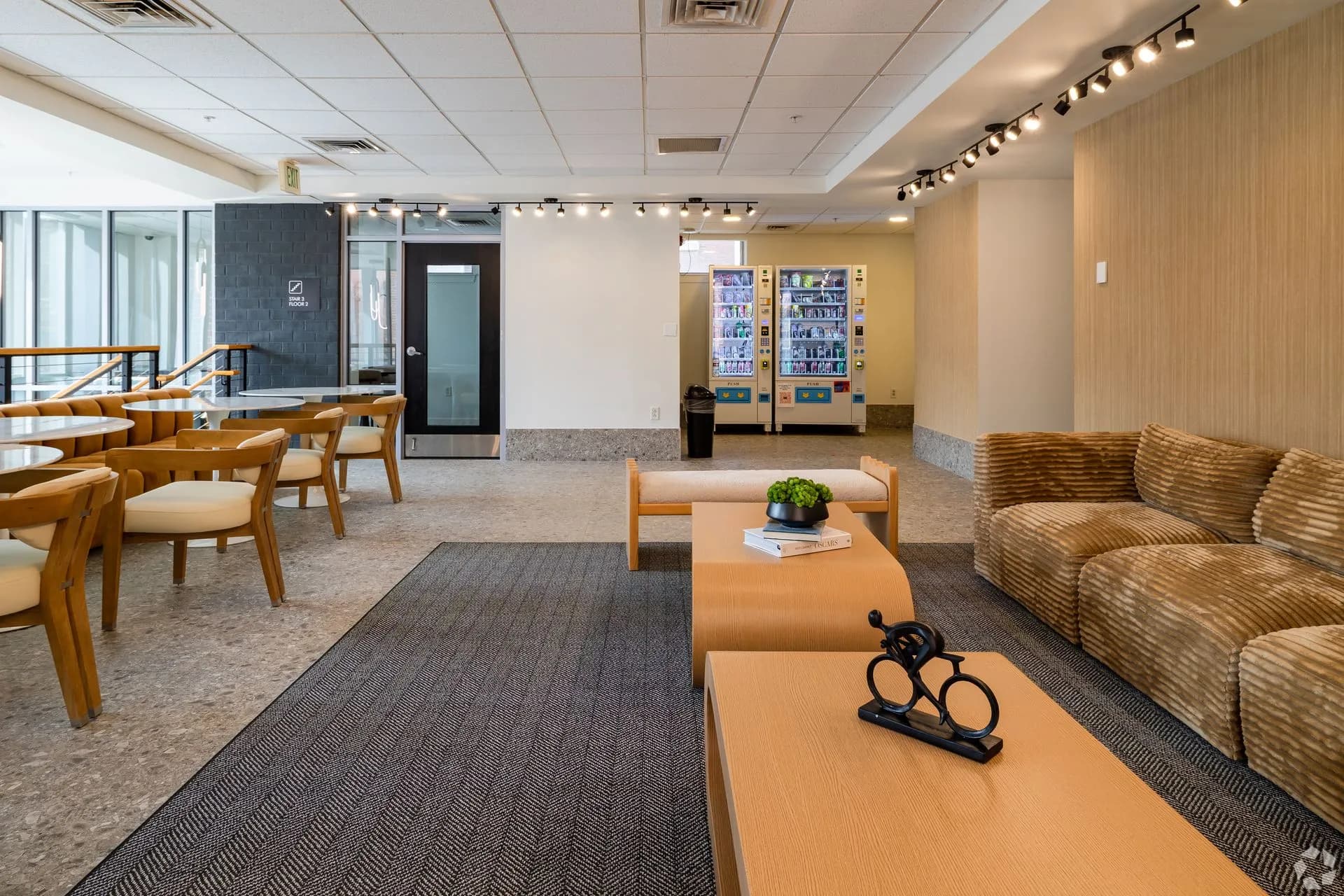
$1,160+/person
Fees may apply500 W. - Fayette
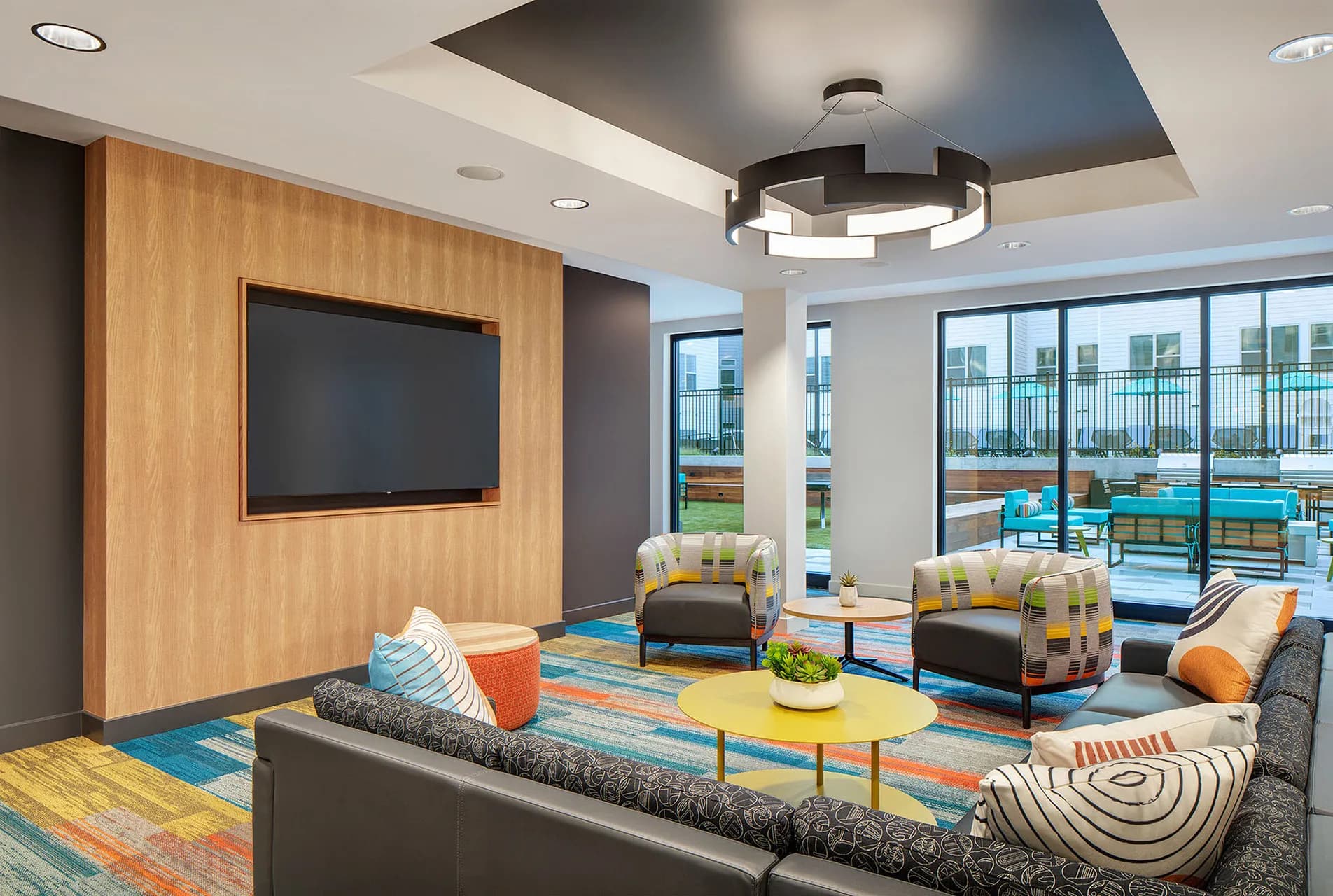
$1,025+/unit
Fees may applyAltus Towson Row
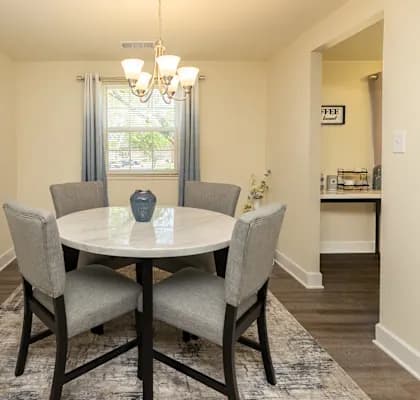
$1,502+/unit
Fees may applyColony Hill Apartments & Townhomes
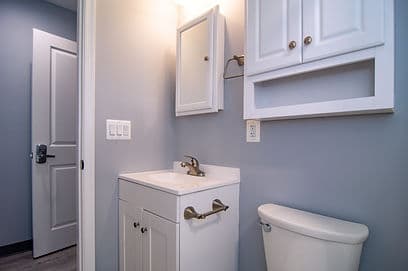
$1,050+/unit
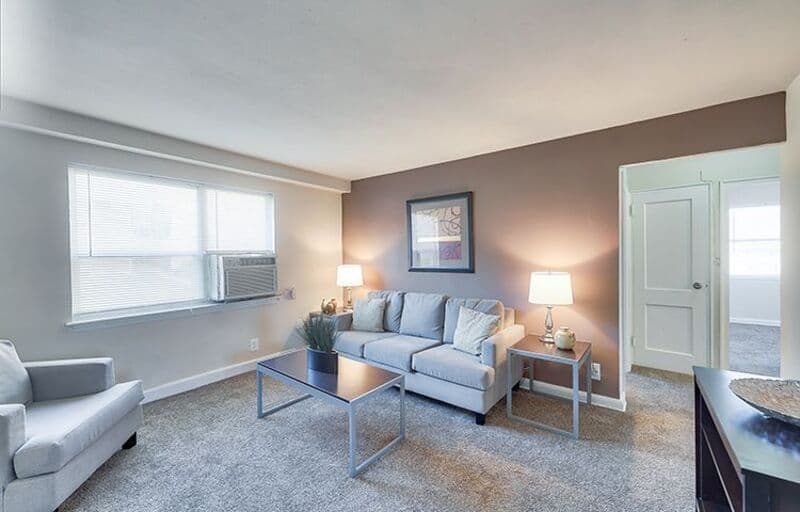
Fees may applyHopkins View Apartments
$990+/unit
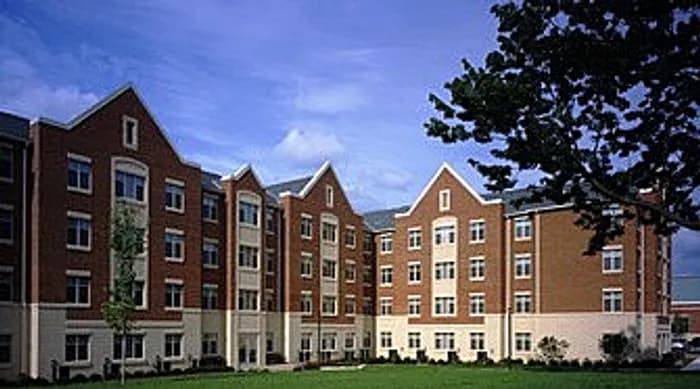
Fees may applyMaplewood Apartments
$935+/unit
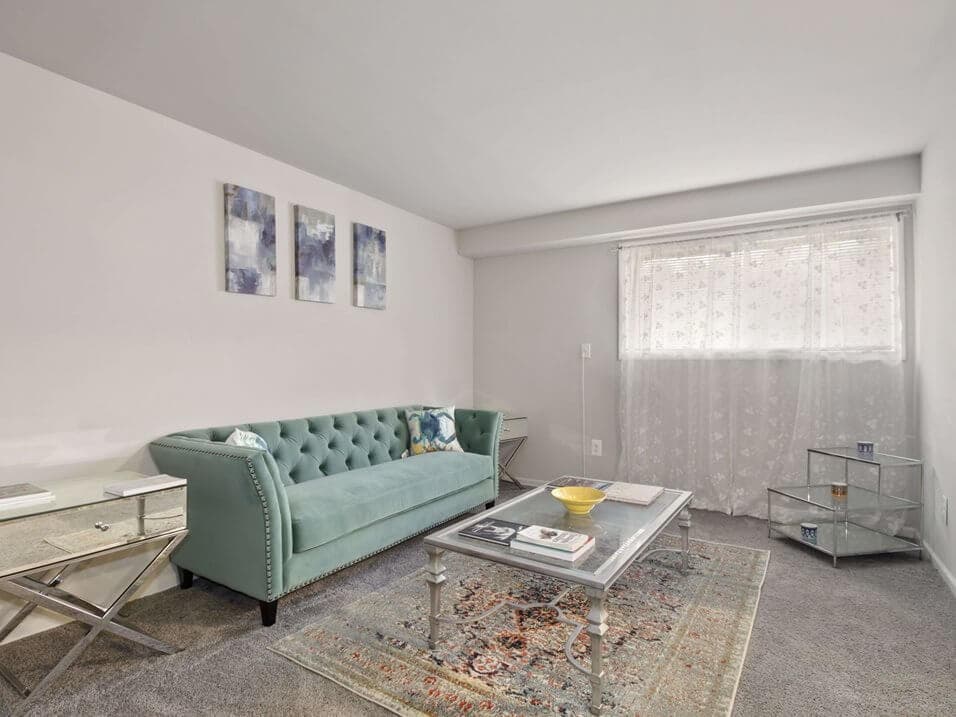
Fees may applyMorgan View Apartments
$1,140+/unit
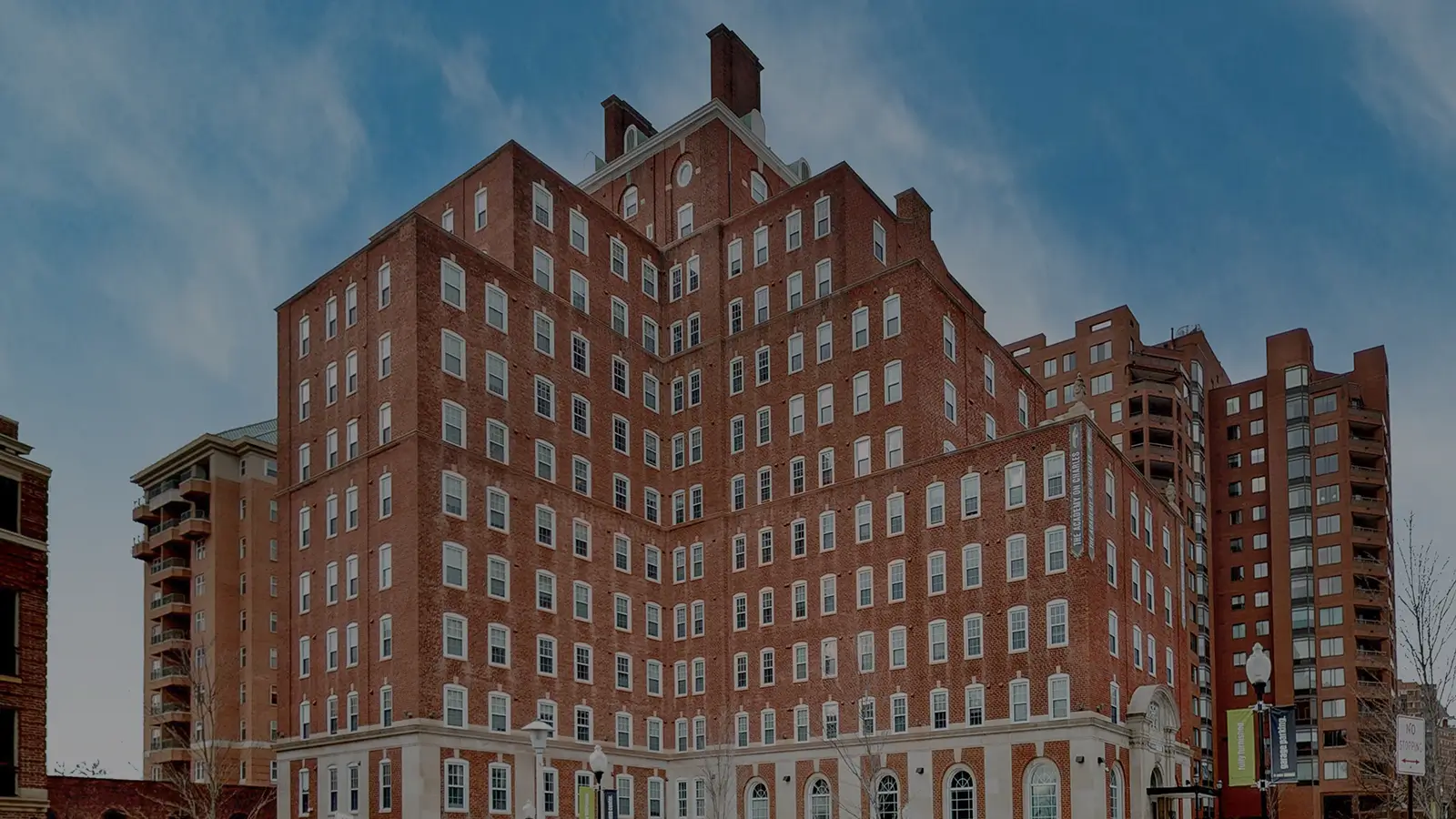
Fees may applyRock Glen Apartments
$1,515+/unit
Fees may applyThe Academy on Charles
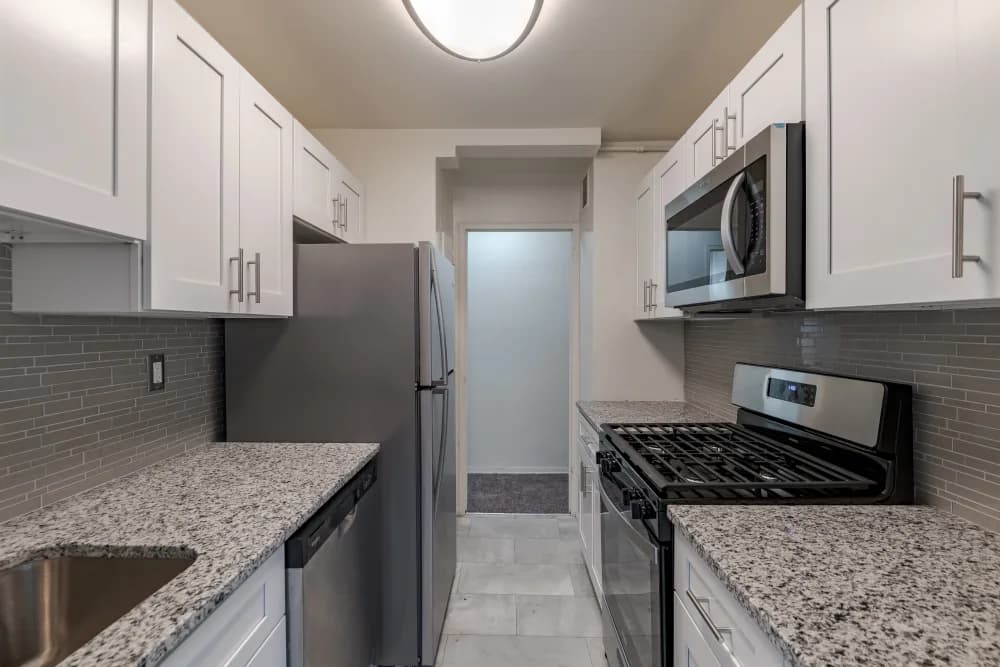
$1,265+/unit
Fees may applyThe Carlyle Apartment Homes
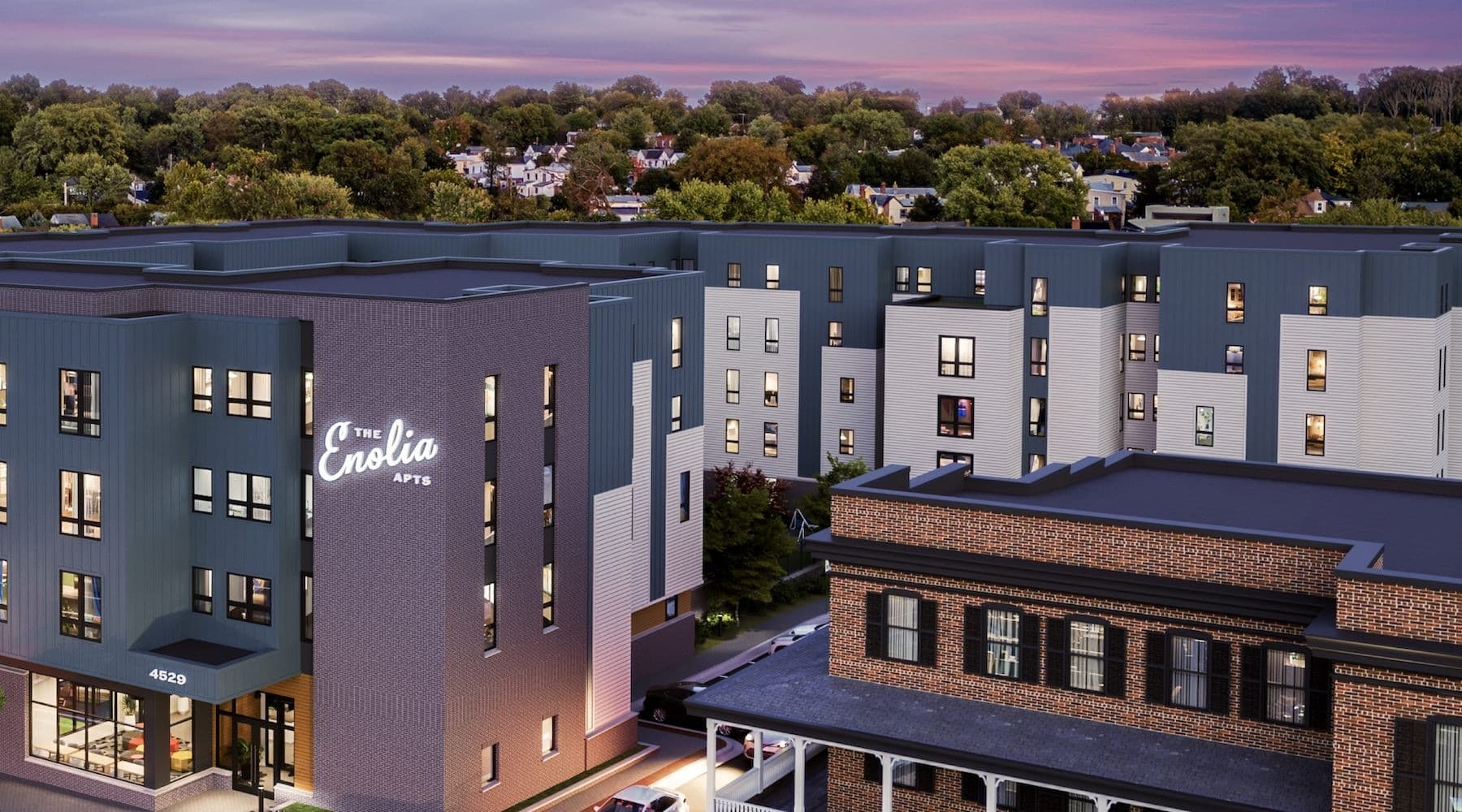
$1,166+/unit
Fees may applyThe Enolia

$899+/unit
Fees may applyThe Essential at JHU
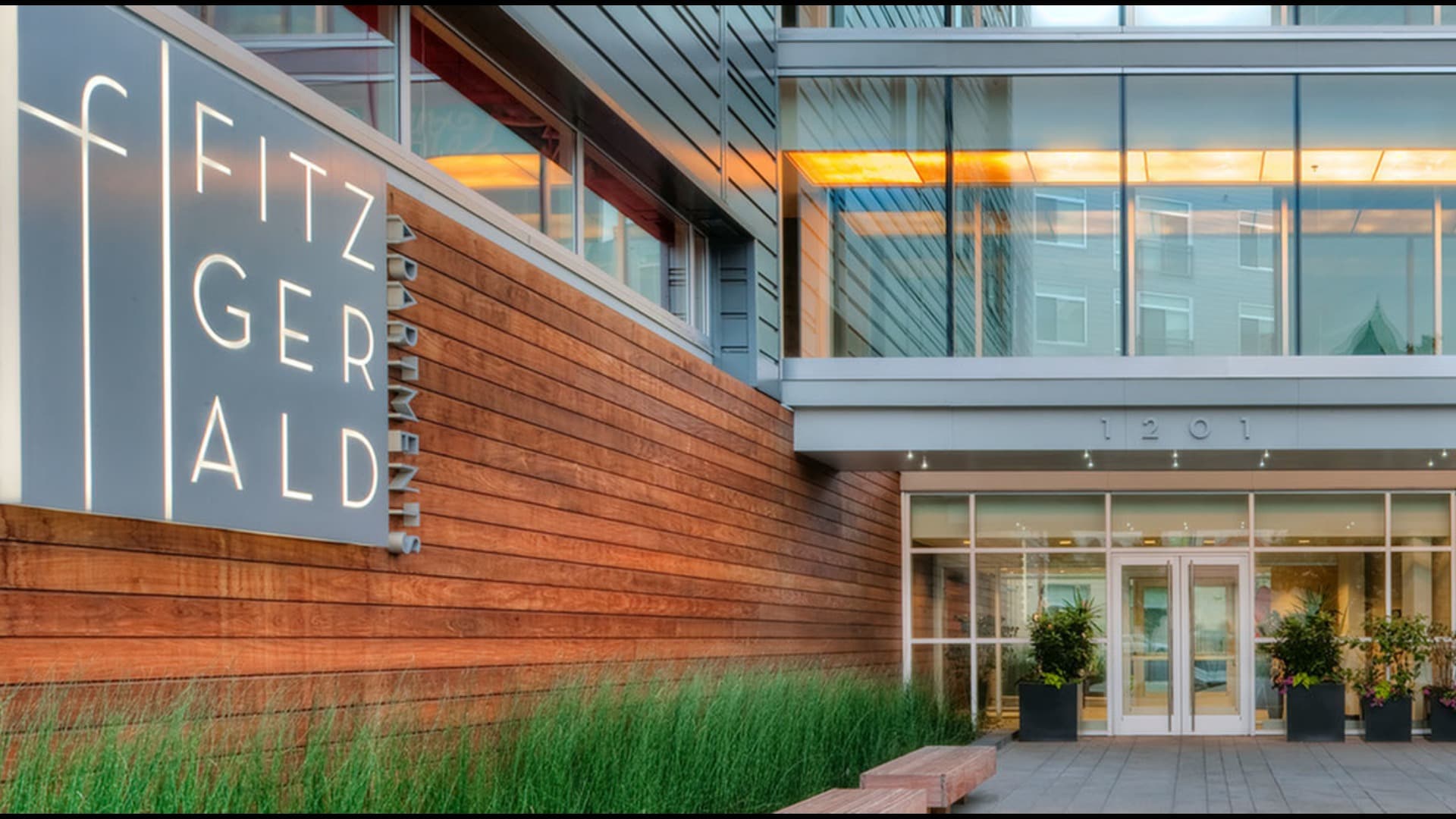
$1,864+/unit
Fees may applyThe Fitzgerald
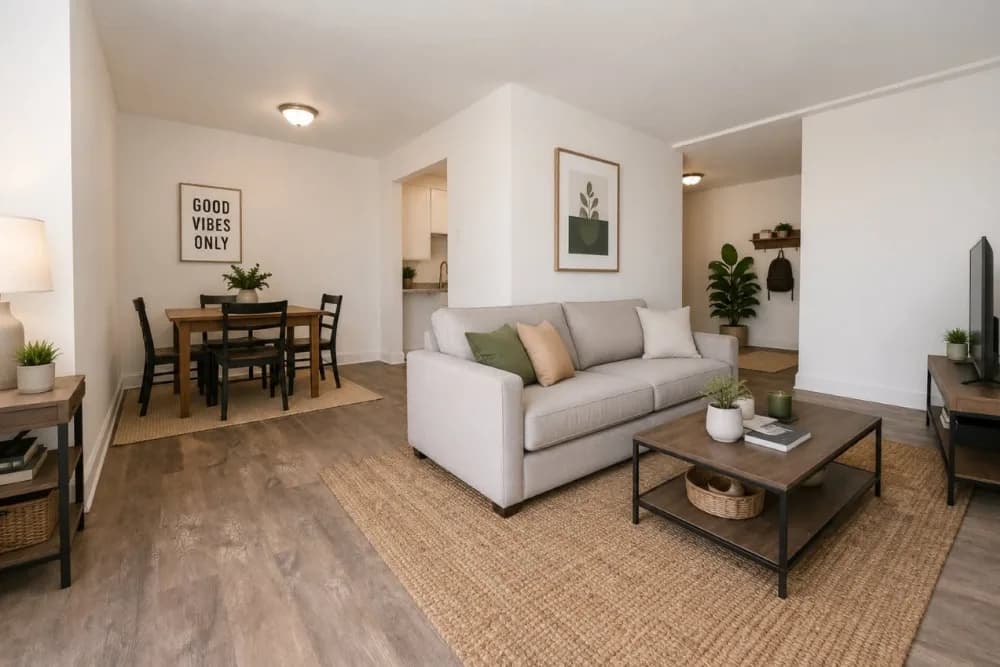
$1,025+/unit
Fees may applyThe Marylander Apartment Homes
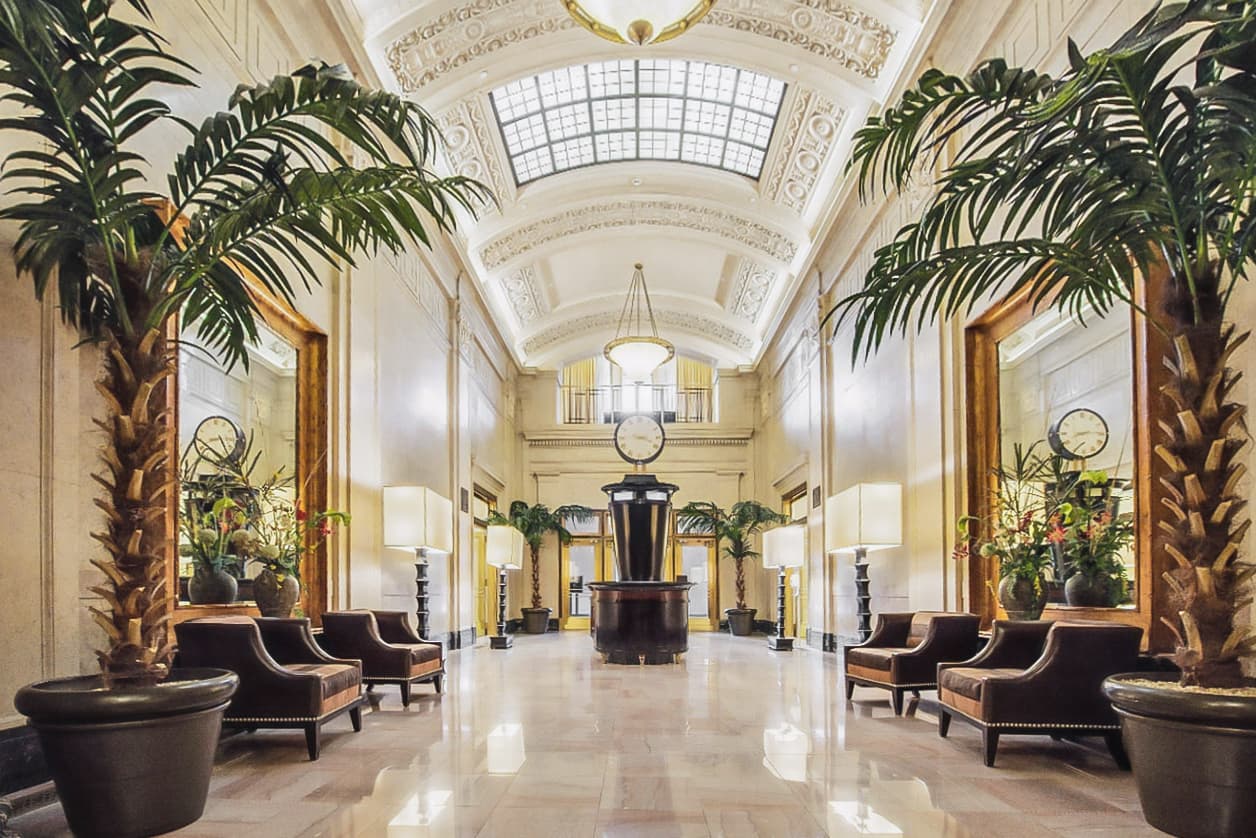
$1,257+/unit
Fees may applyThe Standard at Preston Gardens
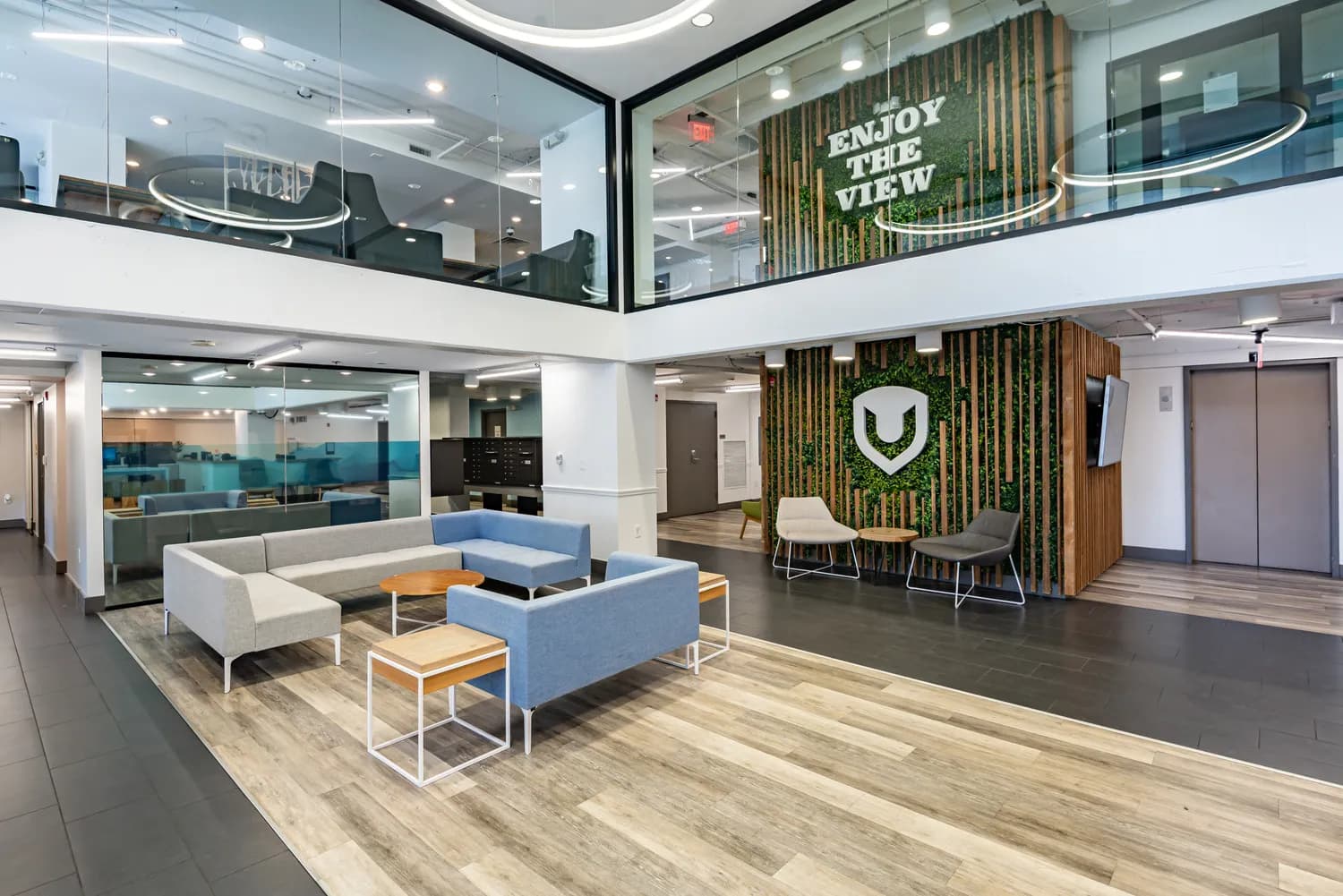
$999+/unit
Fees may applyUniversity View
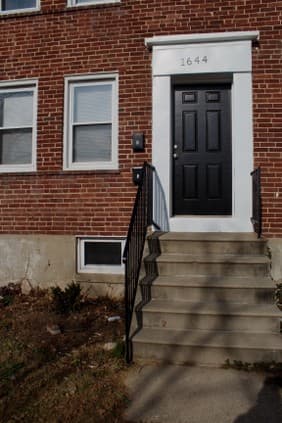
$1,299/unit
Fees may applyWest Campus Apartments
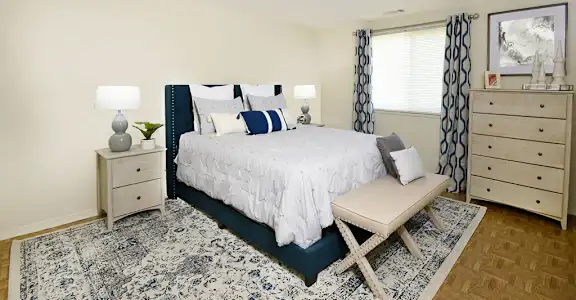
$980+/unit
Fees may applyWinston Apartments
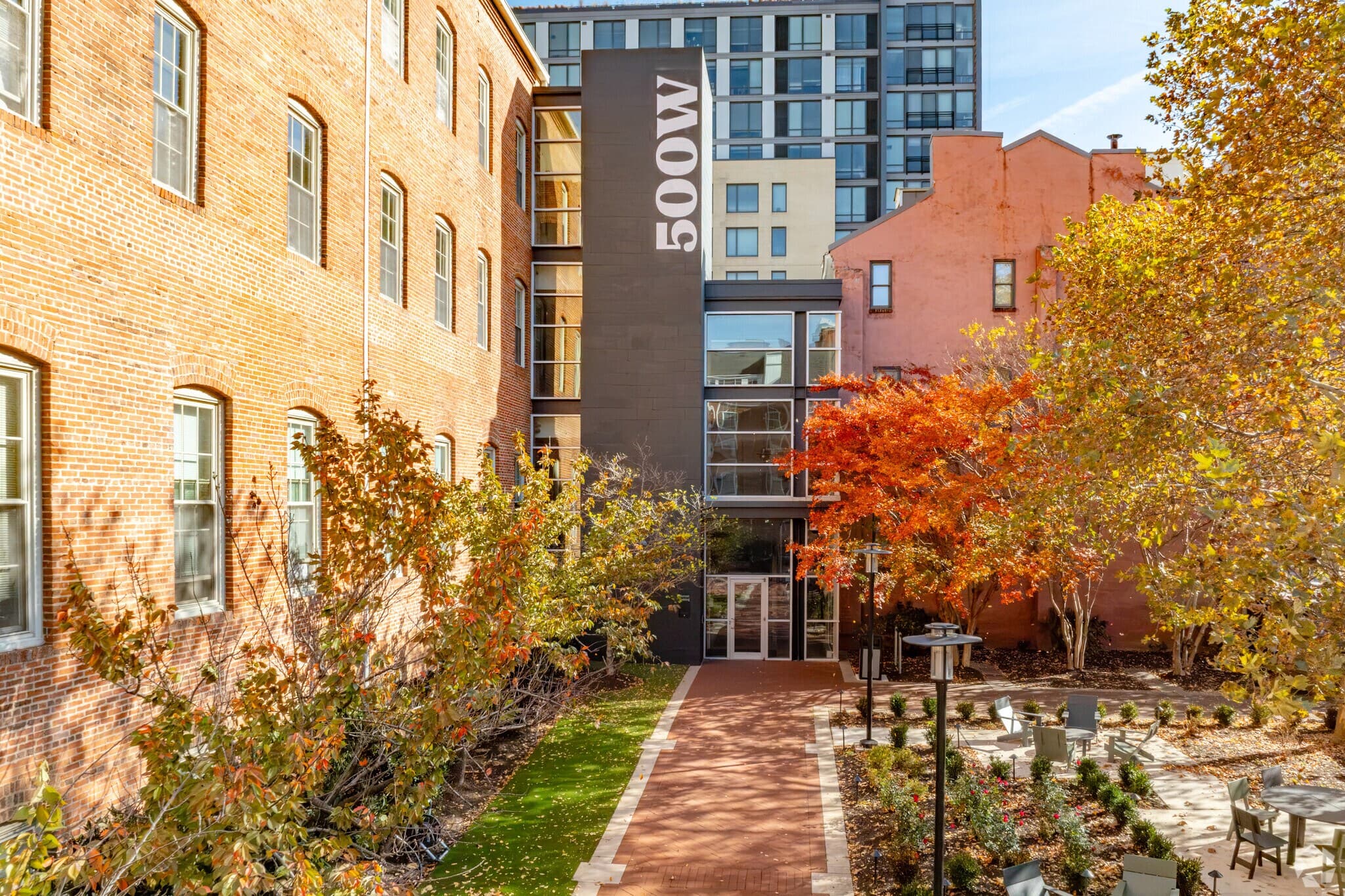
$1,160+/unit
Fees may apply500 W Fayette St
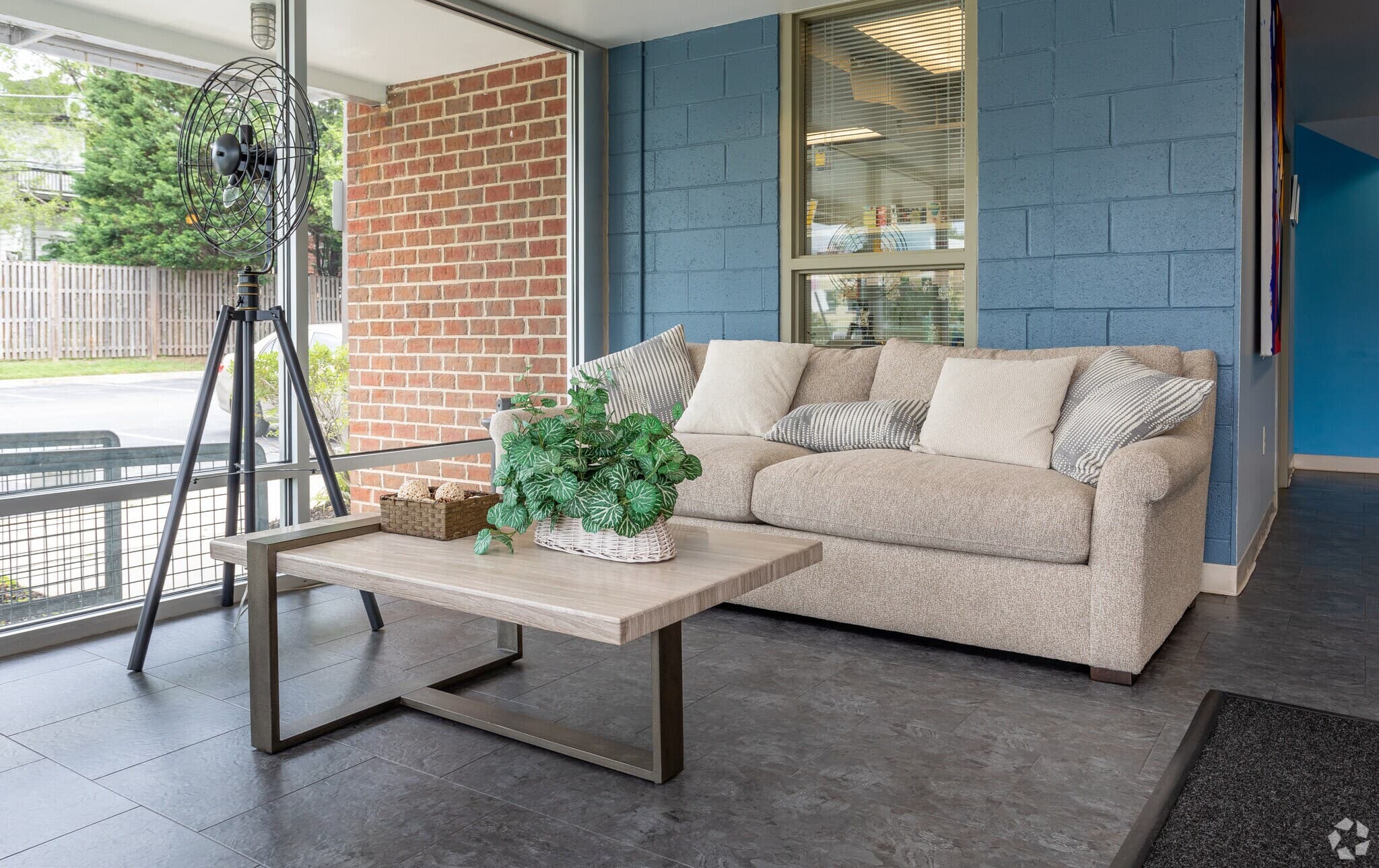
$1,079+/unit
Fees may applyHH Cresmont
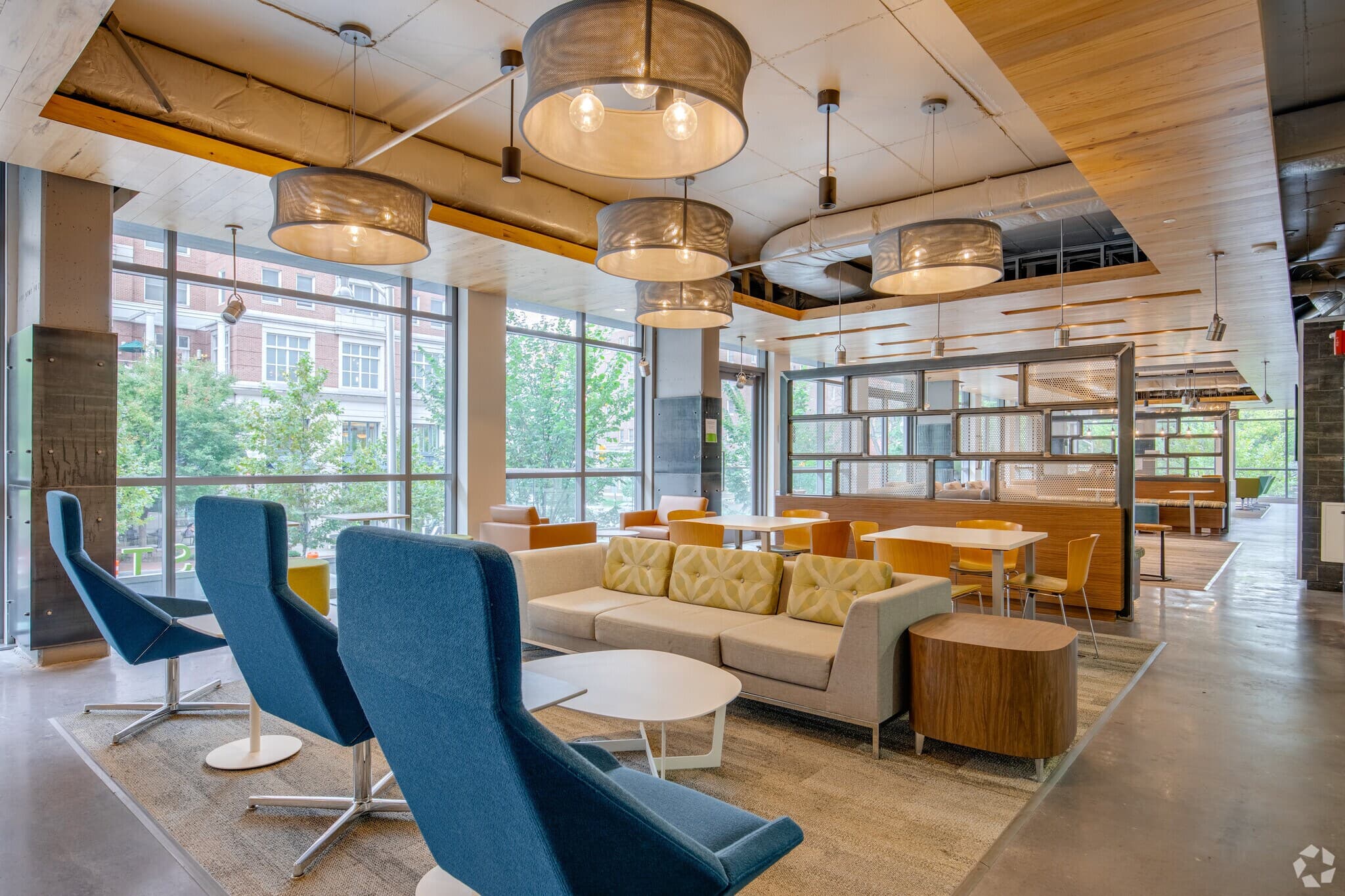
$1,419+/unit
Fees may applyNine East 33rd
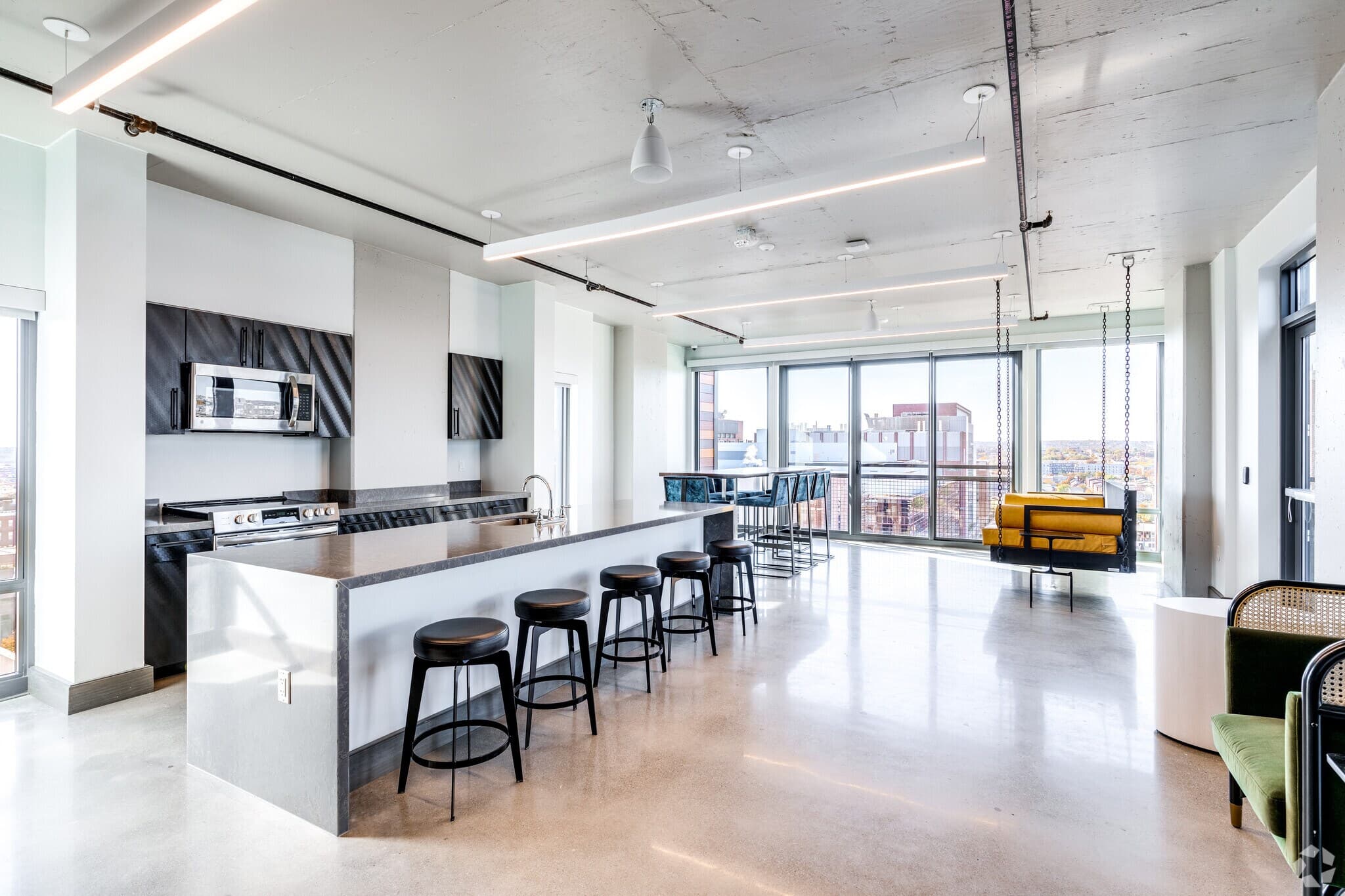
$1,247+/person
Fees may applyProsper On Fayette
About Student Housing in Baltimore
Baltimore, Maryland is a working harbor city of about 570,000 on the Chesapeake, and it carries a big-college-town feel without pretending to be small. Johns Hopkins University anchors the Homewood campus in the north, while the University of Maryland Baltimore County and Morgan State University add thousands more students across the metro. The result is a city of distinct rowhouse neighborhoods, each with its own personality, from leafy Charles Village to the harborfront. Public green space runs deep, with Druid Hill Park, the Inner Harbor promenade, and waterfront trails. The National Aquarium, the art museums, and the Camden Yards and Ravens crowds keep the calendar full, and the Artscape festival turns whole blocks into a street party each summer.
Best Neighborhoods for Students in Baltimore
Charles Village
Right next to the Hopkins Homewood campus, Charles Village stays packed with students, full of rowhouses and an easy walk to class.
Mount Vernon
Just south, Mount Vernon brings a historic, artsy feel with the cultural institutions clustered around the monument, popular with grad students.
Hampden
Slightly northwest, Hampden keeps a quirky, creative streak and a tight-knit residential vibe that students love.
Getting Around Baltimore as a Student
Here's what you need to know about getting around Baltimore.
Public Transit
Baltimore gives you a real transit network, rare for a city this size. The Charm City Circulator runs free bus routes through downtown and the core neighborhoods, the MTA Maryland system covers Light RailLink, the Metro SubwayLink, and local buses, and the MARC train connects you toward Washington. Johns Hopkins runs its own shuttle network linking Homewood to other campuses and nearby neighborhoods. Between the free circulator, the shuttles, and MTA service, students can cover campus runs without a car.
Walking and Biking
Charles Village, Mount Vernon, and Federal Hill are genuinely walkable, with rowhouse blocks built for it. Biking is workable on the flatter stretches and the harbor trails. Hills and traffic ask for caution, so pick your routes. Students in the walkable core can handle most daily needs on foot.
Parking
Plenty of students skip a car since transit and shuttles cover the campus runs, but one helps if you're reaching the wider metro or commuting to UMBC out in Catonsville. Driving is most useful for destinations beyond the rail and bus lines. Expect tight street parking in the dense rowhouse neighborhoods. Many students near campus get by without a car.
Frequently Asked Questions: Student Housing in Baltimore
Common questions from students searching for housing.
Baltimore stays gentler than most East Coast college cities. Rooms in shared rowhouses near Hopkins often run $700 to $1,100 per month, and one-bedrooms in Charles Village typically land around $1,200 to $1,700. Splitting a three-bedroom rowhouse is the classic move and keeps per-person costs down.
Universities in Baltimore
Baltimore is home to 5 universities, each with its own student housing market.
Johns Hopkins University
Johns Hopkins University spreads about 28,890 students across Baltimore, with the undergraduate heart at the Homewood campus in the city's north end. Homewood is a green, redbrick quad framed by Charles Village, where rowhouse porches and the Saturday farmers market set the pace. You can walk the Stony Run trail to…
View housing near Johns HopkinsMorgan State University
Morgan State University is home to about 7,634 students on a green campus in Northeast Baltimore, Maryland's largest historically Black university and a place with deep tradition and serious school pride. Campus life runs loud in the best way: the Magnificent Marching Machine, the band that's played NFL games and…
View housing near Morgan StateUniversity of Baltimore
The University of Baltimore is a public university in the Mount Vernon neighborhood of midtown Baltimore, serving about 4,200 students. Part of the University System of Maryland, UBalt has a distinctive profile: it focuses on upper-division undergraduate, graduate and professional study, including the University of…
View housing near University of BaltimoreUniversity of Maryland-Baltimore County
The University of Maryland, Baltimore County packs about 13,497 students onto a hilly suburban campus in Catonsville, just southwest of Baltimore. Known to everyone as UMBC, it runs on Retriever pride: new students rub the golden nose of the True Grit statue, modeled on a champion Chesapeake Bay Retriever. Campus…
View housing near UMBCUniversity of Maryland, Baltimore
The University of Maryland, Baltimore is the state's public health, law and human services university, located on a downtown campus just west of the Inner Harbor with about 7,100 students. UMB is composed almost entirely of graduate and professional schools, including the University of Maryland School of Medicine, the…
View housing near University of Maryland, BaltimoreFind Housing by University in Baltimore
Browse student housing near each Baltimore-area university.
Search Baltimore Student Housing by…
Room Type
Lifestyle
See how students rate apartments in Baltimore, MD on social life, management, and quality before you tour.
Read student apartment reviews in Baltimore, MD →