Off-Campus Housing Near Barry University

$2,173+/unit
Fees may applyAMLI Dadeland
$3,170+/unit
Fees may applyAvalon South Miami

$1,782+/unit
Fees may applyCrossings at University
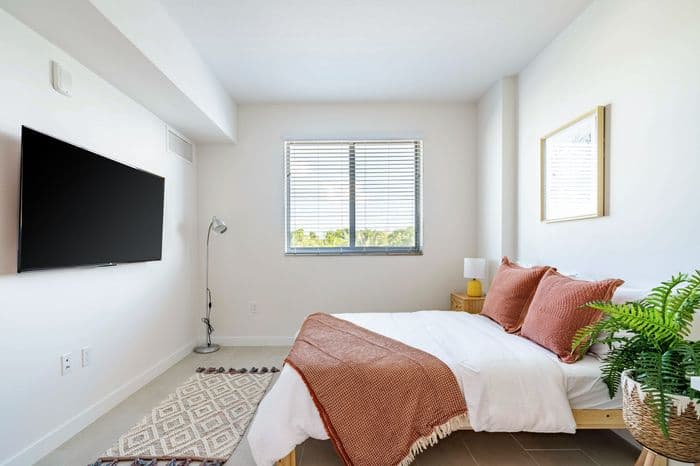
$240+/unit
Fees may applyFllat – Miami Shores

$1,204+/unit
Fees may applyIDENTITY Miami
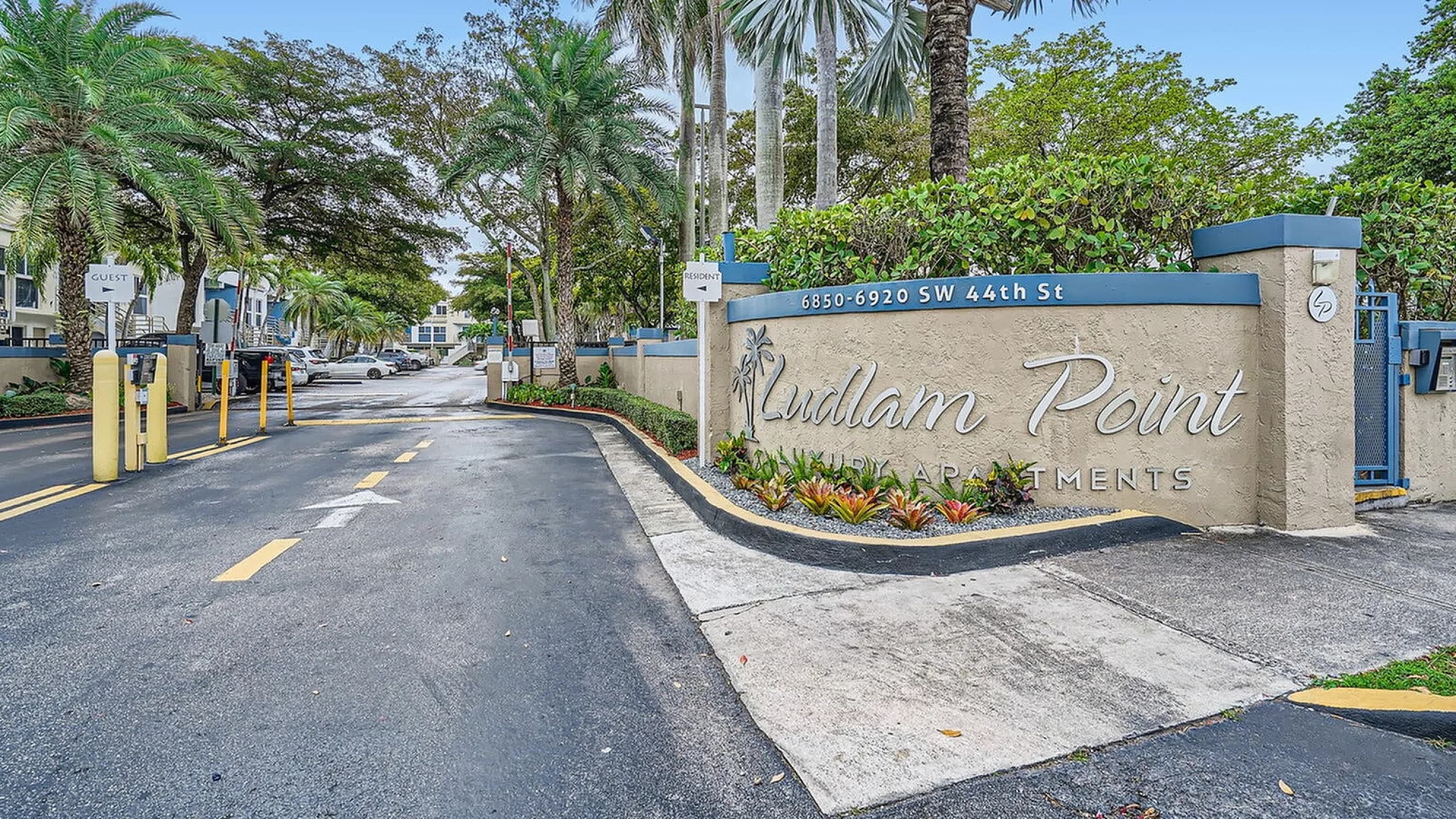
$2,309+/unit
Fees may applyLudlam Point
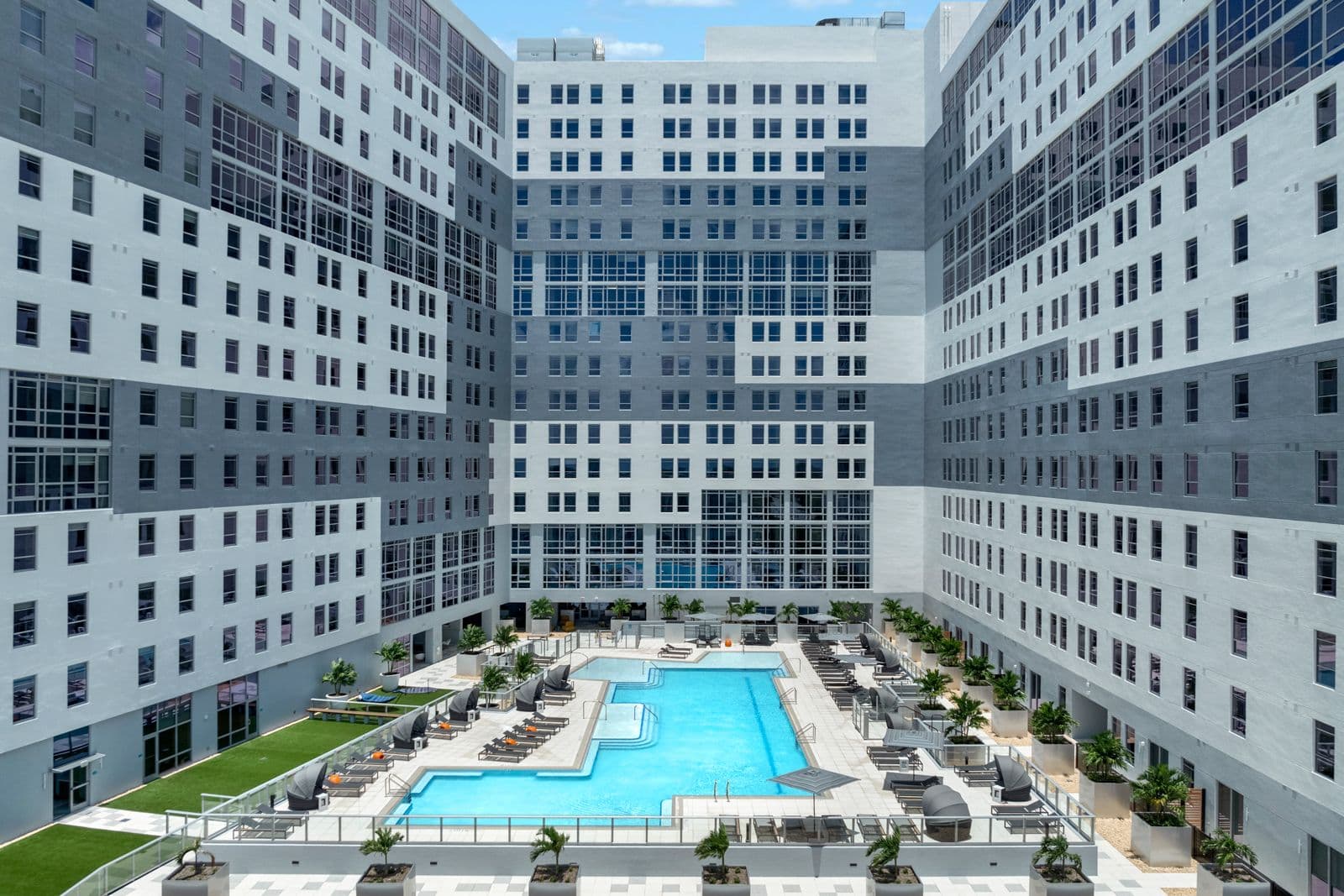
$1,325+/unit
Fees may applyTerrazul Miami
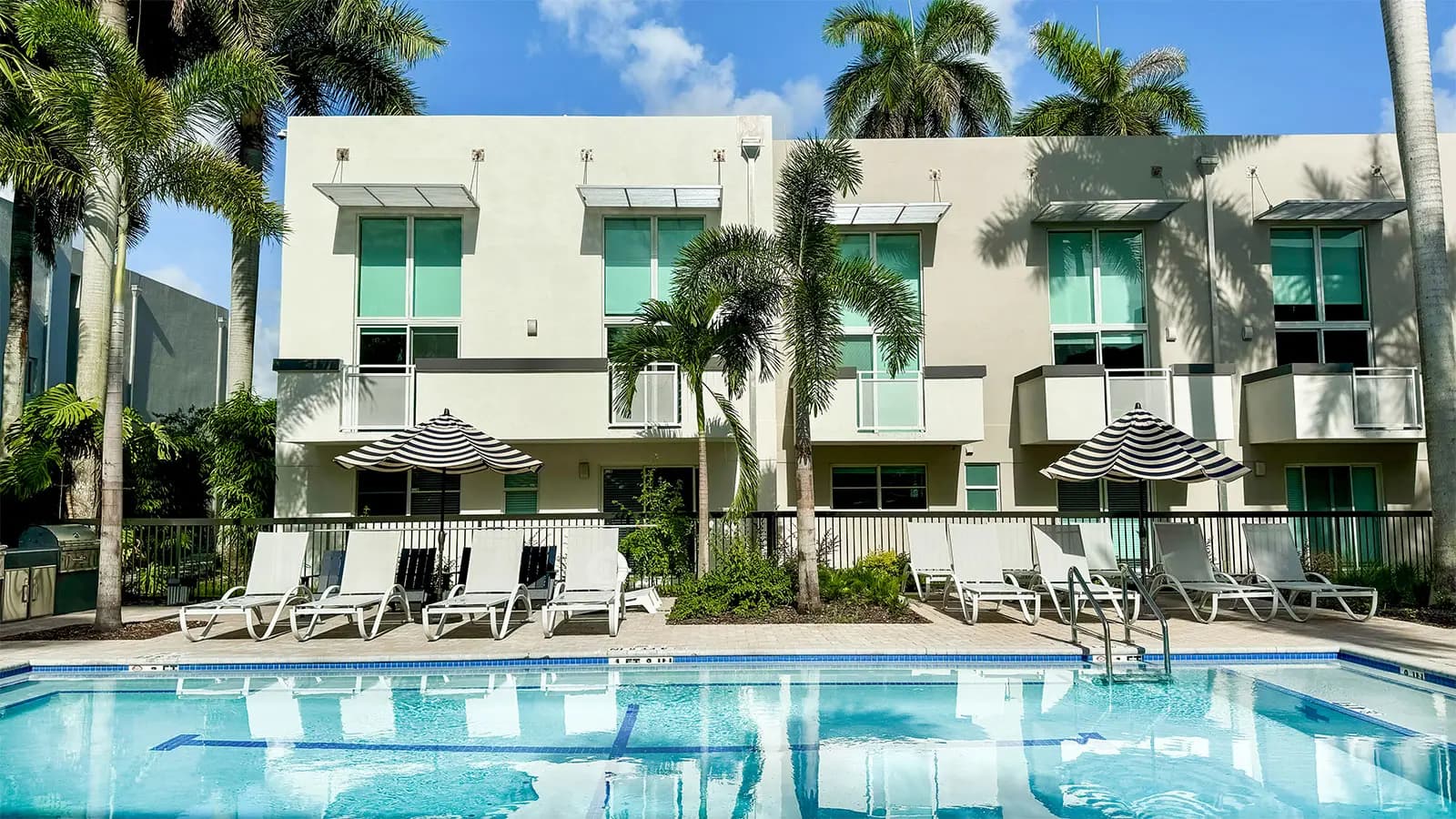
$1,920+/unit
Fees may applyThe Cloisters Miami
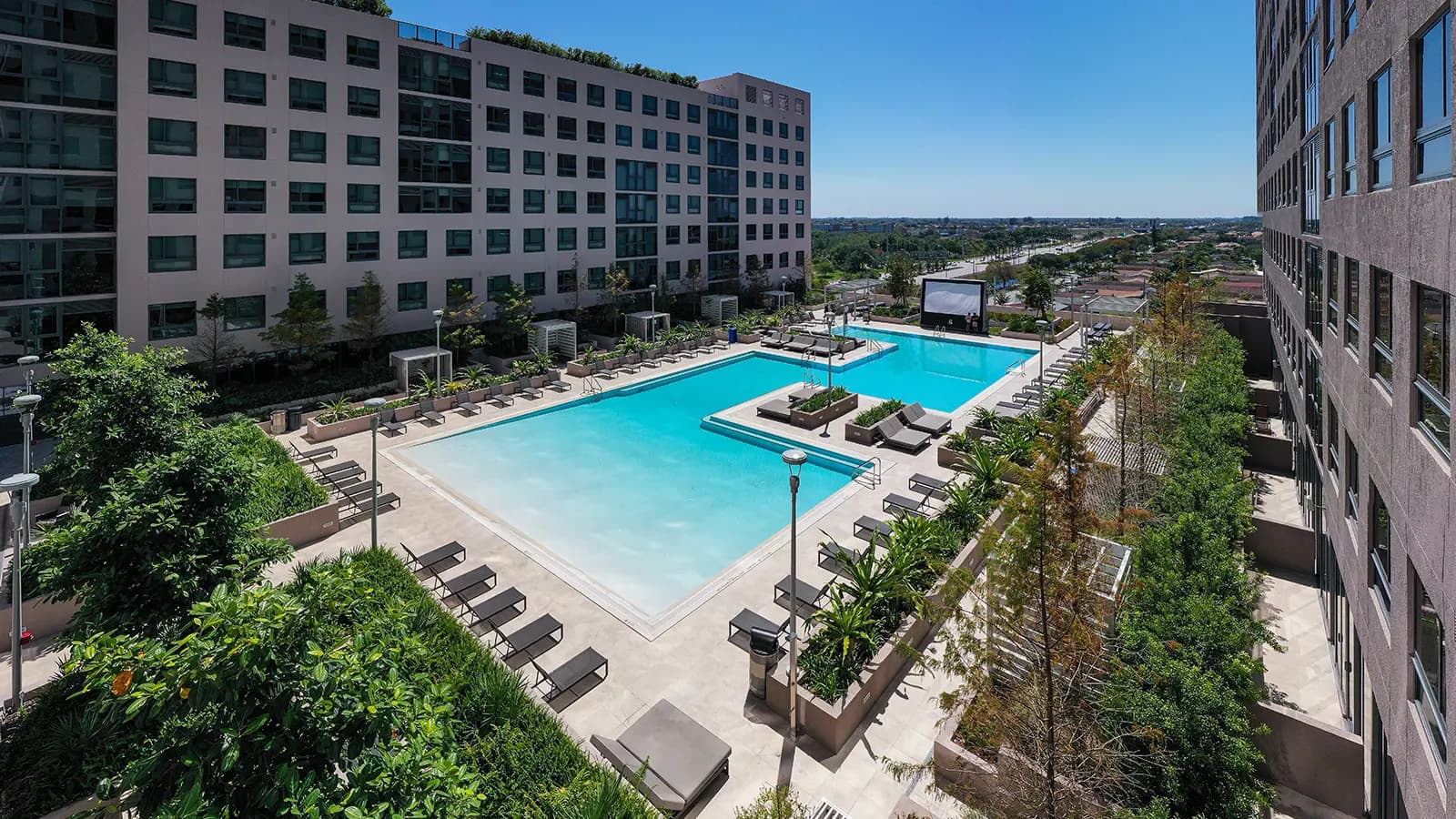
$1,200+/unit
Fees may applyThe One at University City
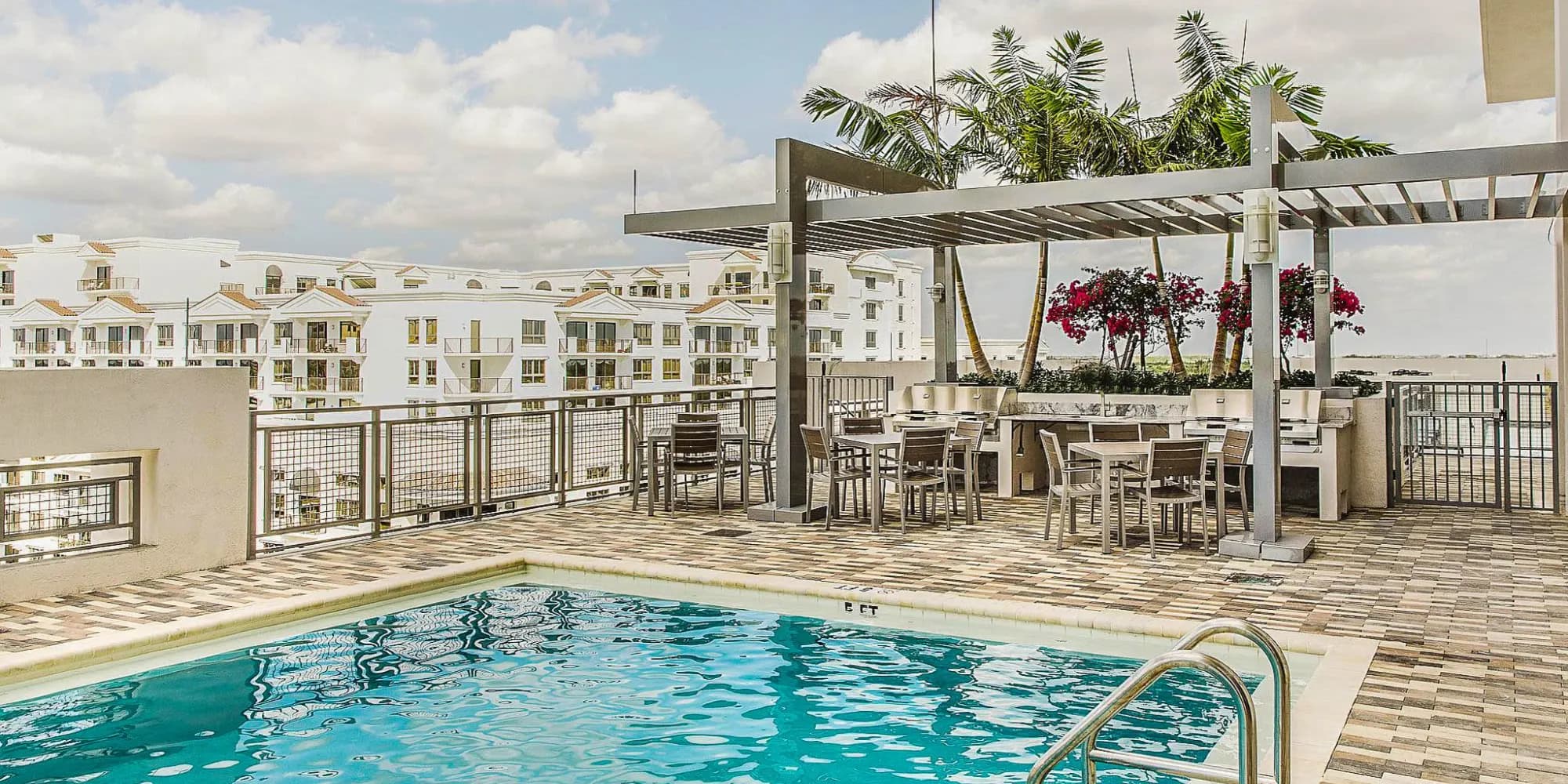
$3,153/unit
Fees may applyThe Palmer Dadeland Apartments
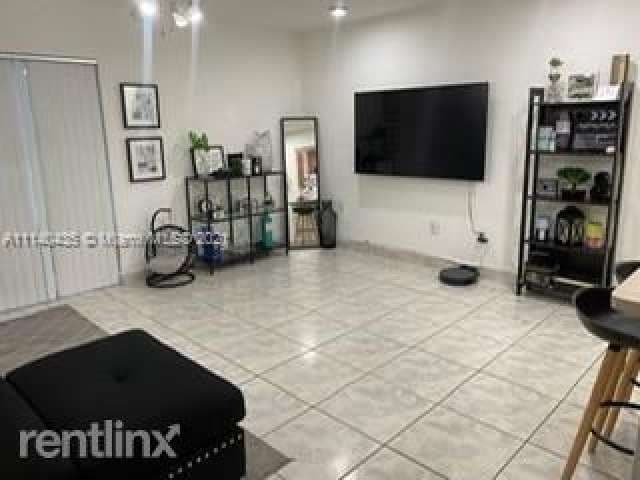
$1,750/unit
Fees may apply10379 SW 88th St
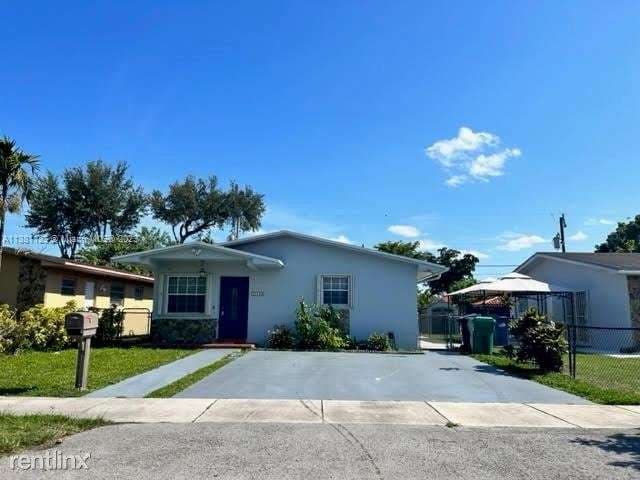
$3,500/unit
Fees may apply10482 SW 26th St
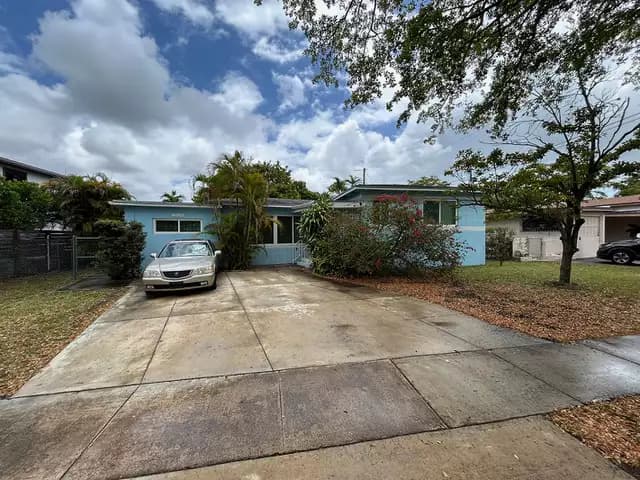
$3,900/unit
Fees may apply11215 NE Miami Ct
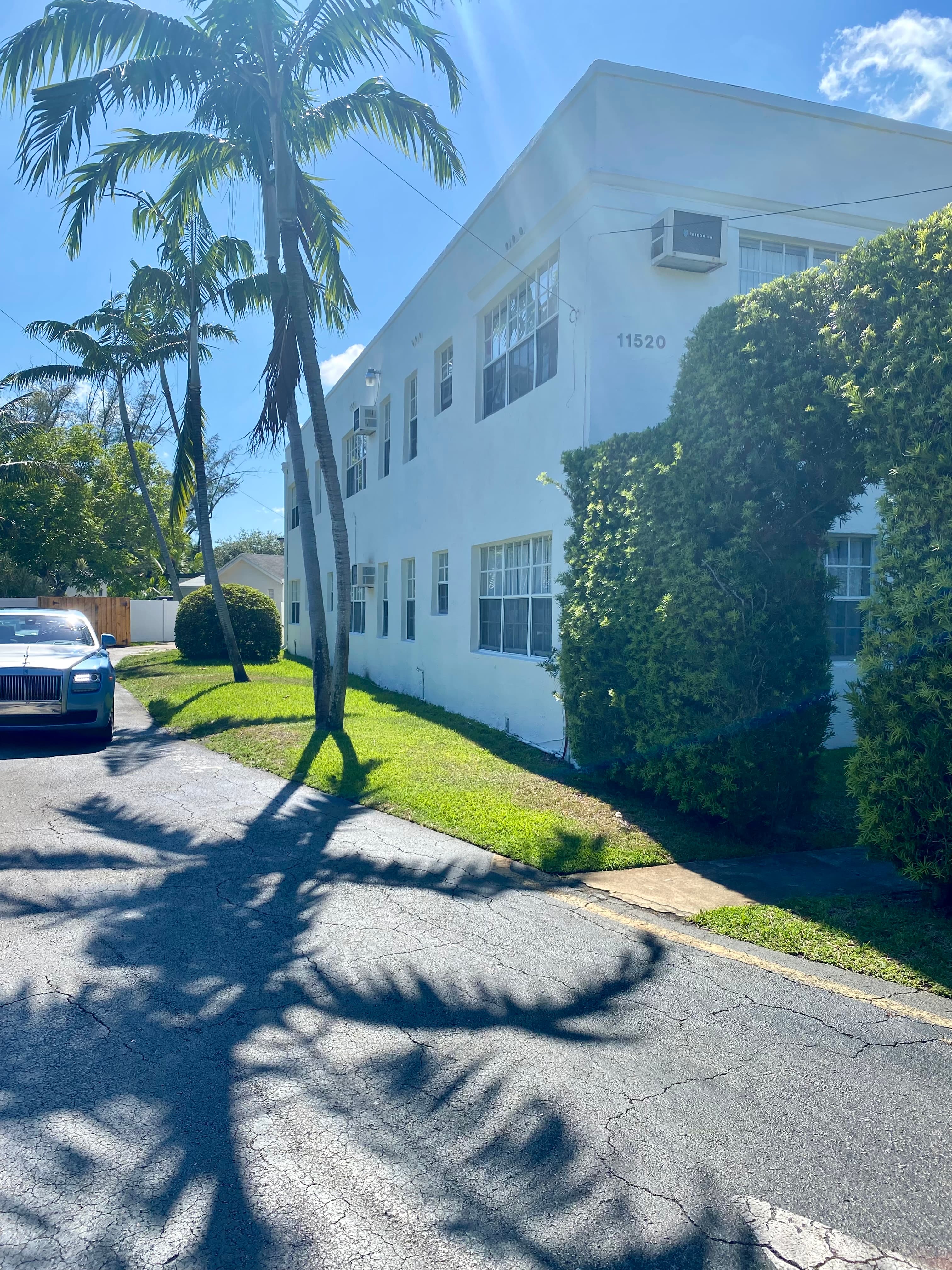
$1,400/unit
Fees may apply11520 NE 6th Ave

$4,000/unit
Fees may apply1155 Brickell Bay Dr APT 1001
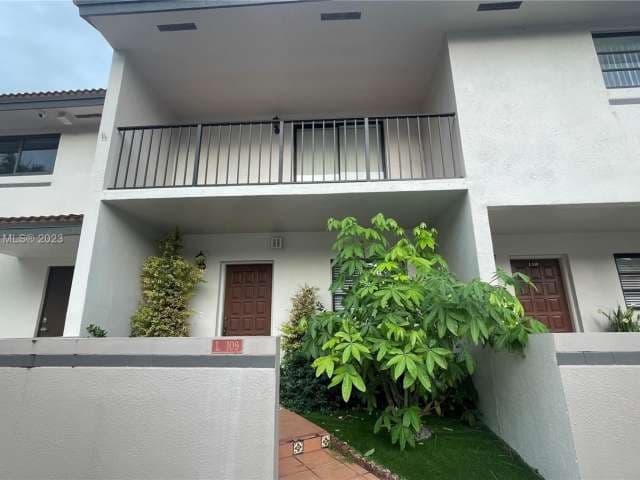
$2,600/unit
Fees may apply13404 SW 62nd St APT 109
$2,500/unit
Fees may apply13700 SW 62nd St APT 121
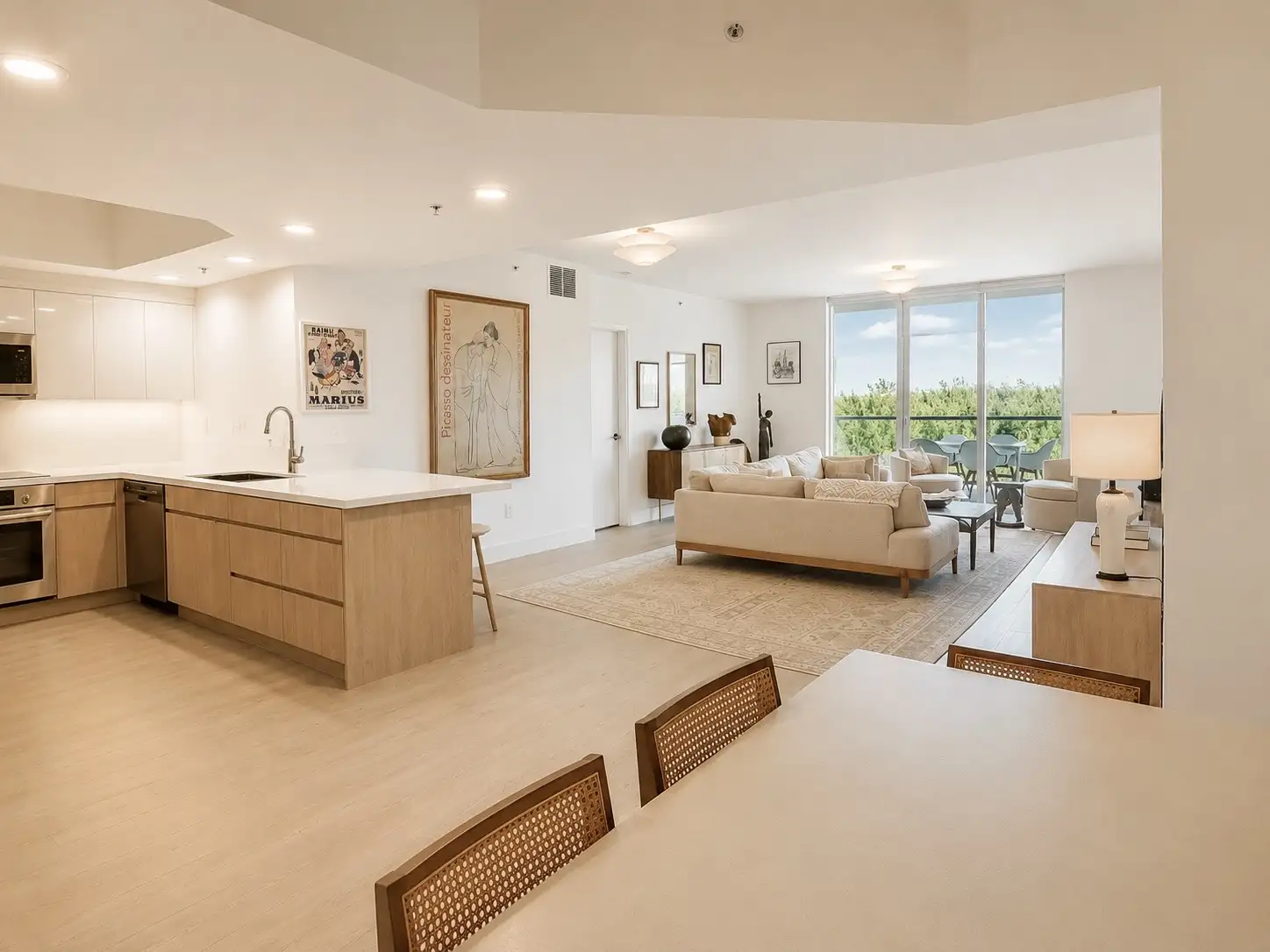
$3,950/unit
Fees may apply15051 Royal Oaks Ln
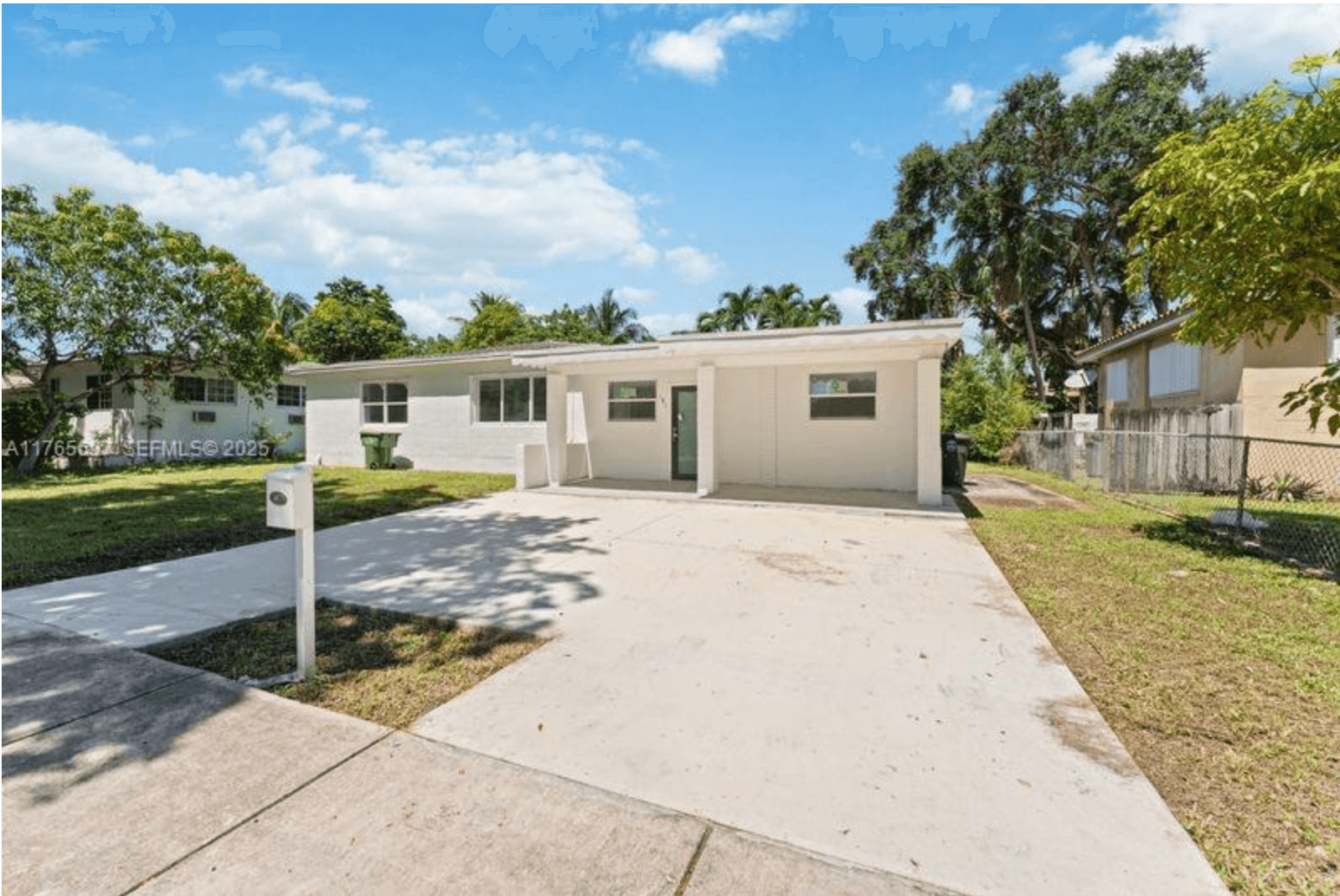
$1,500/unit
Fees may apply181 NE 121st St
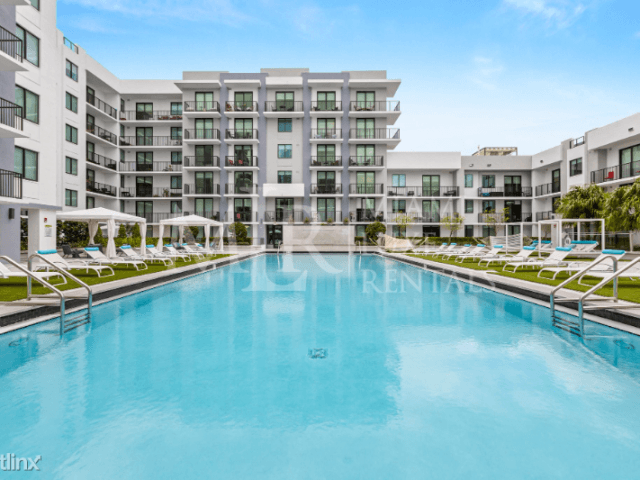
$2,215/unit
Fees may apply2201 Ludlam Rd
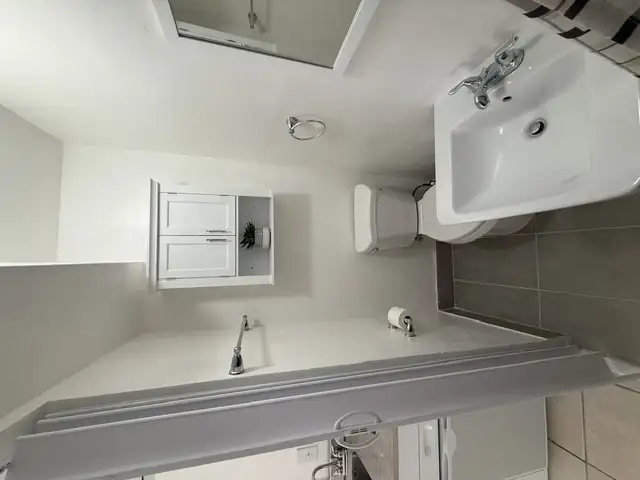
$1,200/unit
Fees may apply2501 SW 107th Ave
About Off-Campus Housing Near Barry University
Barry University spreads its palm-shaded main campus across Miami Shores, a quiet village tucked between downtown Miami and the beaches, where about 7,500 Buccaneers study under a leafy canopy minutes from Biscayne Bay. Miami Shores is a calm, walkable village with bike paths and park space, yet South Beach, downtown Miami, and Oleta River State Park are all a short drive away. Barry leans into a multicultural campus culture, with a packed calendar from the six-week Weeks of Welcome through traditions like Community Fest and Casino Night. The Buccaneers are a Division II powerhouse with titles in soccer, volleyball, and tennis. Students mix village quiet with full access to Miami's beaches, museums, and nightlife, but you'll want wheels: transit here is thin.
Barry University Housing Requirements
Freshman Live-On Requirement
Barry University gives freshmen priority for on-campus housing and expects most first-year students to live in the residence halls, though it isn't the strict multi-year mandate some schools enforce. Roughly half the student body lives off campus overall. For an exemption from first-year housing, work directly with Housing and Residence Life, which weighs factors like living locally with family.
Off-Campus Eligibility
Off campus, students spread across Miami Shores and nearby areas, and Barry runs a marketplace to contact landlords and compare listings. The Miami rental process can be stricter than smaller college towns, with an application, credit and background check, proof of income or a guarantor, first and last month plus a deposit up front, and sometimes condo association approval. Read HOA rules carefully, since many buildings cap occupancy, restrict subletting, and charge move-in fees.
Lease Timing
Leases usually run a full year, and many condo landlords want first, last, and a deposit at signing. Confirm what the deposit covers and whether renter's insurance is required before you sign. Having your documents and money ready lets you move quickly when a unit opens.
Housing policies change frequently. Always verify current requirements directly with Barry University before signing a lease.
When to Start Looking for Housing Near Barry University
Early Searchers
Miami's rental market is large, fast, and pricier than a typical college town, so timing matters in a different way here. Unlike student-only complexes that prelease a year out, much of the housing near Barry is regular Miami apartments and condos that list closer to the move-in date, often 30 to 60 days out. That means you can search later than you would in a small college town. You also can't lock something in too early.
Peak Demand Window
Aim to start touring in early summer for a fall move-in, and be ready to act fast and put money down quickly, since good units in Miami Shores and nearby go within days. Classes start in late August. Having your application, documents, and deposit ready keeps you competitive when something opens. Moving decisively beats the summer crunch.
Last-Minute Options
If you arrive off-cycle in spring, you'll still find options because the market turns over constantly, but coordinate roommates first and have your documents and deposit ready so you can move when something opens. Widening your search across North Miami and nearby pockets opens up more availability. Subletting comes up given the city's size. Acting quickly matters more than searching early in this market.
Neighborhoods Near Barry University
Miami Shores
The village wrapped around campus is calm, leafy, and walkable, with bayfront parks and the shortest commute to class. It pairs village quiet with full access to Miami.
North Miami and Nearby Pockets
North Miami, just south and west, mixes apartments and condos at a slightly gentler price with quick access to Biscayne Boulevard. El Portal and Biscayne Park are small, quiet residential pockets nearby that draw students wanting a house feel.
Waterfront and Aventura
Toward the water, the Biscayne Bay and Oleta River areas trade affordability for green space and beach access. Aventura, a bit north, offers newer high-rise apartments at the higher end.
Frequently Asked Questions: Off-Campus Housing Near Barry University
Common questions from students searching for housing.
Miami is an expensive market, so plan accordingly. A room in a shared apartment or condo near Barry usually runs about $900-$1,500/month per person, and a private one-bedroom can climb well past that. Splitting a larger unit with roommates in North Miami or El Portal keeps the per-person number down. Budget another $80-$150/month for utilities and renter's insurance.
More Housing Near Barry University
Search by Room Type
Search by Lifestyle
Other Universities in Miami
Other universities in Miami share a similar off-campus housing market.
Florida International University
Florida International University is one of the country's largest public universities, with about 58,836 students on its main campus in west Miami, built on the old Tamiami Airport site along Tamiami Trail. It's commuter-heavy, deeply Miami, and unmistakably international, with the Everglades to the west and the city…
View housing near FIUSee how students rate the places near Barry University on social life, management, and quality before you tour.
Read student housing reviews near Barry University →