Off-Campus Housing Near Boise State
Off-Campus Housing Near Boise State

email me if my perfect place pops up
We'll reach out the moment a new one matches everything you asked for
About Off-Campus Housing Near Boise State University
Boise State sits on the Boise River, and the campus and surrounding neighborhoods benefit from the Greenbelt — a 25-mile riverfront trail system that connects campus to much of the city. Boise's growth has pushed rents higher than Idaho's reputation suggests, and the off-campus market near BSU is competitive relative to most Rocky Mountain college towns. Shared rooms near campus typically run $800–$1,100/month. The neighborhoods along University Drive and in the North End are the primary student housing zones. Boise is a genuinely bikeable city with flat terrain along the valley floor and a growing food and arts scene that makes it an increasingly appealing place to live as a student.
Boise State University Housing Requirements
Freshman Live-On Requirements
Boise State does not require freshmen to live on campus. On-campus housing is available and some freshmen choose it, but the majority of BSU students — including freshmen — live off-campus from the start. BSU has a large commuter population alongside its traditional residential students.
Off-Campus Eligibility
No contracted or approved housing system exists. Students rent freely throughout Boise and the broader Treasure Valley. BSU's off-campus housing resources are available through student services. The North End and University Drive corridor are the primary near-campus starting points.
Lease Timing
Boise leases near BSU primarily turn over in May and June for summer/fall occupancy. Landlords list in February and March. Starting in February for fall near-campus housing is advisable — Boise's market has tightened significantly with regional growth.
Housing policies change frequently. Always verify current requirements directly with Boise State University before signing a lease.
When to Start Looking for Housing Near Boise State University
Early Searchers
February and March are the right months for securing near-campus fall housing. The North End and University Drive corridor fill first among returning students. Boise's overall growth has added non-student competition — starting early is more important than it was even a few years ago.
Peak Demand Window
March and April are peak months. BSU's enrollment combined with Boise's broader growth creates real competition for the near-campus housing stock. The most walkable and Greenbelt-proximate units go fastest. Students who wait until May typically find the near-campus inventory substantially committed.
Last-Minute Options
Boise's suburbs — Nampa, Meridian, and the eastern Treasure Valley — have more apartment inventory at lower prices, with a 20–30 minute drive to campus. Students searching in June or July should consider these if near-campus housing is gone.
Neighborhoods Near Boise State University
University Drive / North End Adjacent
The primary student housing zone — apartments and houses along University Drive and into Boise's North End neighborhood north of campus. Walking and biking distance from BSU via the Greenbelt. The North End is one of Boise's most desirable neighborhoods — mature trees, historic houses, and a genuinely walkable character.
Downtown Boise (8th Street Area)
About a mile from campus, downtown Boise has developed into a real city center with good restaurants and nightlife. Students who want urban energy find apartments in and around downtown and commute to campus via bike along the Greenbelt. Housing stock ranges from converted lofts to newer apartment complexes.
Frequently Asked Questions: Off-Campus Housing Near Boise State University
Common questions from students searching for housing.
Shared rooms near BSU in the University Drive and North End area typically run $800–$1,100/month. Downtown Boise is similar. The suburbs of Nampa and Meridian run $700–$950/month with a car commute. Boise is more expensive than its Mountain West peers due to significant population growth.
Most students cluster along University Drive and in the North End neighborhood north of campus, plus the downtown Boise area. Some students commute from Nampa, Meridian, or Caldwell in the Treasure Valley for lower prices.
University Drive immediately north of campus and the North End neighborhood are the closest options — both accessible by Greenbelt path and within a 10–20 minute bike ride of the main campus buildings. Downtown Boise is about a mile east.
Yes — Boise is one of the more bikeable cities in the Mountain West, and the Greenbelt makes campus access by bike both practical and genuinely enjoyable. Valley Regional Transit buses also serve the campus area. For trips outside Boise's core, a car is useful, but daily campus life is very manageable without one.
February or March for fall move-in. Boise's rapid growth has tightened the housing market, and near-campus options in the North End and University Drive corridor fill in spring. Waiting until May leaves you with significantly fewer near-campus choices.
Boise's market primarily runs on 12-month leases. Some individual landlords in the North End and near-campus neighborhoods offer academic-year contracts — worth asking directly. The Treasure Valley has enough rental inventory that month-to-month arrangements are sometimes negotiable with smaller landlords after an initial term.
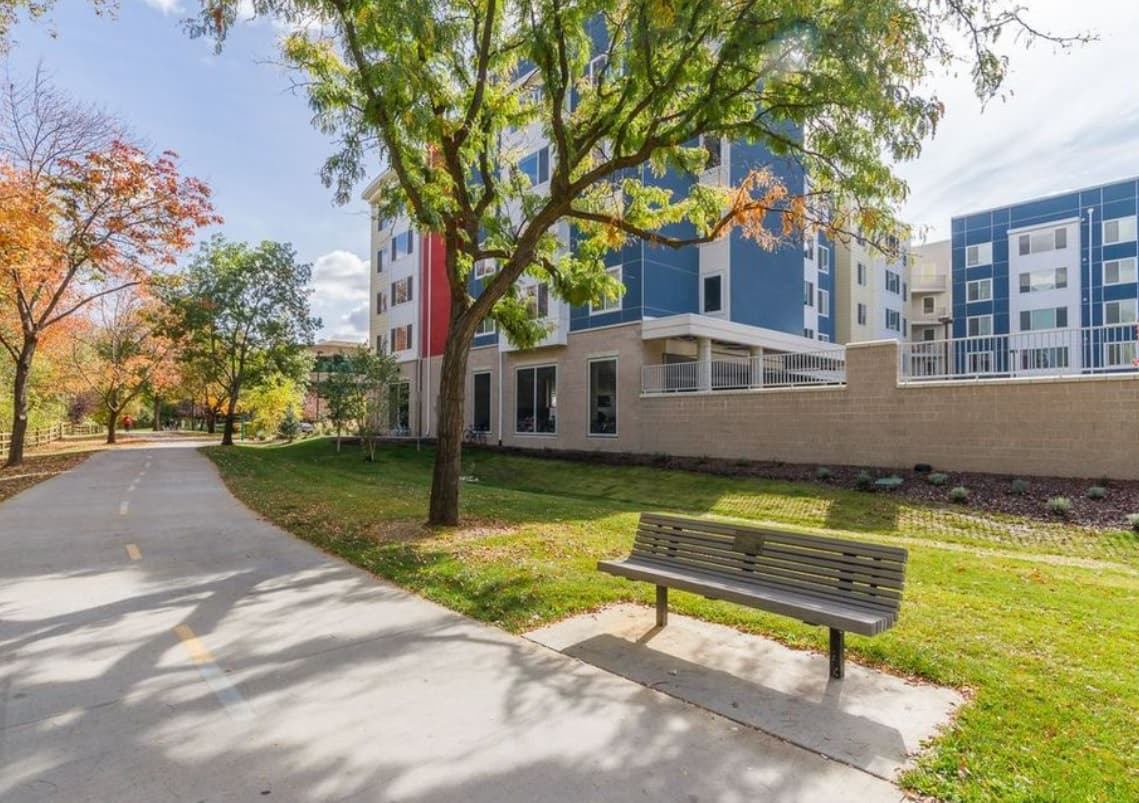
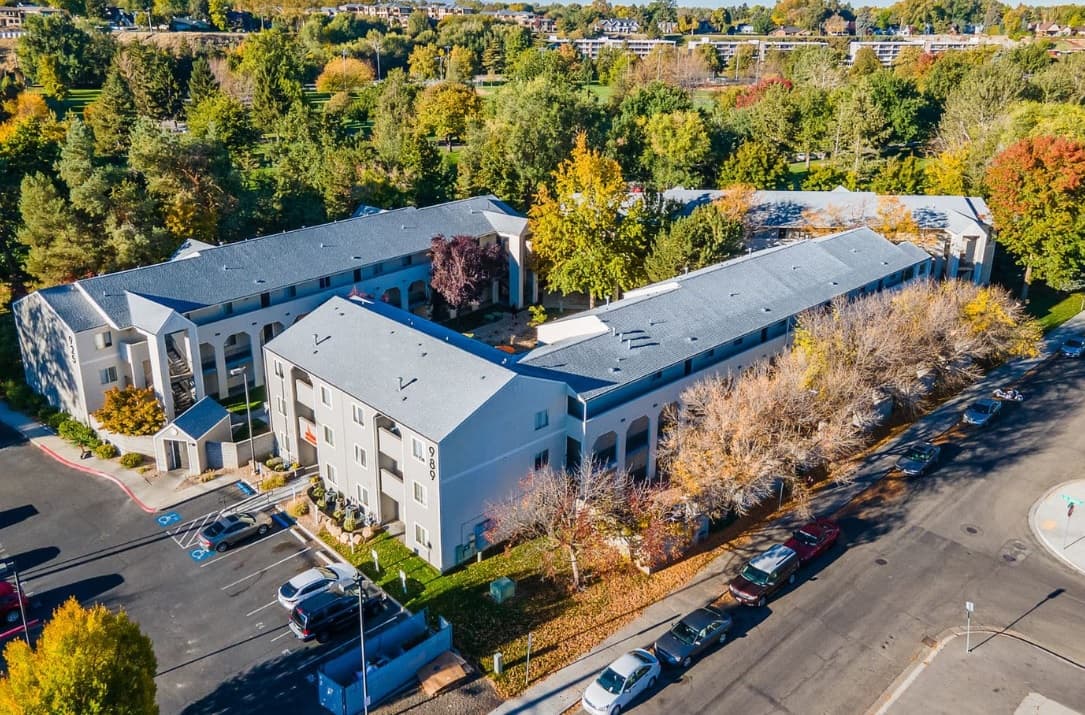
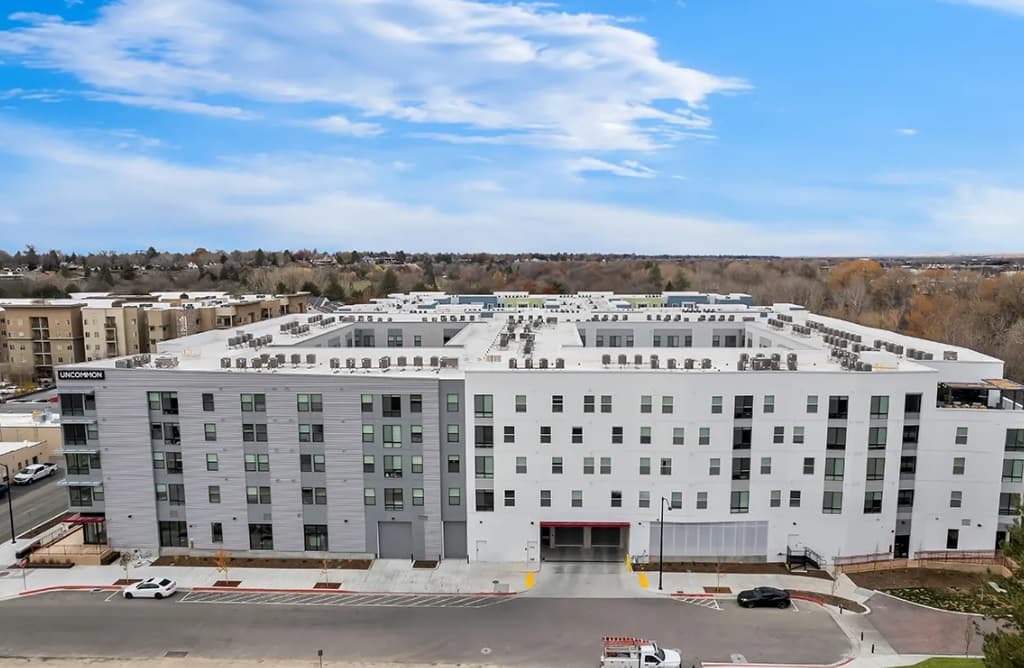
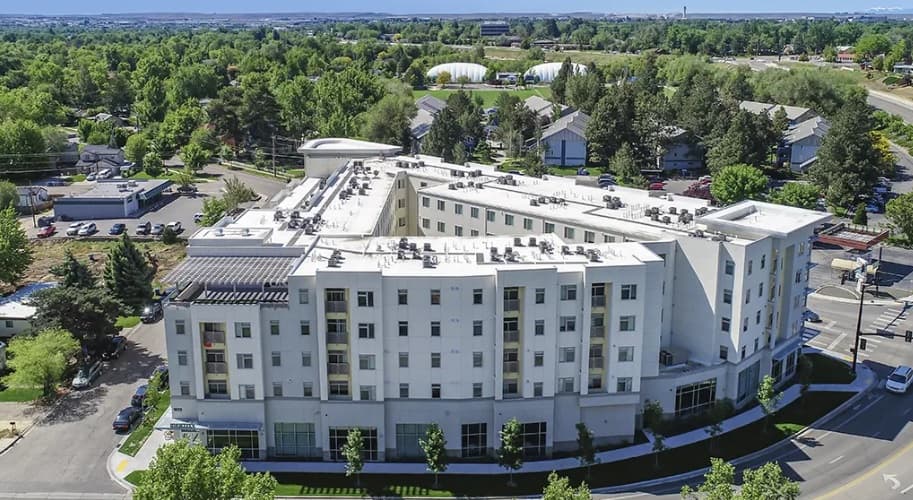
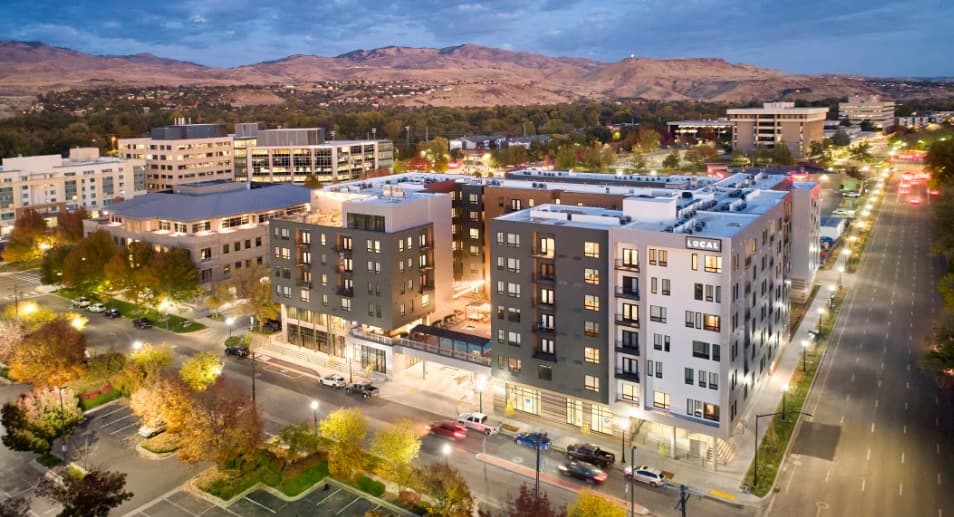
On Find My Place, River Street leads near Boise State University with a 5/5 overall rating across 5 reviews. UNCOMMON BOISE (5/5) and LOCAL Boise (5/5) round out the top three. These are the places that consistently rate well across location, value, social, management, and quality — start here if you want a safe pick.
River Street tops the social rating near Boise State University at 5/5 — students consistently flag the vibe and amenities. Close behind: UNCOMMON BOISE (5/5) and LOCAL Boise (5/5). Pick from these if you don't want to chase a social scene from your apartment.
River Street holds the highest management rating near Boise State University at 5/5. UNCOMMON BOISE (5/5) and LOCAL Boise (5/5) follow. Management ratings track responsiveness, transparency, and how landlords handle problems — the things you'll feel every month, not just on tour.
Top quality picks on Find My Place near Boise State University: River Street (5/5), UNCOMMON BOISE (5/5), and LOCAL Boise (5/5). Quality ratings cover the physical state — appliances, finishes, maintenance — so this is the list to start with if you want a place that holds up after move-in.
More Housing Near Boise State University
Search by Room Type
Search by Lifestyle
find my place guides for Boise State
Curated recommendations from students who’ve been there.
See how students rate the places near Boise State on social life, management, and quality before you tour.
Read student housing reviews near Boise State →More on off-campus housing near Boise State
- Student Housing 101
The Boise State Off-Campus Housing Guide: Neighborhoods, Costs, and Timing
Boise State does not require anyone to live on campus, so off-campus is the default path for most Broncos rather than a backup plan. This guide covers the three decisions that matter: which neighborhood, what a bed costs there per person, and how early you have to move. Shared rooms near BSU run roughly $800 to $1,100 per person per month, and near-campus inventory gets claimed across February and March.
August 13, 2026read more → - Budget & Affordability
How Much Does It Cost to Live Off-Campus at Boise State?
Off-campus at Boise State runs $700-$950 all-in per month for a private room. Shared rooms run around $500, solo studios push past $1,100. Real monthly cost breakdown.
May 11, 2026read more →  Budget & Affordability
When Should Boise State Students Start Looking for Off-Campus Housing?
December 30, 2025read more →