Student Housing in Chapel Hill, NC
Student Housing in Chapel Hill, NC

email me if my perfect place pops up
We'll reach out the moment one matches everything you asked for
About Student Housing in Chapel Hill
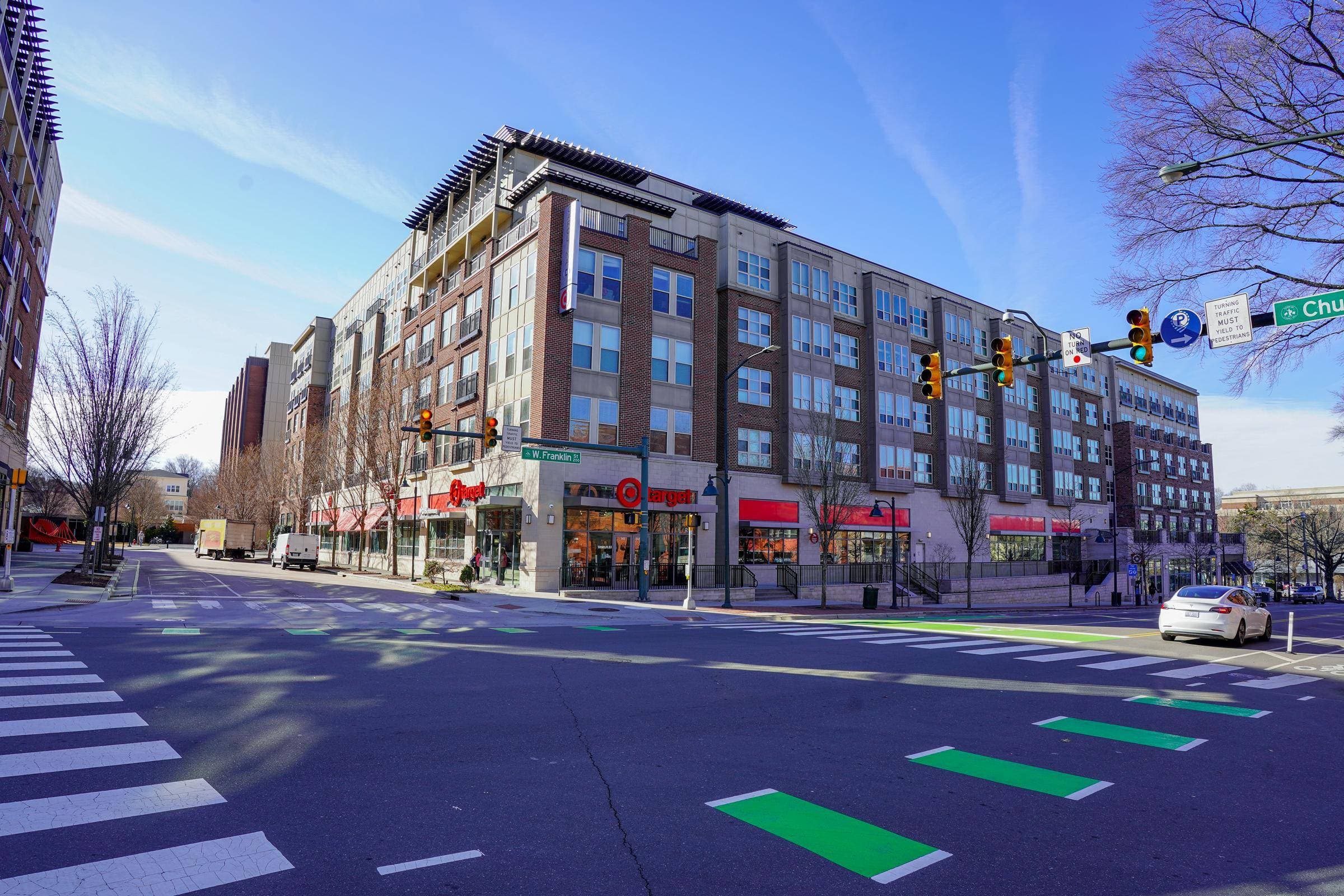
Chapel Hill, NC is a college town of roughly 60,000 that grew up around the University of North Carolina at Chapel Hill, the oldest public university in the country. Students are a huge slice of the population, so the town runs on a campus rhythm you feel walking down Franklin Street, the main drag along the north edge of campus. UNC anchors social and cultural life, from Tar Heel basketball at the Dean Smith Center to free public shows and lectures. Beyond campus you've got walkable districts like downtown Chapel Hill and neighboring Carrboro, plus quieter pockets such as Northside, Pine Knolls, and Southern Village. Green space is everywhere: the North Carolina Botanical Garden, Battle Park, and the wooded trails of Carolina North Forest.
Best Neighborhoods for Students in Chapel Hill
Northside
Just north of campus and downtown, Northside is the classic walk-to-class choice with older houses and student rentals.
Carrboro
The funky town next door, Carrboro draws students who want an artsy, walkable scene with its own downtown and easy bus access to campus.
Downtown Chapel Hill
Downtown puts you steps from Franklin Street, great if you want the middle of the action.
Getting Around Chapel Hill as a Student
Here's what you need to know about getting around Chapel Hill.
Public Transit
You really don't need a car in Chapel Hill, and a lot of students skip one. Chapel Hill Transit runs a fare-free bus network connecting campus, the student neighborhoods, downtown, and Carrboro. Campus circulators like the U and RU loops come every 10 to 15 minutes on weekdays, so getting to class is about timing the next bus, not fighting for parking. The free service makes transit the default for students.
Walking and Biking
Walkability is the real draw: live near Franklin Street, Northside, or downtown and you can walk to class and most errands in 10 to 20 minutes. Biking works well too, with the Bolin Creek Trail linking Carrboro to the north side of town. The trails and compact layout make cycling practical. Most daily needs near campus are covered on foot and bike.
Parking
A car is handy for big grocery runs and weekend trips, but day to day it's more hassle than help, since campus parking is limited and permits are competitive. Rideshare fills the late-night gaps. Driving is most useful for destinations beyond the bus network. Most students skip a car and rely on transit, walking, and biking.
Frequently Asked Questions: Student Housing in Chapel Hill
Common questions from students searching for housing.
It depends on how close to campus you want to be and how many roommates you've got. As a rough guide, a typical one-bedroom near UNC runs around $1,300 to $1,700 a month, while a room in a shared house can land closer to $700 to $1,000. Splitting a bigger house in Northside or Carrboro is usually the cheapest way to live near the action. Prices climb the closer you get to Franklin Street, so a short bus ride out can stretch your money.
Northside and downtown Chapel Hill are the go-to spots for walk-to-class living, and Carrboro is hugely popular for its artsy, walkable feel and easy bus access. Pine Knolls is a quieter close-in option, and Southern Village suits anyone who wants more space and a calmer setting with a quick bus into campus.
Honestly, no. Chapel Hill Transit's buses are fare-free and cover campus, downtown, Carrboro, and the main student areas, and most close-in housing is walkable or bikeable. A car is nice for big grocery runs and weekend trips, but campus parking is limited and permits are competitive, so plenty of students go without.
Very close. Northside and downtown rentals put you within a 5 to 15 minute walk of campus and Franklin Street, and Pine Knolls is similarly tight. Even neighborhoods a bit farther out, like parts of Carrboro, are a short bus ride away, so you've got options at every distance.
It's generally considered a safe college town, especially the well-trafficked areas around campus and downtown. UNC runs safety escorts and a late-night safe-ride service, and the fare-free buses make it easy to avoid walking alone at night. Use normal big-school common sense, lock up your bike, and you'll be fine.
Earlier than you'd think. The best close-in houses and apartments in Northside and Carrboro get snapped up by late fall or early winter for the following August. Start your search around October or November, line up roommates early, and don't wait until spring if you want the prime walk-to-class spots.
Most student rentals run on a standard 12-month lease starting in August, timed to the academic year. Some complexes offer per-bedroom leases so you're only on the hook for your own room, while houses usually expect the whole group to sign one joint lease. Read the sublet rules before summer, since plenty of students leave town and need to cover their share.
Plan on roughly $40 to $90 a month per person for electricity, water, and gas in a shared place, and a bit more if you're solo or run the AC hard in summer. Internet adds about $30 to $60 a month for a household. Some apartments bundle water and trash into the rent, so check what's included before you sign.
Yes. UNC's off-campus housing marketplace lists roommate and sublet posts, and the student population is big enough that summer subleases are common. Group houses in Northside and Carrboro are built around roommate living, so finding people to split a place with is rarely the hard part. Sort out who's on the lease early.
Plenty. Franklin Street is the social heart, Tar Heel basketball at the Dean Smith Center is practically a religion, and the North Carolina Botanical Garden and Carolina North Forest trails are great for a break. Carrboro's music scene and farmers market are a short walk, and the festivals like Festifall keep the calendar full.
Find Housing by University in Chapel Hill
Browse student housing near each Chapel Hill-area university.
Search Chapel Hill Student Housing by…
Room Type
Lifestyle
See how students rate apartments in Chapel Hill, NC on social life, management, and quality before you tour.
Read student apartment reviews in Chapel Hill, NC →