Off-Campus Housing Near Chapman
Off-Campus Housing Near Chapman
$2,452+/unit
Fees may applyEleven10 Apartment Homes

$2,537+/unit
Fees may applyRenaissance at Uptown Orange
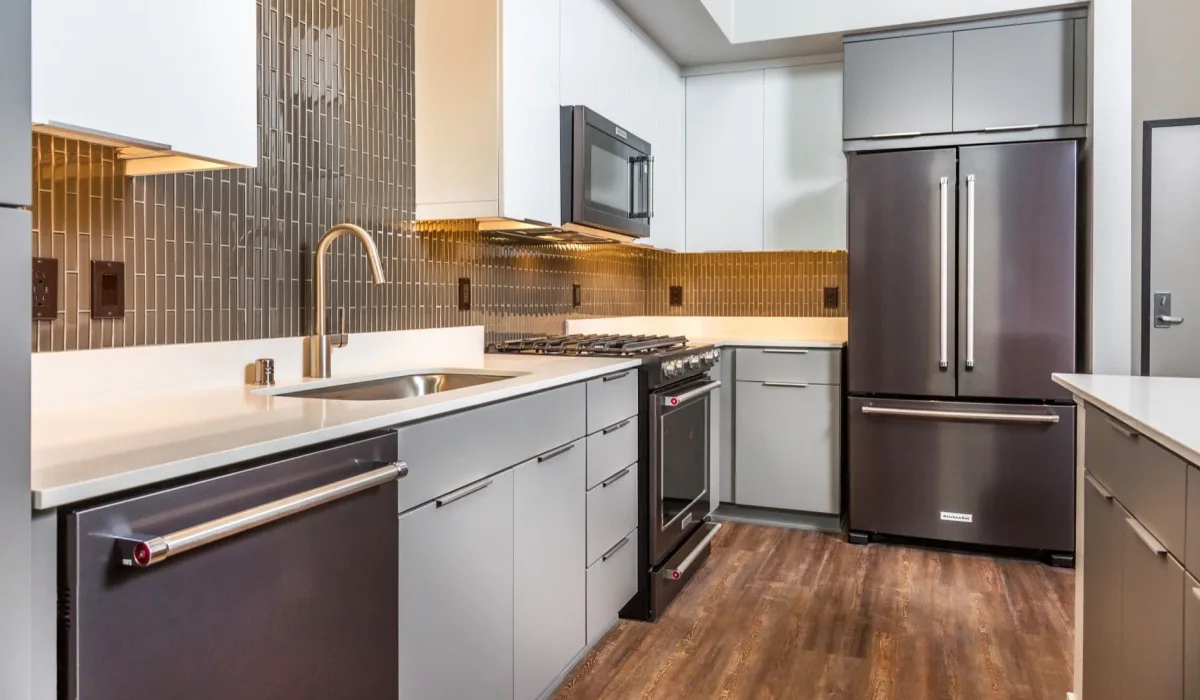
$2,695+/unit
Fees may applyThe George Apartment Homes
$2,495+/unit
Fees may applyGateway Apartment Homes
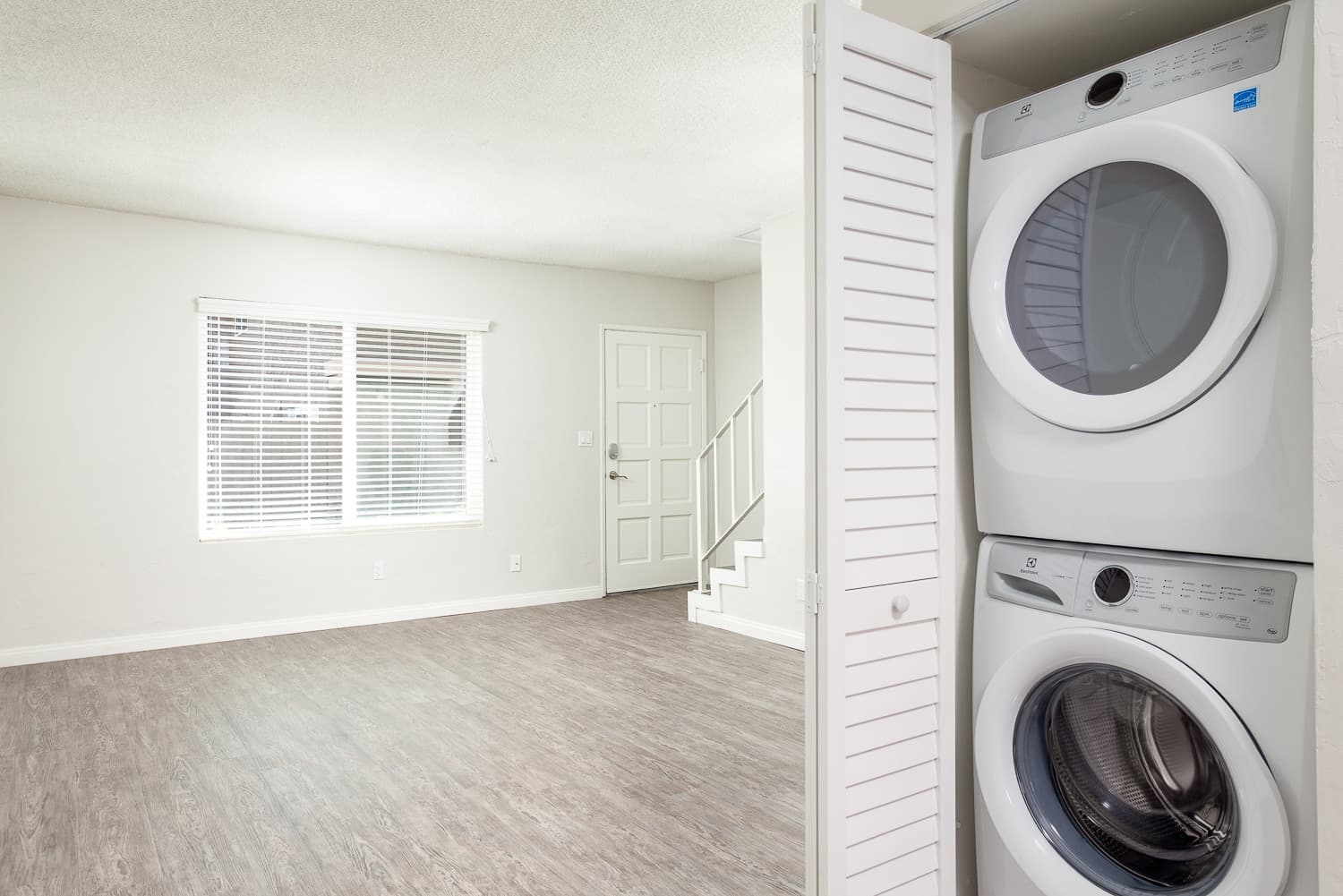
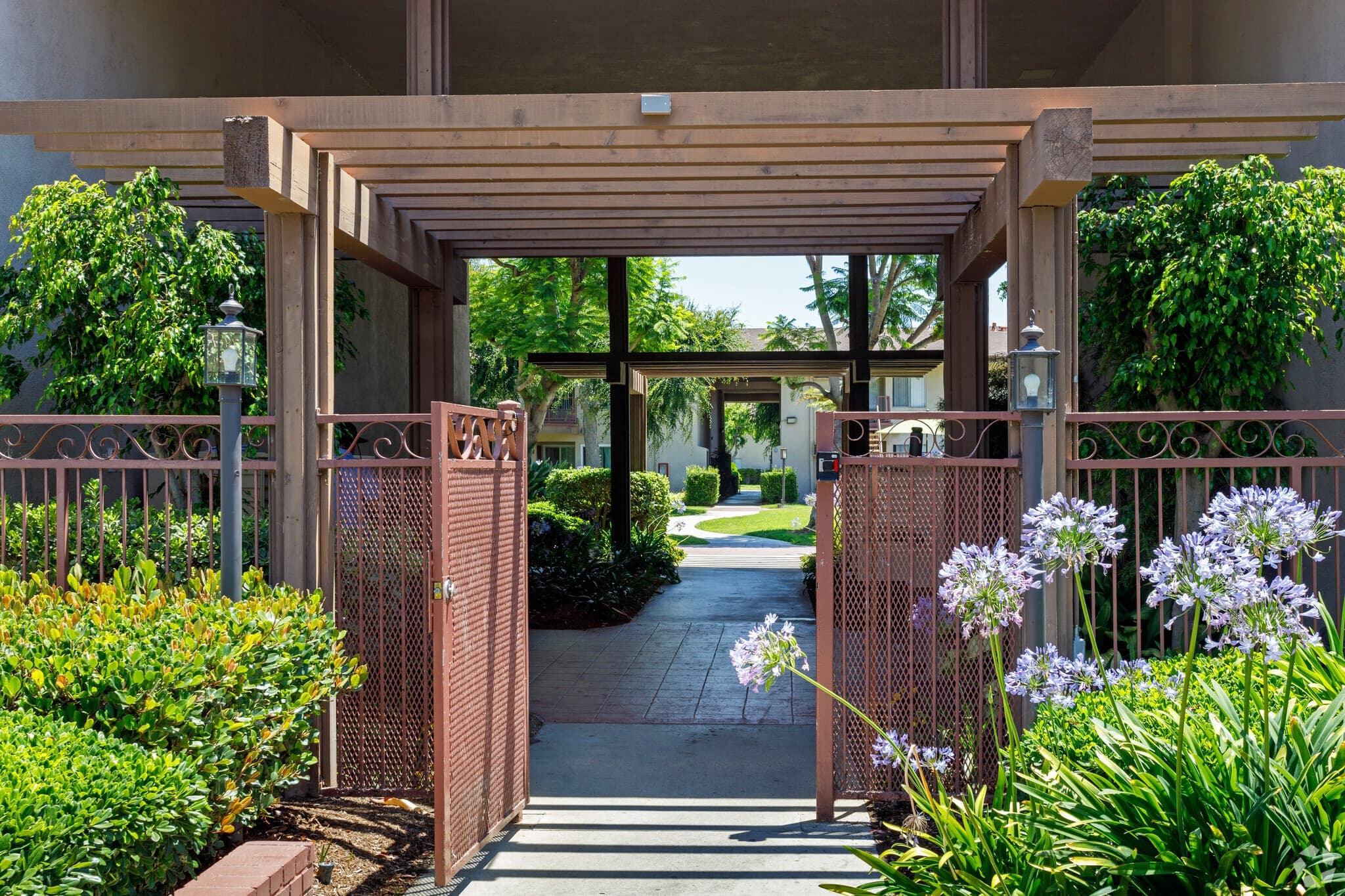
$2,175+/unit
Fees may applyColony Frontera Apartments
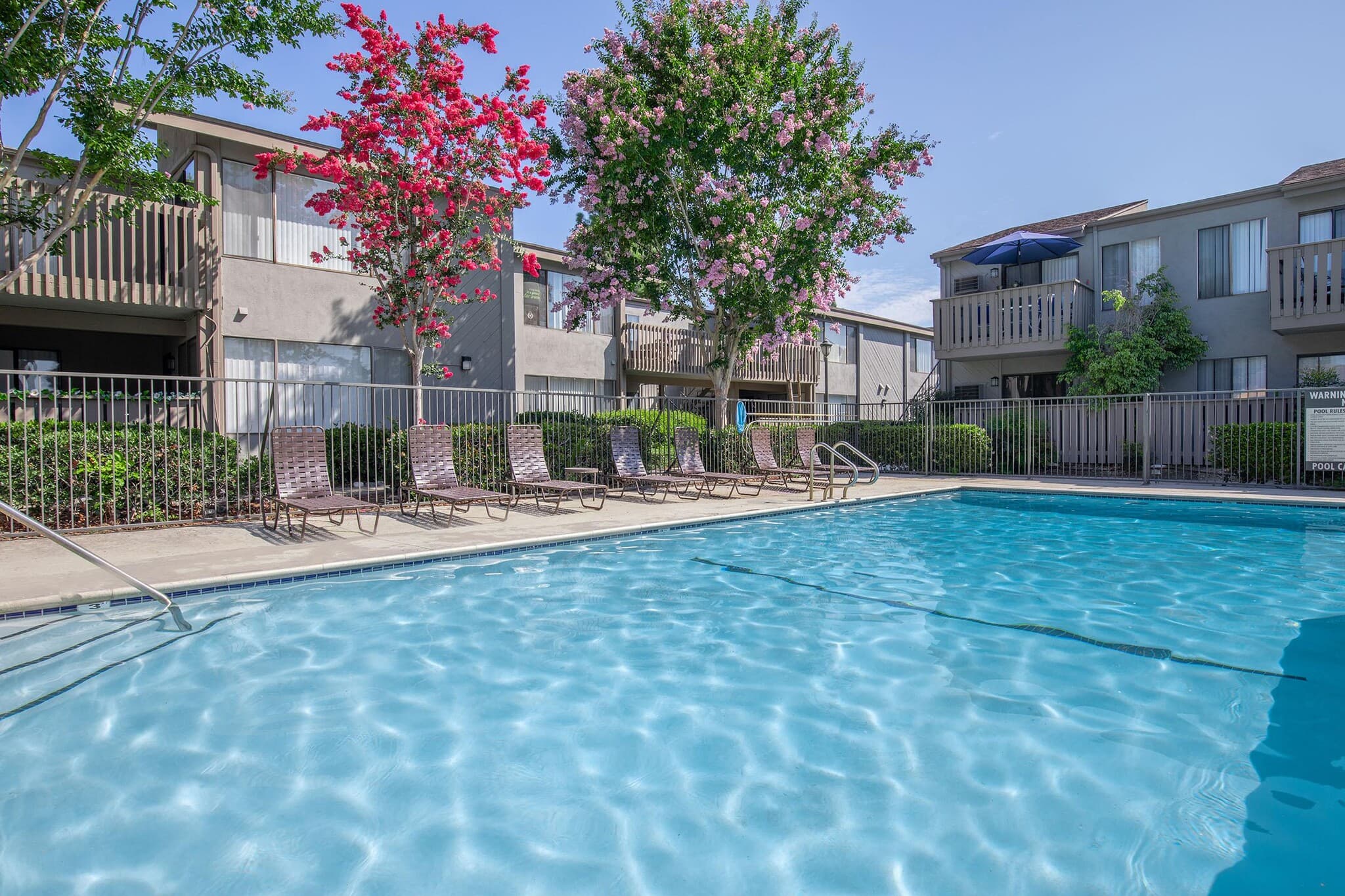
$2,000+/unit
Fees may applyEastwood Apartment Homes
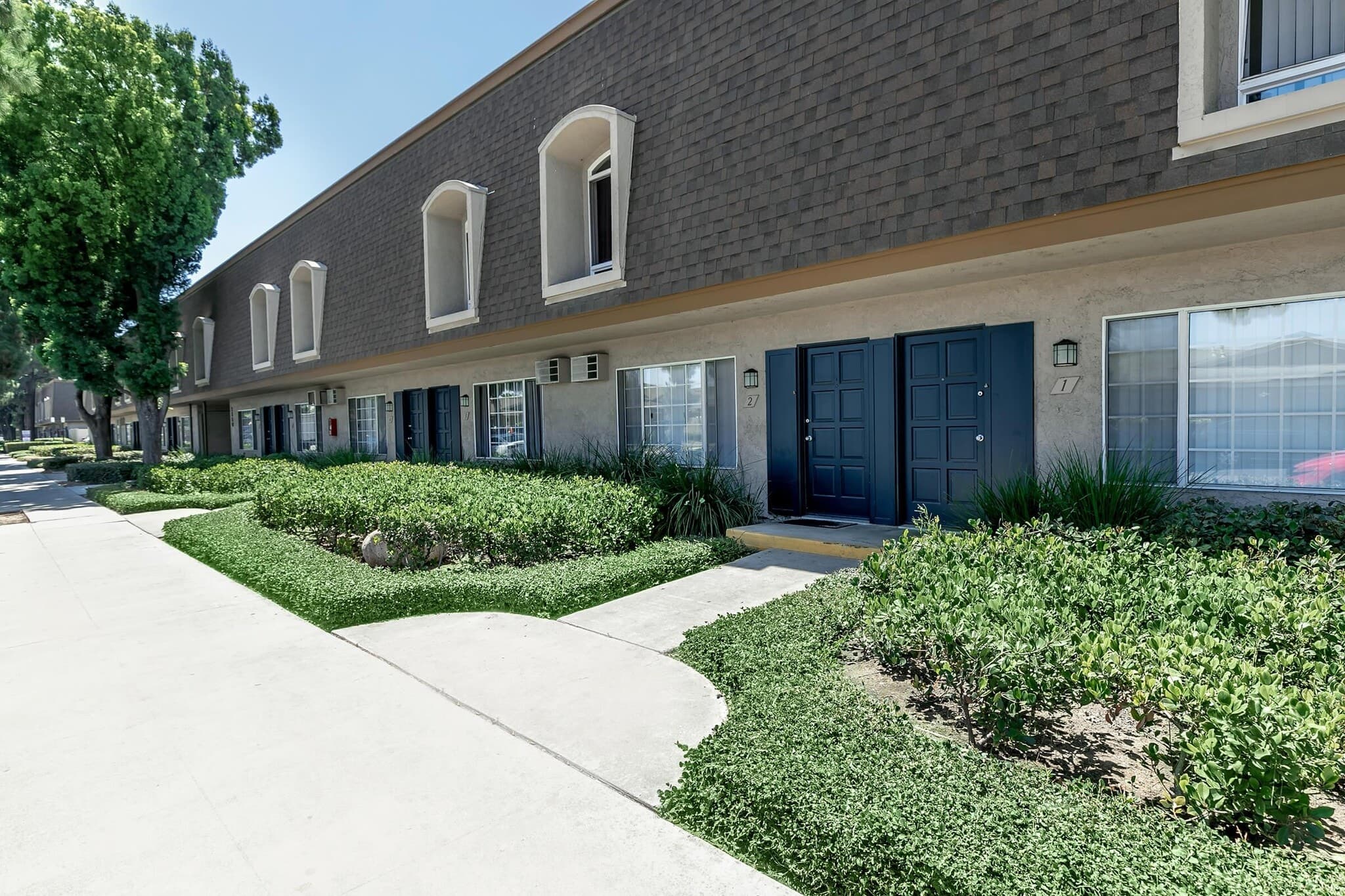
$1,920+/unit
Fees may applyHampshire Square Apartment Homes
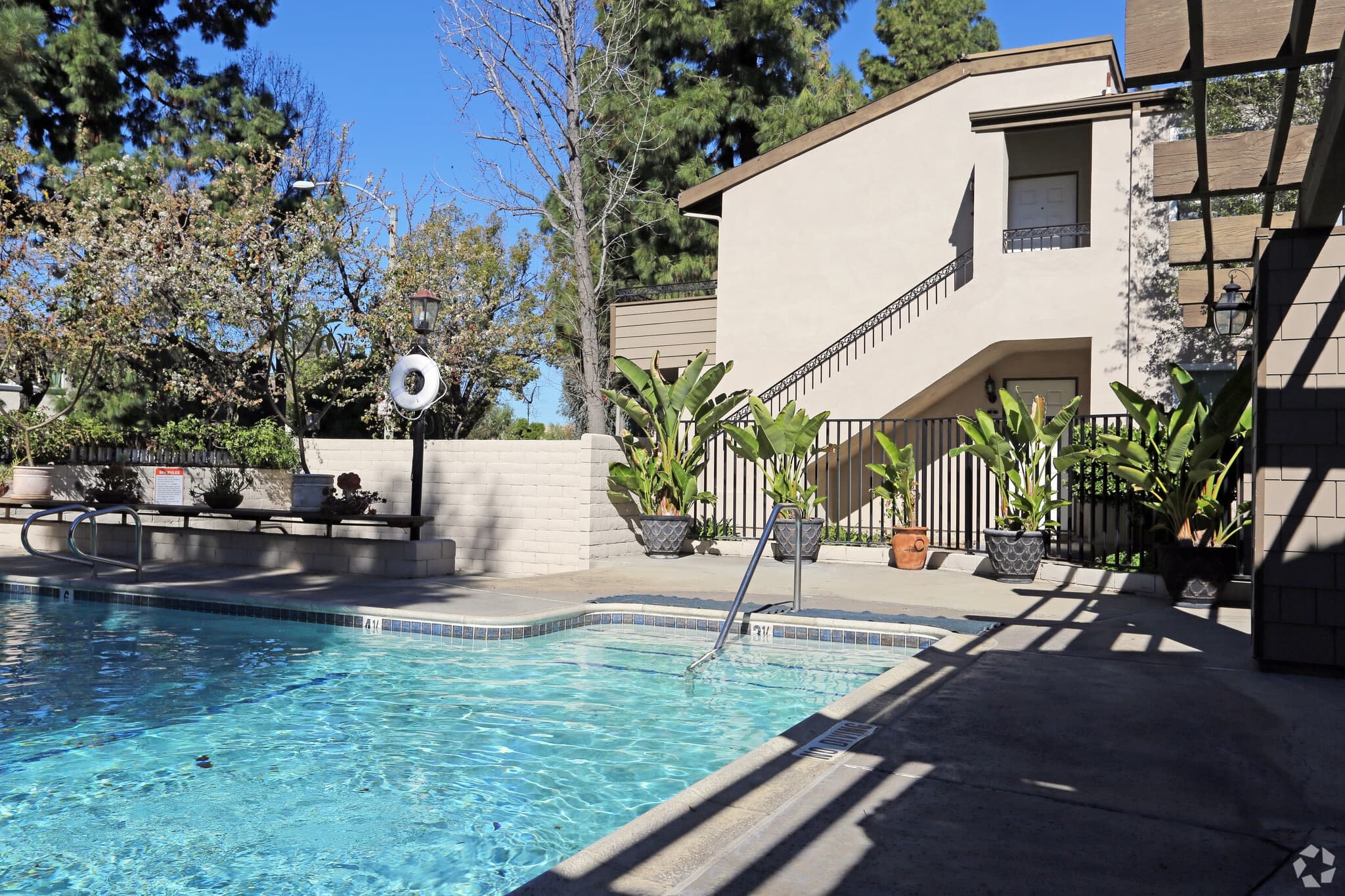
$1,800/unit
Fees may applyPark Meadows Apartments
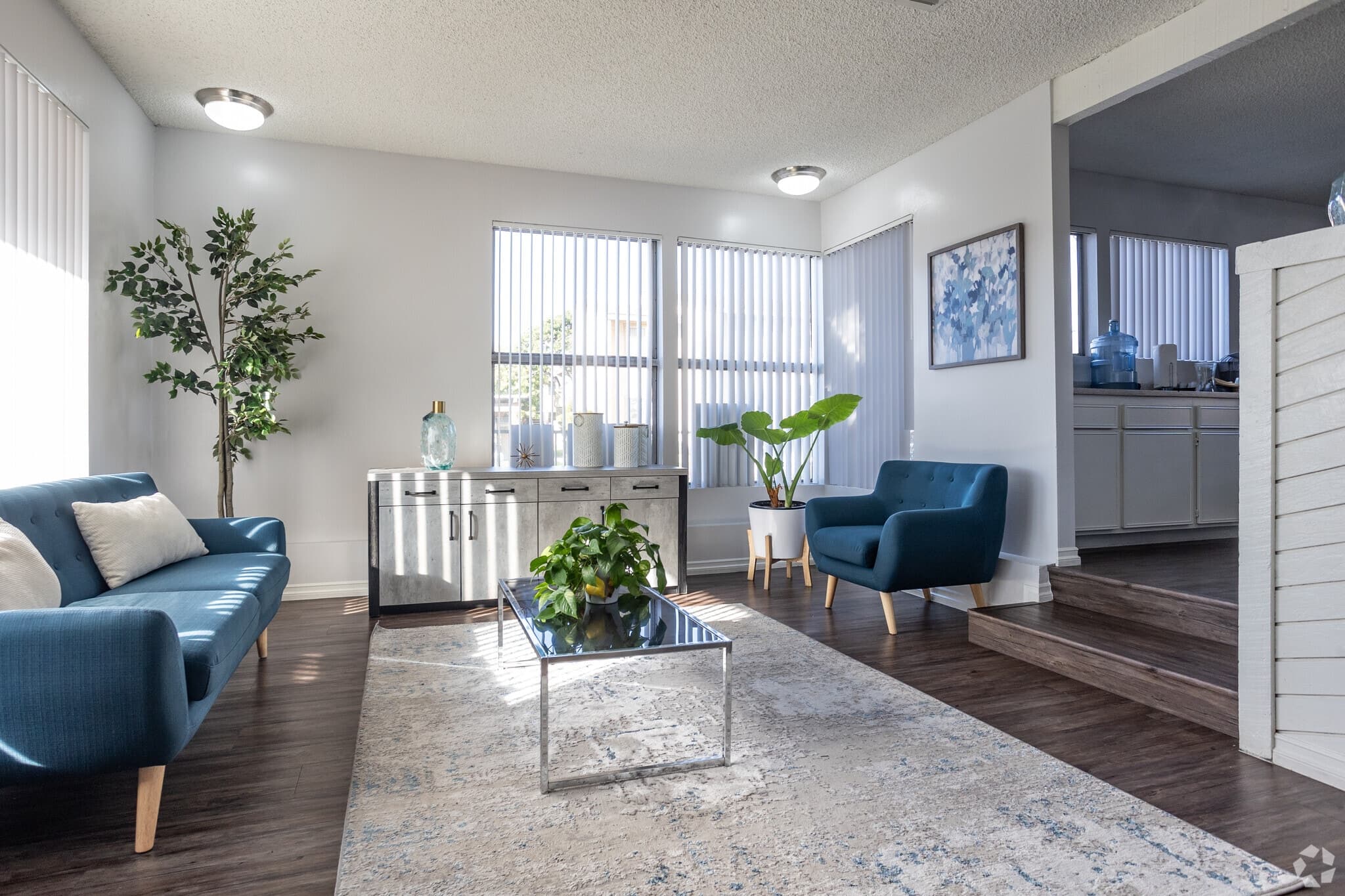
$1,960+/unit
Fees may applyELEVATE APARTMENT HOMES
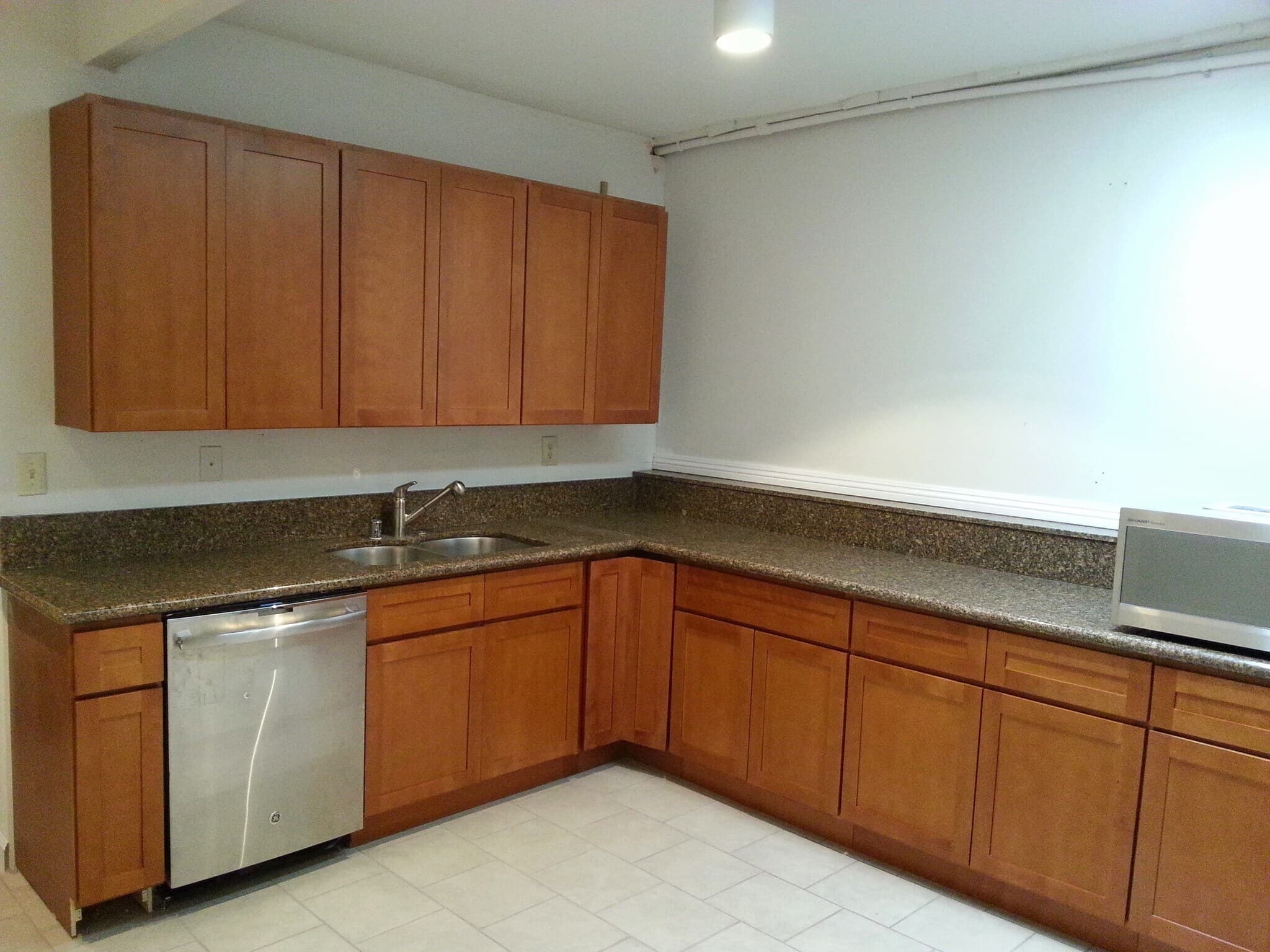
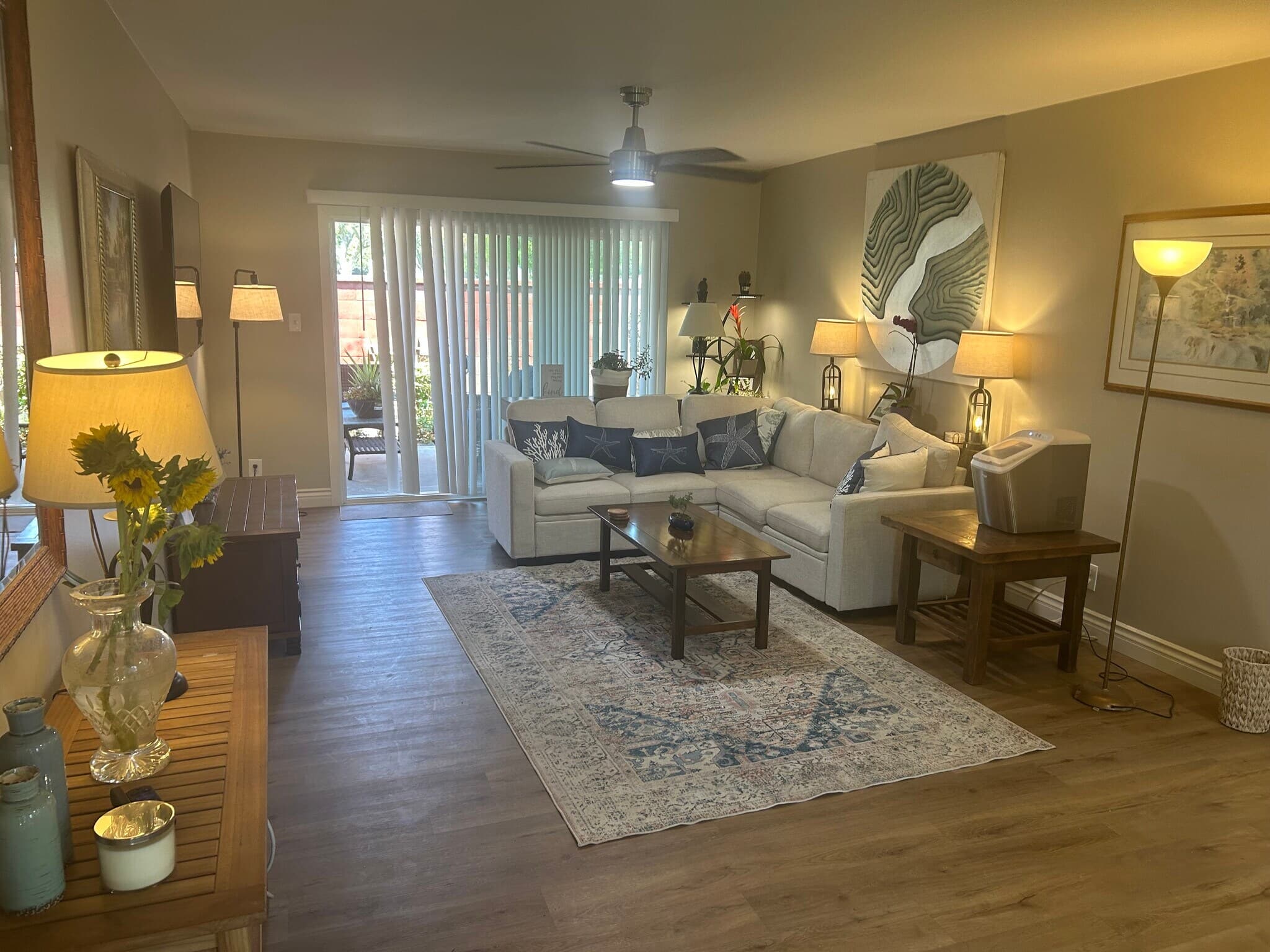
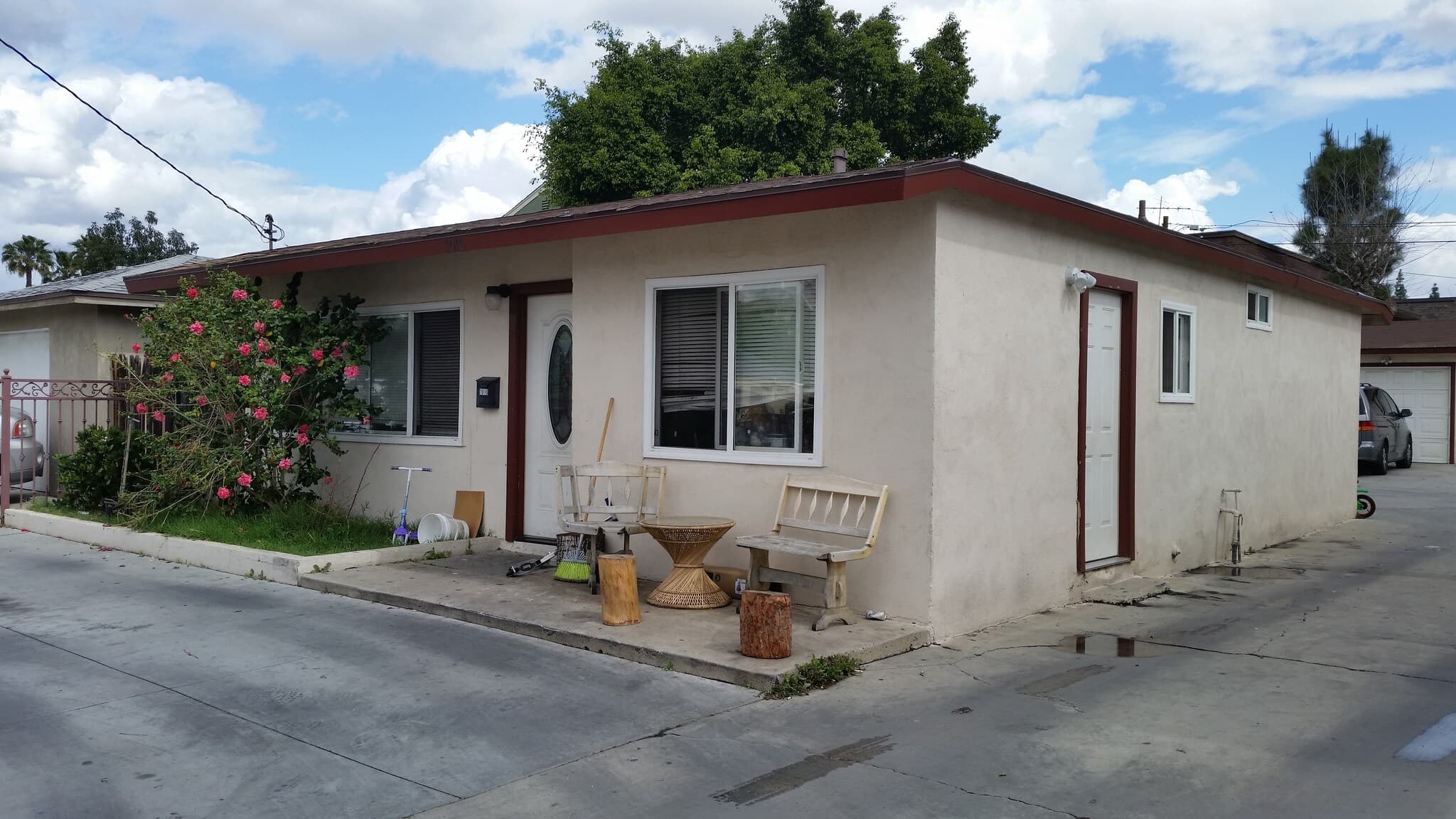
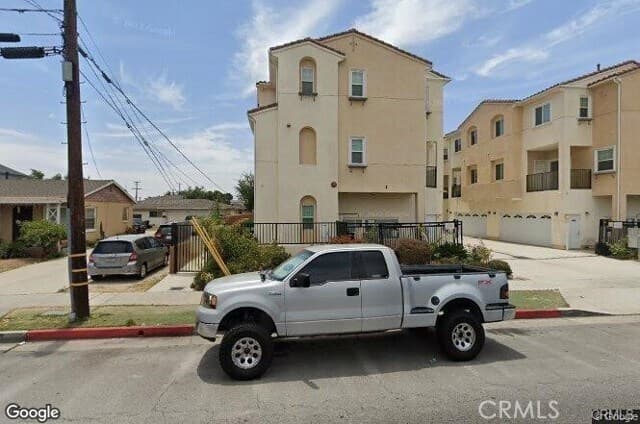
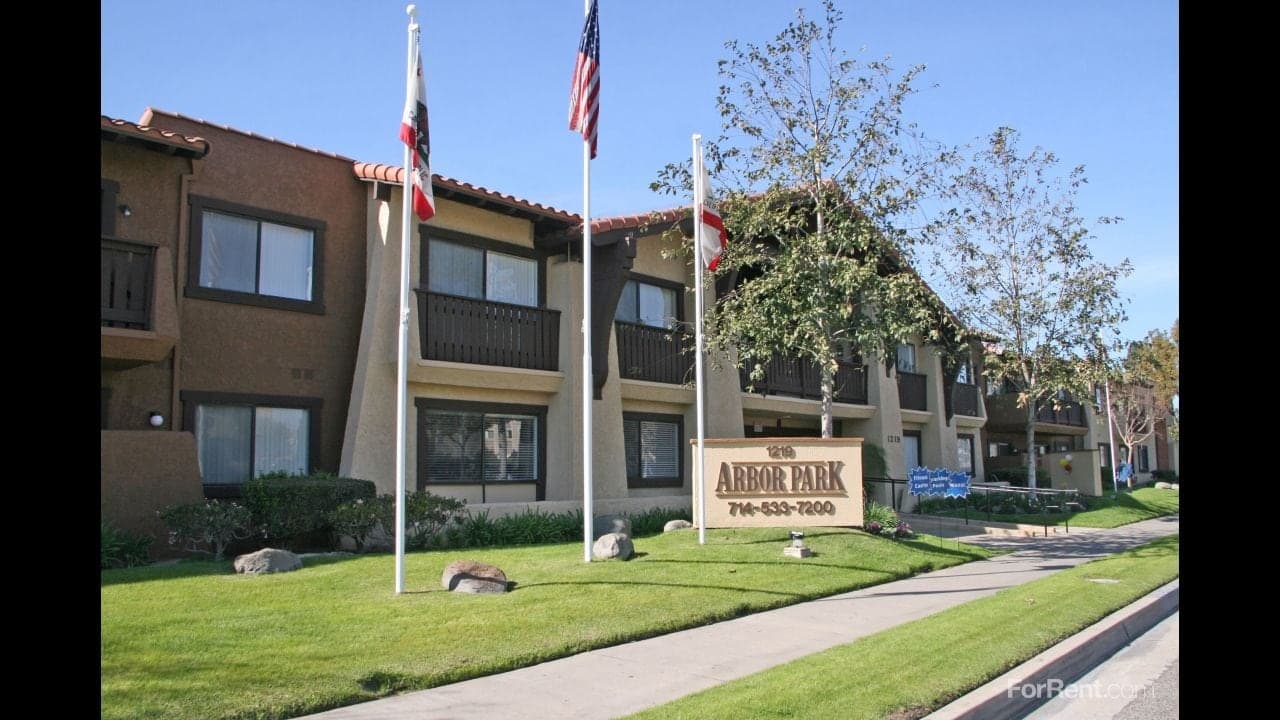
$1,725+/unit
Fees may apply156 Arbor Park Apartments
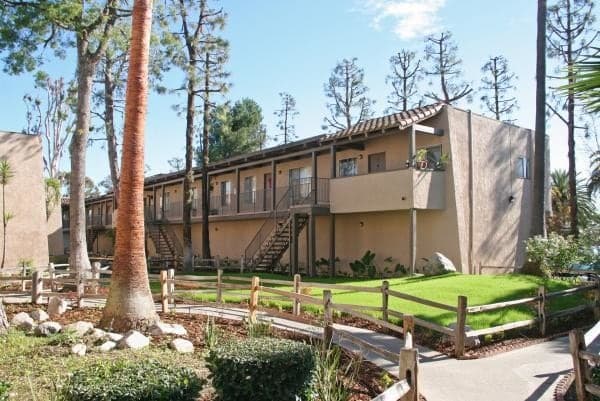
$1,595+/unit
Fees may applyParkside La Palma Apartments
$1,095/unit
Fees may applyKapi Residences - 4161 Kling Street Apt. 23
email me if my perfect place pops up
We'll reach out the moment one matches everything you asked for
About Off-Campus Housing Near Chapman University
Chapman University sits in the heart of Old Towne Orange, a roughly 10,000-student campus that blends into one of Southern California's best-preserved historic districts. The campus is compact and walkable, and just two blocks away the Old Towne plaza circle anchors a square mile of vintage brick storefronts and a public square that hosts community events. Chapman leans into its film and arts reputation, and traditions like the end-of-finals Undie Run and the candlelight ceremony give the place its own rhythm. Orange itself is sunny and low-key, with the coast a short drive west and the mountains east. The Metrolink station sits a quick walk from campus on Palm Avenue, linking students across the region, though most just bike to class.
Chapman University Housing Requirements
Freshman Live-On Requirement
Chapman has one of the longer live-on requirements out there: first-year students are required to live in university housing through the end of their third year. That keeps most undergrads on campus longer than at a typical school.
Off-Campus Eligibility
The main exemption is for students who live with a parent or legal guardian within 30 miles of the Orange campus, who can submit a petition to the Residence Life office to be released and avoid housing charges. Because of the long requirement, the off-campus search mostly kicks in for seniors and grad students. When it does, renting in Old Towne is competitive since the historic district is small and student-heavy, so expect a credit check, an application fee, and first month plus a deposit up front.
Lease Timing
Watch leases for parking terms, since Old Towne streets get tight, and read occupancy clauses carefully, as the city of Orange enforces limits on unrelated tenants per house in residential zones. Leases typically run 12 months and the prime walkable units sign early, so plan ahead.
Housing policies change frequently. Always verify current requirements directly with Chapman University before signing a lease.
When to Start Looking for Housing Near Chapman University
Early Searchers
The Old Towne rental cycle runs early because the district is small and demand is steady year after year. Houses and apartments near campus get spoken for well ahead of fall, so plan to start touring in late winter or early spring, around February through April, if you want a prime walkable spot close to the plaza. Landlords often ask current tenants about renewals months in advance, so a lot of inventory turns over quietly before it ever hits a public listing. Lining up roommates early lets you sign quickly when a good house appears.
Peak Demand Window
Fall classes start in late August, so a spring signing is common and expected here. February through April is the heart of the search for walkable Old Towne units. Demand concentrates tightly on the blocks around the plaza, where space is limited and prices run higher. Most students at Chapman who want to be near the plaza try to sign in spring before options thin out.
Last-Minute Options
If you're searching late, widen your map beyond Old Towne into the rest of Orange or toward neighboring areas along the Metrolink and bus lines, where turnover is steadier and more units stay open. Summer sublets from students leaving for internships or study abroad can also bridge a gap. Neighboring Santa Ana and Tustin offer more stock and lower rates within an easy drive. Either way, the closer you want to be to the plaza, the earlier you should start.
Neighborhoods Near Chapman University
Old Towne Orange
Old Towne Orange is the historic core right around campus, walkable and full of vintage homes, the prime student pick but tight on space and pricier for it.
Greater Orange
Greater Orange, beyond the historic district, opens up more apartment options and a bit more room for your money.
Santa Ana and Tustin
Neighboring Santa Ana and Tustin give commuters more stock and lower rates within an easy drive or transit ride.
Frequently Asked Questions: Off-Campus Housing Near Chapman University
Common questions from students searching for housing.
A room in a shared house or apartment near campus typically runs about $1,000-$1,500/month per person, which is how most students manage Old Towne's rents. Furnished or newer units sit at the higher end, while shared older houses land lower. A private studio or one-bedroom runs well above that. Budget another $50-$100/month for utilities.
Yes, and the requirement is long. First-year students must live in Chapman housing through the end of their third year. The main exemption is for students living with a parent or legal guardian within 30 miles of the Orange campus, who can petition the Residence Life office to be released. Because of this, the off-campus search mostly starts senior year.
Old Towne Orange right around campus is the top pick, walkable and full of historic homes, though space is tight. The blocks immediately surrounding Chapman blend in. Beyond the historic district, greater Orange offers more apartments and room, and students wanting regional access cluster near the Orange Metrolink station or in nearby Santa Ana and Tustin.
It depends where you live. If you're in Old Towne near campus, you can walk or bike to class easily, and the Orange Metrolink station is a short walk for regional trips. But Orange County is spread out, so a car helps for beaches, errands, and getting around. Many students keep one, while those right by the plaza often manage without.
Start early, since Old Towne is small and demand is steady. Tour in late winter or early spring, around February through April, for a prime walkable spot, since houses near campus get claimed well ahead of fall. Classes start in late August, so a spring signing is normal. If you're late, widen your map into greater Orange or along the Metrolink.
Twelve-month leases are standard. Watch parking terms closely, since Old Towne streets are tight and historic, and read occupancy clauses, because the city of Orange enforces limits on unrelated tenants per house in residential zones. Expect an application fee, a credit check, and first month plus a deposit up front, and confirm renewal timing since landlords ask early.
Old Towne Orange is a well-regarded, walkable historic neighborhood, and the residential blocks right around campus tend to feel settled. Greater Orange is generally a quiet, suburban area. As anywhere, check the specific block and walk it at night before signing, since feel varies street to street even within the historic district.
Often not in the older Old Towne houses, where roommates usually split electricity, water, gas, and internet. Some apartment buildings bundle water and trash. Ask exactly what's covered before signing, and budget roughly $50-$100/month per person, a bit more in summer when air conditioning runs in the Southern California heat.
Roommates are the norm, since shared houses keep Old Towne rents down. Chapman's off-campus housing portal lists rooms and roommate profiles, and student social pages move quickly. Summer sublets open up when students leave for internships or study abroad. Check your lease before subletting, since many landlords require written approval first.
Very close if you land in the historic district, which wraps right around campus. The Old Towne plaza circle, with its public square and vintage storefronts, sits about two blocks from Chapman, so students in Old Towne can walk to class and the plaza in minutes. That walkability is exactly why the closest spots get claimed earliest.
More Housing Near Chapman University
Search by Room Type
Search by Lifestyle
See how students rate the places near Chapman on social life, management, and quality before you tour.
Read student housing reviews near Chapman →