Student Housing in Charlotte, NC
Student Housing in Charlotte, NC
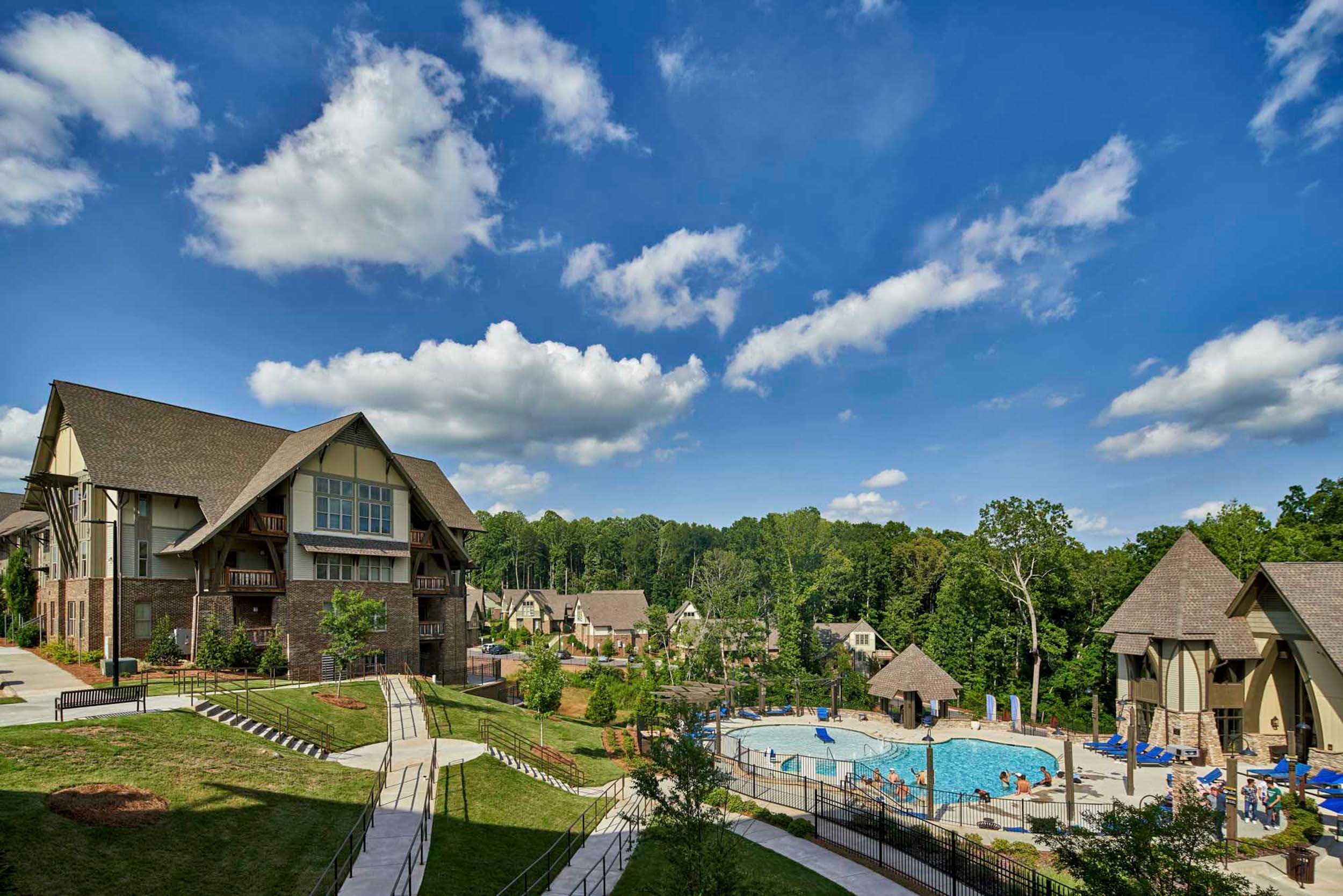
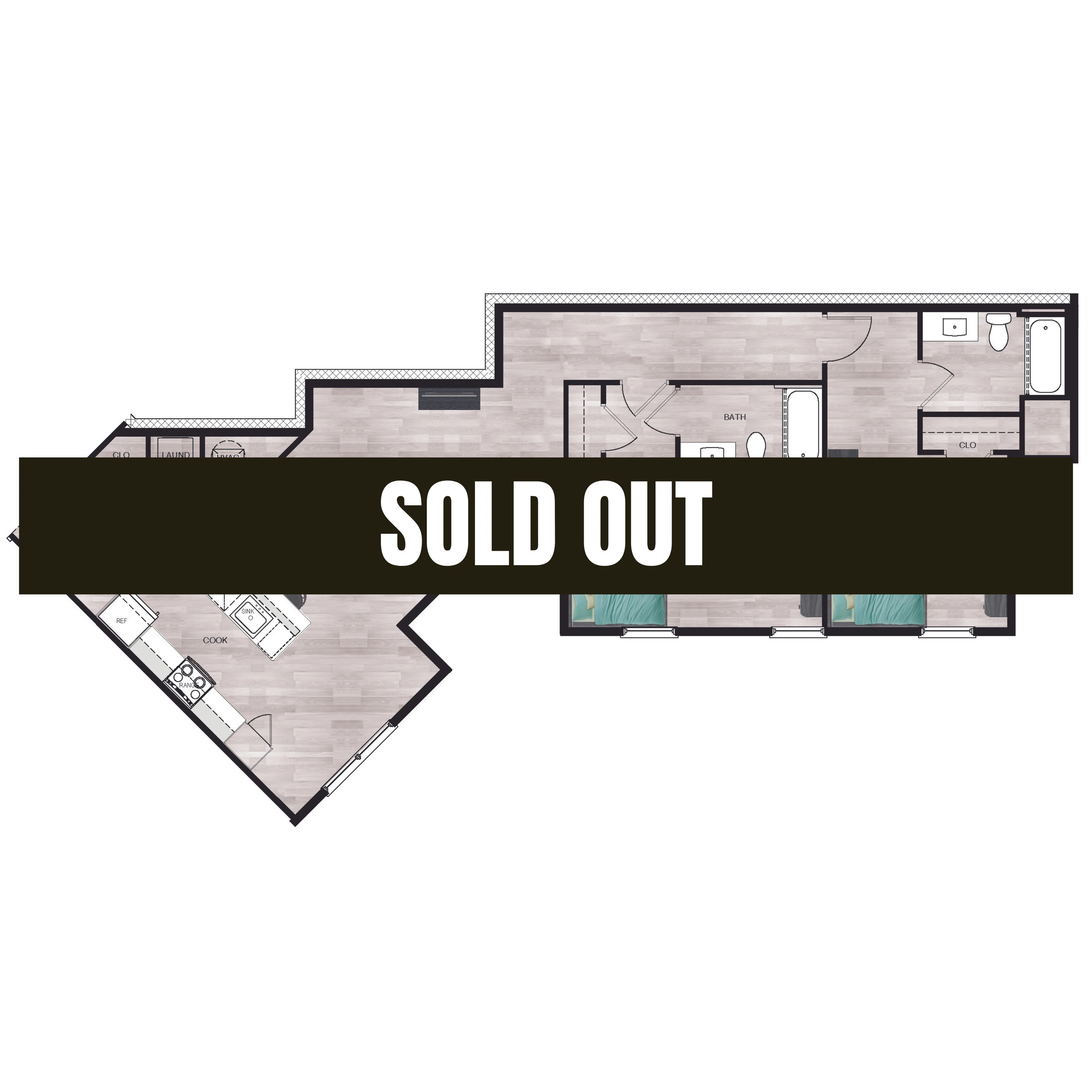

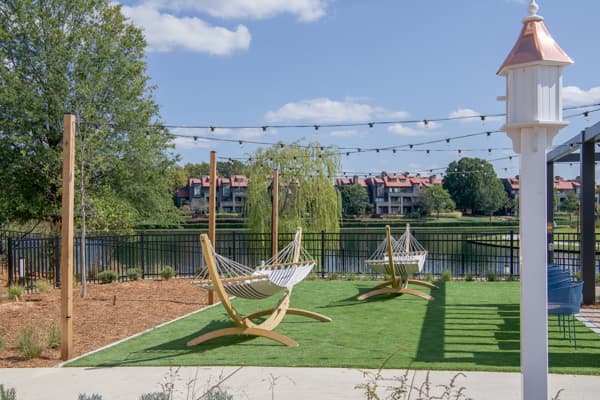
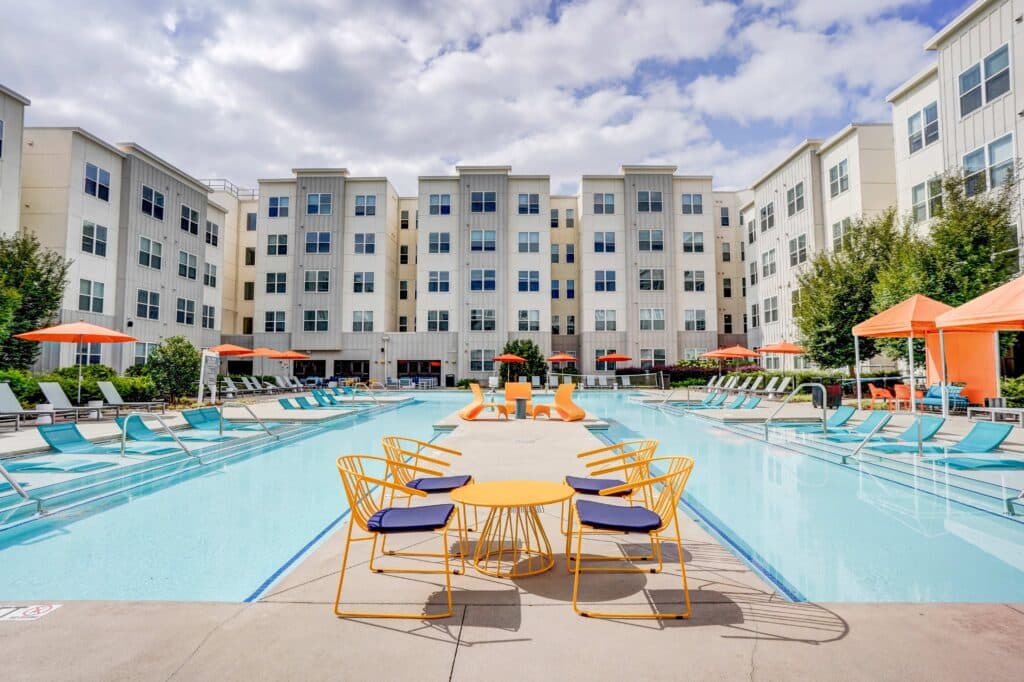
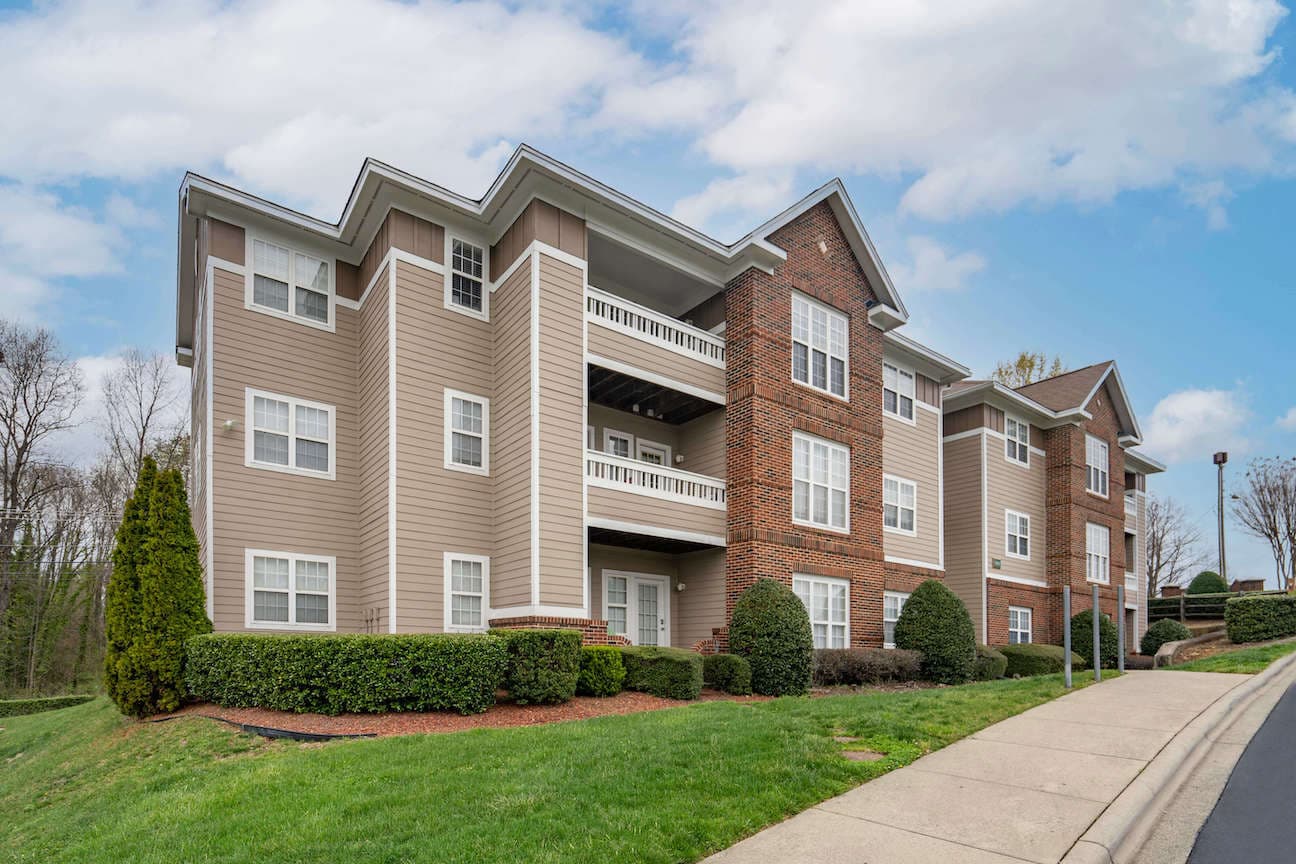
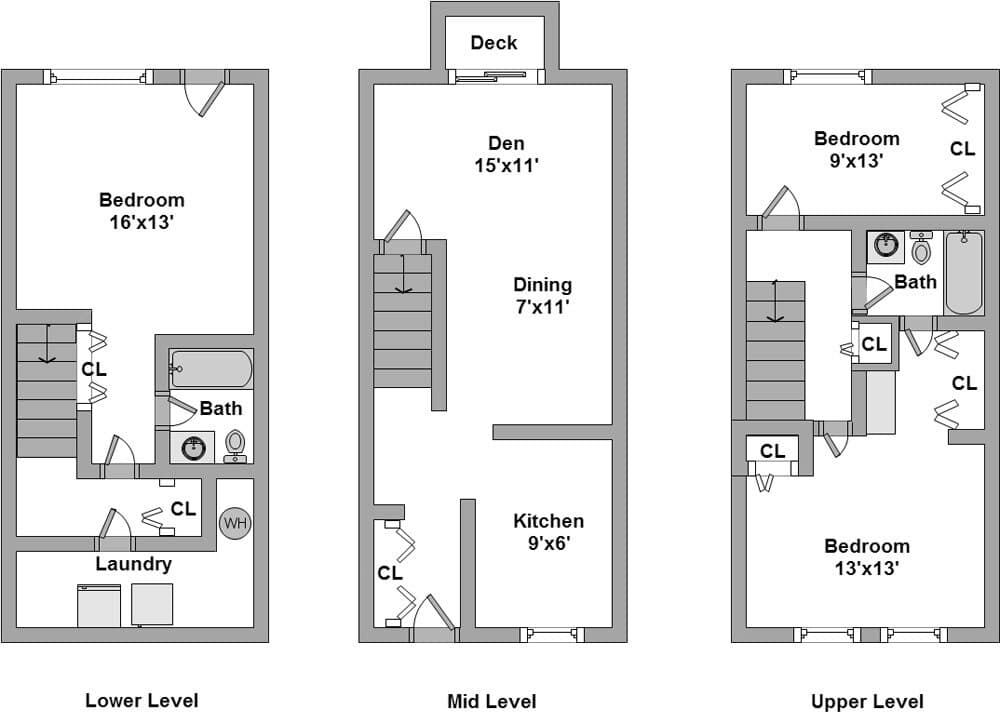
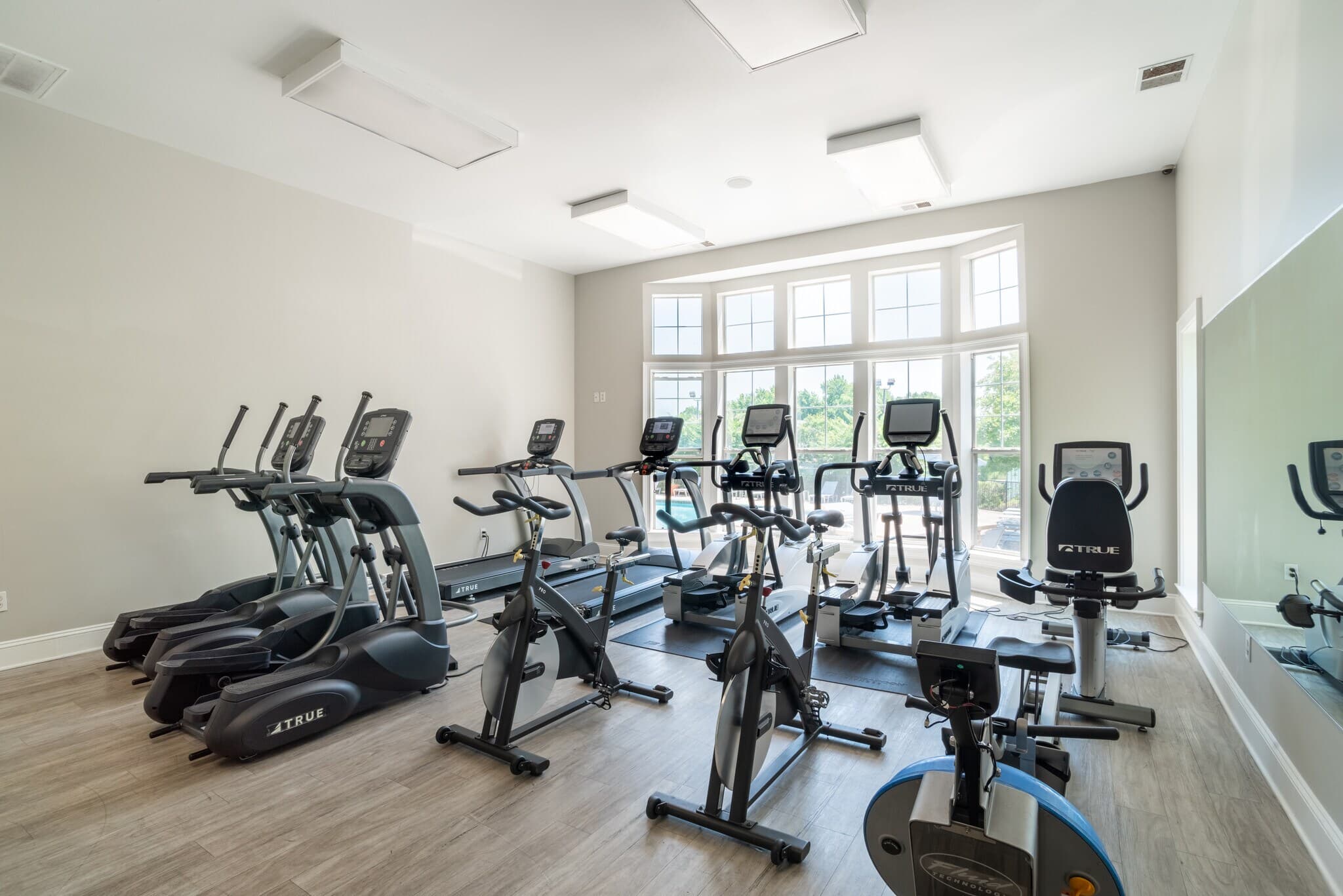
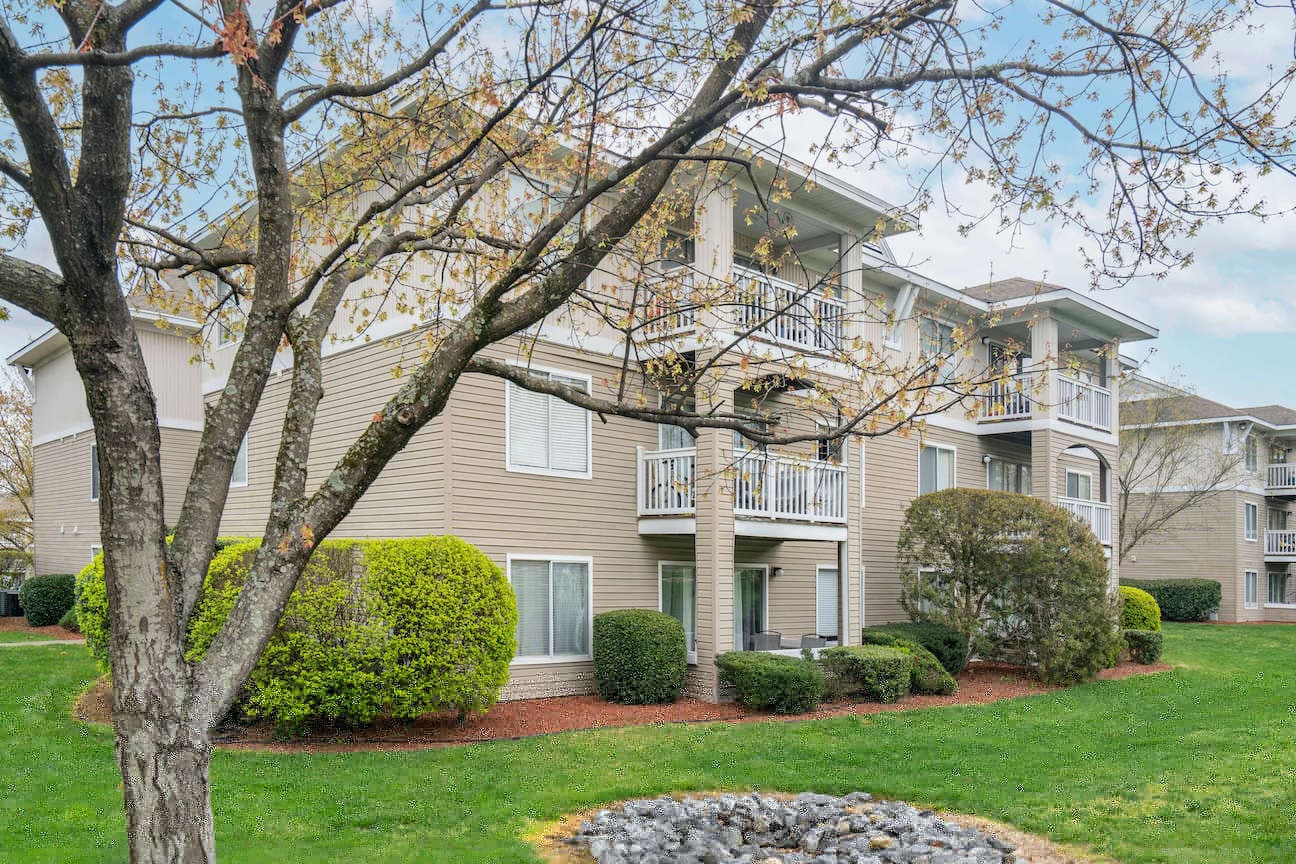

$499+/unit
Fees may applyUniversity Village at Charlotte -Student ONLY
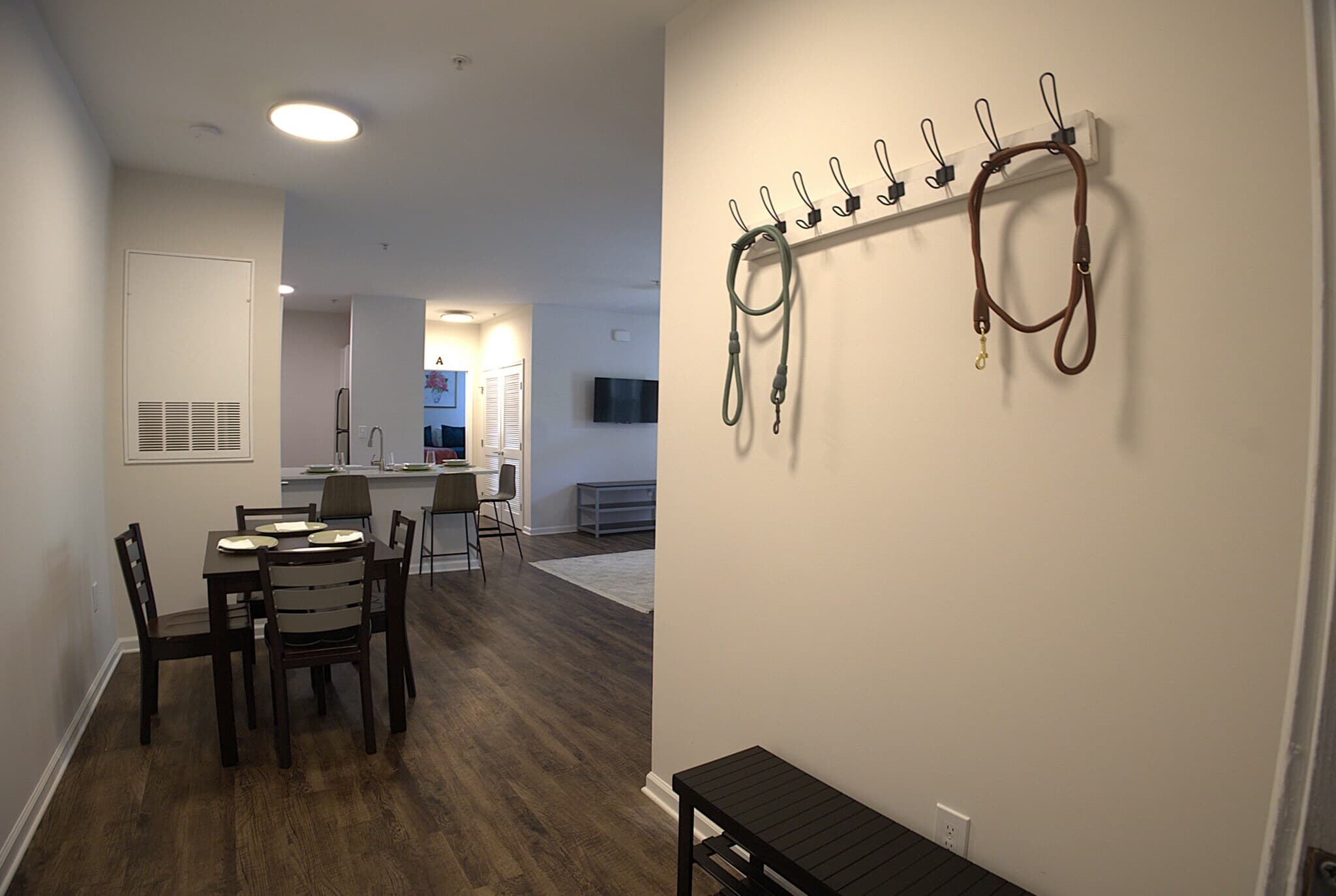
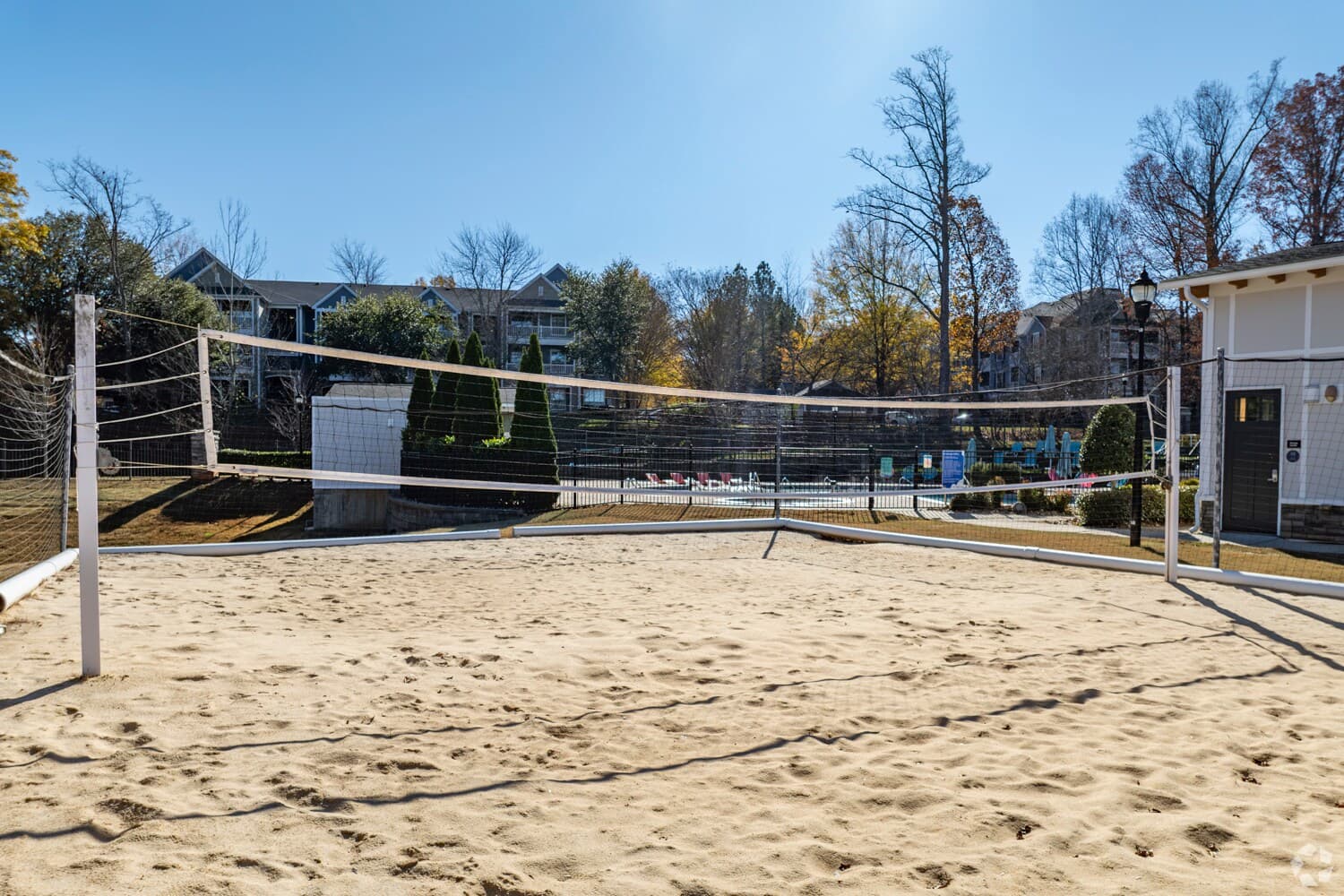
About Student Housing in Charlotte
Charlotte, NC is the largest city in the state, a banking hub of nearly 900,000 with a skyline, pro sports, and a sprawl of distinct neighborhoods. The University of North Carolina at Charlotte sits in the University City area on the northeast side, a campus-adjacent district built around the school. You trade the small-town intimacy of some college towns for the energy of a growing southern city. Uptown is the gleaming center, home to the NBA's Hornets and the NFL's Panthers, plus the Mint Museum and the Levine Center for the Arts. Beyond Uptown you've got districts like NoDa, Plaza Midwood, and South End. Green space runs from the Little Sugar Creek Greenway to Freedom Park and the U.S. National Whitewater Center on the edge of town.
Best Neighborhoods for Students in Charlotte
University City
The district wrapped around campus, University City has student-heavy complexes along North Tryon Street and W.T. Harris Boulevard and the light rail running straight to class.
NoDa
The historic arts and music district along North Davidson Street, NoDa draws students who want galleries and venues plus a Blue Line stop at 36th Street.
South End
Just below Uptown, South End is the trendy, revitalized warehouse district with the most urban energy and a quick rail ride to campus.
Getting Around Charlotte as a Student
Here's what you need to know about getting around Charlotte.
Public Transit
Charlotte is a car-friendly city, but UNC Charlotte students have a real transit option. The LYNX Blue Line light rail runs from campus through NoDa and South End into Uptown, getting you downtown in around 22 minutes without touching a parking deck. Transit access is bundled into student fees for a small yearly amount, so the light rail and CATS buses are effectively prepaid. That makes neighborhoods along the Blue Line, like NoDa and South End, especially appealing if you want to ditch the car.
Walking and Biking
Around campus, University City is walkable in pockets but spread out, so you'll often hop the campus shuttle or a bus to the nearest rail stop. Biking works along greenways like Little Sugar Creek. Arterial roads aren't built for casual cyclists, so stick to the greenways. Walkability is best in the denser pockets near the rail line.
Parking
Charlotte is a car-friendly city, so a car helps for reaching destinations off the Blue Line. Driving is the default in the more spread-out parts of University City. Parking decks and lots are common, but the light rail lets you skip them for downtown trips. Students along the Blue Line can ditch the car for many trips.
Frequently Asked Questions: Student Housing in Charlotte
Common questions from students searching for housing.
It varies a lot by neighborhood, since Charlotte is a full-size city. Near UNC Charlotte in University City, a one-bedroom typically runs about $1,200 to $1,600 a month, while a room in a shared apartment can drop to roughly $700 to $1,000. Trendier areas like South End and NoDa run higher, so living a stop or two up the Blue Line from Uptown usually saves you money.
University City is the closest and most student-packed, with apartments and the light rail right by campus. NoDa and South End are popular for students who want a walkable, urban scene with a quick Blue Line ride to class, and Plaza Midwood offers an eclectic, lower-key alternative with loads of character.
It helps, but it's not mandatory if you live along the LYNX Blue Line. The light rail connects campus to NoDa, South End, and Uptown, and transit is bundled into student fees. That said, Charlotte is a sprawling metro, so most students keep a car for grocery runs, jobs, and reaching areas the rail doesn't cover.
The LYNX Blue Line is your friend. It runs from Uptown up through South End and NoDa to the UNC Charlotte campus, taking about 22 minutes end to end. CATS buses and the campus shuttle fill in the gaps, and since transit is prepaid through student fees, the whole network is basically free to ride.
Like any big city, it varies block by block, so it pays to know your specific neighborhood. University City, NoDa, and South End are busy, well-trafficked areas that students navigate fine with normal city awareness. Stick to lit, populated routes at night, use the campus safety resources, and you'll be in good shape.
For August move-ins, start in the winter or early spring. The student complexes around University City lease up steadily, and the most popular Blue Line apartments in South End and NoDa go quickly. Lining up roommates and touring places by February or March puts you ahead of the rush.
Student-oriented complexes near campus often offer per-bedroom leases with 12-month terms, so you're only responsible for your own room. Apartments in South End or NoDa more often use traditional whole-unit leases. Either way, watch the start date, since university-area leases tend to align with the August academic calendar while citywide ones can start any month.
Figure roughly $50 to $110 a month per person for electricity, water, and gas in a shared apartment, with summer AC pushing the high end since Charlotte gets hot and humid. Internet runs about $40 to $70 a month for the household. Many University City complexes bundle water, trash, and sometimes internet, so confirm what's included.
Yes. UNC Charlotte's off-campus housing marketplace has roommate and sublease listings, and the per-bedroom complexes around University City are designed for matching strangers into shared units. Summer subleases are common too, so if you're leaving town for an internship you can usually find someone to cover your room.
A lot, since it's a real city. You've got Hornets and Panthers games, the Mint Museum and the arts venues in Uptown, the NoDa music scene, and greenways like Little Sugar Creek for getting outside. The U.S. National Whitewater Center on the edge of town is a favorite weekend spot for rafting, climbing, and trails.
Find Housing by University in Charlotte
Browse student housing near each Charlotte-area university.
Search Charlotte Student Housing by…
Room Type
Lifestyle
See how students rate apartments in Charlotte, NC on social life, management, and quality before you tour.
Read student apartment reviews in Charlotte, NC →