Off-Campus Housing Near Duke University
Off-Campus Housing Near Duke University
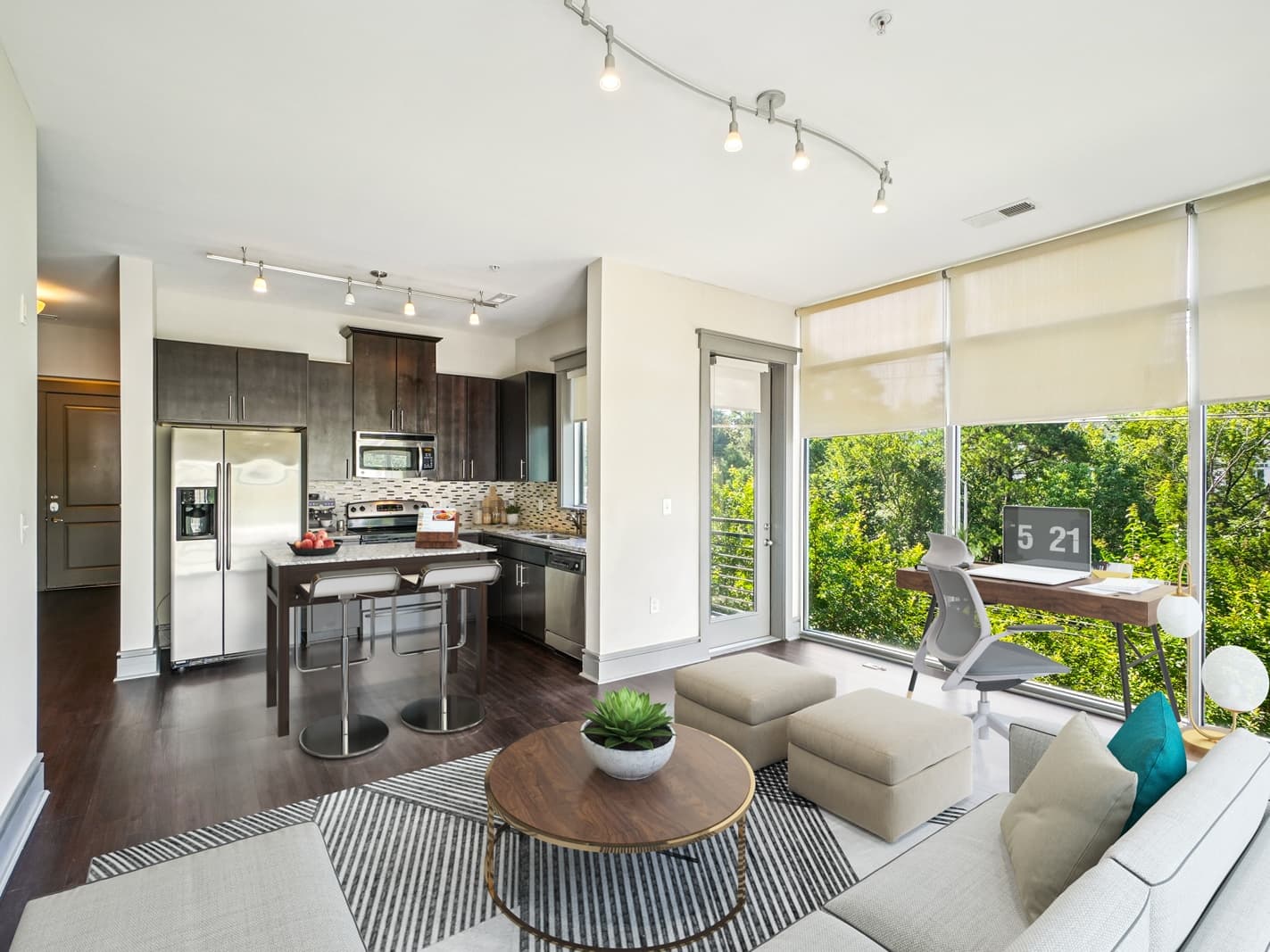
$1,745+/unit
Fees may applyTrinity Commons at Erwin
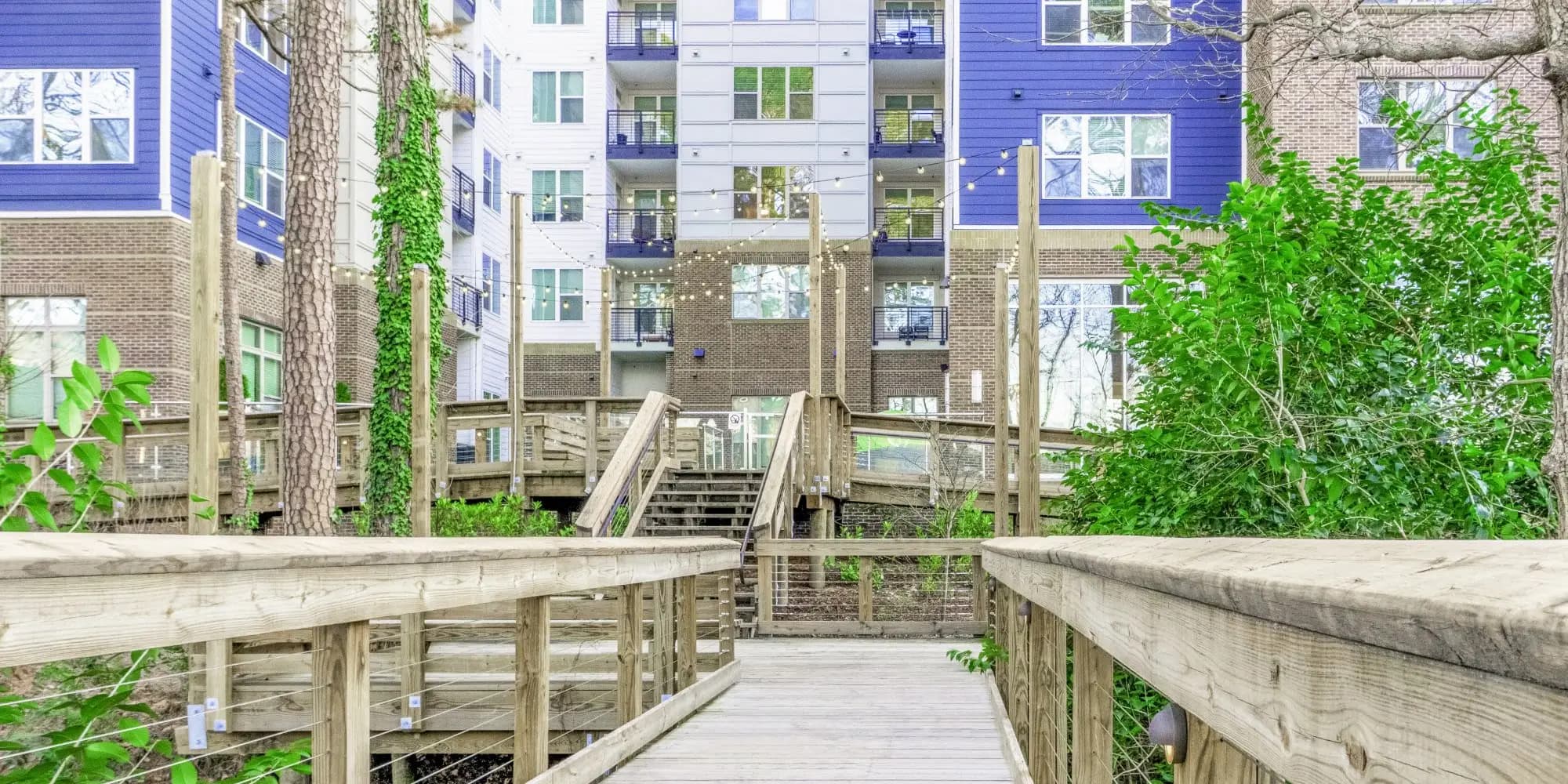
$1,582+/unit
Fees may applyThe Flats Exchange on Erwin
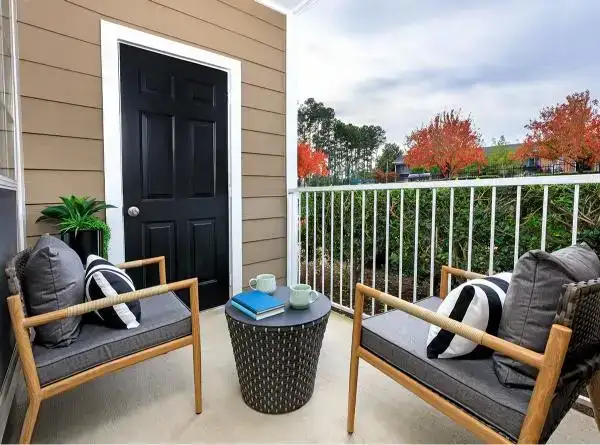

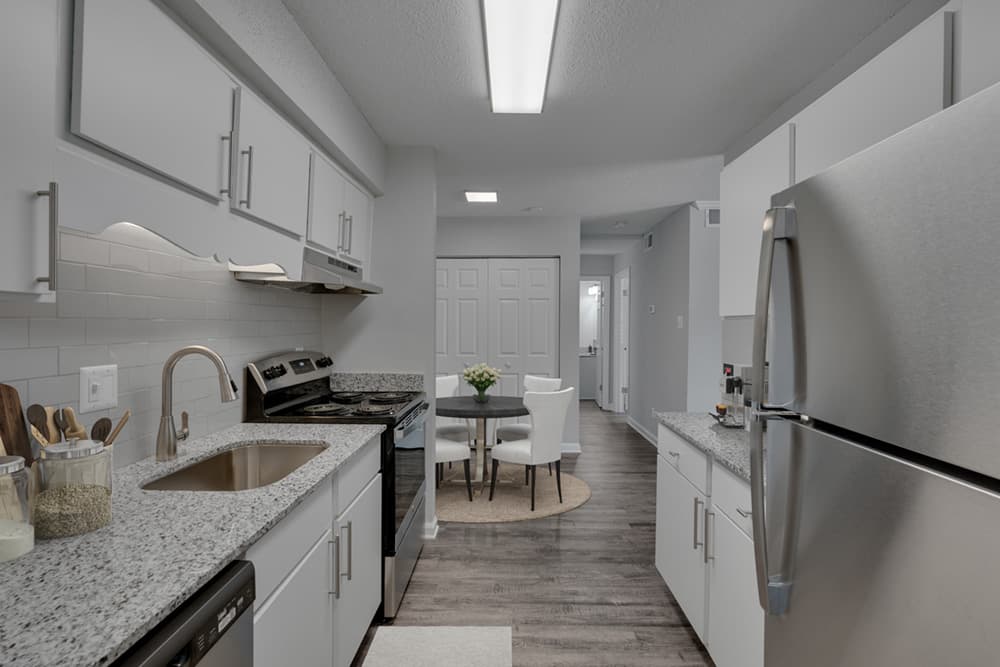
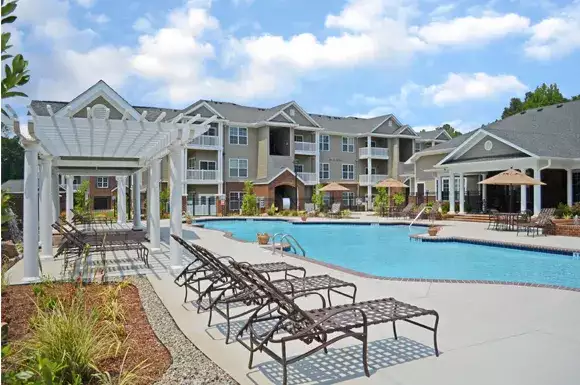
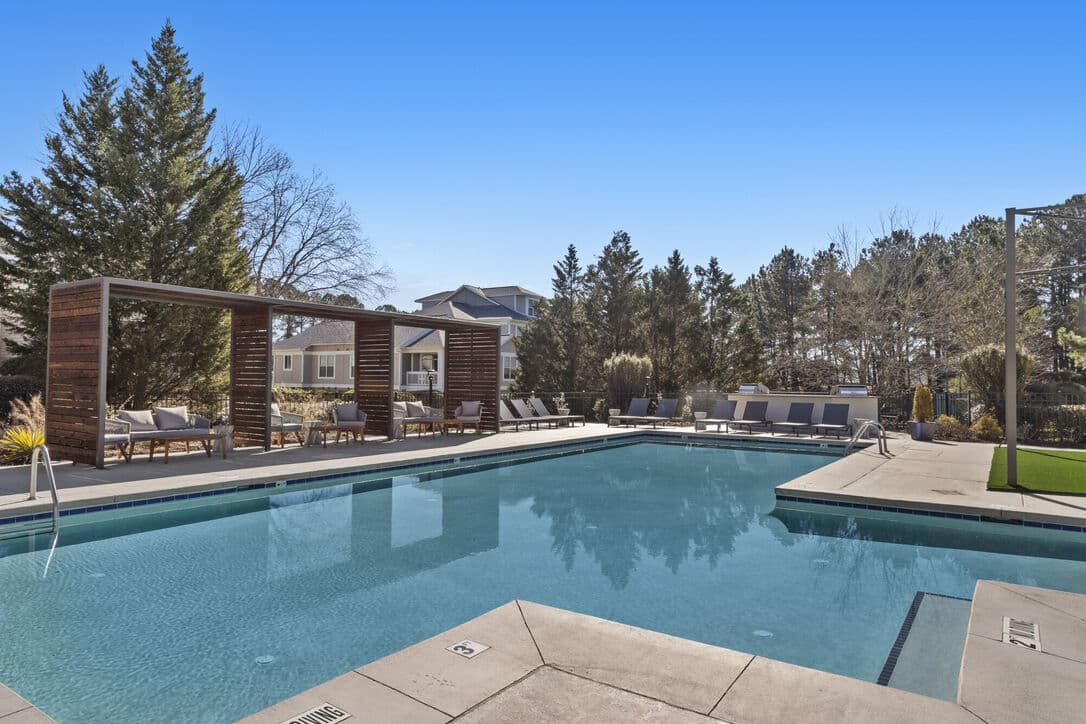
$1,401+/unit
Fees may applyChandler at University Tower
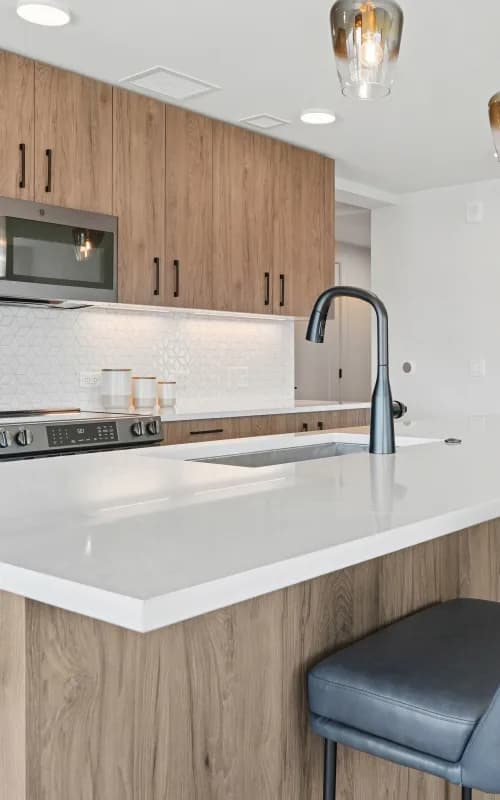
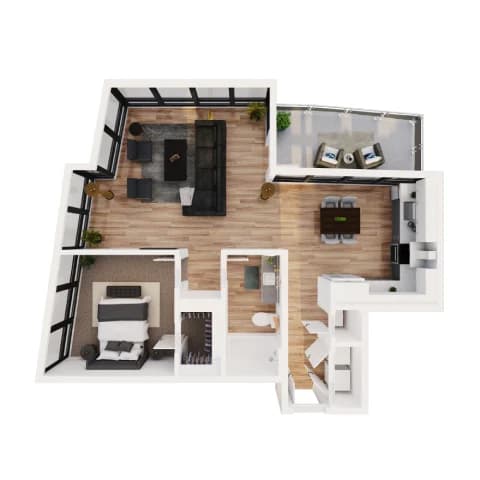
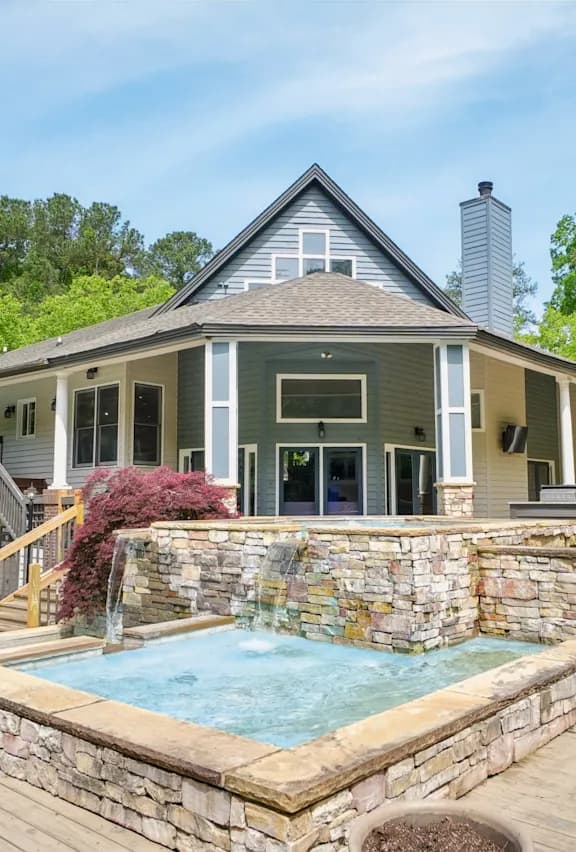
$948+/unit
Fees may applyUniversity Ridge Apartments
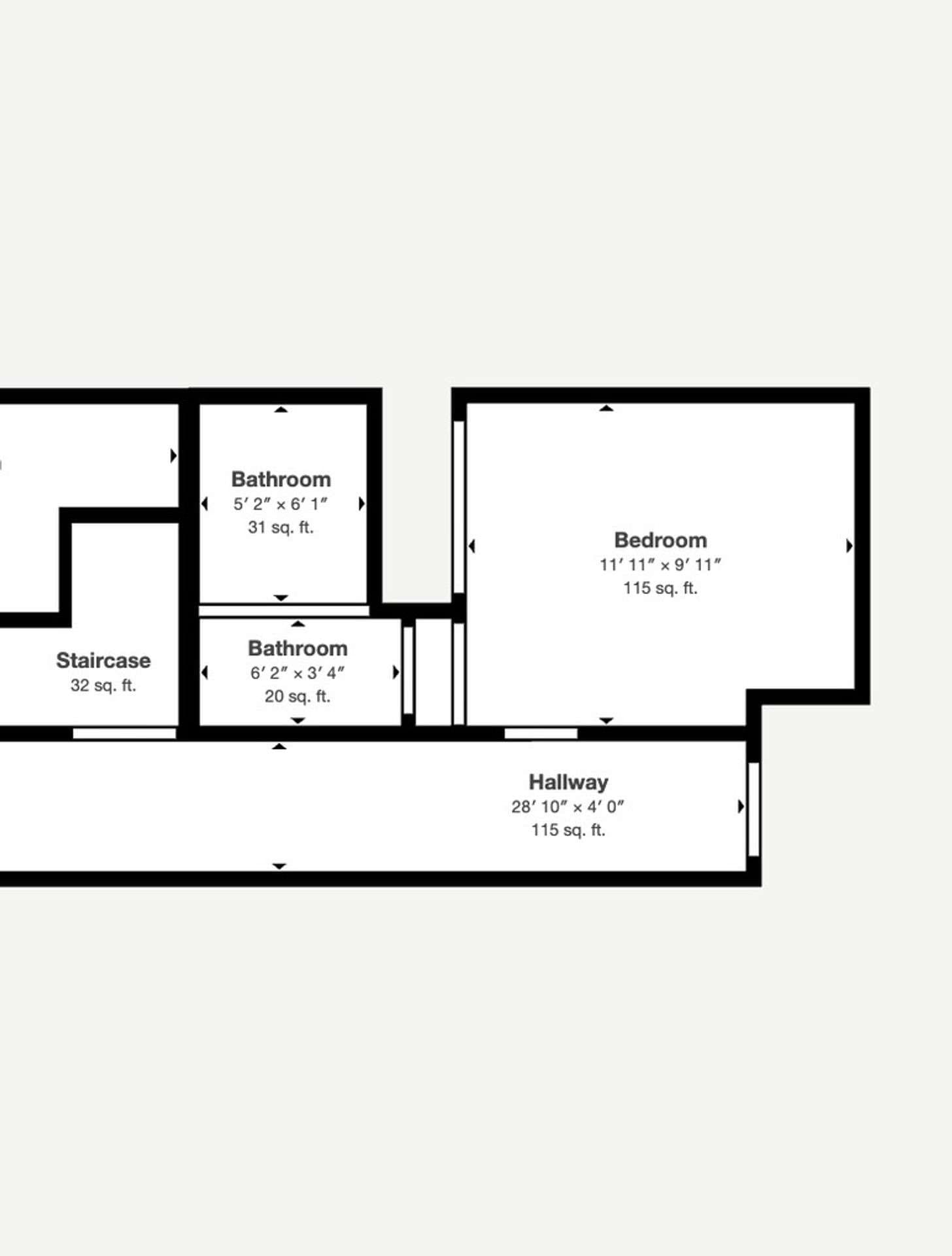
$815+/unit
Fees may applyPrivate Room with Walk-In Closet – Utilities & WiFi Included
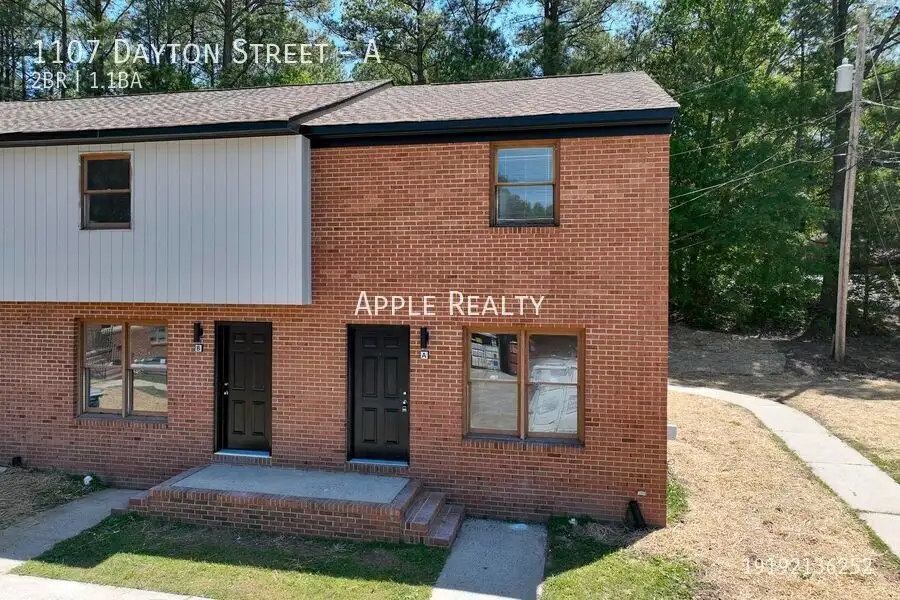
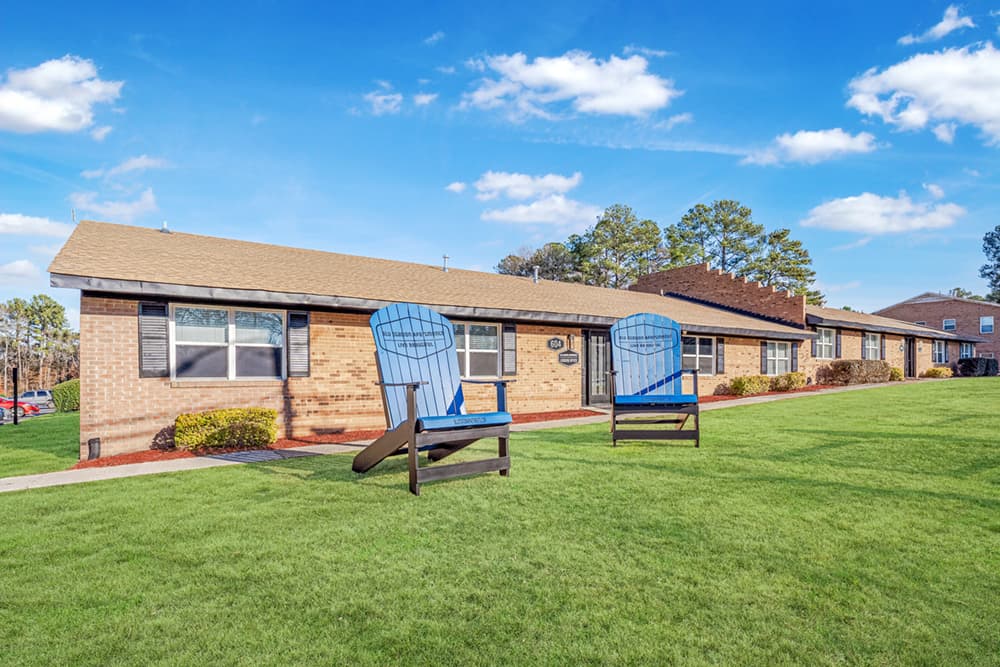
email me if my perfect place pops up
We'll reach out the moment one matches everything you asked for
About Off-Campus Housing Near Duke University
Duke University is a prestigious research university in Durham, North Carolina, known for its Gothic architecture and top-ranked programs in law, medicine, business, and the liberal arts. Durham has transformed into one of the most dynamic mid-sized cities in the South, with a thriving food scene and a growing tech and biomedical sector. Students who move off campus find rental options ranging from historic bungalows near East Campus to newer apartment developments further into the city. Durham is more affordable than comparable coastal college cities, and the combination of a walkable campus and accessible neighborhoods makes off-campus living a popular choice for upperclassmen.
Duke University Housing Requirements
Freshman Live-On Requirement
Duke University requires all first-year students to live on East Campus, the university's residential campus dedicated exclusively to freshmen. This requirement applies to virtually all incoming students and is a foundational part of the first-year experience at Duke. Exemptions are rare and generally limited to students who have documented extraordinary circumstances.
Off-Campus Eligibility
Students who have completed their freshman year at Duke are generally free to seek off-campus housing beginning in their sophomore year. Most students choose to live in on-campus housing through their junior year given the strong residential community, but off-campus living is an option for any student past freshman year. Those who leave the residential system should be aware that re-entry is not always guaranteed.
Lease Timing
The rental market in Durham and the surrounding areas near Duke moves fast, with many landlords listing available units as early as fall for the following summer or fall. The most competitive properties near East and West Campus tend to be claimed between December and March. Students who delay their search past spring break may face limited inventory and fewer options in the most desirable locations.
Housing policies change frequently. Always verify current requirements directly with Duke University before signing a lease.
When to Start Looking for Housing Near Duke University
Early Searchers
Students planning to live off campus near Duke should ideally begin browsing available properties in October or November, well before the busy winter signing season. Networking with rising upperclassmen who are vacating leases can surface opportunities before they hit public listing sites. Getting organized early also allows time to evaluate neighborhoods, estimate costs, and identify compatible roommates without the stress of a ticking clock. Groups of two to four students working together tend to have the widest range of housing options.
Peak Demand Window
The peak demand window for Duke off-campus housing falls between late November and early February, when the greatest number of desirable properties get leased for the following academic year. During this window landlords near East and West Campus see high competition among student renters. Acting promptly when a suitable listing appears is important because properties can go from available to leased within days. Students should have financial and reference documentation ready so they can move quickly when needed.
Last-Minute Options
Students searching for housing in the spring or summer will find reduced inventory near campus but may still locate suitable apartments further into Durham's neighborhoods such as Old North Durham or Watts-Hillandale. Sublet arrangements from students studying abroad or leaving for internships can be a practical source of short-term or full-year housing. Staying active on Duke-affiliated housing boards and local rental platforms improves the chances of finding something workable. Flexibility on distance from campus typically opens up more possibilities.
Neighborhoods Near Duke University
Ninth Street District
The Ninth Street district sits close to East Campus and draws students with its walkable mix of cafes, restaurants, and independent shops. Rental houses and smaller apartment buildings in this area are in high demand and tend to lease early in the season.
Watts-Hillandale
Watts-Hillandale is a residential neighborhood north of East Campus known for its tree-lined streets and historic bungalows available for rent. Students who prefer a quieter residential feel with reasonable proximity to campus often choose this area.
Old North Durham
Old North Durham offers renovated older homes and a growing set of local businesses that attract students looking for a neighborhood with character. The area is a short drive or bike ride from both East and West Campus.
Near West Campus
The streets near West Campus, particularly along Erwin Road and Swift Avenue, contain a mix of apartments and houses popular with upperclassmen, graduate students, and medical students. Proximity to the medical center and main academic quad makes this corridor highly competitive.
Trinity Park
Trinity Park is a historic neighborhood adjacent to East Campus that features classic brick homes and mature trees. Competition for rentals here is strong given the walkability to campus and the quality of the housing stock.
Frequently Asked Questions: Off-Campus Housing Near Duke University
Common questions from students searching for housing.
Off-campus housing near Duke varies widely depending on neighborhood, unit type, and number of roommates. Durham is generally more affordable than cities like Boston or San Francisco, but areas immediately adjacent to East and West Campus command a premium due to demand. Sharing a house or apartment with roommates is the most common strategy for managing costs.
Duke students can live off campus beginning in their sophomore year. First-year students are required to live on East Campus as part of the university residential program. After freshman year, students have the option to stay in on-campus housing or transition to the private rental market in Durham.
Popular areas include the Ninth Street district near East Campus, Watts-Hillandale, Old North Durham, and the streets near West Campus along Erwin Road. Trinity Park is also highly sought after for its walkability and quality of housing.
The rental market near Duke is competitive, particularly for houses and apartments within walking distance of East or West Campus. The most desirable properties tend to lease months in advance, so early searching is strongly recommended.
Many students manage without a car by living close to East or West Campus and using the Duke bus system, which connects various parts of the campus and nearby neighborhoods. Durham also has limited light rail and bus service. A car is helpful for accessing parts of Durham beyond the immediate campus area.
Most leases near Duke run for twelve months. Some landlords offer nine-month academic-year leases to cater to students, but these are less common than standard annual leases. Students should clarify lease end dates and subletting policies before signing.
Utility arrangements vary by landlord. Some apartments include water and trash removal in the monthly rent while others require tenants to set up and pay all utilities independently. Electricity, internet, and renter insurance are typically tenant responsibilities.
Safety varies by specific block and neighborhood in Durham. Areas immediately adjacent to campus such as Ninth Street, Watts-Hillandale, and Trinity Park are well-regarded residential neighborhoods. Students are encouraged to research specific streets and consult current Duke students for up-to-date perspectives.
Duke students commonly find roommates through class-year Facebook groups, the Duke Off-Campus Housing platform, word of mouth within their residential communities, and connections through clubs or organizations. Connecting with potential roommates early in the fall semester is the most effective approach.
More Housing Near Duke University
Search by Room Type
Search by Lifestyle
Other Universities in Durham
Other universities in Durham share a similar off-campus housing market.
North Carolina Central University
North Carolina Central University anchors the Hayti neighborhood of Durham, North Carolina, where about 8,100 Eagles attend the first state-supported liberal arts college founded for African American students. The campus sits just off Fayetteville Street, historic main street of a community that built one of the…
View housing near NCCUSee how students rate the places near Duke University on social life, management, and quality before you tour.
Read student housing reviews near Duke University →