Off-Campus Housing Near Georgia State
Off-Campus Housing Near Georgia State
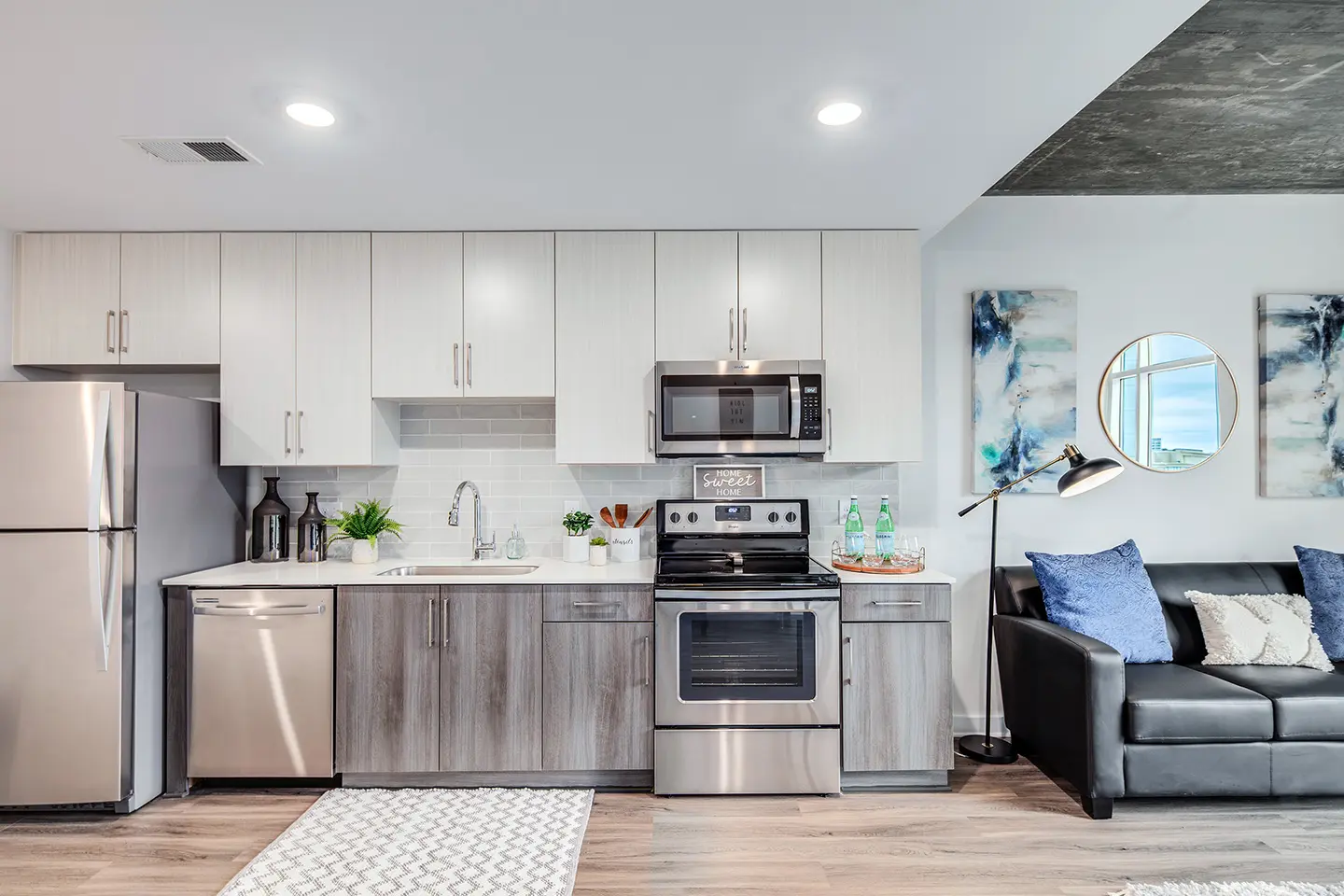
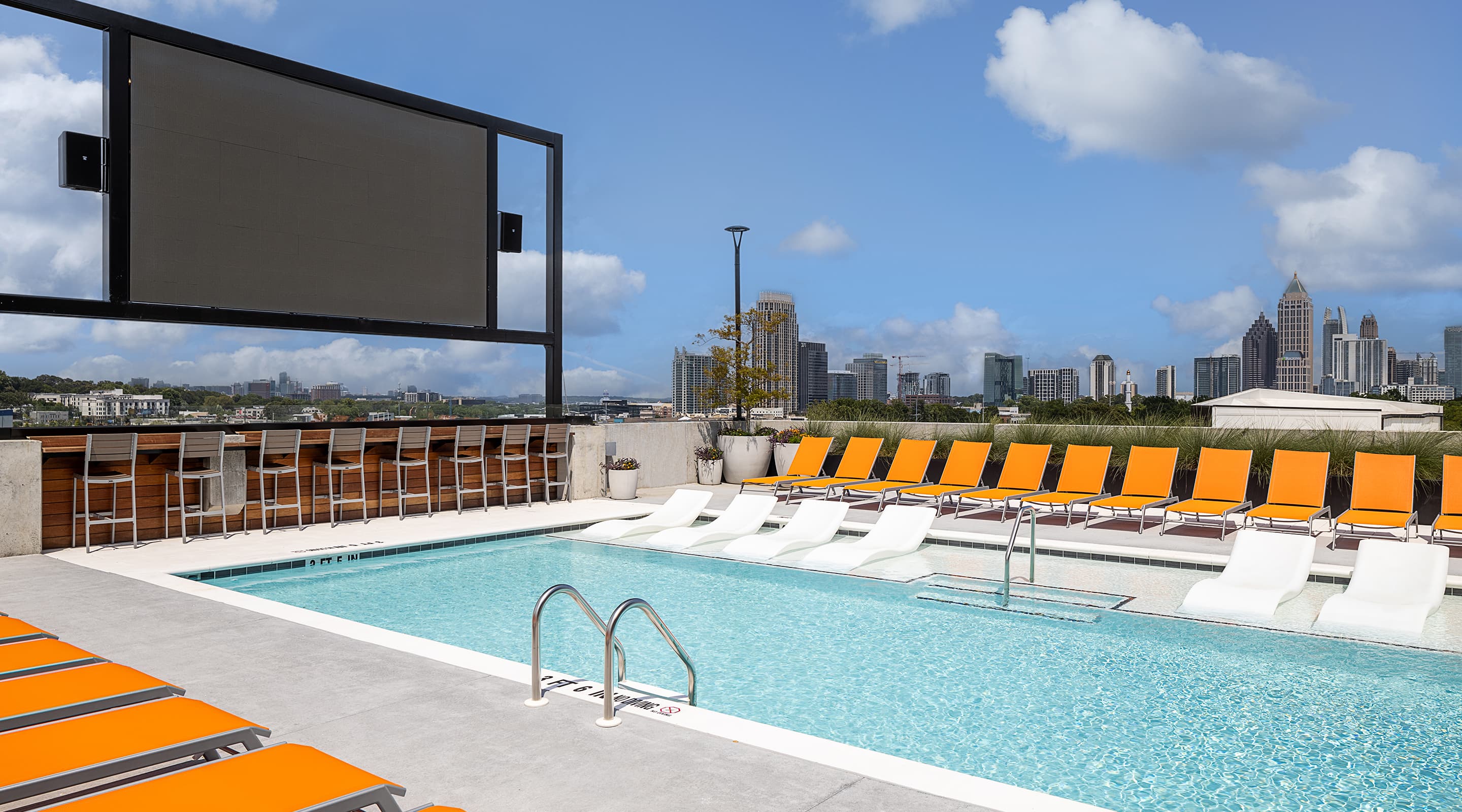

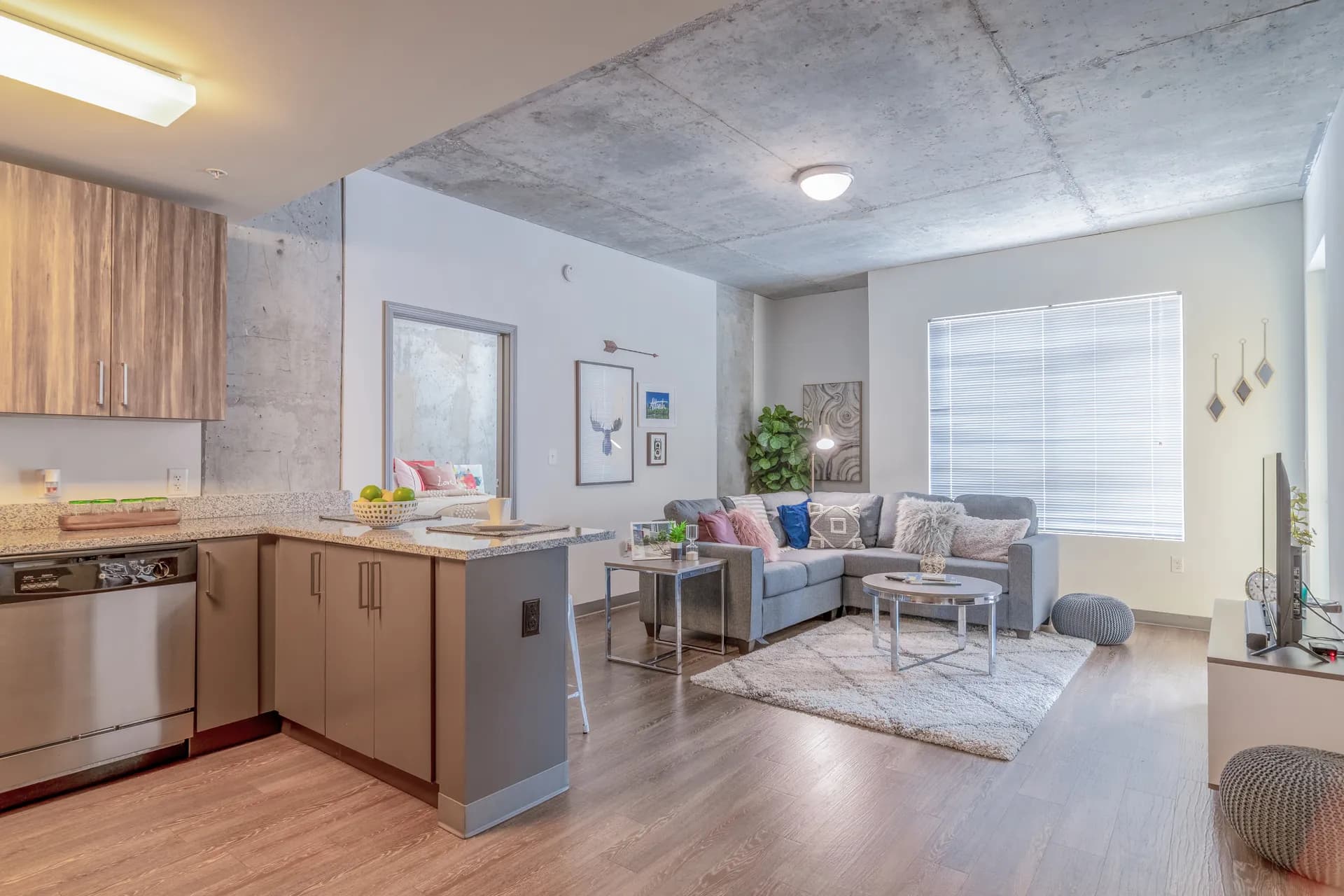
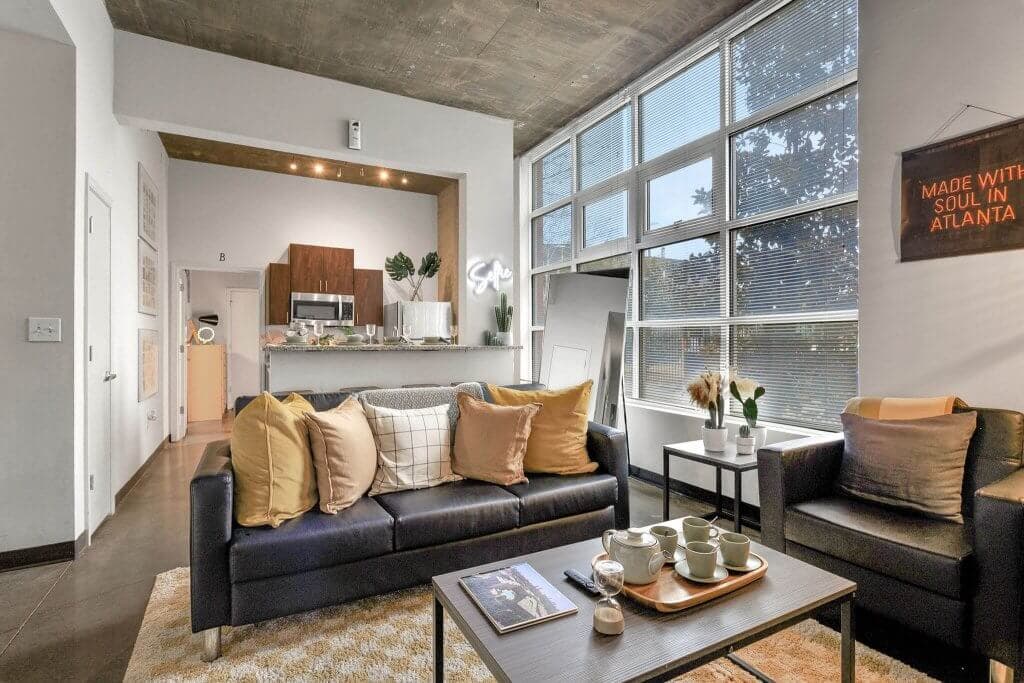

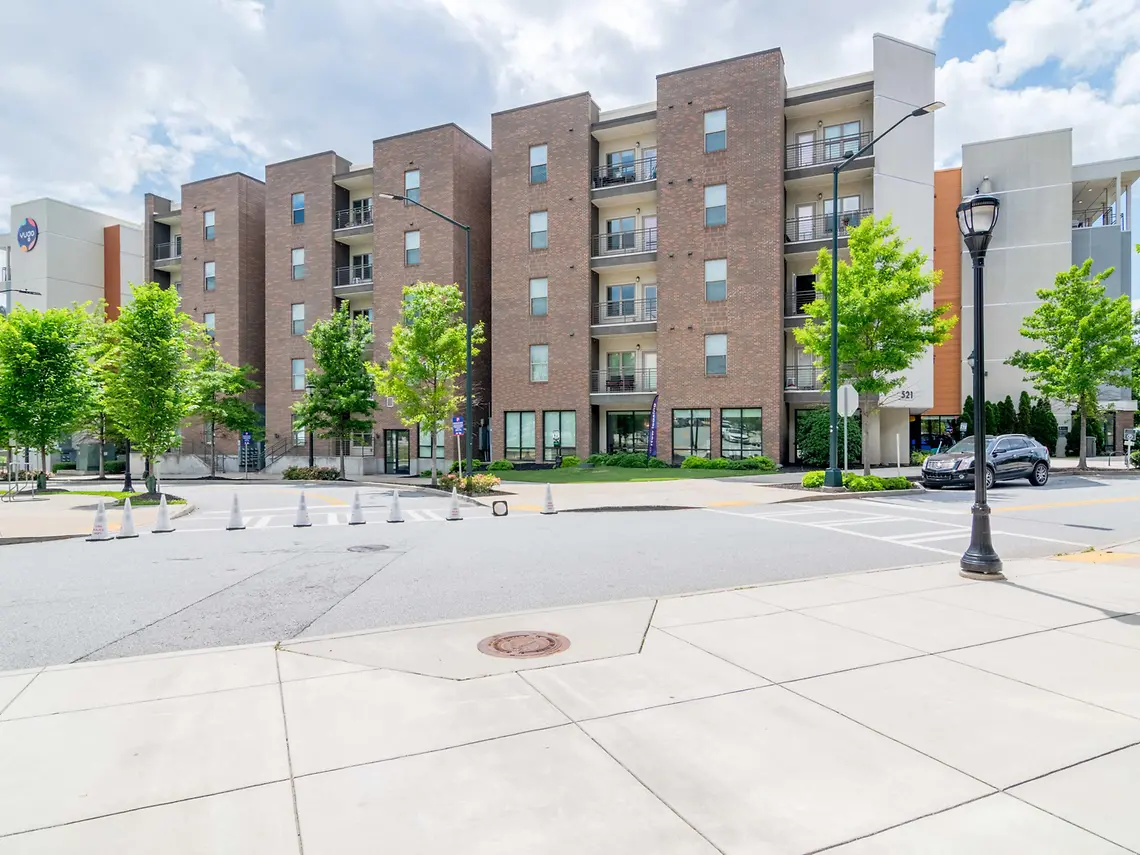
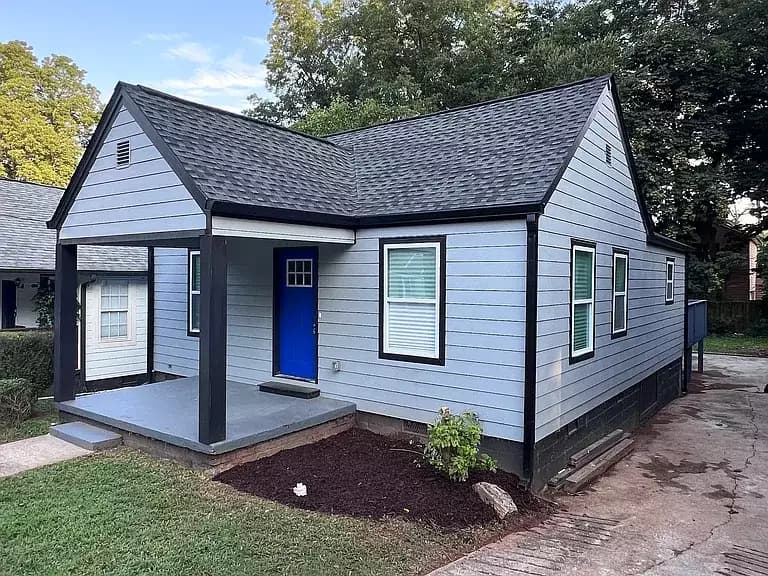
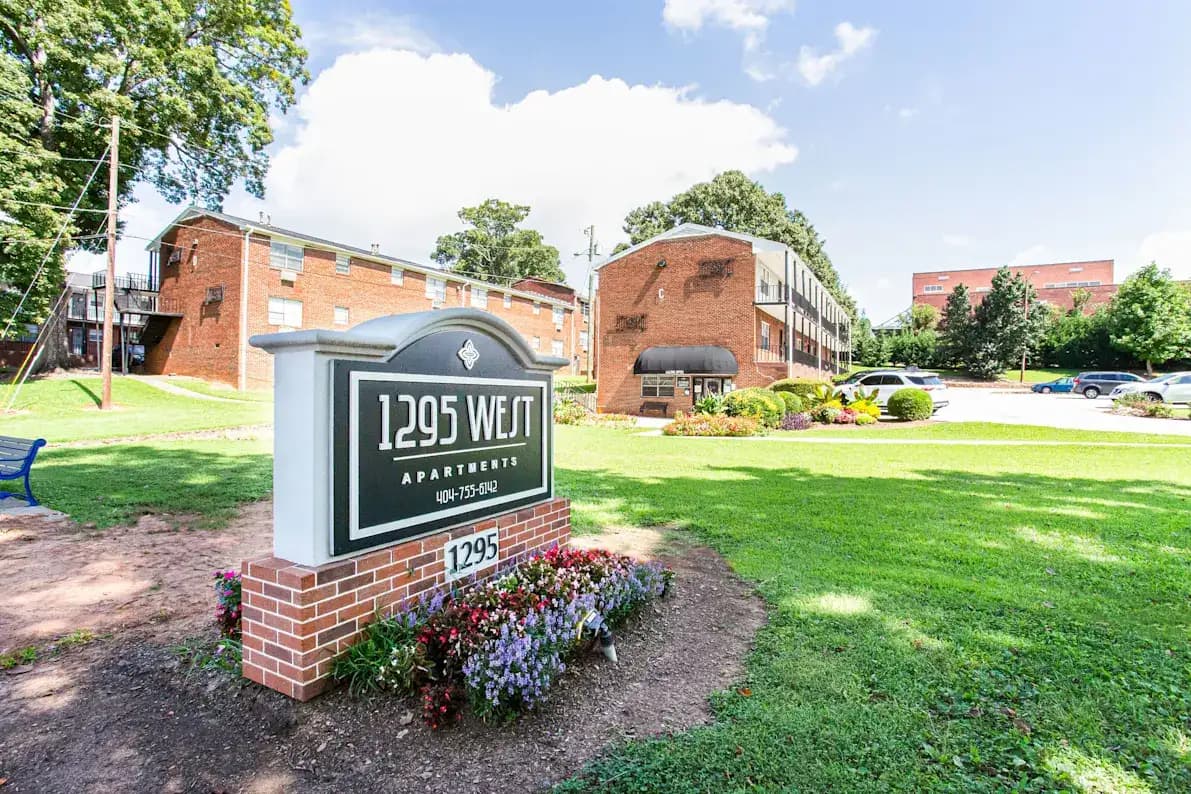
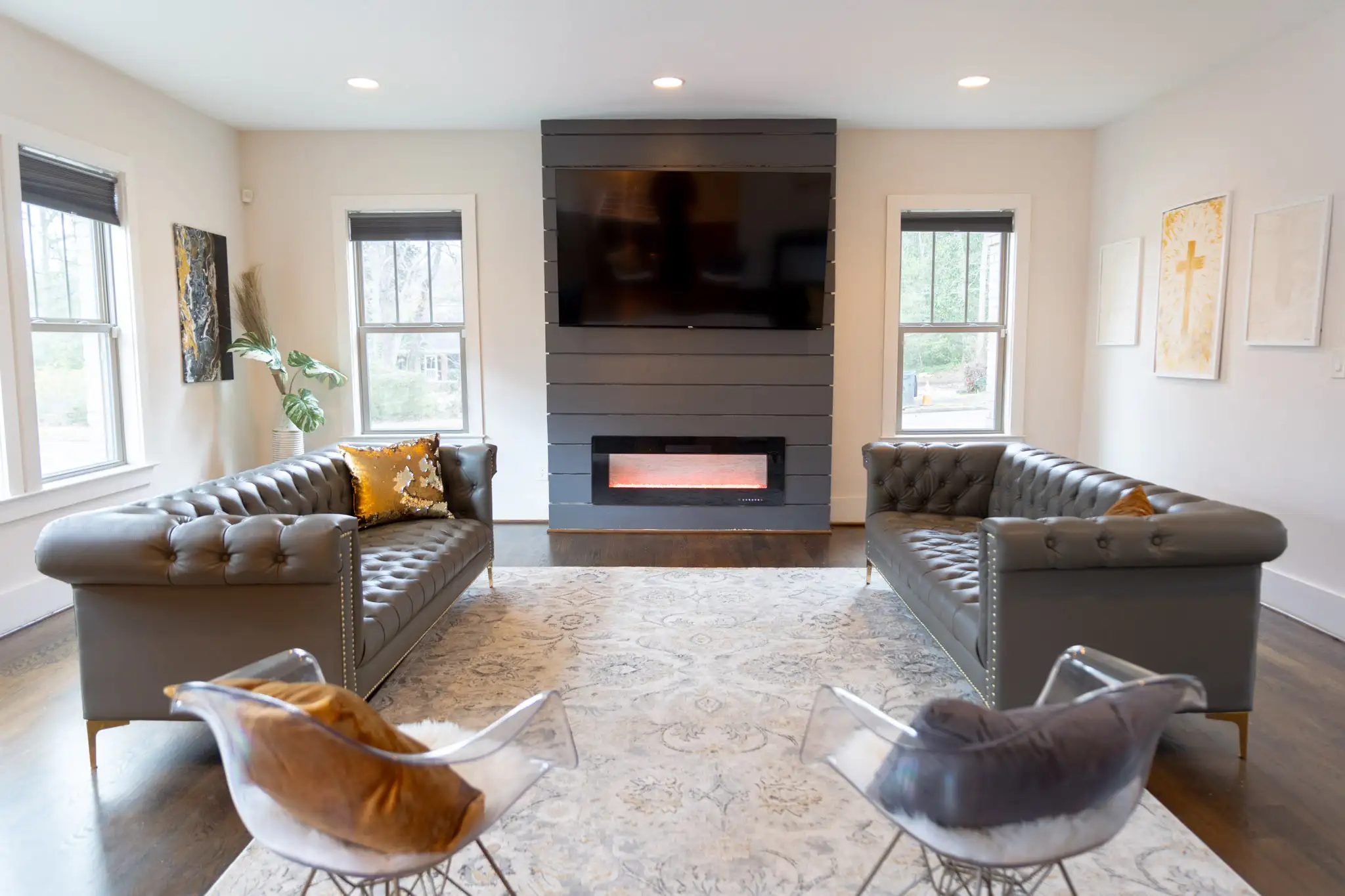
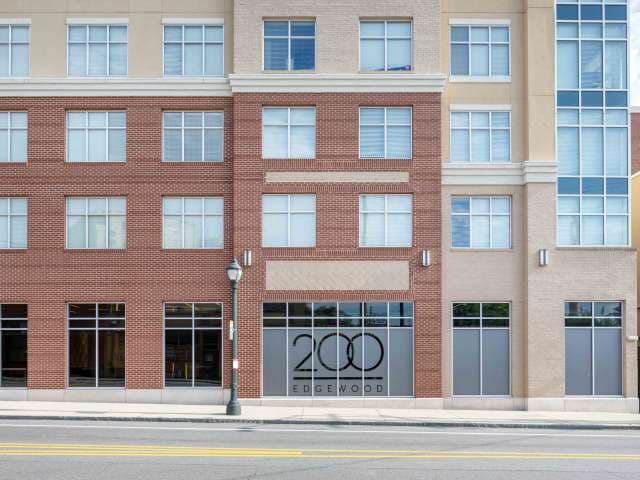
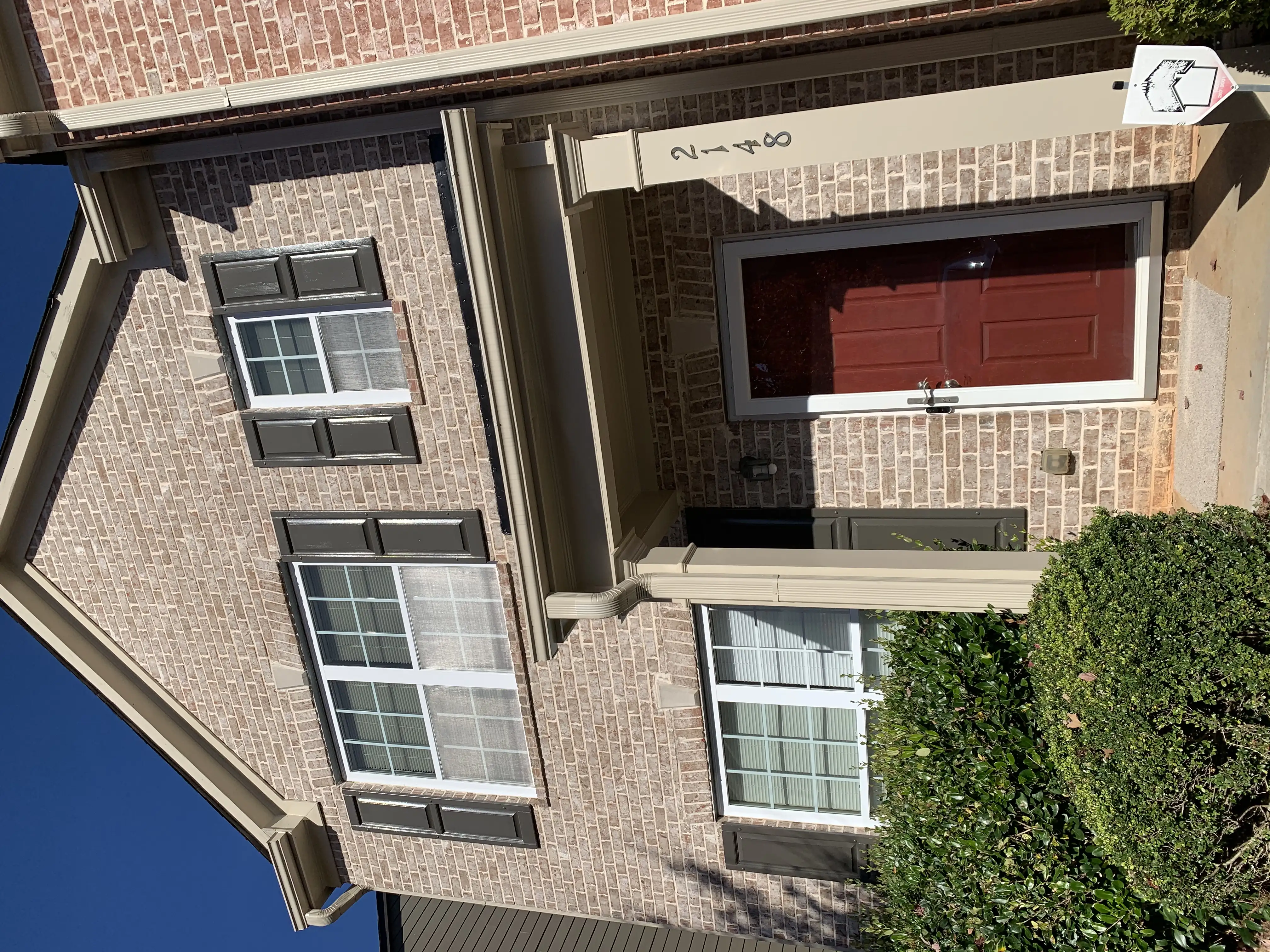
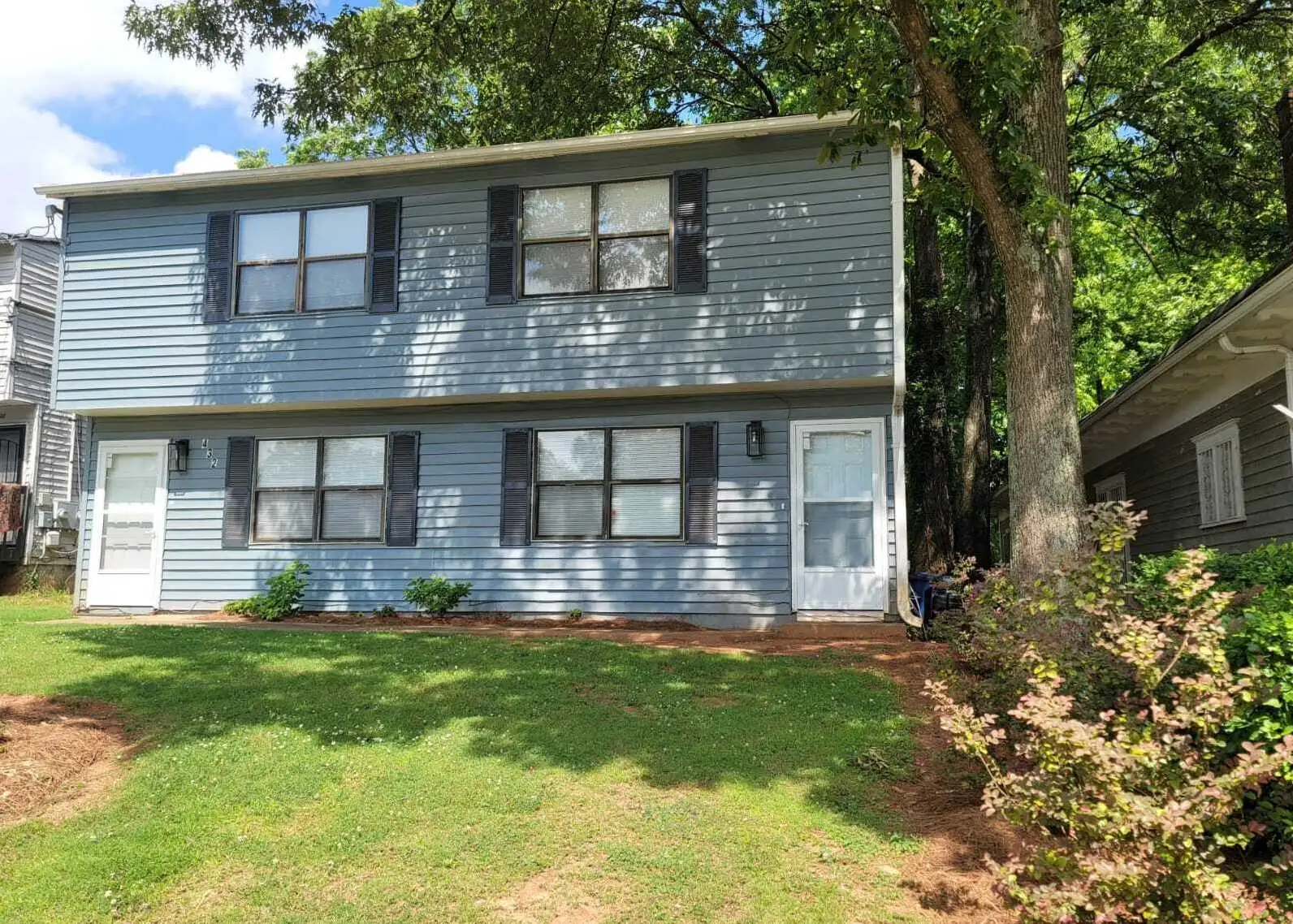
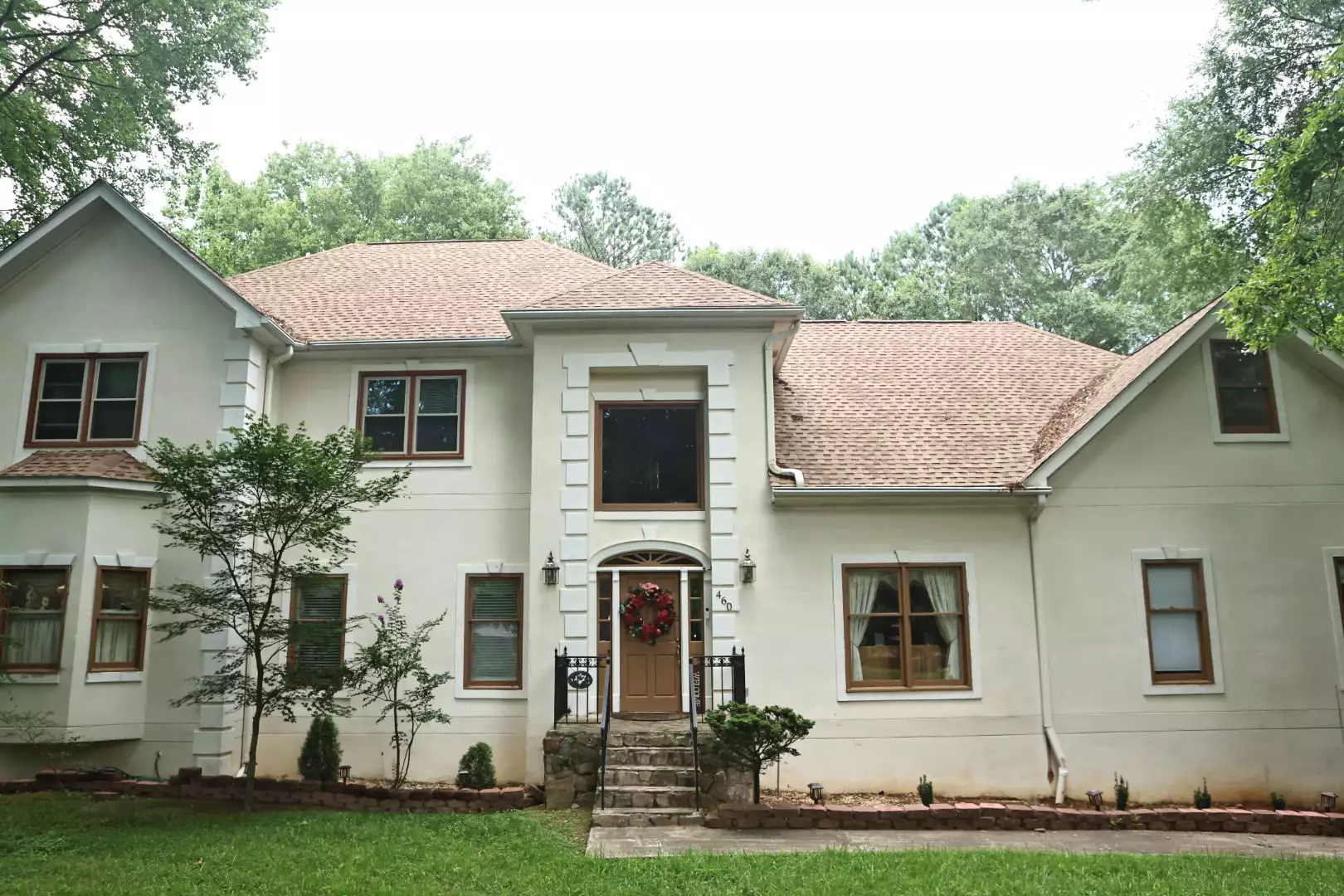
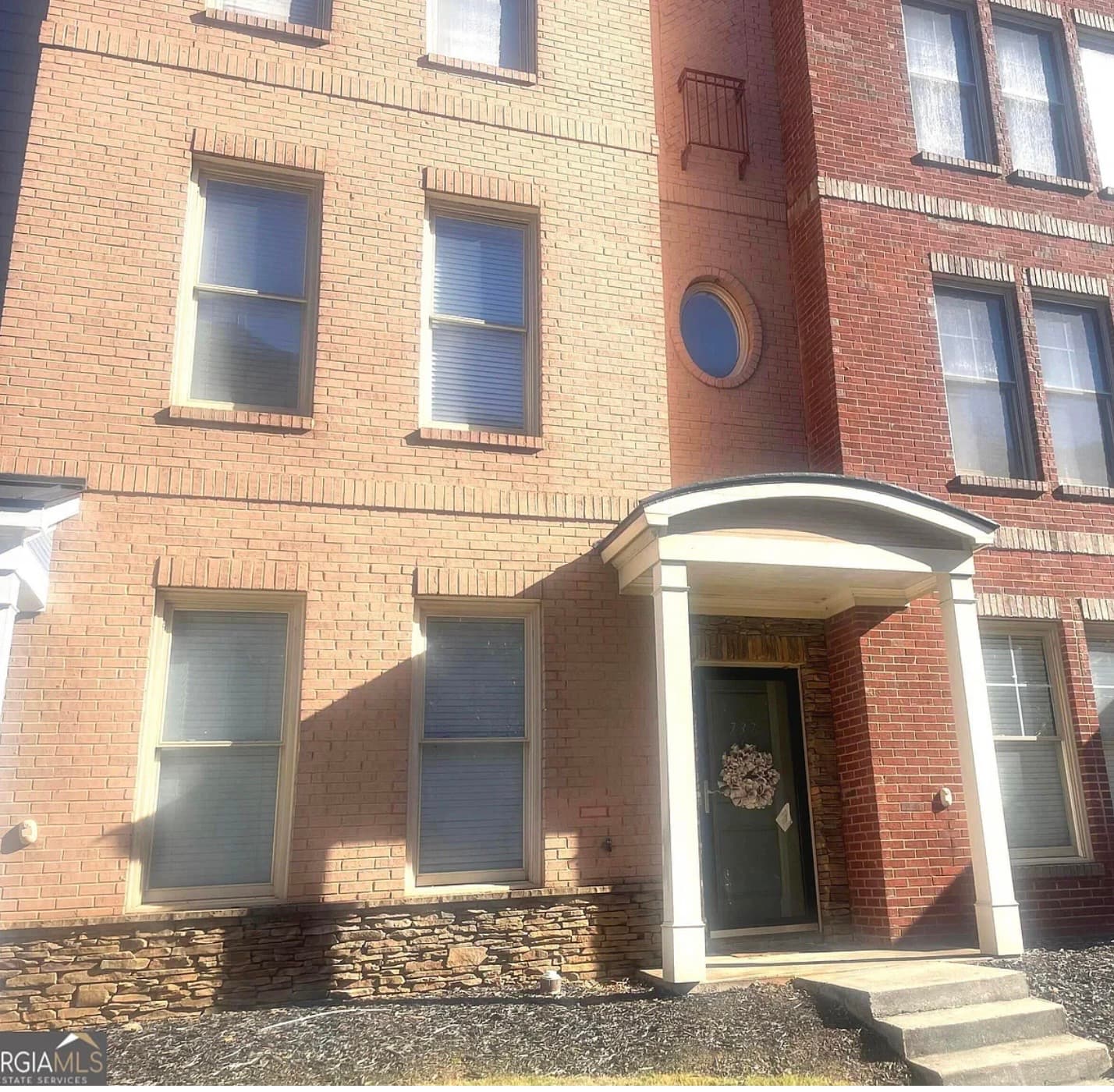
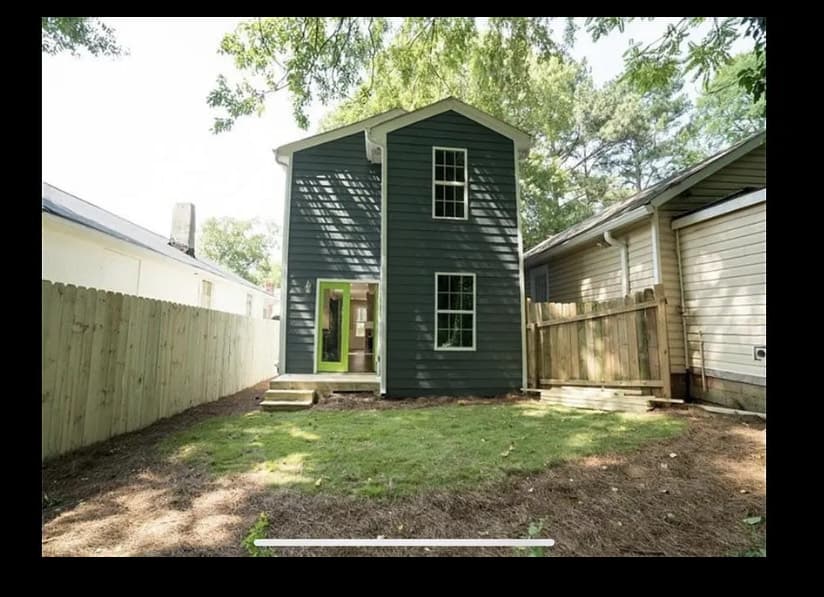
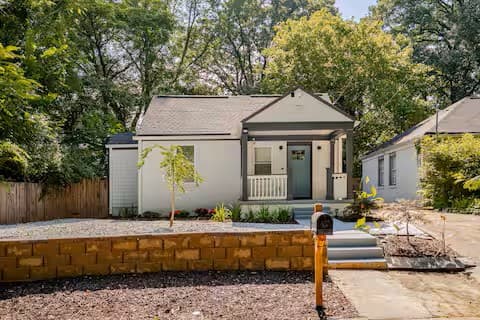
$930/unit
Fees may applyBeautiful Beltline Bungalow Walk to AUC
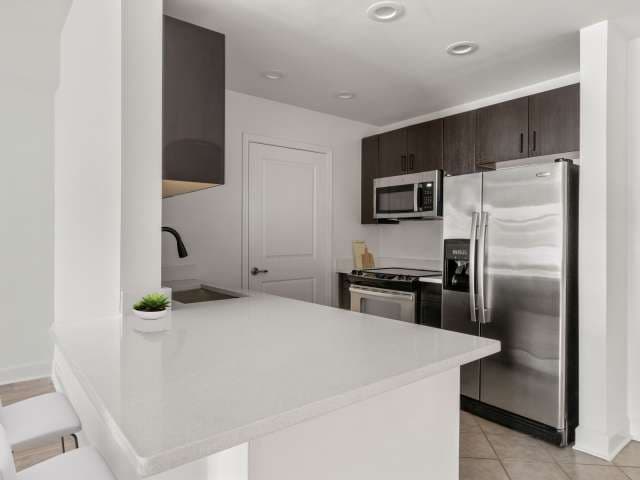
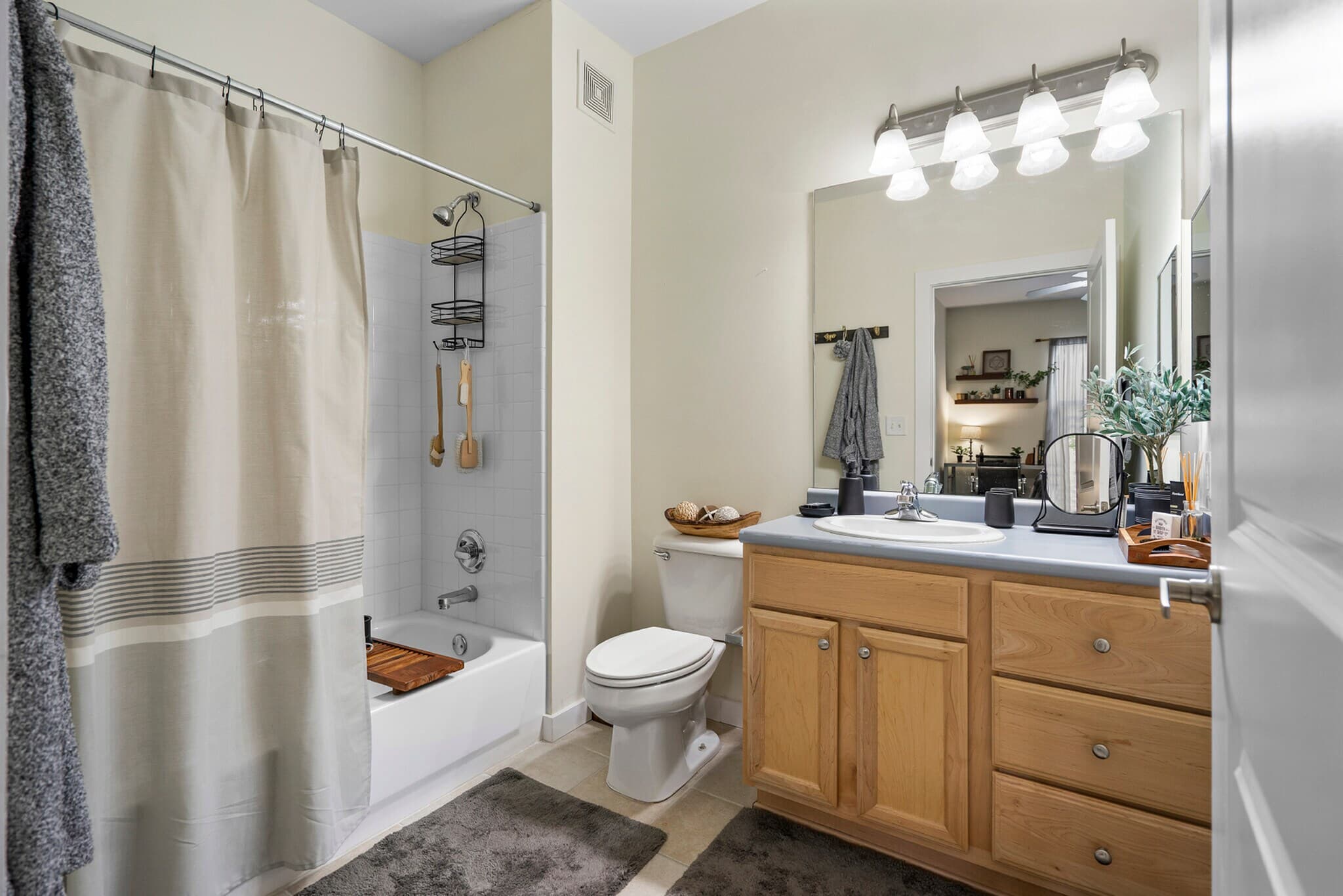
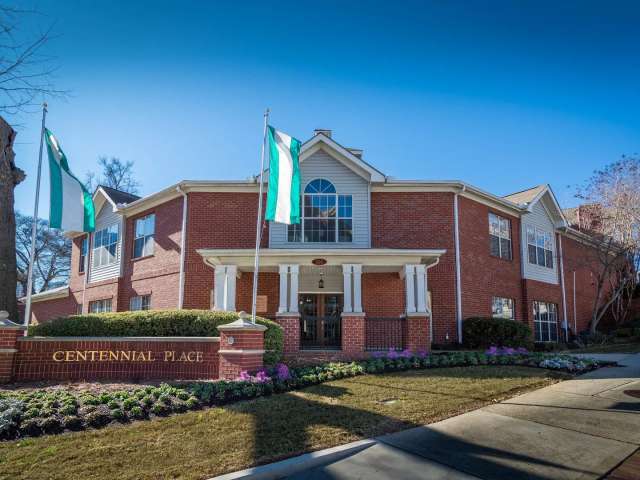
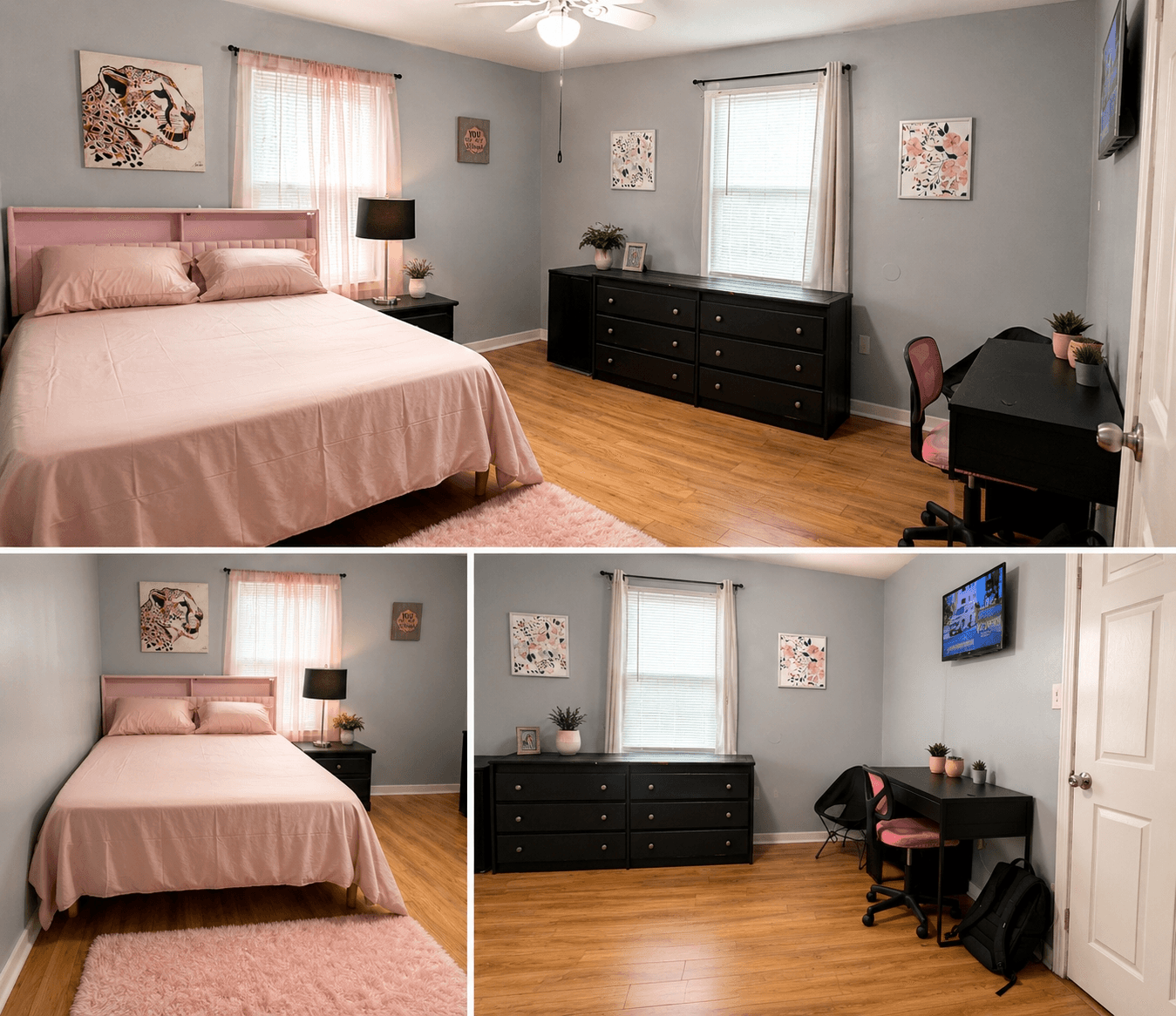
$700/unit
Fees may applyFully Furnished Female Rooms for Rent On Campus
About Off-Campus Housing Near Georgia State University
Georgia State University doesn't have a campus bubble because its campus is downtown Atlanta itself, with classroom buildings woven straight into the city grid. Hurt Park and Woodruff Park stand in for a quad, and Five Points station puts every MARTA line a few steps from class. The city does the heavy lifting for everything else: Centennial Olympic Park, the Georgia Aquarium, and Mercedes-Benz Stadium all sit within walking distance, and the Atlanta BeltLine is a quick hop for a run or a patio crawl. The College Football Hall of Fame stands across the street from campus, which feels about right for a school this stitched into the city. Panthers mostly commute, so student life here looks like real downtown life, not a gated quad.
Georgia State University Housing Requirements
Freshman Live-On Requirement
Georgia State University does not require freshmen to live on campus. It is a majority-commuter school where living off campus or at home from day one is the norm rather than the exception. On-campus housing holds only a small fraction of the Atlanta campus's 36,000-plus students, so first-years who want it should apply early because it genuinely fills.
Off-Campus Eligibility
There is no university approval or certification process for off-campus housing at GSU, so you are renting on the open Atlanta market. Downtown buildings vary wildly in management quality at similar prices, so dig into recent resident reviews instead of trusting the leasing-office tour. If you will commute to campus, check the building against the MARTA map first, because proximity to a station is the whole game here.
Lease Timing
The common path for students who start in the dorms is to move into a downtown student high-rise or a MARTA-line neighborhood by sophomore year. Most student high-rises and Atlanta apartments run standard annual terms, so confirm your dates before signing. Renting on the open market means your timing follows availability rather than a university housing calendar.
Housing policies change frequently. Always verify current requirements directly with Georgia State University before signing a lease.
When to Start Looking for Housing Near Georgia State University
Early Searchers
Atlanta runs on a hybrid calendar, and the student-focused high-rises downtown open fall preleasing the previous fall and winter. Their cheapest units are gone by spring, so if you want purpose-built student housing for an August move-in, look between November and March. Early searchers in this window capture both the best pricing and the closest-to-campus beds. Treating the downtown high-rises like a competitive market pays off in selection.
Peak Demand Window
Demand for purpose-built student housing peaks through winter and into early spring as the cheapest units sell out. Summer is the most competitive stretch for the general market, because the whole city moves between May and July, and student demand stacks on top of it. Most students at GSU hunting downtown beds are competing hardest before spring. Fall classes start in late August, setting the clock for everyone after a walkable address.
Last-Minute Options
The general Atlanta market, including apartments in Old Fourth Ward, Grant Park, and East Atlanta, turns over year-round on 30 to 60 day notice, a safety net classic college towns do not offer. Spring move-ins are easy because individual leases turn over every December. Spring semester starts in mid-January, opening up turnover units. Late searchers should weigh nearness to MARTA over nearness to campus, because a cheaper apartment one station out usually beats an expensive one three blocks closer.
Neighborhoods Near Georgia State University
Downtown
Student high-rises within a few blocks of class, the closest thing GSU has to a campus bubble.
Old Fourth Ward
BeltLine territory just east of downtown, pricier but the upgrade people happily pay for.
Grant Park
Quieter streets and split houses southeast of campus, where the group-house math works best.
Frequently Asked Questions: Off-Campus Housing Near Georgia State University
Common questions from students searching for housing.
Shared rooms near GSU typically run $700-$1,000/month. Downtown student high-rises sit at the top of that range with utilities often bundled; splitting a house in Grant Park or East Atlanta can land below it. Compare total monthly cost, not sticker rent.
Yes. GSU has no live-on requirement, and most students commute or live off campus from the start. The dorms exist and fill up fast, but nobody's required to be in them.
Downtown high-rises for the shortest walk, Edgewood Avenue and Old Fourth Ward for walkable city living, Grant Park for group houses, and all over metro Atlanta along MARTA lines. GSU is a commuter school at heart, so 'near campus' stretches as far as the trains do.
No, and that's rare for the South. Five Points station anchors campus and connects every MARTA line, so a transit pass covers most of metro Atlanta. A car helps for neighborhoods like East Atlanta, but downtown students mostly skip the parking costs entirely.
November through March for the downtown student high-rises, since their cheapest units go first and prices climb as buildings fill. The general Atlanta market runs on 30-60 day notice year-round, so late shoppers still land somewhere decent.
Often, yes: a shared room at $700-$1,000/month plus groceries usually compares well against on-campus room and board, and you skip the meal plan. The trade-off is a 12-month lease versus an academic-year housing contract, so do the full-year math.
It's a downtown core, so it varies block by block and feels different at 2 p.m. versus 2 a.m. GSU's police force patrols a wide area around campus and most student buildings run controlled access. Walk the block at night before signing, and weight recent resident reviews over the tour.
Most do unless you show income around three times the rent. The student high-rises process parent guarantors as a matter of routine, and some accept a larger deposit instead. Standard Atlanta apartments are stricter, so bring a guarantor lined up either way.
Yes. Individual leases in the student high-rises turn over in December, and sublets circulate in student groups all fall. Start looking in October for a January move-in and you'll have legitimate options, often at a discount from someone desperate to get off their lease.
That's what most Panthers do. MARTA park-and-ride stations make train commutes practical from Sandy Springs, Decatur, College Park, and beyond, and Five Points drops you in the middle of campus. Living at home and riding in remains the cheapest housing plan GSU offers.
More Housing Near Georgia State University
Search by Room Type
Search by Lifestyle
Other Universities in Atlanta
Other universities in Atlanta share a similar off-campus housing market.
Clark Atlanta University
Clark Atlanta University is a private historically Black university in Atlanta's Vine City neighborhood, west of downtown. Founded in 1988 through the consolidation of Clark College and Atlanta University, CAU sits at the heart of the Atlanta University Center Consortium alongside Morehouse, Spelman, Morris Brown, and…
View housing near Clark Atlanta UniversityEmory University
Emory University sits in the historic Druid Hills neighborhood of Atlanta, with about 14,000 students on a leafy campus of quads and red-brick buildings. Druid Hills is gorgeous and green, full of stately old homes and mature trees, and Emory's own Lullwater Preserve gives students miles of trails, a lake, and a forest…
View housing near EmoryGeorgia Institute of Technology-Main Campus
The Georgia Institute of Technology sits right in Midtown Atlanta, which means its 45,000 Yellow Jackets get a real campus and a major city in the same few blocks. Tech Square spills across the highway into a cluster of startups, coffee shops, and the late-night study spots an engineering school runs on. Piedmont Park…
View housing near Georgia TechMorehouse College
Morehouse College is a private historically Black liberal arts college for men located at 830 Westview Dr SW in the West End area of Atlanta, Georgia. With an enrollment of approximately 2,500 students, Morehouse is one of the most respected HBCUs in the United States and is a founding member of the Atlanta University…
View housing near Morehouse CollegeSpelman College
Spelman College is a prestigious historically Black liberal arts college for women in Atlanta, Georgia, regarded as one of the leading HBCUs in the country. Founded in 1881, Spelman enrolls about 2,200 undergraduates in rigorous programs spanning the arts, sciences, humanities, and social sciences within a community…
View housing near Spelman Collegefind my place guides for Georgia State
Curated recommendations from students who’ve been there.
See how students rate the places near Georgia State on social life, management, and quality before you tour.
Read student housing reviews near Georgia State →More on off-campus housing near Georgia State
- Find
Georgia State Off-Campus Housing Cost by Neighborhood
Georgia State off-campus housing costs about $809 to $1,550 a month per bed in Atlanta's student towers, and where you live sets the price. Downtown towers within half a mile of class start at $809 to $1,019 a bed, while Midtown's Spring Street towers start at $1,115 to $1,399.
October 4, 2026read more → - Find
Georgia State Has No Campus Edge: How Downtown Atlanta Students Pick a Neighborhood
Georgia State students should pick a neighborhood by how close it is to a MARTA station, not by how close it is to campus, because GSU has no campus edge. Your realistic choices are the downtown core (per-bed student towers from about $809), Summerhill, Castleberry Hill, West End, and Midtown's Spring Street corridor.
September 30, 2026read more →