Student Housing in Greensboro, NC
Student Housing in Greensboro, NC
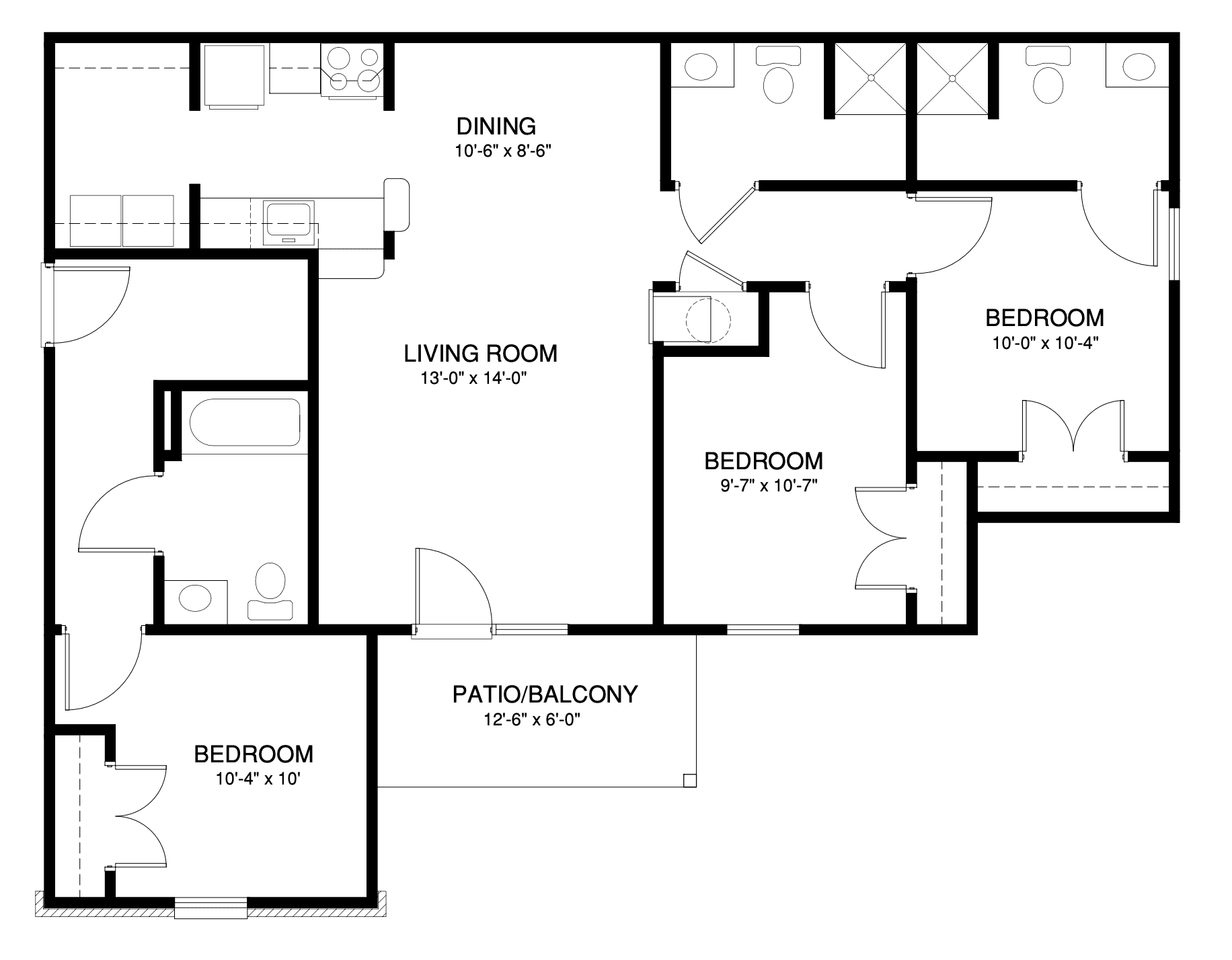
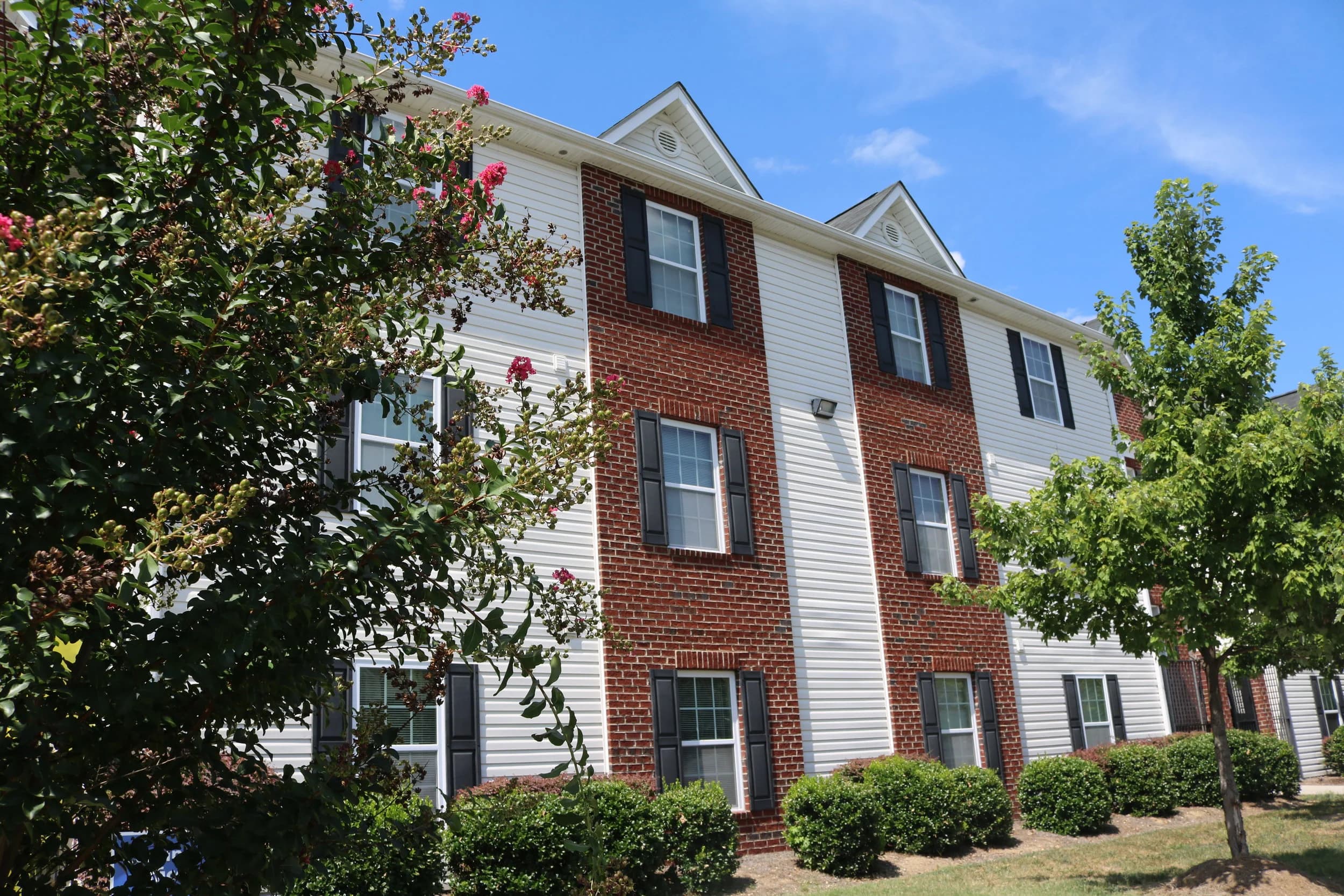

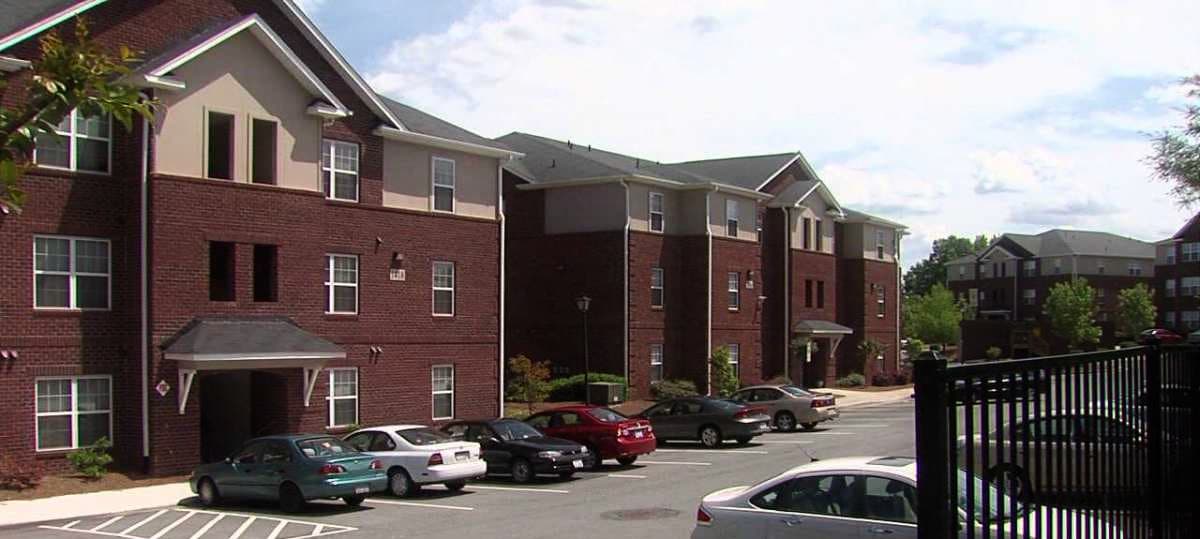
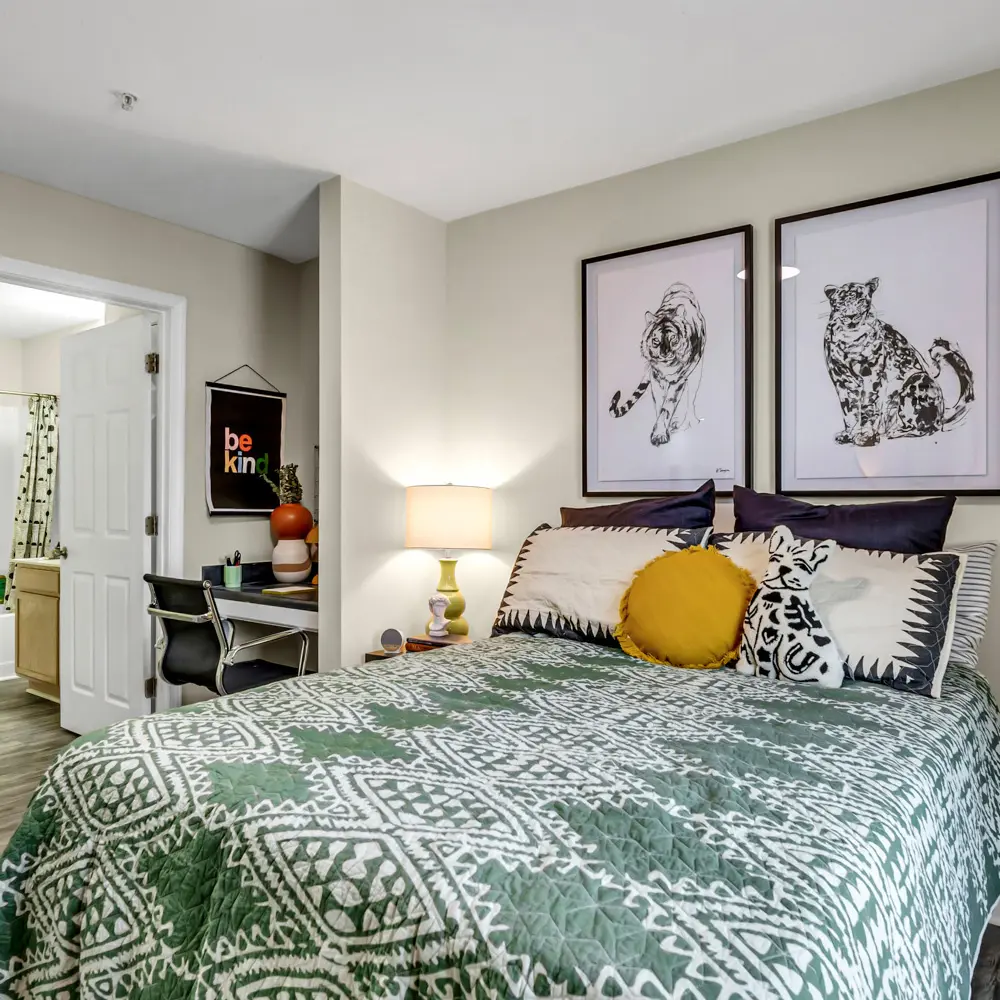
$585+/unit
Fees may applyThe School at Spring Garden and Spartan Place Apartments

About Student Housing in Greensboro
Greensboro, North Carolina is the Triad's biggest city, and it runs on students. UNC Greensboro and North Carolina A&T anchor a young, energetic crowd you'll feel from College Hill to Spring Garden Street. The city spreads out more than it stacks up, so you get tree-lined blocks and historic districts. Tate Street is the unofficial student drag near UNCG, while A&T keeps the east side lively. Downtown has filled in around LeBauer Park and Center City Park, where free movies, music, and farmers markets pull crowds all year. The Downtown Greenway loops four miles past the city's oldest parks, and Country Park adds trails and a lake. Add a packed festival calendar and a genuine college-town feel, and Greensboro fits people figuring things out.
Best Neighborhoods for Students in Greensboro
College Hill
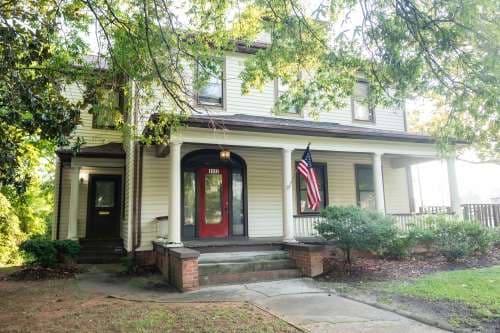
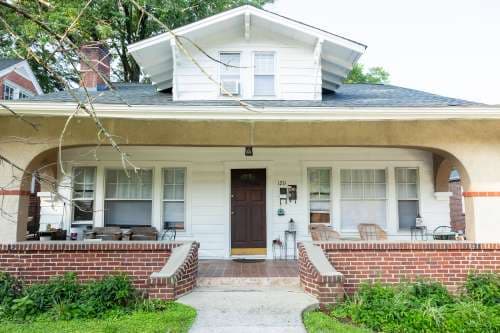
Sitting right against UNCG, this is the classic walk-to-class pick, full of older homes, porches, and a steady student crowd.
Spring Garden Street
Running along the south edge of UNCG, this strip packs apartments, eateries, and bus stops into a tight, convenient corridor.
Lindley Park
Just west of campus, it trades dorm energy for leafy streets and a quieter, settled feel while staying minutes from UNCG.
Getting Around Greensboro as a Student
Here's what you need to know about getting around Greensboro.
Public Transit
The Greensboro Transit Authority runs the public bus network across the city. The HEAT program gives students at participating schools free rides between UNCG, A&T, and downtown. Most off-campus complexes sit on a bus line, so getting to campus is simple from the central neighborhoods. Service thins toward the suburbs, so check routes if you live farther out.
Walking and Biking
Walkability is strongest around campus: College Hill, Tate Street, and Spring Garden are easy on foot, and you can knock out class, coffee, and groceries without your car. Biking works on the flatter corridors. The four-mile Downtown Greenway connects neighborhoods to the city center on a paved, car-free loop. The central neighborhoods are the easiest to get around without driving.
Parking
Greensboro is a drive-most-places city, so a car helps once you live beyond the campus core. Live farther out toward the suburbs and you'll want one, since service thins. Parking is generally manageable away from the densest student blocks. Confirm permit rules with your complex or school before relying on a spot.
Frequently Asked Questions: Student Housing in Greensboro
Common questions from students searching for housing.
It depends on the bedroom count and how close you are to campus. Shared rooms in older College Hill houses run cheaper, while newer purpose-built complexes near UNCG ask more. Citywide, two-bedroom apartments average around $1,400 a month, and splitting a unit with roommates is how most students get their share down to a comfortable number.
College Hill and Spring Garden are the go-to picks for walking to UNCG. Lindley Park and Glenwood offer a calmer, more residential vibe nearby. Near A&T, the blocks around campus and toward downtown keep you close to class and the city center.
Not if you live near campus. The GTA bus network plus the student HEAT program covers UNCG, A&T, and downtown for free, and central neighborhoods are walkable. If you settle in the suburbs, a car makes life a lot easier.
Very close. College Hill and Spring Garden put you within a short walk of UNCG, and A&T students can find rentals a few blocks from campus. Many off-campus complexes also sit directly on a bus line.
The core student neighborhoods are generally fine, but conditions vary block to block, as in any mid-size city. Visit at night before signing, check lighting and parking, and ask current tenants how they feel walking home after dark.
Start in late fall or early spring for a fall move-in. The best College Hill houses and popular complexes near UNCG fill first, so touring in January or February beats the spring scramble.
Most off-campus complexes run 12-month leases, and several purpose-built communities lease by the bed, so you're only responsible for your own room. Older houses sometimes offer joint leases, which means roommates share liability, so read the fine print.
On top of rent, expect roughly $120 to $220 a month for electricity, water, internet, and gas, depending on the season and how many roommates split the bill. Older College Hill houses with window units can spike in summer, so ask about average power costs before signing.
Yes. By-the-bed complexes near UNCG match you with roommates if you don't have your own, and student Facebook groups stay busy with sublet listings each semester, especially for summer terms and study-abroad gaps.
It's a true college town with two big campuses and a downtown that's grown up around LeBauer Park. Between the four-mile Downtown Greenway, Country Park, and a packed festival calendar, you get city amenities without big-city prices or commutes.
Find Housing by University in Greensboro
Browse student housing near each Greensboro-area university.
Search Greensboro Student Housing by…
Room Type
Lifestyle
See how students rate apartments in Greensboro, NC on social life, management, and quality before you tour.
Read student apartment reviews in Greensboro, NC →