Off-Campus Housing Near Illinois Wesleyan University
Off-Campus Housing Near Illinois Wesleyan University

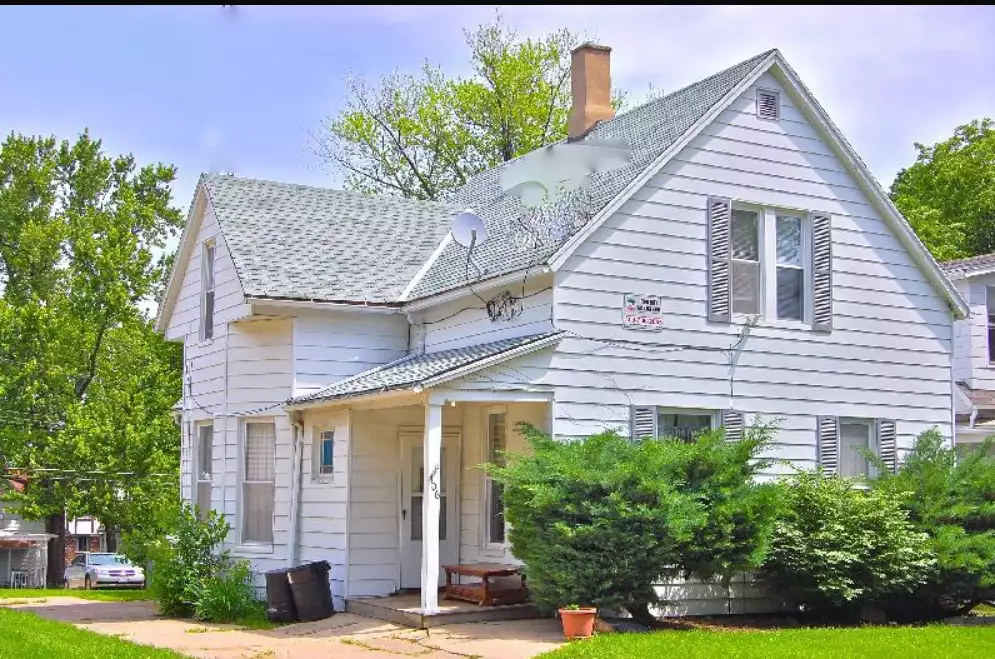
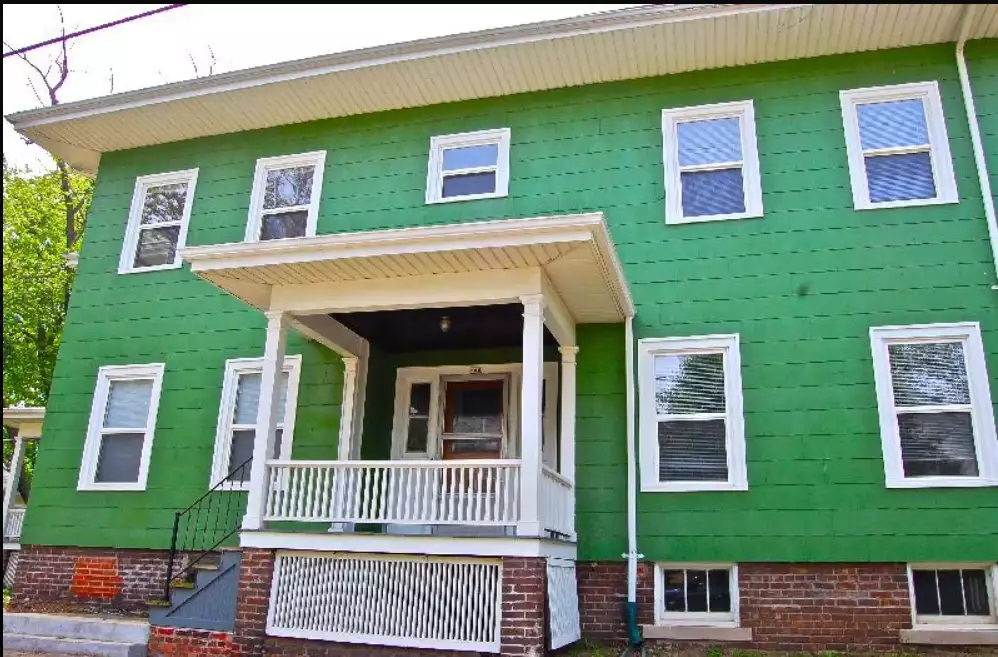
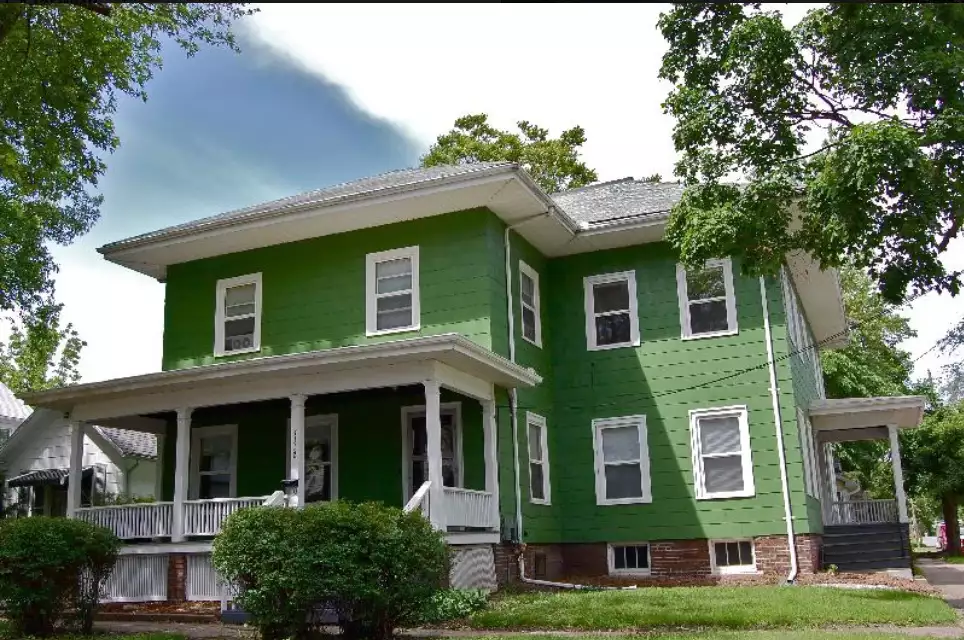
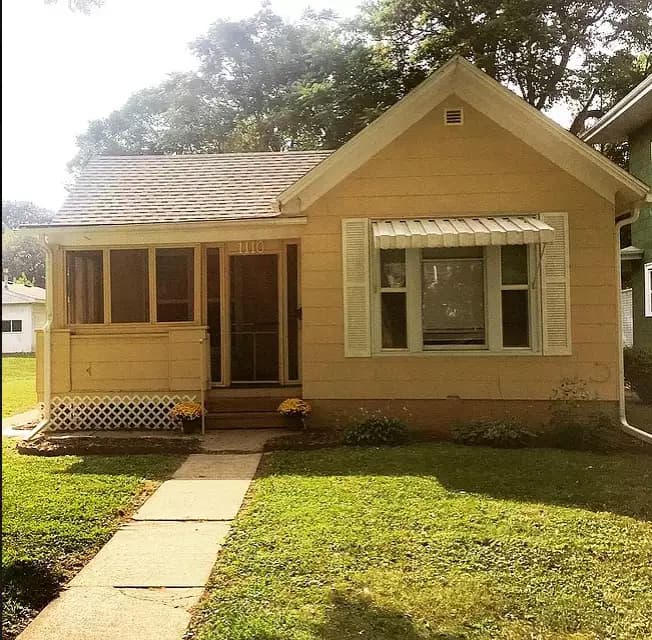
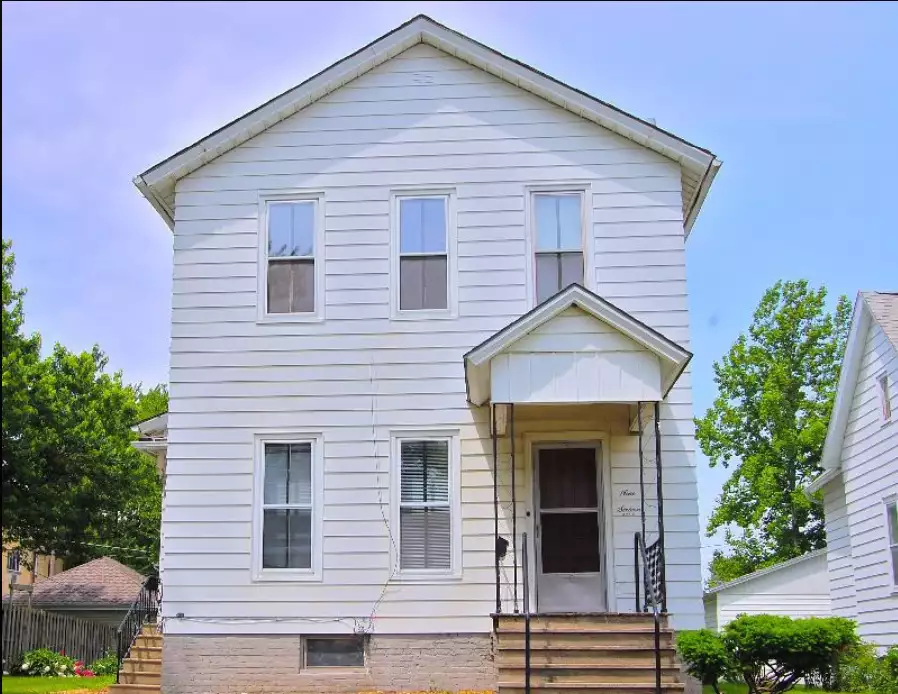
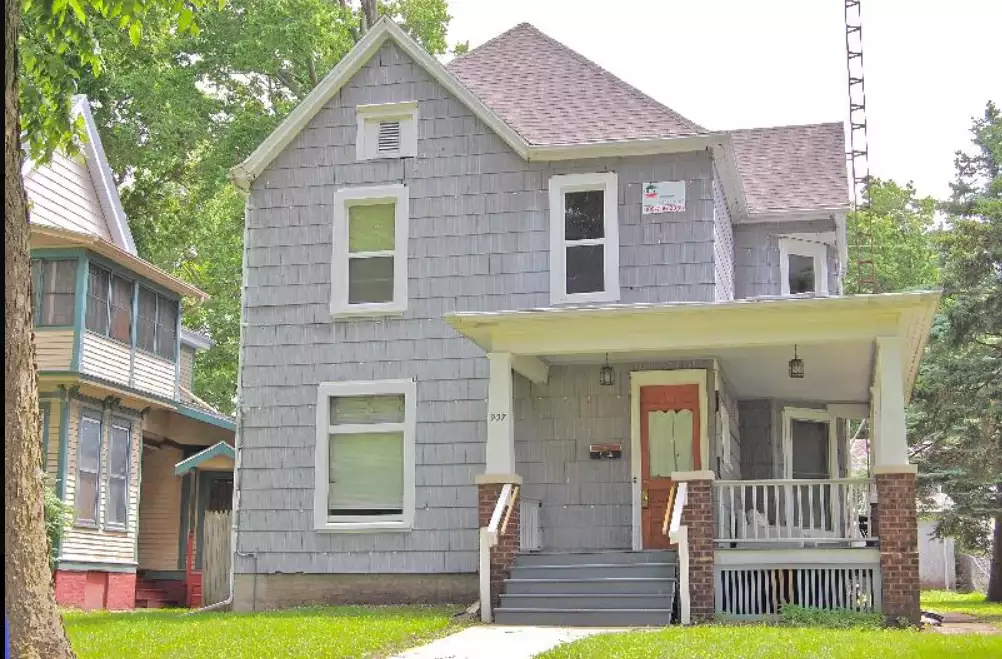
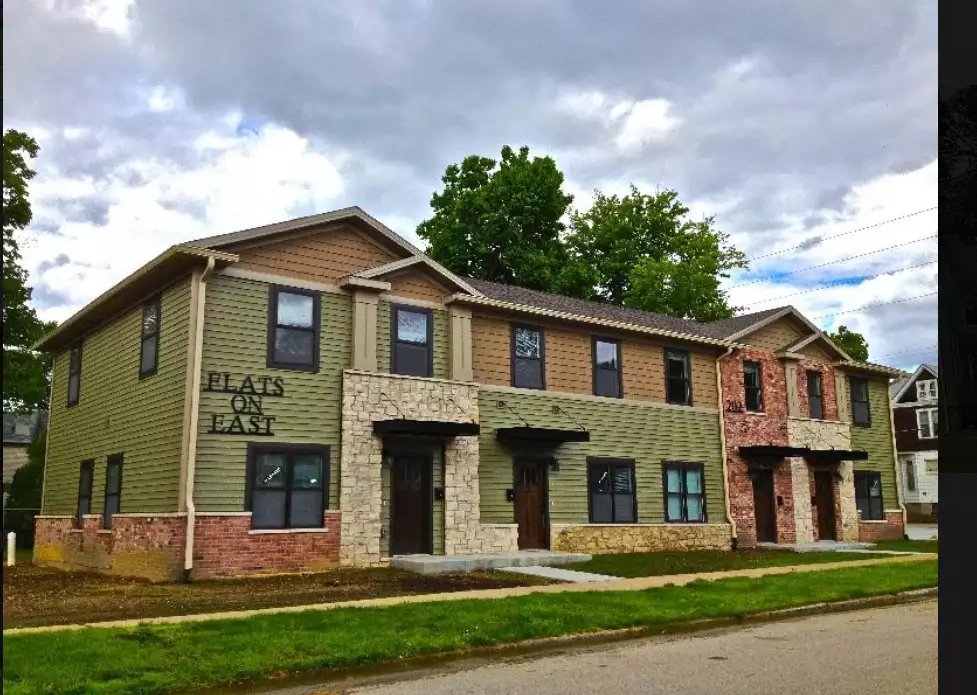
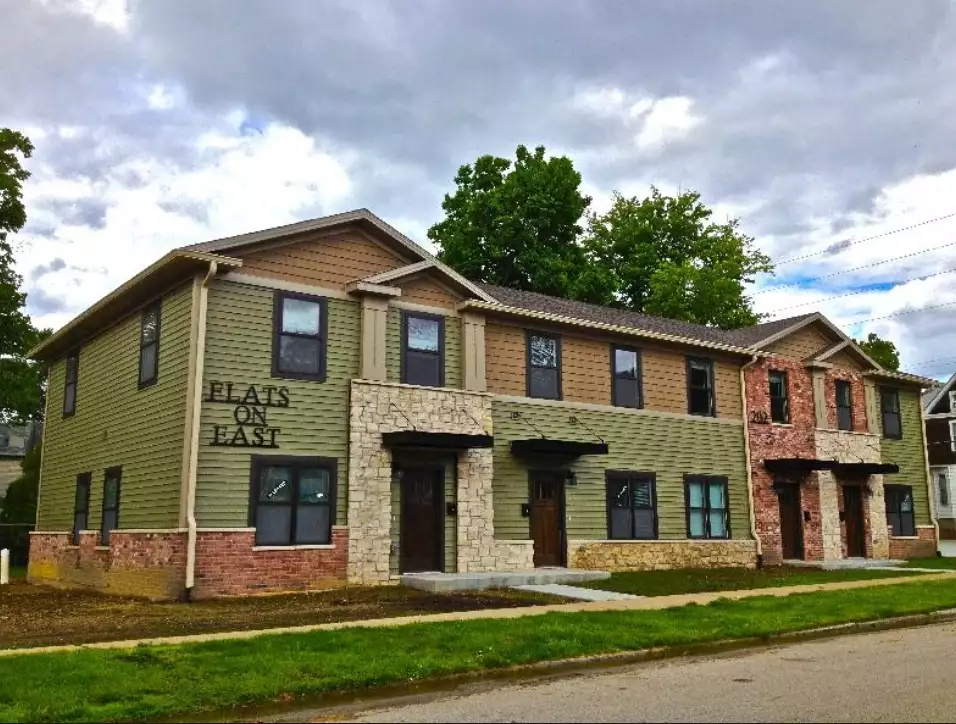
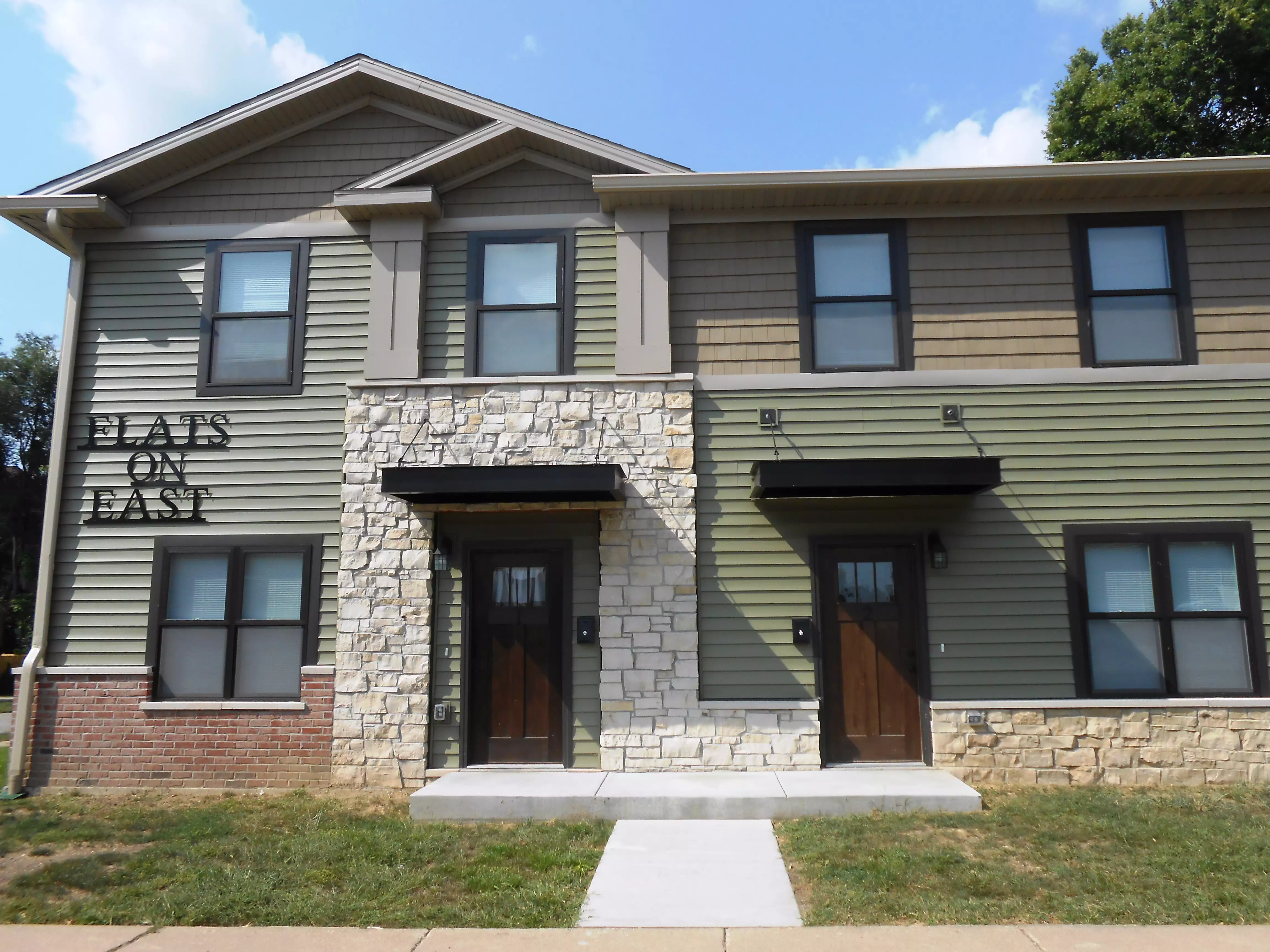
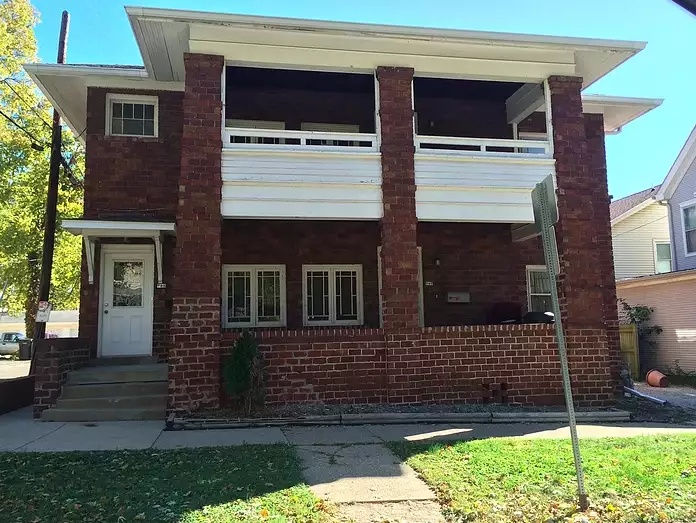
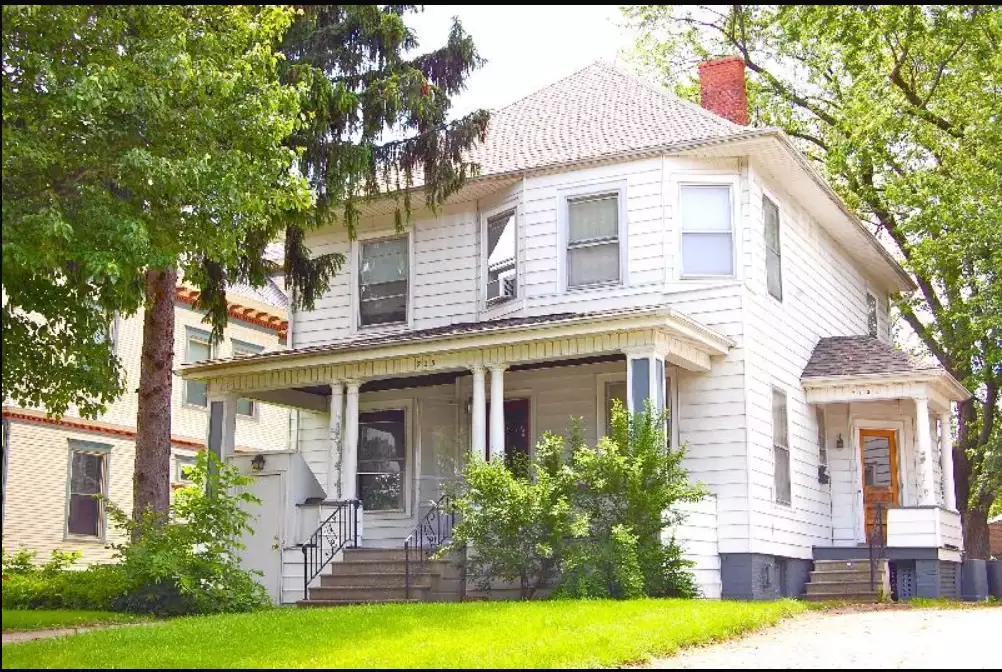

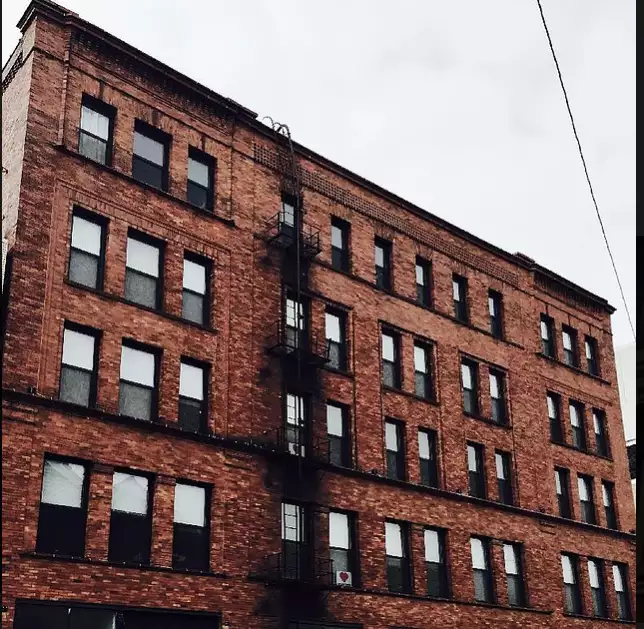
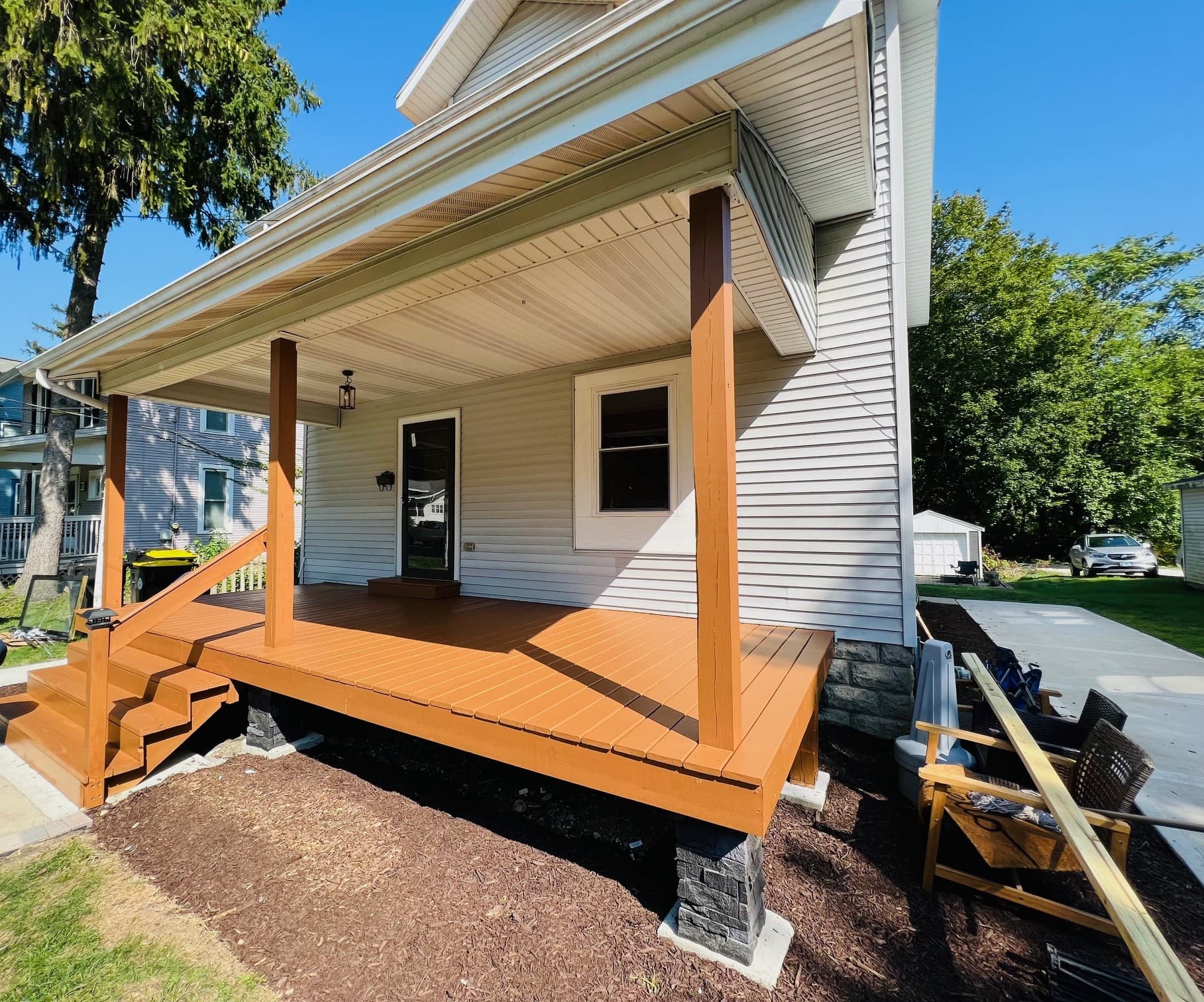
email me if my perfect place pops up
We'll reach out the moment one matches everything you asked for
About Off-Campus Housing Near Illinois Wesleyan University
Illinois Wesleyan University is a private liberal arts institution located in Bloomington, Illinois, enrolling roughly 1,700 undergraduate students. Founded in 1850, IWU emphasizes close faculty-student relationships across its strong programs in the arts, sciences, and business. The Bloomington-Normal metro area gives students access to a lively college-town scene shared with neighboring Illinois State University in Normal, so restaurants, coffee shops, and entertainment options are plentiful. The campus sits on a compact, walkable footprint along North Park Street, and off-campus neighborhoods like Tipton Park and Franklin Park are just a short walk or bike ride away. Students benefit from a tight-knit community feel while still having the resources of a mid-sized Illinois city close at hand.
Illinois Wesleyan University Housing Requirements
Freshman Live-On Requirement
Illinois Wesleyan requires all first-year students to live in university-owned residence halls for their first academic year. Exceptions are granted only for students who commute from a parent or guardian's home within a defined local radius.
Off-Campus Eligibility
Students who have completed their freshman year are generally eligible to seek off-campus housing. Most sophomores choose to remain on campus in university apartments, while juniors and seniors make up the bulk of the off-campus rental market around IWU.
Lease Timing
Because the Bloomington rental market caters to both IWU and Illinois State University students, properties near campus fill up quickly. Most students sign leases for the following academic year between January and March to secure their preferred unit before options run thin.
Housing policies change frequently. Always verify current requirements directly with Illinois Wesleyan University before signing a lease.
When to Start Looking for Housing Near Illinois Wesleyan University
Early Searchers
Students who want the best selection of apartments near Illinois Wesleyan should begin their search in October or November of their sophomore year. Starting early gives you time to tour multiple properties, compare lease terms, and lock in a unit before the January rush begins. Landlords in the Tipton Park and Franklin Park areas often show units to early inquirers and will negotiate on move-in dates for committed tenants.
Peak Demand Window
The busiest rental period around IWU runs from January through March. During these months, the most desirable one- and two-bedroom apartments within walking distance of campus are claimed quickly, and competition from Illinois State students in Normal adds indirect pressure to the broader metro inventory. Expect to make decisions within a few days of touring a unit you like.
Last-Minute Options
Students who find themselves searching in April, May, or over the summer are not without options. Sublets become available as outgoing seniors depart, and some landlords re-list units that fell through. Craigslist, Facebook housing groups, and the IWU off-campus housing board are good sources for these late-breaking listings.
Neighborhoods Near Illinois Wesleyan University
Tipton Park
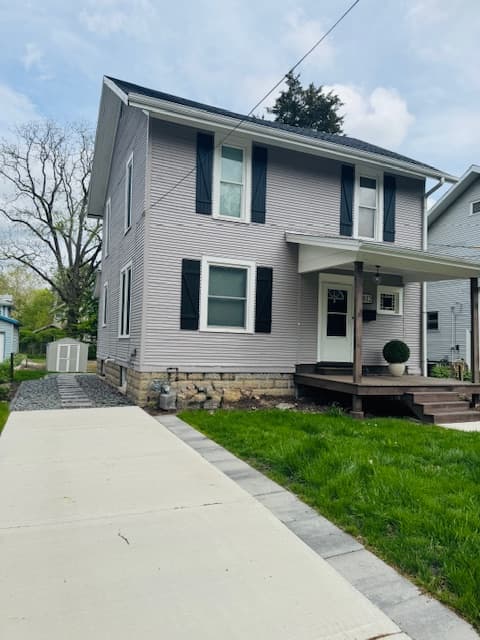
This residential neighborhood sits immediately east of campus and is the most popular choice for IWU upperclassmen. Older single-family homes and duplexes line quiet streets within easy walking distance of the academic buildings.
Franklin Park
Located just north of the IWU campus, Franklin Park offers a mix of apartments and rental houses at moderate price points. The area is safe, walkable, and close to several coffee shops and casual dining spots along North Main Street.
Downtown Bloomington
The historic downtown district is about a mile south of campus and accessible by bike or bus. Students who enjoy walkable access to restaurants, bars, and live music venues often choose apartments in the blocks surrounding the Bloomington Center for the Performing Arts.
Eastside Bloomington
For students who own a car, the eastside offers larger apartments and lower per-bedroom rents than the neighborhoods immediately adjacent to campus. The tradeoff is a 10-to-15-minute drive to class.
Frequently Asked Questions: Off-Campus Housing Near Illinois Wesleyan University
Common questions from students searching for housing.
Off-campus apartments near IWU in Bloomington, IL typically range from about $600 to $900 per month for a one-bedroom unit, while shared two- and three-bedroom houses often break down to $400 to $600 per person. Costs are lower than in larger Illinois university cities, making the area relatively affordable for students.
No. Illinois Wesleyan University is a private liberal arts school located in Bloomington, Illinois. Indiana University is a separate institution located in Bloomington, Indiana. The two schools share a city name but are entirely distinct universities with no affiliation.
Yes. Illinois Wesleyan requires all first-year students to reside in university residence halls unless they are commuting from a parent or guardian's home within the approved local distance.
Tipton Park to the east and Franklin Park to the north are the two residential neighborhoods directly adjacent to campus. Both are popular with juniors and seniors and offer walkable access to classrooms and campus facilities.
Illinois State University is located in Normal, the neighboring city that forms the Bloomington-Normal metro. While most ISU students rent near the ISU campus in Normal, the shared metro means some landlords market to both student populations, and overall housing demand in the area is higher than it would be for a single-school town.
The IWU campus itself is compact and walkable. Connect Transit operates bus service linking Bloomington and Normal, and students can reach downtown Bloomington and most near-campus neighborhoods on foot or by bike. A car becomes helpful for reaching grocery stores, employment, or destinations further from campus.
Most leases for off-campus housing near IWU begin on August 1, aligning with the late-summer move-in window before fall semester. Some landlords offer May or June start dates for students who need to move in after spring finals.
Water and trash removal are often included in rent near the IWU campus. Gas and electricity are usually billed separately, and tenants should budget an additional $60 to $120 per month for utilities depending on the season and apartment size.
Furnished units are relatively rare in the Bloomington off-campus market. Most rentals are unfurnished, so students should plan to bring or purchase furniture. Some upperclassmen arrange sublets that come with furniture left by previous tenants.
Pay close attention to the lease end date, subletting policies, and who is responsible for lawn care or snow removal. Confirm whether the landlord requires a co-signer, review the security deposit terms, and document any existing damage before moving in to protect your deposit.
More Housing Near Illinois Wesleyan University
Search by Room Type
Search by Lifestyle
See how students rate the places near Illinois Wesleyan University on social life, management, and quality before you tour.
Read student housing reviews near Illinois Wesleyan University →