Off-Campus Housing Near Lansing Community College
$983+/unit
Fees may apply1855 Place
$620+/unit
Fees may apply25 East Apartments
$1,628+/unit
Fees may applyCoolidge Place Townhomes

$885+/unit
Fees may applyHub on Campus East Lansing

$1,549+/unit
Fees may applyLandmark on Grand River
$1,600/unit
Fees may applyThe Quarters East Lansing
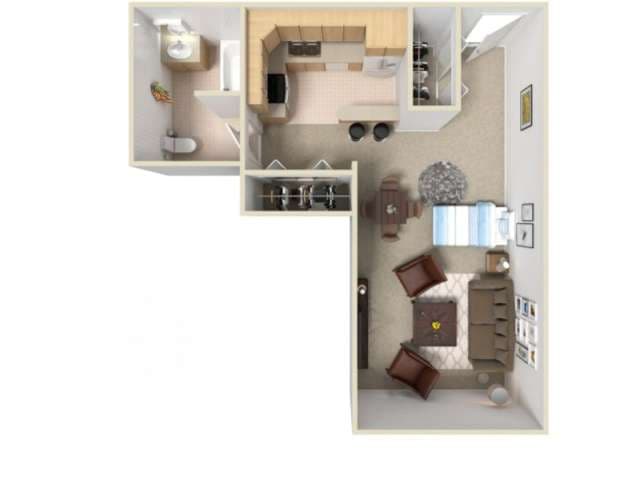
$725+/unit
Fees may applyAbbot Manor (910 Apartments
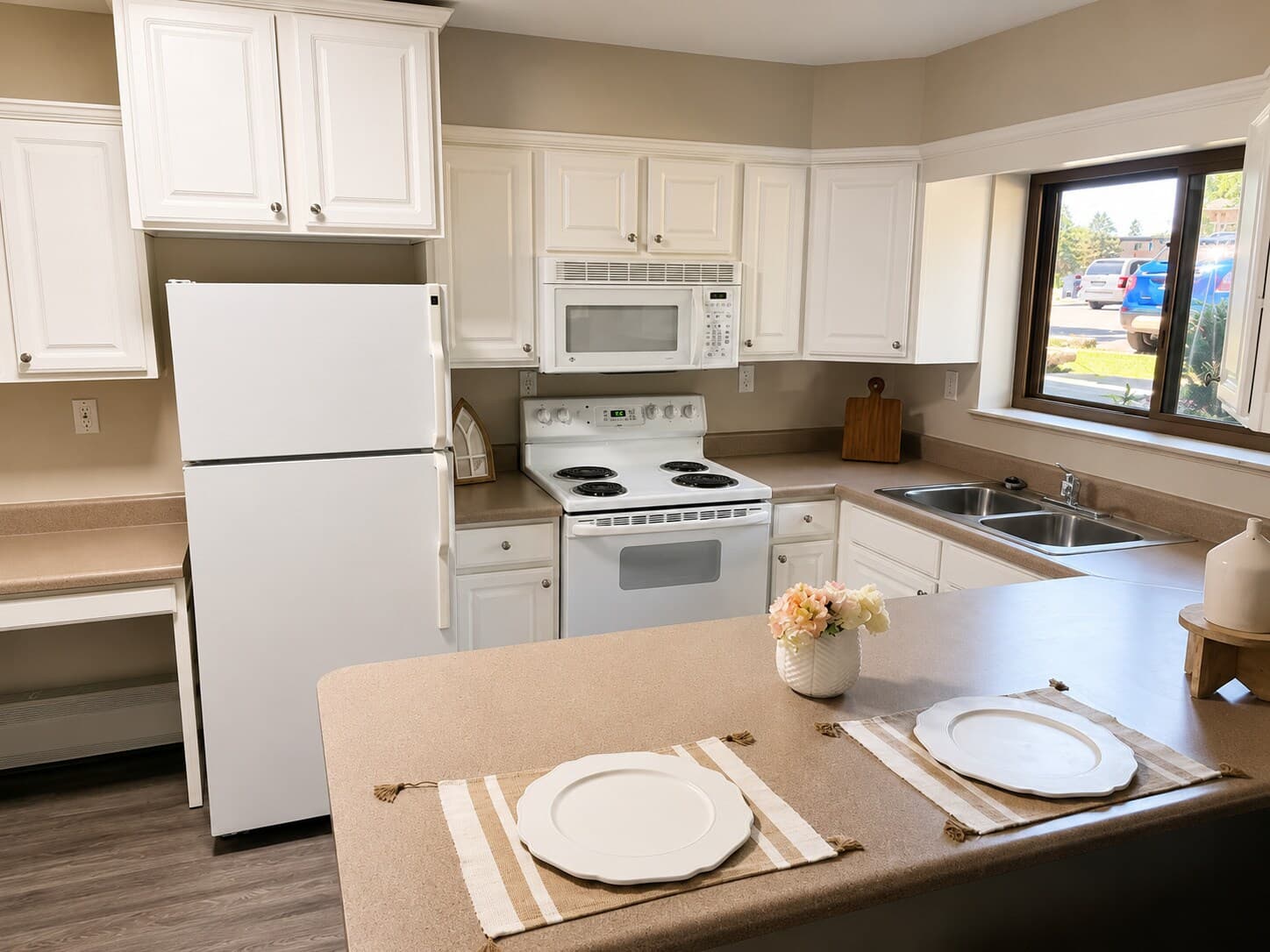
$580/unit
Fees may applyAbbott Pointe Apartments

$700+/unit
Fees may applyArbor Glen Apartments
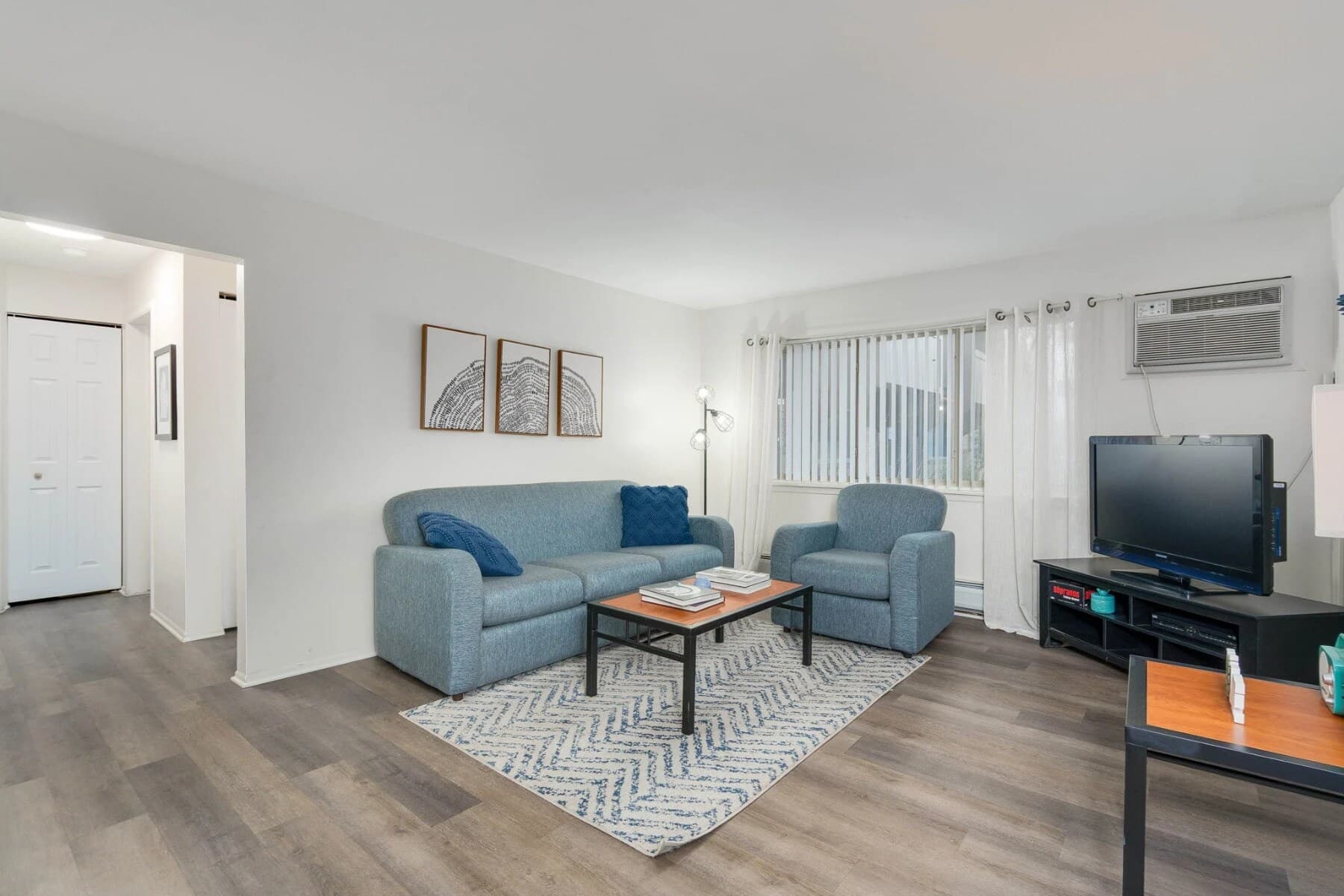
$429+/unit
Fees may applyCapitol Villa Apartments
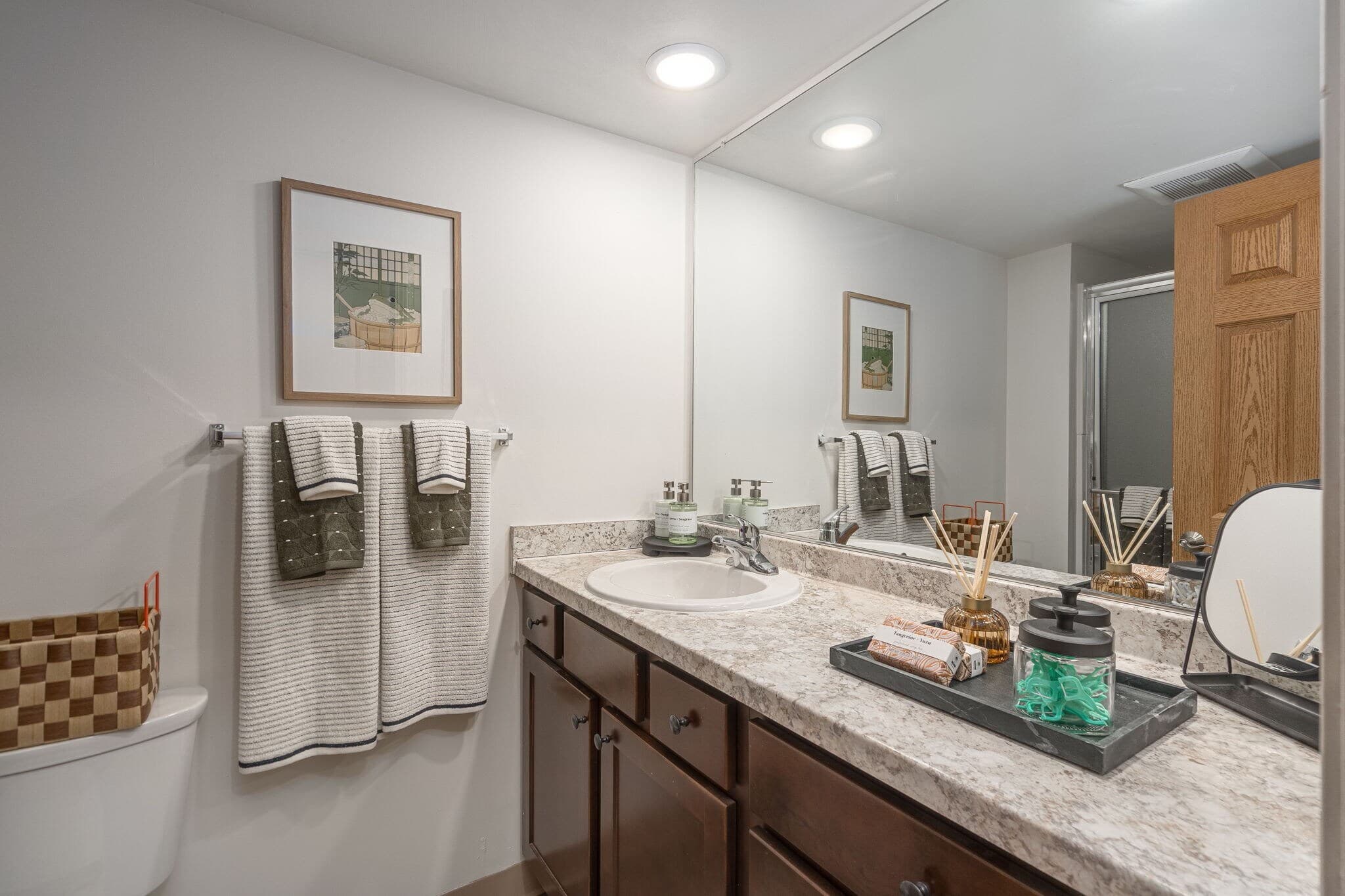
$458+/unit
Fees may applyCedar Village Apartments
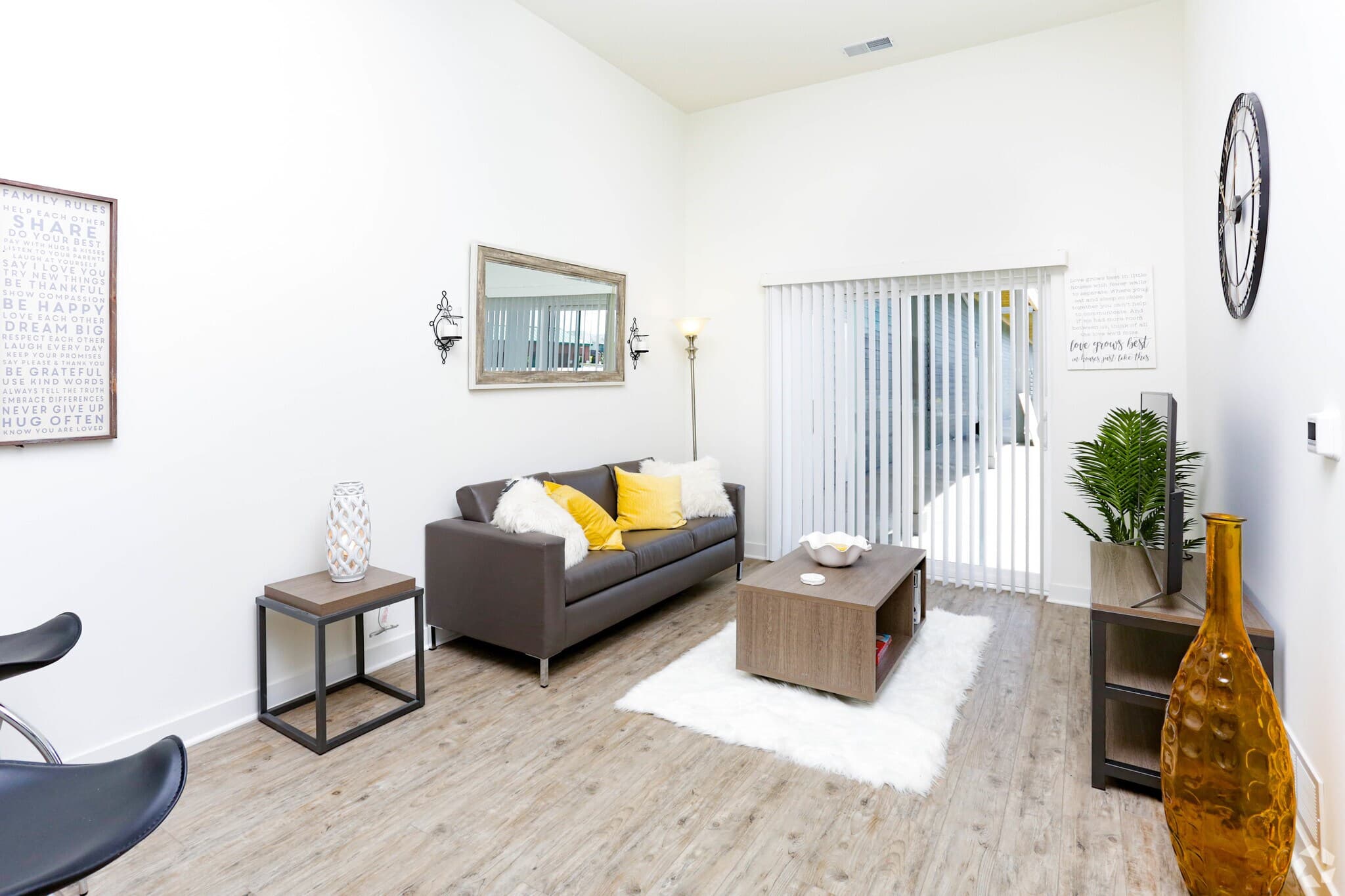
$839+/unit
Fees may applyNoCa Lofts
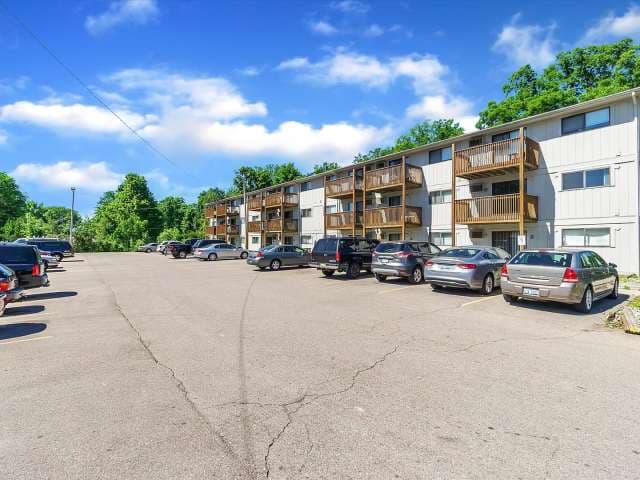
$900/unit
Fees may applyParkside Apartments ( Parkside East Inc.)
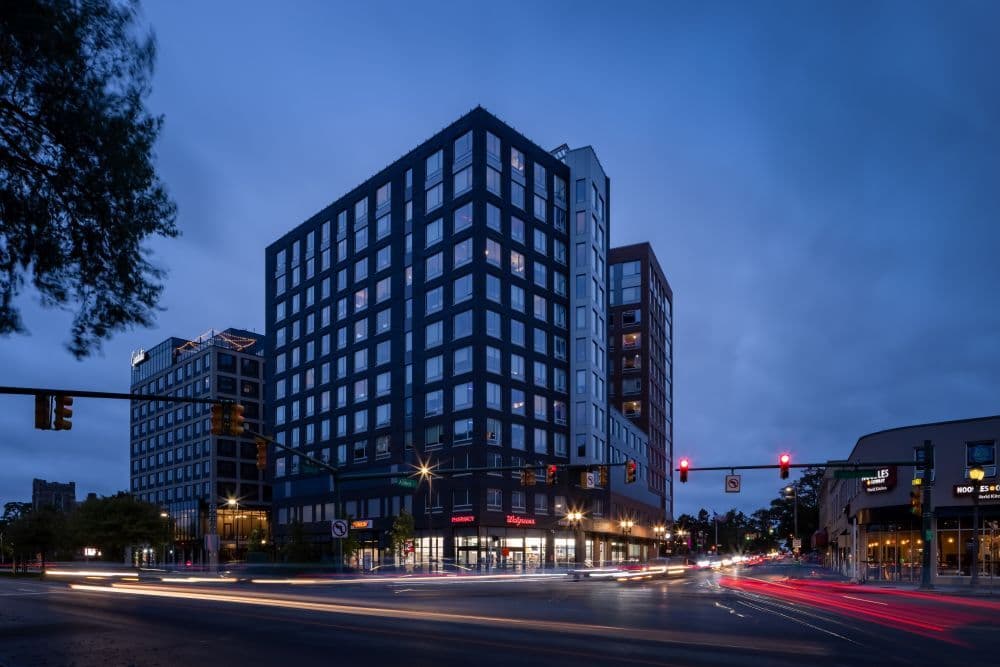
$1,999+/unit
Fees may applyThe Abbot
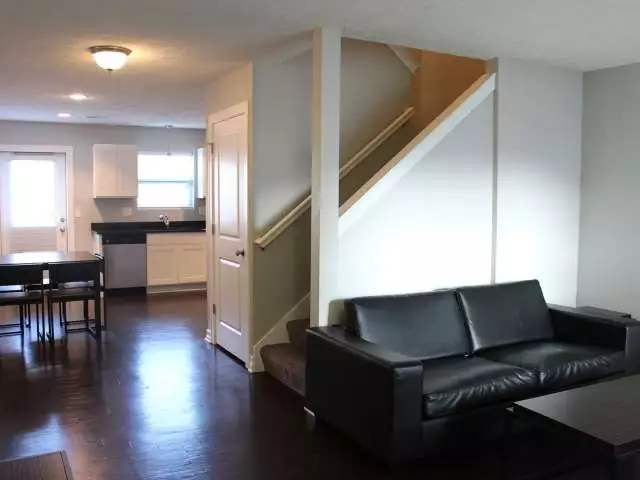
$625+/unit
Fees may applyThe Cottages (Cottages Hunsaker 1 LLC)
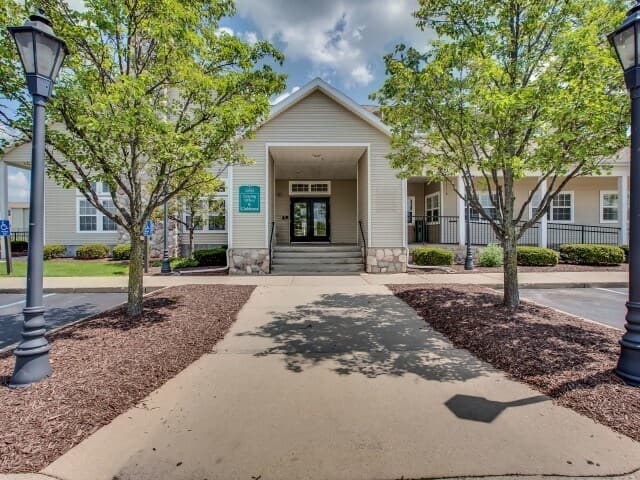
$499+/unit
Fees may applyThe Landings at Chandler Crossings
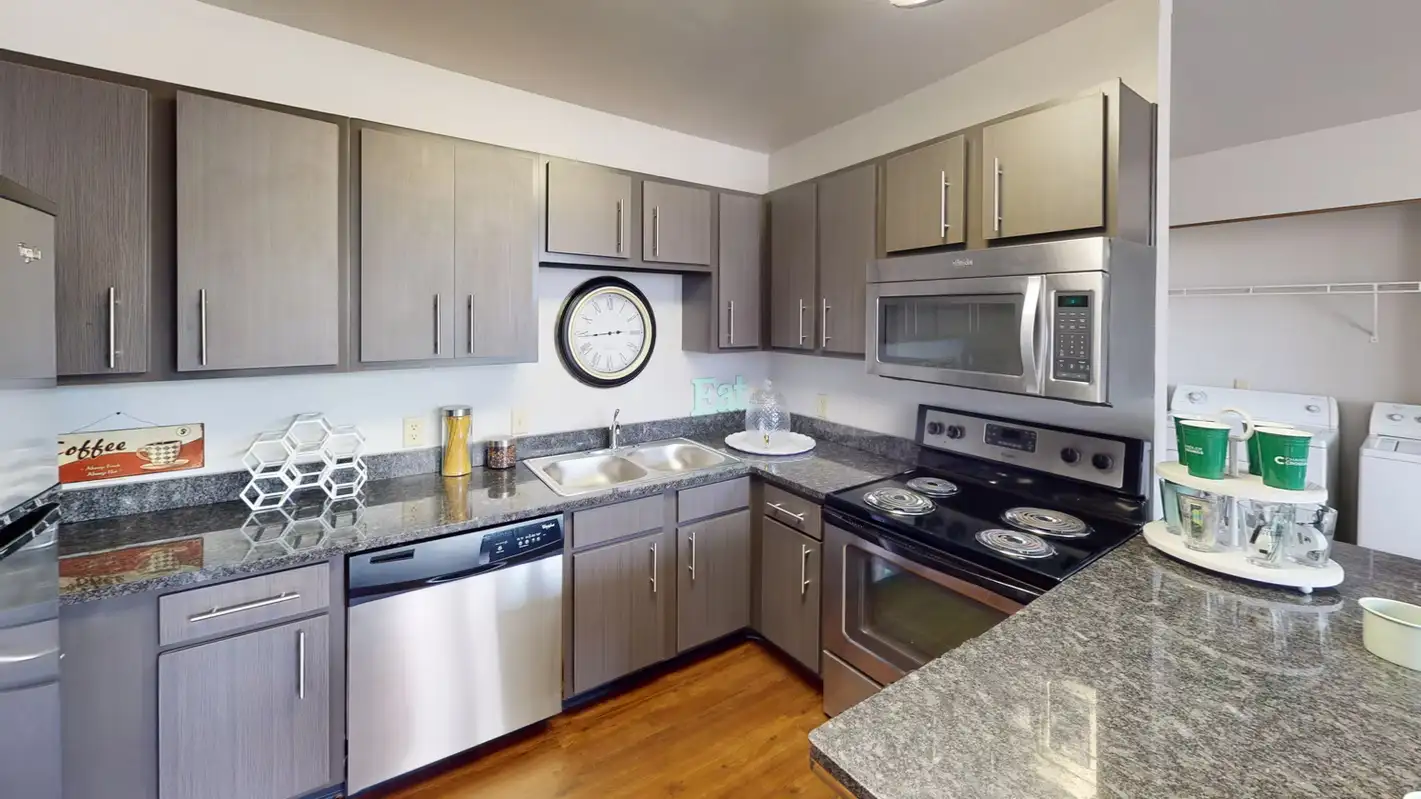
$479+/unit
Fees may applyThe Village at Chandler Crossing
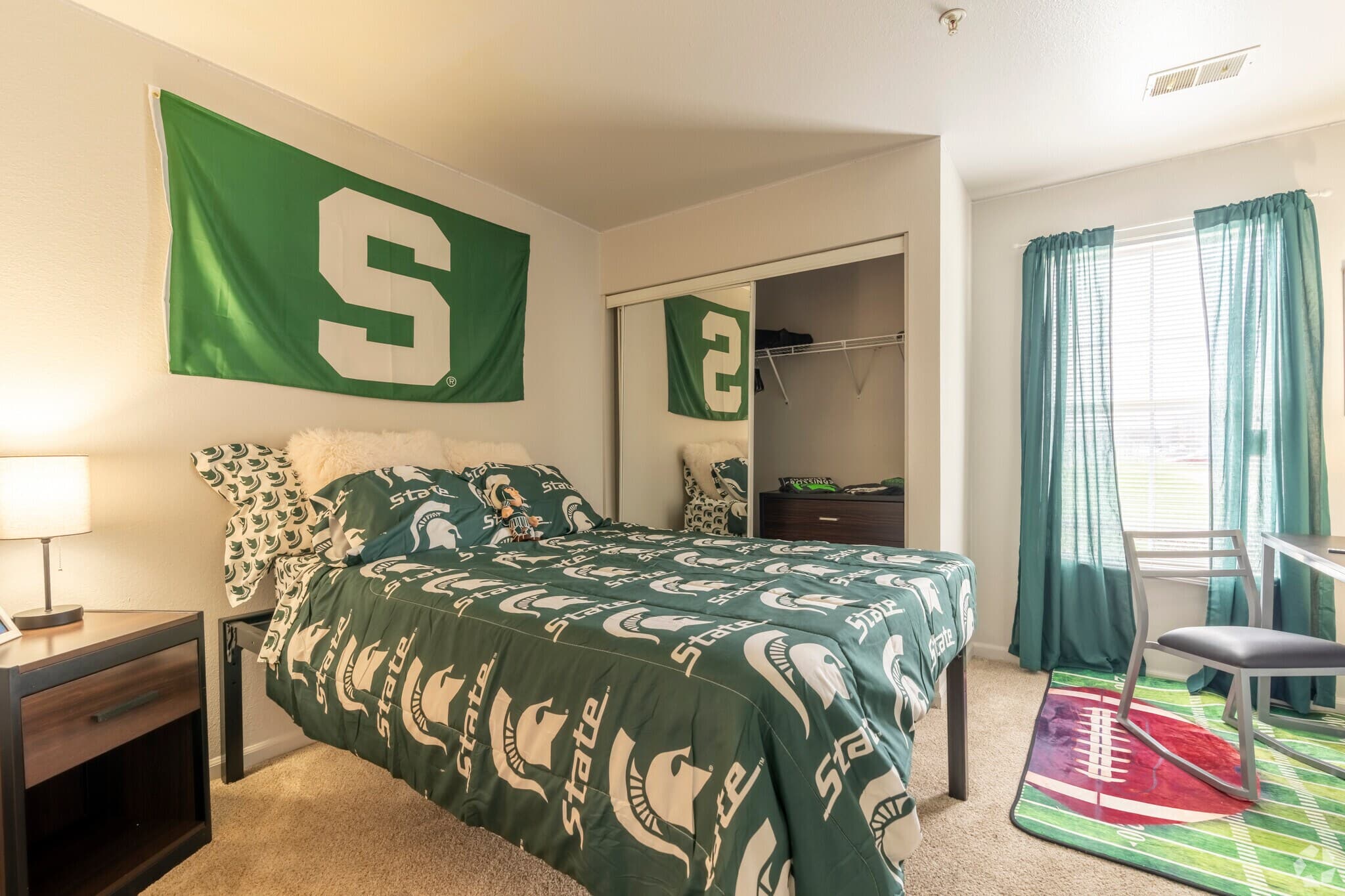
$469+/unit
Fees may applyThe Village at Chandler Crossings
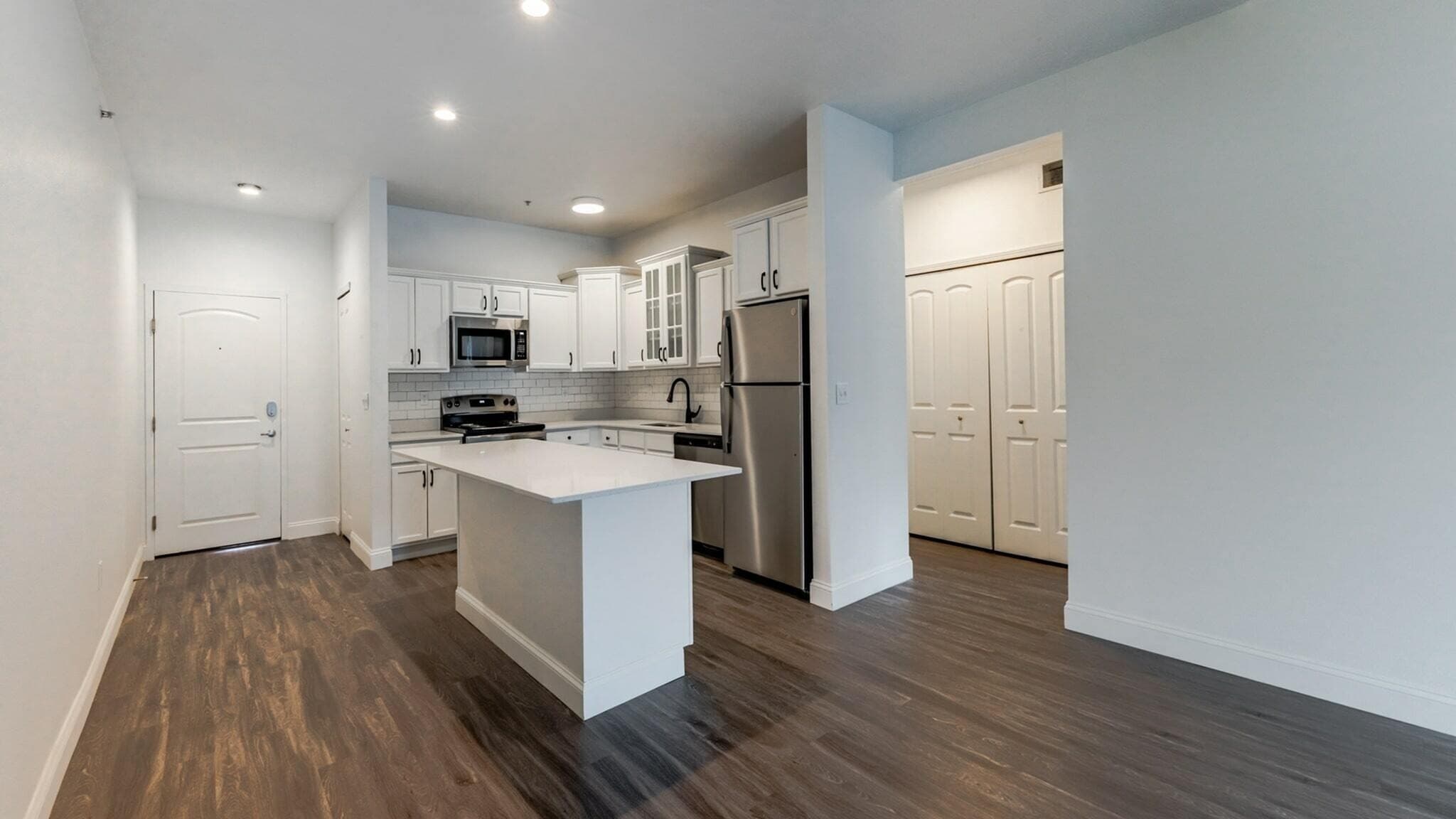
$1,448/unit
Fees may applyVictory East Lansing
email me if my perfect place pops up
We'll reach out the moment one matches everything you asked for
About Off-Campus Housing Near Lansing Community College
Lansing Community College is a large public community college located in downtown Lansing, the capital of Michigan, enrolling approximately 14,000 students across a wide range of associate degrees, certificate programs, and transfer pathways. LCC is a fully commuter campus with no on-campus housing, so all students live off campus in the surrounding city and region. Downtown Lansing and its adjacent neighborhoods offer a variety of affordable rental options, and the city benefits from a state government employment base that keeps the economy and housing market relatively stable. Students at LCC frequently draw on connections to nearby Michigan State University in East Lansing, just a few miles away, for social activity, library access, and transfer preparation. The city has undergone notable downtown revitalization in recent years, and neighborhoods like Old Town and REO Town have become increasingly popular with younger residents and students. Public transit provides connections across the Lansing metro area, though most students find a car helpful for accessing jobs, internships, and services across the broader region. Lansing's cost of living is well below the Michigan average for larger cities, making it an accessible option for budget-conscious students.
Lansing Community College Housing Requirements
Freshman Live-On Requirement
Lansing Community College does not have on-campus housing and has no live-on requirement for any students. All LCC students, including those enrolling for the first time, are responsible for finding their own off-campus housing in Lansing and the surrounding region. The college provides resources through its student services office to help new students navigate the rental market and connect with available listings.
Off-Campus Eligibility
Because LCC is a commuter institution, all students rent or own their own housing from day one of enrollment. There are no restrictions or approval processes tied to where a student lives, and students are free to rent anywhere in the Lansing metro area that fits their schedule and budget. Many students choose to live near downtown Lansing for easy access to campus, while others commute from East Lansing, Okemos, or other surrounding communities.
Lease Timing
The Lansing rental market is less compressed than markets in larger college towns, and availability tends to remain reasonable throughout the year. Students planning to start at LCC in the fall should aim to secure housing by June or July to avoid the late-summer rush driven by students from LCC, Michigan State, and Lansing's working population. Year-round enrollment at LCC means the market sees some demand in January as well, so spring-term starters should look in November or December.
Housing policies change frequently. Always verify current requirements directly with Lansing Community College before signing a lease.
When to Start Looking for Housing Near Lansing Community College
Early Searchers
Students enrolling at Lansing Community College for the fall semester should ideally begin their housing search in the spring, particularly between March and May. Starting early allows students to tour multiple neighborhoods, compare rental rates across the Lansing metro, and secure leases before the late-summer surge in demand driven by Michigan State University students returning to the East Lansing area. Early movers also have more flexibility to negotiate lease terms and choose among available units in desirable neighborhoods like Old Town or REO Town.
Peak Demand Window
The rental market in Lansing heats up from June through August, when students from both LCC and Michigan State are actively signing leases for the fall semester. Units in Old Town, REO Town, and the neighborhoods immediately surrounding downtown Lansing tend to move quickly during this period. Students searching in this window should be prepared to act quickly when they find a suitable unit, as desirable properties at lower price points do not stay on the market long during peak summer months.
Last-Minute Options
Students who are still searching in August or early September will find a more limited selection but should not assume the market is completely dry. Lansing has a sizable rental stock compared to smaller college towns, and new listings appear regularly. Checking platforms like Zillow, Apartments.com, and local Facebook rental groups for Lansing can surface last-minute openings. Students should also consider extended-stay options as a short-term bridge while they finalize a longer-term lease.
Neighborhoods Near Lansing Community College
Old Town Lansing
Old Town is a revitalized neighborhood just north of downtown with independent restaurants, coffee shops, galleries, and a strong community feel, making it one of the most popular areas for LCC students and young renters.
REO Town
REO Town sits just south of downtown and has become a hub for creative businesses, murals, and affordable housing, attracting students who want an artsy urban setting within easy reach of the LCC campus.
Downtown Lansing
The core downtown area immediately surrounding the LCC campus offers apartments in converted commercial buildings and newer developments, providing the shortest possible commute for students without a car.
East Lansing Adjacent
The neighborhoods along the border of Lansing and East Lansing are popular with LCC students who want proximity to Michigan State's amenities, including its library, recreation facilities, and active social scene, while keeping their own rents more affordable.
Frequently Asked Questions: Off-Campus Housing Near Lansing Community College
Common questions from students searching for housing.
Lansing is one of the more affordable rental markets in Michigan. A room in a shared house or apartment in neighborhoods like Old Town or REO Town typically runs from about $450 to $750 per month. One-bedroom apartments in the downtown area generally range from $700 to $1,050 per month, and costs increase somewhat in East Lansing, which has a more competitive rental market driven by Michigan State students.
More Housing Near Lansing Community College
Search by Room Type
Search by Lifestyle
find my place guides for Lansing Community College
Curated recommendations from students who’ve been there.
See how students rate the places near Lansing Community College on social life, management, and quality before you tour.
Read student housing reviews near Lansing Community College →