Off-Campus Housing Near NJCU
Off-Campus Housing Near NJCU

$2,500/person
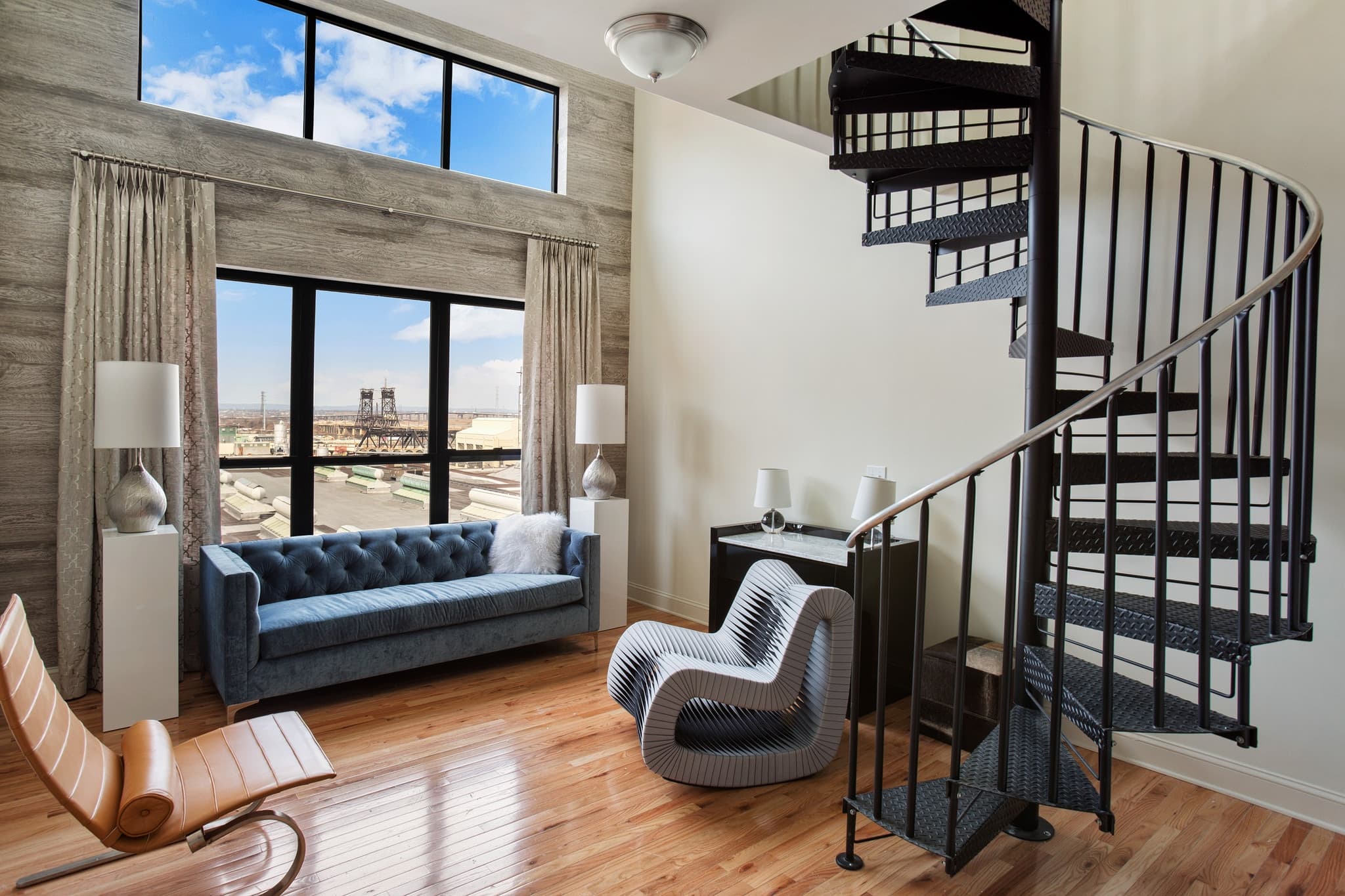
Total monthly priceTownhouse Bedroom Morningside Heights



About Off-Campus Housing Near New Jersey City University
New Jersey City University is a public institution serving approximately 8,000 students in Jersey City, New Jersey, offering undergraduate and graduate programs across a broad range of disciplines including business, education, health sciences, arts, and the sciences. The university has a distinctly urban, commuter-oriented character, with a diverse student body drawn largely from Hudson County and the surrounding metropolitan area. NJCU's main campus sits in the Heights and West Bergen area of Jersey City, a densely populated urban neighborhood that reflects the city's working-class and immigrant heritage. Students benefit from the university's location across the Hudson River from Manhattan, giving them proximity to internship opportunities, cultural institutions, and one of the world's major job markets. Jersey City itself is a vibrant and rapidly evolving city with neighborhoods ranging from the luxury waterfront to historic residential communities. Off-campus housing is the norm for most NJCU students, and the city's PATH train and NJ Transit connections make it relatively accessible to navigate without a car.
New Jersey City University Housing Requirements
Freshman Live-On Requirement
New Jersey City University does not impose a universal freshman live-on requirement, and the majority of students live off campus from their first year. NJCU is primarily a commuter institution, and many students reside at home with family or in rented housing throughout Jersey City and Hudson County.
Off-Campus Eligibility
All students are eligible to live off campus at any point in their enrollment. The university's commuter culture means off-campus housing is the standard experience rather than the exception, and students have wide latitude in choosing where they live within the greater Jersey City area.
Lease Timing
Jersey City's rental market moves quickly, particularly in desirable neighborhoods near PATH stations. Students planning to secure off-campus housing should begin their search at least three to four months before their intended move-in date, with January through March being the most active period for fall semester housing searches.
Housing policies change frequently. Always verify current requirements directly with New Jersey City University before signing a lease.
When to Start Looking for Housing Near New Jersey City University
Early Searchers
Students who begin looking in January or February for fall semester housing gain access to the widest range of available units across Jersey City's diverse neighborhoods. Early searchers have more time to compare prices between high-cost waterfront areas and more affordable inland neighborhoods like the Heights and Bergen-Lafayette. Starting early also allows for careful review of lease terms and time to coordinate with roommates.
Peak Demand Window
The Jersey City rental market experiences its highest activity from March through May, driven by the broader New York metropolitan housing cycle. During this period, desirable apartments near Journal Square and the Journal Square PATH station fill quickly, and competition from renters throughout the metro area intensifies. Students who begin searching during this window should be ready to move quickly when a suitable unit is found, as listings can receive multiple inquiries within hours.
Last-Minute Options
Students who have not found housing by June or July still have options, particularly in neighborhoods such as Greenville, Bayonne border areas, and parts of Bergen-Lafayette that see lower demand than the waterfront or Journal Square. Summer and early fall sometimes bring new listings as existing tenants move out, and remaining flexible on location or unit size significantly improves the chances of finding a suitable rental. Checking listings on local platforms at least once a day during this period will help ensure no new options are missed.
Neighborhoods Near New Jersey City University
Journal Square
Journal Square is a central hub with direct PATH train service to Manhattan, making it one of the most practical locations for NJCU students who commute or want transit access to the city. The neighborhood offers a range of apartment sizes and price points, from older walk-up buildings to newer mid-rise rentals.
The Heights
The Heights neighborhood sits adjacent to the NJCU campus and is home to a working-class residential community with a strong Latin American and immigrant character. Rents here are generally more affordable than the waterfront, and students can find a variety of apartments in this active urban neighborhood.
Downtown Jersey City and Exchange Place
The waterfront district near Exchange Place and Grove Street offers modern apartment buildings with Manhattan views and easy PATH access to the World Trade Center. This area commands premium rents but appeals to students who prioritize transit convenience and urban amenities.
Bergen-Lafayette
Bergen-Lafayette is a historic neighborhood south of the NJCU campus that has seen gradual reinvestment while retaining relatively affordable rents. Students seeking more space for the price may find this neighborhood worth considering, particularly those with access to a car or who do not need direct PATH access.
Frequently Asked Questions: Off-Campus Housing Near New Jersey City University
Common questions from students searching for housing.
Rental costs in Jersey City vary widely by neighborhood. In the Heights and Bergen-Lafayette, one-bedroom apartments typically range from about $1,500 to $2,000 per month. Near the waterfront and Journal Square, rents for similar units often run $2,000 to $2,800 or higher. Sharing a two- or three-bedroom unit with roommates is a common way to reduce per-person costs significantly.
No. NJCU is primarily a commuter university and does not require freshmen or any other students to live on campus. The majority of students live at home with family or rent housing in Jersey City and the surrounding Hudson County area.
Jersey City is well served by the PATH train, NJ Transit buses, and light rail. Students living near Journal Square or the waterfront can reach many parts of the city and Manhattan with ease. The NJCU campus in the Heights is served by several NJ Transit bus routes, making car-free commuting practical for most students.
Parking in Jersey City is generally difficult and expensive, particularly near the campus in the Heights and in waterfront areas. Street parking requires permits in many zones, and garage or lot parking can add significant monthly costs. Students who do not need a car for daily life are often better off relying on transit.
The Heights neighborhood directly adjacent to campus is a common choice for its proximity and relative affordability. Journal Square appeals to students who prioritize PATH train access to Manhattan. Bergen-Lafayette offers more space for the price, and the waterfront attracts those willing to pay premium rents for a more urban lifestyle.
Many Jersey City apartments, particularly in older buildings, require tenants to pay utilities separately. Heat, electric, and gas are often the tenant's responsibility, though some newer buildings include certain utilities in the rent. Budgeting an additional $100 to $200 per month for utilities is prudent when planning housing costs.
It is possible to commute from Hoboken, Bayonne, Secaucus, or other Hudson County communities to NJCU. However, transit connections vary by location, and some commutes require transfers or longer travel times. Jersey City neighborhoods near the Heights or Journal Square tend to offer more direct access to campus.
Students should begin searching at least three to four months before their intended move-in date. For fall semester, starting in January or February gives the best range of options before the market peaks in spring. The New York metropolitan rental market is highly active and competitive year-round.
New Jersey has strong tenant protection laws, including limits on security deposit amounts, requirements for landlord maintenance of habitable conditions, and protections against unlawful eviction. Students should read their full lease carefully, keep copies of all correspondence with landlords, and document the condition of the unit at move-in to protect their security deposit.
More Housing Near New Jersey City University
Search by Room Type
Search by Lifestyle
See how students rate the places near NJCU on social life, management, and quality before you tour.
Read student housing reviews near NJCU →