Off-Campus Housing Near OSU

$1,555+/unit
Fees may apply8th and High
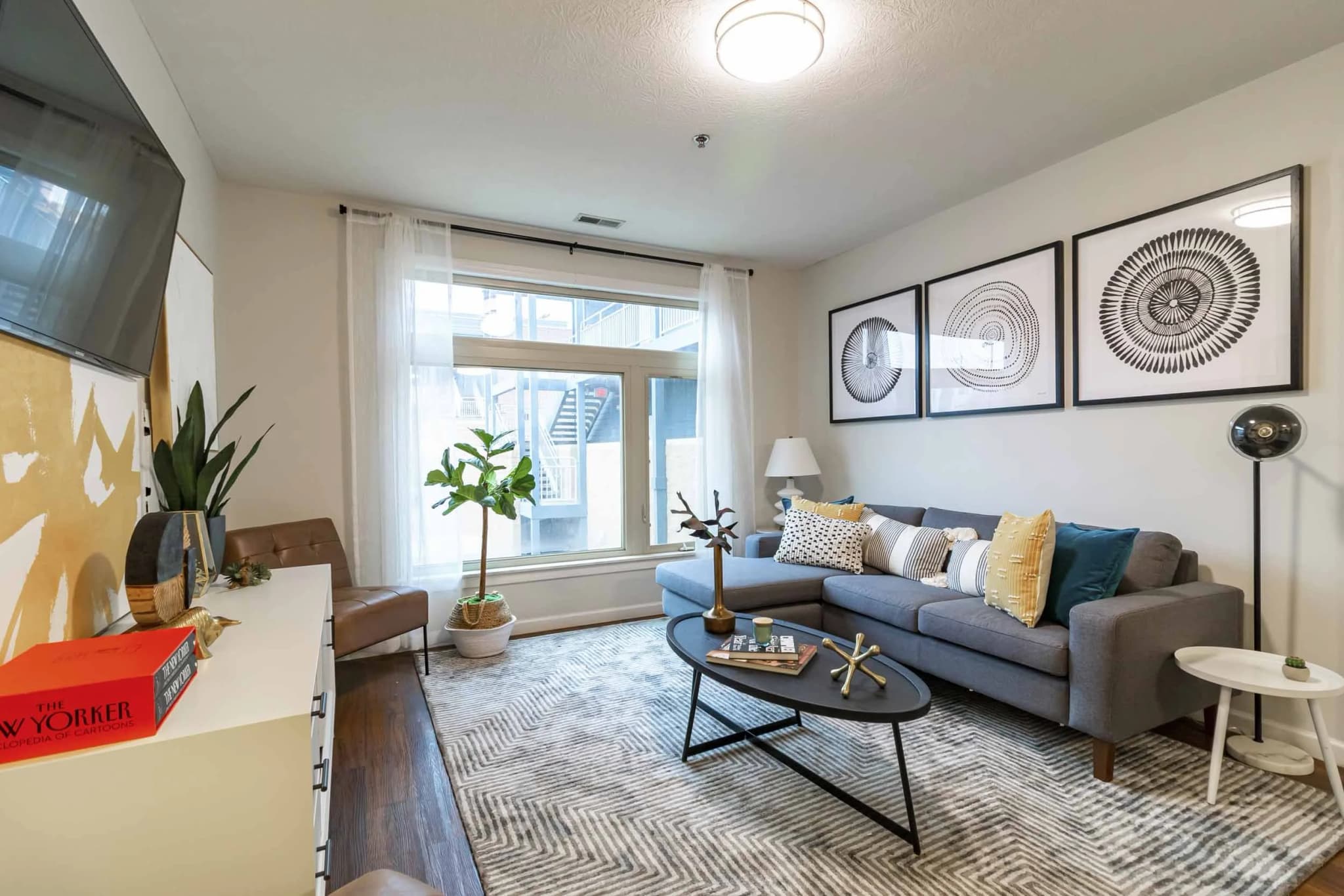
$1,495+/unit
Fees may applyEast Village Apartments

$929+/person
Fees may applyLumen on Ninth

$849+/unit
Fees may applyRambler Columbus
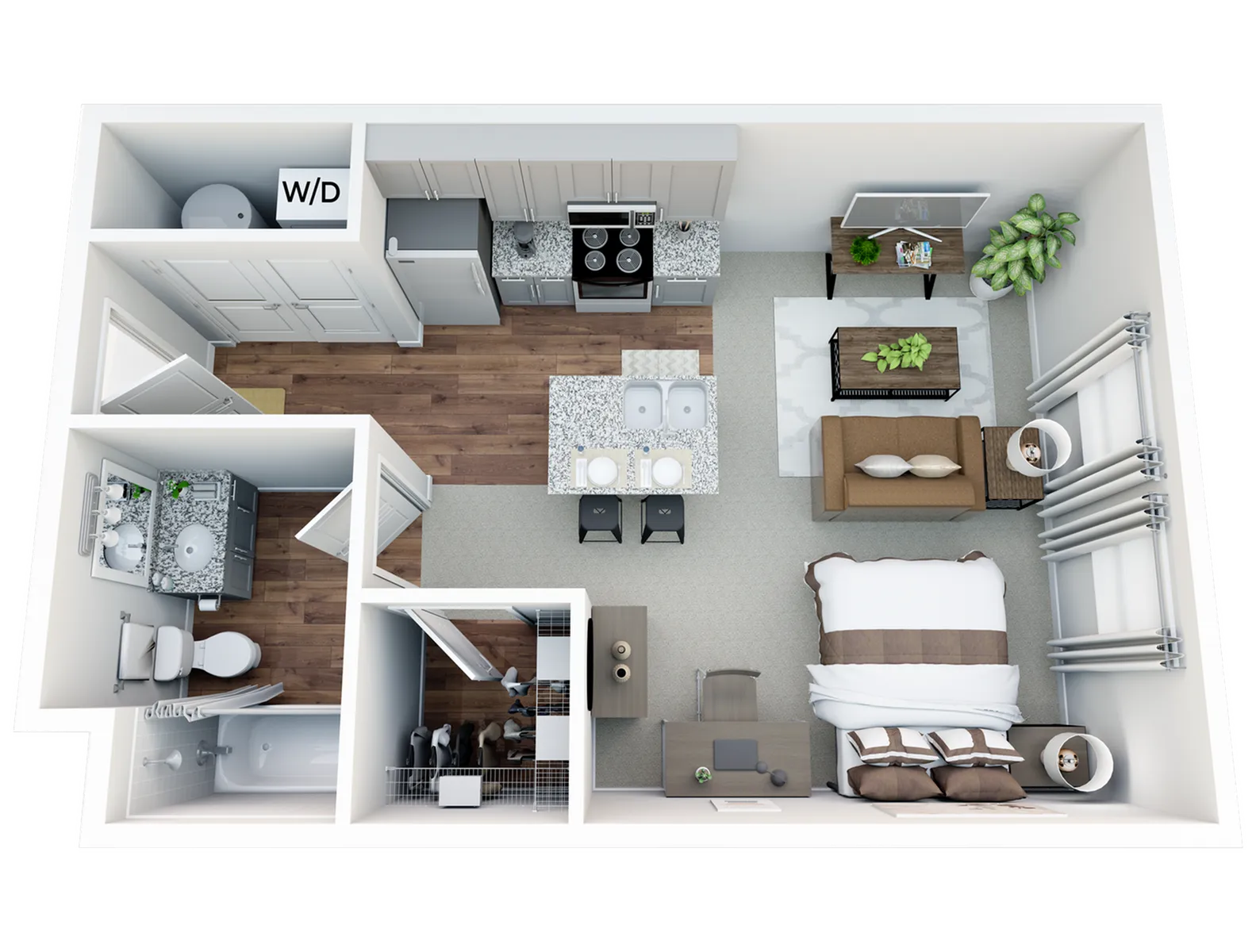
$1,425+/unit
Fees may applyStateHouse Varsity
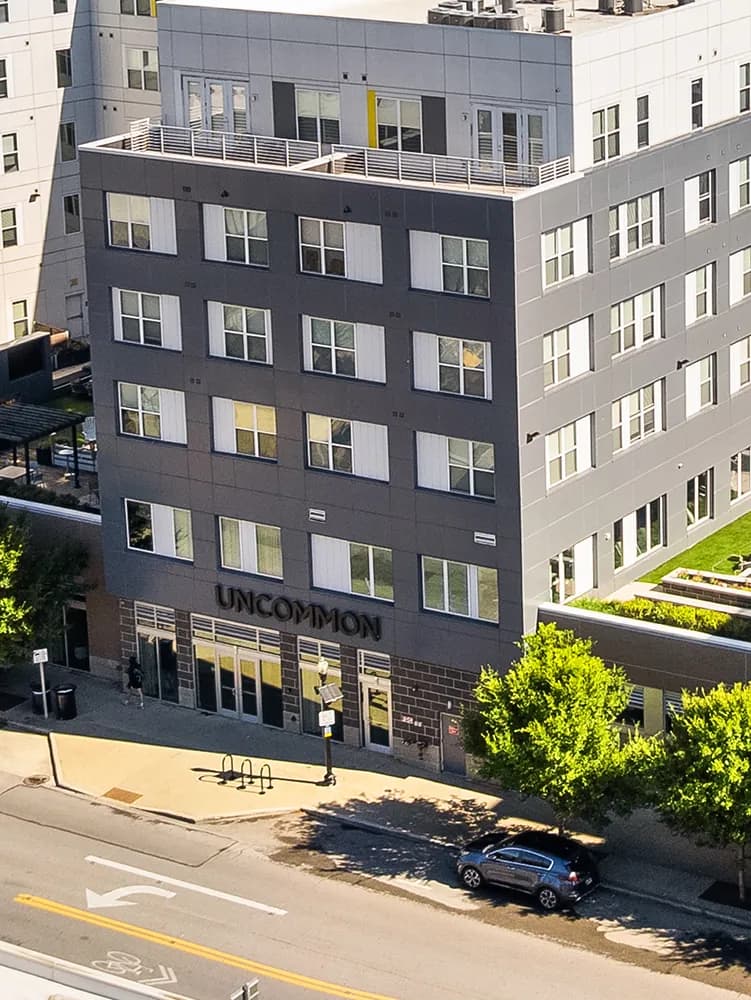
$959+/unit
Fees may applyUncommon Columbus
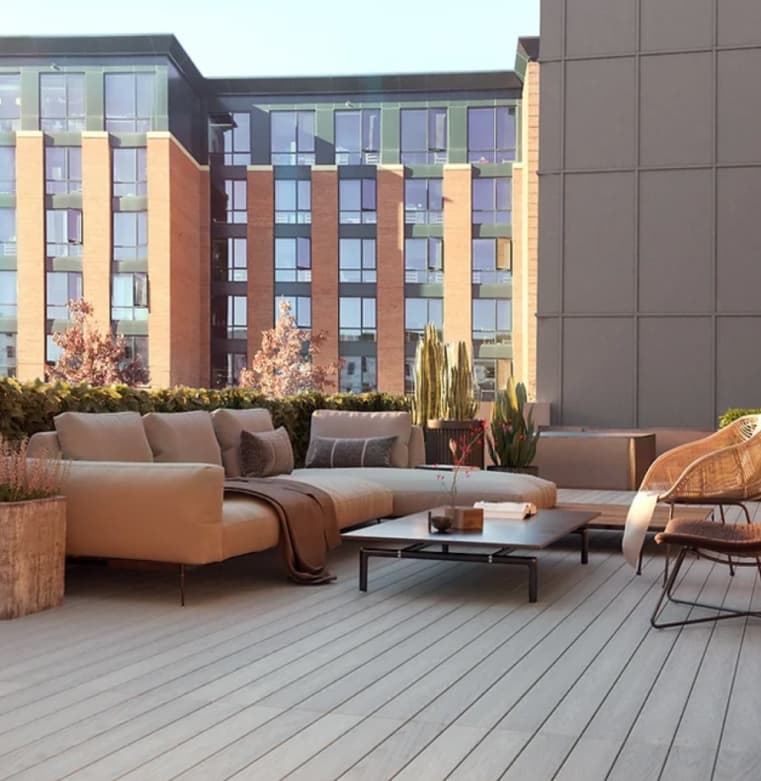
$1,300+/unit
Fees may applyWilson Place
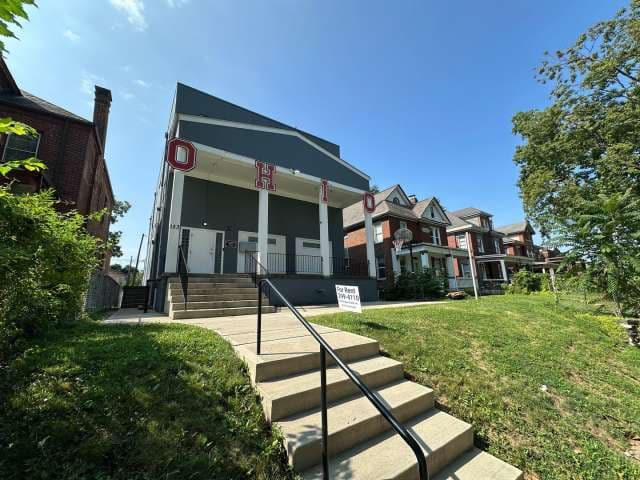
$2,900/unit
Fees may apply01
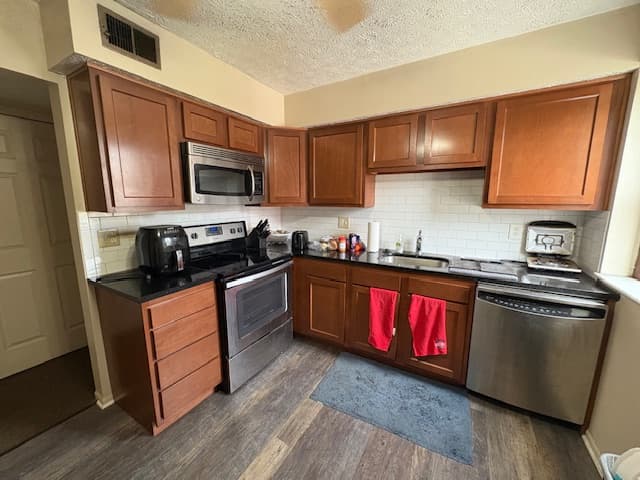
$950+/unit
Fees may apply100 Chittenden Avenue
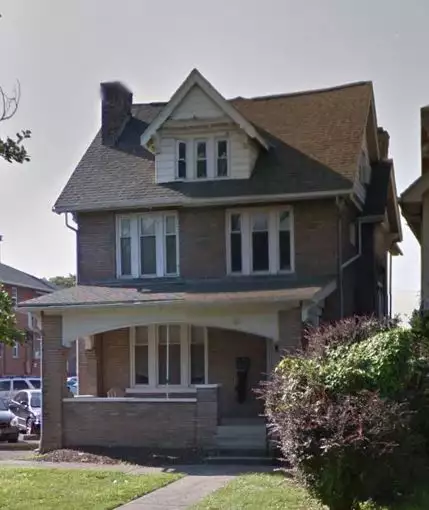
$6,080/unit
Fees may apply101 E 13th Ave
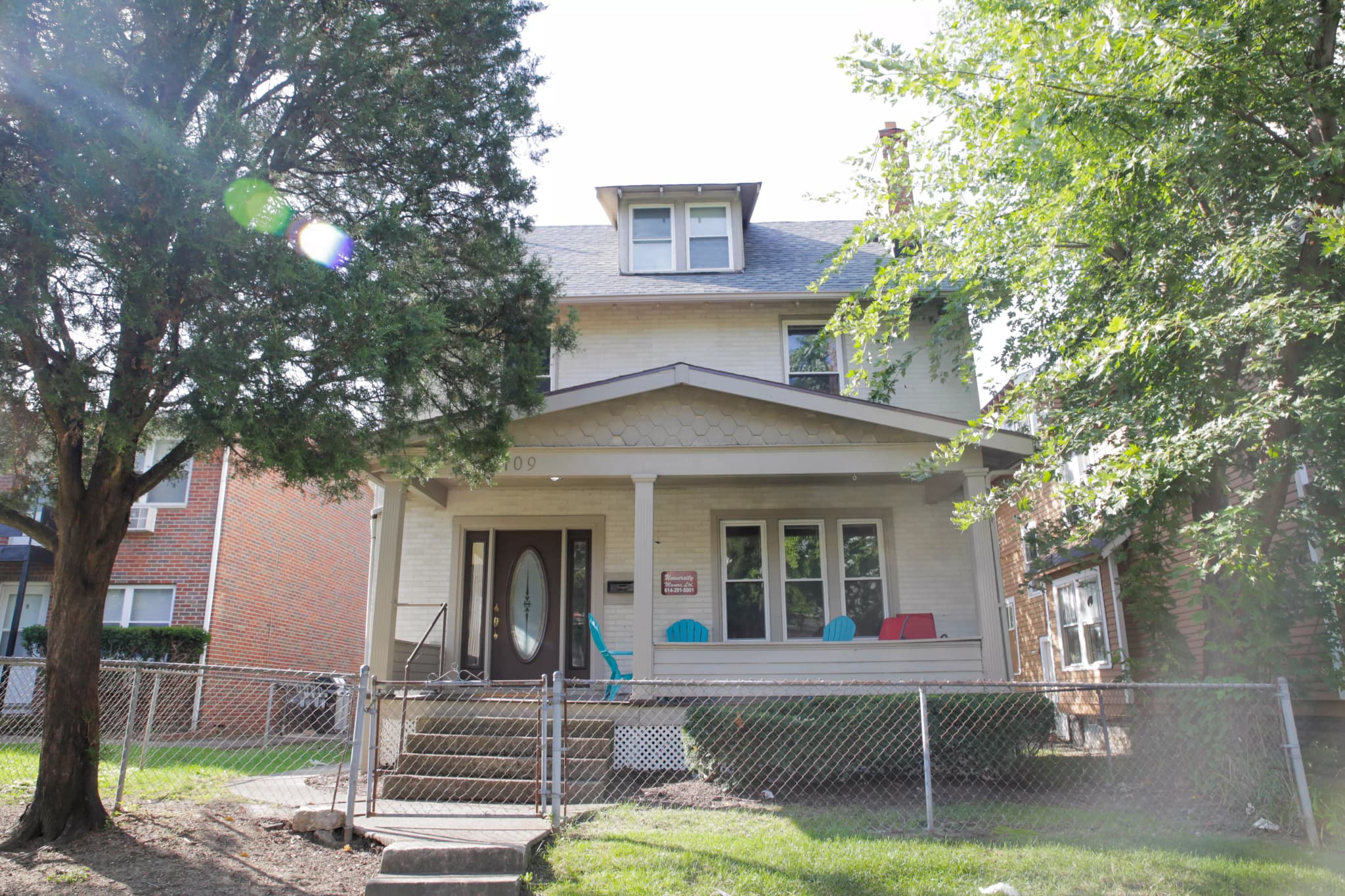
$4,460/unit
Fees may apply109 E Frambes Ave

$3,500+/unit
Fees may apply109-111 Chittenden Ave
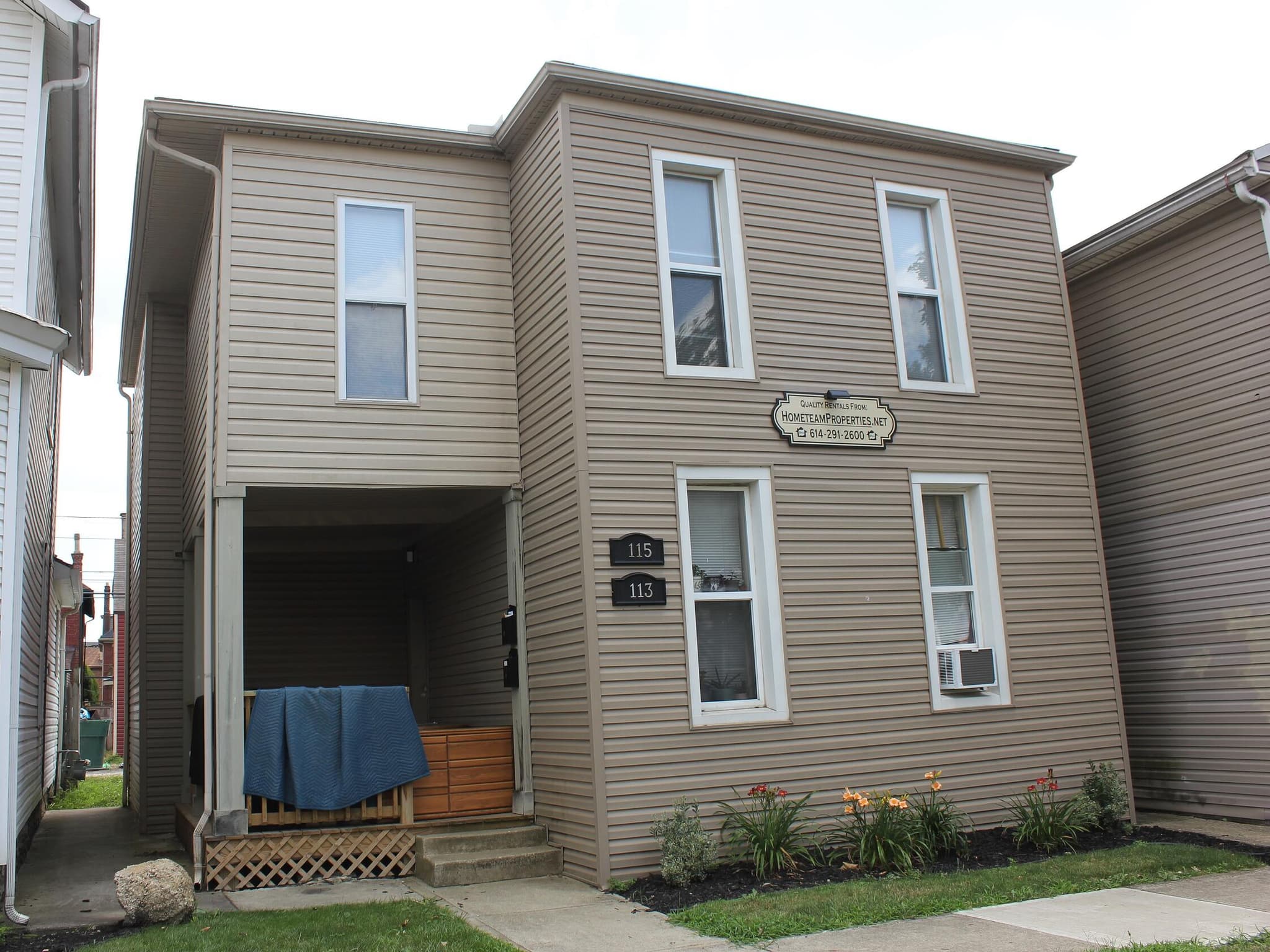
$1,160+/unit
Fees may apply113 McMillen Ave
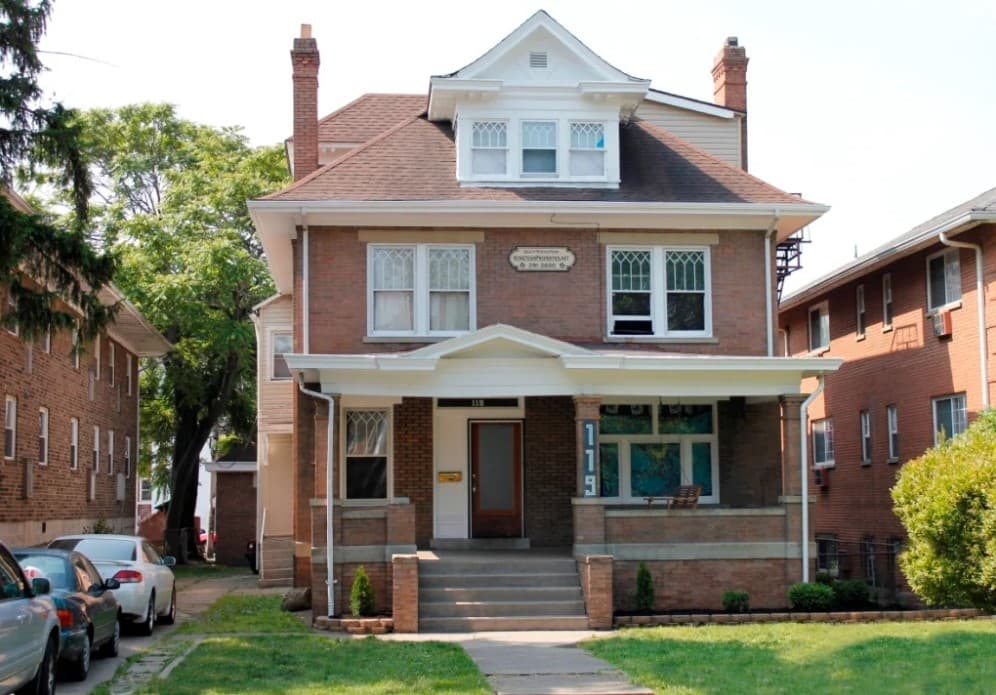
$9,150/unit
Fees may apply119 E 13th Ave
$600+/unit
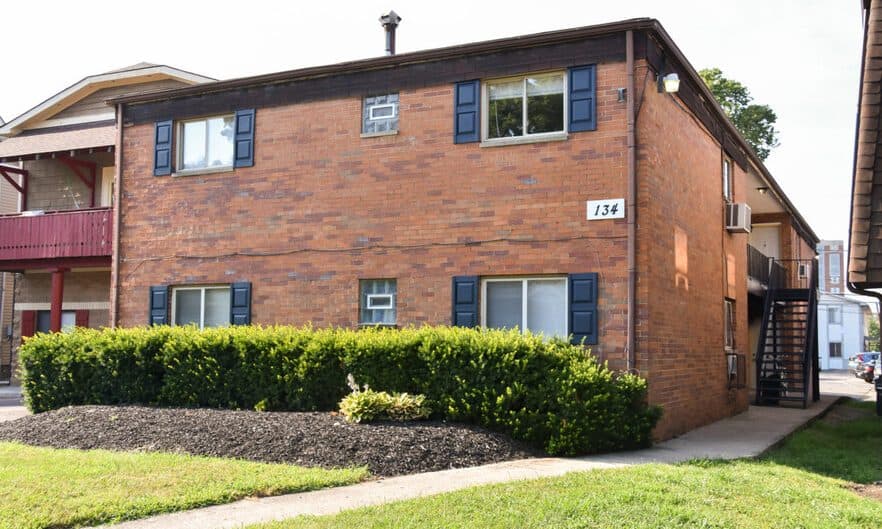
Fees may apply134 W 9th Ave
$860+/unit
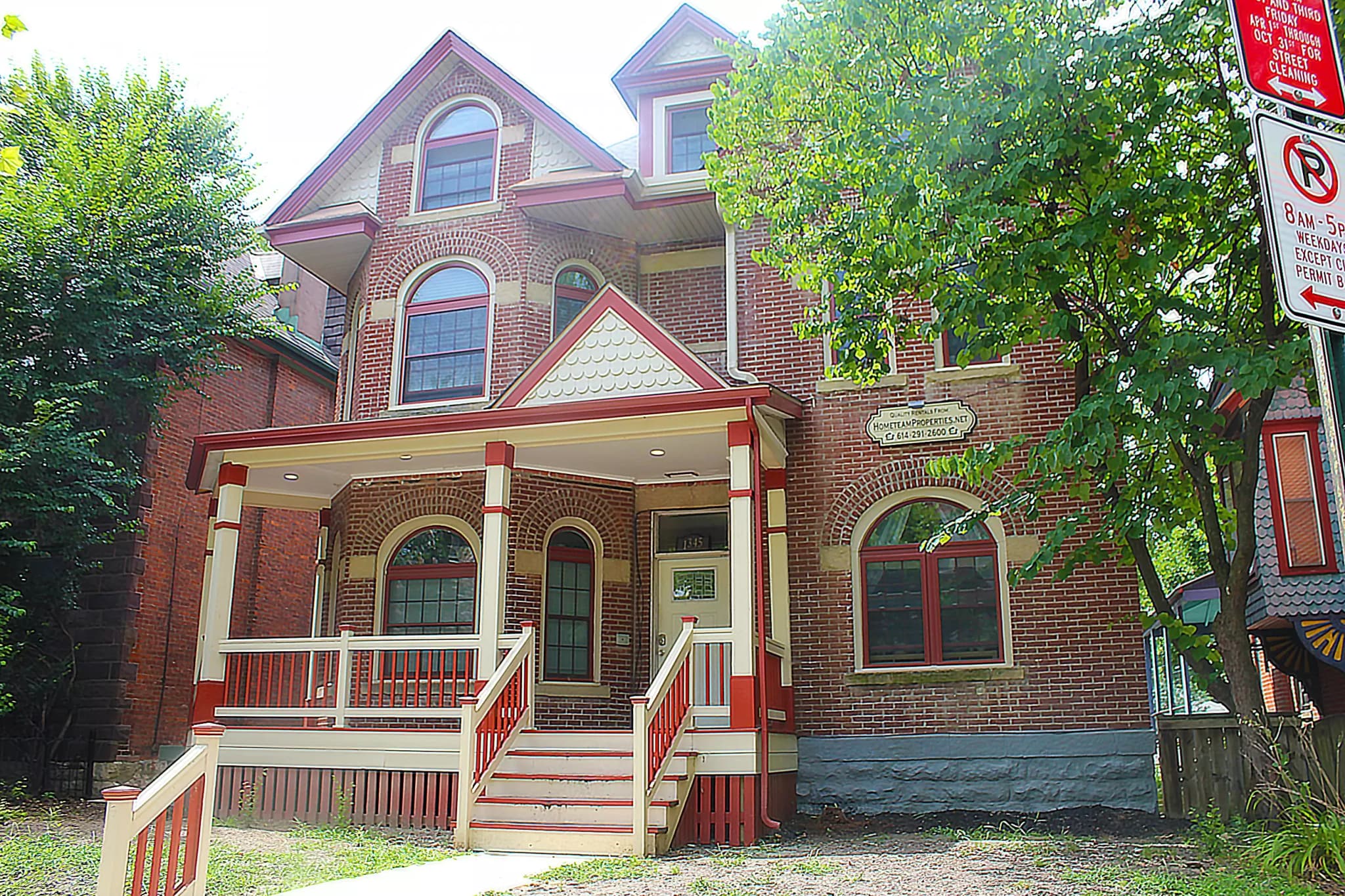
Fees may apply1345 Neil Ave
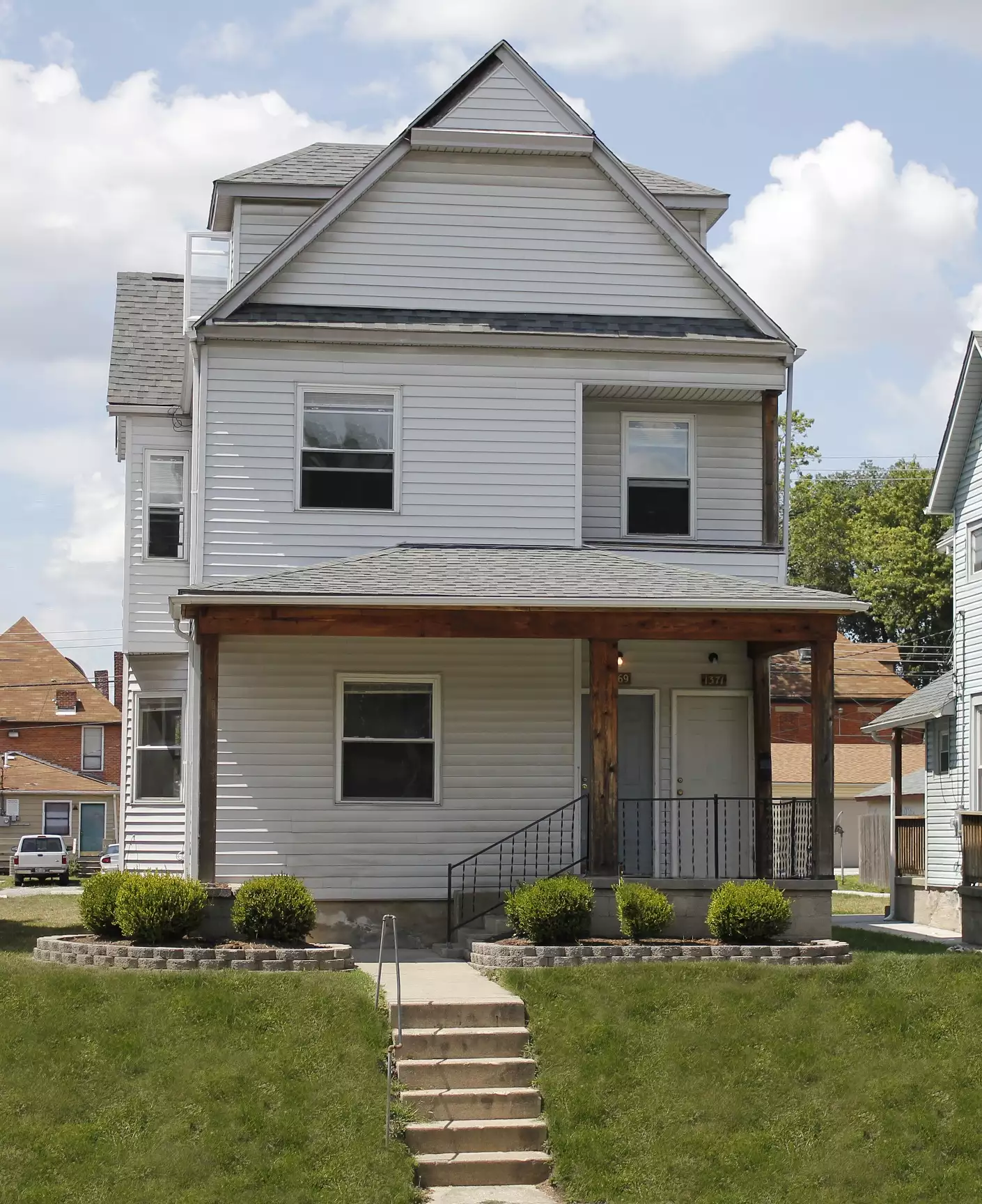
$2,200/unit
Fees may apply1369-1371 Summit St
$1,540/unit
Fees may apply1373 Summit St
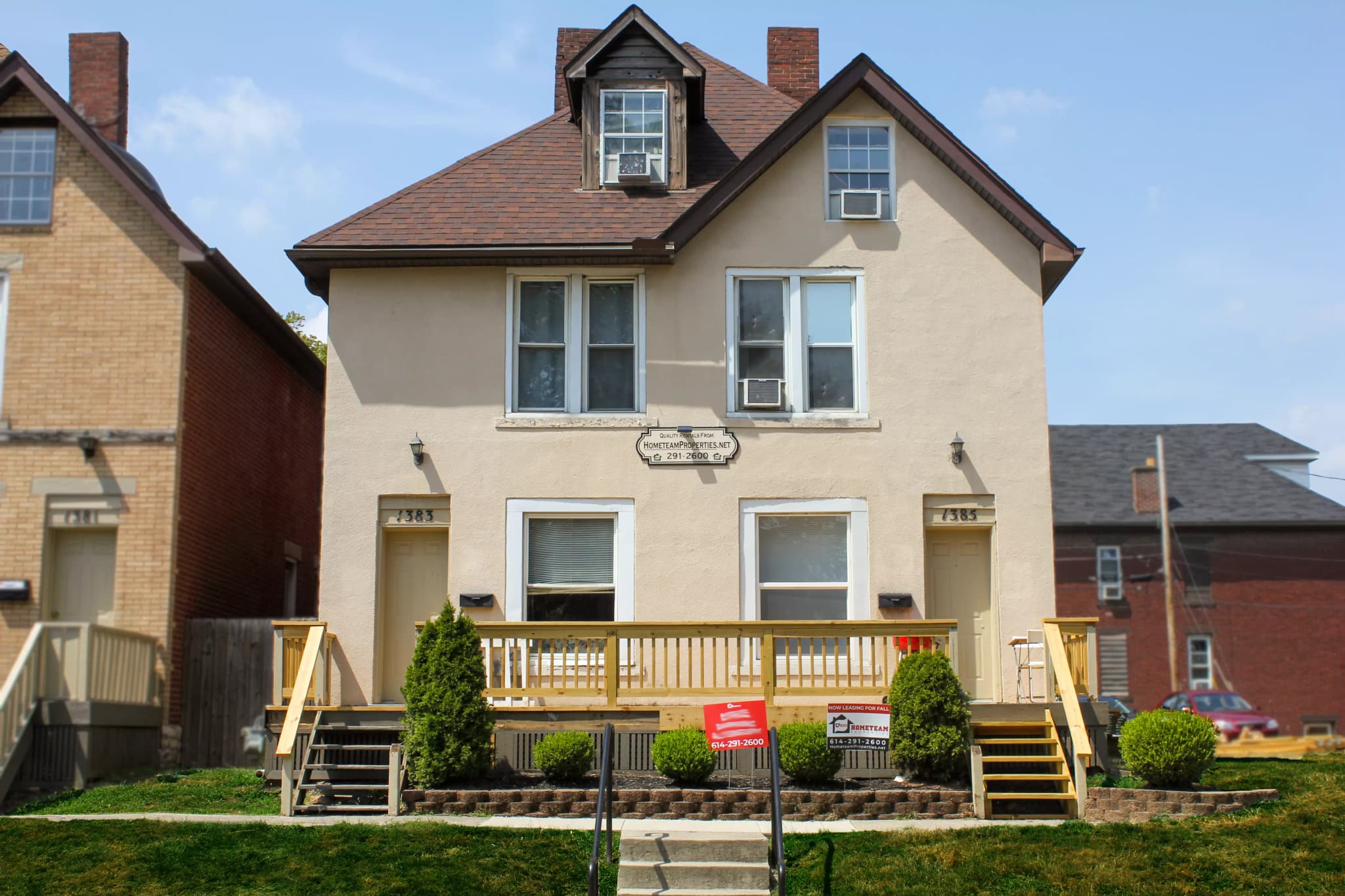
$1,540/unit
Fees may apply1383-1385 Indianola Ave
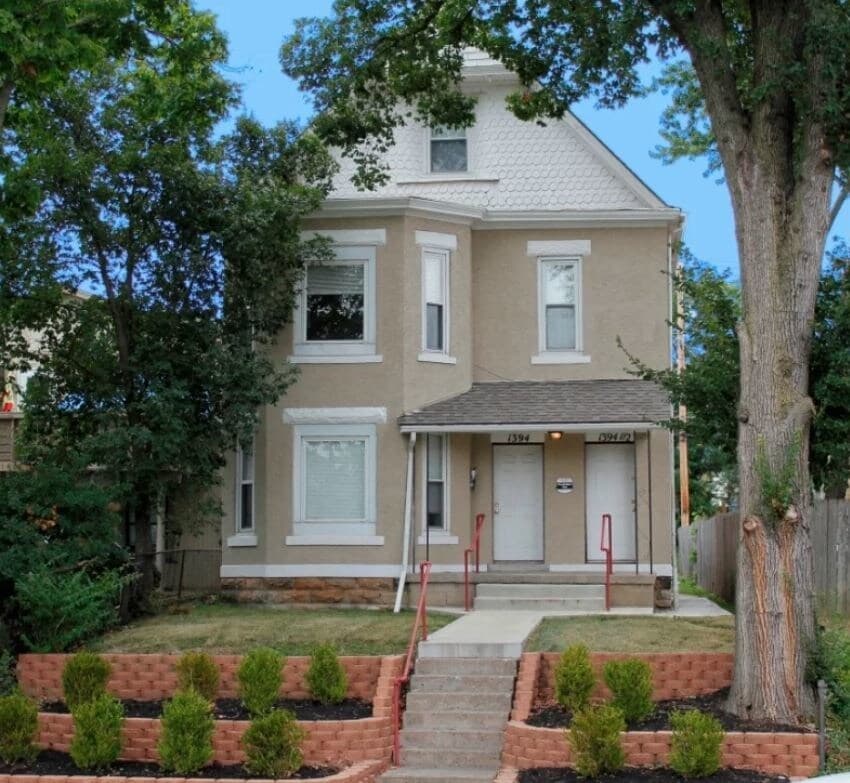
$566/unit
Fees may apply1394-1394.5 Indianola Ave
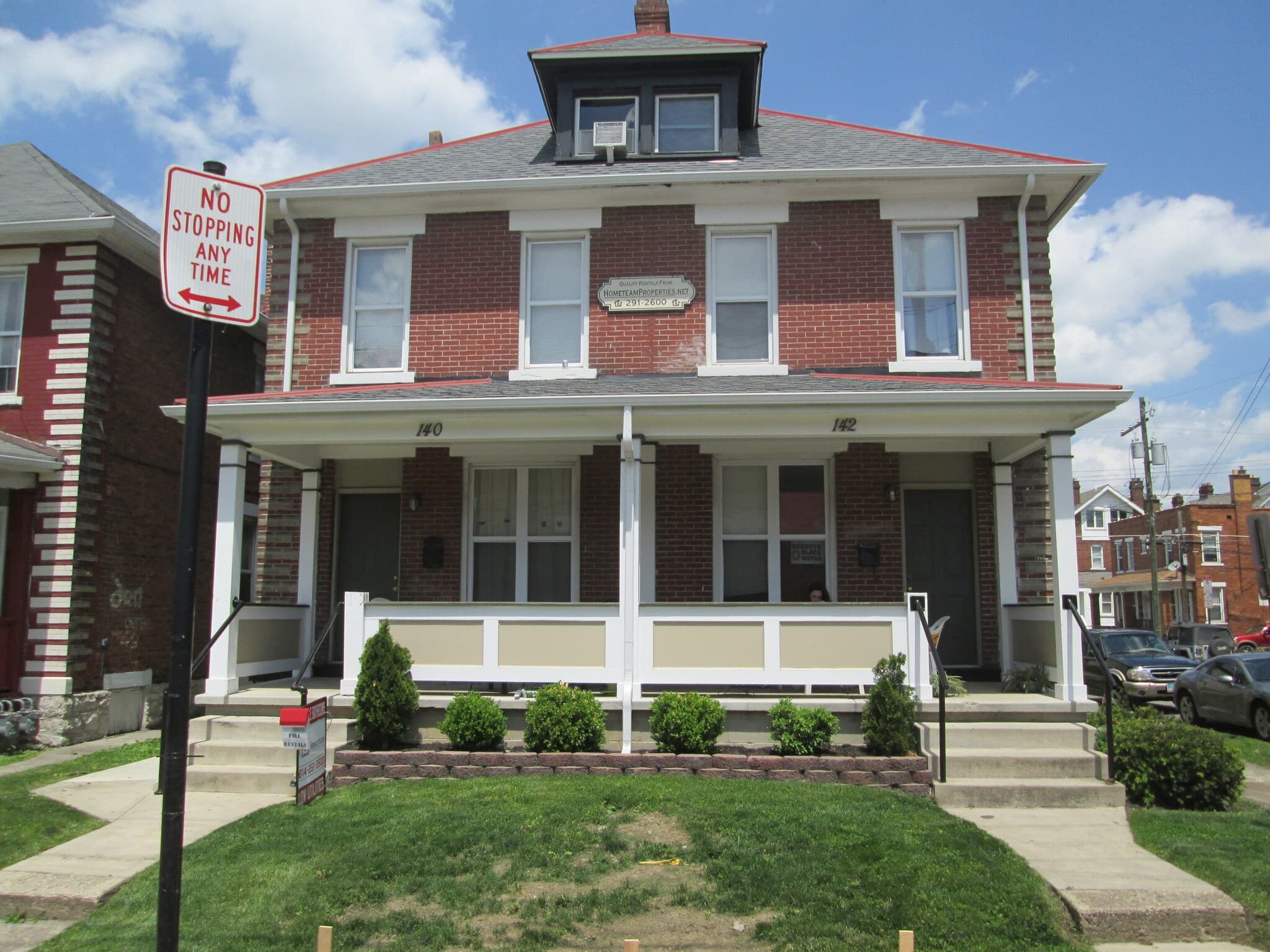
$625/unit
Fees may apply140-142 E 11th Ave
About Off-Campus Housing Near Ohio State University-Main Campus
The Ohio State University packs about 61,369 students into Columbus, one of the largest single campuses in the country and the heart of a fast-growing capital city. The center of it all is the Oval, the grassy quad students cross between classes, where legend says stepping on the bronze seal brings bad luck. Campus runs right into the University District, and the Short North arts corridor stretches south toward downtown with galleries and a monthly gallery hop. Game days at the stadium turn the whole city scarlet and gray, and the COTA bus system plus a walkable core mean plenty of students skip the car. Beyond campus you've got the riverfront, Goodale Park, and a downtown that keeps adding to itself.
Ohio State University-Main Campus Housing Requirements
Freshman Live-On Requirement
Most first-years and second-years at Ohio State must live on campus, a two-year requirement that runs stricter than many schools. The rule is administered by Housing and Residence Education, which reviews any request to live elsewhere.
Off-Campus Eligibility
Exemptions are approved by Housing and Residence Education and include living with a parent or close relative within 25 miles of campus, being married, living in an approved Greek facility, or having completed at least four semesters of college after high school. Once you clear the requirement, you join a large off-campus scene packed into the University District and beyond. The rental process here is competitive and landlord-heavy, so expect applications, a security deposit, and often a co-signer if you lack credit history.
Lease Timing
Leases in Columbus typically run from early August to late July, so plan for a brief overlap or a storage gap when you move. Watch the lease for per-bedroom liability, since group houses sometimes hold everyone jointly responsible for the full rent. Confirm utility setup and parking before signing, since parking is tight and sometimes permit-only.
Housing policies change frequently. Always verify current requirements directly with Ohio State University-Main Campus before signing a lease.
When to Start Looking for Housing Near Ohio State University-Main Campus
Early Searchers
Columbus leases on a brutally early cycle, so it pays to start ahead of the crowd. Newer complexes near campus begin leasing for the next academic year in the spring or summer of the year before, sometimes up to 18 months ahead of delivery. If you want a specific house or a newer building, treat the fall of the prior year as your starting line. Most students at Ohio State who land their first choice begin touring well before winter.
Peak Demand Window
The real surge runs from December through February, when most students sign their leases. A lot of the best units sell out by November or December, before the peak even arrives. Classes begin in late August, and demand for walk-to-class spots is intense throughout this window. Typically the closest and newest buildings go first.
Last-Minute Options
If you are searching late, spring and summer still turn up openings as plans fall through and graduates leave. Subletting is common over the summer term and can bridge a gap until a full lease opens up. The trade-off is fewer of the prime close-to-campus options. Still, the earlier you lock something near campus, the better your choices.
Neighborhoods Near Ohio State University-Main Campus
University District
The dense student core right against campus, where most undergrads land, with everything from older houses to newer mid-rises.
Short North
The arts corridor just south, walkable and lively, drawing students who want city energy and pay a premium for it.
Victorian Village
Leafy, historic, and a bit quieter, popular with grad students and upperclassmen.
Frequently Asked Questions: Off-Campus Housing Near Ohio State University-Main Campus
Common questions from students searching for housing.
A shared room or per-person spot in the University District usually runs about $600-$1,000/month. Older houses near campus land at the low end, while newer mid-rises and Short North units sit higher. Plan on another $50-$130/month for utilities depending on whether water and internet are bundled.
More Housing Near Ohio State University-Main Campus
Search by Room Type
Search by Lifestyle
Other Universities in Columbus
Other universities in Columbus share a similar off-campus housing market.
Chamberlain College of Nursing Ohio
Chamberlain College of Nursing's Columbus campus is at 4111 Worth Avenue in northeast Columbus, near Easton Town Center and close to Riverside Methodist Hospital and OhioHealth facilities where students complete clinical rotations. The campus focuses on nursing and health sciences, offering the BSN, the RN to BSN…
View housing near Chamberlain College of Nursing OhioColumbus College of Art and Design
Columbus College of Art and Design is a private arts institution in downtown Columbus, Ohio, founded in 1879 and one of the oldest and largest art colleges in the country. The college occupies a compact urban campus close to the Short North, placing students in the middle of Columbus's most active gallery and…
View housing near Columbus College of Art and DesignColumbus State Community College
Columbus State Community College is one of the largest community colleges in Ohio, serving tens of thousands of students annually across its downtown Columbus campus and regional learning centers. Located on Spring Street, CSCC offers associate degrees, transfer pathways, and workforce programs in nursing, information…
View housing near Columbus State Community CollegeFranklin University
Franklin University is a private, nonprofit university anchored in downtown Columbus, Ohio, at 201 S Grant Ave, that has built its identity around serving working adults and career changers since 1902. With roughly 7,500 students enrolled across more than 80 degree programs, Franklin operates primarily as a commuter…
View housing near Franklin UniversityMount Carmel College of Nursing
Mount Carmel College of Nursing is a small, specialized health sciences institution located in Columbus, Ohio, affiliated with the Mount Carmel Health System. With an enrollment of approximately 1,000 students, the college focuses exclusively on nursing and health-related programs, offering bachelor's, master's, and…
View housing near Mount Carmel College of NursingOhio Dominican University
Ohio Dominican University is a small private Catholic university located in the Beechwold neighborhood of northeast Columbus, Ohio. Founded in 1911 by the Dominican Sisters of Peace, ODU enrolls approximately 1,500 undergraduate and graduate students and offers degrees across the liberal arts, business, education, and…
View housing near Ohio Dominican Universityfind my place guides for OSU
Curated recommendations from students who’ve been there.
See how students rate the places near OSU on social life, management, and quality before you tour.
Read student housing reviews near OSU →