Off-Campus Housing Near William & Mary
Off-Campus Housing Near William & Mary
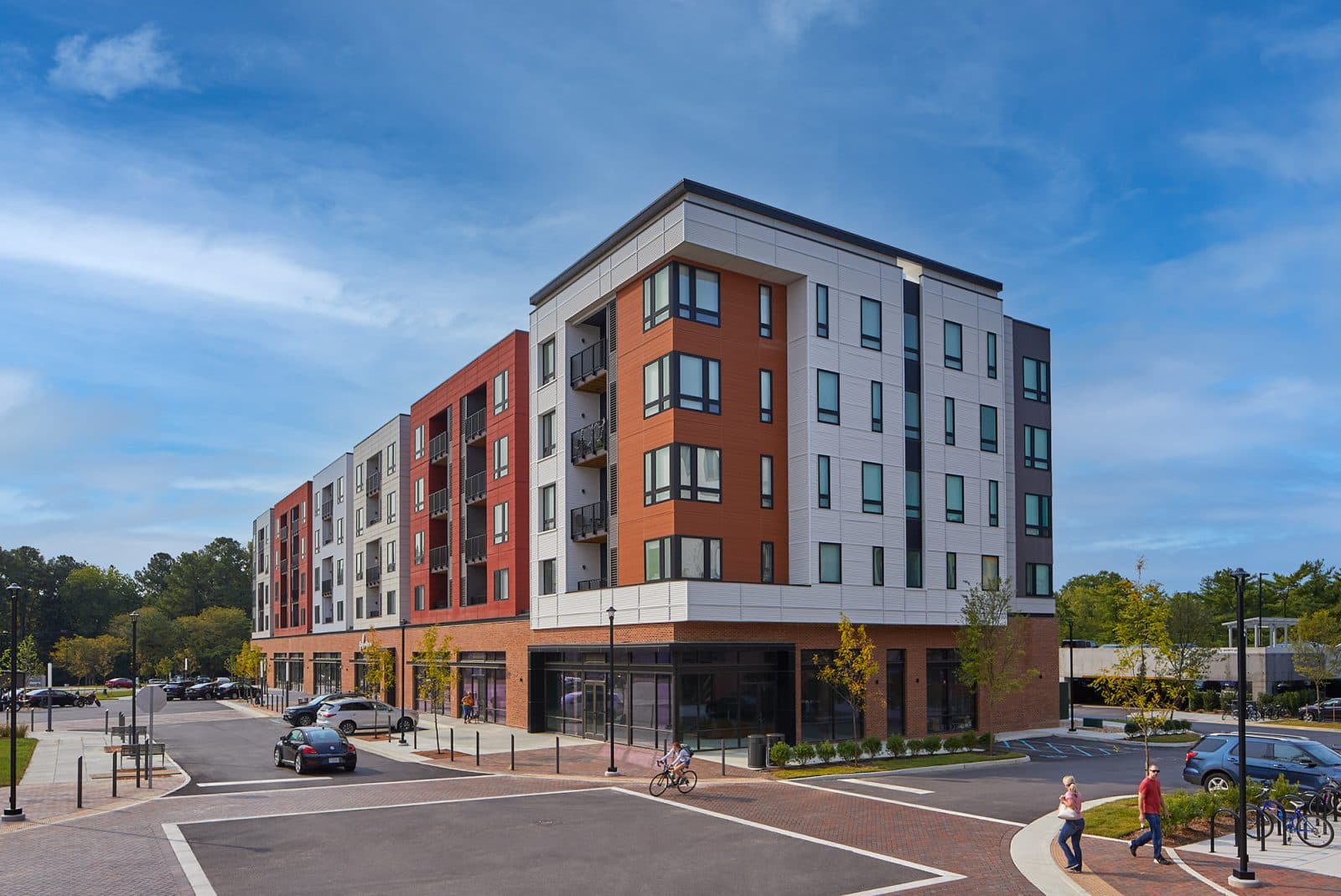
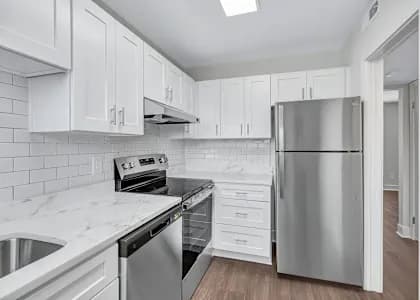
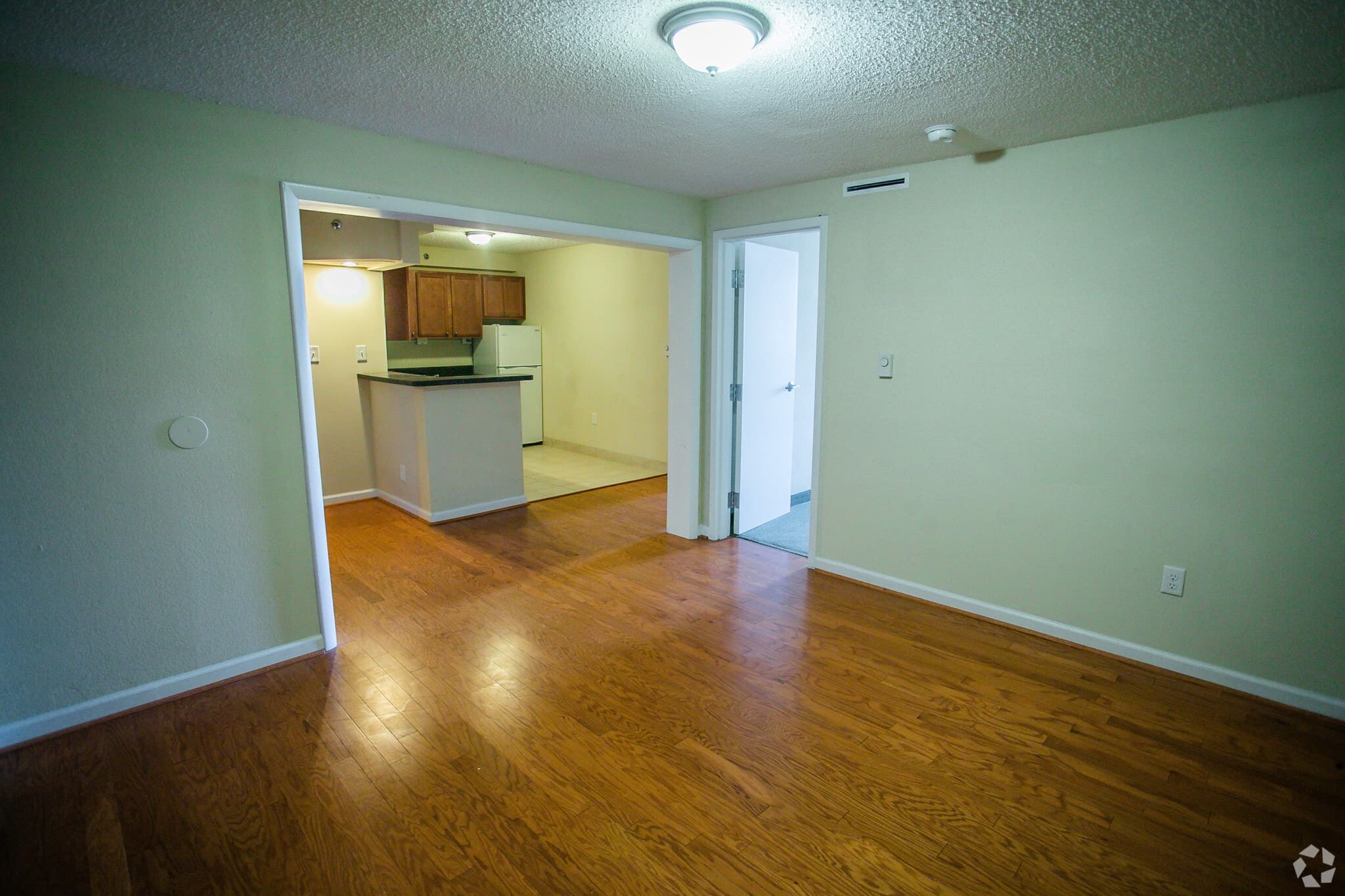
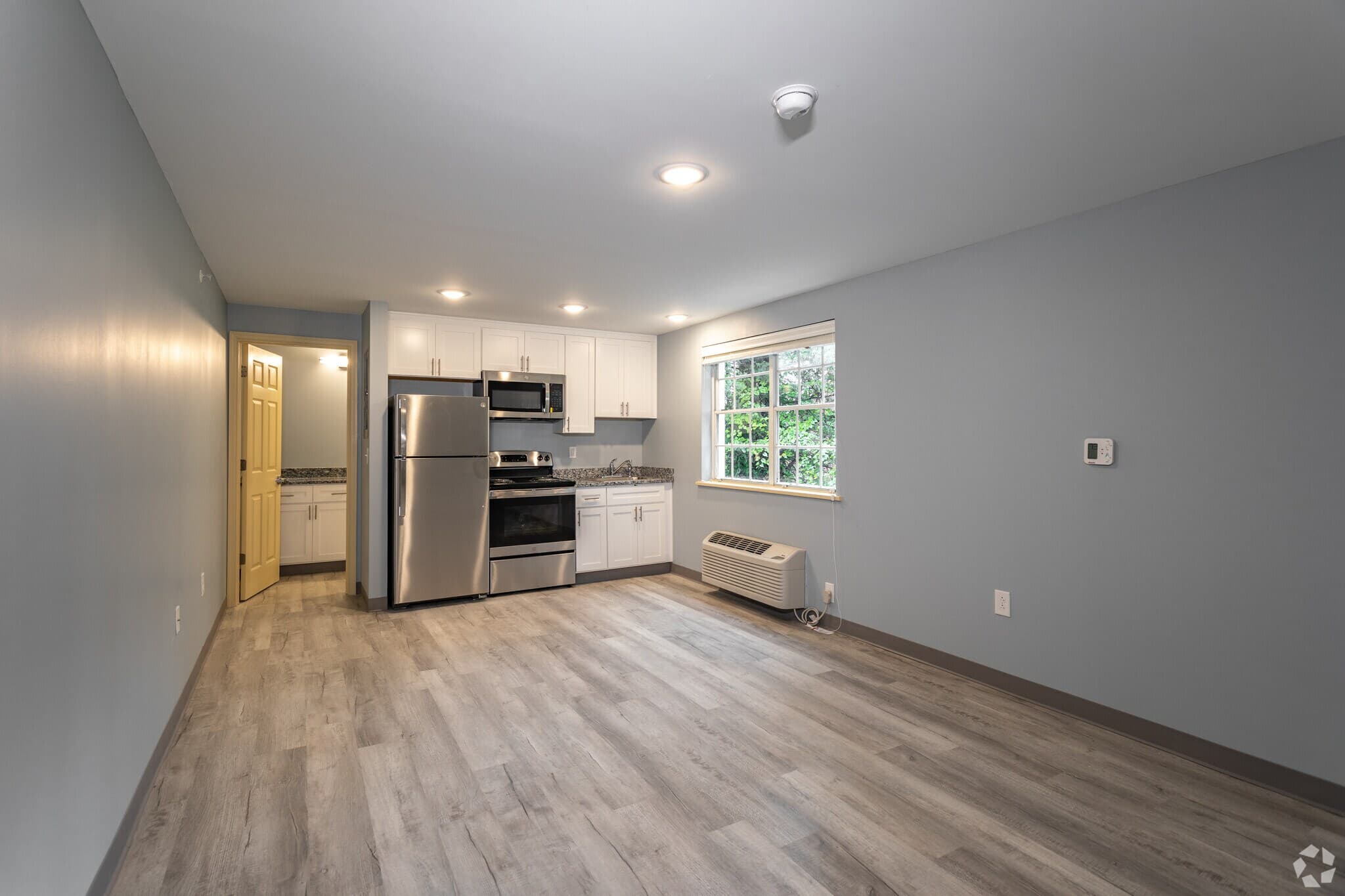
About Off-Campus Housing Near William & Mary
William & Mary sits about 8,900 students in Williamsburg, Virginia, the small colonial town where the country's second-oldest university shares its backyard with living history. Campus runs from the brick Wren Building straight into Colonial Williamsburg, so a walk to class might pass period reenactors and 18th-century streets. Behind campus, the wooded trails and Lake Matoaka give you real green space without leaving the grounds. Tribe pride runs deep, and traditions like the Yule Log ceremony each December give the year its rhythm. The historic district and Merchants Square sit right at the campus edge, walkable and packed with events. Richmond and the Virginia Beach area are both an easy drive when you want a change of pace.
William & Mary Housing Requirements
Freshman Live-On Requirement
William & Mary requires full-time students to live on campus for their first two years after high school. Most students stay in the residence halls through those years before starting the off-campus search as juniors.
Off-Campus Eligibility
After the two-year requirement, students at William & Mary look at apartment complexes along the main roads, older houses near campus, and a mix of duplexes and townhomes. The process runs through private landlords and management companies: an application, a credit or guarantor check, and first month plus a security deposit.
Lease Timing
Williamsburg enforces a strict occupancy rule limiting how many unrelated people can live in a single-family home, often just three, which is a real constraint for big groups eyeing a house, so confirm the legal limit before you commit. Leases typically run a full twelve months, commonly starting in August, so check air conditioning, laundry, and summer terms.
Housing policies change frequently. Always verify current requirements directly with William & Mary before signing a lease.
When to Start Looking for Housing Near William & Mary
Early Searchers
Williamsburg's off-campus cycle starts in the fall and early winter for the following year. Juniors typically begin touring around October through December, and the closest houses and the most popular complexes near campus get claimed first, often by winter break or shortly after. Because the three-unrelated occupancy rule limits group houses, the legal-for-four-or-more spots are especially competitive, so groups should move early.
Peak Demand Window
The peak runs October through December as juniors claim the closest houses and complexes. Classes start in late August, and since most leases begin in August, move-in lines up with fall. Legal-for-four-or-more houses are the most competitive. Lock in a close-to-campus house with your group by late fall.
Last-Minute Options
Spring is when the better walk-to-campus options are mostly gone, leaving complexes a drive or bus ride out. Summer brings some sublet activity since students leave for internships, which can be a fallback if you are staying in town. If you want a house close to campus with a specific group, lock it in by late fall rather than waiting into spring.
Neighborhoods Near William & Mary
Around campus and Merchants Square
The blocks right around campus and Merchants Square are the most walkable, a mix of older houses and apartments steps from class.
Richmond Road
Running northwest from campus, Richmond Road is lined with student complexes and is a common pick for upperclassmen.
Jamestown Road
To the south, Jamestown Road offers quieter residential streets and houses near the lake and trails.
Frequently Asked Questions: Off-Campus Housing Near William & Mary
Common questions from students searching for housing.
A bedroom in a shared apartment or house near campus usually runs $600-$1,200/month per person. Older houses split among roommates and complexes a bit further out land at the lower end, while newer units close to campus and Merchants Square run higher. Budget another $40-$100/month for utilities, depending on summer air conditioning.
Yes. William & Mary requires full-time students to live on campus for their first two years after high school, with releases granted only for specific exemptions. Most students move off campus as juniors once that requirement is behind them.
Richmond Road, lined with student complexes, is a top pick for upperclassmen. Older houses right around campus and Merchants Square are the most walkable, Jamestown Road is quieter near the lake, and newer complexes along Monticello Avenue and in New Town sit a short drive or bus ride out.
It helps. The blocks right around campus are walkable, and the Williamsburg Area Transit buses connect to the further-out complexes, but Williamsburg is spread out and a car makes errands and weekend trips easier. Students in complexes a mile or more out usually keep one.
Start in the fall for the following year. Juniors tour from October through December, and the closest houses go by winter break. Because the city limits unrelated roommates in a house, the legal-for-a-group spots are competitive, so move early if you want one.
Most student leases run a full twelve months, usually starting in August. You'll typically pay through the summer, so plan to stay in town or arrange a sublet. Confirm the start date and summer terms before you sign.
Williamsburg is a small, quiet town, and the residential streets around campus, Jamestown Road, and the main complexes are generally calm. As anywhere, walk a block at night before signing, check lighting and parking, and use the campus escort service after late library nights.
It depends. Some newer complexes bundle water or trash, while older houses near campus usually bill utilities separately, often $40-$100/month per person, and Virginia summers make air conditioning a real expense. Ask exactly what's covered and whether the place has central air or window units.
Yes. Since most leases run twelve months and many students leave for summer internships, subletting is common, and leases often get passed from one group to the next year to year. Put the arrangement in writing and clear it with the landlord first.
Williamsburg enforces a strict zoning rule that usually caps a single-family home at three unrelated occupants. That's a real constraint if you're planning a big group house, so confirm the legal limit for any property before you sign, since landlords can't override the city rule.
More Housing Near William & Mary
Search by Room Type
Search by Lifestyle
See how students rate the places near William & Mary on social life, management, and quality before you tour.
Read student housing reviews near William & Mary →More on off-campus housing near William & Mary
- Neighborhoods & Cities
Where William & Mary Students Live Off Campus: 4 Williamsburg Neighborhoods Compared
William & Mary off-campus neighborhoods come down to four parts of Williamsburg: Midtown on Monticello Avenue, the house blocks next to campus, the east side off Middle Street and Parkway Drive, and Mal Mae Court in the southeast. Rent runs from about $667 per person to $1,400 for your own room.
October 9, 2026read more → - Budget & Affordability
How Much Does Off-Campus Housing Cost Near William & Mary?
William & Mary off-campus housing cost lands around $995 to $1,400 a month for your own bedroom, based on the four Williamsburg apartment communities listed on Find My Place in October 2026. Split a two- or three-bedroom with friends and you can get under $730 each.
October 9, 2026read more →