Student Housing in Winona, MN
Student Housing in Winona, MN

email me if my perfect place pops up
We'll reach out the moment one matches everything you asked for
About Student Housing in Winona
Winona, Minnesota is a river town wedged between 500-foot limestone bluffs and the Mississippi, and it wears that geography proudly. Home to Winona State University, the city runs on a student crowd that spills out of campus into walkable downtown streets and the lakeside parks nearby. Lake Winona sits right in the middle of town with a paved loop students bike, run, and skate year-round, and you can climb Garvin Heights or Sugar Loaf for the postcard river view. Downtown holds the county history center and the Minnesota Marine Art Museum, plus summer concerts at the lake bandshell. It's small, walkable, and a little artsy, with a steady rhythm of campus events, farmers markets, and river festivals that keep things lively without ever feeling crowded.
Best Neighborhoods for Students in Winona
College Hill
The blocks right around campus, sometimes called College Hill, are the default for first-timers who want a sub-three-block walk to lecture.
Downtown Winona
Downtown puts you steps from the transit hub, the riverfront, and the social strip, ideal if you want nightlife and coffee near your door.
Midtown
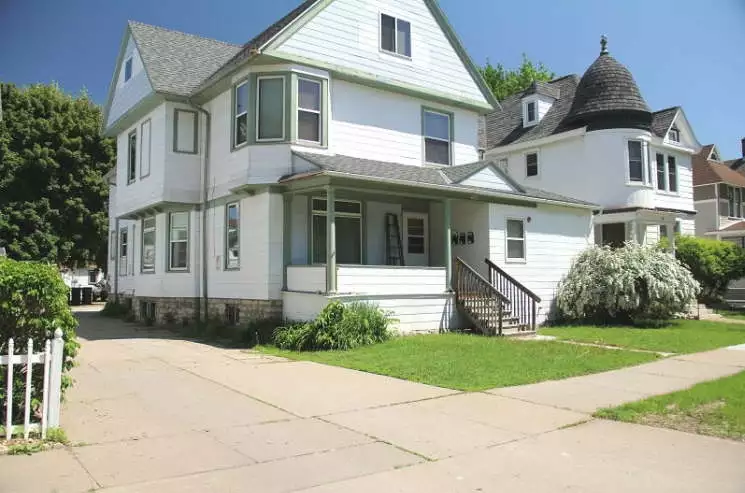
Midtown sits quieter, with older single-family houses carved into multi-unit homes and more elbow room for roommate groups.
Getting Around Winona as a Student
Here's what you need to know about getting around Winona.
Public Transit
Winona Transit Service runs four lift-equipped bus routes connecting campus, downtown, and the residential neighborhoods if the weather turns or you're hauling groceries. Most student housing sits close to Winona State, so transit is a backup rather than a daily necessity for many. The four routes cover the main parts of town. Check schedules if you plan to rely on the bus regularly.
Walking and Biking
Winona is the rare college town where you genuinely don't need a car. Most student housing sits three blocks or less from Winona State, so walking handles the daily commute, and the downtown Walk Score lands around 80. Biking is the local favorite once the snow melts: the flat grid and the paved loop around Lake Winona make two wheels faster than parking. Winter is real here, so layer up and give yourself extra minutes when sidewalks ice over.
Parking
If you bring a car, street and lot parking exists, but it's overkill for getting to class. Driving is most useful for trips out of town rather than daily errands. Parking is generally easy and available compared with a bigger city. Most students skip a car and rely on walking and biking.
Frequently Asked Questions: Student Housing in Winona
Common questions from students searching for housing.
Most students share houses or split larger units, which keeps things manageable. Expect roughly $350-$600 per person per month in a 3-4 bedroom shared house, while a private 1-bedroom near campus runs closer to $600-$900 per month. Studios sit on the lower end. Splitting a house with roommates is almost always the cheapest path here.
Downtown and the College Hill blocks right by campus are the go-tos for walkability and social life. Midtown and Winona Heights skew quieter and give roommate groups more room. All of them keep you close to Lake Winona and a short walk or bike from Winona State.
Nope. Most housing is within three blocks of campus, the town is very walkable, and Winona Transit runs four bus routes. A bike covers the rest. A car is handy for grocery runs or weekend trips but isn't required day to day.
Very close. The bulk of student rentals sit three blocks or less from the main entrance, so a five-minute walk to class is the norm rather than the exception. The College Hill pocket is the tightest to campus.
Winona is a small river town with a generally low-key feel, and the close-in student areas around campus and downtown are well-traveled. Use the usual common sense after dark, lock up your bike, and you'll be fine. Campus safety services are available if you ever need a walk home.
Start in the fall semester for the following year. The best close-in houses go early, often by November or December, so touring in October and locking a place before winter break puts you ahead of the pack.
Most student leases run a standard 12 months and align with the August academic calendar. Some landlords offer 9-10 month options, but they're less common. Older converted houses are everywhere here, so check heating and insulation before you sign, because Minnesota winters are no joke.
It varies. Some houses bundle water and trash; many leave heat and electric to you. Plan on roughly $100-$180 per month per person for utilities in an older house during winter, since heating drives the bill up. Always ask what's included before signing.
Yes. Most students room up to share houses, and Winona State has channels for matching roommates. Summer sublets are common since many students leave for break, so if you need a short-term spot or want to fill one, the market's active in May and June.
It's the whole appeal. You're minutes from the Lake Winona loop, the riverfront, and bluff climbs like Garvin Heights and Sugar Loaf. Students bike the lake path, kayak in summer, and hit the trails in fall. The natural setting is a big reason people pick Winona over a bigger campus.
Find Housing by University in Winona
Browse student housing near each Winona-area university.
Search Winona Student Housing by…
Lifestyle
See how students rate apartments in Winona, MN on social life, management, and quality before you tour.
Read student apartment reviews in Winona, MN →