Student Housing in Albany, NY
Student Housing in Albany, NY

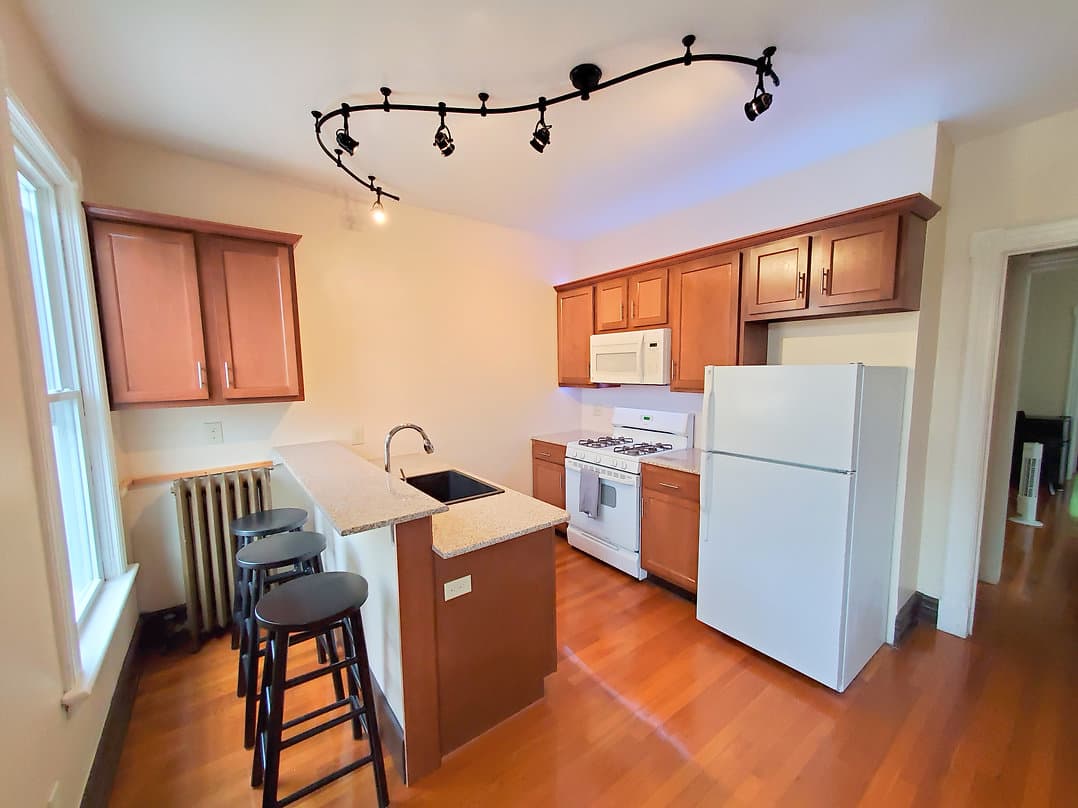
About Student Housing in Albany
Albany is the capital of New York State and a mid-size city of approximately 100,000 residents situated on the west bank of the Hudson River in the Capital District region. As the seat of state government, Albany has a large and stable public-sector economy anchored by state agencies, the legislature, and associated law and lobbying firms. The city is home to several colleges and universities, including the University at Albany (SUNY), Albany Medical College, Albany Law School, and the College of Saint Rose, which closed in 2024. Albany's neighborhoods range from dense urban blocks near the Empire State Plaza to quieter residential areas like Pine Hills and Buckingham Lake that are popular with students. The city is well-connected by Amtrak to New York City, roughly 2.5 hours south, and to Boston, roughly 3 hours east.
Best Neighborhoods for Students in Albany
Pine Hills
The most established student neighborhood, directly west of the UAlbany uptown campus, with walkable access to Washington Avenue retail and dining.
Delaware Avenue
South of downtown, popular with graduate students and upperclassmen who want a more urban, mixed-use environment with independent restaurants and bars.
Central Avenue
Stretching west from downtown, with a dense mix of apartments, retail, and restaurants and good CDTA bus access to campus.
Buckingham Lake and Whitehall Road
Quieter, more suburban-style housing for students who prefer more space, though a car or bus commute is needed.
Downtown Albany
Near the Empire State Plaza, suiting law, policy, or government students who want to walk to internships and state agency offices.
Getting Around Albany as a Student
Here's what you need to know about getting around Albany.
Public Transit
Albany is served by CDTA, the Capital District Transportation Authority, which operates an extensive bus network throughout the city and into surrounding suburbs. The CDTA BRT (Bus Rapid Transit) line runs along Washington Avenue and Central Avenue, two of the main corridors used by UAlbany students, with frequent service and dedicated lanes in some segments. Students living in Pine Hills, along Central Ave, or in downtown Albany can reach the uptown UAlbany campus by bus without a car.
Walking and Biking
Pine Hills and the neighborhoods immediately adjacent to the UAlbany uptown campus are walkable, and students in those areas can reach class, grocery stores, and restaurants without a vehicle. Albany's riverfront and the flatter sections of the city near the Empire State Plaza and downtown are bikeable, and the city has invested in bike lanes along several major streets. Hillier terrain in parts of the city and cold winters from November through March can make biking less practical for some students during parts of the academic year.
Parking
Parking on campus at UAlbany requires a permit and fills quickly in lots near the academic core, making it less convenient than many suburban campuses. Street parking in Pine Hills is available but can be competitive, particularly on evenings and weekends. Students who commute by car from suburbs like Guilderland or Bethlehem have access to park-and-ride facilities that connect to CDTA bus routes serving the campus.
Frequently Asked Questions: Student Housing in Albany
Common questions from students searching for housing.
Pine Hills is the top choice for most UAlbany undergraduates because it is walkable to the uptown campus and has a well-established student community. Delaware Avenue and Central Avenue are popular secondary options offering more urban amenities and reliable CDTA bus service. Graduate students and those in government or law programs sometimes prefer downtown Albany for its proximity to the Empire State Plaza and internship sites.
Albany is one of the more transit-accessible cities in the SUNY system thanks to CDTA's extensive bus network, including BRT service on Washington Avenue and Central Avenue. Students living in Pine Hills can walk to campus, and those in other neighborhoods can rely on frequent bus routes. A car becomes more useful for trips to suburban shopping centers, airports, or destinations outside the Capital District.
December and January are the ideal months to start searching for a fall lease in Pine Hills and nearby neighborhoods. February is the peak signing month, and the most desirable units near the uptown campus tend to go off the market quickly. Students who wait until March or later will find fewer walkable options and may need to look in neighborhoods farther from campus.
Rents in Albany are moderate compared to New York City but higher than rural SUNY campuses. Shared apartments in Pine Hills typically run $700 to $1,000 per person per month depending on unit size, location, and amenities. Neighborhoods farther from campus along Central Avenue or in the downtown area can offer lower per-person costs when students share larger units.
Albany's role as the state capital creates a large supply of internship and part-time employment opportunities in government, policy, law, and healthcare that are rare in most college towns. The city has a diverse food scene, active arts community, and regular cultural events tied to its history and political significance. Amtrak connections to New York City and Boston make weekend travel straightforward and affordable for students who want to explore the Northeast.
Find Housing by University in Albany
Browse student housing near each Albany-area university.
Search Albany Student Housing by…
Lifestyle
See how students rate apartments in Albany, NY on social life, management, and quality before you tour.
Read student apartment reviews in Albany, NY →