Off-Campus Housing Near BYU

Off-Campus Housing Near BYU
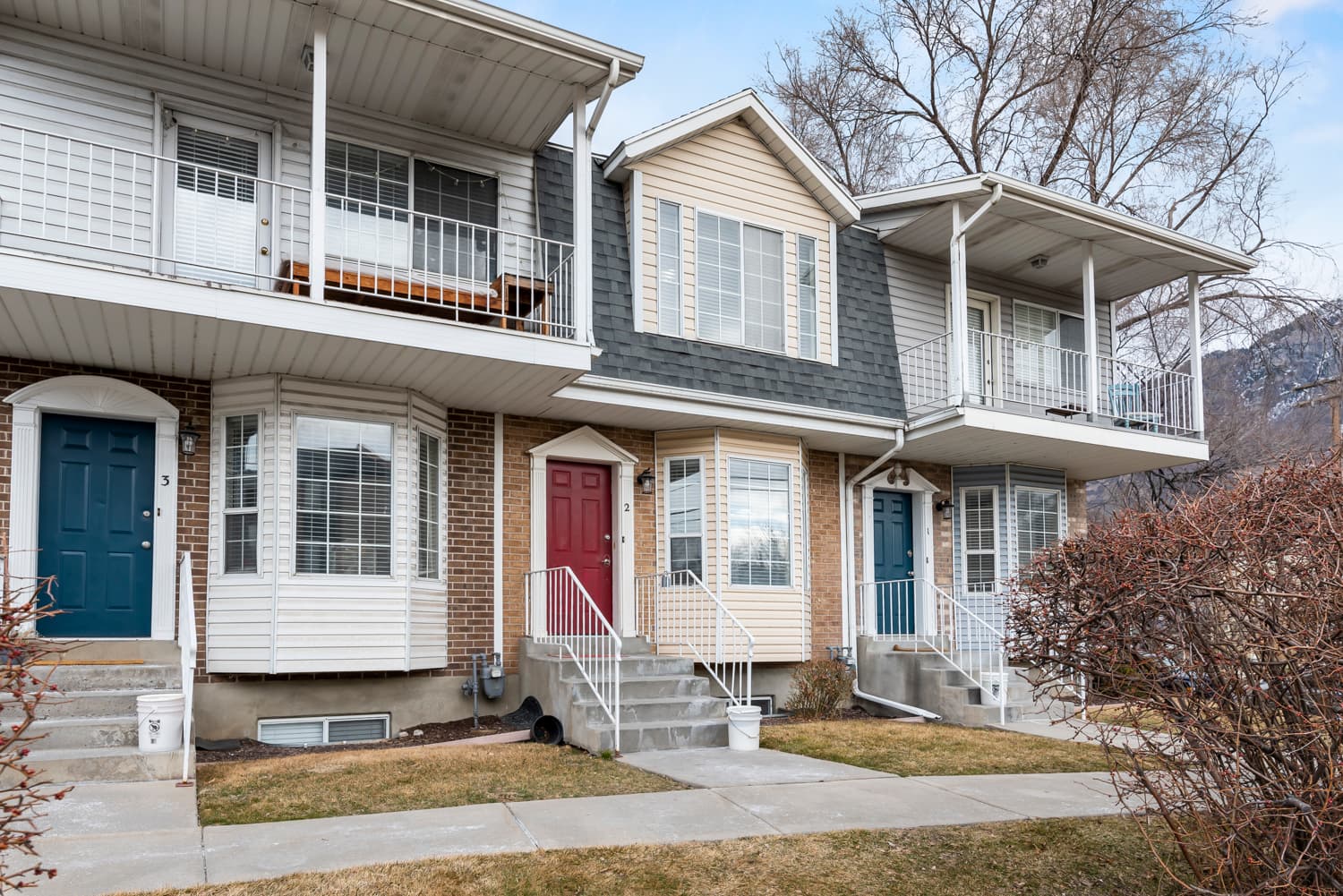
$545/person
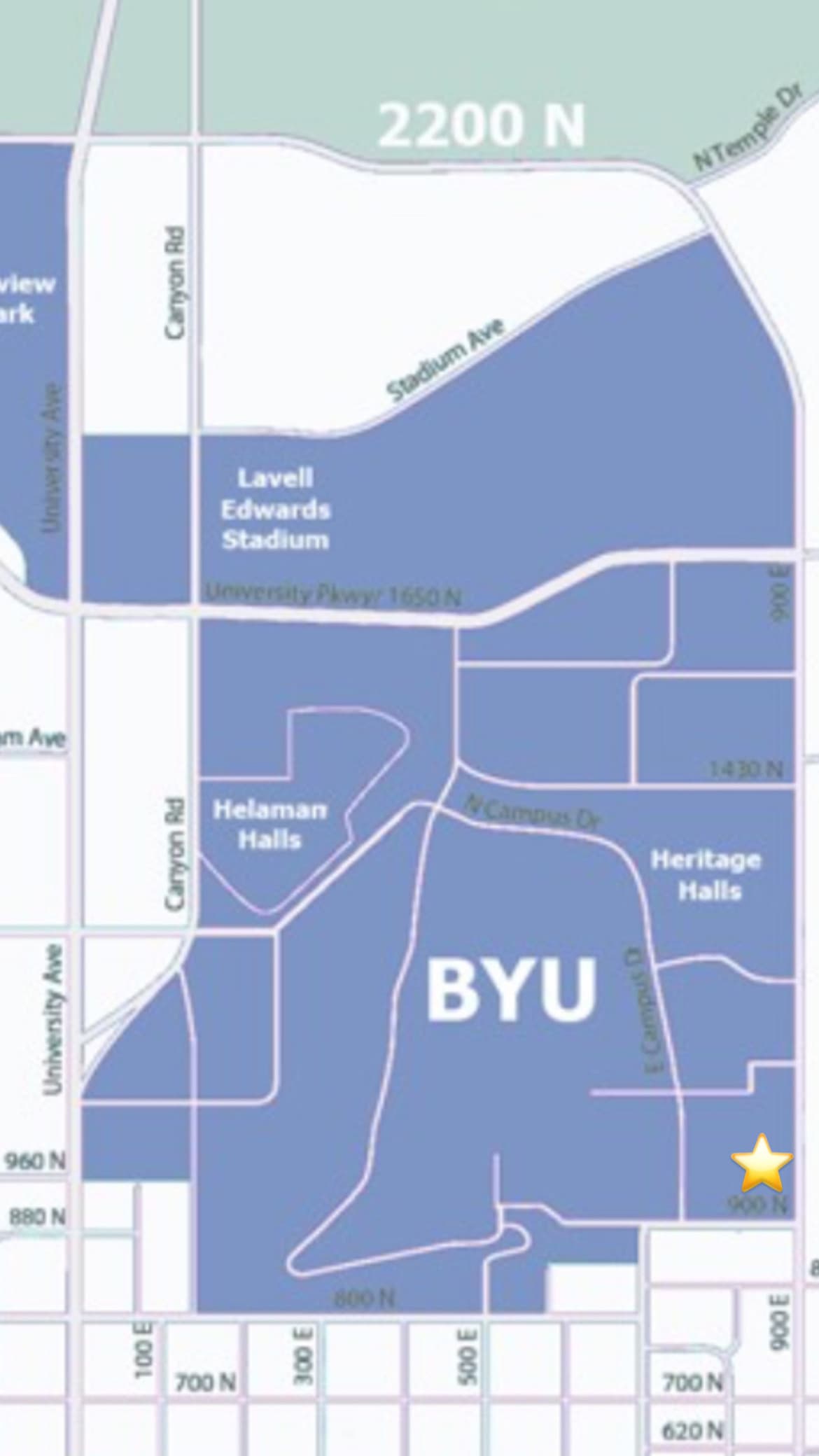
$350/person
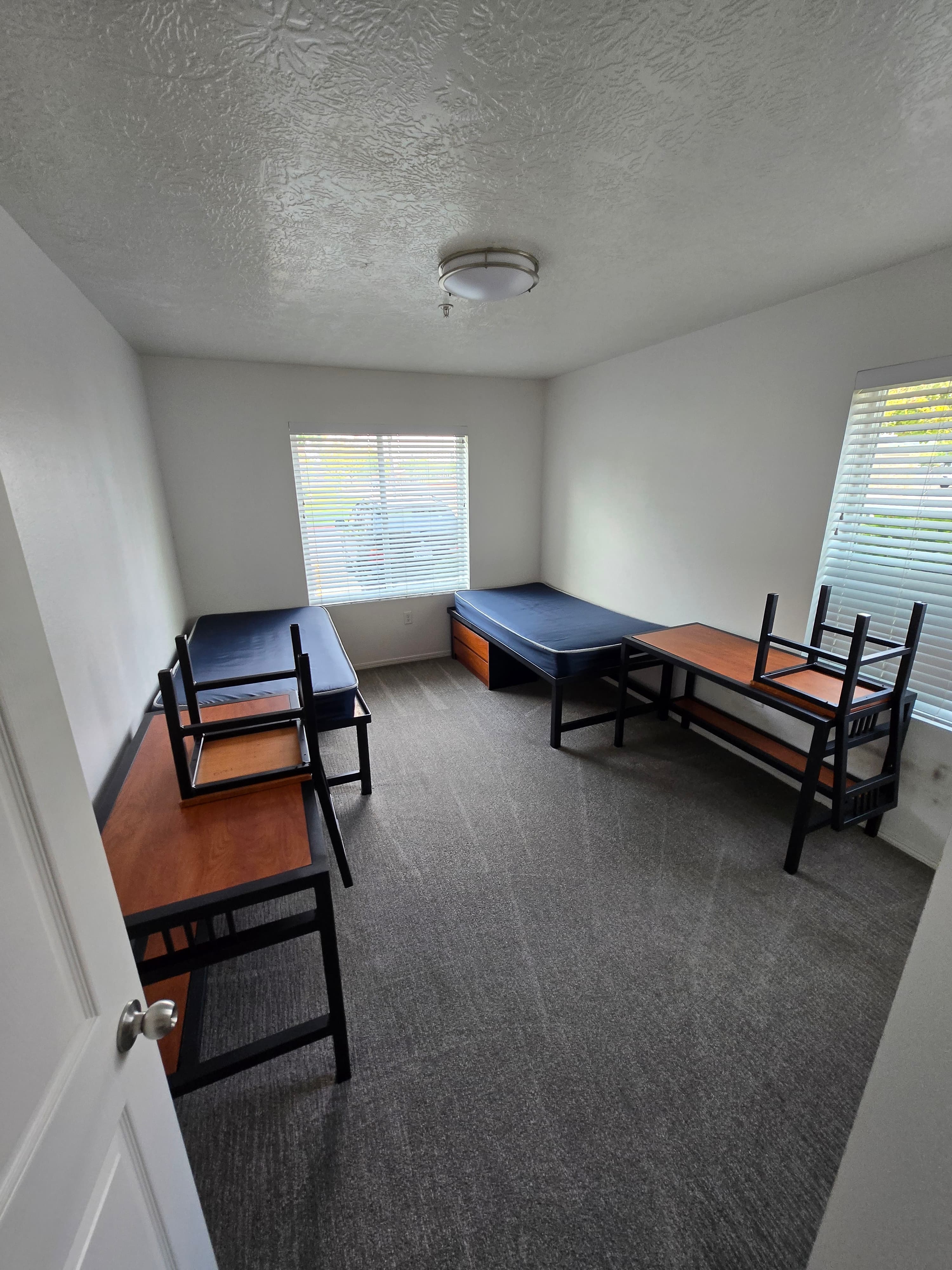
$650/person
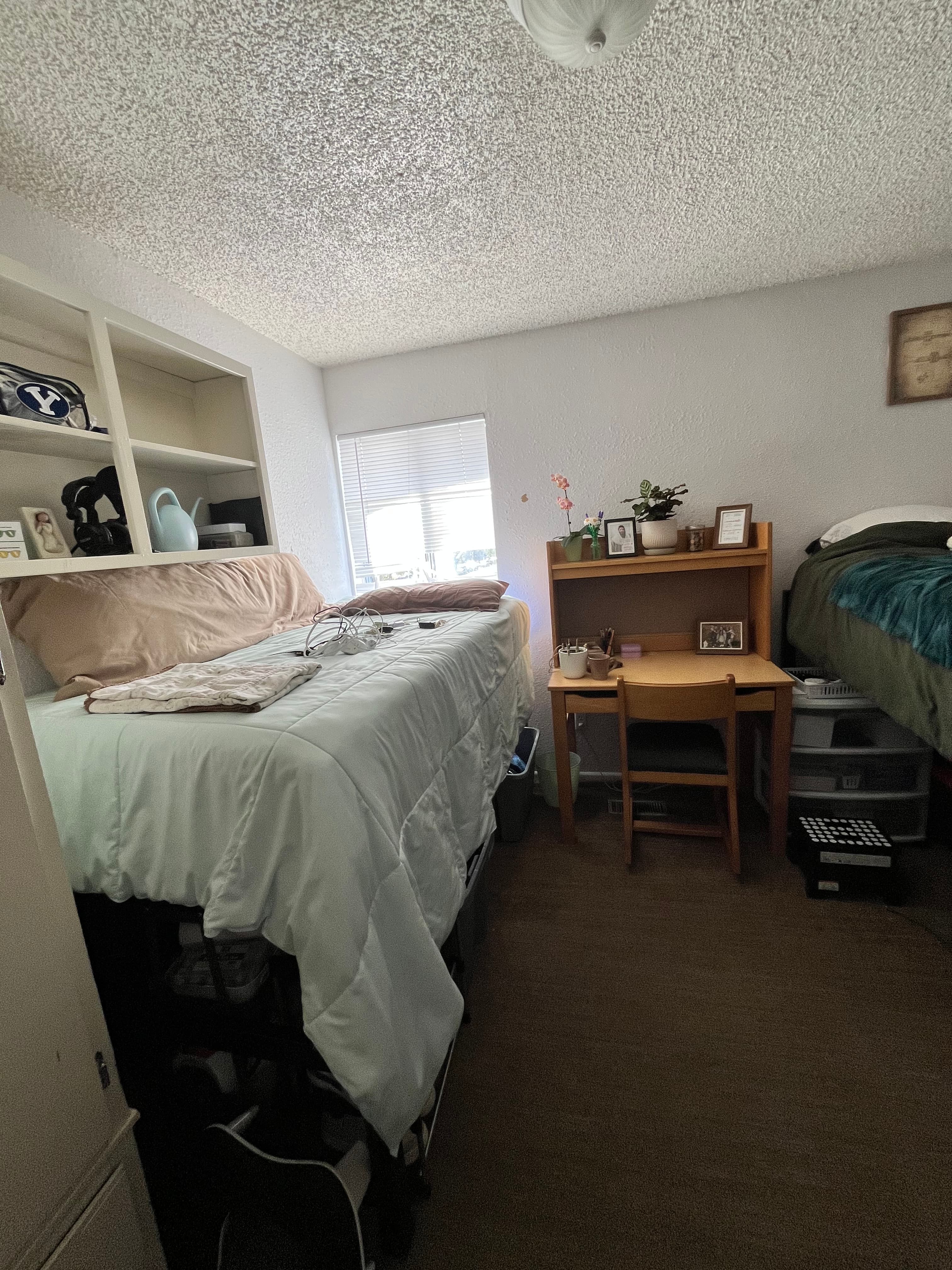
$545/person
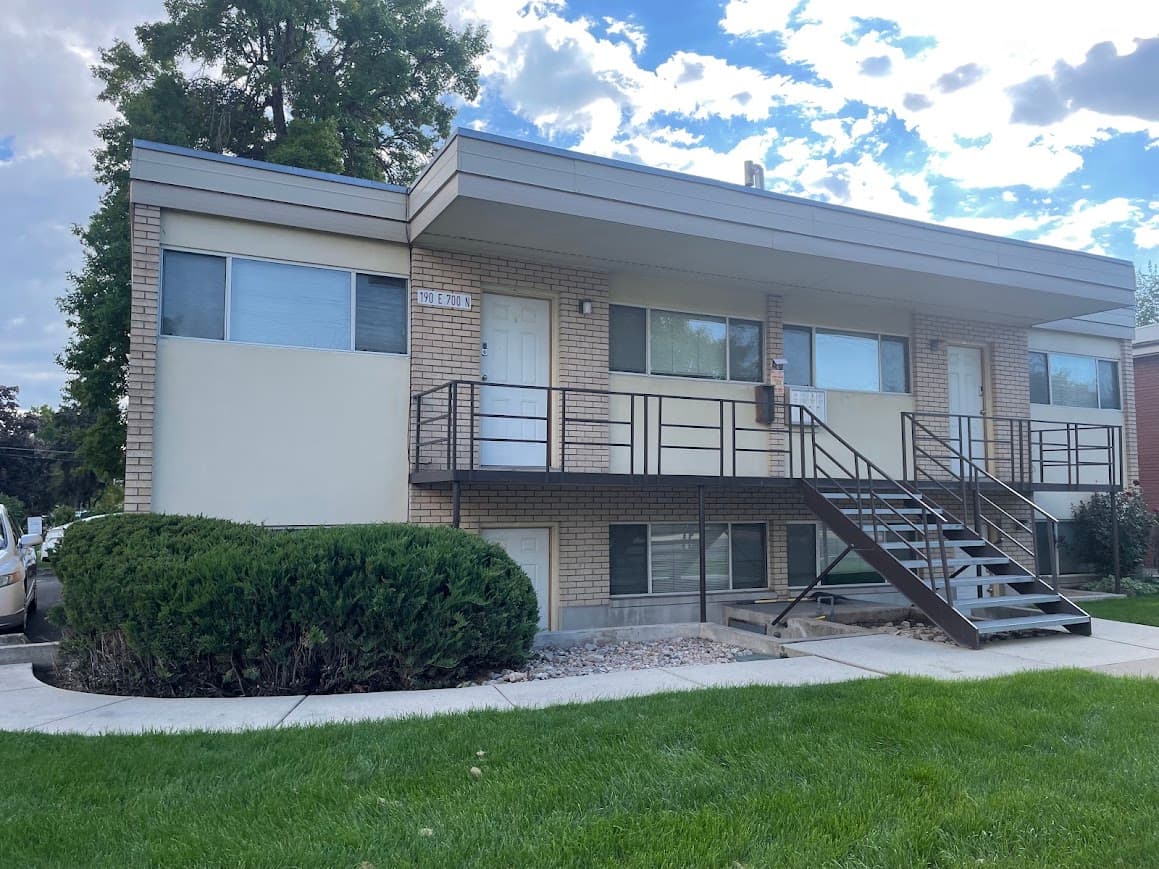
$445/person
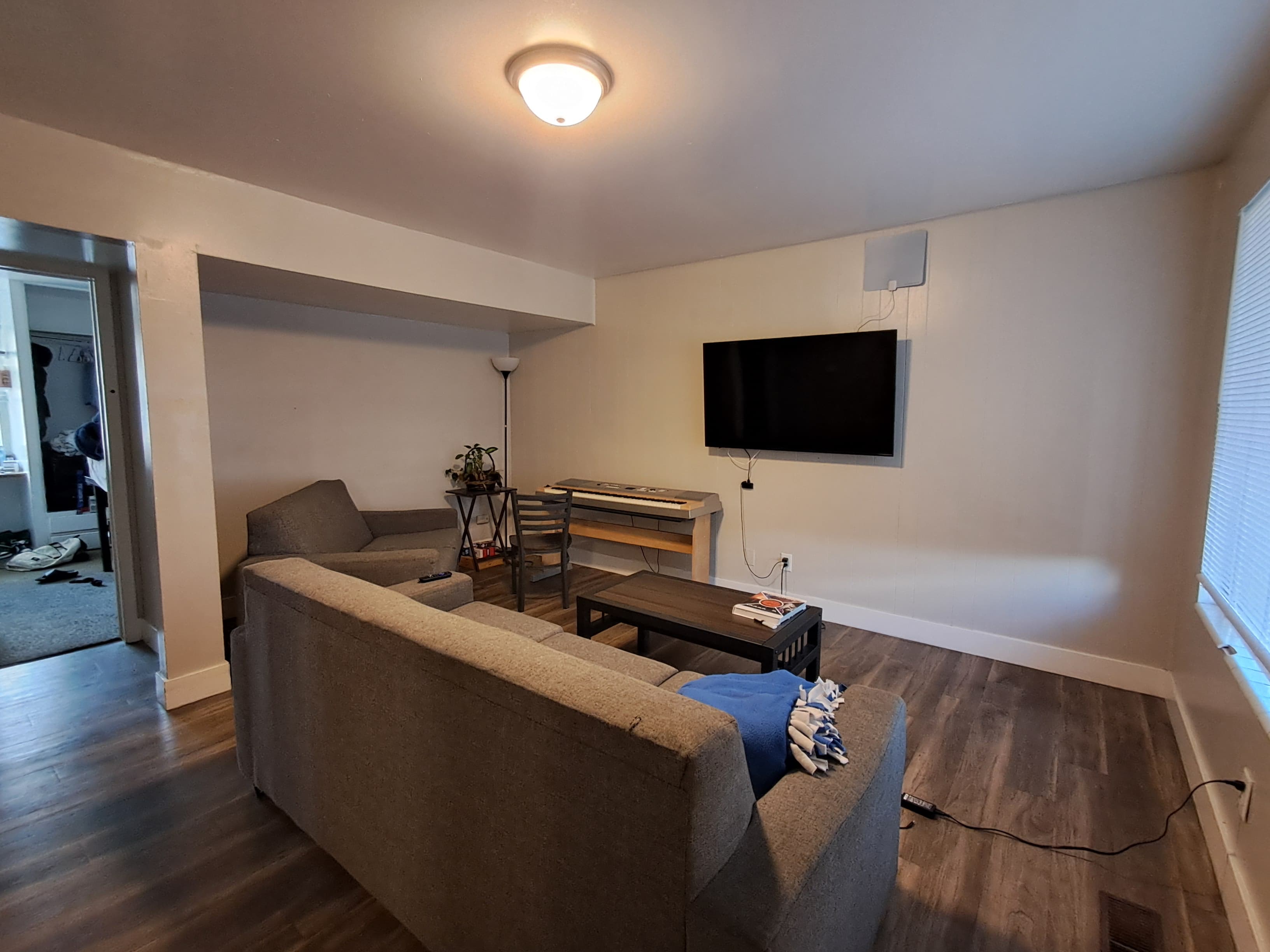
$480/person
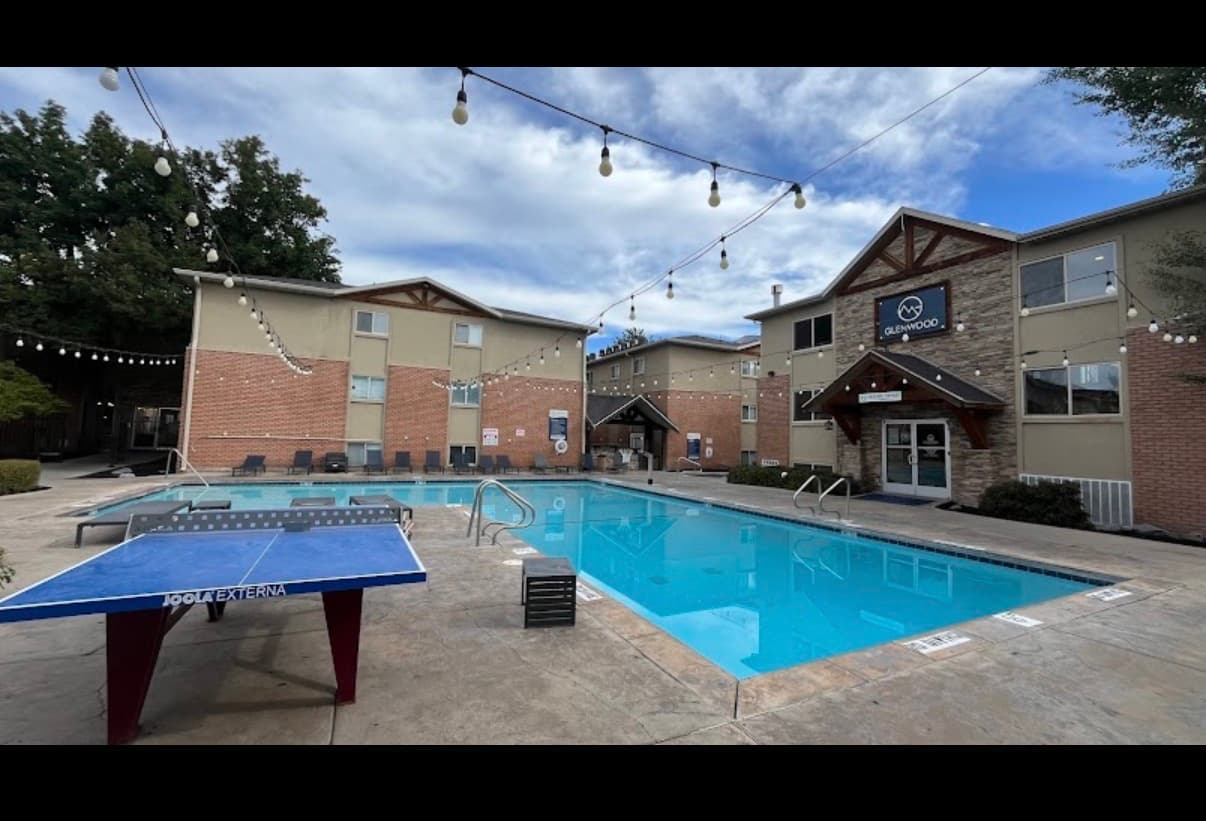
$485/person
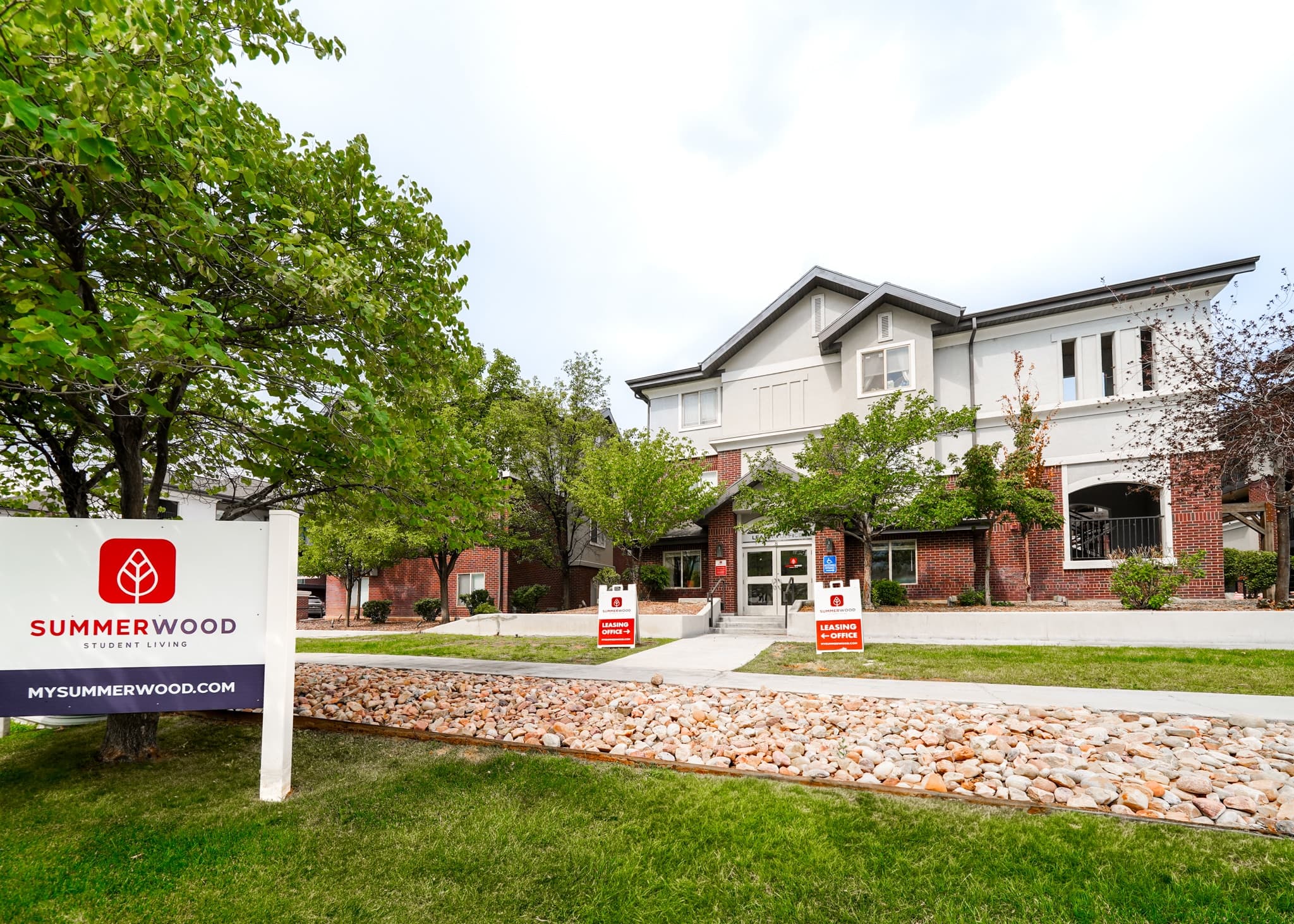
$590/person
$550/person
$1,399/unit
$615/person
$505/person
$452/person
$900/person
$480/person
$507/person
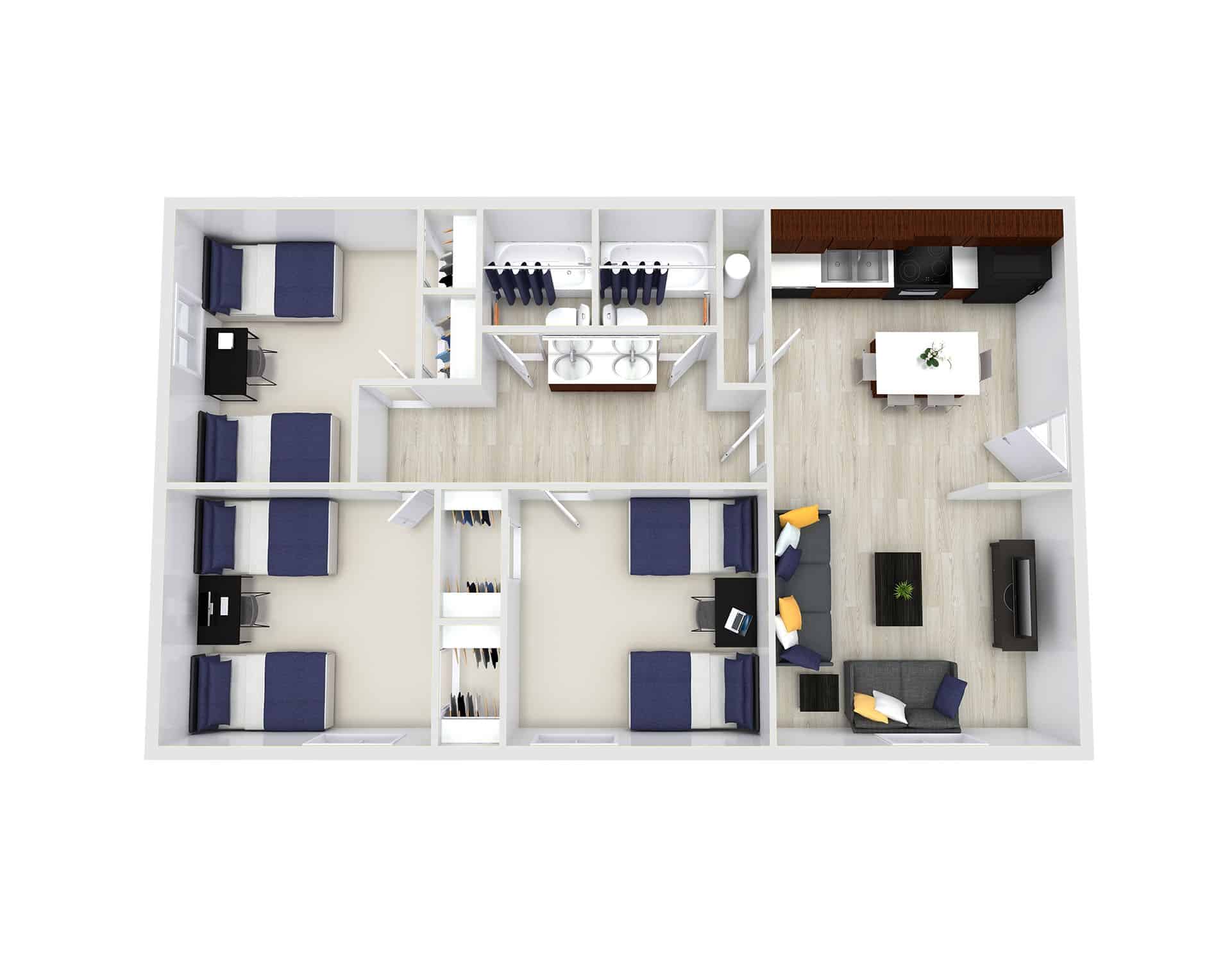
$480/person
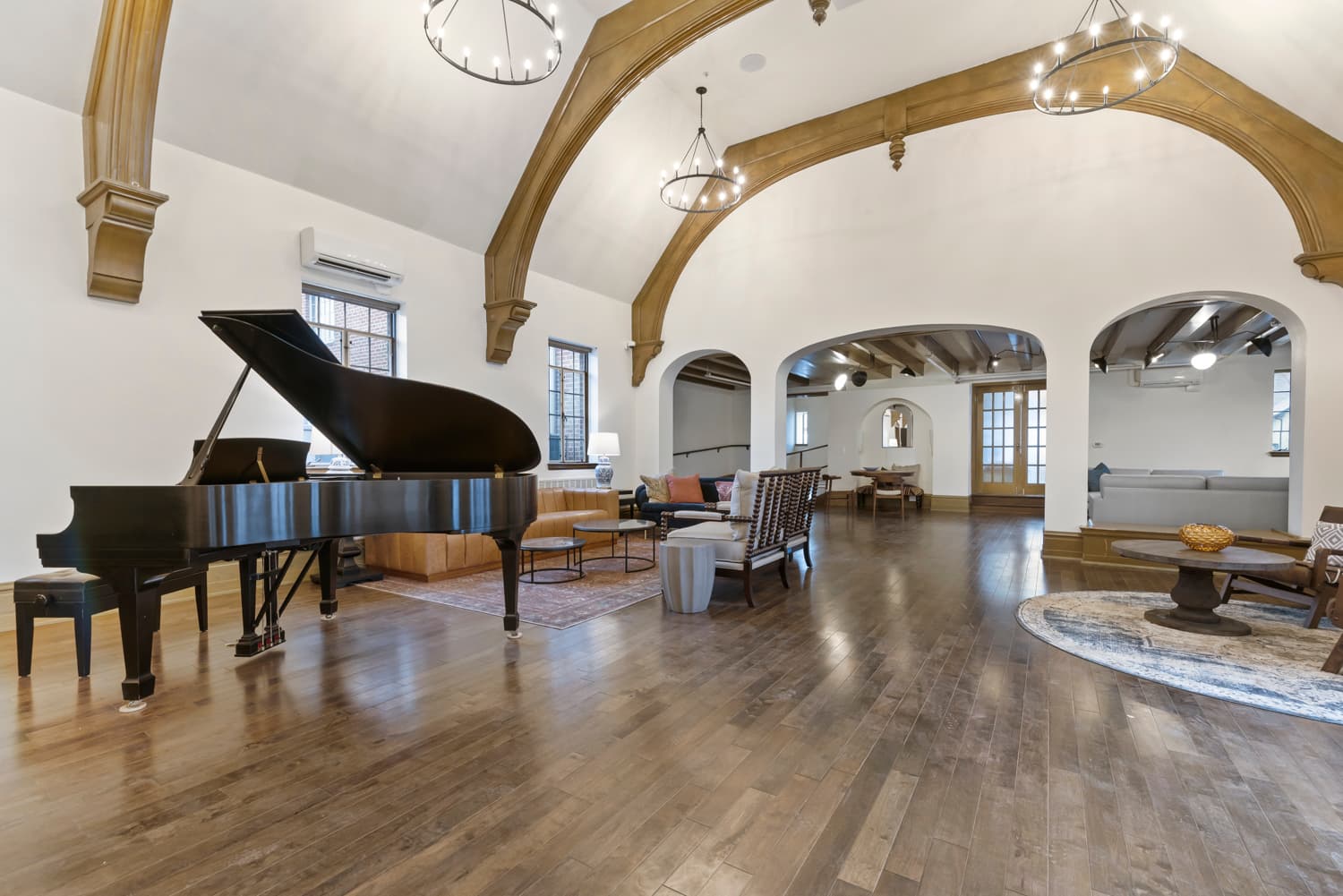
$695/person
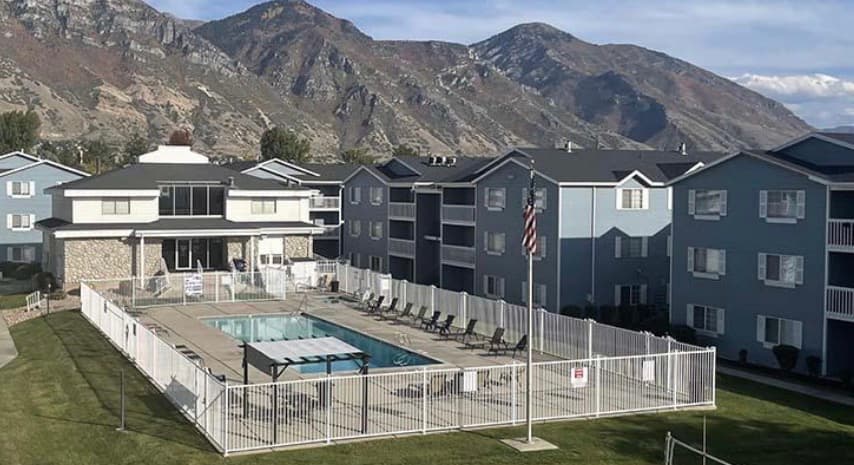
$555/person
$329/person

$375/person
About Off-Campus Housing Near Brigham Young University
Off-campus housing near BYU moves fast — and "fast" is an understatement. Provo has one of the most competitive student housing markets in the country, driven by a large student body, strict on-campus housing requirements for freshmen, and a landlord ecosystem that's been catering to BYU students for decades. The city itself is a college town through and through: everything from the restaurants to the lease cycles is oriented around BYU's academic calendar. Most students end up in one of two areas — North Provo, which is closest to campus and fills up first, or Wymount/South Campus, which tends to attract older students and married couples looking for quieter options. If you're planning to live off campus at BYU, the earlier you start looking, the better your options.
Brigham Young University Housing Requirements
Freshman Live-On Requirements
Historically, BYU has required unmarried students under a certain age to live in university-contracted housing — which includes both on-campus dorms and a network of off-campus contracted complexes. These requirements have evolved over time, so most students report checking the current BYU housing policies directly before assuming the old rules still apply. If you're an incoming freshman, verify the current requirements on BYU's official housing page before signing anything.
Off-Campus Housing Eligibility
Living off campus at BYU has traditionally meant living in a BYU-contracted complex rather than any apartment you find on Craigslist. Many students report that the contracting system shapes nearly every aspect of the Provo rental market — a large portion of apartments near campus exist specifically within that ecosystem. Requirements and the contracted housing list change periodically, so confirm any complex you're considering is currently on the approved list.
Lease Timing
BYU's fall semester typically starts in early September, but the housing market near campus moves much earlier. Most students who secure their preferred options do so between November and February for the following fall — waiting until spring tends to leave you with fewer choices and less negotiating room. If you're coming in as a transfer or late admit, expect to work with whatever's left.
Housing policies change frequently. Always verify current requirements directly with Brigham Young University before signing a lease.
When to Start Looking for Housing Near Brigham Young University
Early Searchers
Start looking in October or November for the following fall and you'll have your pick of approved complexes — the ability to tour multiple places, compare amenities, and actually negotiate a bit on price. Some of the most popular complexes near BYU fill their waitlists before Christmas. Getting in early also means you can coordinate roommates rather than being placed with whoever's left.
Peak Demand Window
January through March is when the market peaks near BYU. Returning students are locking in their spots, approved complex waitlists fill up, and prices reflect the demand. If you're searching during this window, move quickly when you find something you like — availability can change within days. The BYU approved housing list can shift too, so double-check any complex you're seriously considering.
Last-Minute Options
Students who start looking in April or later still find housing, but the calculus changes. You're likely looking at sublets, waitlist fallbacks, or complexes that are approved but less popular for a reason. Prices don't drop just because options are limited — if anything, the decent stuff that's still available tends to be priced at a premium. It's doable, but stressful.
Neighborhoods Near Brigham Young University
North Provo (near campus)
The go-to for freshmen and students who want to walk or bike to campus. Densely packed with BYU-contracted complexes, which means the social scene is built-in — you'll know your neighbors. It also means it fills up earliest, so this is not the area to shop last-minute.
Carterville / South Provo
A bit further from campus but noticeably quieter and often more affordable. Popular with upperclassmen, married students, and anyone who values space over proximity. You'll likely need a car or be comfortable with the bus, but the tradeoff in price and square footage can be worth it.
Orem (just north of Provo)
Not technically BYU's backyard, but a reasonable commute via I-15 and sometimes significantly cheaper. Good option for students who want to be close without paying Provo campus-area prices. Check bus route coverage before committing.
Frequently Asked Questions: Off-Campus Housing Near Brigham Young University
Common questions from students searching for housing.
We don't have current listing data for BYU yet, but based on what students typically report, off-campus approved housing near BYU runs roughly $400–$700 per month per person for a shared room in a multi-person unit, with private rooms and newer complexes trending higher. Provo is not a cheap market — the combination of high demand and the BYU-approved housing system keeps prices elevated year-round. Always check what's included (utilities, internet, parking) before comparing prices.
Most off-campus BYU students live in the cluster of approved complexes within a mile or two of campus in North Provo. It's the most convenient option and the most socially active, which matters a lot at a school where your housing complex often becomes your social circle. Students further along in their program or who are married tend to spread out into South Provo and Orem.
The neighborhoods immediately surrounding campus in North Provo are your closest options — specifically the complexes along North University Avenue and the streets just west of campus. These fill up fastest for good reason: the walk to class is short, and most campus facilities are accessible on foot or by bike.
It's doable, especially if you're in North Provo. Campus is walkable, and Utah Valley University Transit (UVX) connects Provo to Orem and runs frequently. That said, Provo isn't a walkable city beyond the immediate campus area — for groceries, errands, or anything outside the core, a car or regular access to one makes life significantly easier.
Start in October or November for the following fall — seriously. The BYU approved housing market is one of the most front-loaded in the country. Waiting until spring means working with whatever's left, and January through March is already peak competition. If you're looking for a specific complex or roommate situation, earlier is always better.
Yes, more so than at most universities. Because BYU operates on a semester system and students travel and study abroad frequently, the sublet and short-term market is relatively active. Summer contracts in particular are common and often cheaper. Look for BYU housing boards and Facebook groups — a lot of semester-length availability gets posted there before it hits any listing site.
On Find My Place, Chandell leads near BYU with a 5/5 overall rating across 5 reviews. Capri (5/5) and Victoria Place 2 (5/5) round out the top three. These are the places that consistently rate well across location, value, social, management, and quality — start here if you want a safe pick.
Chandell tops the social rating near BYU at 5/5 — students consistently flag the vibe and amenities. Close behind: Capri (5/5) and Hampstead (5/5). Pick from these if you don't want to chase a social scene from your apartment.
SEVERSON UPSTAIRS holds the highest management rating near BYU at 5/5. Chandell (5/5) and Capri (5/5) follow. Management ratings track responsiveness, transparency, and how landlords handle problems — the things you'll feel every month, not just on tour.
Top quality picks on Find My Place near BYU: Timpanogos Gateway (5/5), Chandell (5/5), and Capri (5/5). Quality ratings cover the physical state — appliances, finishes, maintenance — so this is the list to start with if you want a place that holds up after move-in.
More Housing Near Brigham Young University
Search by Room Type
Search by Lifestyle
Other Universities in Provo
Other universities in Provo share a similar off-campus housing market.
Noorda College
Noorda College of Osteopathic Medicine is a private medical school in Provo, Utah, primarily serving graduate-level professional students rather than undergraduates. The off-campus market around Noorda draws on Provo's large and well-established student housing inventory — built around BYU and UVU — but medical…
View housing near NoordaRocky Mountain University of Health Professions
Rocky Mountain University of Health Professions is a health sciences graduate institution in Provo, Utah, serving a professional student population of physical therapists, occupational therapists, physician assistants, and other clinicians. Students at RMUOHP are typically older, often coupled or parented, and looking…
View housing near RMUfind my place guides for BYU
Curated recommendations from students who’ve been there.
See how students rate the places near BYU on social life, management, and quality before you tour.
Read student housing reviews near BYU →More on off-campus housing near BYU
- Find
BYU Off-Campus Housing by Area: How Far Each Provo Neighborhood Really Is from Campus
The closest off-campus housing near BYU sits 0.7 miles from campus — a 19 to 22 minute walk, or a 3 to 5 minute drive. Push out to 1.0 or 1.3 miles and that walk stretches to 29 to 38 minutes, while private rooms start listing at $455 instead of $579. At BYU, miles and minutes rank differently.
August 21, 2026read more → - Find
The Best Off-Campus Neighborhoods Near BYU
The best off-campus neighborhoods near BYU sit in a tight grid between Center Street and roughly 2230 North, where most contracted housing clusters within a mile of campus. The 300 East corridor and the Joaquin neighborhood put you under a 15-minute walk to class, while Canyon Road on the north end trades a longer commute for lower per-person rent. Shared units across these areas run roughly $325 to $650 per person per month in 2026.
June 4, 2026read more → - Find
BYU Housing Costs 2026: What You'll Actually Pay Off-Campus
May 19, 2026read more →