Off-Campus Housing Near Concordia University Wisconsin
Off-Campus Housing Near Concordia University Wisconsin

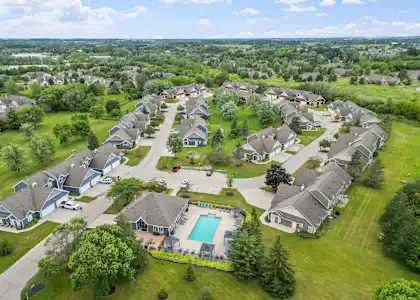

About Off-Campus Housing Near Concordia University-Wisconsin
Concordia University Wisconsin sits on a bluff above Lake Michigan in Mequon, a quiet suburb about 20 minutes north of Milwaukee, with roughly 5,492 students on its lakefront campus. The setting does a lot of the talking: 200 wooded acres, a long stretch of shoreline, and an underground tunnel network that keeps you out of the worst lake-effect winters. Mequon itself is leafy and residential, with parks, trails, and a slower pace, while downtown Milwaukee and its lakefront festivals are an easy drive south. Campus life centers on the Falcons, with Freddy the Falcon working the crowd at games and Welcome Back Weekend turning fall into bonfires, lawn games, and tradition. Most students get around by car, and the lake is always right there.
Concordia University-Wisconsin Housing Requirements
Freshman Live-On Requirement
Concordia requires full-time first-year and second-year traditional undergraduates who are 20 or younger as of the first day of classes to live in university residence halls. There are eight halls running from singles to suites. Plan on living on campus through your sophomore year unless you qualify for an exemption.
Off-Campus Eligibility
Exemptions exist for students who are older, married, living with family nearby, or commuting, so check with Residence Life early if you think you qualify. Most students move off campus as juniors or seniors, or once they age out of the live-on rule. Mequon is a small, residential suburb, so the rental pool around campus is limited and tends to be houses and smaller apartment buildings rather than big student complexes.
Lease Timing
Leases generally begin in summer, so plan to sign by spring and move in before the fall term. Read leases closely for who handles snow removal and lawn care, and confirm occupancy limits before you pack roommates in. Ask whether heat is included, since Wisconsin winters make that line matter.
Housing policies change frequently. Always verify current requirements directly with Concordia University-Wisconsin before signing a lease.
When to Start Looking for Housing Near Concordia University-Wisconsin
Early Searchers
Mequon runs on a standard suburban rental calendar, not a frantic student rush, but the good options near Concordia still go early because there are not many of them. Start looking in January or February for a lease that begins the following summer. This is especially true if you want a house within a short drive of the bluff. Line up roommates before you tour, since the better houses lease as whole units fast.
Peak Demand Window
Classes start in late August, so aim to sign by spring and move in during the summer to settle before the semester. By spring, the closest and best-kept places are usually spoken for. Demand concentrates on the limited houses and small buildings in Mequon near the bluff. Most students at Concordia who want a close-in spot have committed by spring.
Last-Minute Options
If you are searching late, summer can still turn up sublets and last-minute openings as leases turn over. January brings a smaller second wave when spring-semester arrivals and graduating tenants shuffle. Widen your search toward Thiensville and the northern Milwaukee suburbs for more choices. Having roommates lined up helps you move fast when something opens.
Neighborhoods Near Concordia University-Wisconsin
Mequon
The suburb around campus is leafy and residential with houses and small apartment buildings close to the lake, and it leases first. It is the closest option to the bluff campus.
Thiensville
The small village tucked inside Mequon is walkable and more central if you want shops and a town feel nearby. Cedarburg, just northwest, is a historic mill town with character and an easy commute.
Northern Milwaukee Suburbs
Glendale and the northern Milwaukee suburbs sit to the south and widen your options if you do not mind a short drive. Whitefish Bay, closer to Milwaukee along the lake, is another tidy lakefront option a bit farther out.
Frequently Asked Questions: Off-Campus Housing Near Concordia University-Wisconsin
Common questions from students searching for housing.
A room in a shared house or apartment around Mequon usually runs about $600-$950/month per person, with closer and newer places at the top of that range and shared houses a bit lower. Whole one-bedrooms in the suburb sit higher. Budget another $50-$130/month for utilities, and expect heat to matter in winter, so ask whether it's included before you sign.
Yes. Full-time first-year and second-year traditional undergraduates who are 20 or younger as of the first day of classes must live in university residence halls. Exemptions cover older, married, or commuting students and those living with family nearby, so contact Residence Life if you think you qualify.
Once students age out of the live-on rule, they look at houses and smaller apartments around Mequon and nearby Thiensville, then widen toward Cedarburg, Glendale, and the northern Milwaukee suburbs. The rental pool right by campus is small, so many students drive in from a few minutes out.
Pretty much, yes. Mequon is a spread-out suburb with limited transit, so most students drive. A car makes off-campus living, groceries, and trips down to Milwaukee far easier. If you live right by the bluff you can manage on foot for class, but you'll want wheels for almost everything else.
Start in January or February for a summer move-in. The closest, best-kept houses near campus are limited and lease early, so by spring you're often choosing from leftovers or searching farther out. Lock in roommates before you tour, since the good places go as whole units.
Most are standard 12-month leases on houses or small apartment buildings rather than by-the-bed student complexes. Read closely for who handles snow removal and lawn care, confirm occupancy limits before adding roommates, and check whether heat is included, which matters a lot through a Wisconsin winter.
Mequon and Thiensville are quiet, residential, and generally considered safe, which is part of why the campus feels calm. As anywhere, look at the specific street and building when you tour, and trust your read of a place at night, not just the daytime visit.
Sometimes, but not always. Some smaller apartments fold in heat or water, while houses usually leave most utilities to tenants. Given lake-effect winters, ask specifically about heating before you sign, and factor roughly $50-$130/month for utilities depending on what's covered.
Yes. Most off-campus houses lease as whole units, so lining up roommates ahead of time helps you grab the better ones. Summer is the main window for subletting as leases turn over, and a smaller January wave opens up when spring arrivals and graduating tenants swap out.
The lakefront is the headline: the bluff, the shoreline, and trails right at the edge of campus. Falcons games and Welcome Back Weekend anchor the fall, nearby parks cover the outdoors, and downtown Milwaukee, its lakefront festivals, and a bigger night out are a short drive south.
More Housing Near Concordia University-Wisconsin
Search by Room Type
Search by Lifestyle
See how students rate the places near Concordia University Wisconsin on social life, management, and quality before you tour.
Read student housing reviews near Concordia University Wisconsin →