Student Housing in Duluth, MN
Student Housing in Duluth, MN
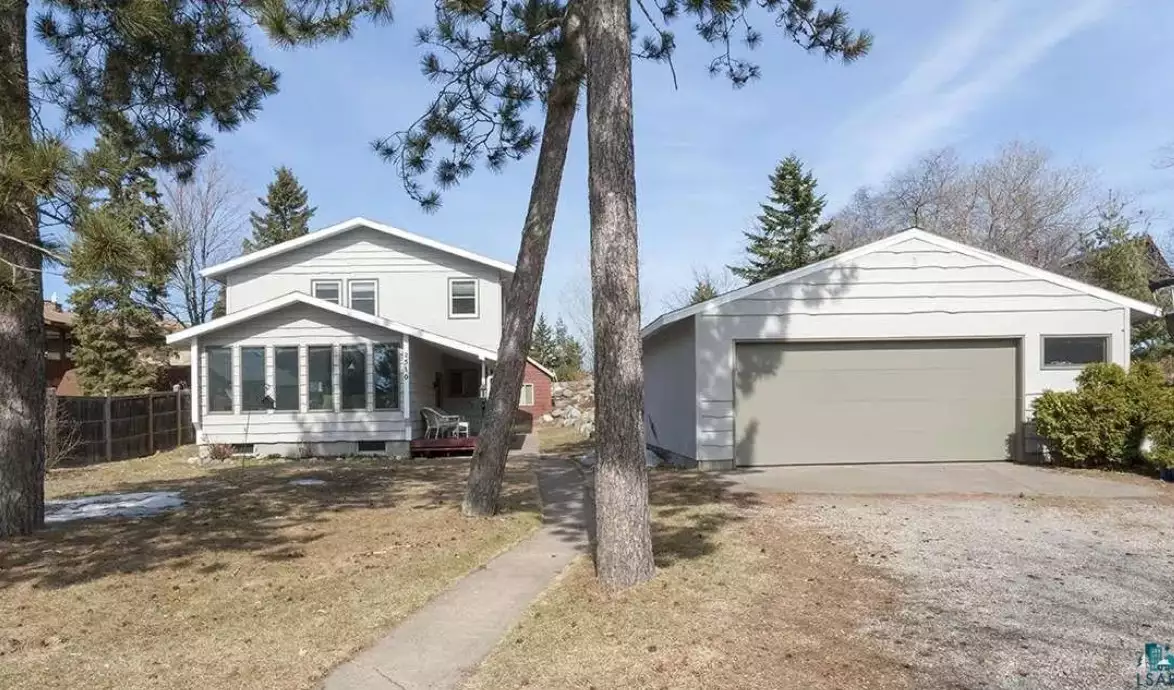
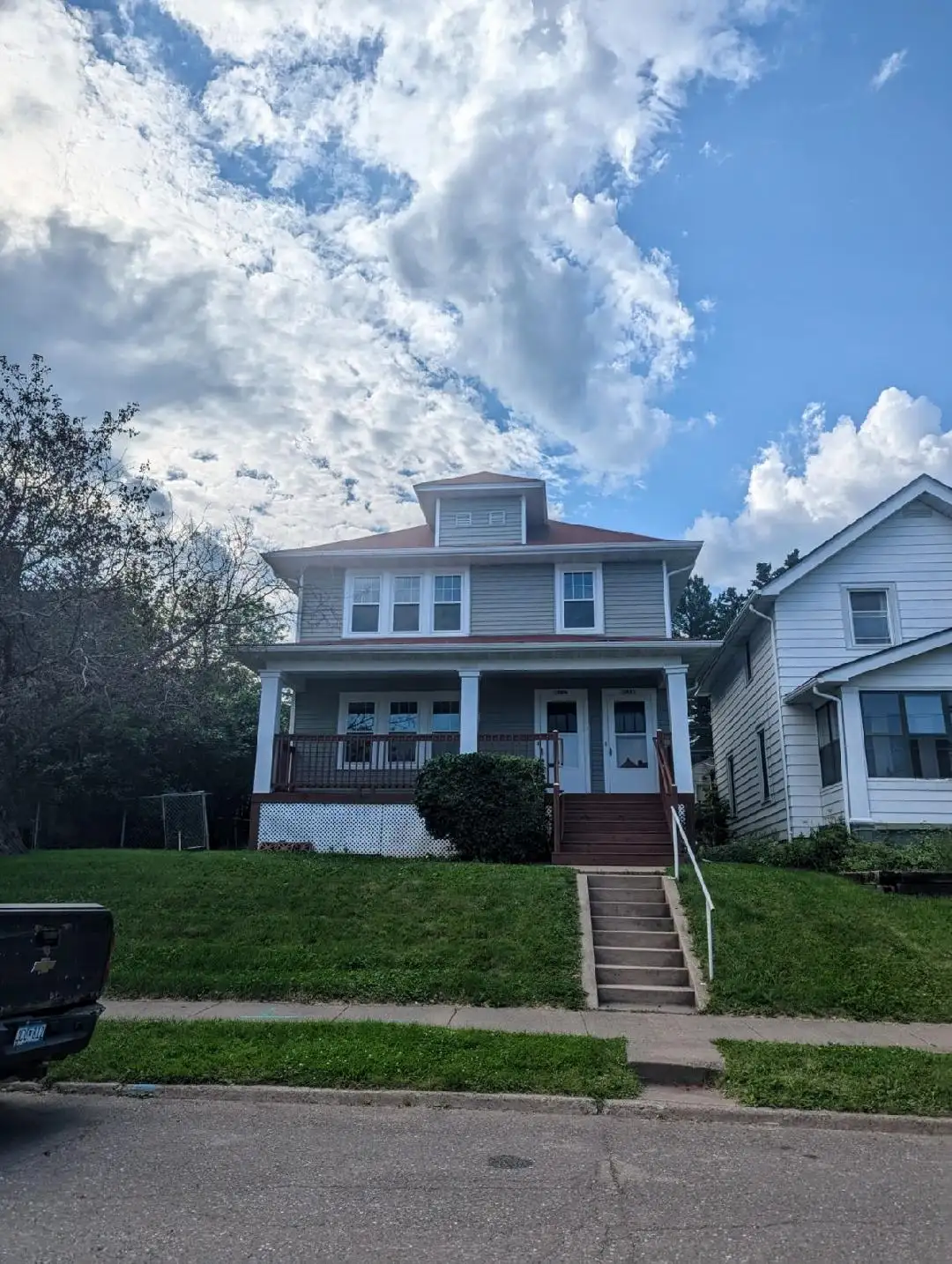
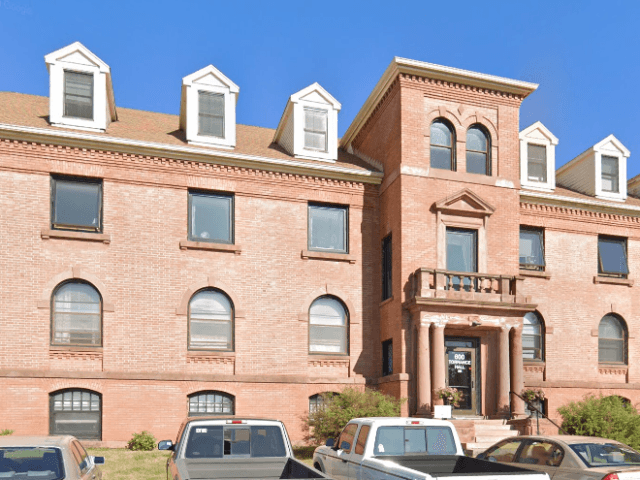
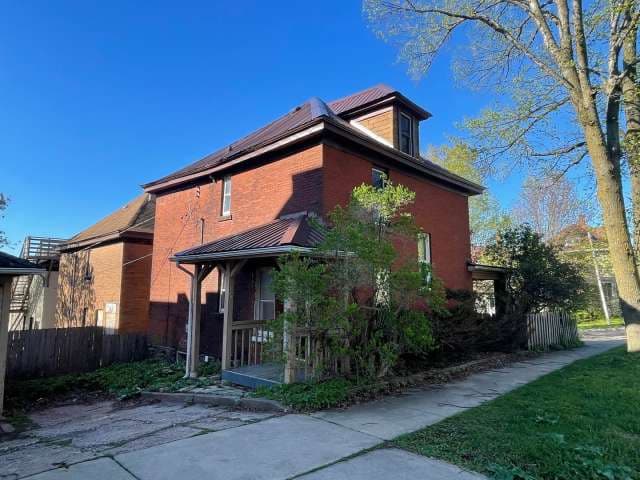


email me if my perfect place pops up
We'll reach out the moment one matches everything you asked for
About Student Housing in Duluth
Duluth is a port city of approximately 90,000 people on dramatic bluffs at the western tip of Lake Superior in Saint Louis County, Minnesota. The city is home to the University of Minnesota Duluth and Lake Superior College, giving it a notable student presence relative to its size. Duluth is known for its scenic natural setting, outdoor recreation culture, and a revitalized downtown anchored by the Canal Park waterfront district. The city has a genuine four-season character, with harsh winters offering skiing and snowshoeing, and warm seasons defined by hiking, kayaking, and cycling along the Lakewalk. Duluth offers students an affordable, scenically distinctive college-city experience with a strong local identity.
Best Neighborhoods for Students in Duluth
Near UMD
Along Woodland Avenue and College Street, the most convenient, with apartments and houses within walking distance of academic buildings.
Downtown and Canal Park
Significant residential development with newer apartments at competitive rents for students willing to commute.
Hillside
On the bluffs between downtown and campus, a middle-ground option with older housing and lower rents.
Lincoln Park
In the western city, with a growing arts and food scene, though a longer commute to UMD.
Getting Around Duluth as a Student
Here's what you need to know about getting around Duluth.
Public Transit
Duluth Transit Authority (DTA) operates the city's bus network, with routes connecting the UMD campus area to downtown Duluth, Canal Park, and other neighborhoods. The fixed-route system covers the main corridors students need, though service frequency is limited compared to larger metro areas and can be infrequent during evenings and weekends. Students relying on DTA should plan around published schedules, as headways on less-traveled routes can reach 30 to 60 minutes. A monthly pass or stored-value card is the most economical way to ride regularly.
Walking and Biking
Duluth's dramatic topography makes walking and biking highly dependent on where you live and where you travel. The Lakewalk along the Lake Superior shoreline is a well-maintained multi-use trail running through Canal Park and into eastern residential neighborhoods near UMD, popular for cycling and jogging. On-campus and along flat lake-level stretches, biking is practical and enjoyable, but steep grade changes throughout much of the city make cycling between ridge neighborhoods and downtown a significant challenge. E-bikes have become increasingly popular with students navigating Duluth's hills.
Parking
Parking is generally available and affordable in Duluth relative to larger cities, and most off-campus apartments include at least one parking space. UMD provides student parking permits for on-campus lots, though lots closest to academic buildings fill quickly. Downtown Duluth has surface lots and ramps at reasonable rates. A car is very useful in Duluth given the spread-out layout and hilly terrain, and most off-campus students who can afford one choose to have a vehicle.
Frequently Asked Questions: Student Housing in Duluth
Common questions from students searching for housing.
Duluth is an affordable rental market by college-city standards. One-bedroom apartments near UMD typically range from $750 to $1,100 per month, and shared two- or three-bedroom units commonly work out to $500 to $800 per person. Downtown Duluth has newer buildings with comparable or slightly lower rents depending on the unit.
A car is very helpful in Duluth. The city's hilly terrain and spread-out layout make it difficult to rely solely on DTA bus service, particularly for off-peak travel. Students in the immediate UMD campus neighborhood can manage without a car, but those in downtown, Hillside, or elsewhere will find a vehicle significantly more convenient.
Duluth winters are severe, with heavy lake-effect snow and temperatures that can drop well below zero Fahrenheit. Students should budget for winter gear and consider their commute route when choosing off-campus housing. The city's outdoor recreation scene in winter, including skiing at Spirit Mountain and snowshoeing along trails, is a genuine draw for many students.
The Woodland Avenue and College Street corridor directly east of campus is the closest and most popular option for UMD students. Downtown Duluth is a strong secondary option with newer apartments and a connection to campus via DTA bus.
Duluth has a genuine college-town character supported by UMD and Lake Superior College. The city offers strong outdoor recreation, a revitalized waterfront, independent restaurants and breweries, and a music scene concentrated in Canal Park and downtown. Students who appreciate a smaller city with significant natural amenities tend to find Duluth highly livable.
Find Housing by University in Duluth
Browse student housing near each Duluth-area university.
Search Duluth Student Housing by…
Lifestyle
See how students rate apartments in Duluth, MN on social life, management, and quality before you tour.
Read student apartment reviews in Duluth, MN →