Student Housing in Durham, NC
Student Housing in Durham, NC
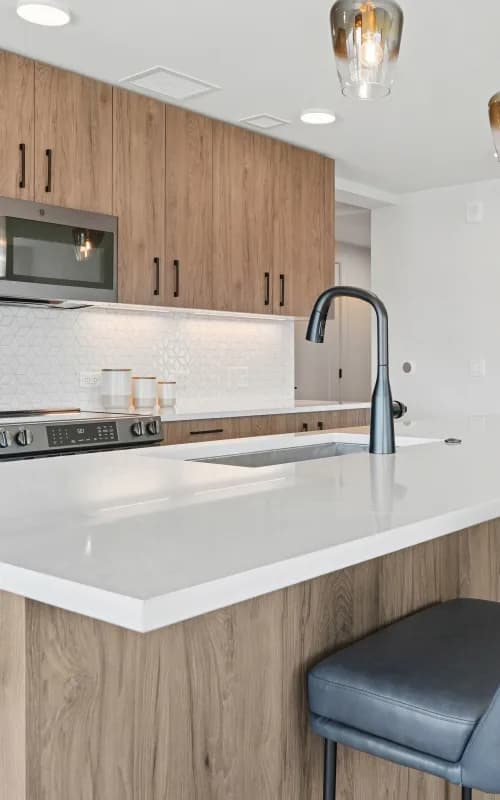
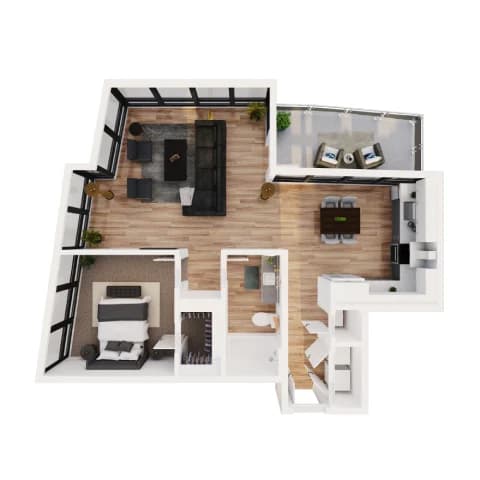

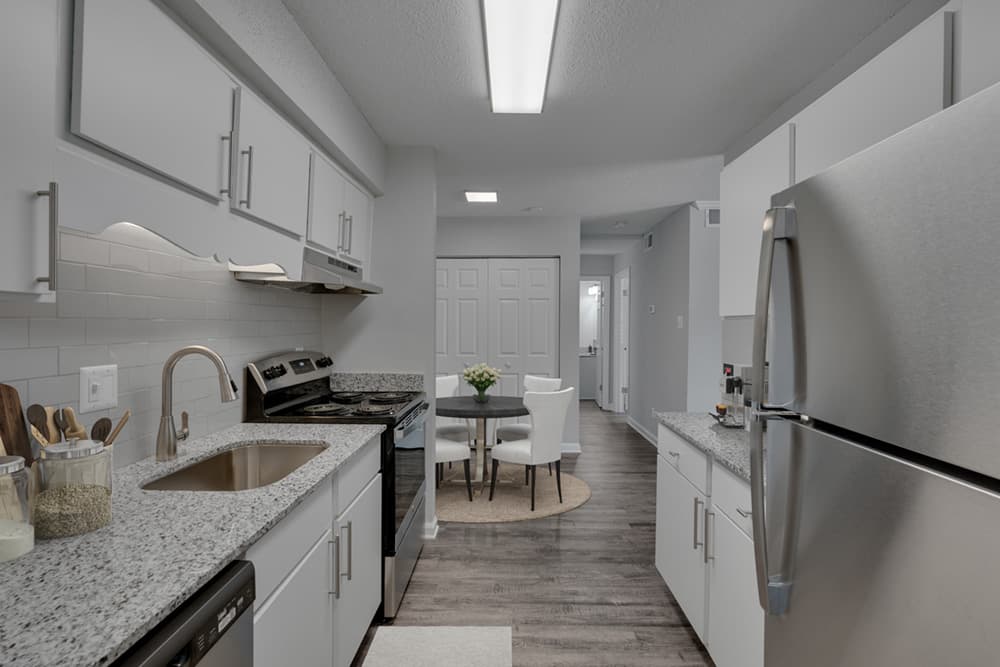
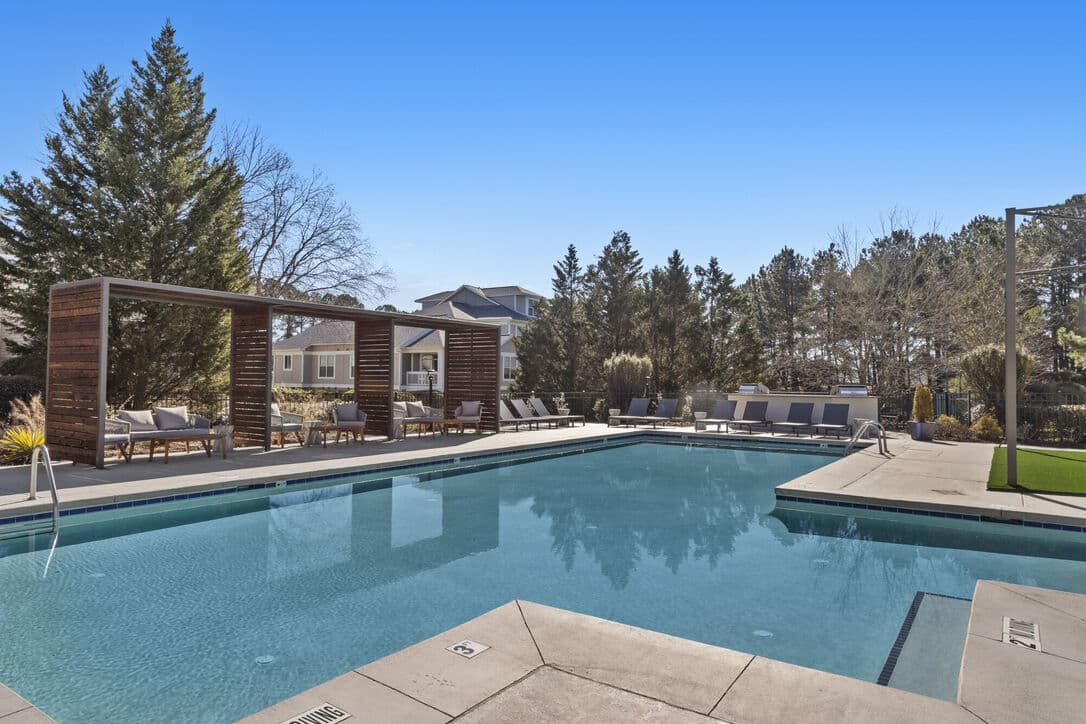
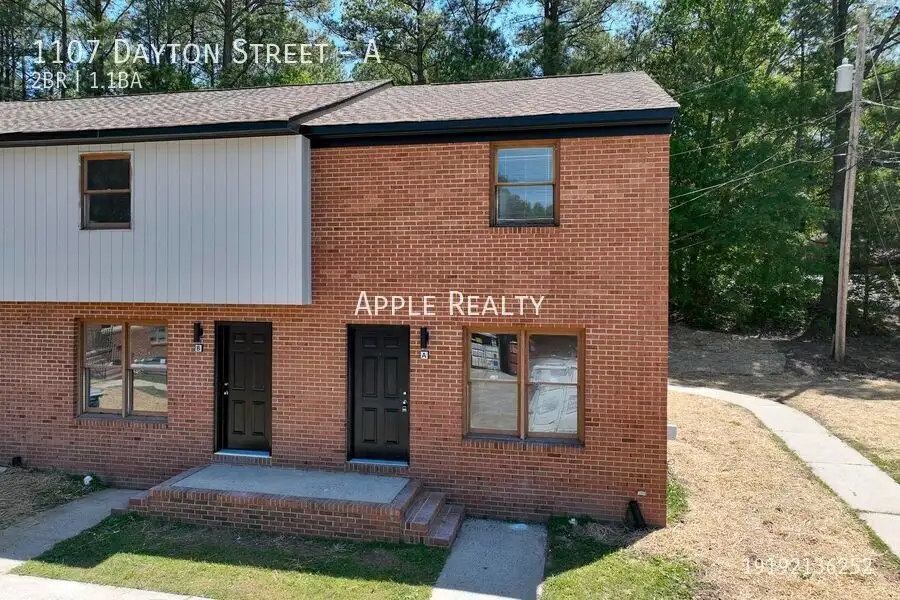
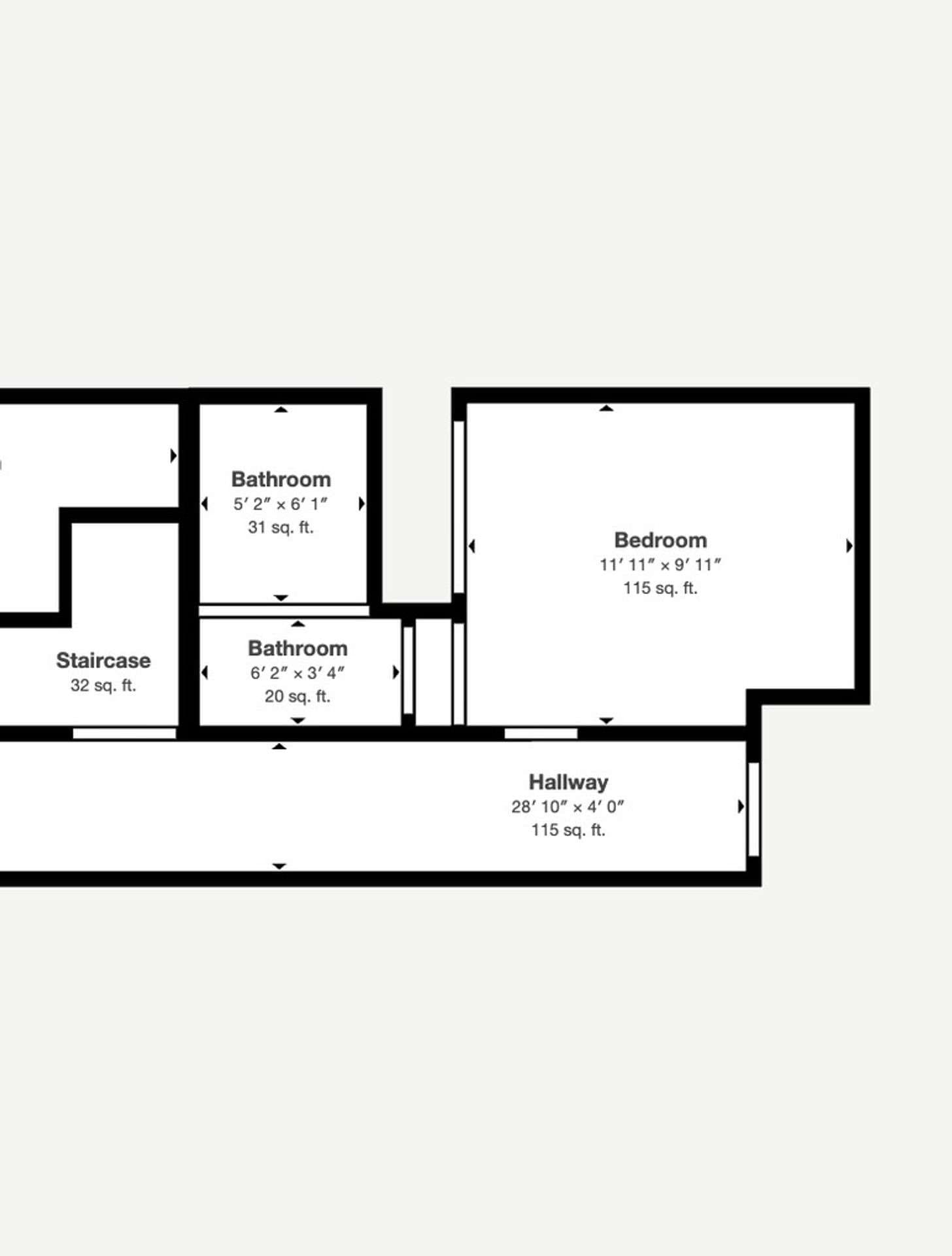
$815+/unit
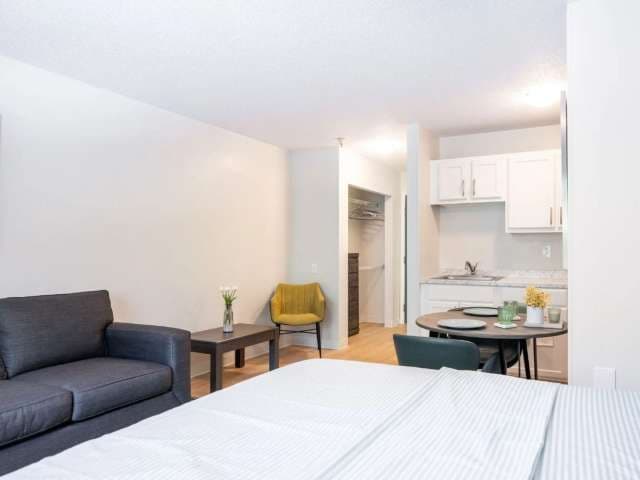
Fees may applyPrivate Room with Walk-In Closet – Utilities & WiFi Included
email me if my perfect place pops up
We'll reach out the moment one matches everything you asked for
About Student Housing in Durham
Durham, NC is a mid-size city of roughly 290,000 known for its reinvented downtown, deep ties to research and medicine, and a creative streak that earned it the nickname Bull City. North Carolina Central University, a historic public HBCU, sits on the south side near downtown, and its students anchor the surrounding neighborhoods, many within walking distance of both campus and the city center. Durham is part of the larger Research Triangle, so the population skews young, educated, and diverse. Downtown Durham has transformed from old tobacco warehouses into a dense district of eateries, music venues, and public spaces, with the American Tobacco Campus and Durham Bulls Athletic Park at its core.
Best Neighborhoods for Students in Durham
Around Campus (South Side)
The area right around campus is the obvious walk-to-class choice, with houses, apartments, and condos minutes from both NCCU and downtown.
Campus Hills
One of the older, established neighborhoods nearby, close to the university and a quick hop to the city center.
Downtown Durham
The reinvented warehouse district, steps from venues, eateries, and the ballpark, which suits students who want urban energy.
Getting Around Durham as a Student
Here's what you need to know about getting around Durham.
Public Transit
GoDurham runs the city bus network with flat one-way fares and discounted multi-ride passes, with routes connecting the NCCU area, downtown, and the wider city. There's also the free Bull City Connector that loops through downtown and toward the Duke area. Students living centrally can reach class and the city center without a car. Check route frequency, which is strongest along the main corridors.
Walking and Biking
Walkability is strongest near campus and downtown, where many student rentals sit within a short walk of class and the city center. Biking is a real option thanks to the American Tobacco Trail, a 20-plus mile paved path running from downtown south through the city. That trail gives cyclists a car-free spine across town. The flatter central neighborhoods make day-to-day walking and pedaling straightforward.
Parking
Durham is reasonably easy to get around without a car if you live in the right spot, so many central students skip driving. A car is still useful for reaching the wider city and weekend trips. Parking near campus and downtown is generally workable but tighter in the densest blocks. Confirm permit rules with your building or the university before relying on a space.
Frequently Asked Questions: Student Housing in Durham
Common questions from students searching for housing.
It depends on the neighborhood, since Durham is a real city. Citywide, a one-bedroom averages around $1,400 a month and a two-bedroom around $1,600, while a room in a shared house near NCCU can drop closer to $700 to $1,000. The reinvented downtown and American Tobacco areas run higher, so living a bit out from the center stretches your money.
The area right around campus on the south side is the easiest walk to class, and Campus Hills is a close, established option nearby. Downtown Durham and the American Tobacco Campus area suit students who want urban energy, while spots along the American Tobacco Trail are great if you want a car-free bike route into the city.
Not necessarily, especially near campus or downtown. GoDurham buses, the free Bull City Connector, and the American Tobacco Trail cover a lot of ground, and central rentals are walkable. But Durham spreads out, so a car helps for reaching the wider Triangle, bigger stores, and areas the bus skips. Many students keep one for flexibility.
GoDurham runs bus routes connecting the NCCU area to downtown and the rest of the city for a flat one-way fare, and the free Bull City Connector loops through the central core. If you live close in, walking and biking handle a lot, and the American Tobacco Trail gives cyclists a dedicated path running south from downtown.
Like any city, it varies by neighborhood, so know your specific area and trust your instincts. The areas around campus and the busy, well-trafficked downtown are navigable with normal city awareness. Stick to lit, populated routes at night, use NCCU's campus safety resources, and you'll generally be fine.
Aim to start in the winter or early spring for a fall move-in. The best close-in houses near NCCU and the popular downtown apartments get claimed steadily through the spring, so touring places and lining up roommates by February or March keeps you ahead of the crowd.
Houses near campus typically run standard 12-month, whole-unit leases, often starting in summer to match the academic year, while some larger downtown complexes offer per-bedroom leases. Watch the start dates, since citywide apartments can begin any month while student-area rentals tend to align with August. Read the sublet rules before summer.
Plan on roughly $45 to $100 a month per person for electricity, water, and gas in a shared place, with summer AC pushing the high end since Durham gets hot and humid. Internet adds about $40 to $70 a month for the household. Some apartments bundle water and trash, so check what's included before you commit.
Yes. NCCU student networks and off-campus housing listings make it straightforward to find roommates, and group houses near campus are common. Durham's young population means summer subleases come up often, so if you're leaving town for an internship you can usually find someone to cover your room.
Plenty. Durham Bulls baseball at the downtown ballpark is a local staple, the reinvented American Tobacco Campus and downtown are packed with venues and eateries, and the 20-plus mile American Tobacco Trail is great for running and biking. The food scene and frequent festivals give the Bull City its creative, independent character.
Find Housing by University in Durham
Browse student housing near each Durham-area university.
Search Durham Student Housing by…
Lifestyle
See how students rate apartments in Durham, NC on social life, management, and quality before you tour.
Read student apartment reviews in Durham, NC →