Student Housing in Durham, NH
Student Housing in Durham, NH

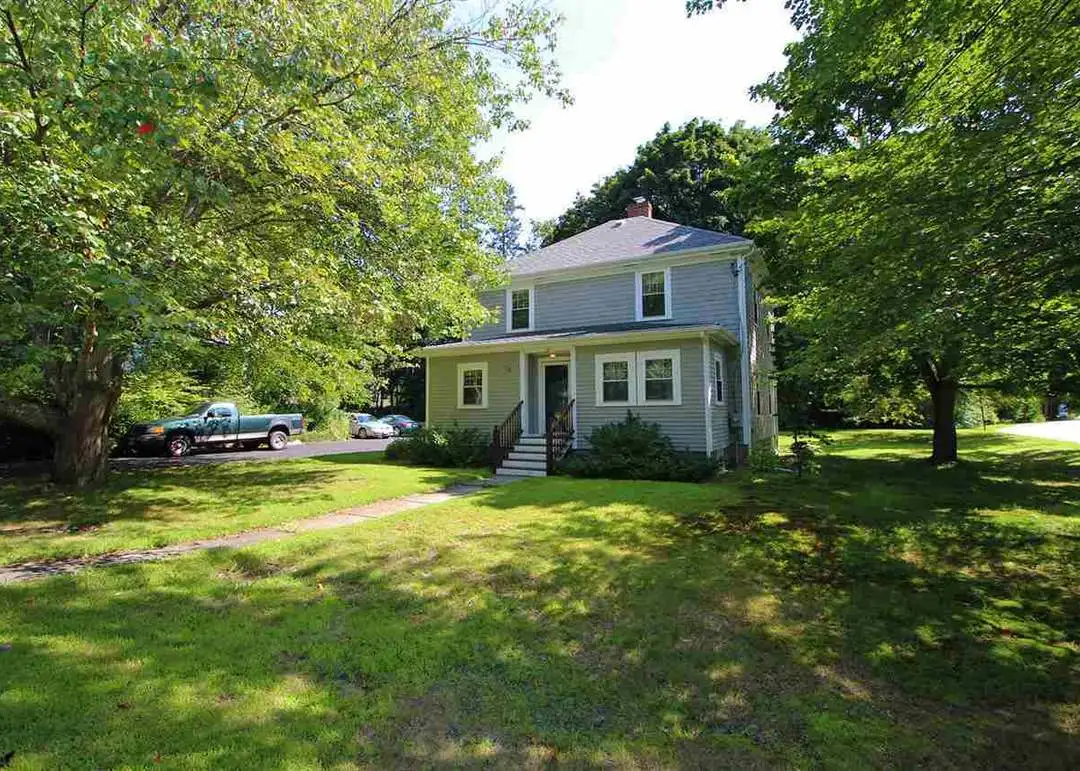

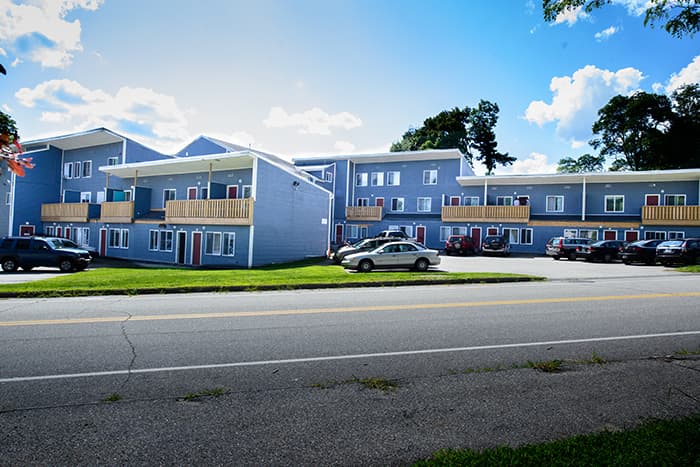
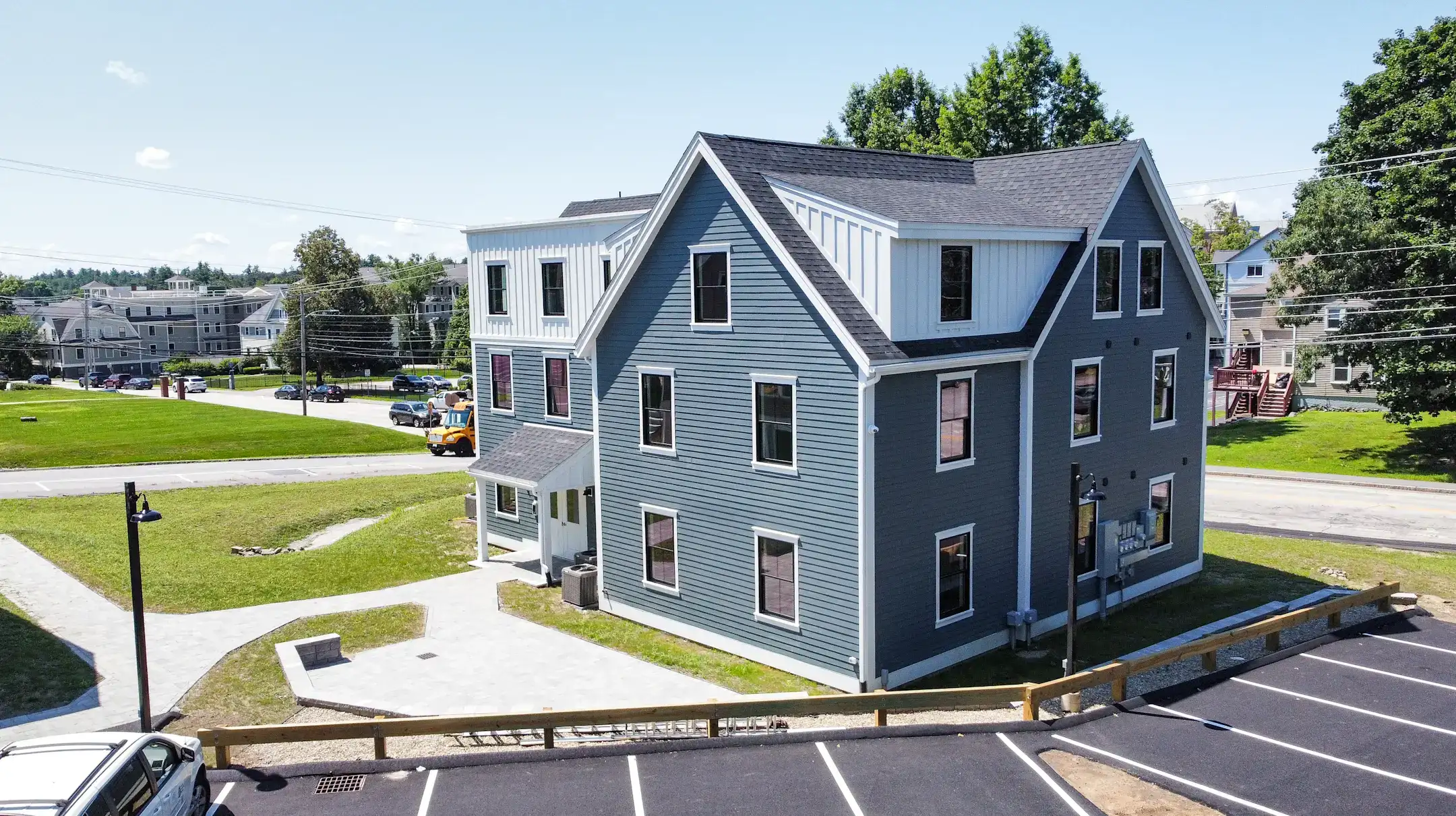
About Student Housing in Durham
Durham is a small college town in Strafford County in southeastern New Hampshire, with a total population of roughly 15,000 that is heavily shaped by the University of New Hampshire community. Situated on the Oyster River about 11 miles west of Portsmouth and approximately 50 miles north of Boston, Durham offers a quintessential New England college-town experience with a compact downtown, historic architecture, and easy access to coastal and inland recreation. The local economy and housing market are closely tied to UNH, making the rental landscape unusually competitive for a town of its size. Students drawn to a quieter, nature-accessible setting while remaining within reach of Portsmouth and the Seacoast region find Durham a distinctive place to live.
Best Neighborhoods for Students in Durham
Downtown Durham
Near Main Street and Mill Road, the most desirable and walkable area, with immediate access to campus, the Memorial Union Building, and dining.
Edgewood and Mast Road
Residential streets from the town center with student houses and small rental properties popular with roommate groups.
Dover
About seven miles east, a secondary student market with newer complexes, consistent availability, and COAST bus access.
Portsmouth
About 12 miles away, a small coastal city with a broader dining and nightlife scene, at the cost of a longer commute.
Getting Around Durham as a Student
Here's what you need to know about getting around Durham.
Public Transit
The COAST (Cooperative Alliance for Seacoast Transportation) bus system connects Durham to Dover, Portsmouth, and other Seacoast communities, providing a car-free option for students commuting to nearby towns for work, shopping, or social activities. UNH also operates the Wildcat Transit shuttle system, which is free for students with a valid university ID and runs routes connecting campus to key off-campus areas and the downtown core. Together, these two systems make it possible for students living in Durham or nearby Dover to manage day-to-day needs without a vehicle.
Walking and Biking
Durham's compact layout makes it one of the more walkable college towns in New England, with most on-campus buildings, downtown restaurants, the post office, and essential services reachable on foot within 10 to 15 minutes from central residential areas. The town has dedicated bike lanes on some key corridors, and the relatively low traffic volume makes cycling a comfortable and practical choice for navigating the immediate campus area. Students living in Durham itself rarely need a car for daily on-campus life.
Parking
Parking near the UNH campus is limited and competitive, with permit wait lists for some on-campus lots and restrictions on first-year student vehicle registration in certain areas. Street parking in residential Durham neighborhoods is available but subject to seasonal restrictions and town ordinances. Students commuting from Dover or Portsmouth will find parking near campus more challenging and are encouraged to use the Wildcat Transit or COAST bus connections to avoid the daily parking competition.
Frequently Asked Questions: Student Housing in Durham
Common questions from students searching for housing.
Durham's rental market is extremely competitive given the small town size and large UNH student population, with many landlords re-leasing properties as early as September or October for the following academic year. Students who do not begin searching in the fall semester often find that the best Durham options are already committed.
Students living in Durham itself can manage most daily needs on foot or by bike, and the free Wildcat Transit shuttles and COAST bus service reduce the need for a personal vehicle. A car becomes more useful for students living in Dover or Portsmouth or for accessing locations not served by transit.
Downtown Durham near Main Street offers the most walkable and convenient location for UNH students. Dover is the most practical alternative for students who miss Durham availability, offering newer apartment stock and a direct bus connection to campus.
September or October is the recommended start for students planning to live off campus the following year, as Durham landlords begin re-leasing well before the current academic year ends. Waiting until spring significantly narrows your options within Durham.
Durham offers a classic, safe, and community-oriented New England college-town experience with easy access to outdoor activities, the New Hampshire coast, and the cultural resources of Portsmouth. The trade-off is a very limited commercial district and a tight, expensive rental market driven entirely by university demand.
Find Housing by University in Durham
Browse student housing near each Durham-area university.
Search Durham Student Housing by…
Lifestyle
See how students rate apartments in Durham, NH on social life, management, and quality before you tour.
Read student apartment reviews in Durham, NH →