Off-Campus Housing Near Elon
Off-Campus Housing Near Elon
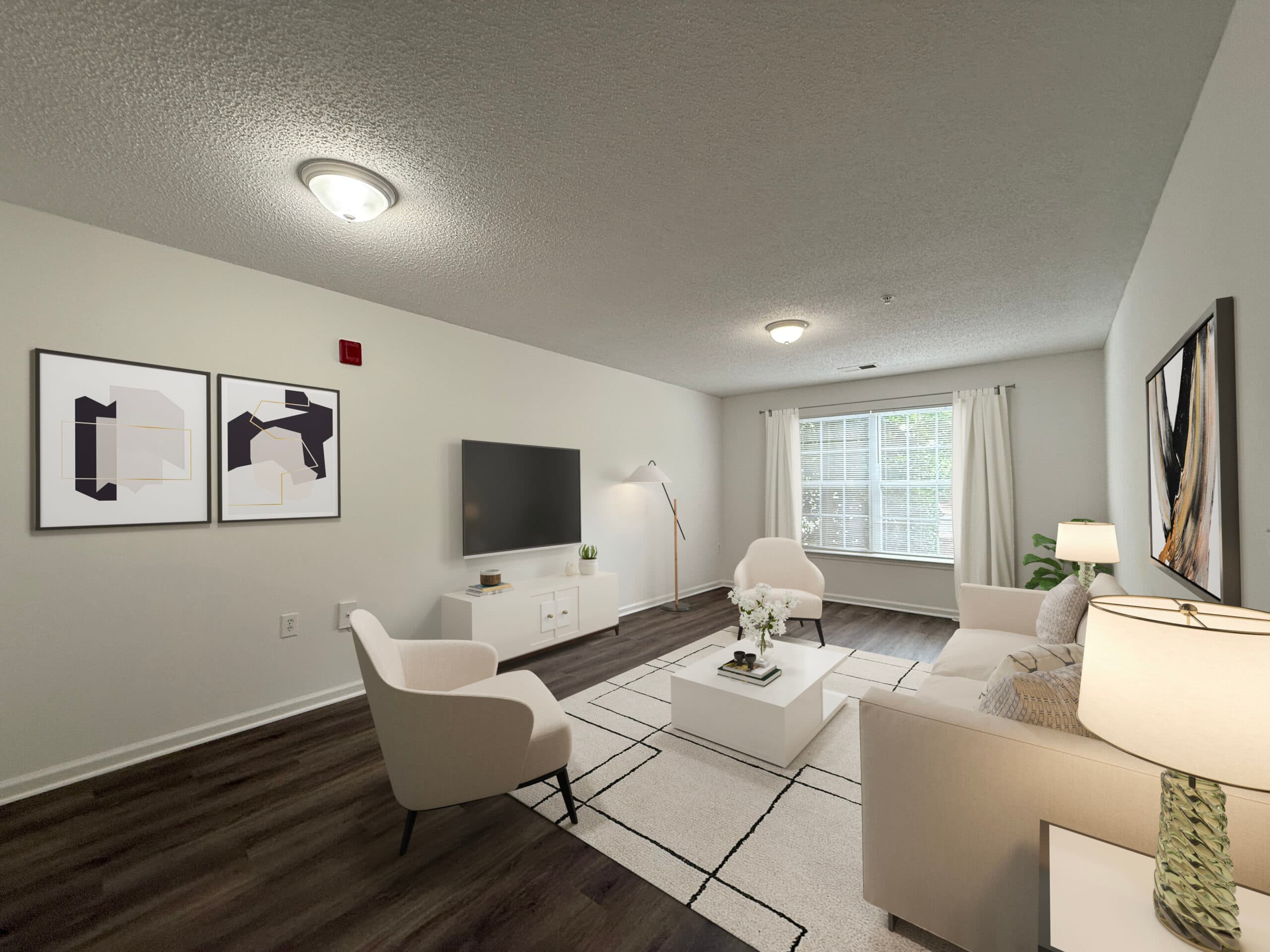
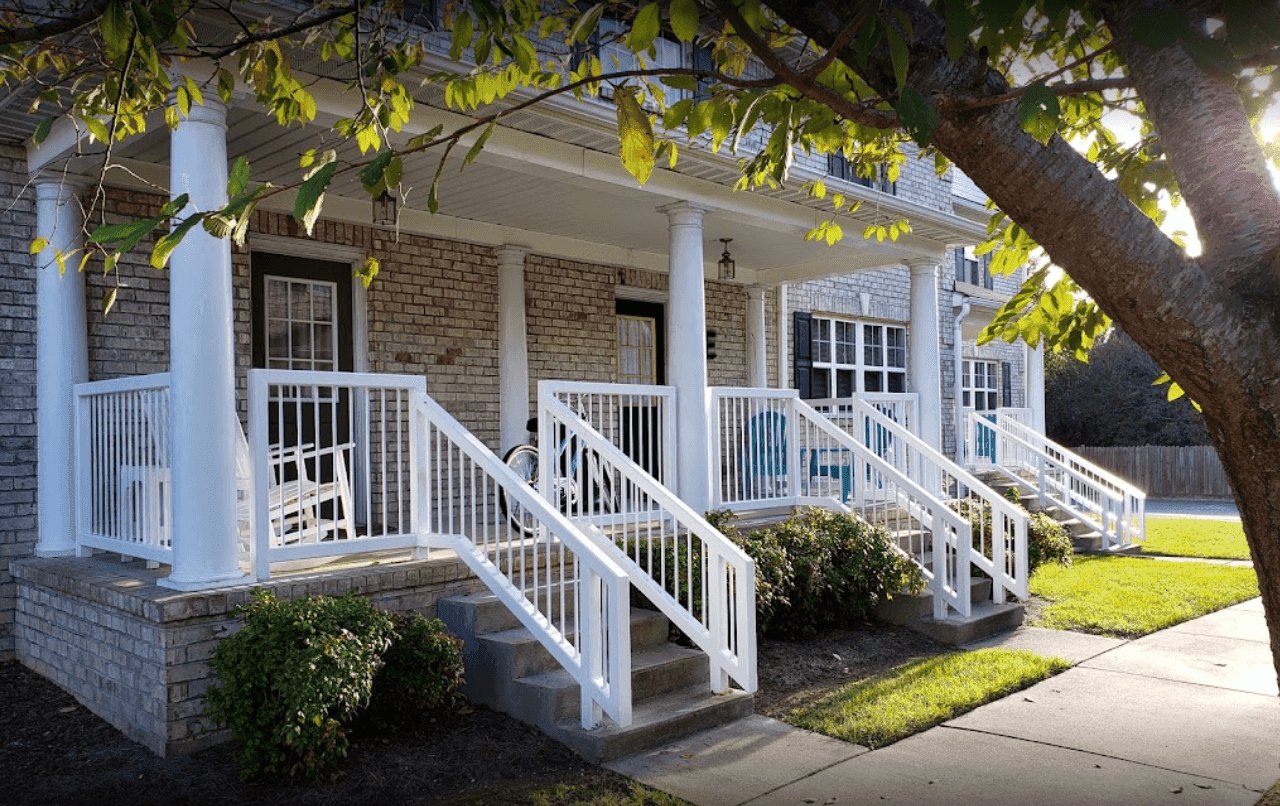
$685/unit
Fees may applyEvellien & Provence: Townhomes + Apartments
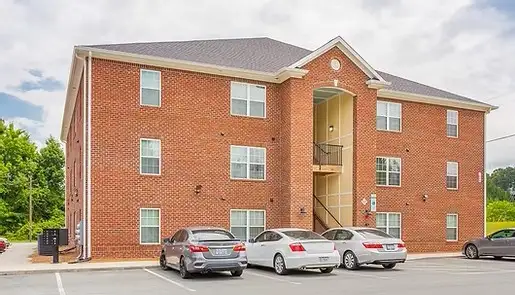
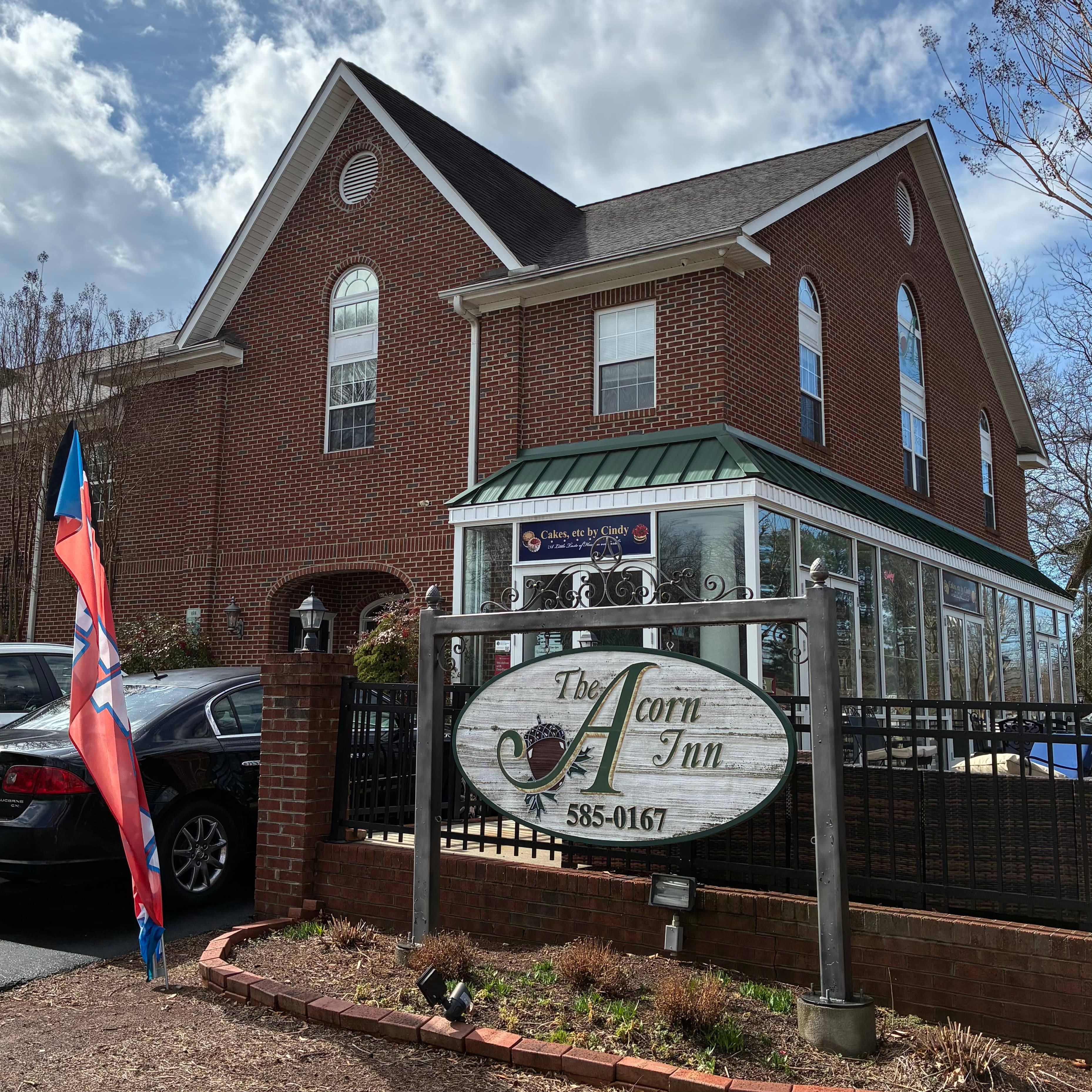
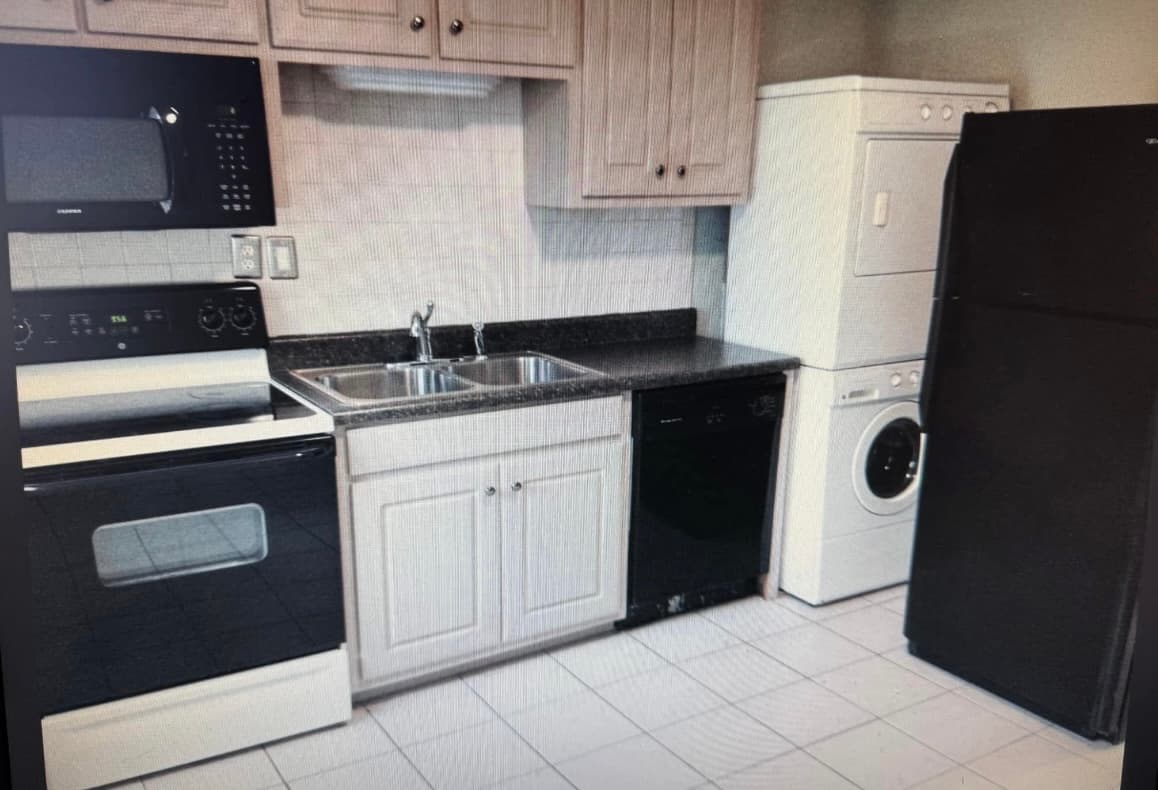
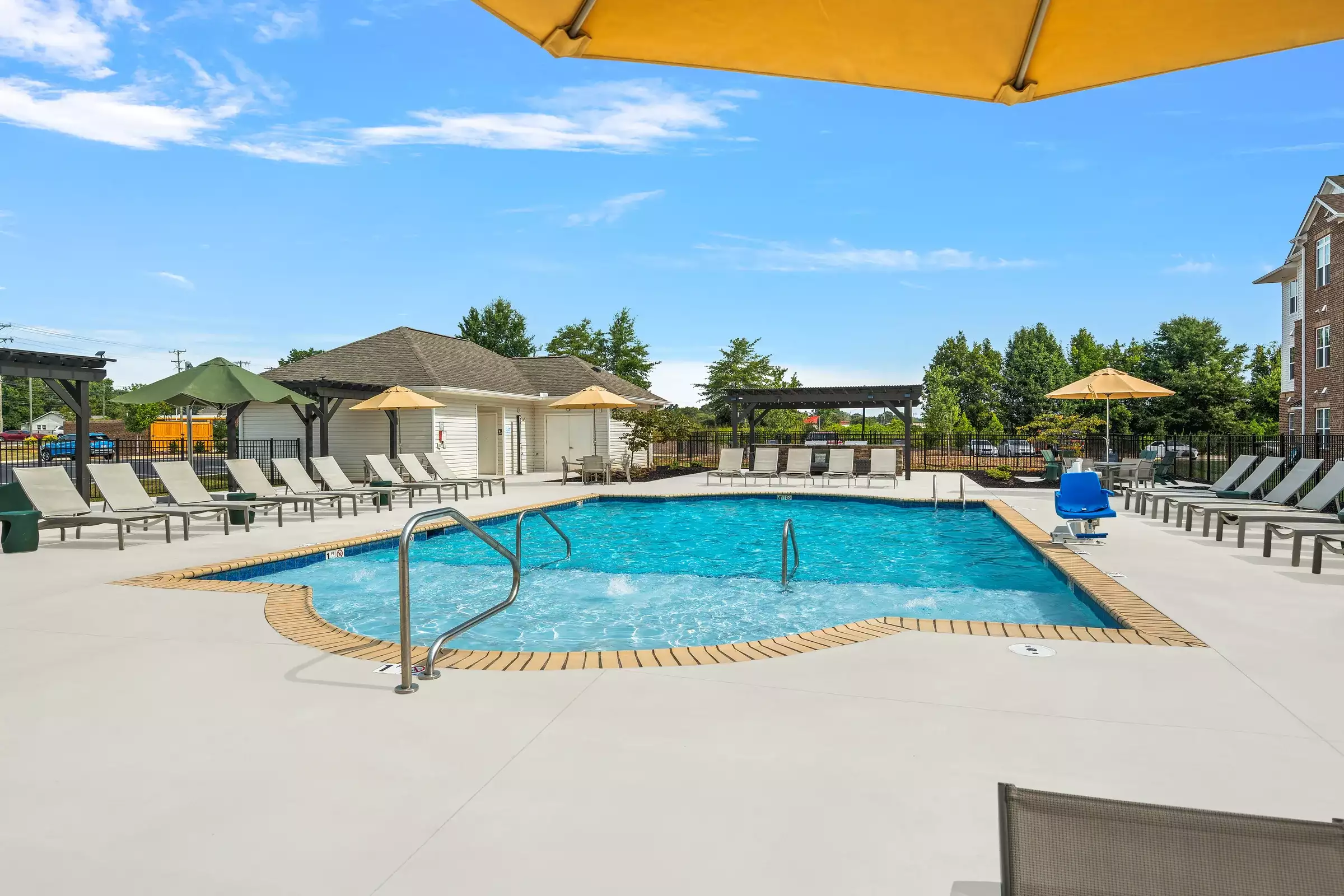
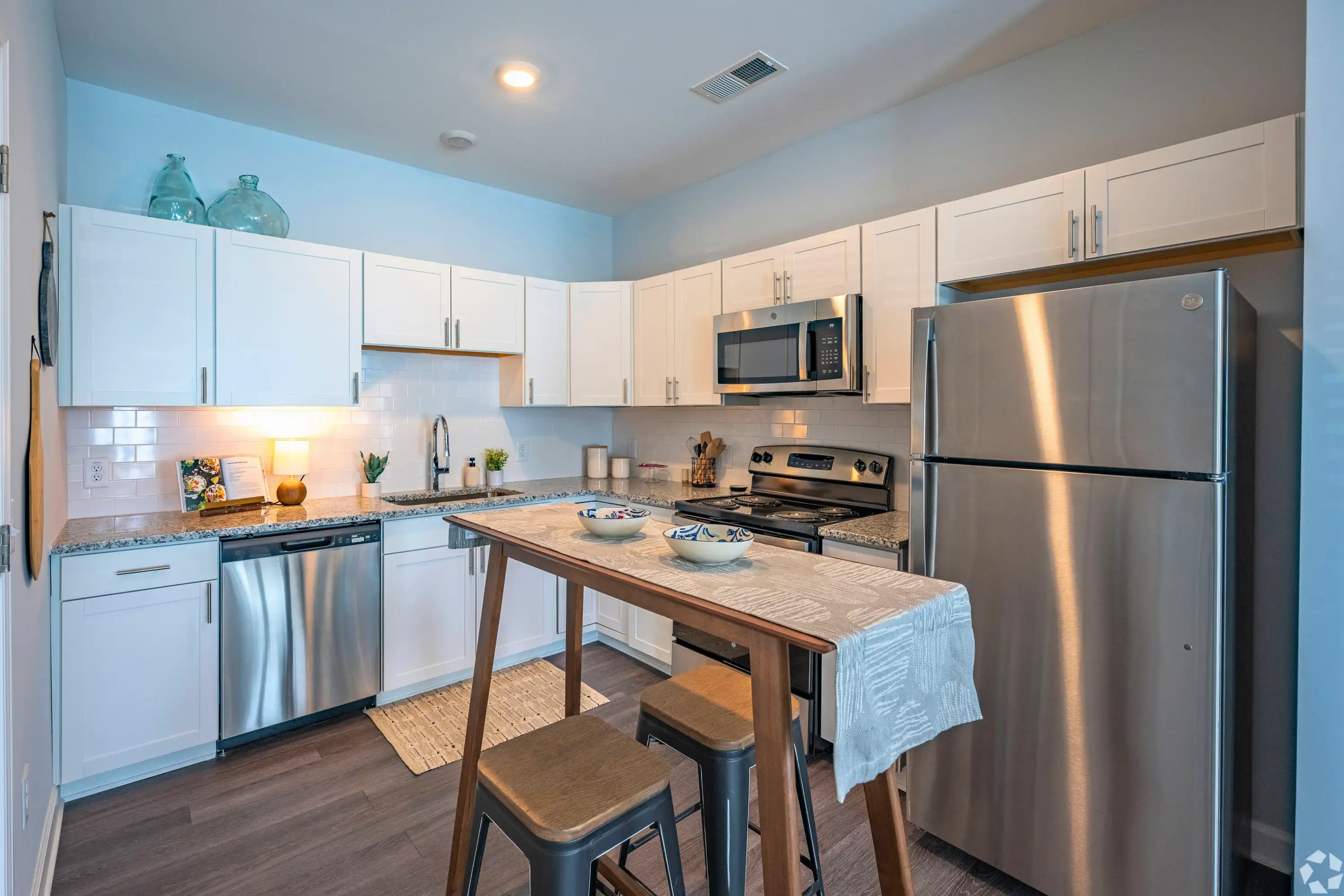
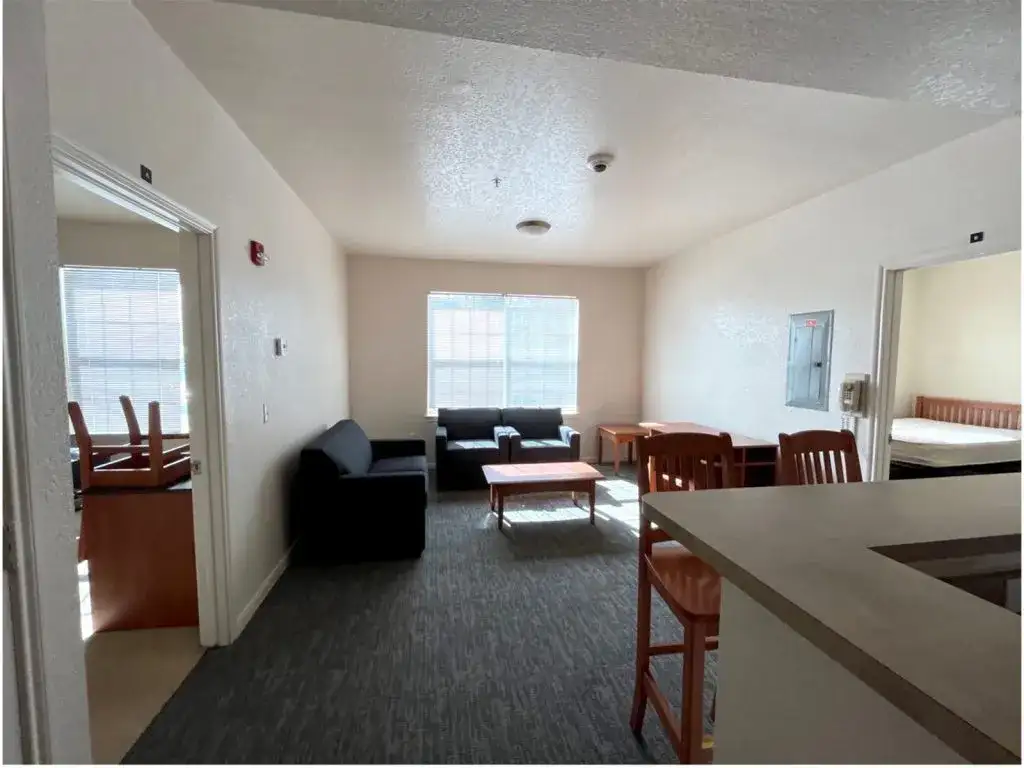
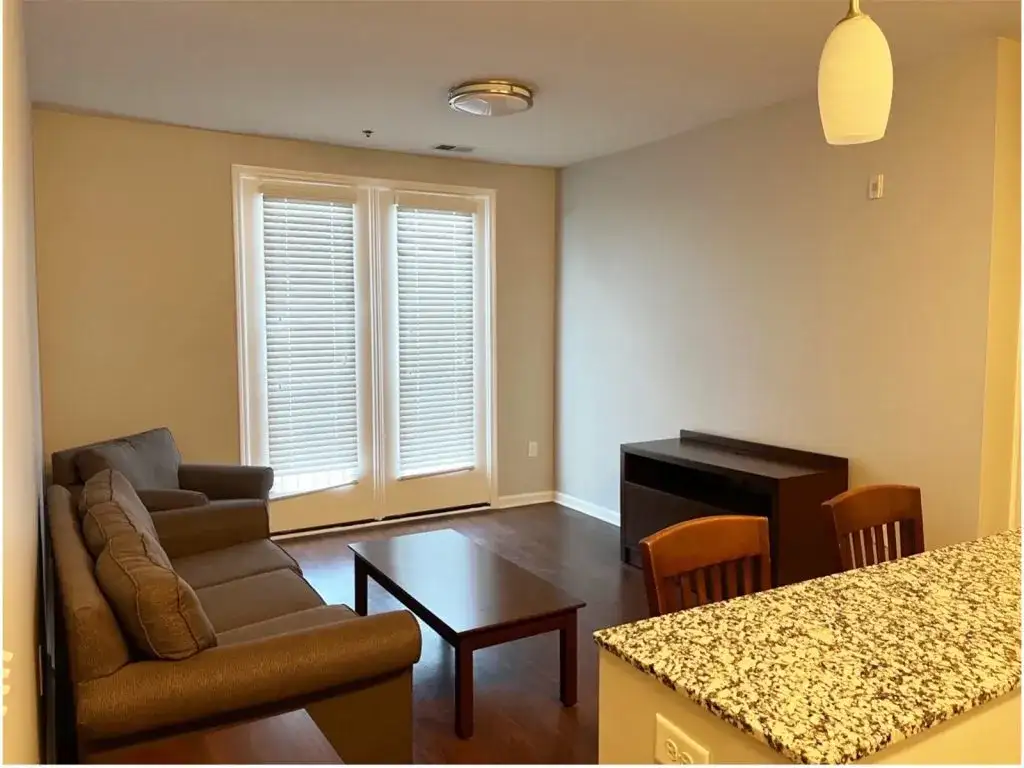
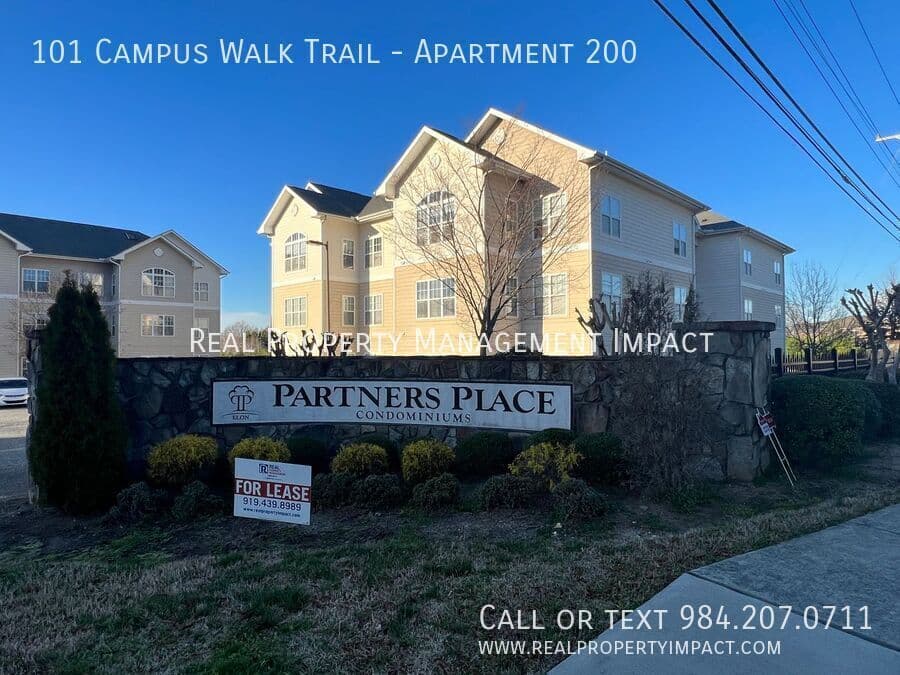
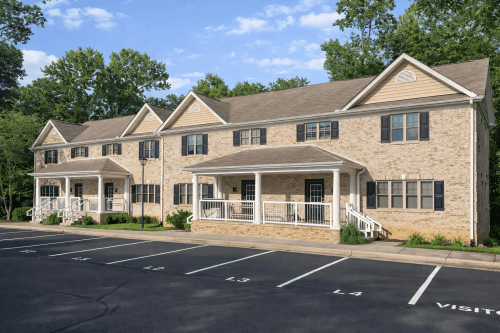

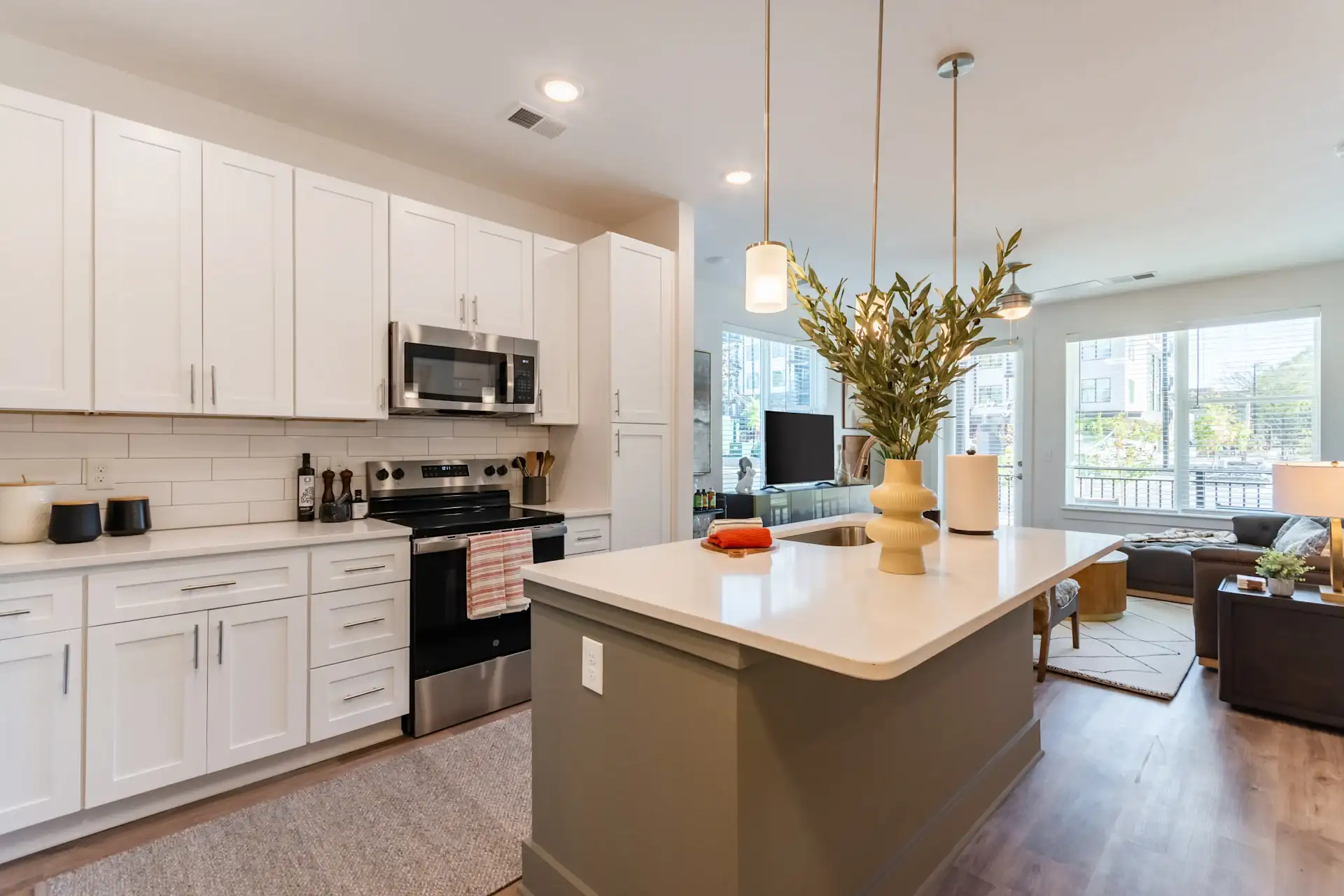
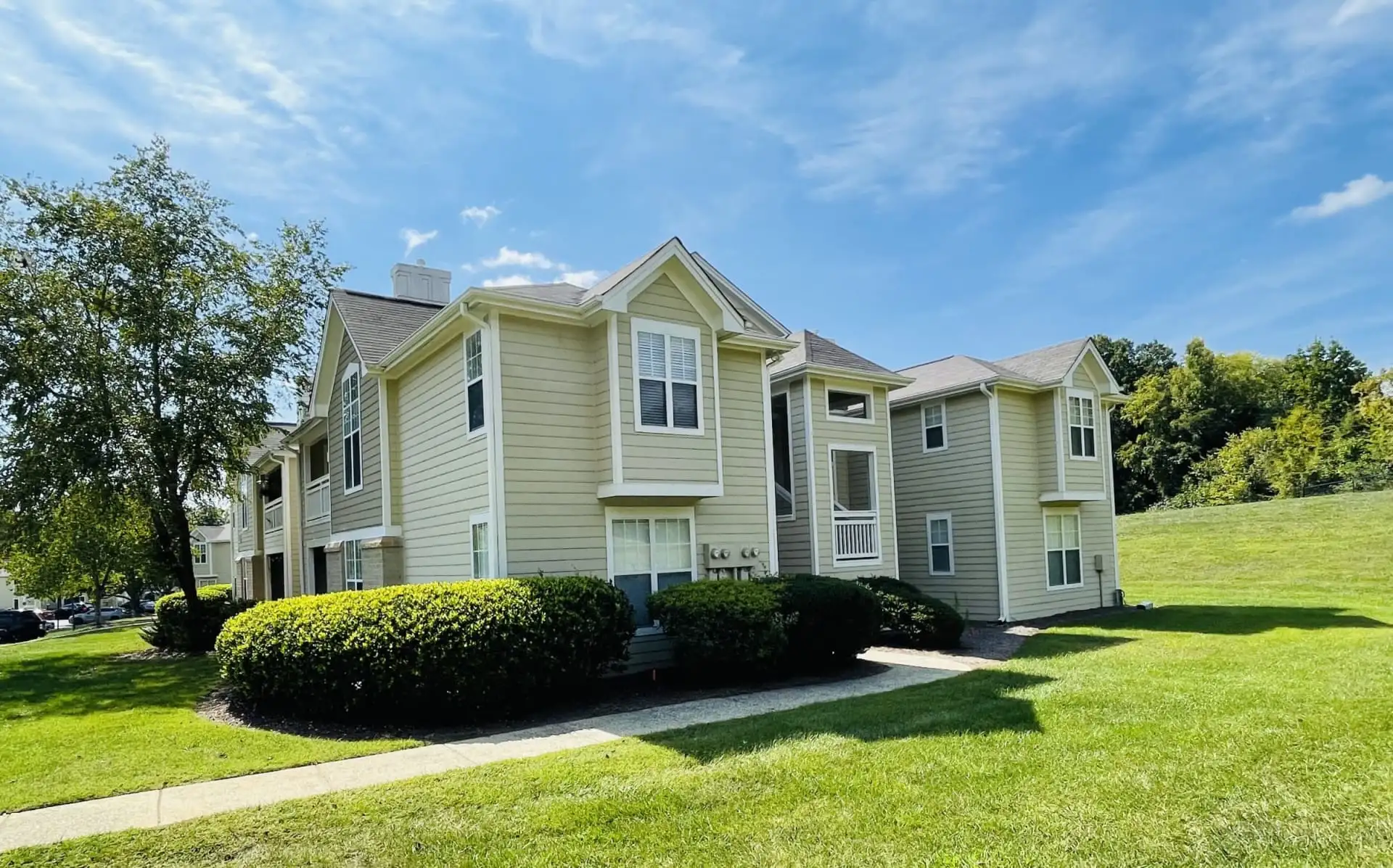
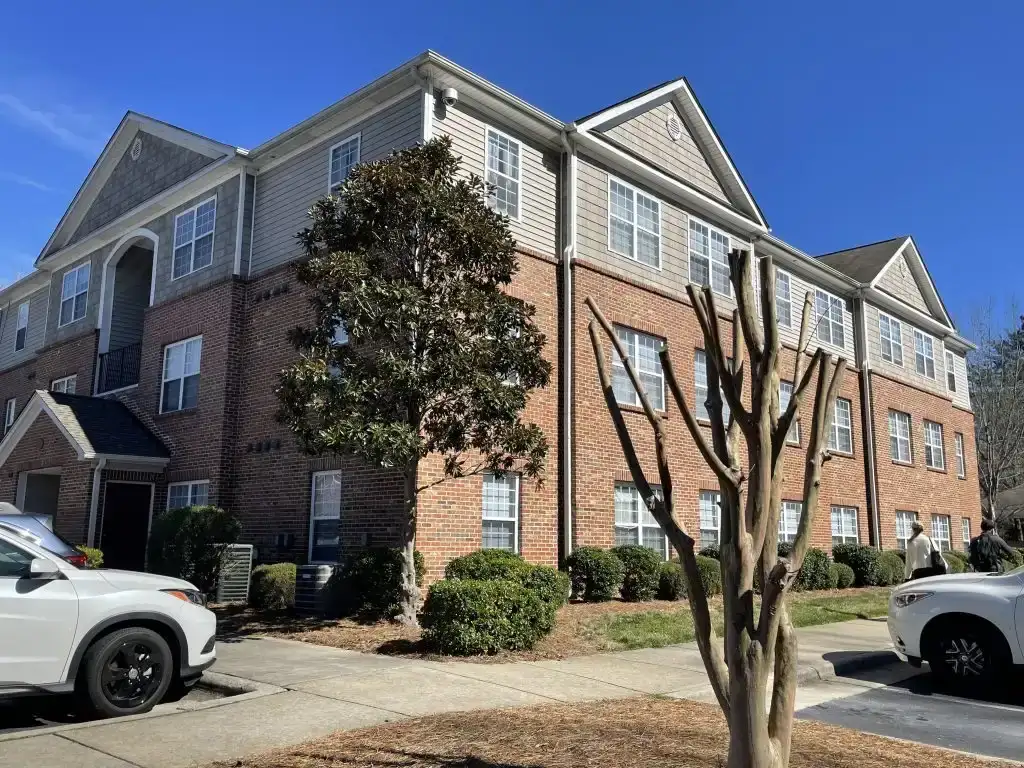
About Off-Campus Housing Near Elon University
Elon University fills its namesake town in Alamance County, North Carolina, with about 7,100 students on a campus so leafy it doubles as a botanical garden: storied oaks, brick pathways, and shaded commons. The town of Elon is small and tucked into the Burlington area between Greensboro and the Triangle, which makes campus the center of gravity for student life. Traditions hold it together: College Coffee gathers the community on the commons every Tuesday morning, and Under the Oaks marks opening convocation each fall. The environmental center at Loy Farm, where the EcoVillage houses students in green-built homes, gives campus a working-farm edge. Downtown Elon's Main Street is a short walk from the quad, and Greensboro and the Triangle are a quick drive away.
Elon University Housing Requirements
Freshman Live-On Requirement
Elon University has a two-year residency requirement, so first-year and sophomore students generally live on campus in its residential neighborhoods. Many stay on campus their third and fourth years too, since Elon aims to keep most undergraduates living on campus. Exemptions go through Residence Life and typically cover students living locally with family or with documented circumstances.
Off-Campus Eligibility
After the two-year mark, students who move off campus settle around the town of Elon and into neighboring Burlington and Gibsonville. Because Elon is small, much of the off-campus housing is regular Alamance County rentals rather than giant student complexes, so the process feels like renting a normal apartment or house, with an application, credit and background check, deposit, and often a guarantor. The closest walkable houses near campus are limited and go fast.
Lease Timing
Read house leases for joint-tenant terms and yard duties, and confirm occupancy caps, since small towns still limit renters per home. Leases usually run a full year, so match the term to your plans. Reviewing the full agreement up front keeps you from inheriting a roommate's obligations.
Housing policies change frequently. Always verify current requirements directly with Elon University before signing a lease.
When to Start Looking for Housing Near Elon University
Early Searchers
Elon's off-campus calendar reflects its small-town size. Because the two-year requirement keeps freshmen and sophomores on campus, the off-campus hunt is mostly a junior-and-senior game, and the supply of walkable houses right by campus is limited, so those go early. If you want to be within walking distance of the quad, start looking in the fall of the prior year. Sign by winter or early spring with your roommate group locked in.
Peak Demand Window
The newer apartment complexes in the Elon and Burlington area prelease through winter and spring. Classes start in late August and leases usually run a full year. The walkable houses near the quad see the strongest demand and get claimed first. Locking in your roommate group by winter keeps you ahead of the competition.
Last-Minute Options
If you search late into summer, you'll find more options out in Burlington and Gibsonville than right next to campus, and you'll probably want a car. Spring openings and sublets come up when students go abroad, which Elon students do often, so a study-abroad semester can free up a room mid-year if you ask around. Checking with student groups can surface a handoff. Widening your radius opens up more choices.
Neighborhoods Near Elon University
Downtown Elon
Downtown Elon and the streets right around campus offer the few walkable houses and apartments closest to the quad, and they go fast. It's the most convenient option near class.
Town of Elon
The broader town of Elon holds quiet residential streets and newer complexes a short drive or bike from campus. Complexes along the main corridors split the difference on commute and calm.
Burlington and Gibsonville
Burlington, the larger neighboring city, has the widest range of apartments and houses, more parking, and a slightly gentler price, better if you have a car. Gibsonville, the small City of Roses just east, is a calm option for students who want a house and don't mind commuting in.
Frequently Asked Questions: Off-Campus Housing Near Elon University
Common questions from students searching for housing.
A room in a shared house or apartment near Elon usually runs about $600-$950/month per person. Houses split among roommates in Burlington or Gibsonville land at the lower end, while newer complexes and the few walkable spots right by campus sit higher. Budget another $50-$120/month for utilities, and ask what's bundled before you sign.
Yes. Elon has a two-year residency requirement, so freshmen and sophomores live on campus in the residential neighborhoods, and many students stay on campus all four years. Exemptions go through Residence Life and usually cover students living locally with family or those with documented circumstances.
Since the two-year rule keeps underclassmen on campus, off-campus living is mostly juniors and seniors. They take the limited walkable houses in downtown Elon, newer complexes around town, or larger and gentler-priced houses out in Burlington and Gibsonville, where a car helps.
It depends where you land. If you snag a walkable house right by campus, you can get by on foot for daily life. But anything in Burlington or Gibsonville, plus groceries and trips to Greensboro or the Triangle, really wants a car, since the town itself is small and transit is limited. Most off-campus juniors and seniors keep one.
Start in the fall of the year before you want to move, especially for the few walkable houses near campus, which go quickly to roommate groups. Newer complexes prelease through winter and spring. Lock in your roommates first, then sign by winter or early spring if you want to be close to the quad.
Most leases run a full 12 months. A lot of off-campus housing here is regular Alamance County houses, so expect joint leases where roommates share responsibility, plus yard upkeep you'll need to sort out. Confirm occupancy limits too, since even small towns cap how many unrelated renters can share one home.
Downtown Elon and the residential streets around campus are quiet, well-traveled student areas that most students find comfortable. Burlington and Gibsonville are calm too, but conditions vary by street, so walk the block at night, check the lighting, and look at how the property is maintained before committing.
It varies. Newer complexes sometimes bundle water, trash, and internet, while houses usually leave you to set up and split everything yourself. Plan on roughly $50-$120/month per person on top of rent, and ask whether anything is capped so a North Carolina summer of AC doesn't surprise you.
Houses here run on joint leases, so pick roommates you trust to cover their share. Subletting is especially relevant at Elon because so many students study abroad, which frees up rooms mid-year. If you sublet or take over a room, check the lease and get the landlord's written approval first.
If you land one of the limited houses or apartments right in downtown Elon, yes, both the quad and Main Street are an easy walk. From the broader town, Burlington, or Gibsonville, you'll bike or drive in. The campus itself is very walkable once you're there, which is part of Elon's whole vibe.
More Housing Near Elon University
Search by Room Type
Search by Lifestyle
See how students rate the places near Elon on social life, management, and quality before you tour.
Read student housing reviews near Elon →