Off-Campus Housing Near FGCU
Off-Campus Housing Near FGCU
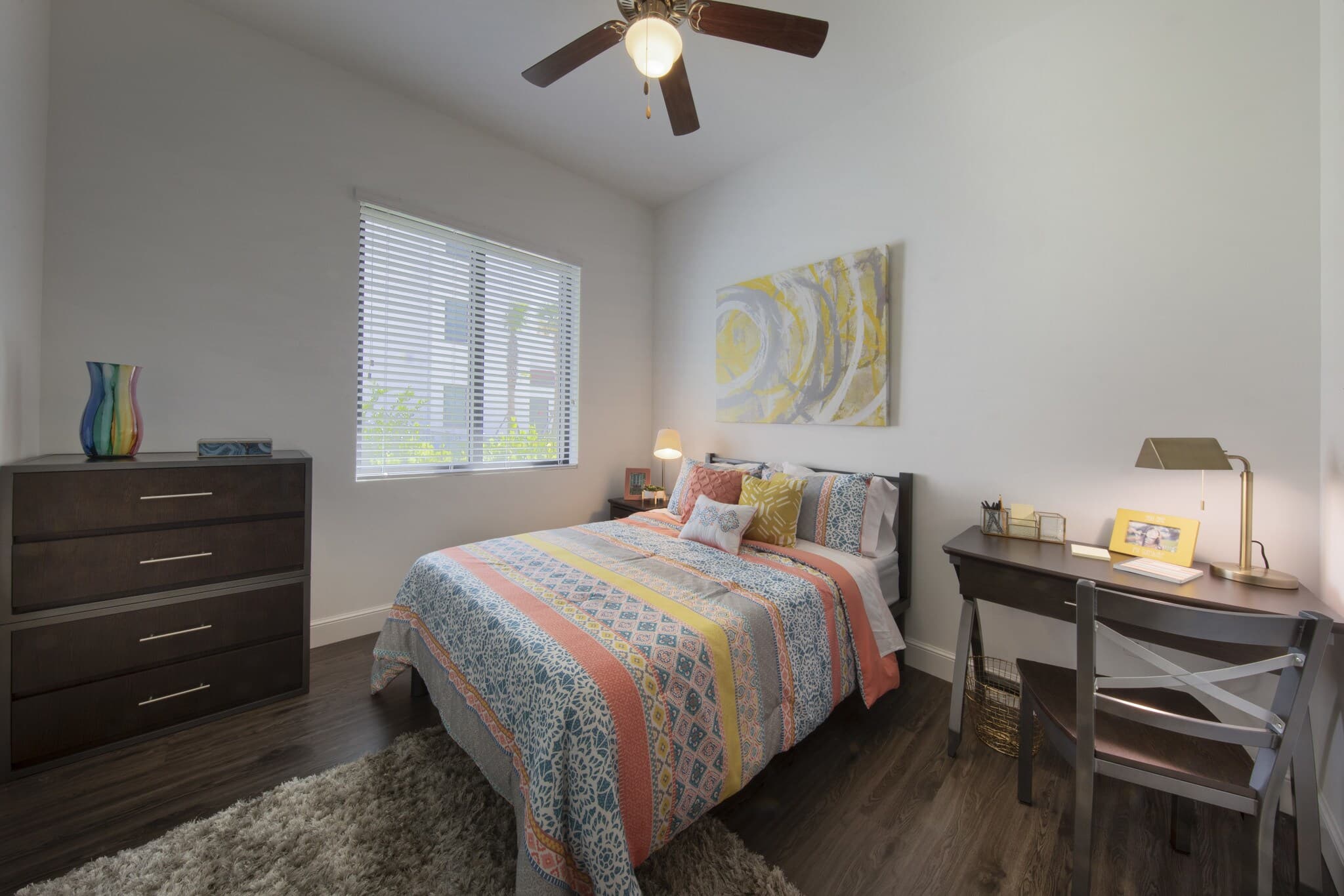
$1,169+/unit
Fees may applyResidences at University Village
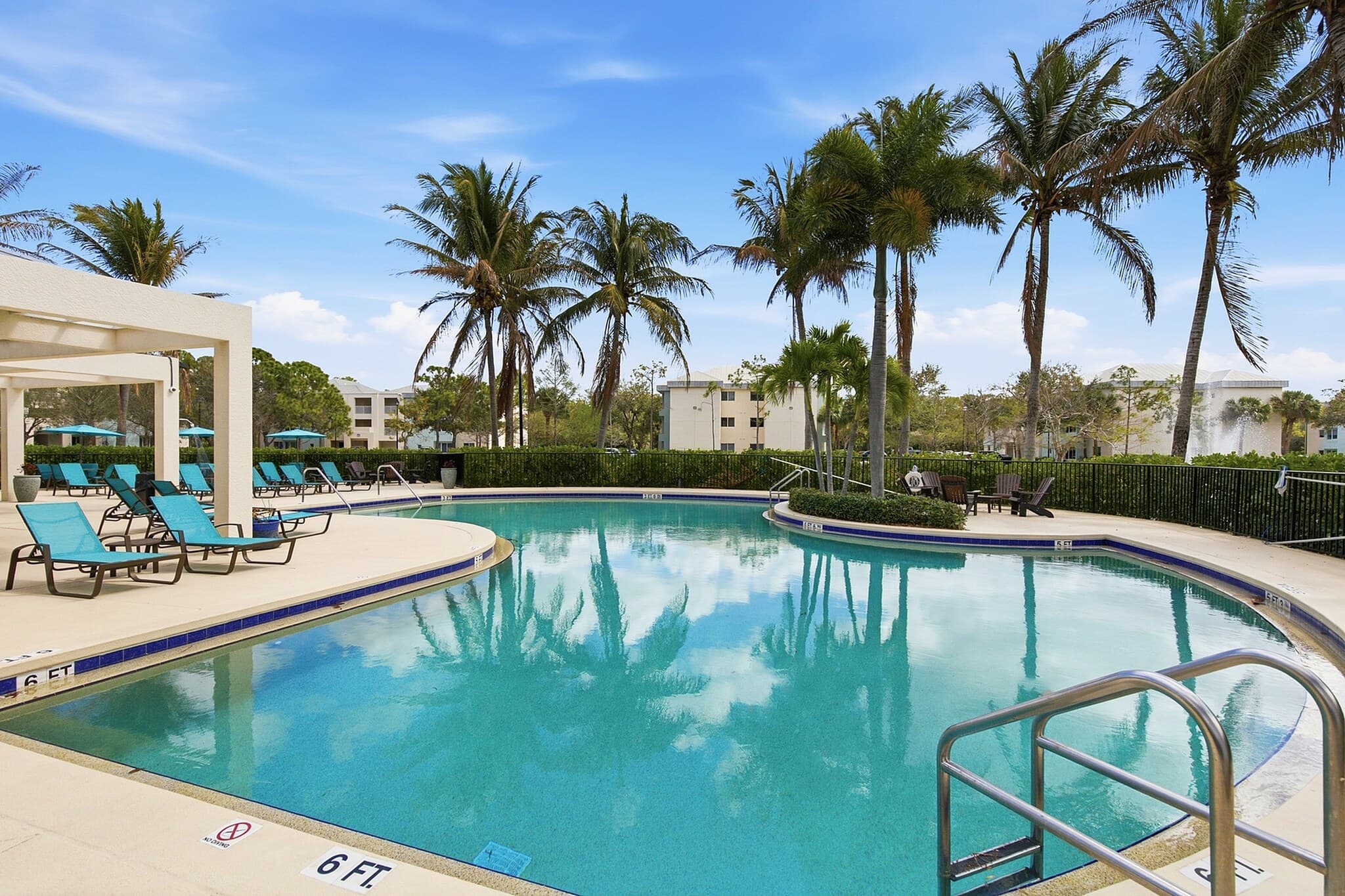
$745+/person
Fees may applyEagle Walk Off-Campus Student Housing
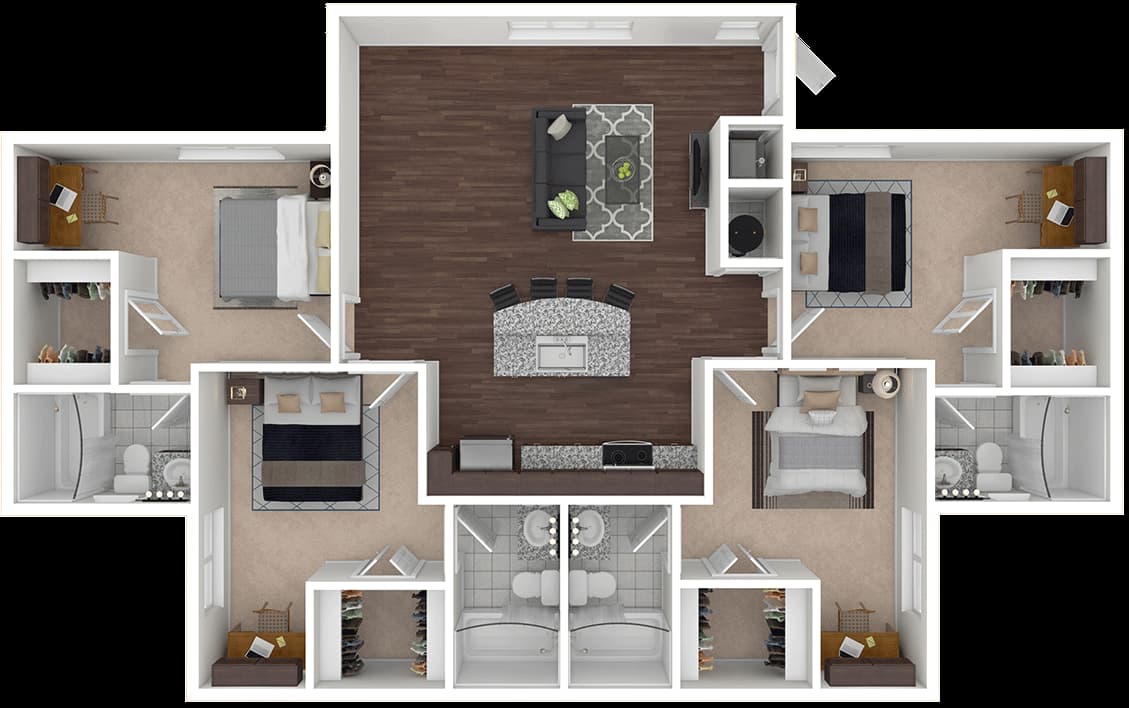
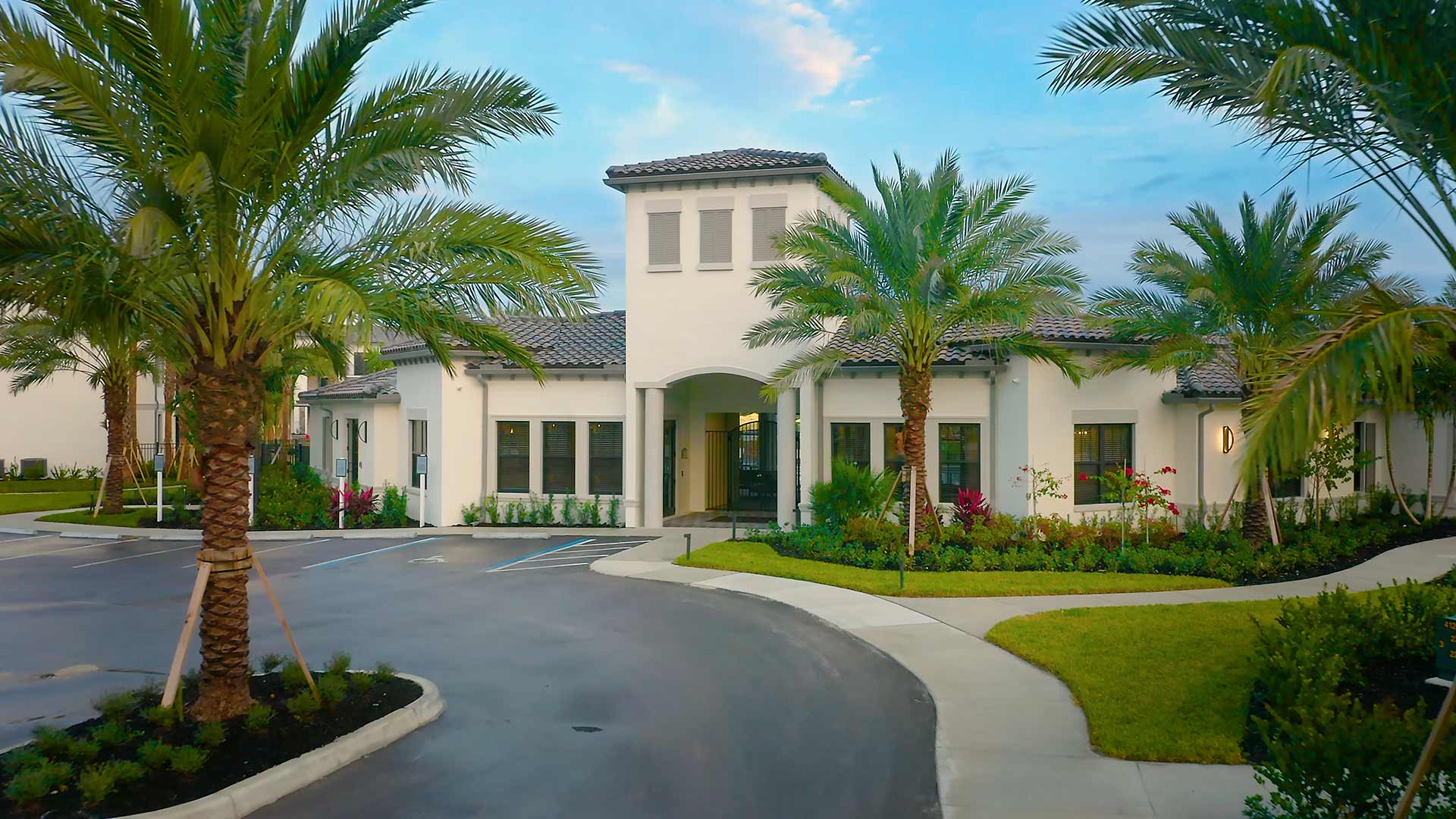
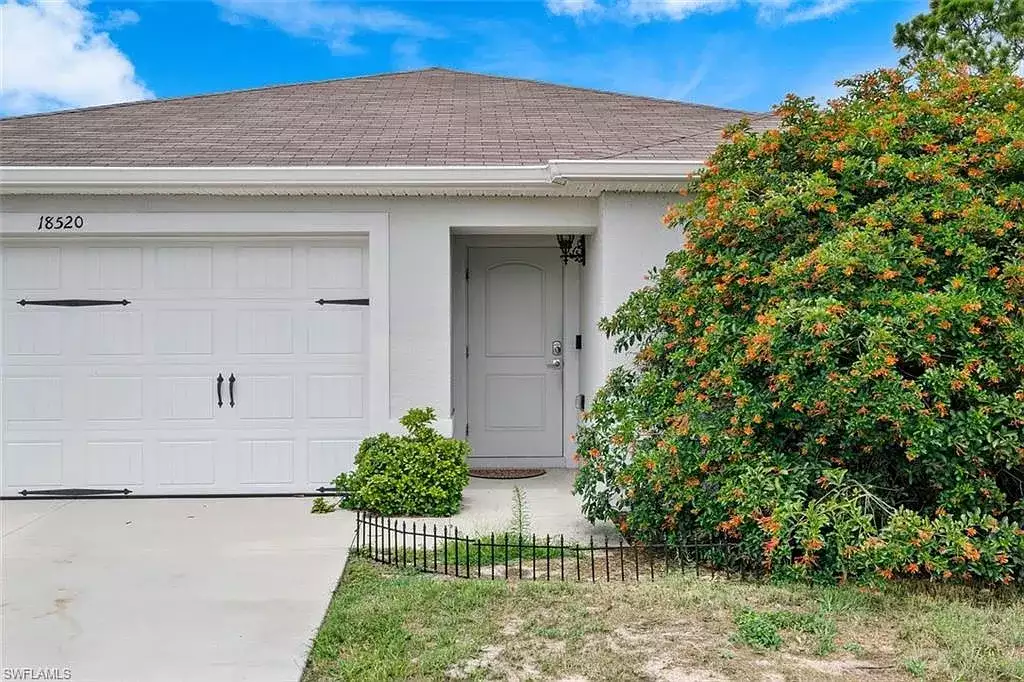
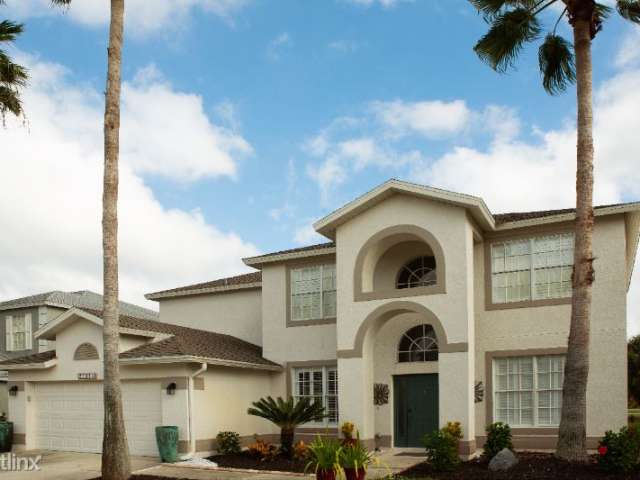
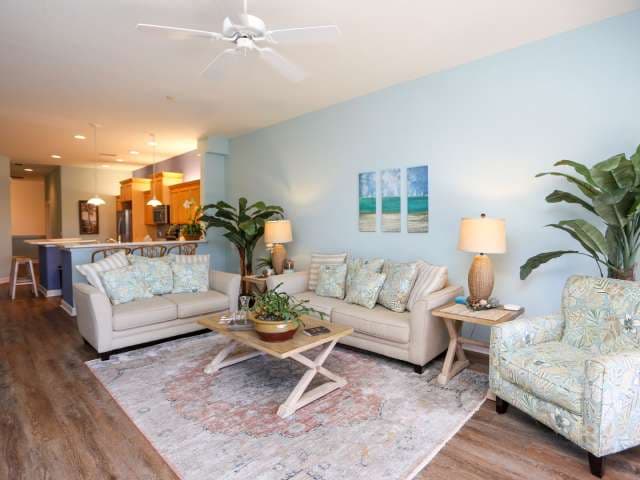
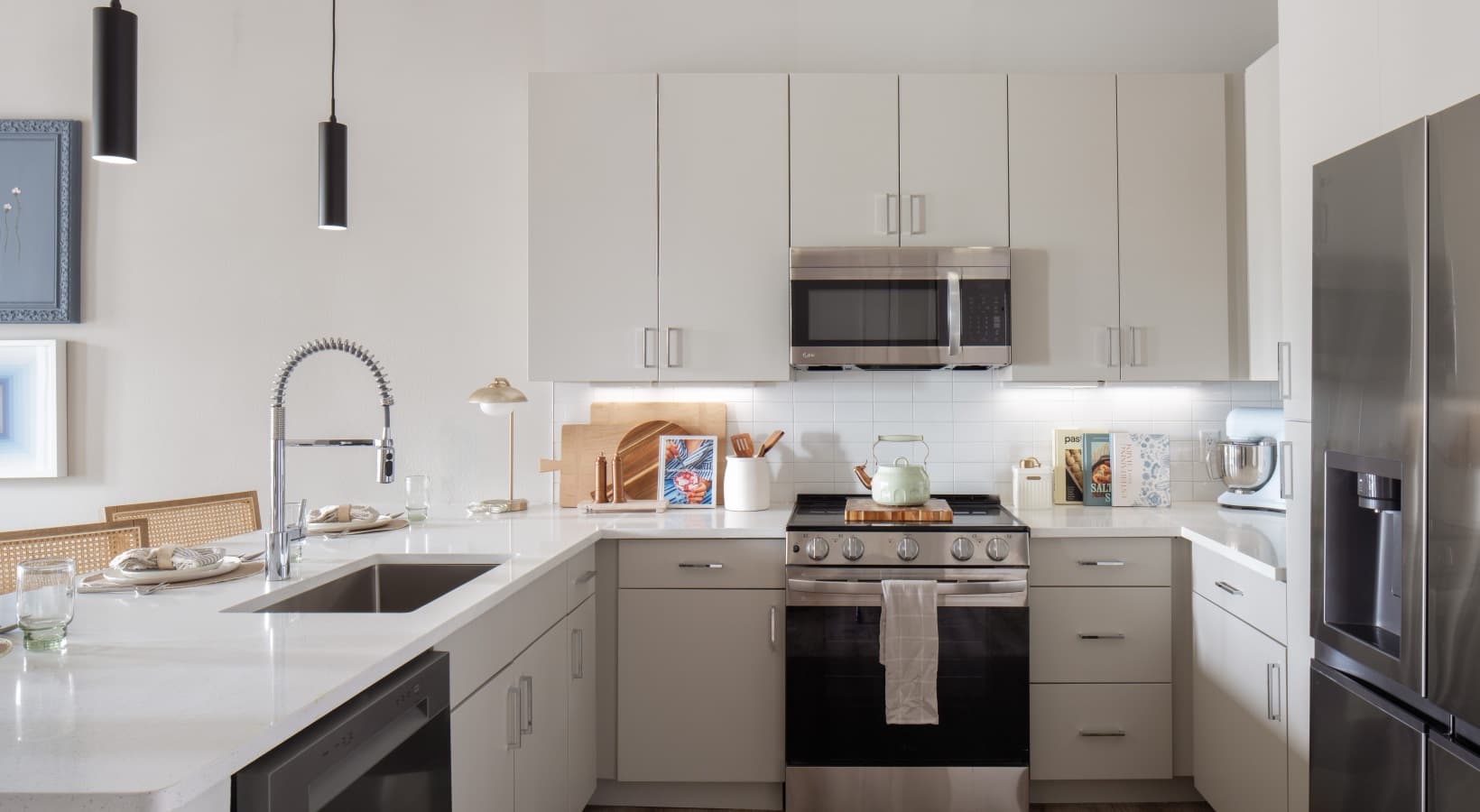
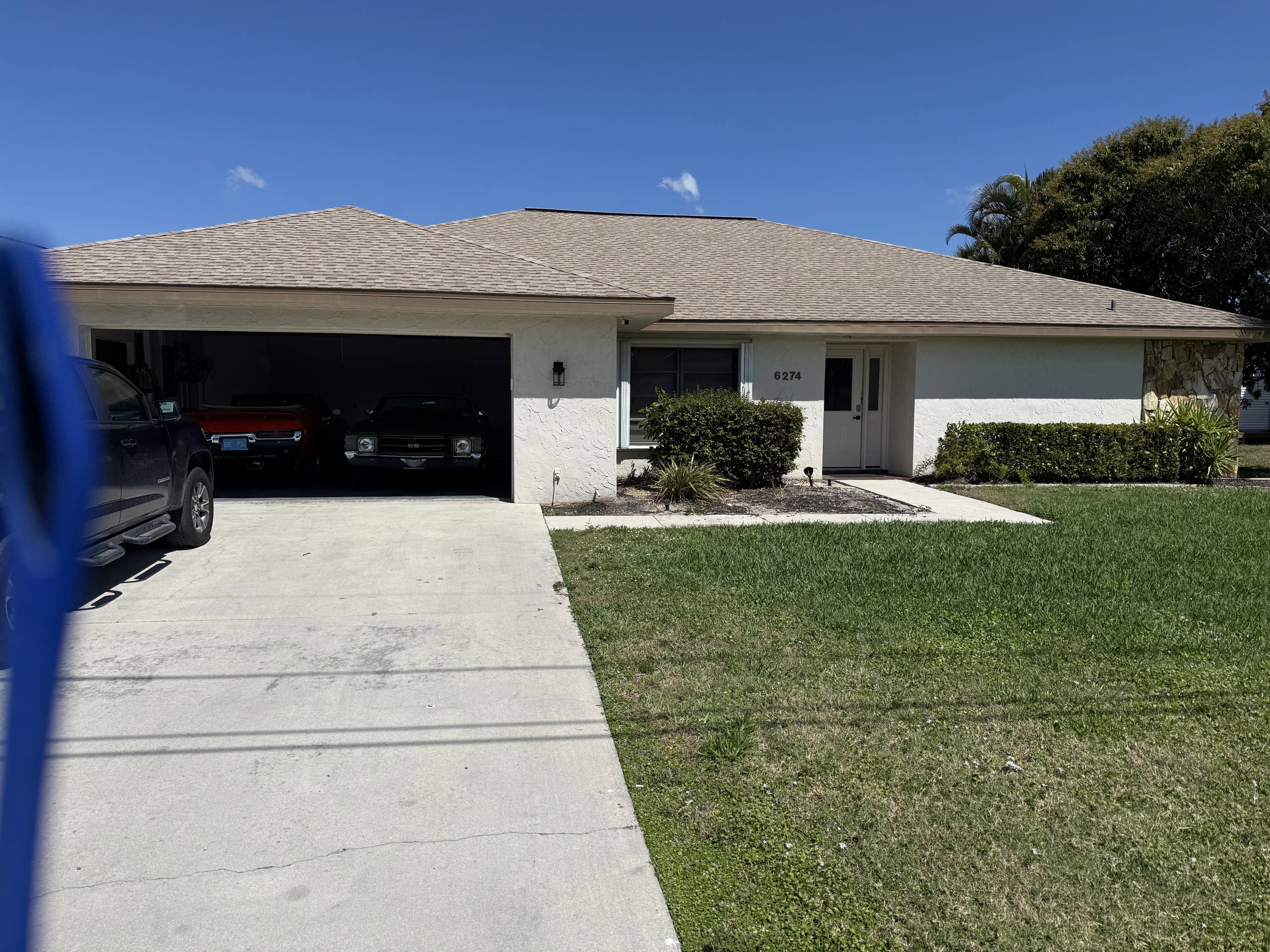
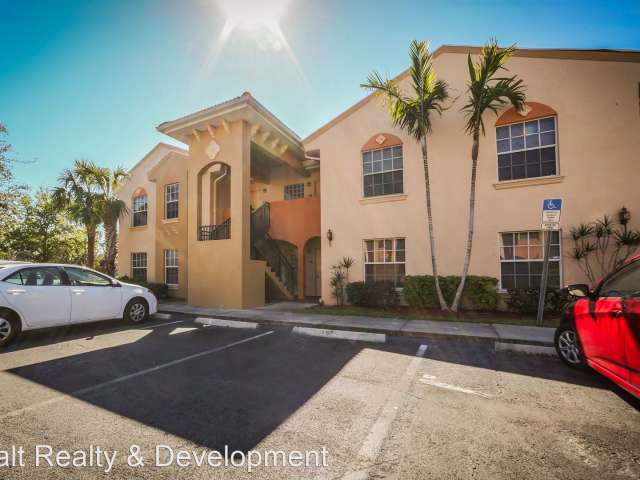
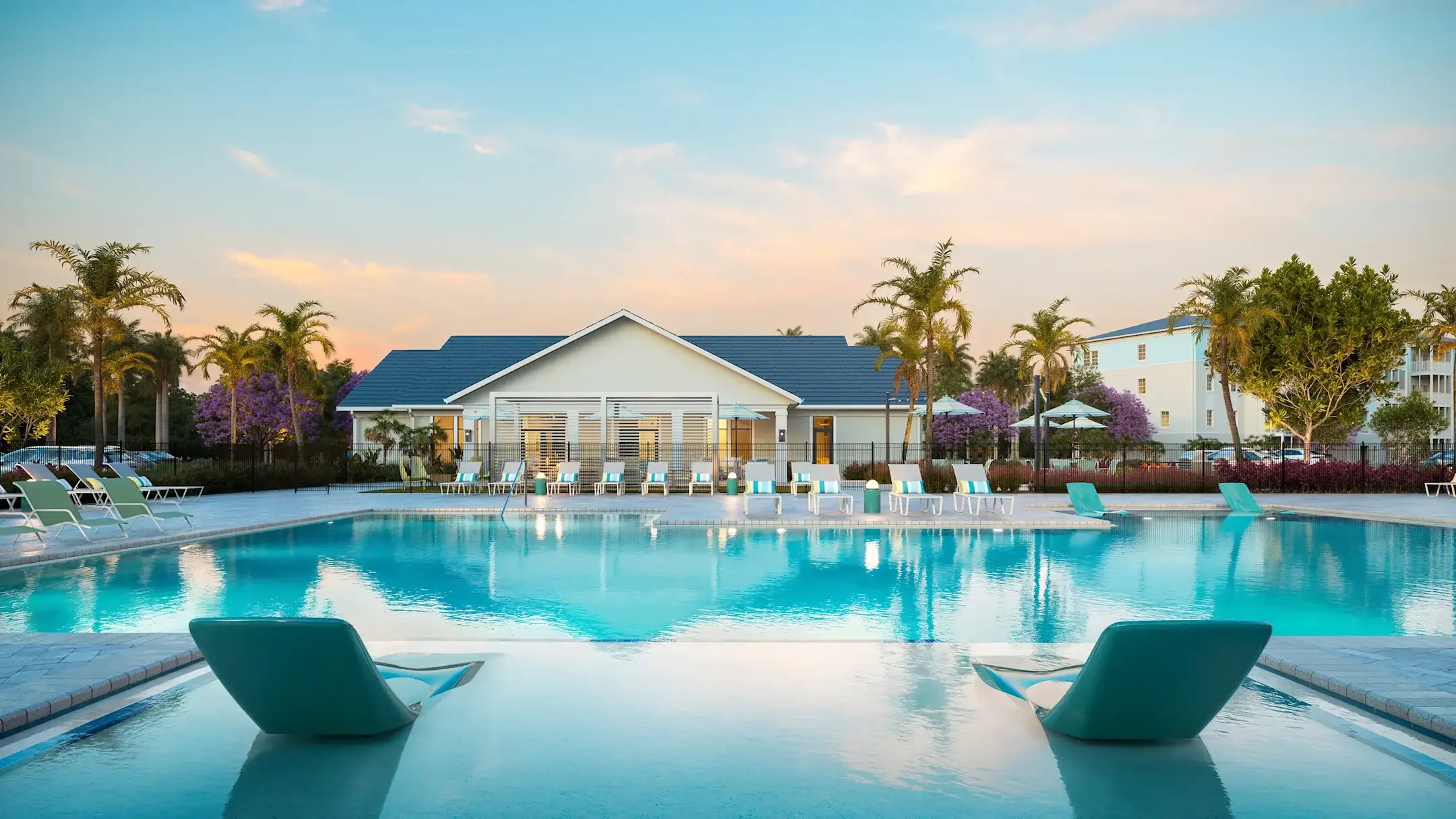
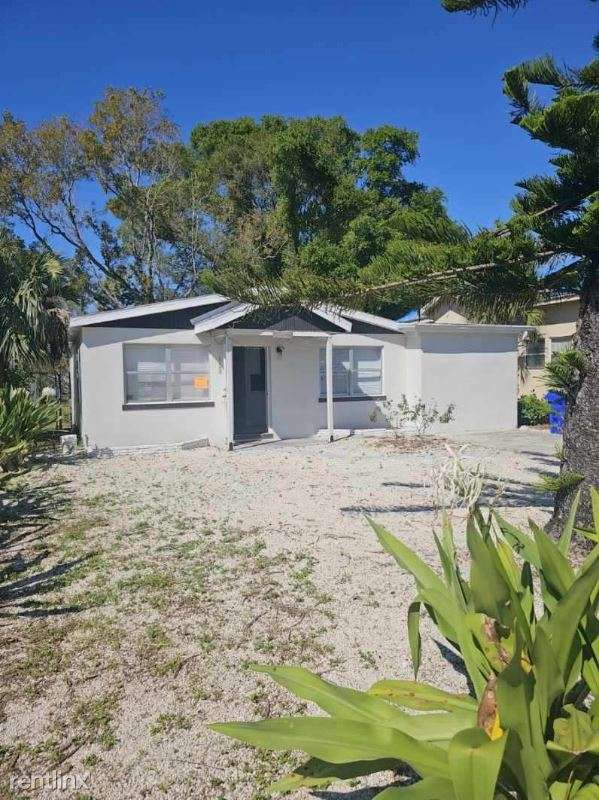
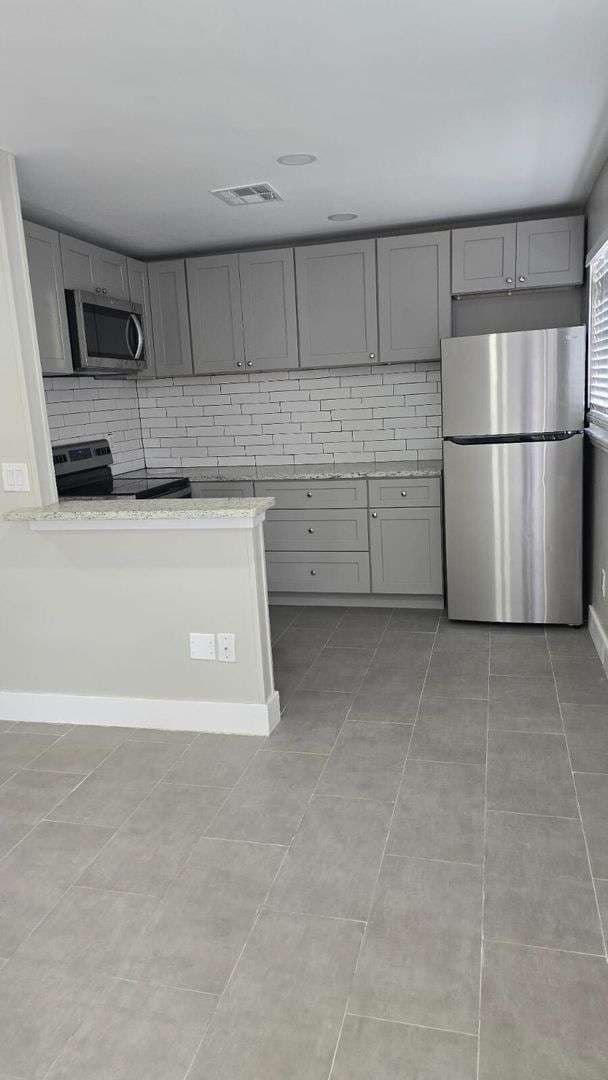
$1,550/unit
Fees may applyIntroducing Our Beautiful 2-Bedroom Home in Fort Myers
email me if my perfect place pops up
We'll reach out the moment one matches everything you asked for
About Off-Campus Housing Near Florida Gulf Coast University
Florida Gulf Coast University spreads about 15,400 Eagles across 800 acres of Southwest Florida, just south of Fort Myers near Estero. Roughly half the campus is left wild as nature preserve, and the other half wraps around Lake Como, where the waterfront doubles as a student beach for kayaking, paddleboarding, and sailing. This is the young, outdoorsy corner of Florida: students live in the nearby San Carlos Park and Estero communities, and weekends pull them toward Estero Bay, the Gulf beaches, Lovers Key State Park, and the canoe trails at Koreshan State Park. Campus life centers on Eagles basketball and the energy behind the Dunk City nickname. It's car country out here, so most students drive, but the payoff is sun, water, and wildlife in every direction.
Florida Gulf Coast University Housing Requirements
Freshman Live-On Requirement
FGCU keeps it simple: there is no requirement for first-year students to live on campus, so you can go off campus from your very first semester if you want. On-campus options like South Village skew toward freshmen and North Lake Village toward upperclassmen, but living there is a choice, not a rule. Most students who move off campus head to the apartment communities and neighborhoods just outside the gates in San Carlos Park and Estero.
Off-Campus Eligibility
Because the area is unincorporated Lee County with a Fort Myers mailing address, you will mostly rent from professional property managers running large complexes rather than individual landlords, which keeps the process predictable. Expect standard credit and income checks, and plan on a guarantor or co-signer if you do not have much rental history. By-the-bed student communities and traditional apartments handle roommates and liability differently.
Lease Timing
Watch the commute and confirm whether water and trash are bundled. Read lease and renewal terms closely, since by-the-bed communities and traditional apartments differ on roommates and liability. Settling these details before signing keeps the predictable complex-driven process on your side.
Housing policies change frequently. Always verify current requirements directly with Florida Gulf Coast University before signing a lease.
When to Start Looking for Housing Near Florida Gulf Coast University
Early Searchers
FGCU's off-campus scene is built around a handful of big student communities just outside the gates, so the calendar matters. Preleasing for the next fall usually opens in winter, and the closest, newest complexes fill through spring. Aim to tour and sign between February and April for the best pick. Starting in winter gives you first shot at the newest communities nearest the gates.
Peak Demand Window
The peak window runs from winter preleasing through spring, with February to April the strongest stretch. Classes start in late August. Because Southwest Florida keeps building, a summer search is doable, you will just be choosing from what is left, often a bit farther out into Estero or toward Fort Myers. Roommate groups should commit during this window to keep the closest complexes in play.
Last-Minute Options
If you are searching late, look at communities a short drive from campus where openings hang around. Watch for spring leases freeing up in December and January as graduates move on. Summer sublets surface when students head home, and snowbird turnover can open seasonal units too. Set alerts and check the FGCU off-campus marketplace often to catch these as they appear.
Neighborhoods Near Florida Gulf Coast University
San Carlos Park
The closest community to campus, a practical, suburban pick popular with students.
Estero
Just north, a growing area with newer apartments and an easy drive in.
Gulf Coast Corridor and Fort Myers
Complexes along the main roads near campus are convenient and amenity-heavy, while Fort Myers a bit farther north offers more variety and often easier prices.
Frequently Asked Questions: Off-Campus Housing Near Florida Gulf Coast University
Common questions from students searching for housing.
A private room in a by-the-bed student community near campus typically runs about $700-$1,000/month per person, with whole one-bedrooms closer to $1,400-$1,700. Older units in San Carlos Park and Fort Myers sit at the lower end, while newer complexes near the gates run higher. Budget roughly $40-$120/month for utilities depending on what's bundled.
No. FGCU doesn't require first-year students to live on campus, so you can choose off-campus housing from your first semester. On-campus housing is available and South Village leans toward freshmen, but it's optional. Plenty of students live in the apartment communities just outside campus in San Carlos Park and Estero.
San Carlos Park, right outside the gates, is the most popular spot, followed by Estero just to the north and the complexes along the main roads near campus, where shared rooms often run about $700-$1,000/month per person. Some students go farther into Fort Myers for more variety, or out toward the Gulf beaches if they don't mind a longer drive.
Yes, basically. FGCU sits in unincorporated Lee County surrounded by preserve and suburban sprawl, with limited transit, so almost everyone drives. You'll want a car for class, groceries, the beaches, and getting into Fort Myers or Naples. A few complexes right by campus are walkable to the gates, but a car is the norm here.
Start touring in winter and aim to sign between February and April, when the newest complexes near the gates fill up. Southwest Florida keeps building, so a summer search still works with fewer prime options. For late searches, check December and January spring openings and summer sublets a short drive out.
Most student communities near campus use standard 12-month leases and lease by the bed, so you're only responsible for your own room and roommates' missed payments aren't on you. Traditional apartments may want a full-unit lease. Confirm renewal terms and whether water, trash, and internet are included before signing.
San Carlos Park and Estero are generally quiet, suburban, and popular with students and families, and the gated student complexes near campus are well managed. As anywhere, it varies by community, so tour at night, check lighting and gated access, and ask current residents about their experience before committing.
Often partly. Many student complexes near campus bundle water, trash, and internet and leave electricity to you, and Florida summers make AC the big variable. Older or individually owned units may put everything on the tenant. Always ask what's covered and whether there's a cap so your summer bill doesn't blindside you.
Yes. FGCU runs an off-campus housing marketplace with rooms and roommate matching, and by-the-bed communities will pair you with others if you sign solo. Subletting happens in summer when students go home, but check your lease first and get the property manager's written approval before handing over your room.
Definitely. The campus waterfront at Lake Como lends out kayaks, paddleboards, and sailboats, so paddling is a normal weekday thing here. Off campus, Estero Bay, Lovers Key State Park, and the Estero River at Koreshan State Park offer canoeing, kayaking, and fishing, and the Gulf beaches are a short drive away.
More Housing Near Florida Gulf Coast University
Search by Room Type
Search by Lifestyle
See how students rate the places near FGCU on social life, management, and quality before you tour.
Read student housing reviews near FGCU →