Off-Campus Housing Near Georgetown
Off-Campus Housing Near Georgetown




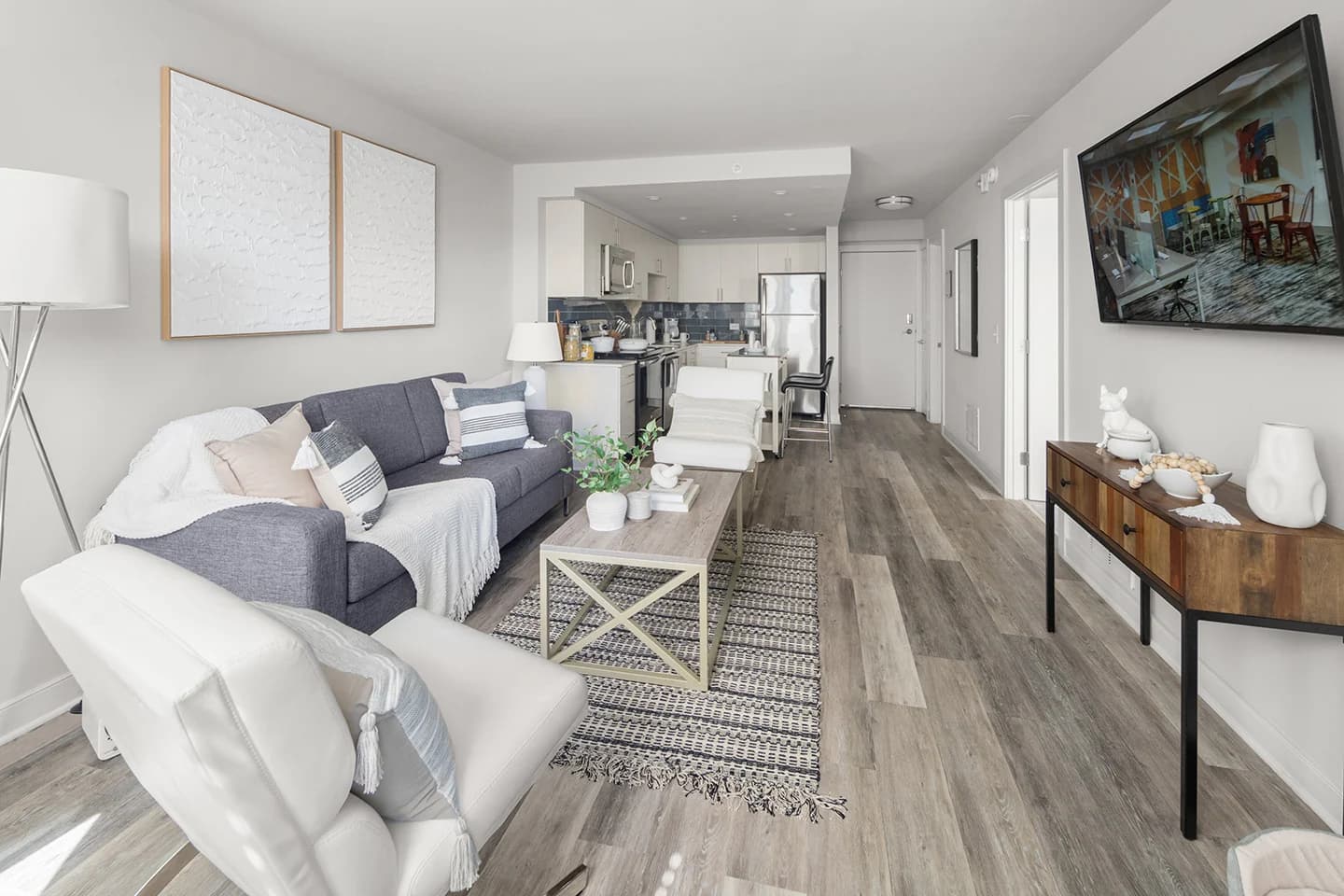
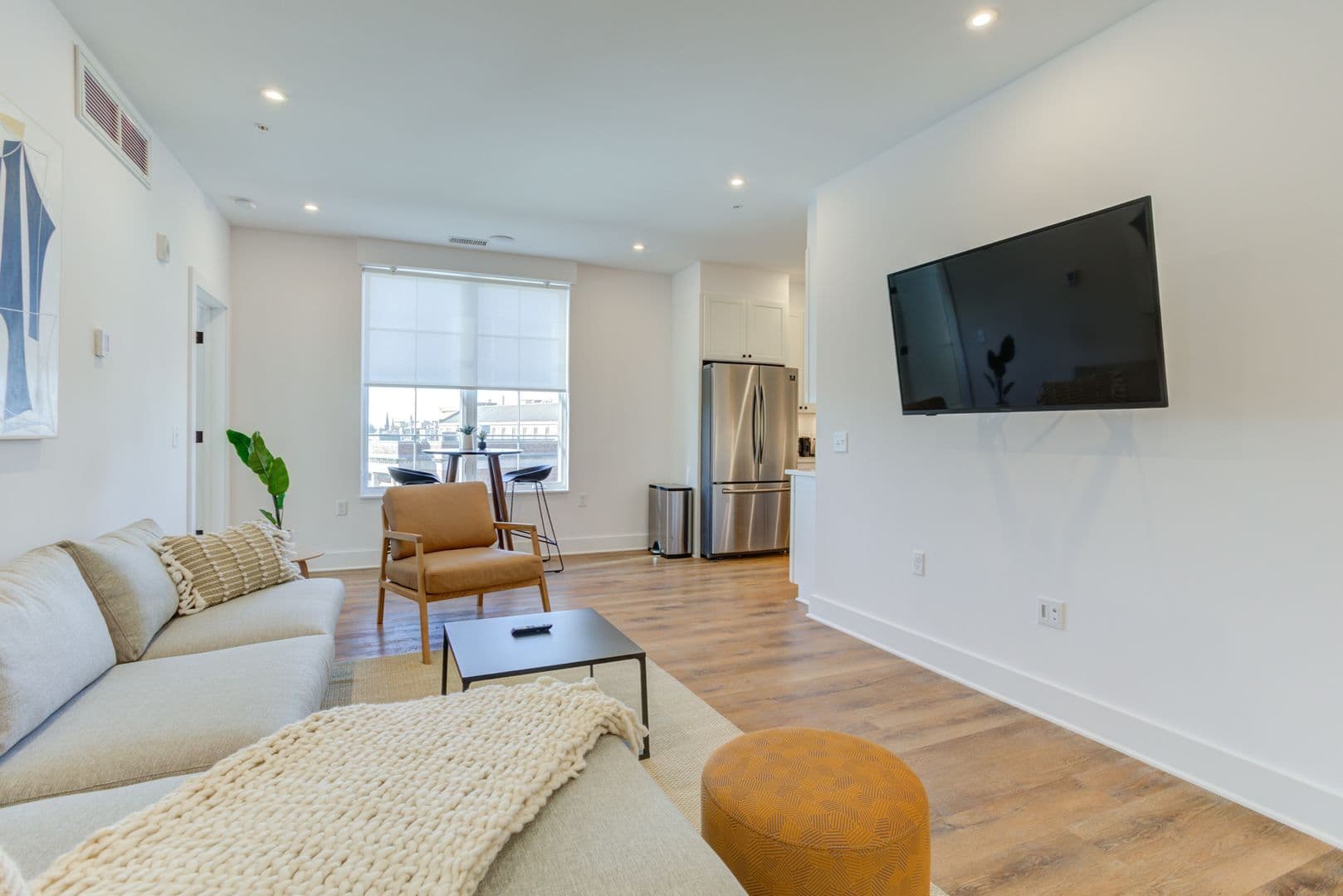
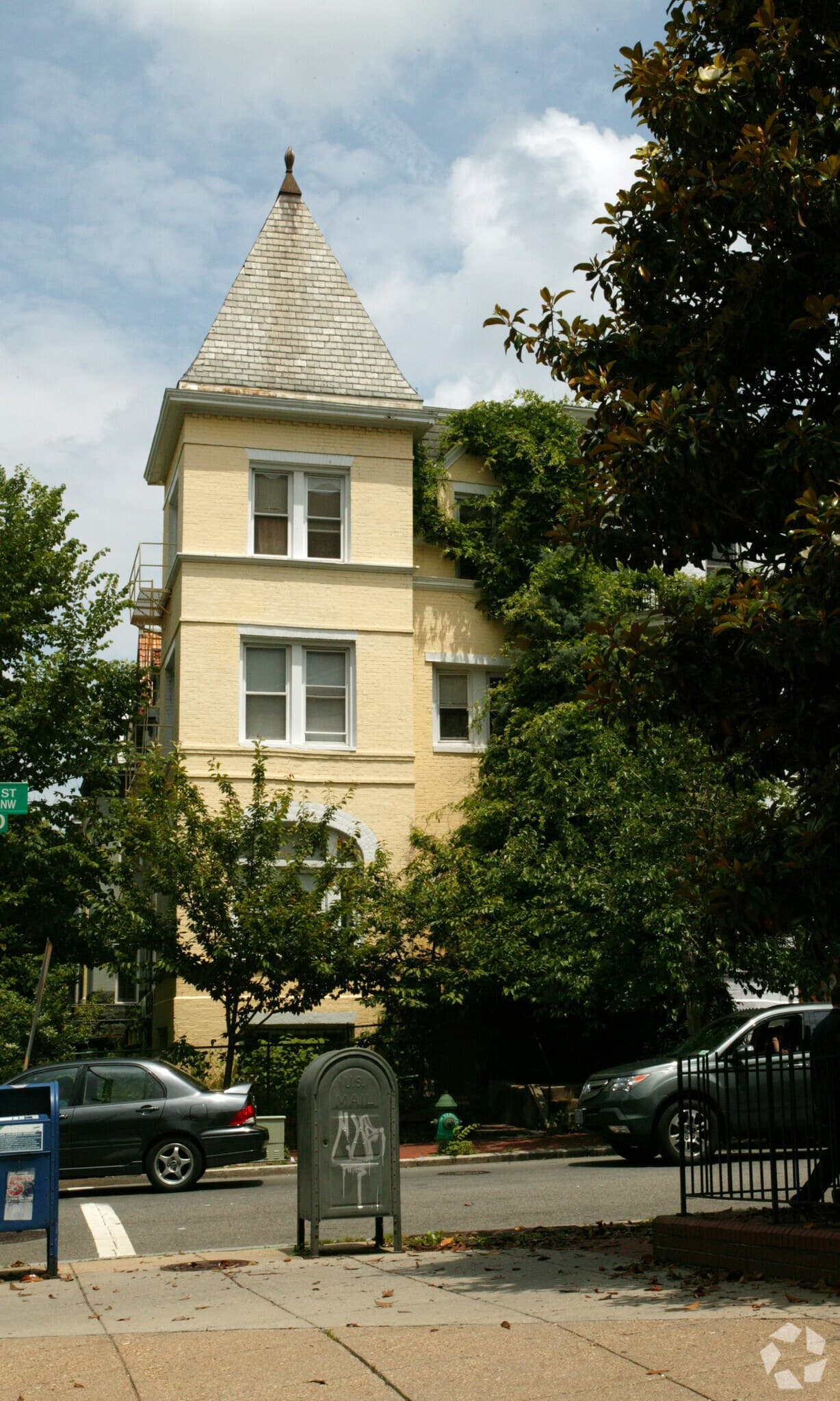
About Off-Campus Housing Near Georgetown University
Georgetown University perches about 19,371 Hoyas on a bluff above the Potomac River in Washington, DC, with Healy Hall's 200-foot spire as its postcard. The surrounding Georgetown neighborhood is all cobblestone, Federal rowhouses, and the historic C&O Canal running parallel to the commercial strip. Students drift down to the Georgetown Waterfront and pick up trails toward the National Mall and the city's parks. Campus runs on tradition: walk around the seal in Healy if you want to graduate on time, and pack the stands when the Hoyas play. The neighborhood has no Metro stop, so students walk, bike the canal towpath, or grab buses and the GUTS shuttle, then tap into the rest of DC from there.
Georgetown University Housing Requirements
Freshman Live-On Requirement
Georgetown has one of the stricter residency rules around: undergrads must live in university housing for their first three years, through freshman, sophomore, and junior years, unless they get an exemption from Residential Living. The three-year mandate keeps nearly all underclassmen on campus.
Off-Campus Eligibility
Exemptions are limited and mostly go to students living at home with parents or immediate family within commuting distance, capped at roughly 50 students a year, so plan to live on campus until senior year. The off-campus hunt is really a senior-year and grad-student game, renting in one of DC's pricier historic neighborhoods, often rowhouses split among roommates rather than big complexes. Landlords typically want strong credit or a guarantor, and the District has rules on group houses, so confirm the place is properly licensed as a rental before you sign.
Lease Timing
DC leases run 12 months and the District has real tenant protections, so read the lease carefully and know your rights. Line up a guarantor early, since strong credit or a co-signer is usually expected.
Housing policies change frequently. Always verify current requirements directly with Georgetown University before signing a lease.
When to Start Looking for Housing Near Georgetown University
Early Searchers
Because most students cannot move off campus until senior year, the search clusters among rising seniors and grad students, and it starts early. Rising seniors often lock in houses by late fall or winter for the next August, since the best rowhouses near campus get claimed roughly a year ahead. If you are aiming for a prime Georgetown or Burleith block, be looking by November and December. Set alerts on the campus off-campus listings site.
Peak Demand Window
The best rowhouses near campus get claimed roughly a year ahead, so late fall through winter is the heart of the search. In this market, a good place rented at a fair number is gone in days, so move fast. Anyone searching in summer is competing for whatever is left, usually farther out toward Glover Park or across the river. Lock in a prime block by midwinter.
Last-Minute Options
Classes start in late August, so late searchers compete for whatever is left. DC has a steady rental market year-round thanks to all the universities and turnover, so spring and summer sublets do exist, especially from students leaving for internships or study abroad. Expect to look farther out the later you go. Move fast, because good places at fair prices disappear in days.
Neighborhoods Near Georgetown University
Georgetown
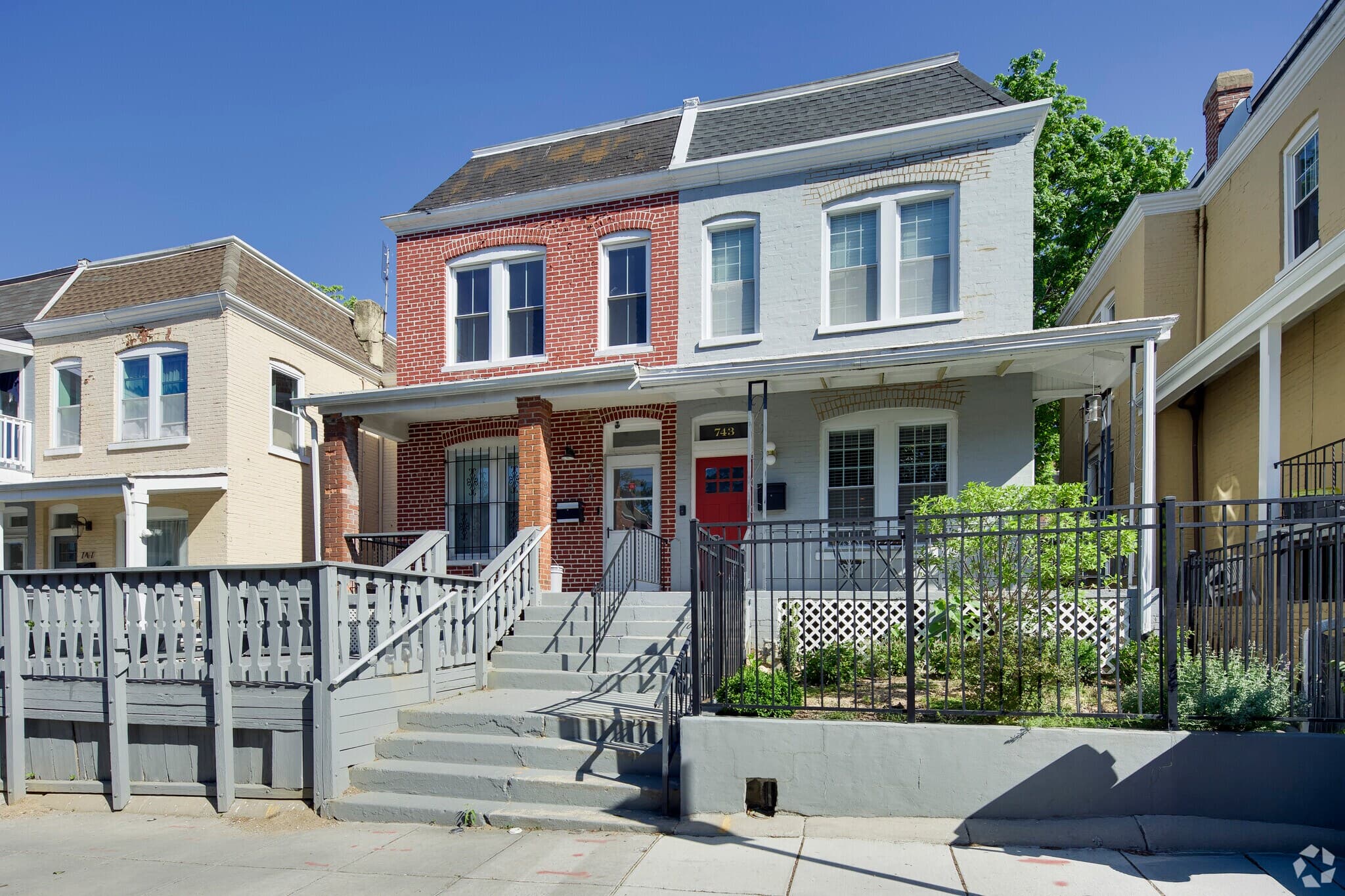
Georgetown has cobblestone rowhouses right by campus, the most walkable and the steepest on price.
Burleith
Just north, Burleith has quieter rowhouse blocks, a longtime student favorite with a slightly gentler feel.
Glover Park
A little farther out, Glover Park is calmer, with more apartments and grocery access.
Frequently Asked Questions: Off-Campus Housing Near Georgetown University
Common questions from students searching for housing.
A room in a shared house or apartment near campus typically runs $1,200-$1,800/month per person, with prime Georgetown and Burleith blocks at the top. Splitting a rowhouse with several roommates lowers the per-person number, while studios and one-bedrooms in Foggy Bottom or Rosslyn often top $2,000/month.
Yes, and then some. Georgetown requires undergrads to live in university housing for their first three years, so freshmen, sophomores, and juniors all live on campus unless they get a limited exemption. Most students only move off campus as seniors.
Seniors and grad students cluster in Georgetown and Burleith right by campus, then spread to Glover Park, Foggy Bottom, and across the river in Rosslyn. The closer-in rowhouse blocks fill first and command the highest rents.
Skip the car. Georgetown itself has no Metro stop, so students walk, bike the canal towpath, and use buses, the GUTS shuttle, and the Foggy Bottom and Rosslyn Metro stations nearby. Parking is scarce and expensive, and the rest of DC is easy to reach by transit.
Early. Rising seniors often lock in houses by late fall or winter for the next August, and prime blocks go about a year ahead. If you want a good Georgetown or Burleith place, be searching by November or December rather than summer.
Expect 12-month leases. Landlords usually want strong credit or a guarantor and a security deposit. DC has solid tenant protections and rules on group houses, so confirm the unit is licensed as a legal rental and read the occupancy terms before signing.
Georgetown, Burleith, and Glover Park are generally quiet, residential, and well-trafficked. Foggy Bottom and Rosslyn are busier urban areas. As in any city, check the specific block, use main streets at night, and lean on the campus shuttle when you're out late.
Often not in older rowhouses, where you'll add roughly $100-$200/month for electric, gas, internet, and water split among roommates. Some newer apartment buildings bundle water and trash, so ask line by line what's covered before you commit.
Yes. The campus off-campus listings site and student groups are full of roommate posts and summer sublets, especially from students leaving for internships or study abroad. Subletting is a common bridge for grad students arriving mid-cycle.
The three-year residency requirement is the reason. Georgetown keeps freshmen, sophomores, and juniors in university housing unless they qualify for one of about 50 yearly exemptions, so the off-campus market is mostly seniors and grad students competing for a limited set of rowhouses.
More Housing Near Georgetown University
Search by Room Type
Search by Lifestyle
Other Universities in Washington
Other universities in Washington share a similar off-campus housing market.
American University
American University sits on a green hilltop in northwest Washington, DC, home to about 14,001 students who call themselves Eagles. The campus rests where Spring Valley meets Cathedral Heights, along the embassy-lined stretch of Massachusetts Avenue, less than a 15-minute walk from Rock Creek Park, one of the largest…
View housing near American UniversityGeorge Washington University
The George Washington University drops about 27,017 students into the middle of Washington, DC, with its main campus in Foggy Bottom just blocks from the White House and the National Mall. There's no traditional quad here: the campus is the city, so your walk to class passes monuments, federal buildings, and the…
View housing near GWHoward University
Howard University is a private research university in Washington, DC, and one of the most prominent historically Black universities in the United States, with about 10,900 students. The main campus sits on a hilltop in the Shaw and LeDroit Park area of Northwest DC, a short walk from the Shaw-Howard University Metro…
View housing near Howard UniversityThe Catholic University of America
The Catholic University of America is the national university of the Catholic Church in the United States, located in the Brookland neighborhood of Northeast Washington, DC, with about 5,400 students. It is the only US university founded by the Catholic bishops, and it offers undergraduate, graduate and professional…
View housing near The Catholic University of AmericaUniversity of the District of Columbia
The University of the District of Columbia is the District's only public university and its sole urban land-grant institution, serving about 3,700 students from its main campus on Connecticut Avenue in the Van Ness neighborhood of Northwest Washington. UDC is a historically Black university offering associate through…
View housing near University of the District of Columbiafind my place guides for Georgetown
Curated recommendations from students who’ve been there.
See how students rate the places near Georgetown on social life, management, and quality before you tour.
Read student housing reviews near Georgetown →