Student Housing in Ithaca, NY
Student Housing in Ithaca, NY
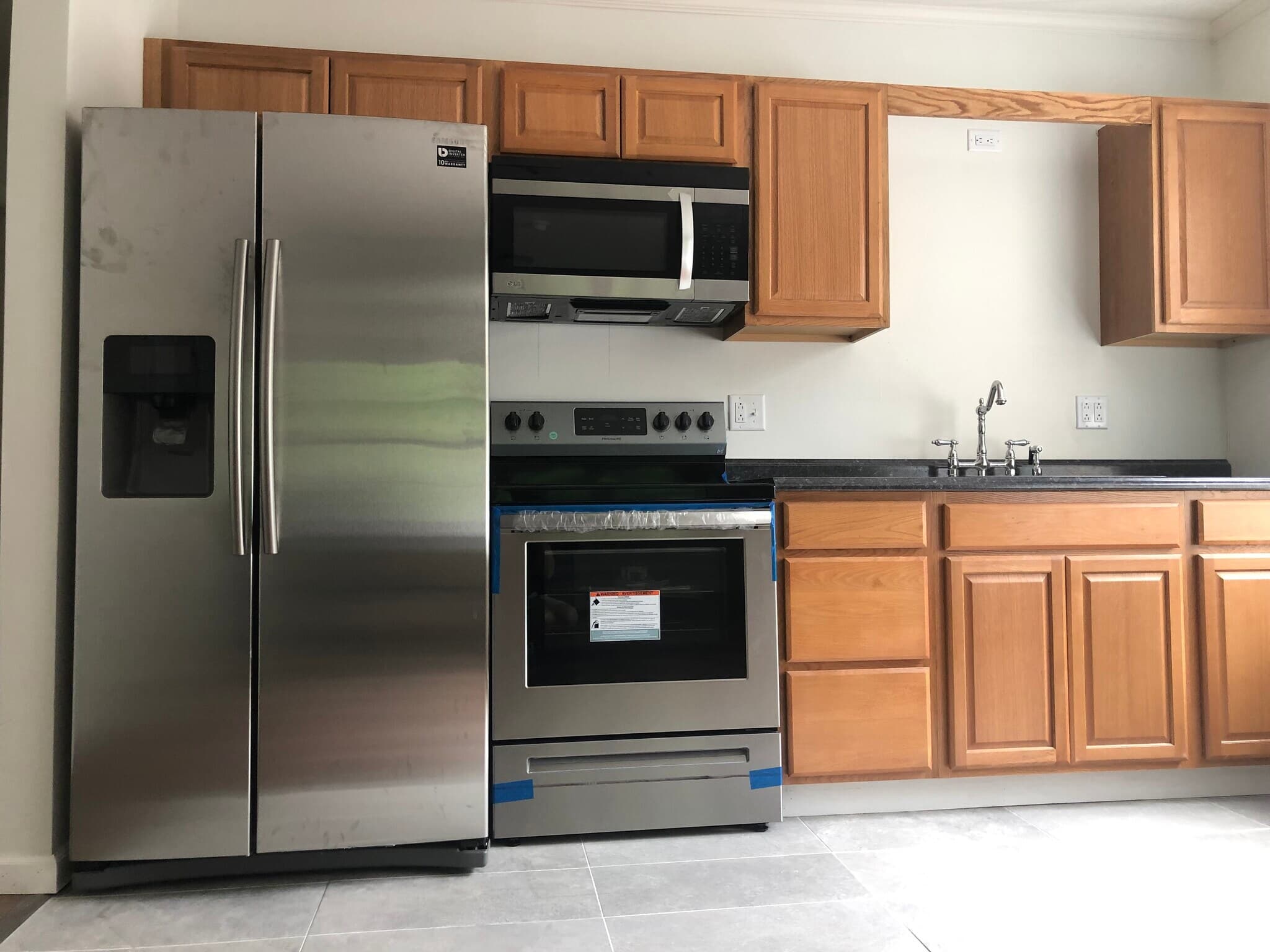
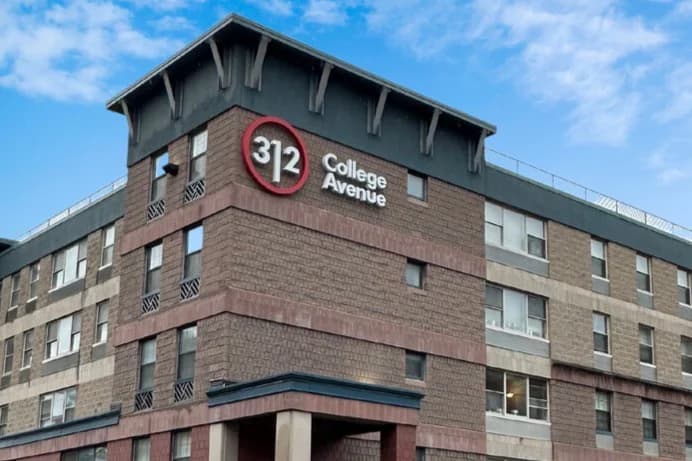

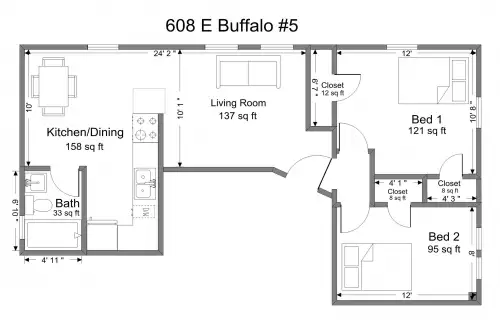
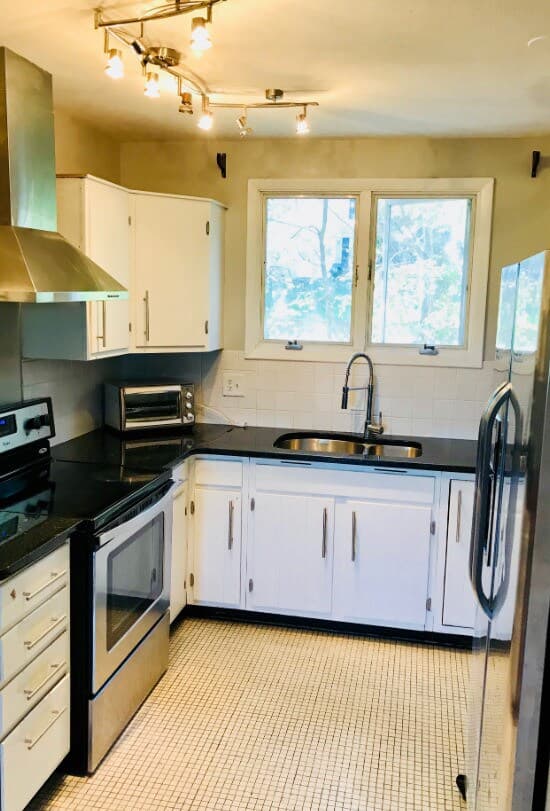
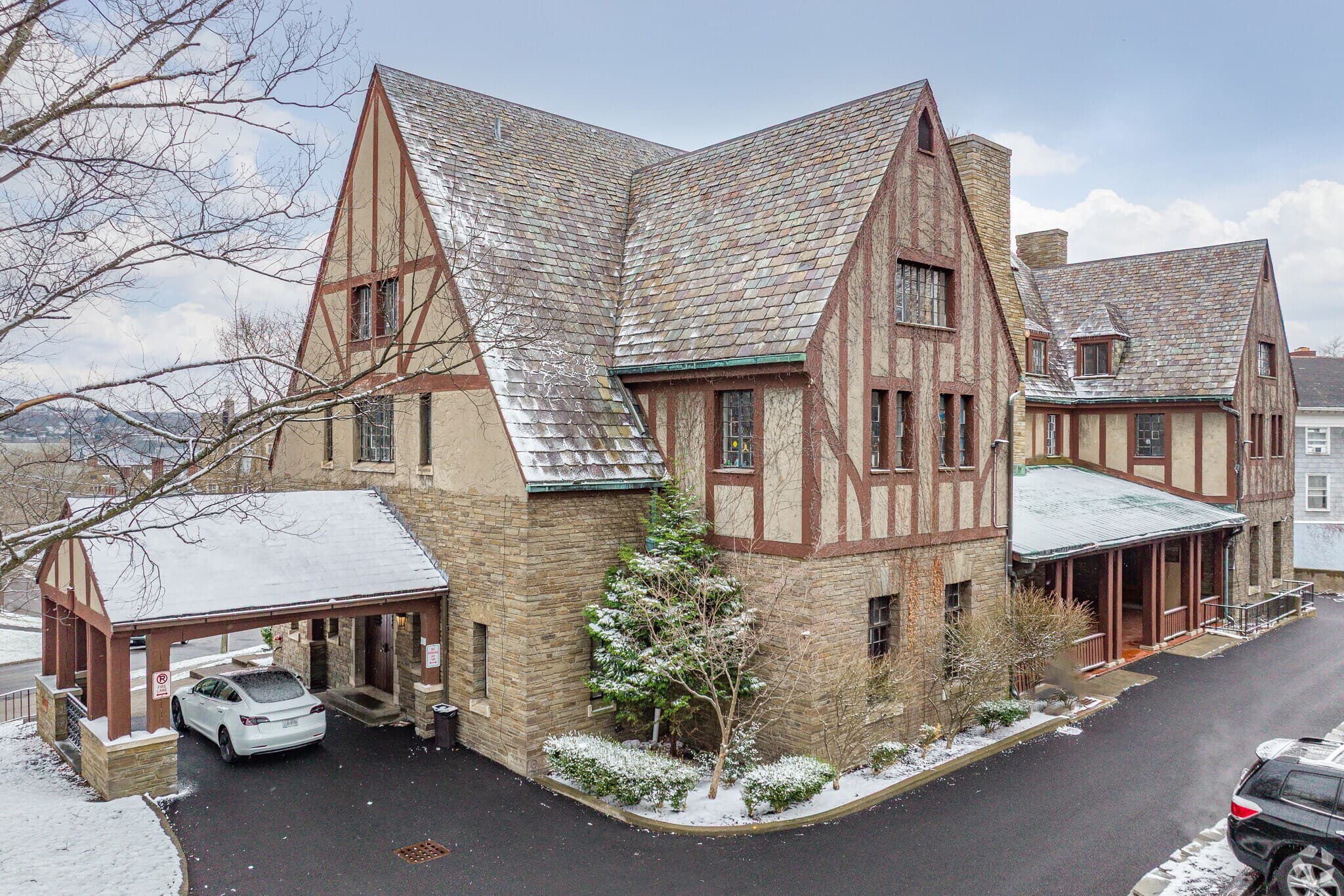
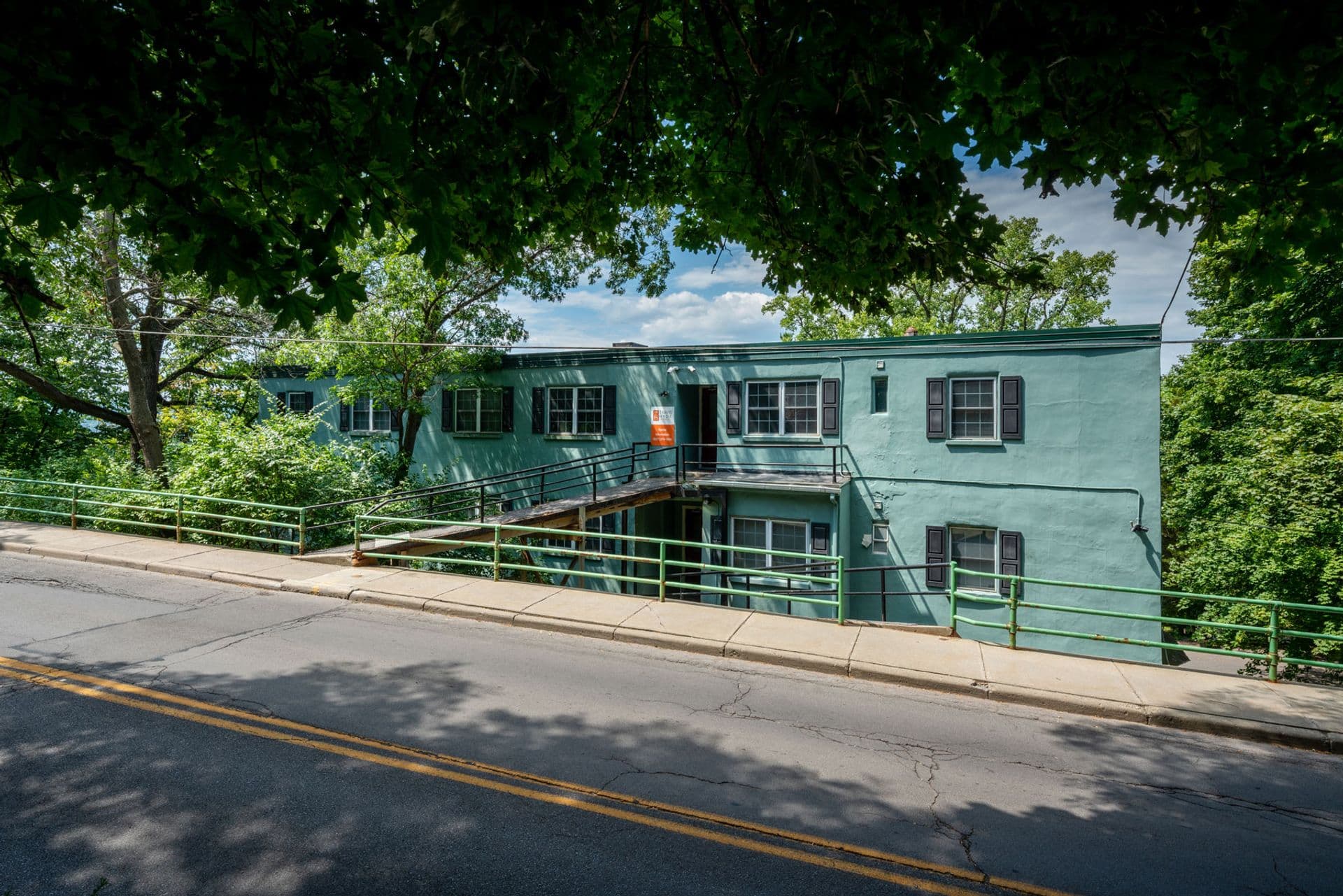
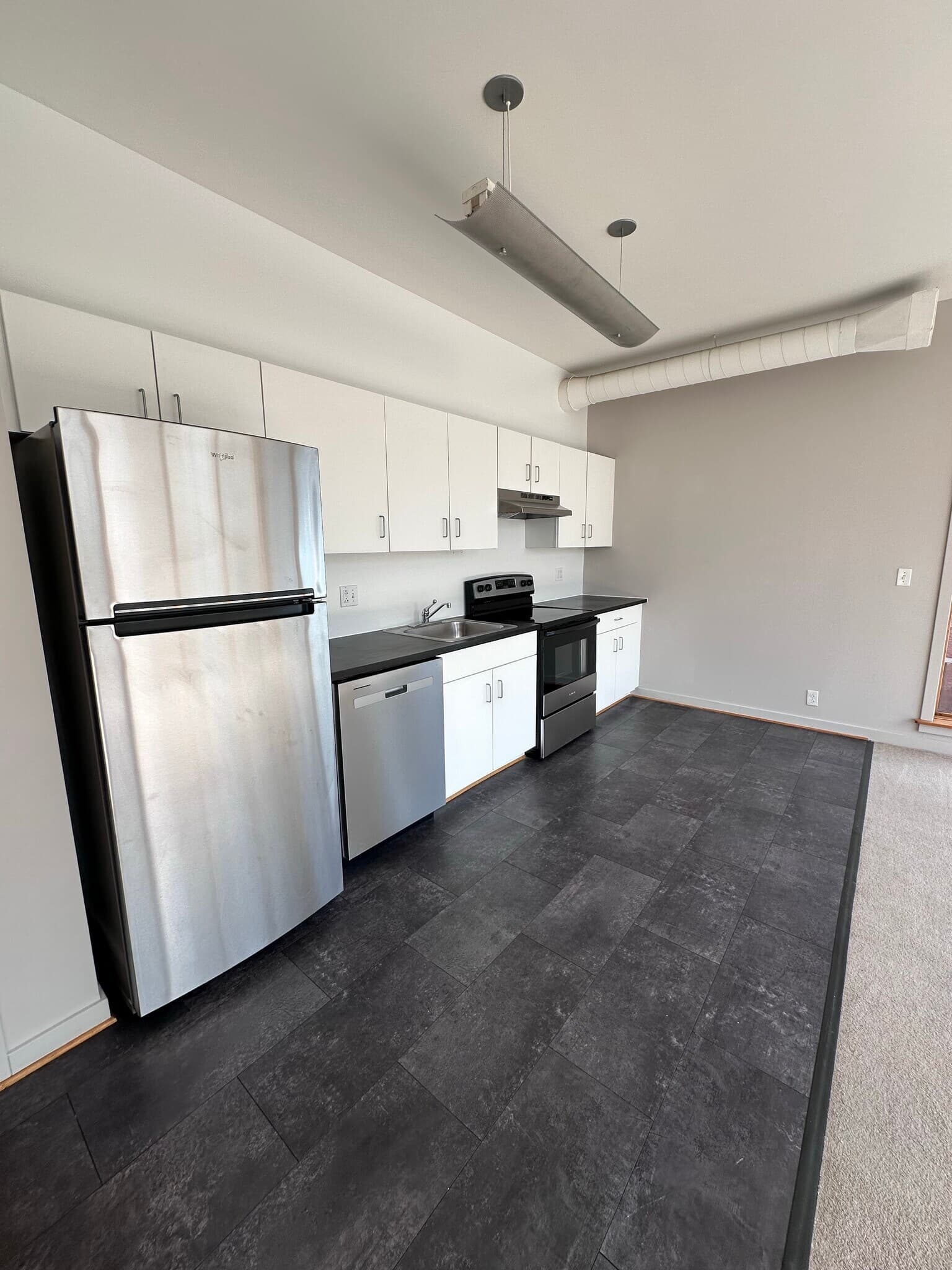
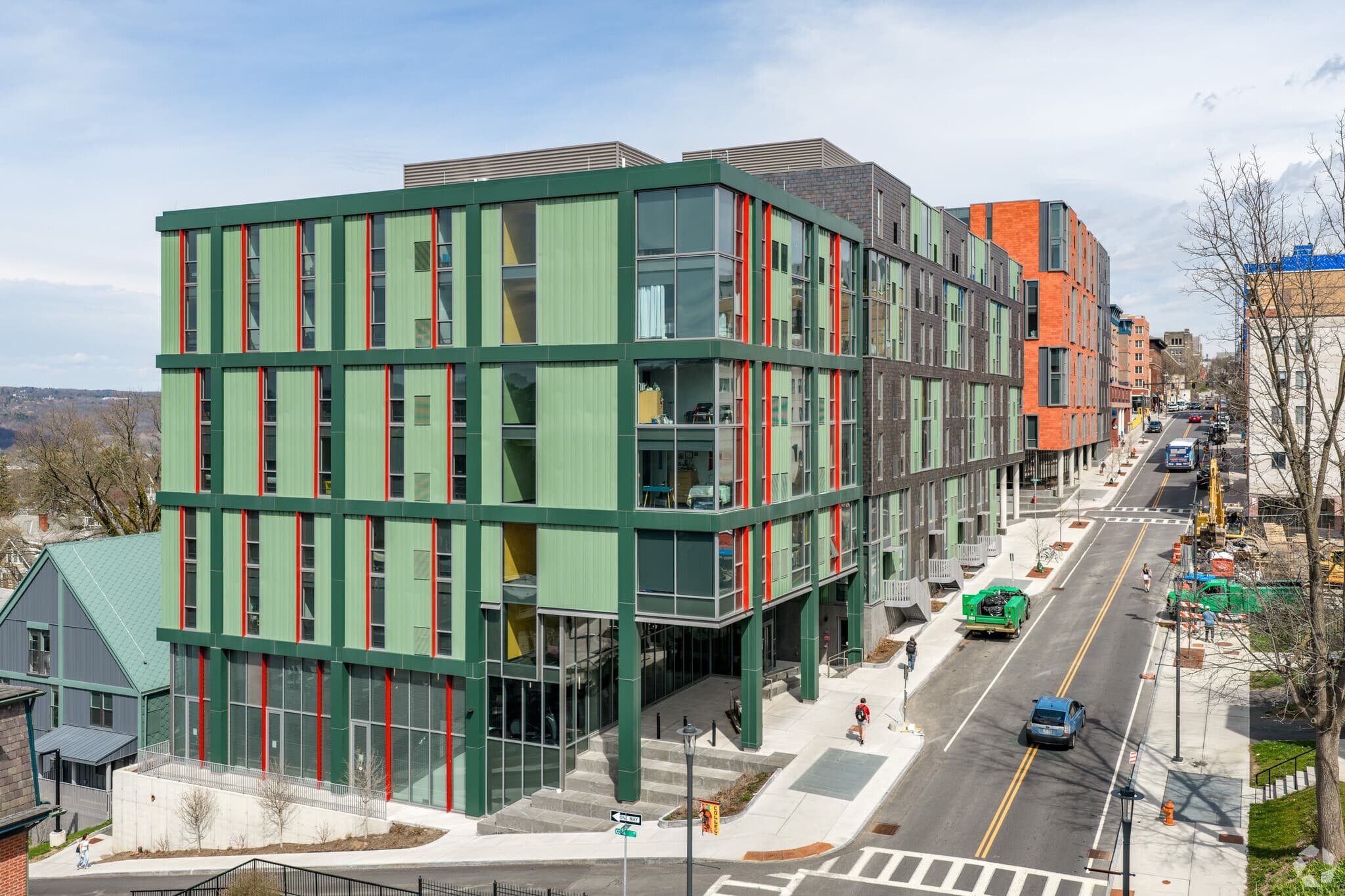
$1,649+/person
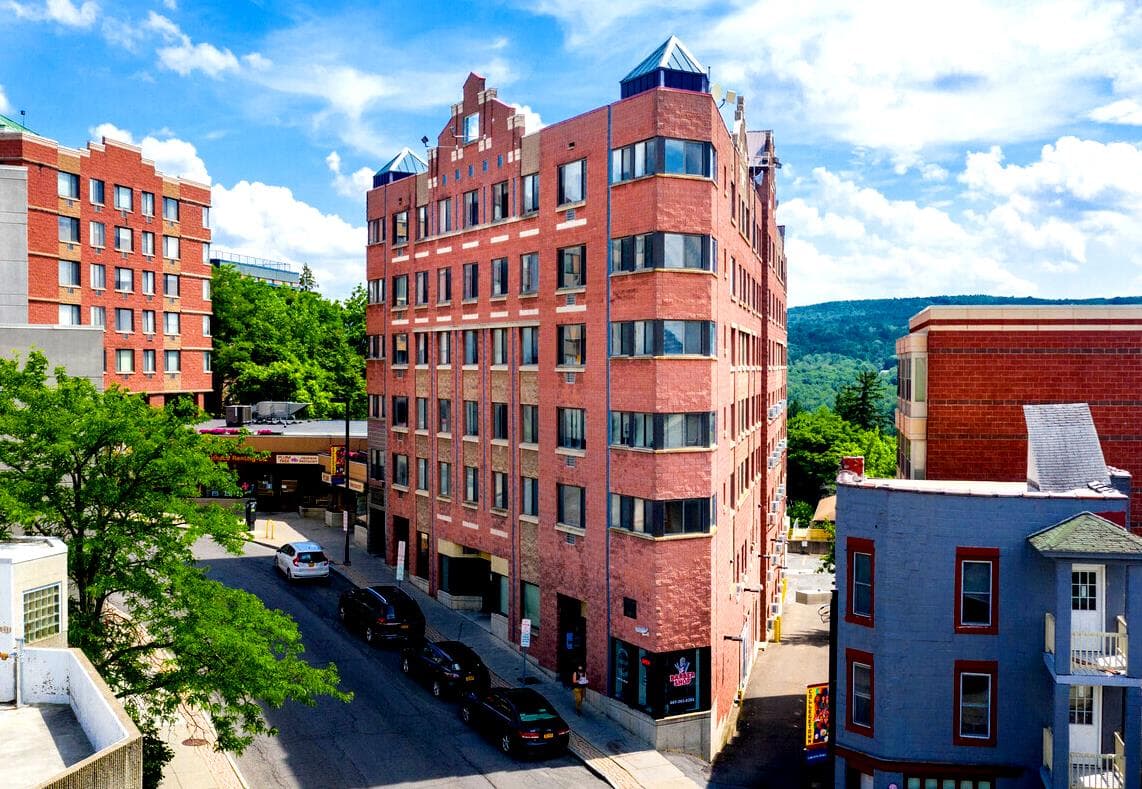
Fees may applyCentral Collegetown - Catherine Commons
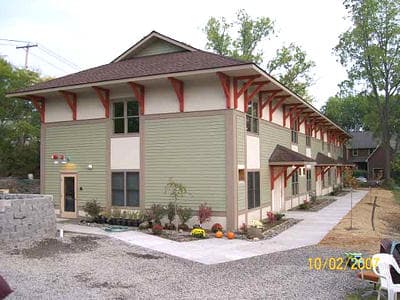
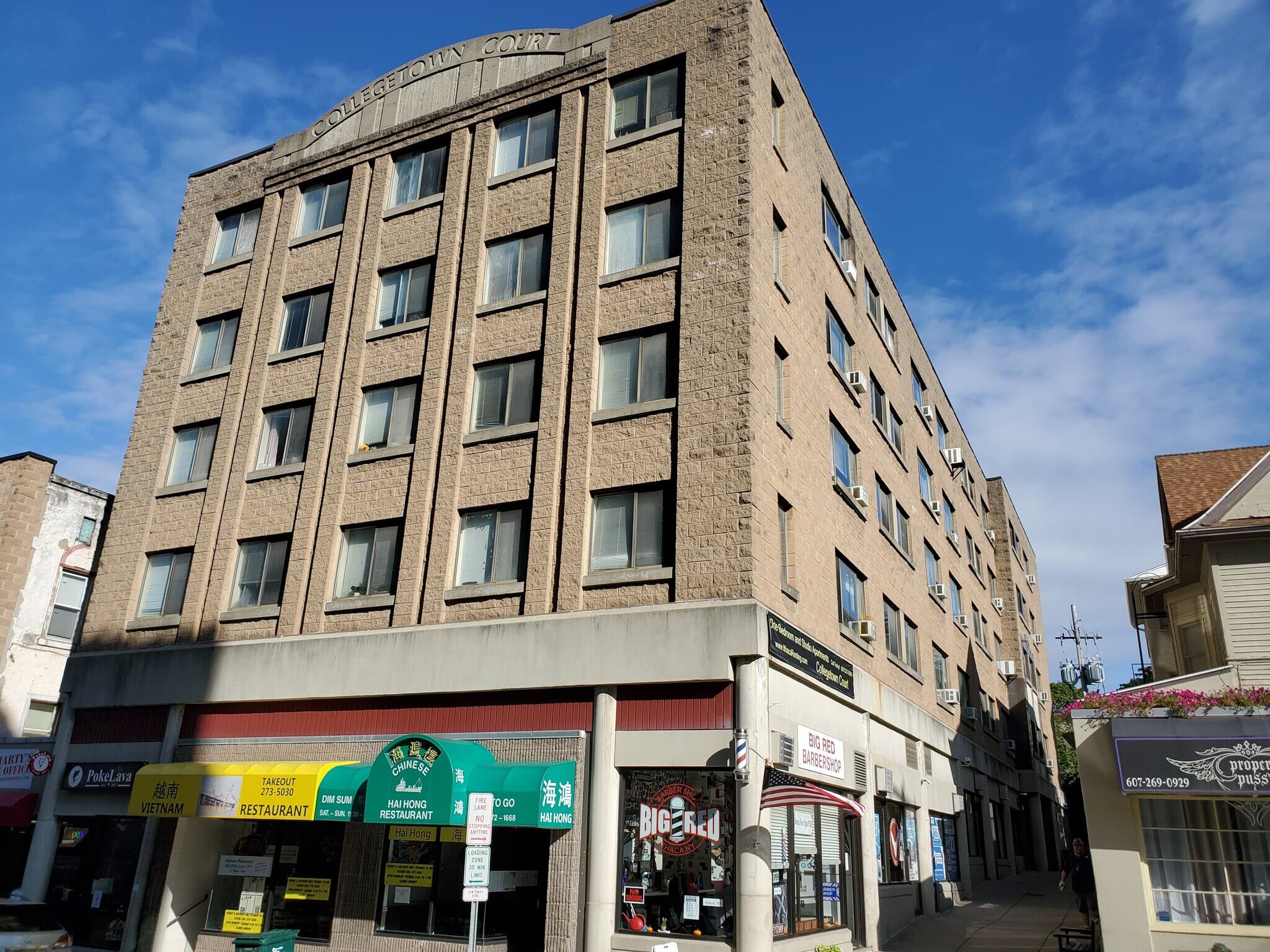
$1,560+/unit
Fees may applyCollegetown Crossing - 307 College Ave
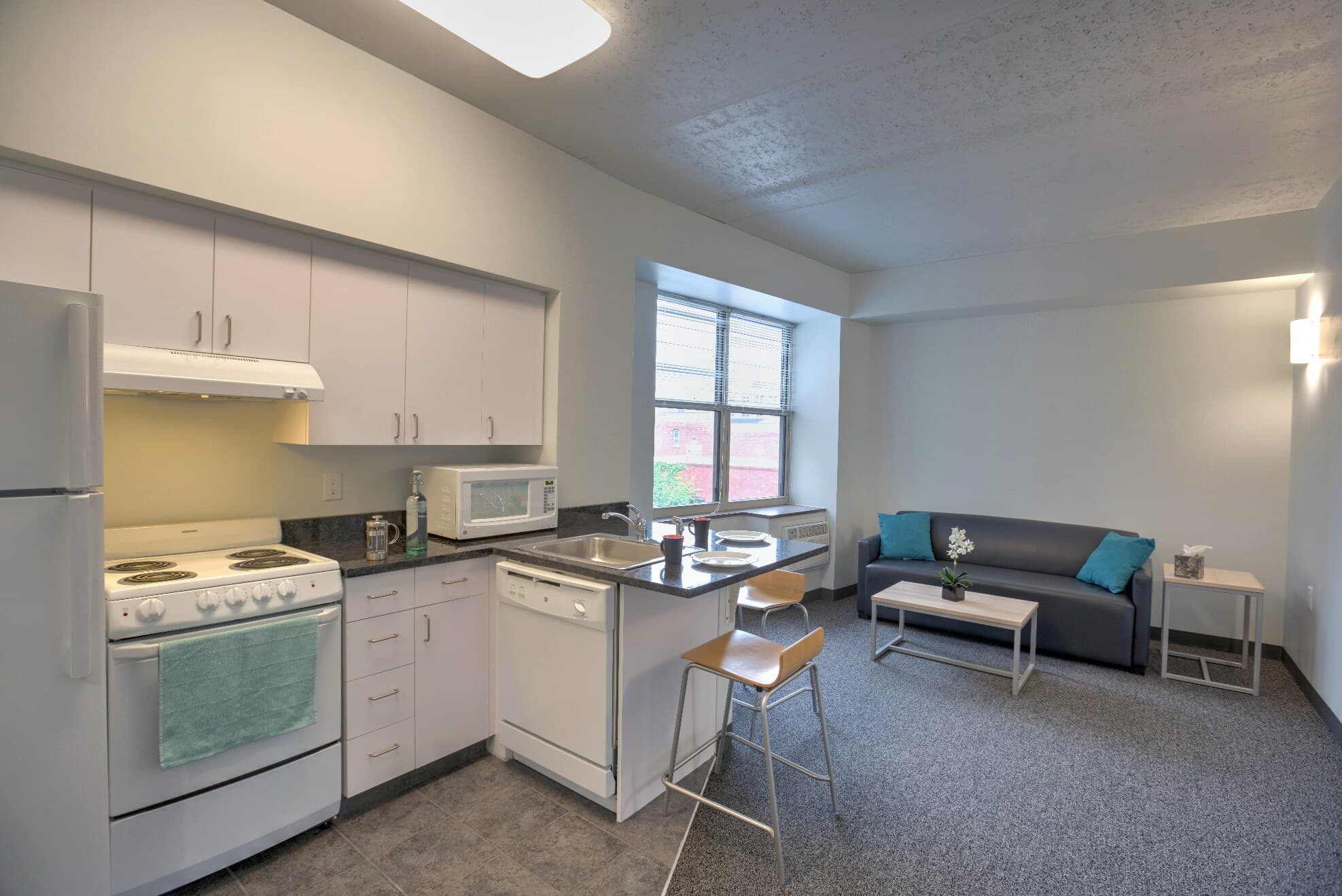
$1,495+/unit
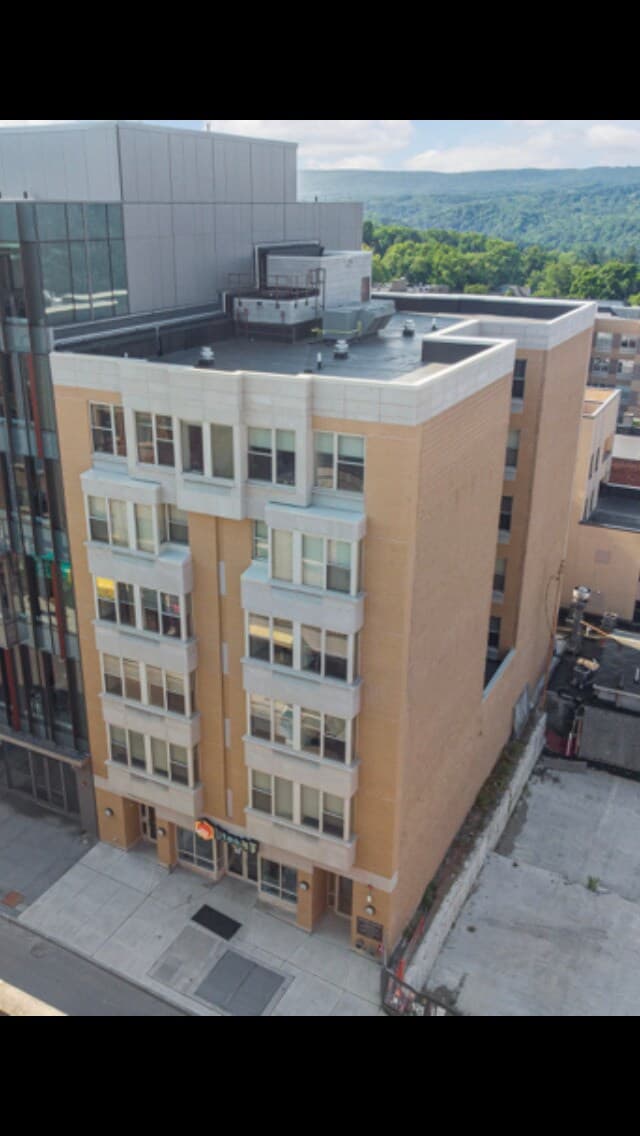
Fees may applyDryden South Furnished Utilities Included!
About Student Housing in Ithaca
Ithaca, NY sits at the southern tip of Cayuga Lake in the Finger Lakes, a hilly small city defined by gorges, waterfalls, and a heavy student population. Cornell University crowns East Hill and gives the city its intellectual gravity, and students are a defining part of daily life. The line that Ithaca is gorges earns it: over a hundred waterfalls sit within a short radius, with gorge trails between downtown and campus. Downtown centers on the pedestrian-only Ithaca Commons, while Collegetown buzzes with student energy. Public green space runs from Cornell Botanic Gardens to state parks like Taughannock Falls, and the Ithaca Festival in June fills the streets with music. For a walkable, outdoorsy college city with natural drama, Ithaca is hard to beat.
Best Neighborhoods for Students in Ithaca
Collegetown
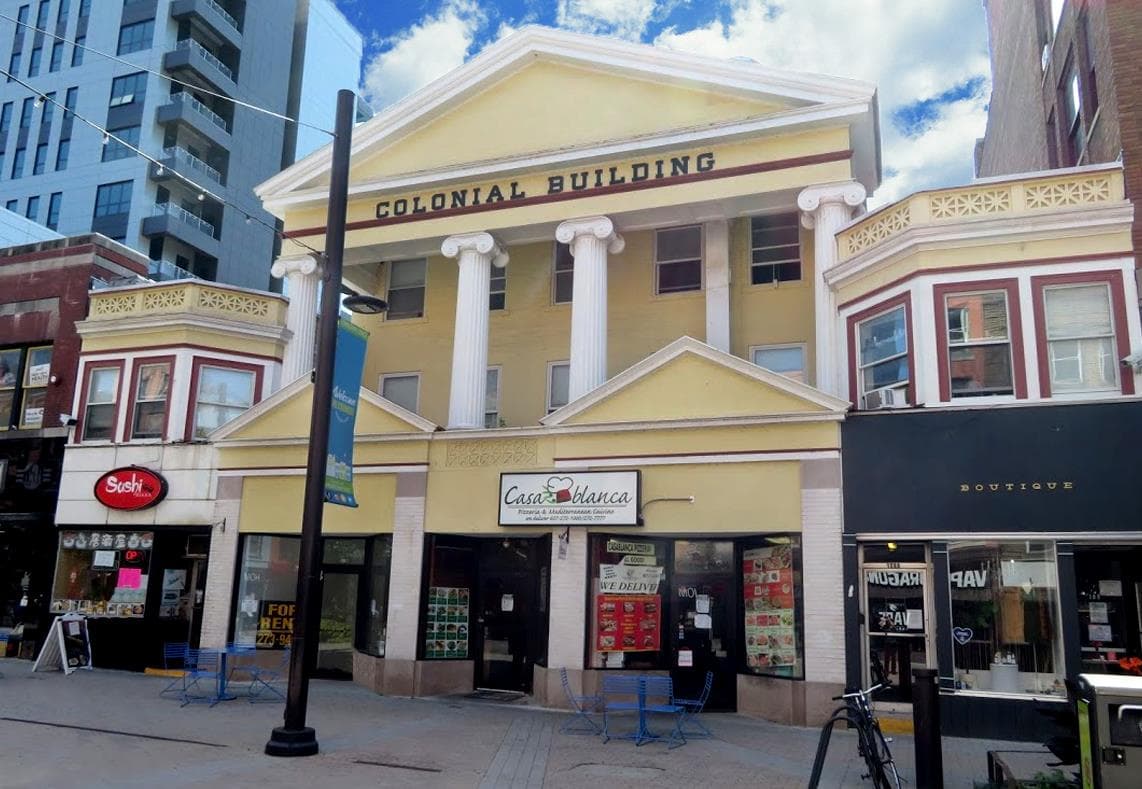
The most convenient district, packed with student apartments a couple of minutes from Cornell, lively and loud on weekends.
Fall Creek
West of campus at the base of East Hill, this area draws students who want a leafy city-neighborhood feel and frequent bus service.
East Hill
Just northeast of Collegetown, it borders Cornell directly and offers good transit with a calmer vibe.
Getting Around Ithaca as a Student
Here's what you need to know about getting around Ithaca.
Public Transit
Ithaca's bus system is excellent, with TCAT serving most of the county. Cornell students get a transit pass tied to their ID, so hopping a bus to campus or downtown is easy. Bus service connects Collegetown, downtown, and outlying neighborhoods, and many students skip a car entirely thanks to TCAT.
Walking and Biking
Walkability is strong in dense areas like Collegetown and around the Ithaca Commons. From Collegetown you reach campus in a couple of minutes, while Fall Creek and downtown are a manageable walk. The city is built on hills, so the East Hill climb to Cornell is a real workout, and biking is popular but the hills and winters make it seasonal.
Parking
Parking near campus can be tight, so plan ahead if you bring a car. A car is most useful for the bigger Finger Lakes parks and regional errands rather than daily commuting. Many students manage without one given how well TCAT covers the area.
Frequently Asked Questions: Student Housing in Ithaca
Common questions from students searching for housing.
Ithaca runs pricier than most upstate towns. Recent averages land around $1,840 for a one-bedroom and $2,112 for a two-bedroom, so splitting a multi-bedroom in Collegetown or Fall Creek brings the per-person figure down meaningfully. Expect Collegetown to sit at the higher end given its proximity to Cornell.
Collegetown is the most convenient, just minutes from campus. Fall Creek and East Hill are popular for a quieter, leafier feel with good bus service, and downtown around the Commons offers more entertainment and transit access while staying reachable by TCAT.
Usually not. TCAT bus service is excellent and Cornell students get a transit pass with their ID, so most skip a car. The hills and tight parking make driving less appealing for daily life, though a car helps for the bigger Finger Lakes parks and regional trips.
It depends on the district. Collegetown puts you a two-minute walk from campus, East Hill borders Cornell directly, and Fall Creek or downtown are a short bus ride or a longer walk that includes the East Hill climb.
Ithaca is generally safe, especially in the student-heavy districts, though Collegetown gets loud on weekend nights. Use normal city precautions, watch your footing on icy gorge paths and hills in winter, and most students feel comfortable getting around.
Early. The Cornell rental market moves fast and Collegetown leases can lock in many months ahead, so start in the fall for the next academic year. Touring and committing by winter gives you the best selection before the prime spots vanish.
Most are 12-month leases tied to the academic calendar, and Collegetown landlords often expect early commitments. Furnished options exist but vary, so read the terms, check what utilities are included, and confirm the start date lines up with your move-in plans.
Finger Lakes winters mean heat is the big line item. Budget roughly $100-$220 per person monthly for electric, heat, water, and internet combined, depending on the place and roommate count. Older Fall Creek and Collegetown houses can run higher on heating, so ask about typical winter bills.
Yes, easily. The large student population makes shared apartments and houses the norm, especially in Collegetown, and summer sublets are common when students leave for breaks. Campus boards and student groups help connect roommates and sublet seekers.
The outdoors is the headline: gorges, waterfalls, Cayuga Lake, and state parks like Taughannock Falls. Downtown the pedestrian Commons has shops and eateries, Cornell Botanic Gardens is free to wander, and the Ithaca Festival in early June fills the streets with music and art.
Find Housing by University in Ithaca
Browse student housing near each Ithaca-area university.
Search Ithaca Student Housing by…
Lifestyle
See how students rate apartments in Ithaca, NY on social life, management, and quality before you tour.
Read student apartment reviews in Ithaca, NY →