Off-Campus Housing Near MSU
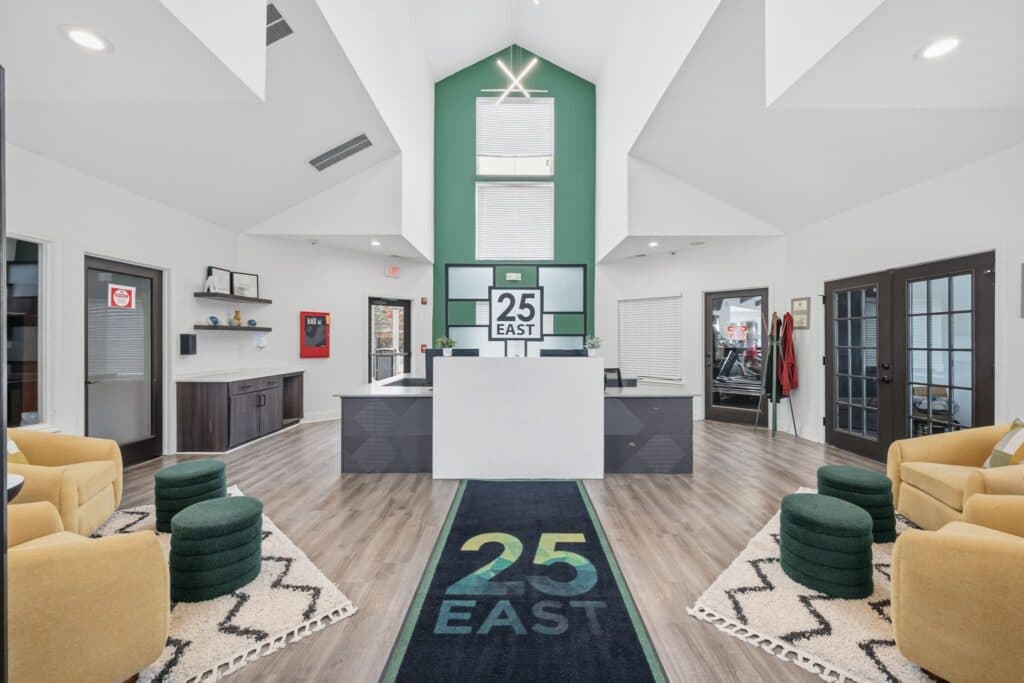
$620+/unit
Fees may apply25 East Apartments
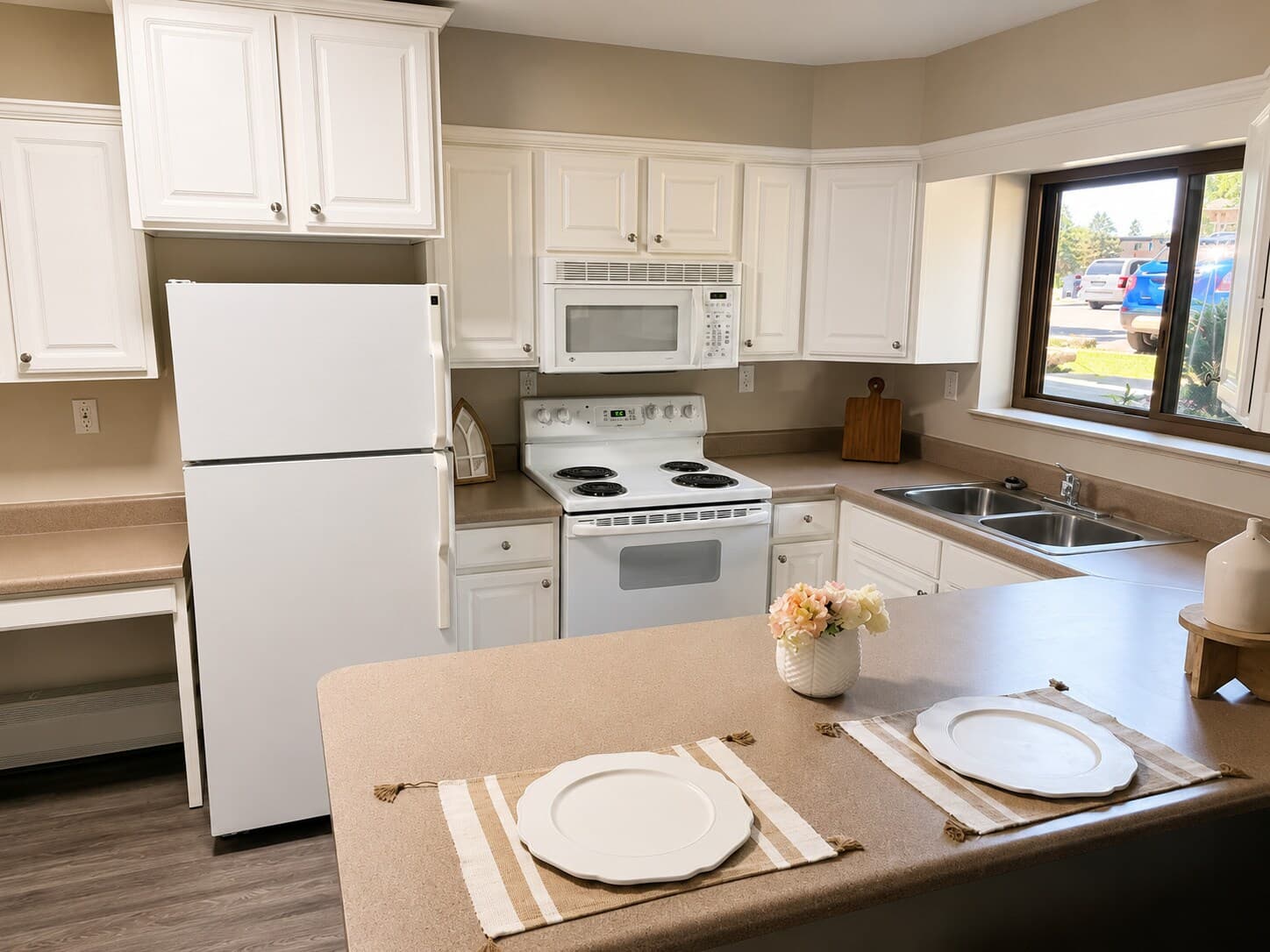
$580/unit
Fees may applyAbbott Pointe Apartments
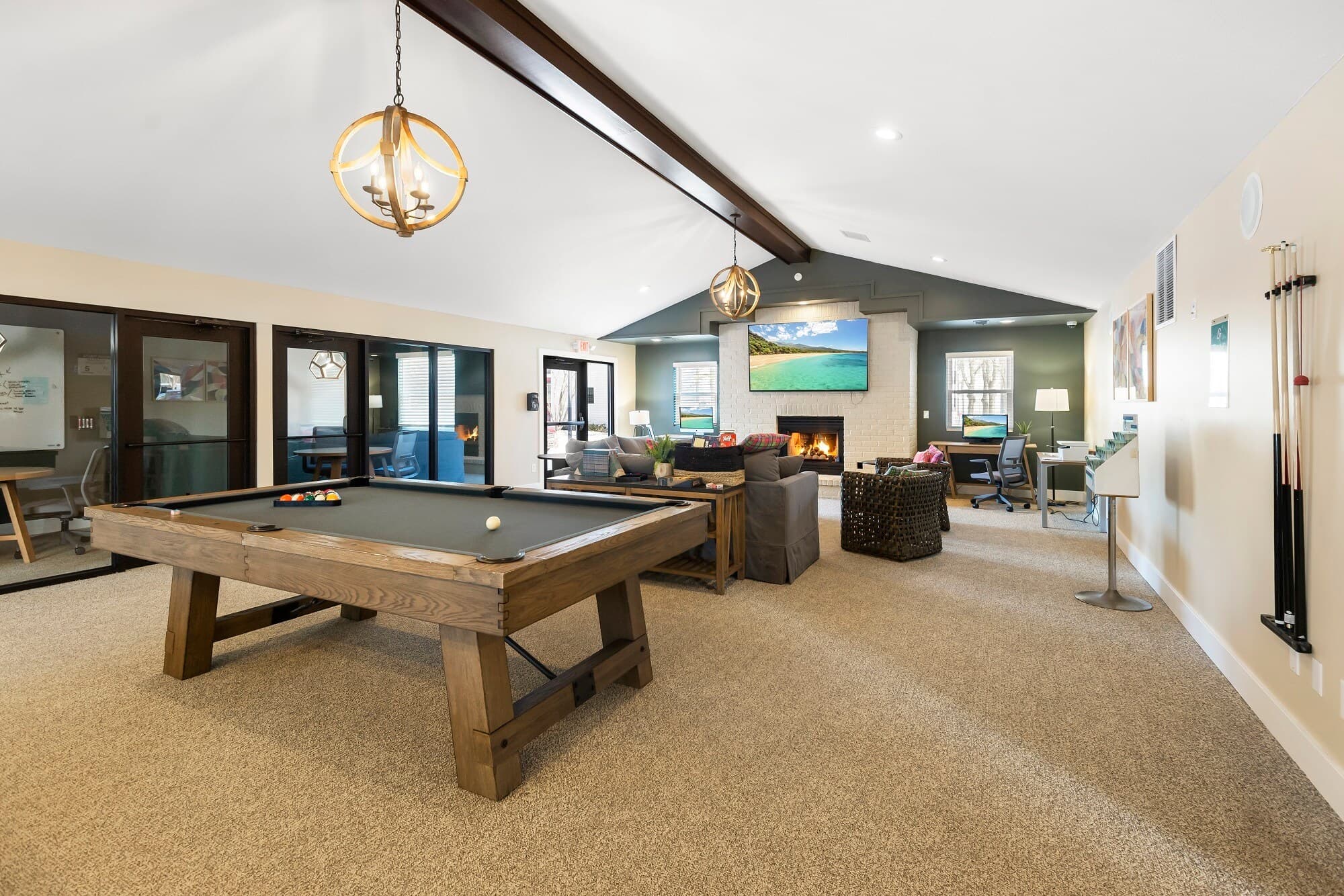
$700/unit
Fees may applyArbor Glen Apartments
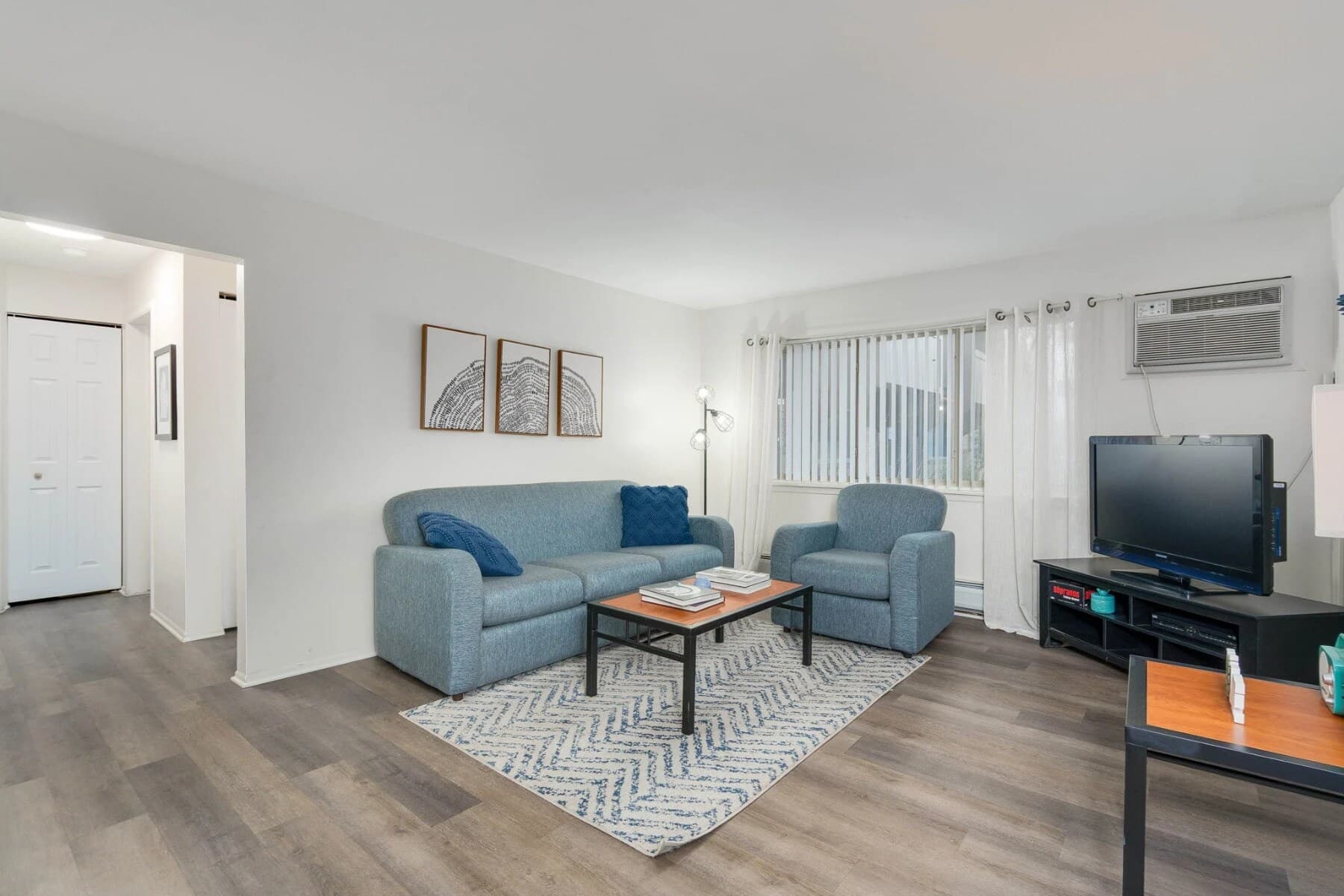
$429+/unit
Fees may applyCapitol Villa Apartments
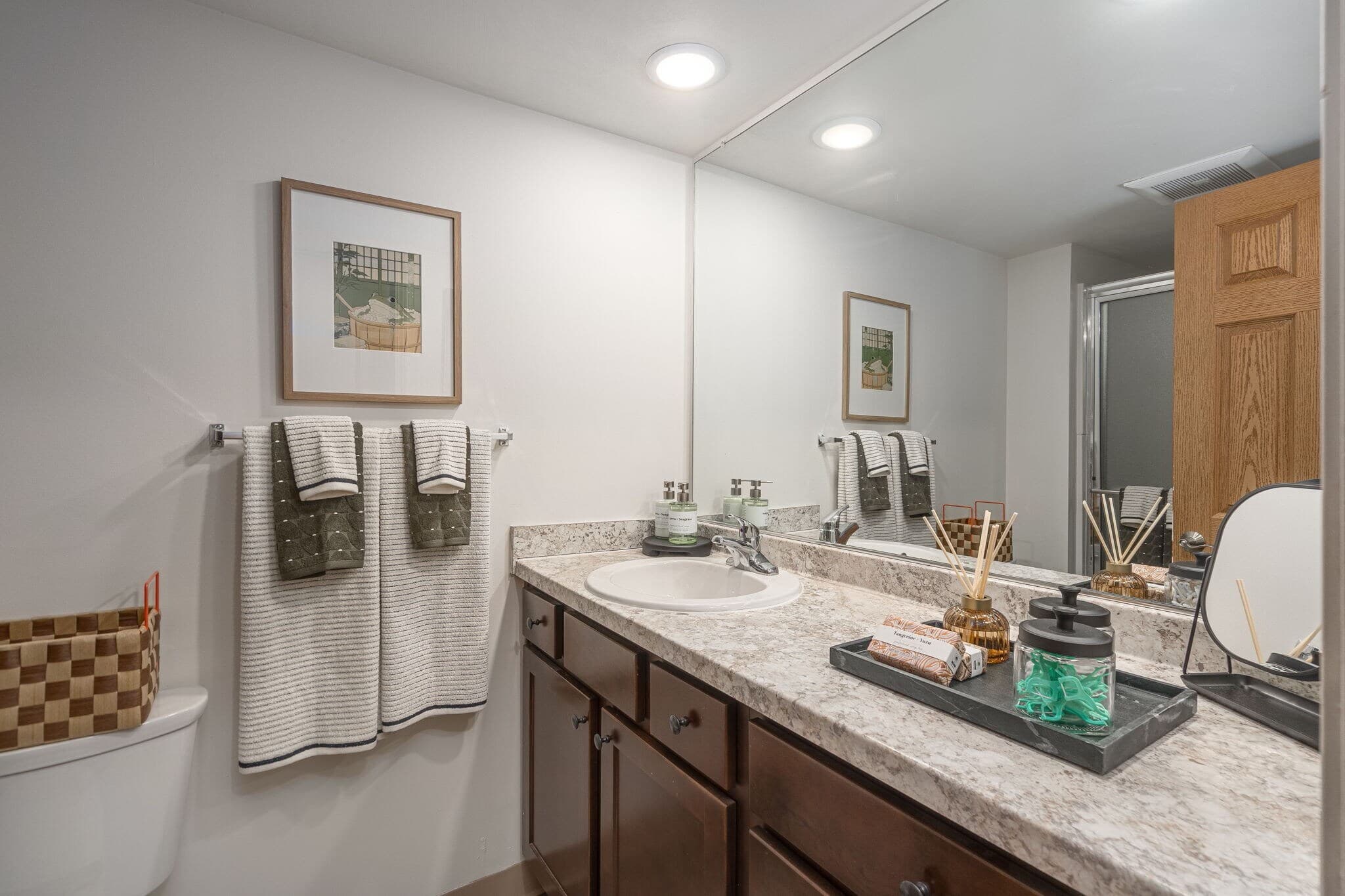
$458+/unit
Fees may applyCedar Village Apartments
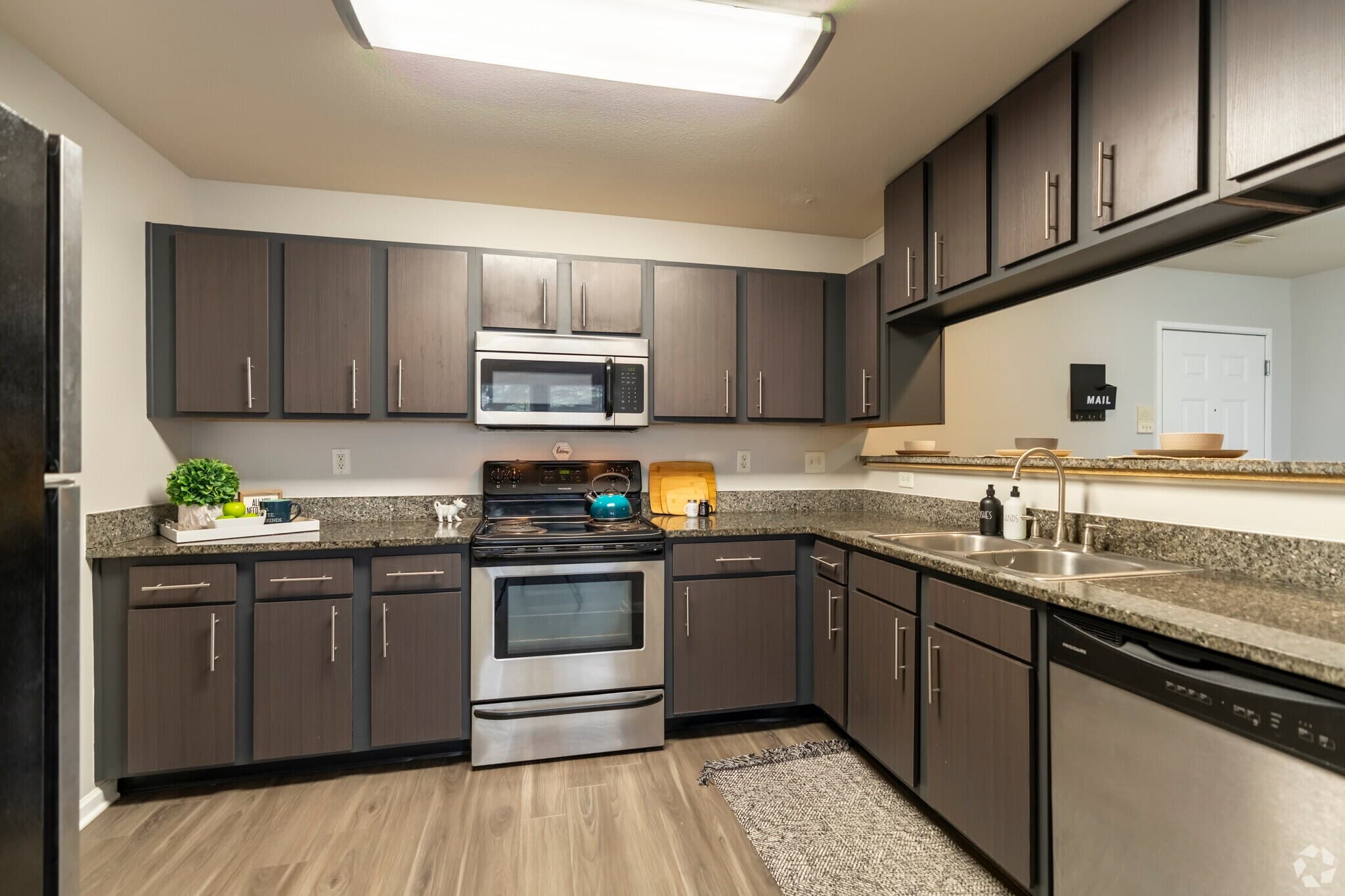
$509/person
Fees may applyThe Club at Chandler Crossings
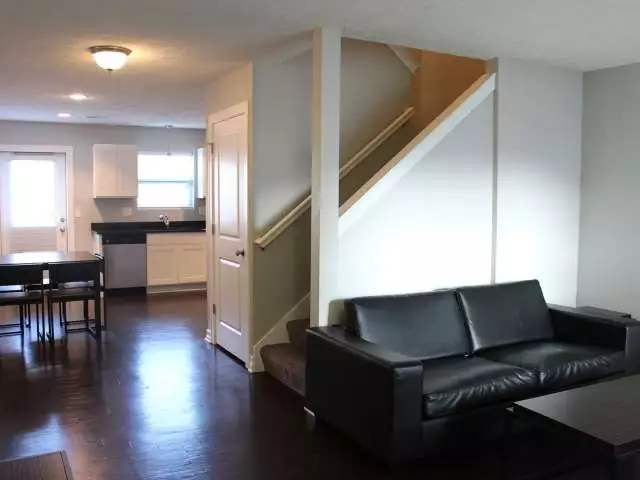
$625/unit
Fees may applyThe Cottages (Cottages Hunsaker 1 LLC)
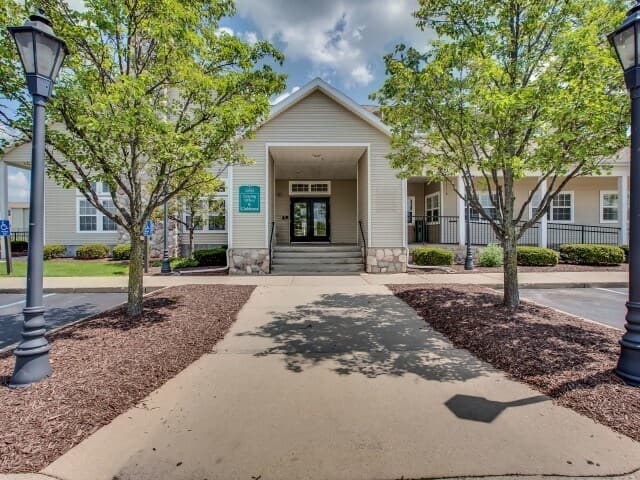
$499+/unit
Fees may applyThe Landings at Chandler Crossings
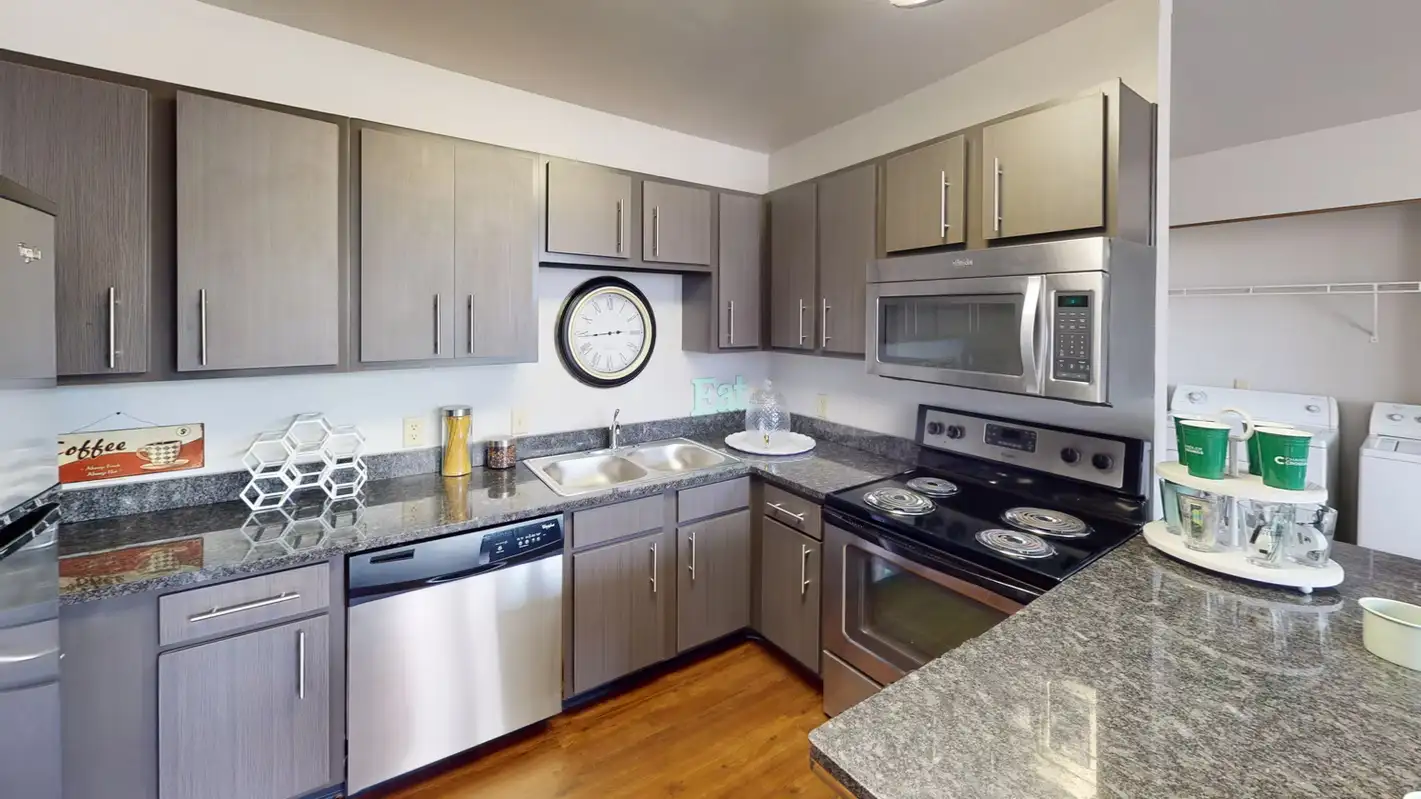
$479+/unit
Fees may applyThe Village at Chandler Crossing
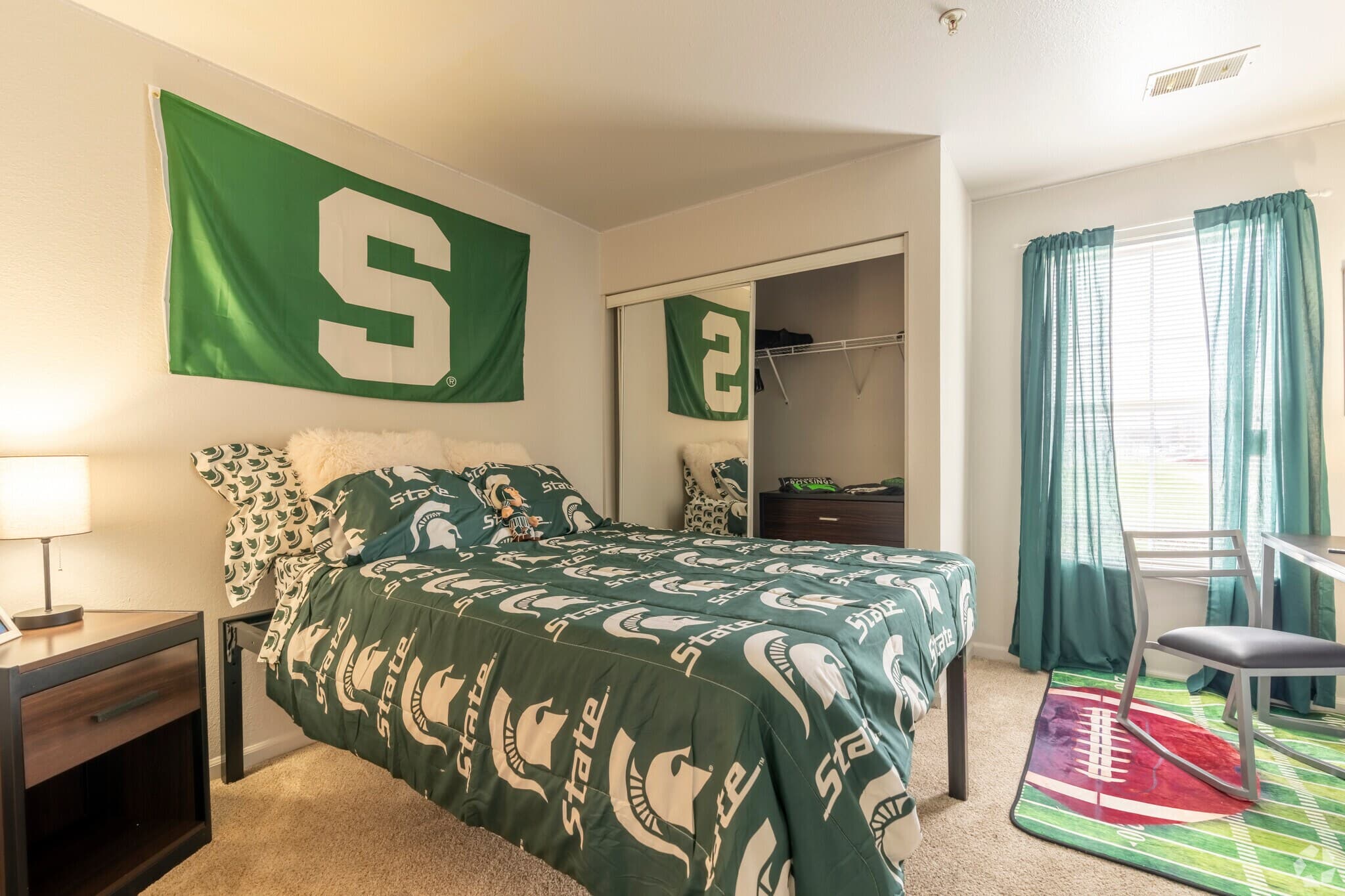
$469+/unit
Fees may applyThe Village at Chandler Crossings
email me if my perfect place pops up
We'll reach out the moment one matches everything you asked for
About Off-Campus Housing Near Michigan State University
Michigan State University spreads roughly 49,700 Spartans across one of the largest, greenest campuses in the country, with the Red Cedar River winding through the middle of it. East Lansing is a true college town fused to campus, where downtown along Grand River Avenue runs on student energy and you can walk from class to the heart of it in minutes. Campus landmarks anchor the place: Beaumont Tower's bells chime daily, students paint The Rock by the river almost nightly, and fall Saturdays roar to life at Spartan Stadium. The river and north campus give endless green space to bike and run, and the cold winters push everyone into hockey season. With CATA buses crisscrossing town and a walkable downtown next door, you rarely need a car here.
Michigan State University Housing Requirements
Freshman Live-On Requirement
MSU requires first- and second-year students to live on campus for their first four semesters, summer excluded, as a condition of enrollment. Freshmen and most sophomores stay in the residence halls before moving off.
Off-Campus Eligibility
Exemptions exist for students who are older, married, living with a parent or guardian locally, or commuting from a permanent home address, but you request approval through the housing office rather than just opting out. Once eligible, students at MSU find a dense, student-driven rental market, with the most apartments along Grand River and M.A.C. Avenue east of campus.
Lease Timing
Most leases run a standard twelve months. East Lansing licenses rentals and enforces occupancy limits on how many unrelated tenants can share a place, so confirm the legal occupancy before you build a roommate group around a house. Check who handles snow removal, since the area gets real winters.
Housing policies change frequently. Always verify current requirements directly with Michigan State University before signing a lease.
When to Start Looking for Housing Near Michigan State University
Early Searchers
East Lansing's student market moves early but not insanely so. The search for fall typically picks up in January and February, and the prime walk-to-campus spots along Grand River and M.A.C. Avenue get claimed through late winter and early spring. If you want one of those close-in units, start touring right after winter break for the widest pick.
Peak Demand Window
The peak runs January through early spring as students chase the close-in Grand River and M.A.C. Avenue units. Classes start in late August or early September, and most leases run a full twelve months with an August start, so you usually have a summer buffer. The walkable spots go first. Start touring right after winter break.
Last-Minute Options
If you search late into the spring or summer, you will mostly find units farther out, in the Burcham area northeast of campus or north toward Saginaw. That often means more space but a longer walk or a bus ride. Summer subletting is common since many students leave town, so a short-term sublease is a solid bridge if you miss the winter cycle or need an internship summer.
Neighborhoods Near Michigan State University
Grand River and M.A.C. Avenue area
The densest, most walkable student zone east of campus, this area is steps from downtown and class.
Downtown East Lansing
Right at the edge of campus, downtown East Lansing is walkable to everything with apartments above the shops and restaurants.
Cedar Village
A classic high-density student complex area near the river, Cedar Village is popular and close in.
Frequently Asked Questions: Off-Campus Housing Near Michigan State University
Common questions from students searching for housing.
A room in a shared apartment or by-the-bed complex near campus usually runs about $600-$1,000/month per person, with newer downtown and Cedar Village units at the top and houses farther out toward Burcham or Saginaw landing lower. Plan on another $60-$150/month for utilities, since Michigan winters mean real heating bills.
More Housing Near Michigan State University
Search by Room Type
Search by Lifestyle
find my place guides for MSU
Curated recommendations from students who’ve been there.
See how students rate the places near MSU on social life, management, and quality before you tour.
Read student housing reviews near MSU →