Off-Campus Housing Near NCCU
Off-Campus Housing Near NCCU
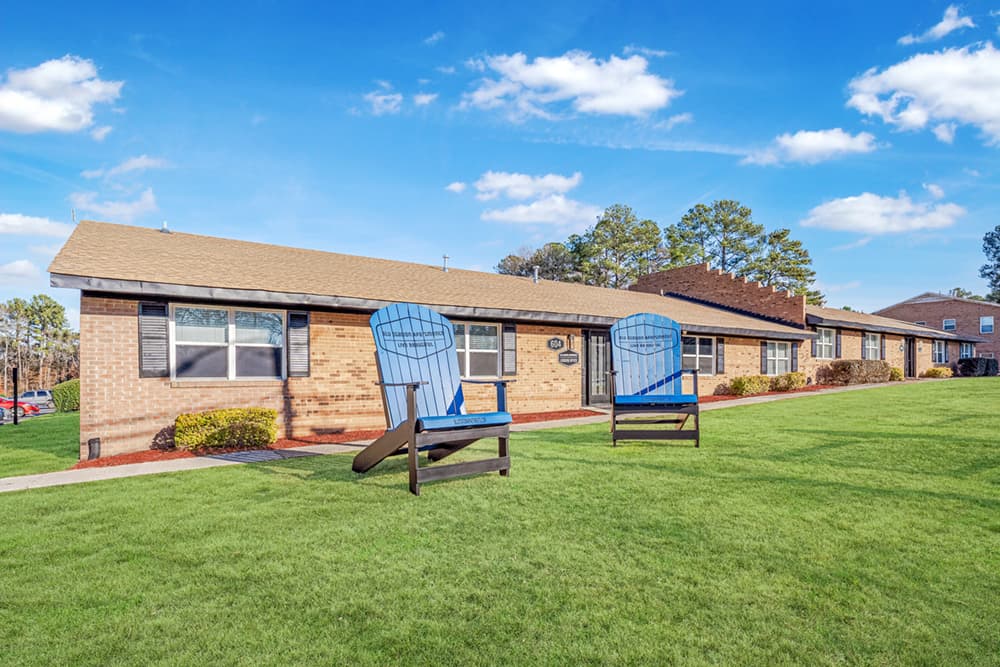
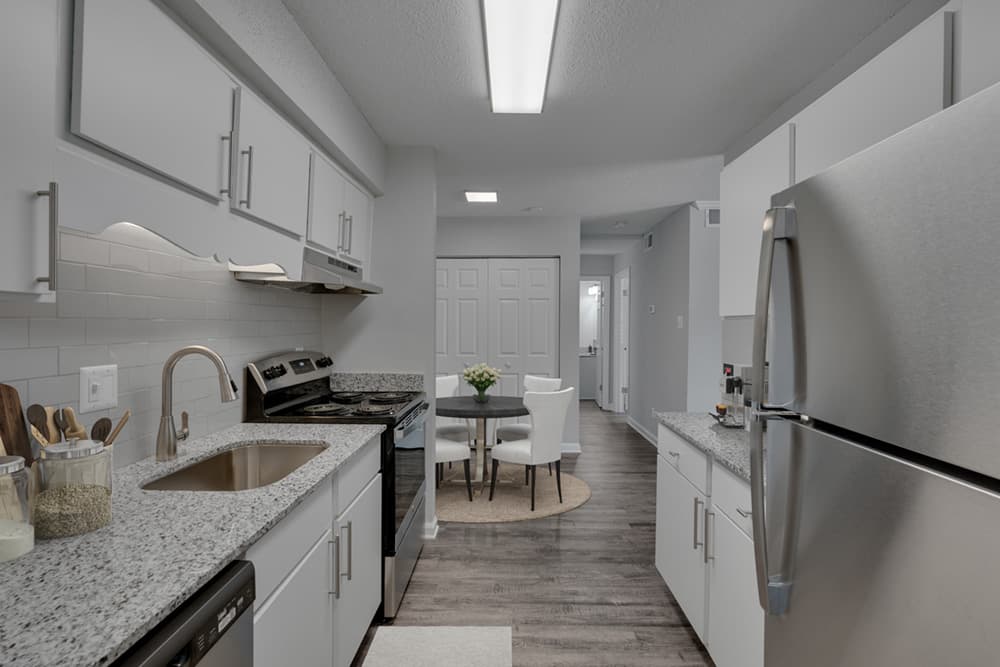
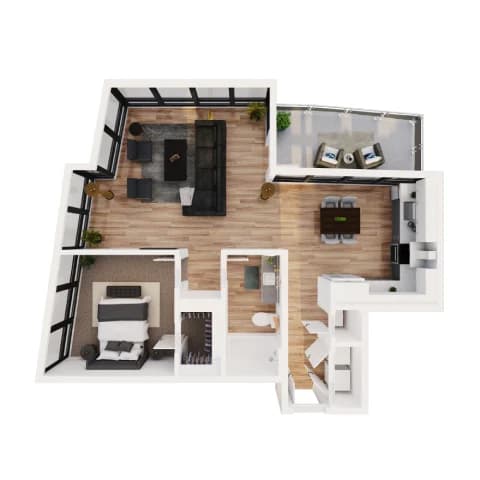
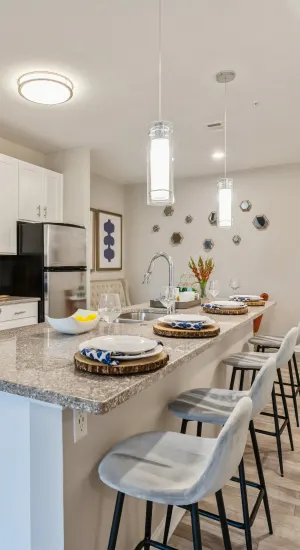

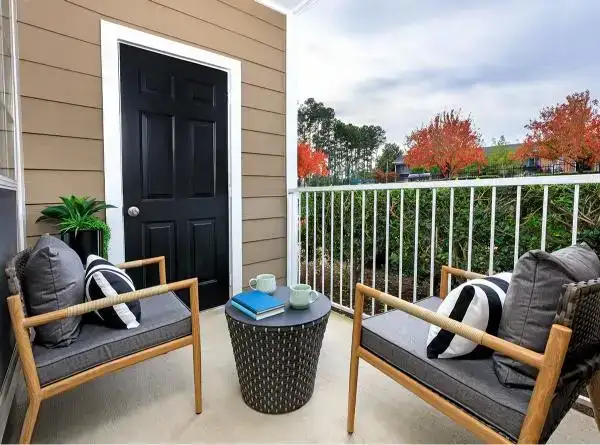
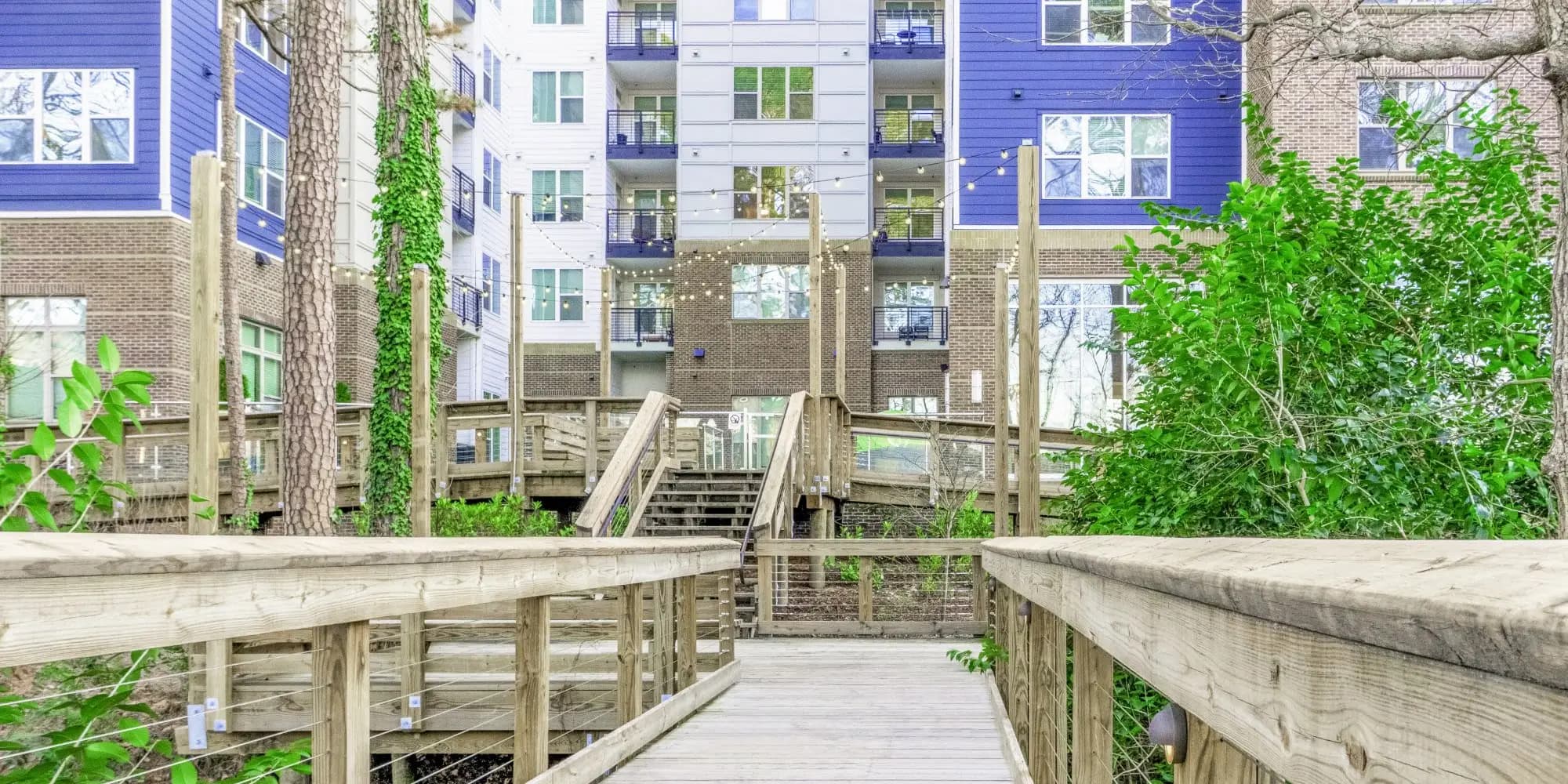
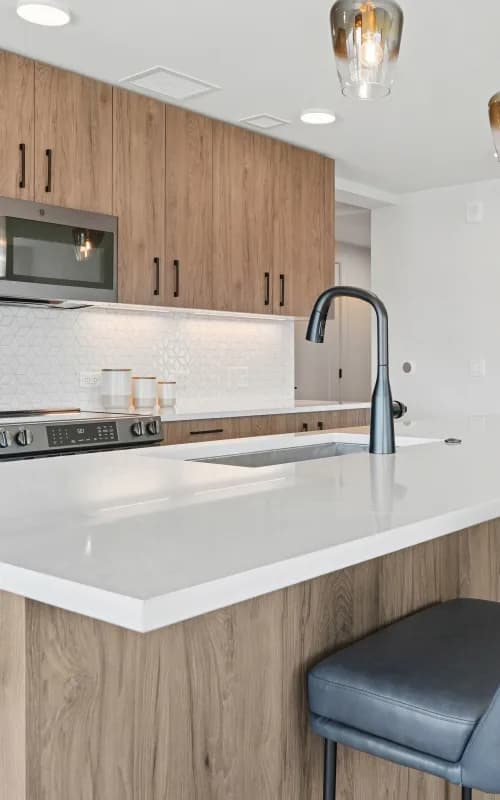
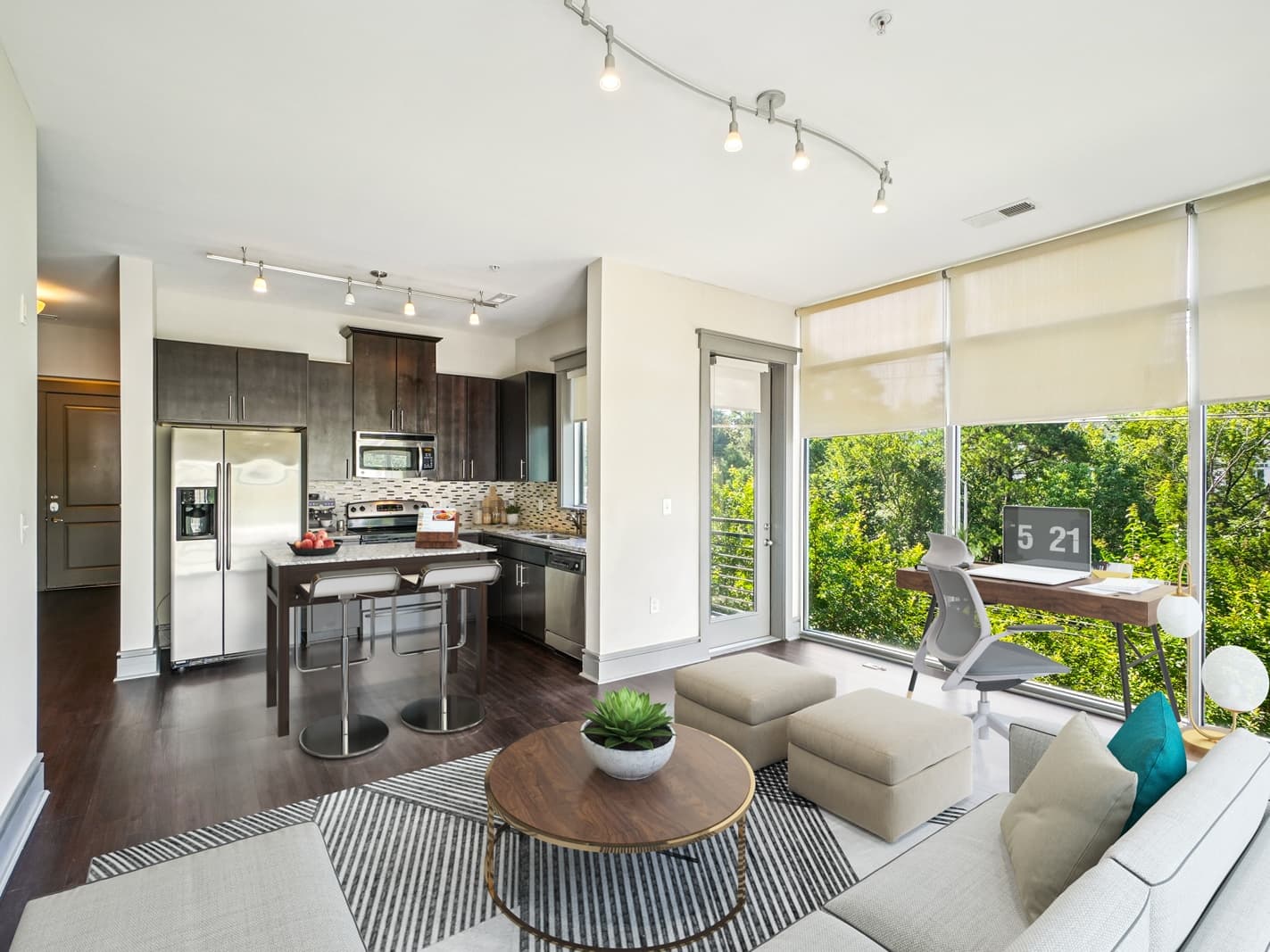
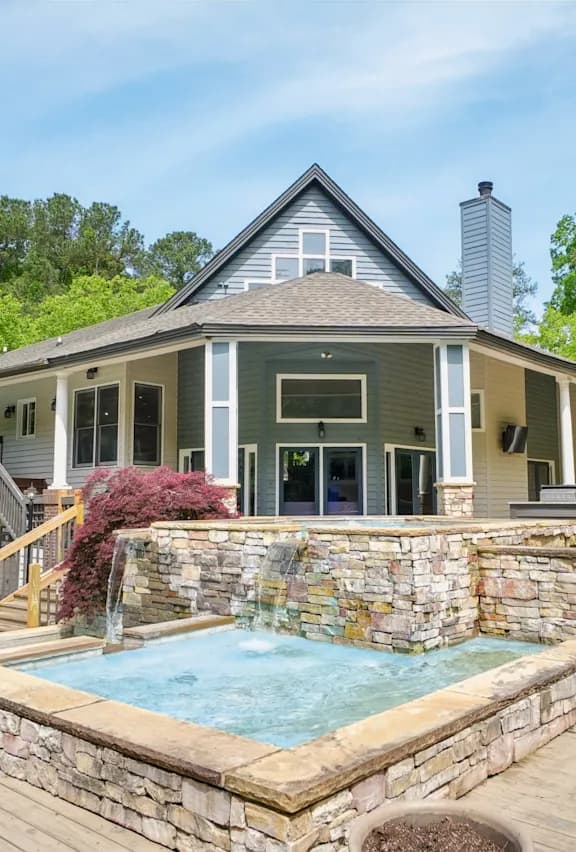
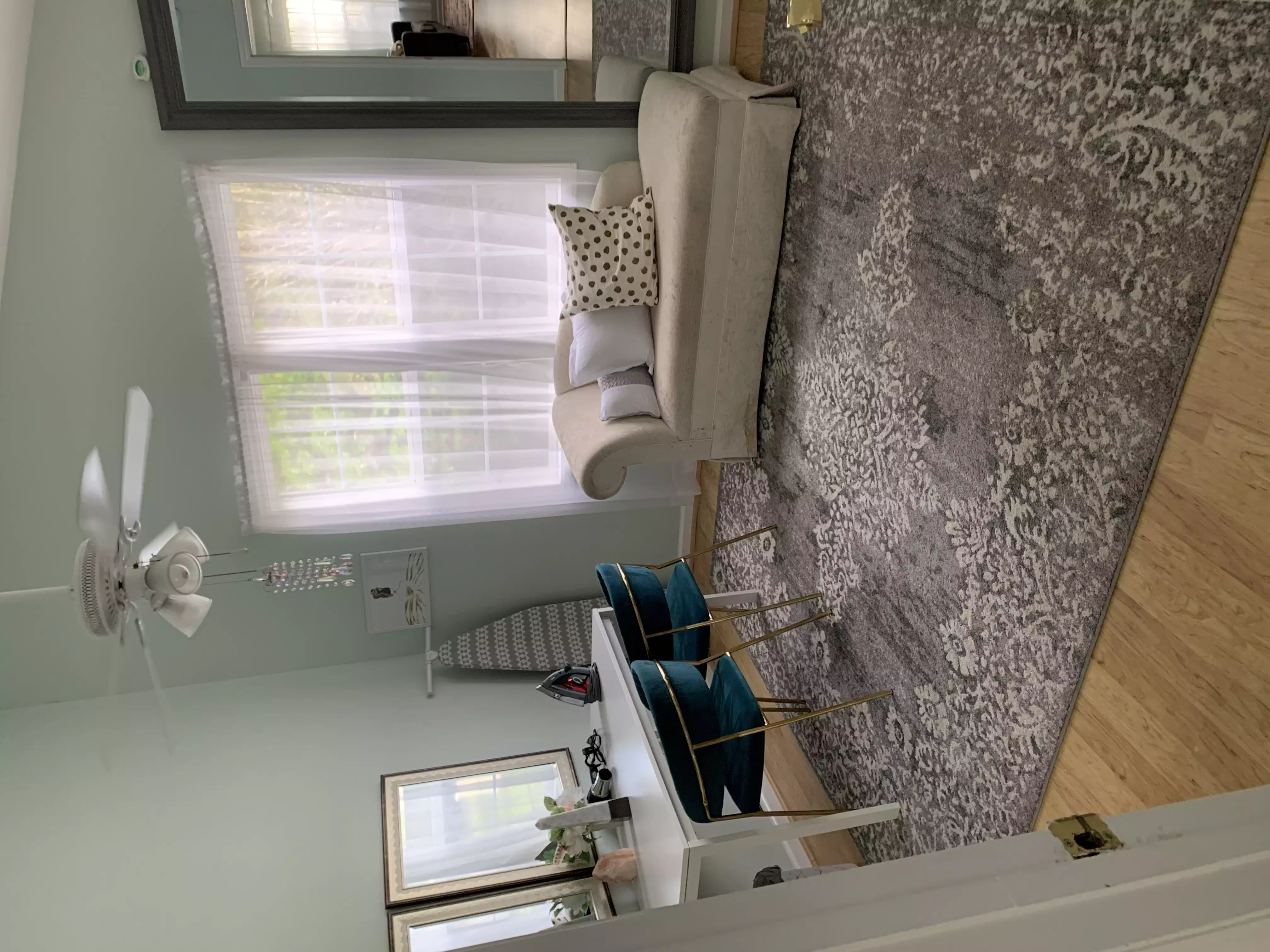
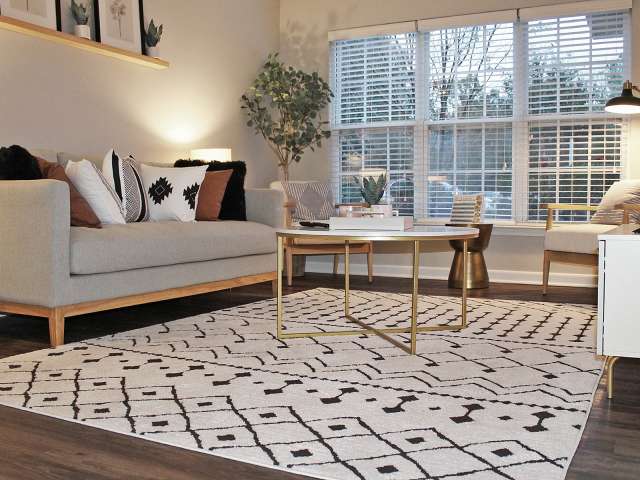
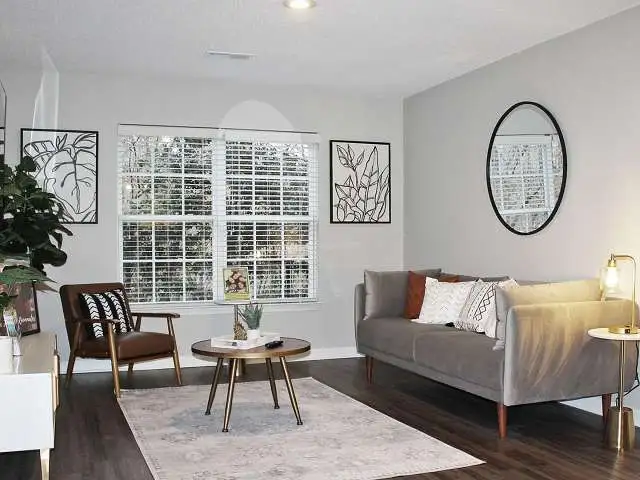
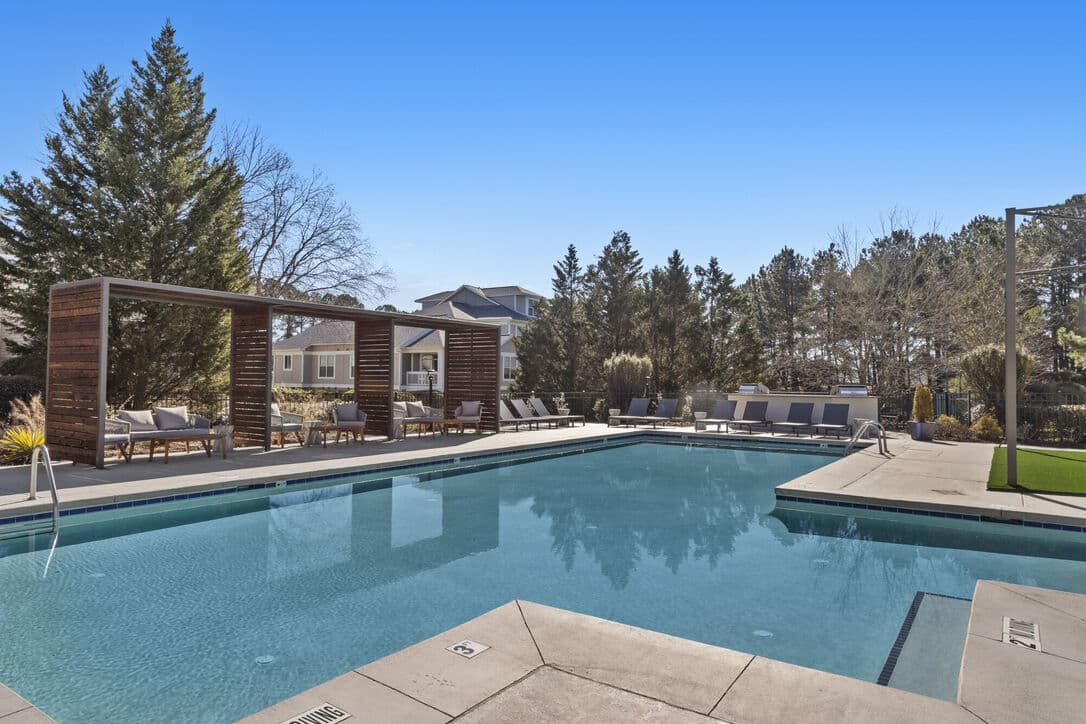
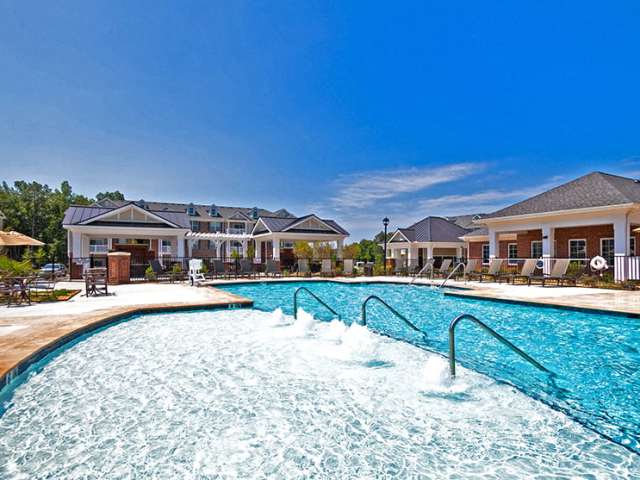
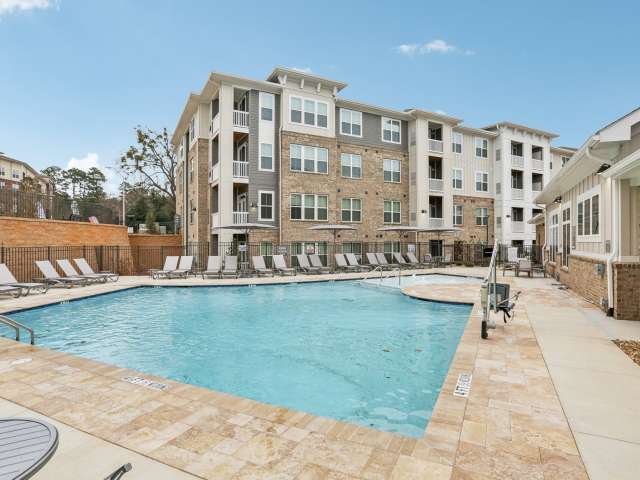
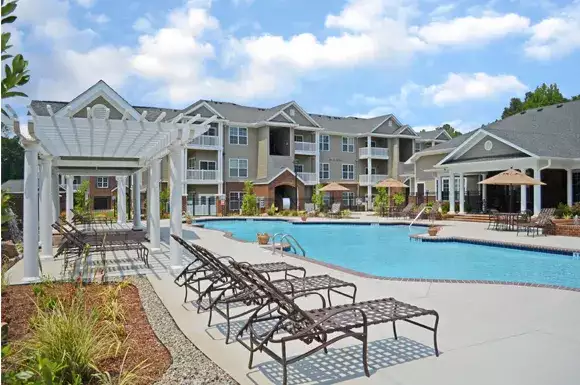
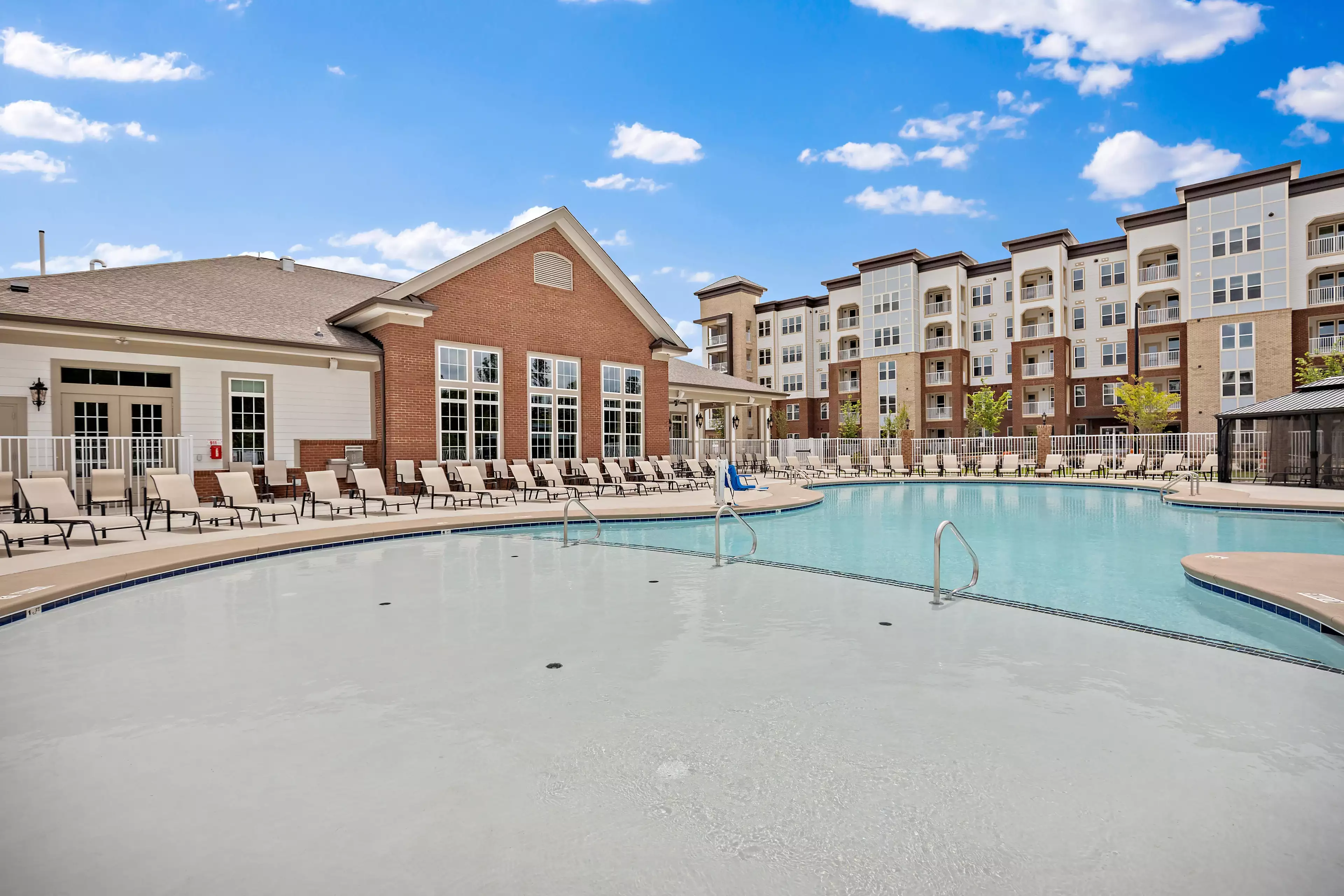
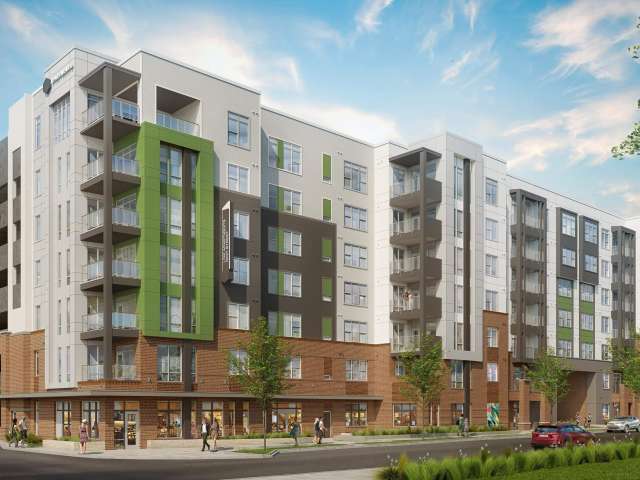
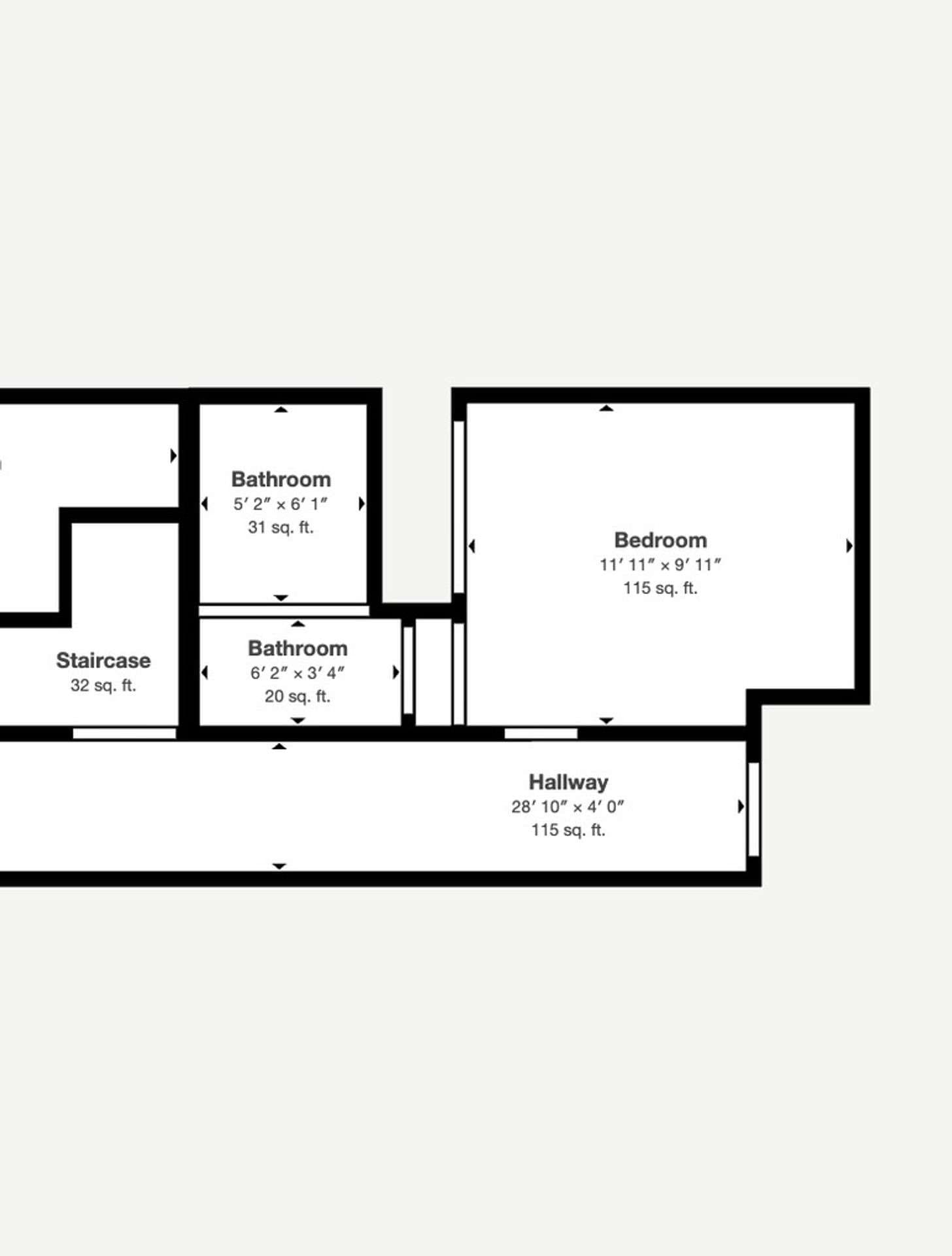
$815+/unit
Fees may applyPrivate Room with Walk-In Closet – Utilities & WiFi Included
About Off-Campus Housing Near North Carolina Central University
North Carolina Central University anchors the Hayti neighborhood of Durham, North Carolina, where about 8,100 Eagles attend the first state-supported liberal arts college founded for African American students. The campus sits just off Fayetteville Street, historic main street of a community that built one of the country's most storied Black business districts. Durham, the Bull City, turned its old tobacco warehouses into a downtown of museums, performance spaces, and public plazas, and its pride in this HBCU runs deep. Homecoming brings a parade and a packed tailgate before the Eagles play at O'Kelly-Riddick Stadium, and late winter brings the Hayti Heritage Film Festival. The American Tobacco Trail adds greenway miles, and city buses link campus across town.
North Carolina Central University Housing Requirements
Freshman Live-On Requirement
North Carolina Central University requires every new first-time freshman to live in a university residence hall for their first full year, both fall and spring semesters. You can request an exemption if you'll be 21 or older by the first day of classes, are legally married, have custody of dependent children, or commute from a parent or guardian's home within 15 miles of campus. Submit your request with documentation early.
Off-Campus Eligibility
After the first-year requirement, you're free to live off campus, and many students move into apartments and houses around Durham. NCCU partners with an off-campus marketplace that lists approved local rentals and helps with roommate matching. Durham's rental process runs the usual way, with an application, credit and background check, deposit, and often a guarantor for full-time students.
Lease Timing
Watch occupancy caps in older single-family neighborhoods near campus, since the city limits unrelated tenants per house. Read joint house leases closely so you know what you're on the hook for if a roommate leaves. Confirming the term and tenant count up front protects you from inherited costs.
Housing policies change frequently. Always verify current requirements directly with North Carolina Central University before signing a lease.
When to Start Looking for Housing Near North Carolina Central University
Early Searchers
Durham's rental calendar moves on two clocks. The newer apartment complexes built for students and young professionals start preleasing in winter for the next fall, and the closest, best-priced units go through spring. If you want one of those, tour in January and February and sign early. Booking tours in winter gives you the best selection.
Peak Demand Window
Classes start in mid-August and most leases run a full year. The houses around NCCU and the Hayti area turn over closer to summer, often on a more flexible timeline, since they're regular Durham rentals rather than student-only buildings. Line up roommates before you commit to a house, since those run on joint leases. Signing the newer complexes early keeps you ahead of demand.
Last-Minute Options
If you're searching late over the summer, you'll still find options because Durham is a large, active rental market, but you may end up farther from campus or relying on the bus. Spring move-ins and sublets do come up, especially in by-the-unit complexes and around graduation, when leases turn over. Checking the off-campus marketplace can surface a handoff. Flexibility on location opens up more choices late.
Neighborhoods Near North Carolina Central University
Hayti
The historic neighborhood wrapped around campus along Fayetteville Street keeps you closest to class and to the area's deep cultural roots. It's the default for staying near campus.
North-Central Durham and Downtown
The streets toward downtown put you near the museums, plazas, and nightlife of the renovated warehouse district, usually at a higher price. The Bull City turned its old tobacco warehouses into a lively downtown.
South Durham
Along the bus lines, South Durham offers newer apartment complexes and more parking, a good pick if you have a car. Areas near the American Tobacco Trail give runners and cyclists direct greenway access, and older single-family blocks near campus draw roommate groups wanting a house.
Frequently Asked Questions: Off-Campus Housing Near North Carolina Central University
Common questions from students searching for housing.
A room in a shared apartment or house near campus usually runs about $600-$900/month per person in Durham. Older houses split among roommates around Hayti land at the lower end, while newer complexes toward downtown or South Durham sit higher. Budget another $50-$120/month for utilities, and ask whether water and internet are bundled.
Yes. Every new first-time freshman must live in a university residence hall for the full first year. You can request an exemption if you'll be 21 or older by the first day of classes, are married, have custody of children, or commute from a parent or guardian's home within 15 miles of campus.
Upperclassmen tend to stay around Hayti and the streets near campus for the short walk, rent newer apartments toward downtown or South Durham if they want amenities, or pick a house with roommates on the older single-family blocks nearby. Proximity to a bus line matters if you don't have a car.
Not strictly. Durham runs city bus routes that connect campus to downtown and South Durham, and a few close-in spots are walkable. But the city is spread out, so a car makes groceries and getting around easier. Plenty of students manage without one by leaning on the bus and rideshares.
Start in January or February if you want a newer student-style complex, since those prelease through spring. Houses around Hayti and campus turn over closer to summer on a looser timeline. Either way, line up your roommates before you tour, and don't wait past spring if you want to be close to campus.
Most leases run a full 12 months. Houses near campus usually use one joint lease, so all roommates share responsibility if someone bails, while some complexes lease by the unit. Durham also caps how many unrelated people can share a single-family house, so confirm the legal occupancy before you crowd in with friends.
Hayti, the blocks right around campus, and the newer South Durham complexes are areas students commonly choose. As with any city, conditions vary block to block, so walk the street at night, check the lighting, and look at how the property is kept up rather than relying on a neighborhood's reputation.
It depends on the building. Newer complexes sometimes bundle water, trash, and internet, while houses usually leave you to set up and split everything. Expect roughly $50-$120/month per person on top of rent, and ask whether anything is capped so summer AC doesn't wreck your budget.
The school's off-campus marketplace can help you find roommates, and many complexes match you if you search solo. Houses run on joint leases, so pick people you trust. Subletting comes up around summer and graduation, but check your lease language and get the landlord's written sign-off before handing your room to anyone.
If you live in Hayti or right around campus, the walk to class is easy. Downtown Durham, with its museums and renovated warehouse district, is a couple of miles north, so most students bus, bike the greenways, or drive. The American Tobacco Trail also gives you a car-free route for running and cycling.
More Housing Near North Carolina Central University
Search by Room Type
Search by Lifestyle
Other Universities in Durham
Other universities in Durham share a similar off-campus housing market.
Duke University
Duke University is a prestigious research university in Durham, North Carolina, known for its Gothic architecture and top-ranked programs in law, medicine, business, and the liberal arts. Durham has transformed into one of the most dynamic mid-sized cities in the South, with a thriving food scene and a growing tech and…
View housing near Duke Universityfind my place guides for NCCU
Curated recommendations from students who’ve been there.
See how students rate the places near NCCU on social life, management, and quality before you tour.
Read student housing reviews near NCCU →