Student Housing in Raleigh, NC
Student Housing in Raleigh, NC
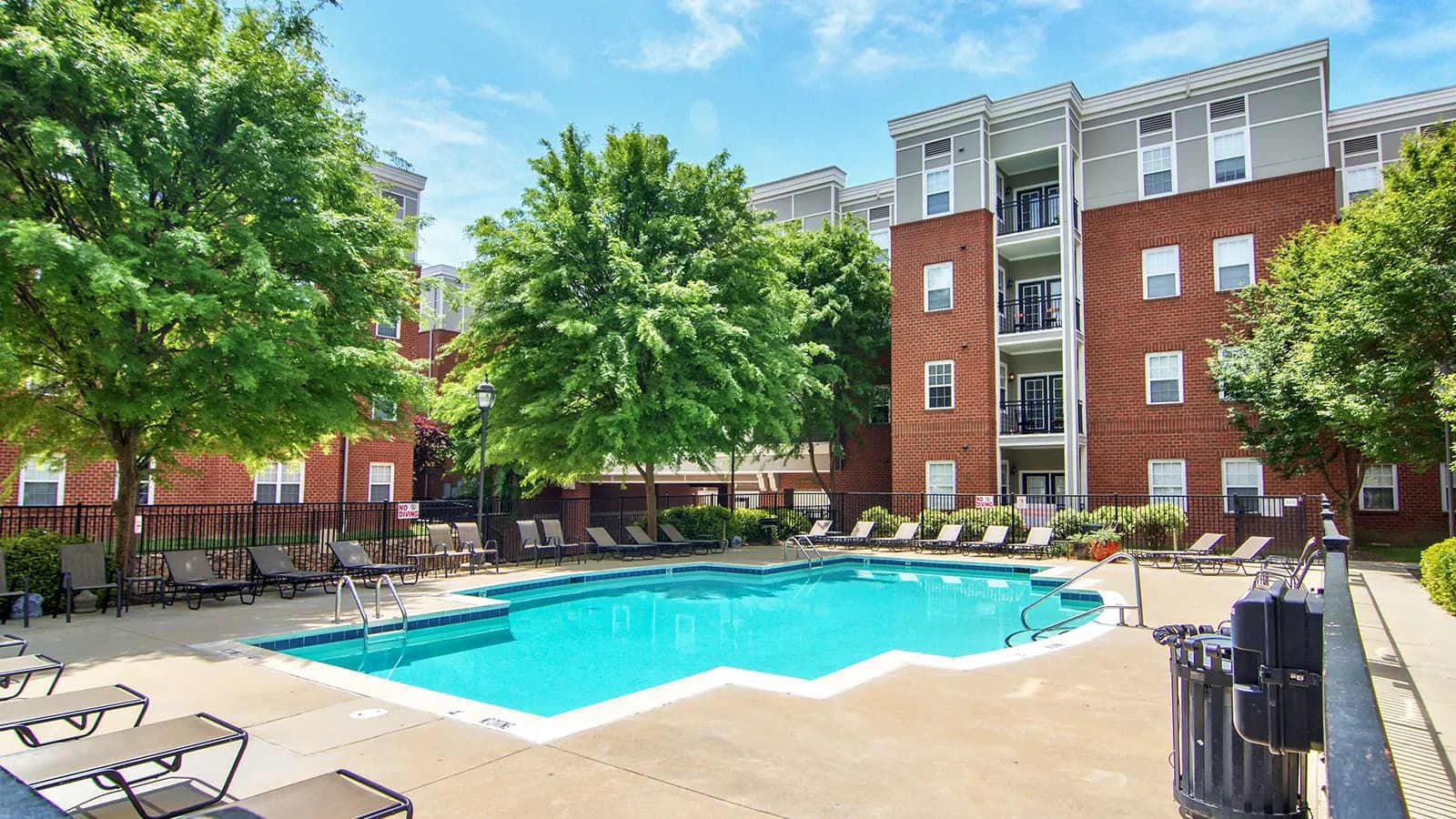

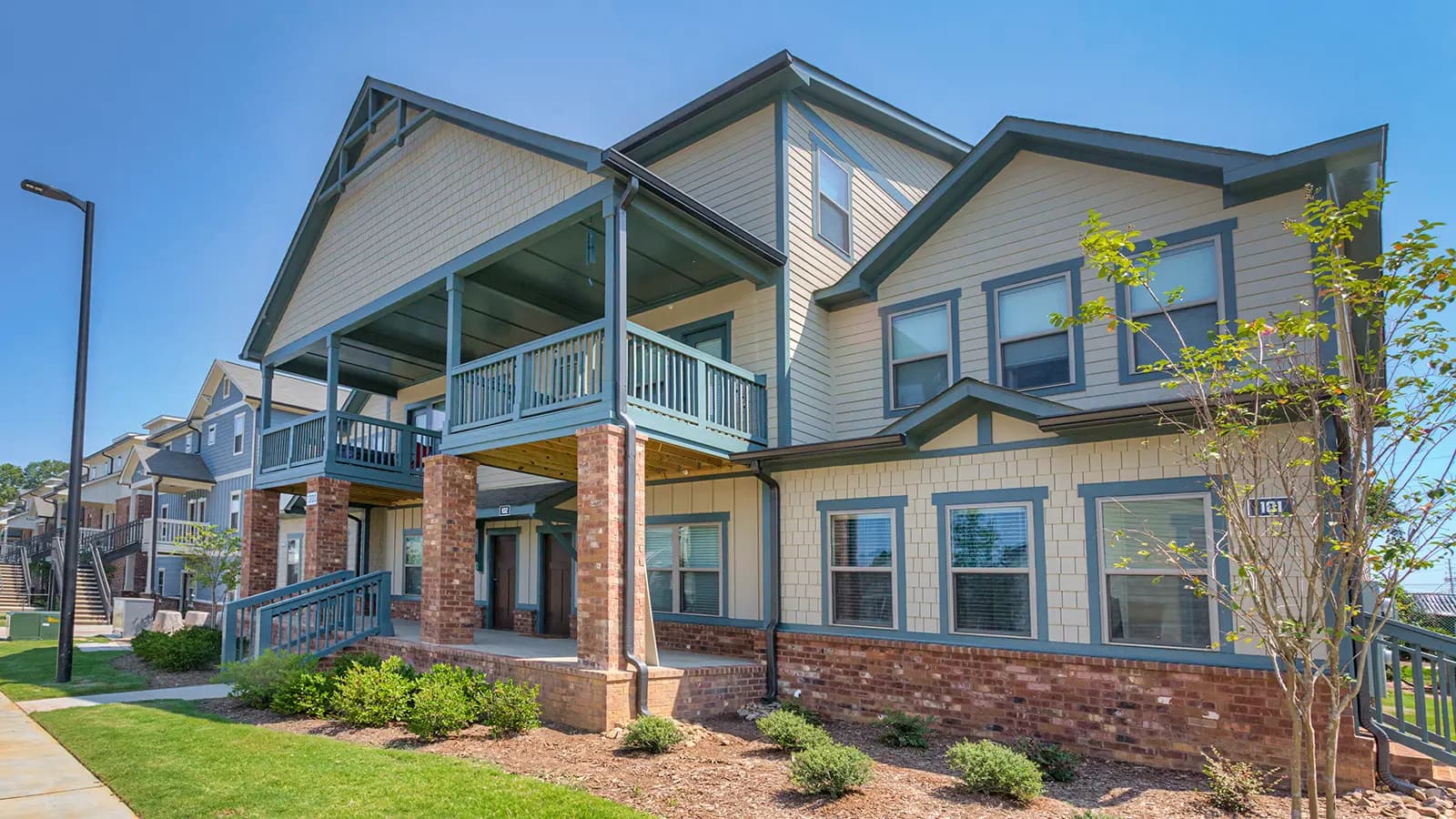
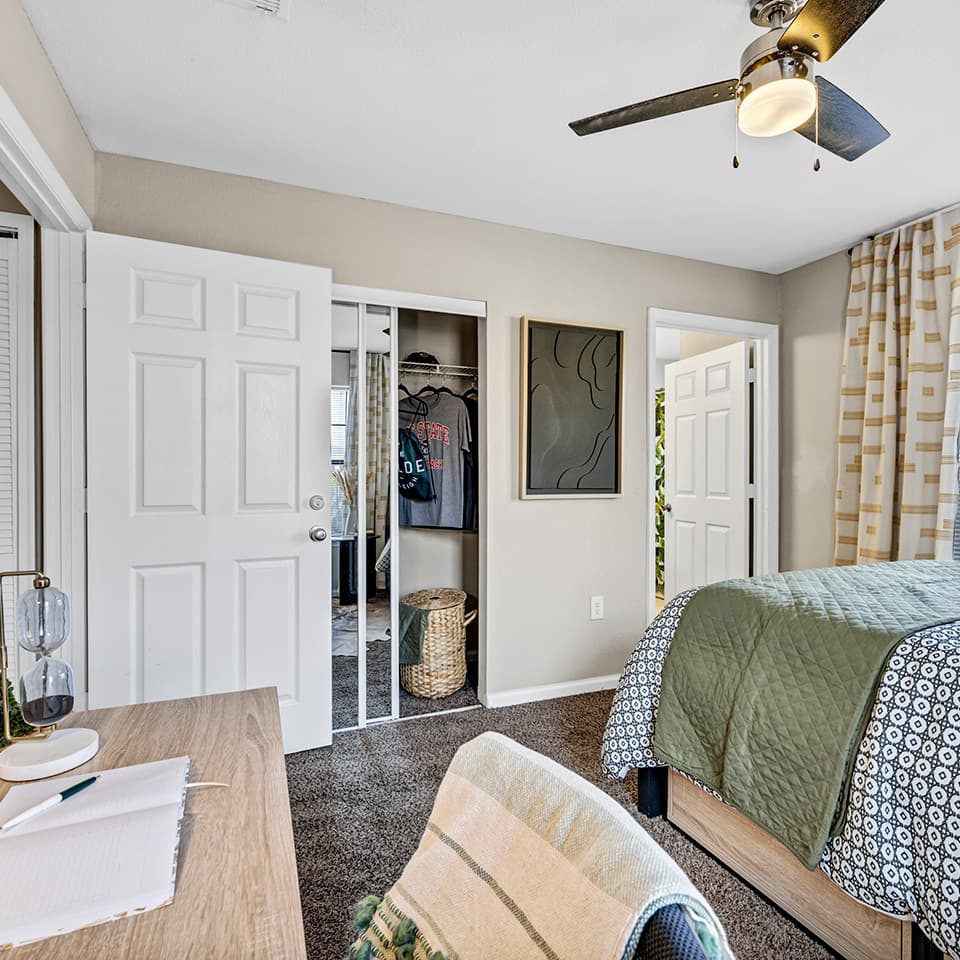
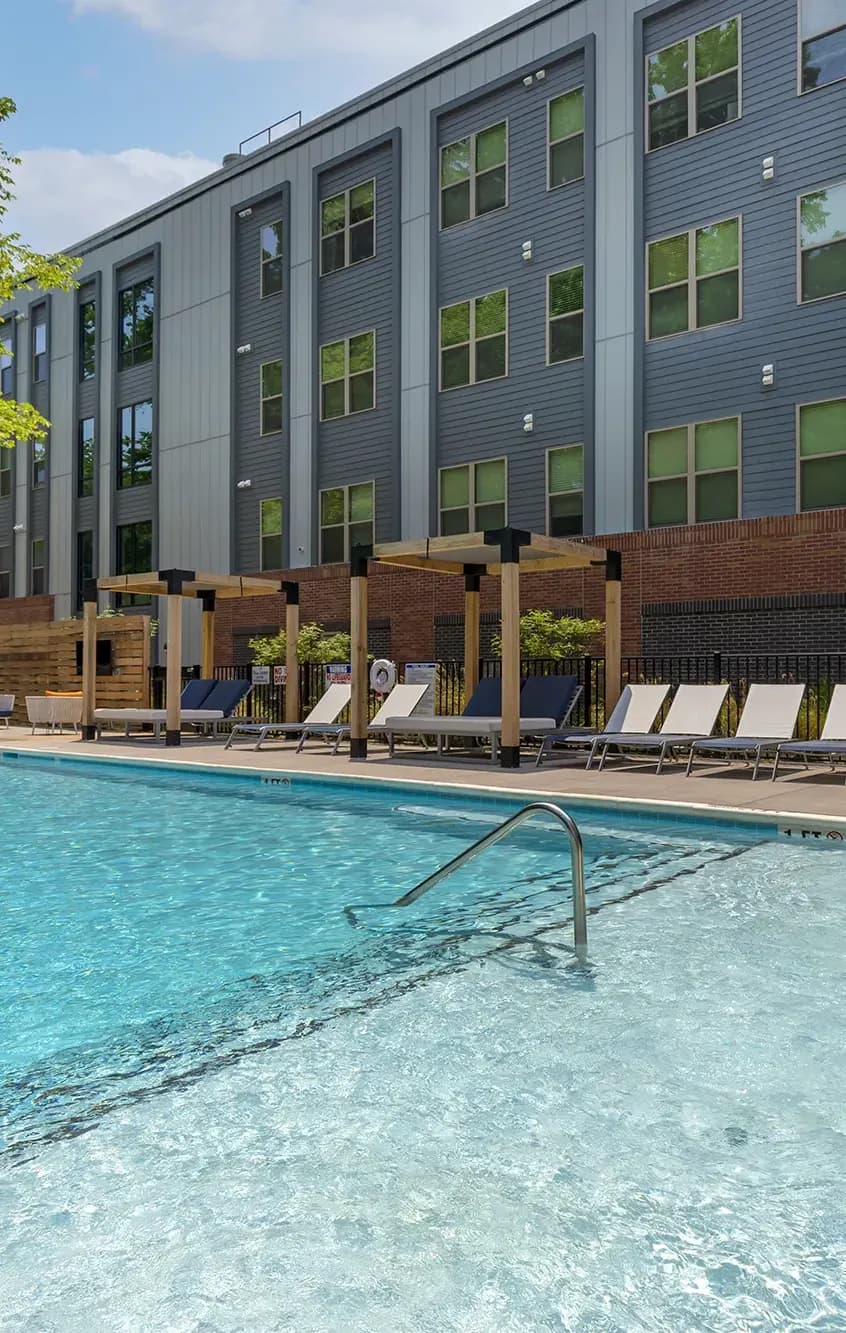


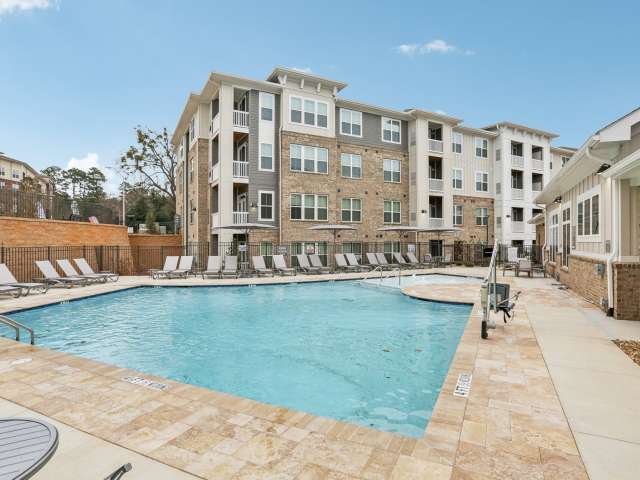
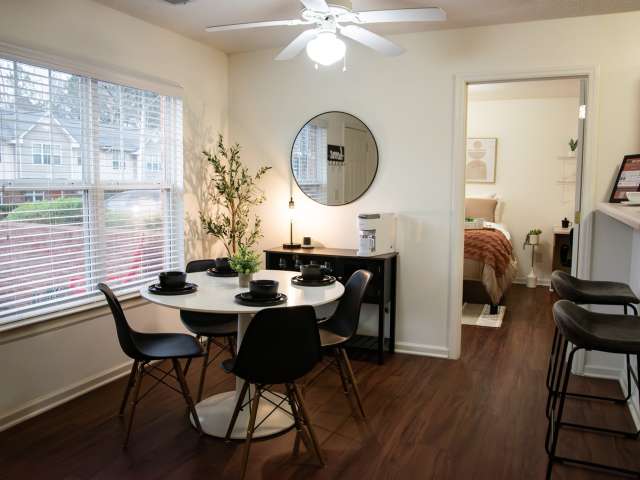
About Student Housing in Raleigh
Raleigh, North Carolina is the state capital and a fast-growing tech and research hub, with North Carolina State University giving it a huge student population. NC State sprawls along Hillsborough Street, the unofficial student drag, while Centennial Campus stretches south into a live-work research district. As an anchor of the Research Triangle, Raleigh draws young professionals and students alike. The Village District is a walkable shopping and dining pocket beloved by students, and downtown stacks the State Capitol, museums, and Fayetteville Street nightlife. The Capital Area Greenway threads more than 100 miles of trails through the city, Pullen Park sits by NC State, and Dorothea Dix Park offers 300-plus acres of meadow with skyline views.
Best Neighborhoods for Students in Raleigh
Hillsborough Street
Running right along NC State, this is the classic student strip, packed with apartments, eateries, and Wolfline stops within steps of class.
Village District
Just north of campus, a walkable, upscale shopping and dining pocket that's long been a student favorite for its convenience and energy.
West Raleigh
The broader area around campus mixes houses and complexes with fast access to the university and the city's food and arts scene.
Getting Around Raleigh as a Student
Here's what you need to know about getting around Raleigh.
Public Transit
The Wolfline, NC State's free bus service, runs across campus and into nearby neighborhoods, and many off-campus complexes sit directly on a route. GoRaleigh, the city bus system, fills in the rest and connects campus to downtown and the Village District. Together they make car-free living realistic near campus. Live in the wider suburbs and you'll likely want a car, since coverage thins.
Walking and Biking
Walkability is best along Hillsborough Street and around campus, where class, food, and errands cluster together. Biking is strong, with the 100-plus-mile Capital Area Greenway linking neighborhoods, parks, and campus on car-free paths. The Art to Heart trail runs from the art museum through Pullen Park toward downtown. These trails give cyclists a genuine car-free network across the city.
Parking
Raleigh is a spread-out city, so a car helps once you live beyond the campus core. Live in the wider suburbs and you'll likely want one for daily trips. Parking near Hillsborough Street and campus can be tight in the densest blocks. Confirm permit and parking rules with your complex or the university before relying on a space.
Frequently Asked Questions: Student Housing in Raleigh
Common questions from students searching for housing.
Raleigh runs higher than smaller NC college towns. Apartments in the broader area land around $900 to $1,400 a month, while downtown student units run closer to $1,400 to $1,800. On Hillsborough Street near NC State, one- and two-bedroom places commonly fall between roughly $1,230 and $1,860, and roommates bring each share down.
Hillsborough Street and West Raleigh are the go-to picks for walking and Wolfline access. The Village District adds upscale convenience just north of campus, while downtown and Boylan Heights suit students wanting city energy or historic charm.
Not if you live near NC State. The free Wolfline plus GoRaleigh cover campus, the Village District, and downtown, and the greenway network is great for biking. Out in the suburbs, though, a car becomes pretty necessary.
Very close. Hillsborough Street and West Raleigh rentals put you within a short walk or quick Wolfline ride of campus, and many complexes sit directly on a route, including stops near Centennial Campus.
The core student areas around campus are generally fine, but Raleigh is a large city and conditions vary by block. Tour at night, check lighting and parking, and ask current tenants how they feel walking home after dark.
Start early, ideally in the fall or by January for a fall lease. Raleigh's growth keeps demand high, so the best Hillsborough Street and West Raleigh spots go quickly and waiting until spring narrows your choices.
Most complexes run 12-month leases, and many purpose-built communities near NC State lease by the bed, so you're liable only for your room. Older houses in West Raleigh and Boylan Heights may use joint leases shared among roommates, so read closely.
Plan on roughly $120 to $220 a month for electricity, water, internet, and gas beyond rent, depending on season and roommate count. North Carolina summers are hot, so air conditioning can push the power bill toward the top of that range.
Yes. By-the-bed complexes near NC State match you with roommates, and the large student body keeps Wolfpack housing groups and Facebook pages full of sublets each semester, especially over summer and co-op terms.
You're in the state capital and a Research Triangle hub, so internships and tech jobs are everywhere. Between the 100-plus-mile greenway system, Pullen Park, and the wide-open Dorothea Dix Park, you also get serious green space without leaving the city.
Find Housing by University in Raleigh
Browse student housing near each Raleigh-area university.
Search Raleigh Student Housing by…
Lifestyle
See how students rate apartments in Raleigh, NC on social life, management, and quality before you tour.
Read student apartment reviews in Raleigh, NC →