Off-Campus Housing Near RIT
Off-Campus Housing Near RIT
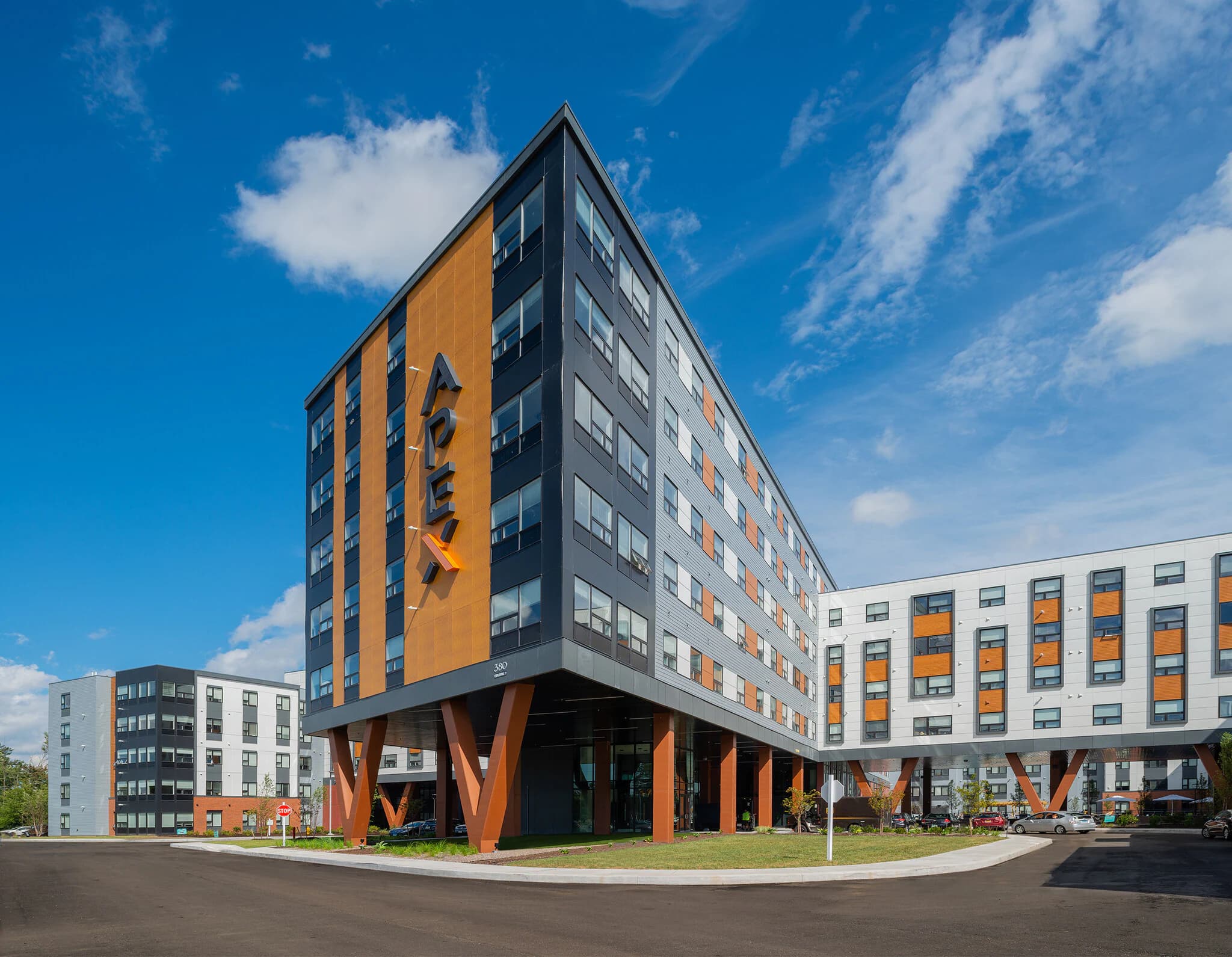
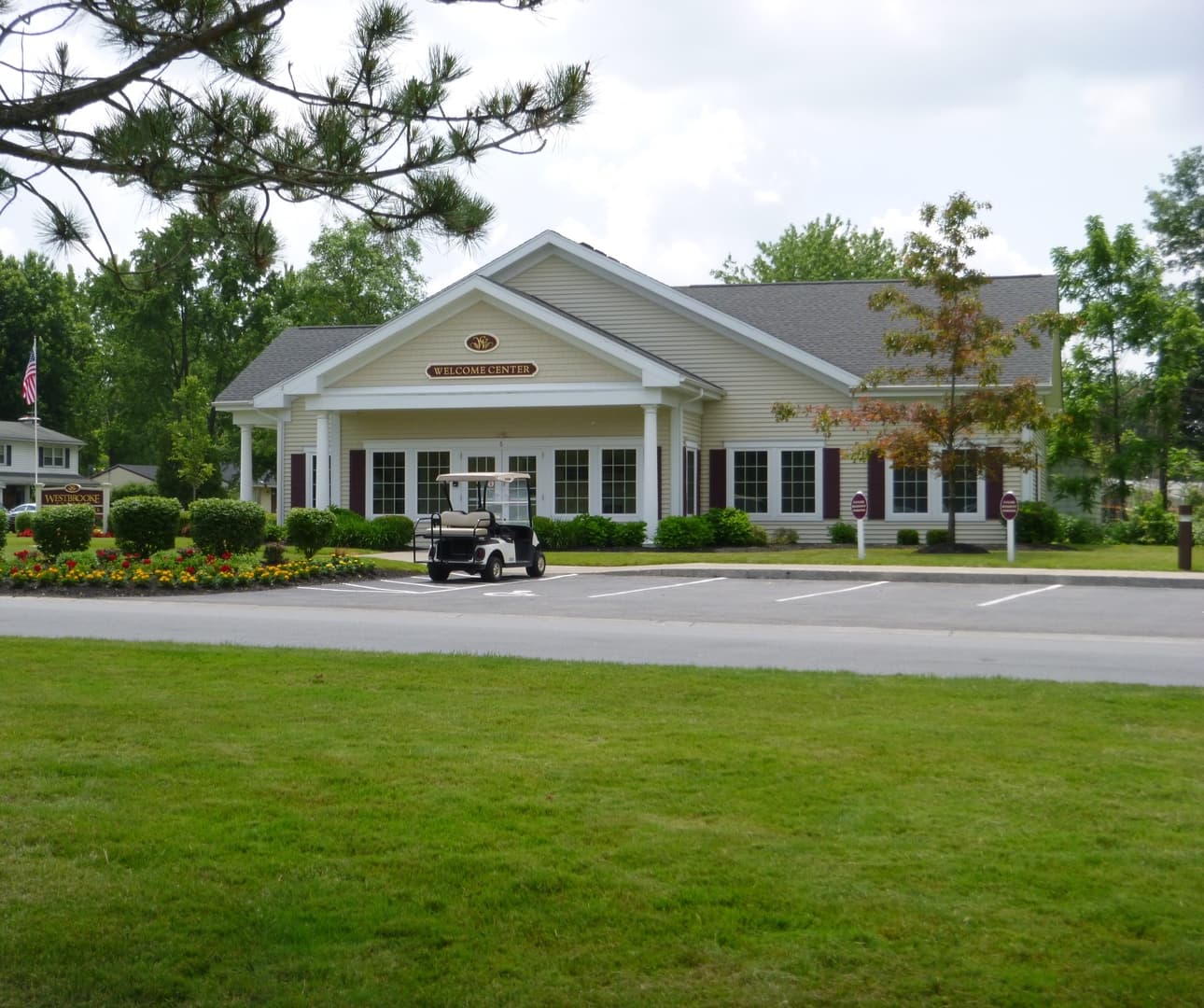
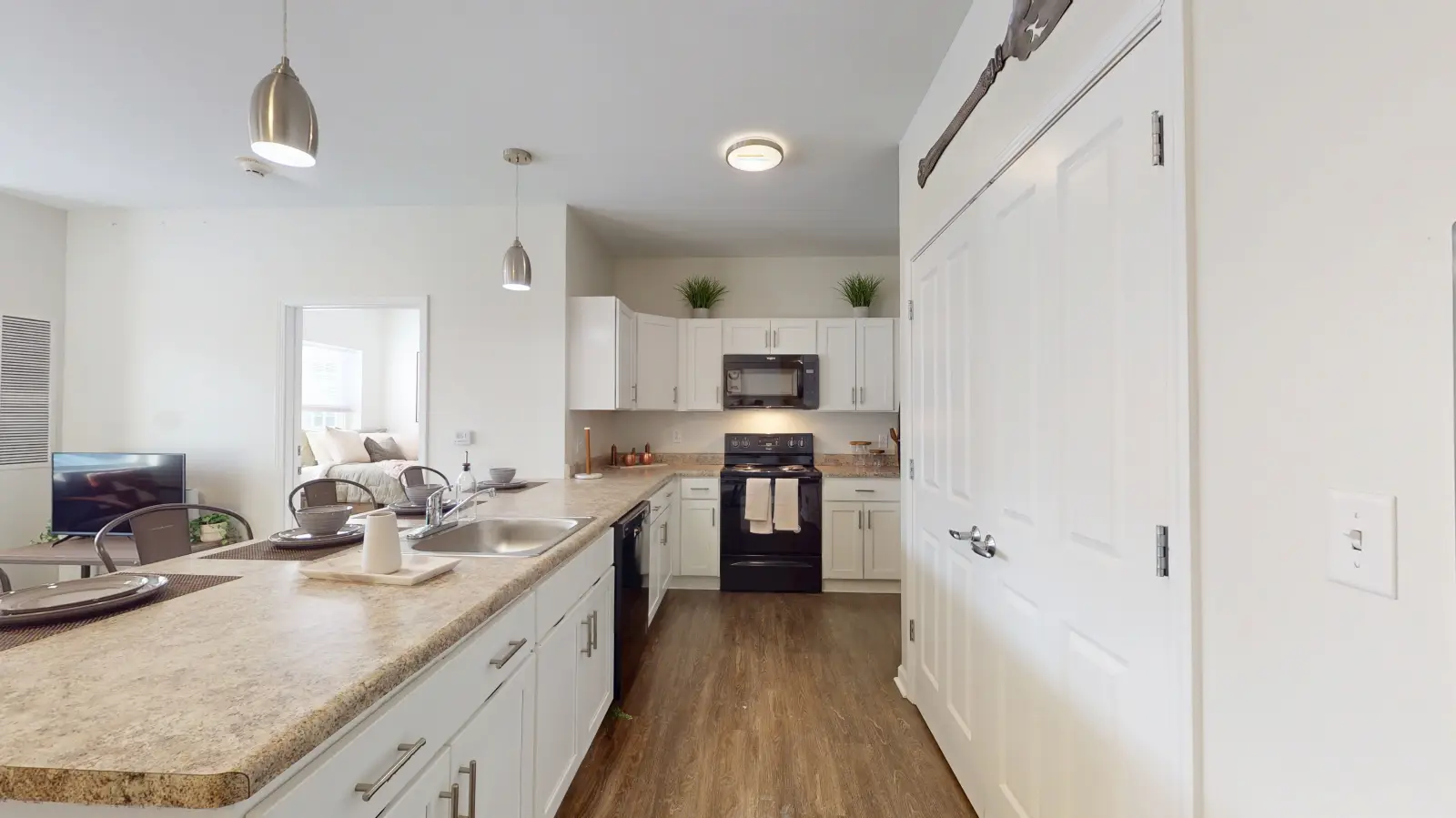
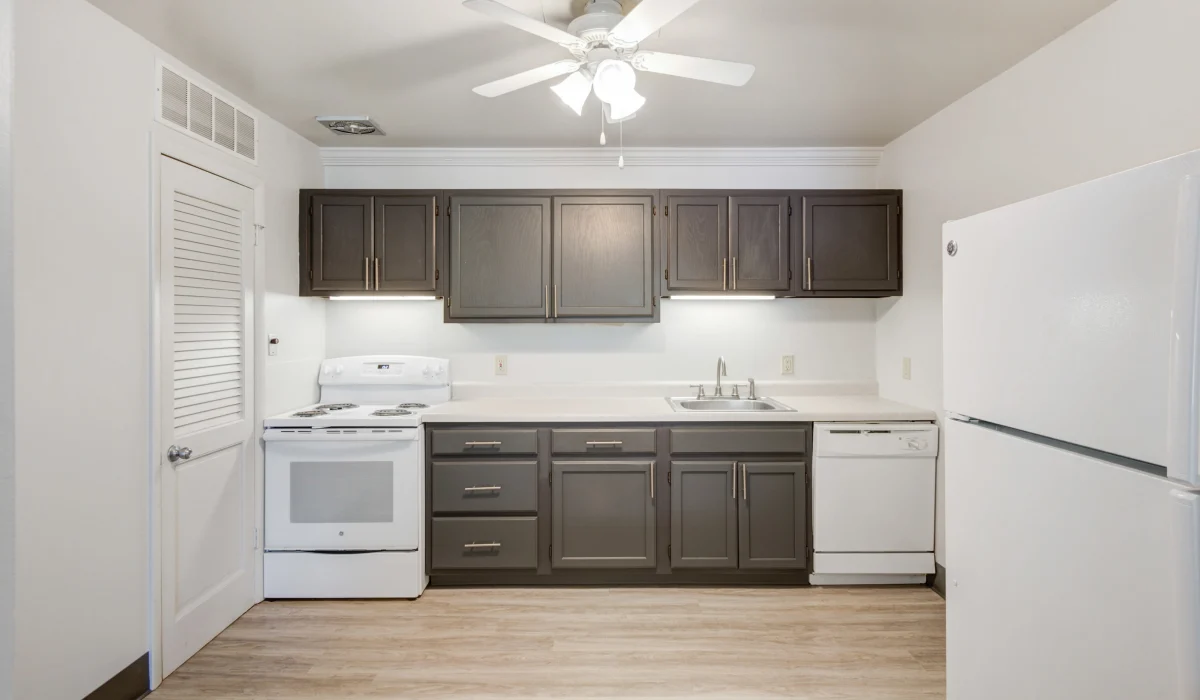
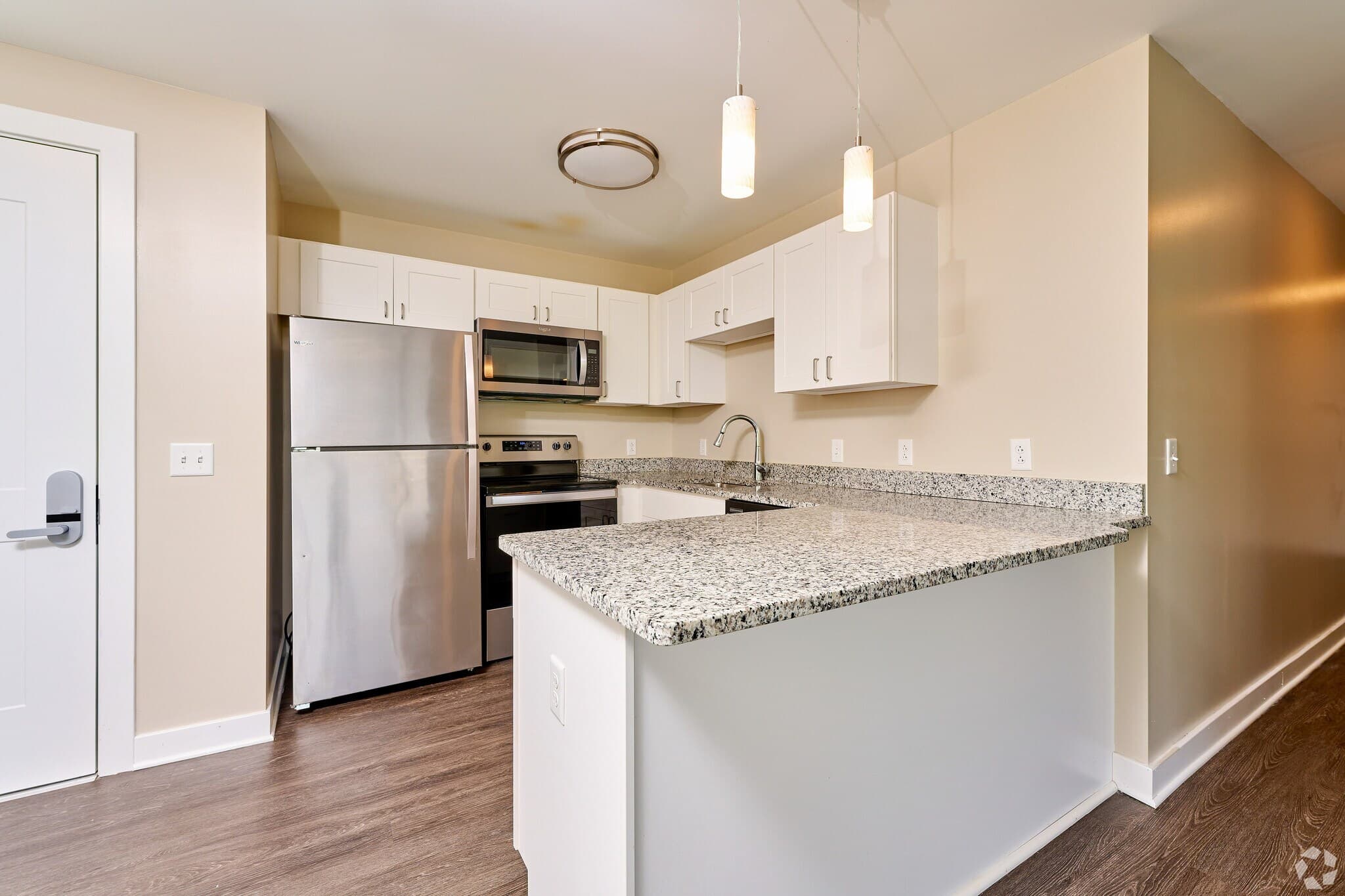
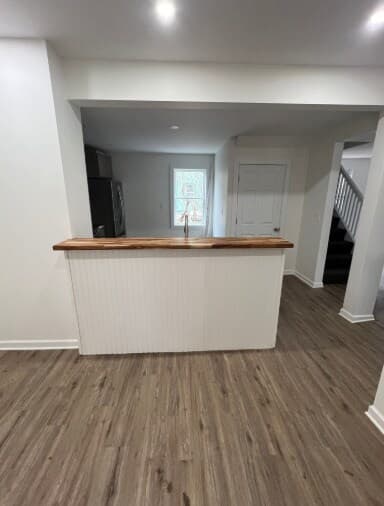
$3,400/unit
Fees may applyFully Renovated 52 Cypress Street
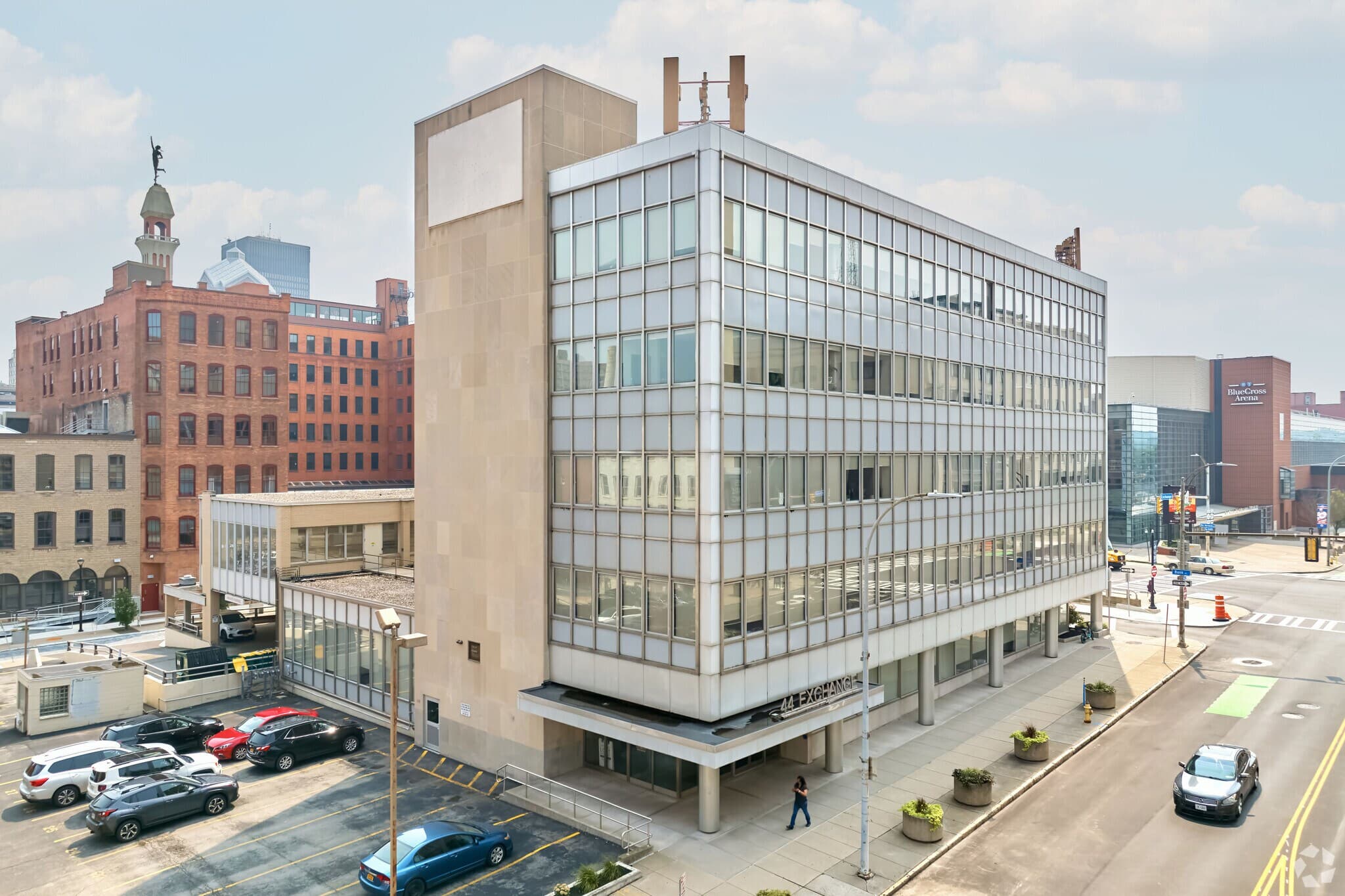
$1,050+/unit
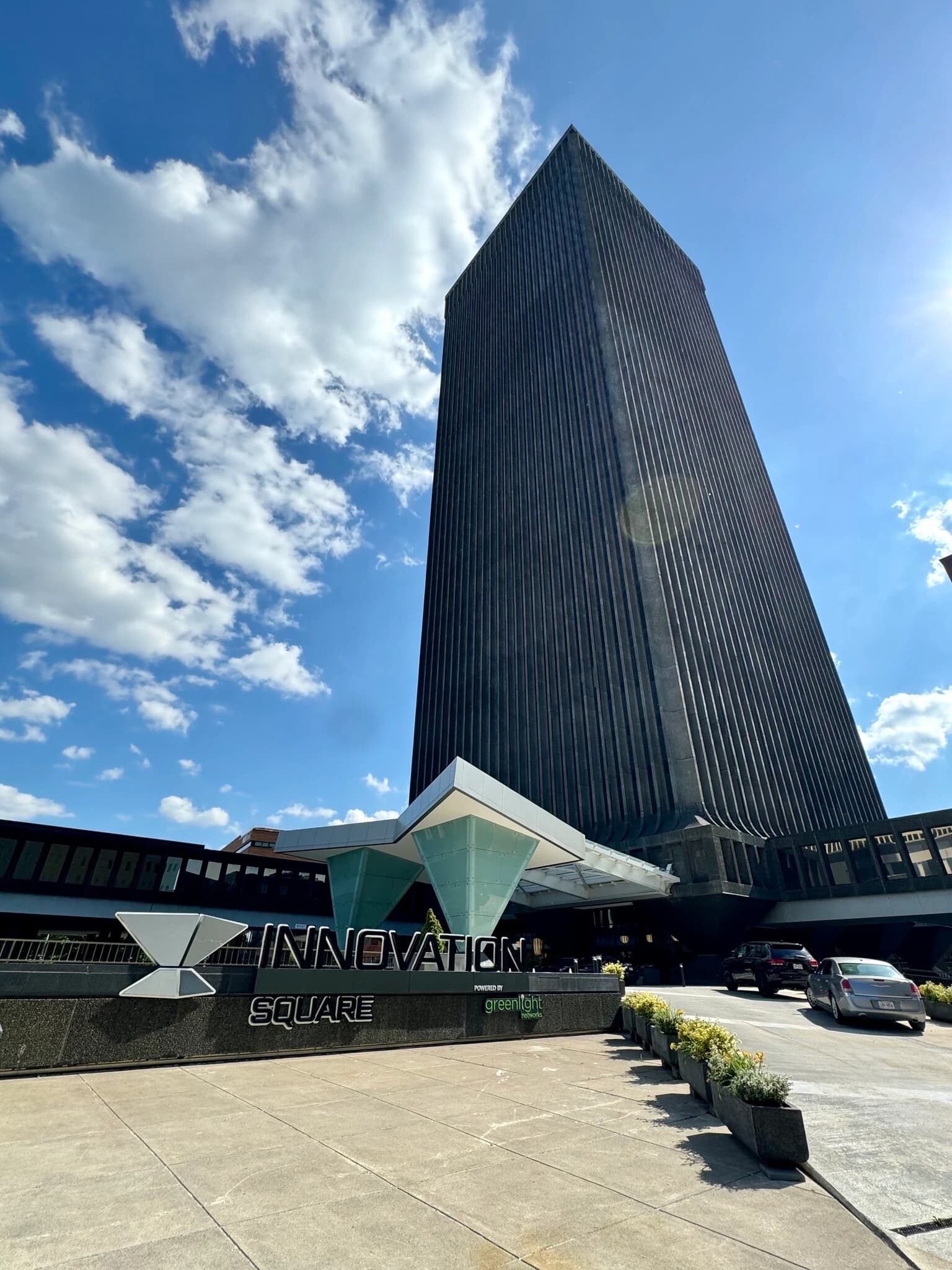
Fees may applyInnovation Square Student Housing
email me if my perfect place pops up
We'll reach out the moment one matches everything you asked for
About Off-Campus Housing Near Rochester Institute of Technology
Rochester Institute of Technology gathers about 16,158 Tigers on a 1,300-acre campus in Henrietta, New York, a suburb just south of Rochester near the Genesee River. Students call it Brick City for the unified brick-and-concrete architecture, and campus is big enough that walking between buildings is its own workout. RIT runs on a hands-on maker culture that peaks at Imagine RIT, the spring innovation festival that turns the campus into a showcase. Tiger hockey nights pack the arena, RITchie the mascot leads the charge, and 150-plus clubs keep the calendar full. Rochester is a short drive north, with riverside parks, museums, and an arts scene. Campus is spread out and car-friendly, so most students drive or ride the shuttle and RTS buses into the city.
Rochester Institute of Technology Housing Requirements
Freshman Live-On Requirement
RIT requires first-year students coming straight from high school to live in a freshman residential community on campus or at the RIT Inn for their first year. This keeps nearly all freshmen on campus through their opening year.
Off-Campus Eligibility
After the first year, students are free to move off campus, and many do for sophomore year and beyond. The off-campus scene leans heavily on purpose-built student complexes clustered around campus rather than scattered houses, so the process feels more like picking an apartment community than hunting a rental.
Lease Timing
New York leases typically run 12 months, and the big student complexes often lease by the bed with individual leases, so you are only on the hook for your own room rather than the whole unit. RIT runs on a semester system, so confirm whether a lease covers the full year or just the academic terms, plus what is bundled into the rent, before you sign.
Housing policies change frequently. Always verify current requirements directly with Rochester Institute of Technology before signing a lease.
When to Start Looking for Housing Near Rochester Institute of Technology
Early Searchers
RIT's off-campus search runs early because the nearby student complexes fill on a predictable cycle. The prime leasing window opens in the fall, roughly October through January, for the next academic year. The most popular complexes near campus, the ones with shuttles and amenities, fill their best units first, so early signers get the best floor plans.
Peak Demand Window
Classes start in late August, so anyone waiting until summer is usually choosing from leftover floor plans or units farther from campus. If you want a specific complex or a four-bedroom with friends, sign in the fall rather than gambling on spring availability. Spring searchers should tour the big complexes directly and check the campus off-campus listings. Be ready to lock in once your group agrees.
Last-Minute Options
Because so much of the market is by-the-bed complexes, individual lease takeovers and sublets pop up when co-op students rotate out for work terms. That makes mid-year openings more common here than at house-heavy schools. Late searchers should ask complexes directly about takeovers and watch the campus listings for sublets throughout the year.
Neighborhoods Near Rochester Institute of Technology
Park Point
A built-for-students complex right at the campus edge, walkable, amenity-heavy, and one of the most popular picks.
Province
Another student complex near campus with apartment-style units and by-the-bed leases.
Henrietta
The wider suburb around campus with more conventional apartments, often a better value if you split a unit.
Frequently Asked Questions: Off-Campus Housing Near Rochester Institute of Technology
Common questions from students searching for housing.
A by-the-bed room in a student complex near campus usually runs $700-$1,100/month per person, often with some utilities or amenities bundled in. Conventional apartments in Henrietta can run lower per person if you split a unit, while newer complexes near campus sit at the top.
Yes. RIT requires first-year students coming directly from high school to live in a freshman residential community on campus or at the RIT Inn for their first year. After freshman year, you're free to move off campus, and many students do.
Most land in purpose-built student complexes near campus like Park Point, Province, and Apex, which run shuttles and apartment-style units. Others rent conventional apartments in the wider Henrietta suburb, and a few choose Rochester proper for city life.
A car is genuinely useful here. The campus is spread out in a suburb, and while many complexes run shuttles and RTS buses connect Henrietta and Rochester, having a car makes groceries and the city much easier. Plenty of students manage with shuttles plus a roommate's car.
Start in the fall, roughly October through January, for the next academic year. The popular complexes near campus fill their best units first, so waiting until summer usually means leftover floor plans or units farther out. Sign early if you want a specific complex.
Most leases are 12 months, and the big student complexes often lease by the bed with individual leases, so you're only responsible for your own room. Confirm whether the lease covers the full year or just the academic terms, and ask what utilities and amenities are bundled in.
The student complexes right at the campus edge, like Park Point and Province, are generally quiet and well-managed with on-site staff. Henrietta is a typical suburb. As anywhere, check the specific complex and block, and lean on the campus shuttle when you're out late.
It varies. Many by-the-bed complexes bundle some utilities, internet, and amenities into the rent, which is part of their appeal. In conventional Henrietta apartments, plan to add roughly $80-$180/month for heat, electric, and internet, since upstate winters drive heating up.
Yes. The by-the-bed complexes match roommates if you sign solo, and RIT's heavy co-op program means students rotate out for work terms, so lease takeovers and sublets surface mid-year more often than at most schools. The campus off-campus listings help too.
Yes, a lot. RIT students leave campus for co-op work terms throughout the year, which creates a steady stream of sublets and lease takeovers in the student complexes. That's why by-the-bed individual leases are common here and why mid-year openings are easier to find.
More Housing Near Rochester Institute of Technology
Search by Room Type
Search by Lifestyle
Other Universities in Rochester
Other universities in Rochester share a similar off-campus housing market.
Monroe Community College
Monroe Community College is a public two-year community college located at 1000 E Henrietta Rd in the Town of Brighton, just south of Rochester, New York. Part of the State University of New York system, MCC serves approximately 12,000 students across associate degree and certificate programs in fields ranging from…
View housing near Monroe Community CollegeNazareth University
Nazareth College is a private liberal arts institution located in Pittsford, an affluent suburb southeast of Rochester, New York. Founded in 1924, the college enrolls approximately 2,000 students and offers undergraduate and graduate programs with particular strength in the arts, education, health sciences, and social…
View housing near Nazareth UniversitySaint John Fisher College
Saint John Fisher University, formerly known as Saint John Fisher College before its university designation in 2022, is a private liberal arts institution on East Avenue in Brighton near Rochester, New York. Founded in 1948 by the Basilian Fathers, Fisher enrolls approximately 3,000 to 4,000 students across programs in…
View housing near Saint John Fisher CollegeTalmudical Institute of Upstate New York
The Talmudical Institute of Upstate New York is a small Orthodox Jewish rabbinical seminary located at 769 Park Ave in Rochester, NY. The institution provides intensive religious and Talmudic training exclusively for male students pursuing rabbinical ordination. With an enrollment of roughly 50 to 100 students, it is…
View housing near Talmudical Institute of Upstate New YorkUniversity of Rochester
The University of Rochester is a private research university in Rochester, New York, enrolling around 6,800 undergraduates. It is known nationally for programs in optics, engineering, music through the Eastman School of Music, and medicine through the UR Medical Center. The main River Campus sits along the Genesee…
View housing near University of RochesterSee how students rate the places near RIT on social life, management, and quality before you tour.
Read student housing reviews near RIT →