Off-Campus Housing Near Rutgers Newark
Off-Campus Housing Near Rutgers Newark
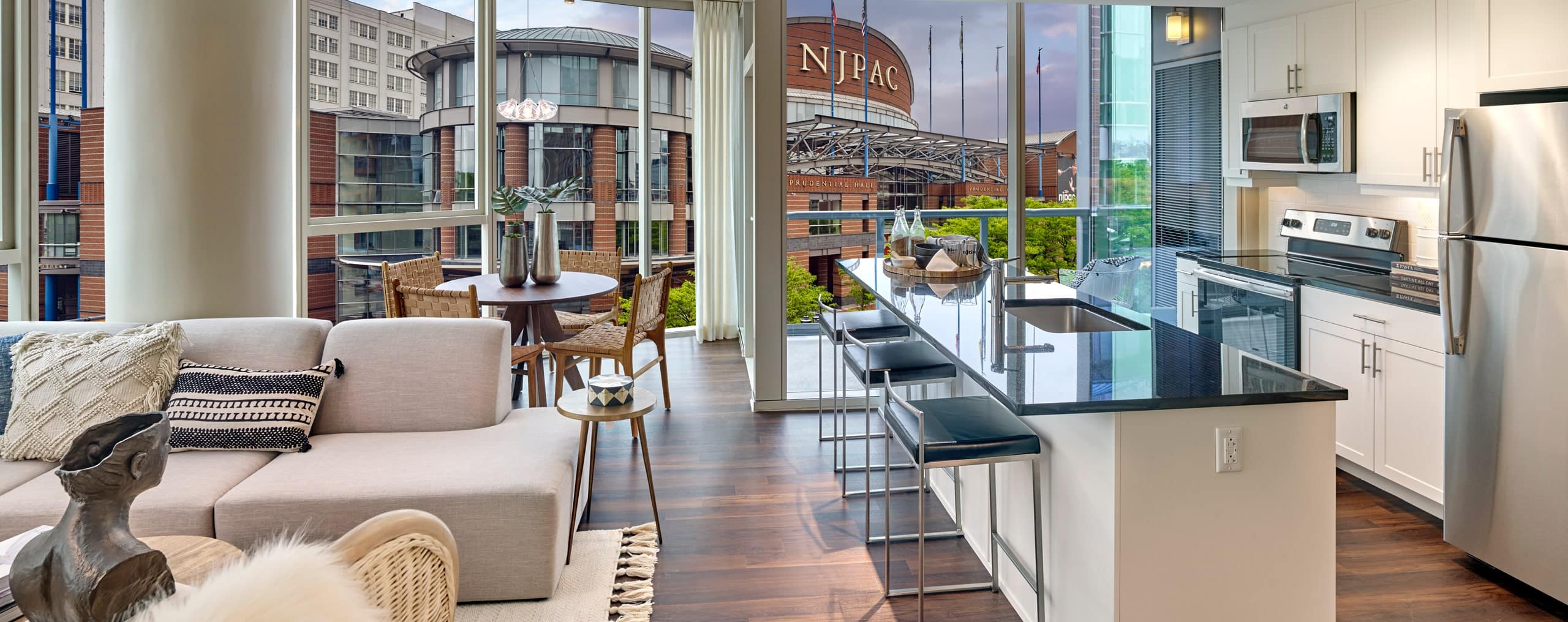
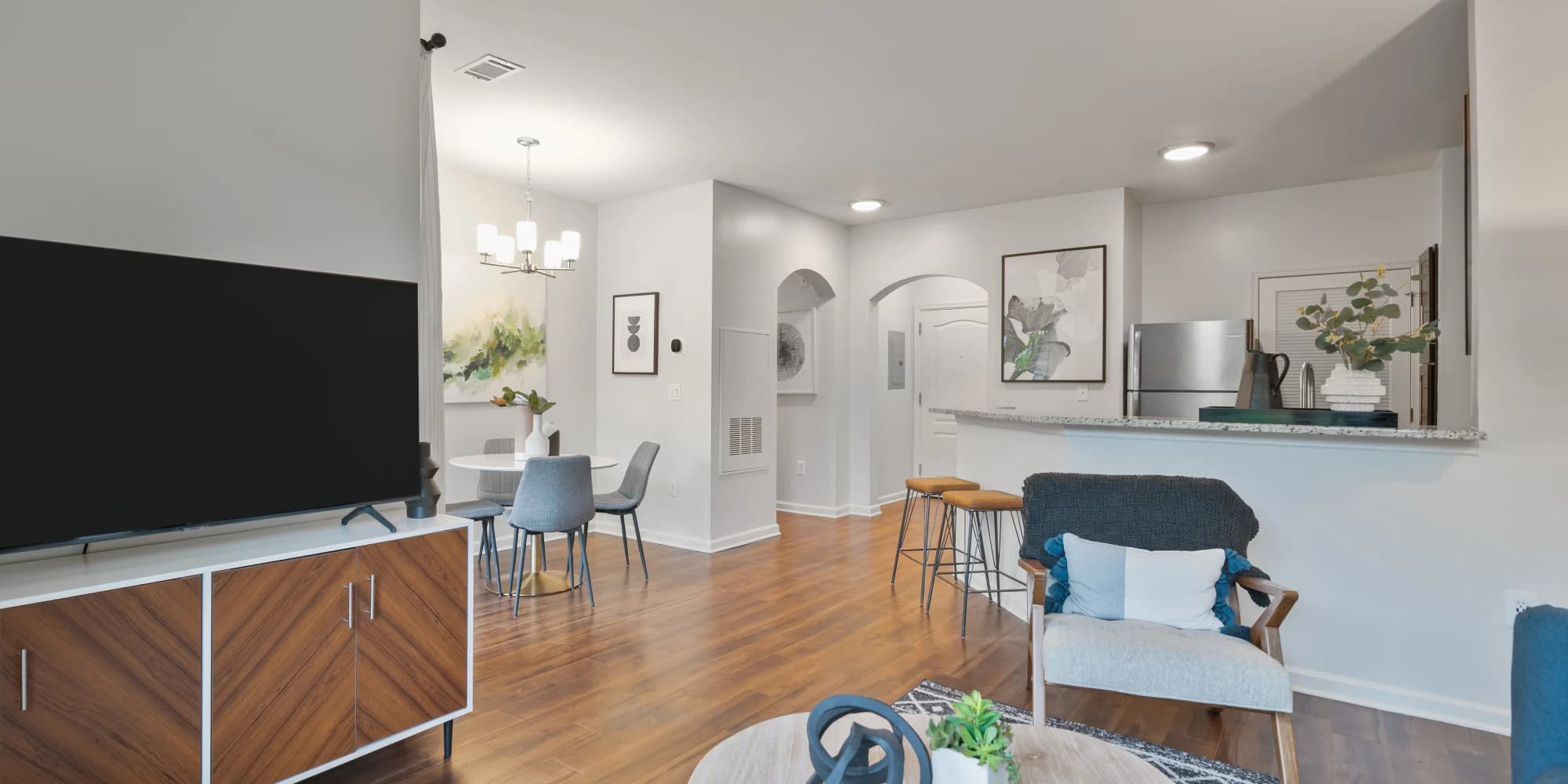


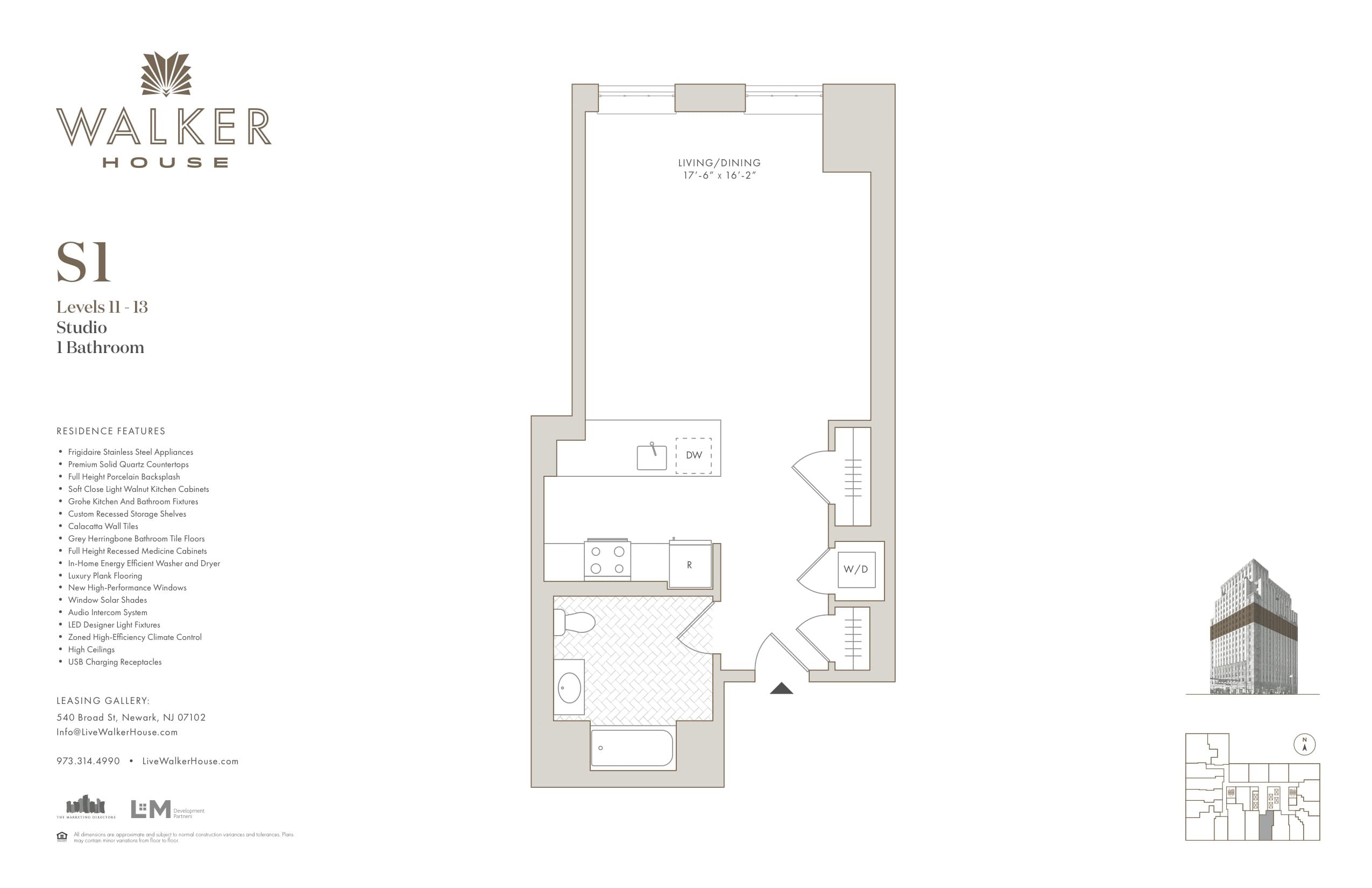
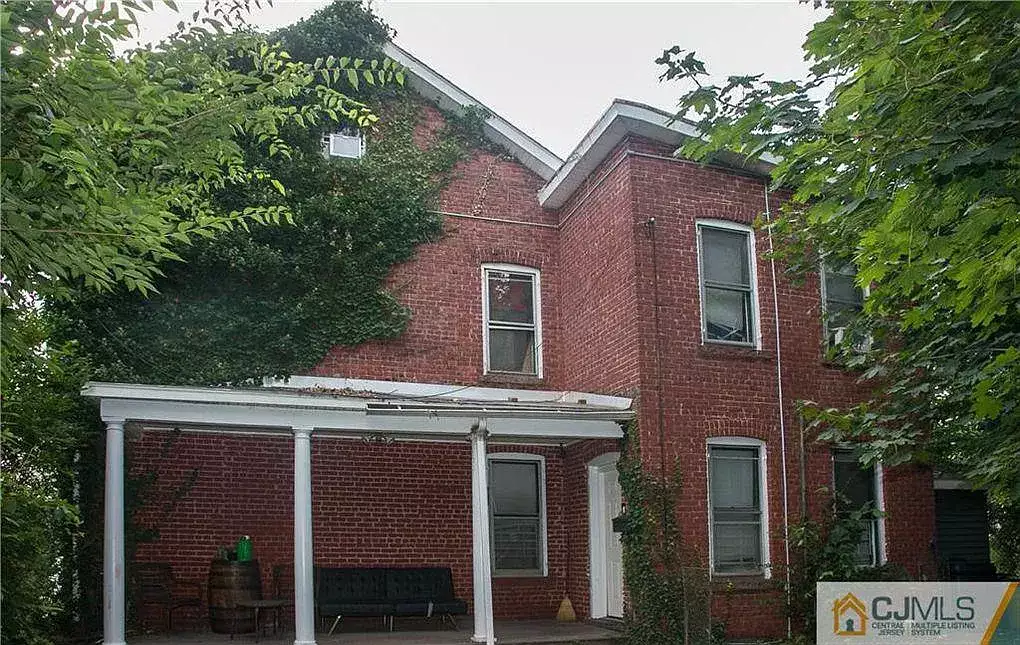
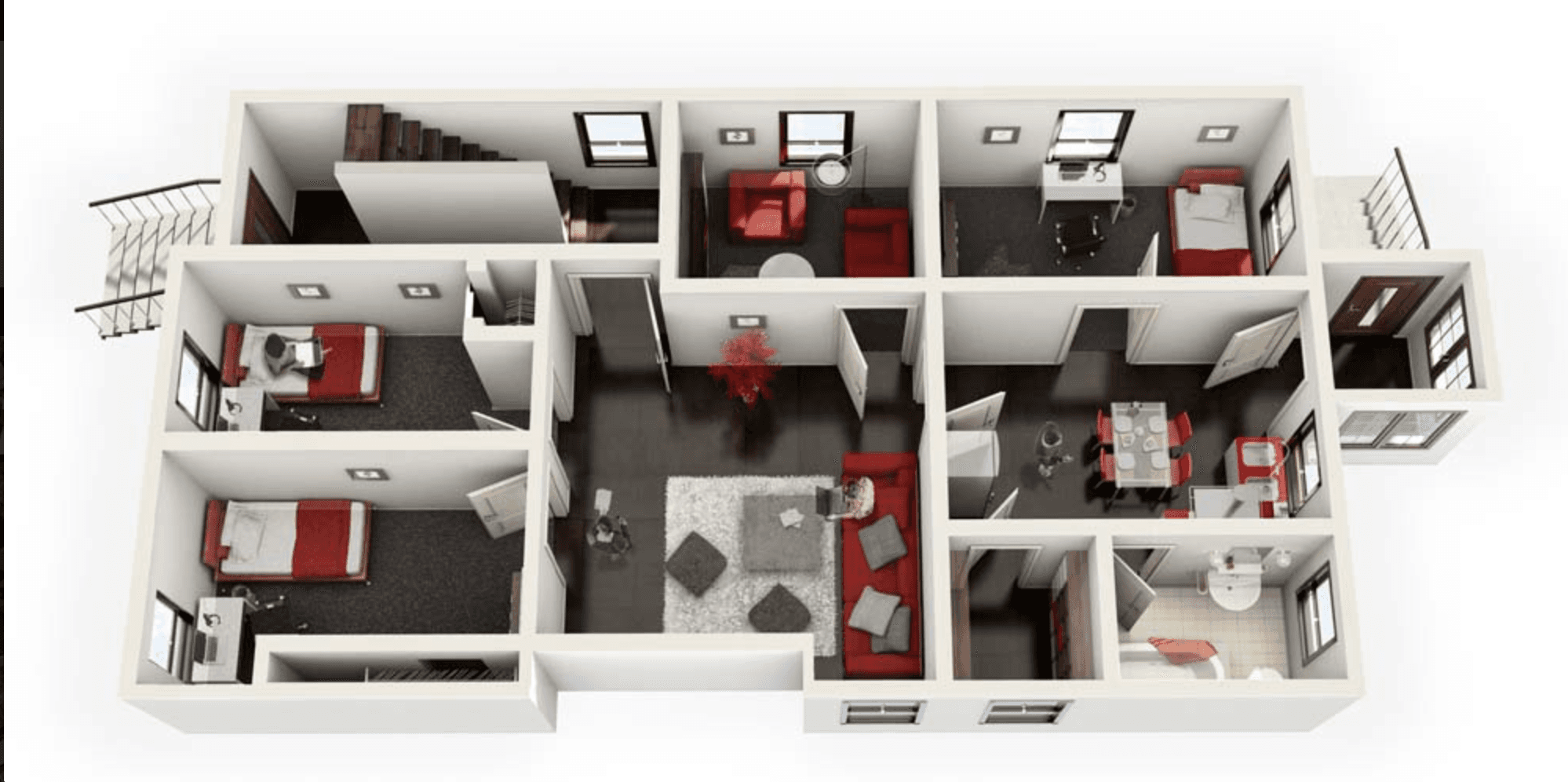
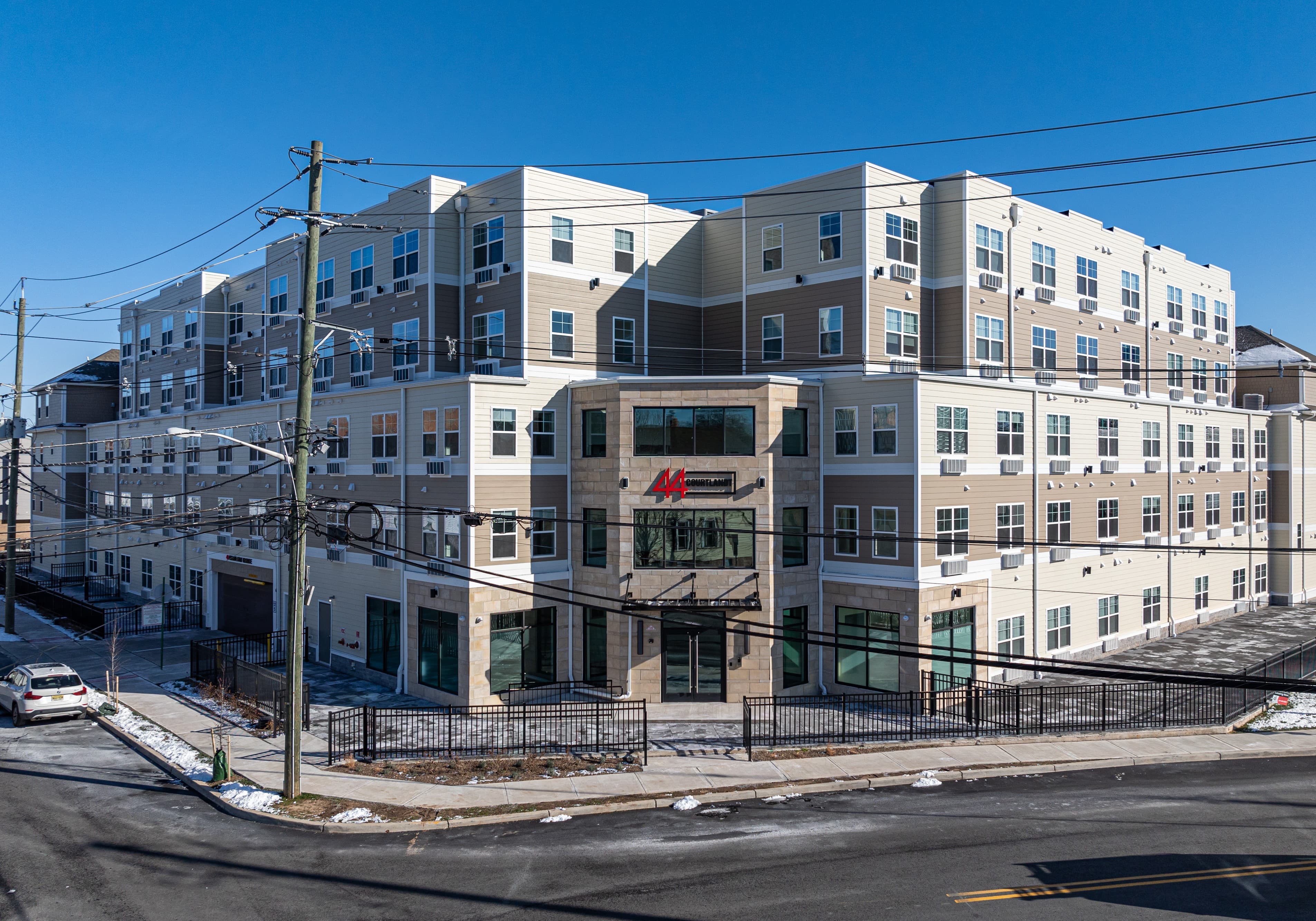
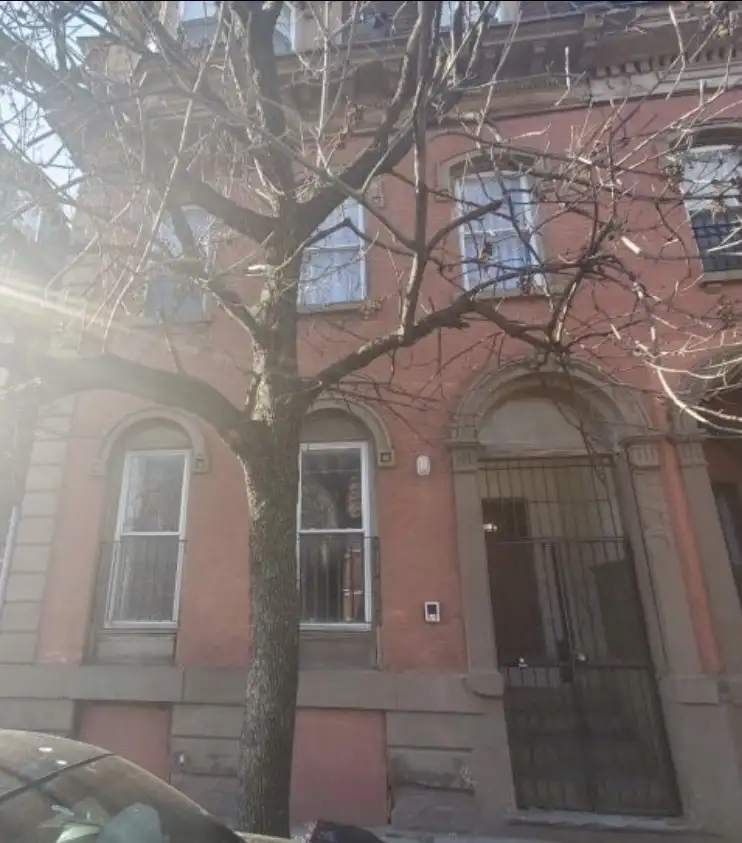
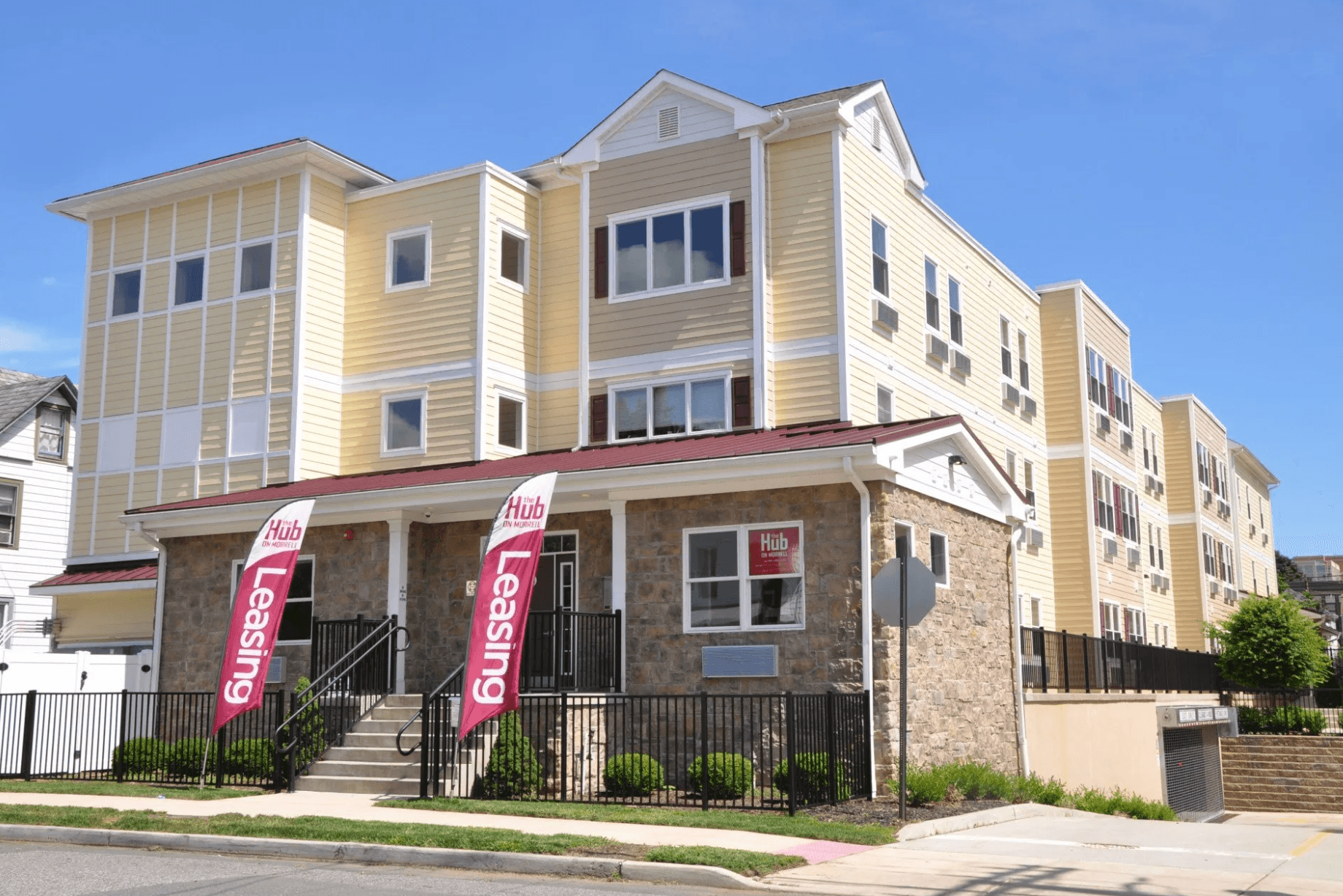
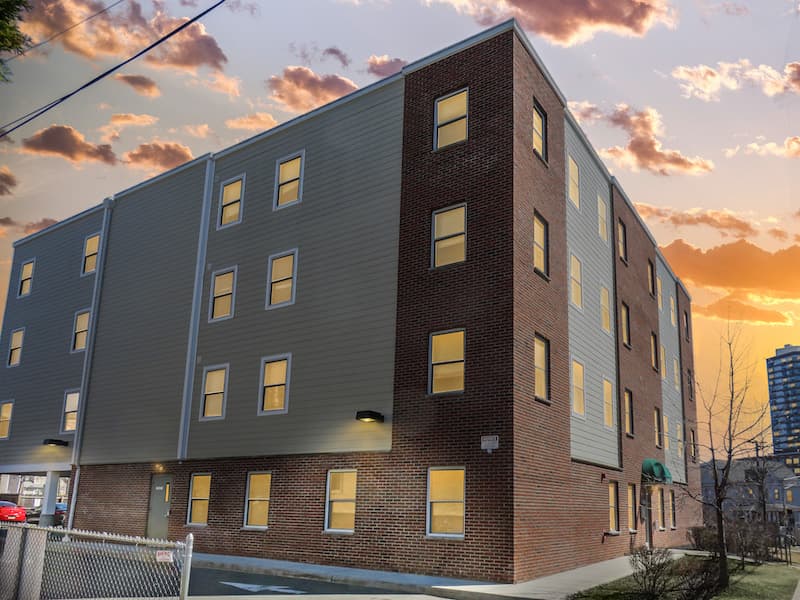
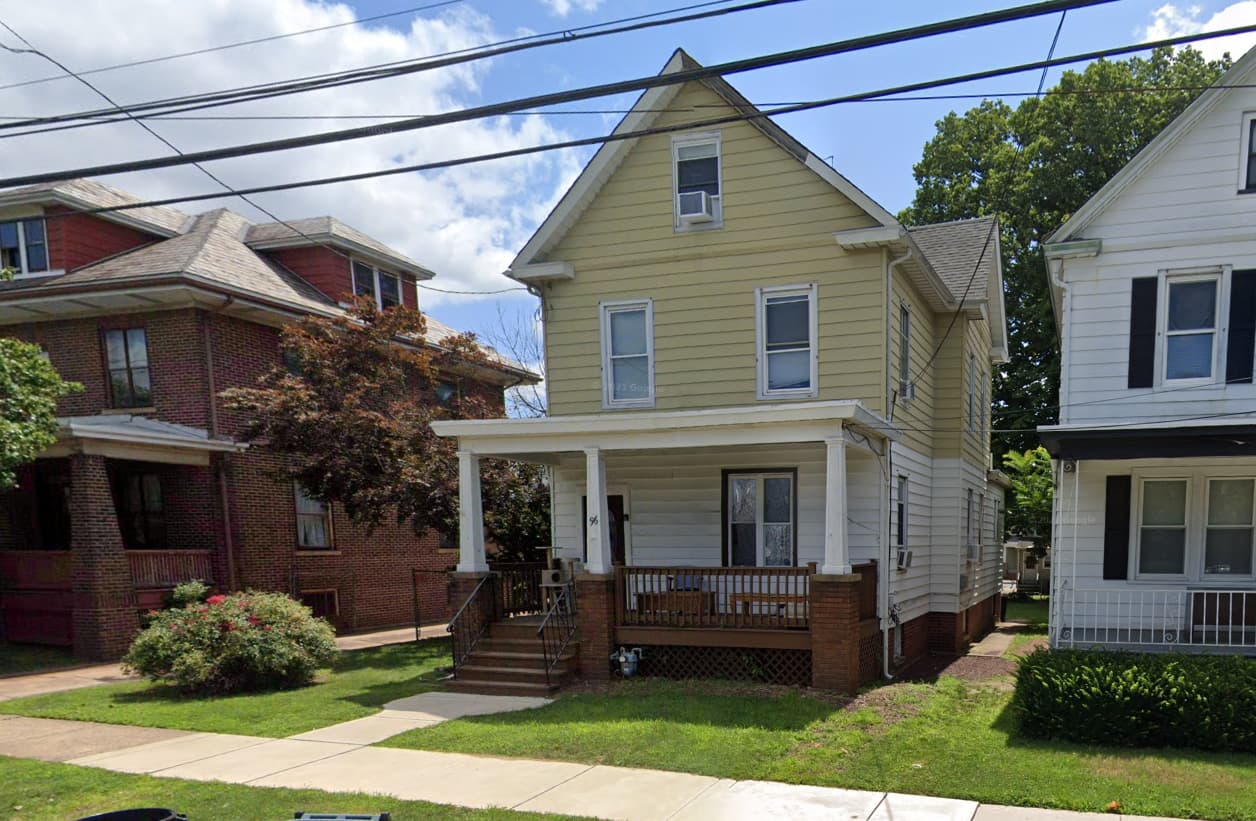


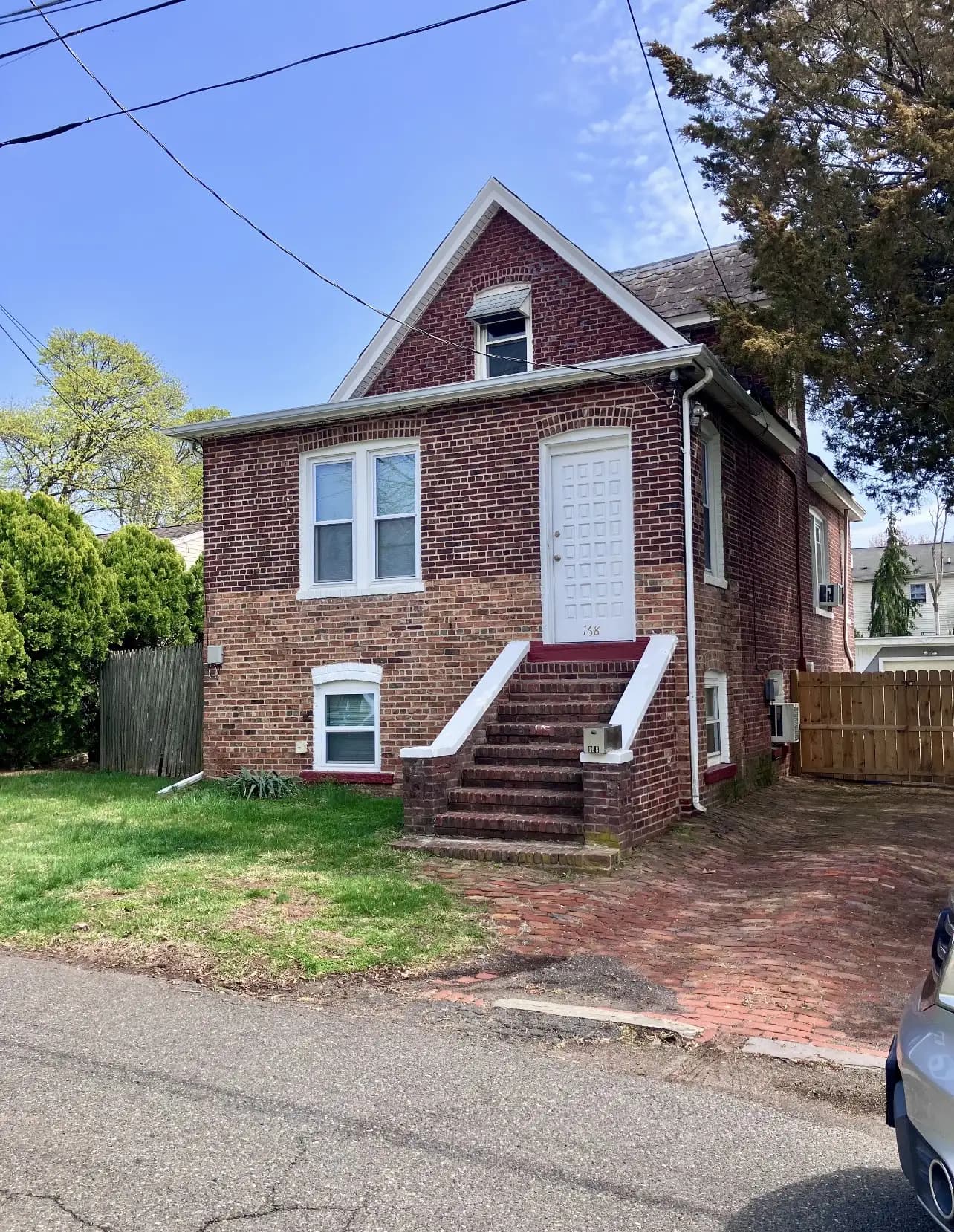
About Off-Campus Housing Near Rutgers University-Newark
Rutgers University-Newark plants about 13,231 students in the University Heights district of Newark, New Jersey's largest and most diverse city. The Scarlet Raiders share this academic corridor with NJIT and Essex County College, so the streets stay busy with students, cafes, and light rail stops. Newark runs on culture and transit: the New Jersey Performing Arts Center sits minutes away, and Branch Brook Park, the oldest county park in the country, holds the largest collection of cherry trees in the nation. The Newark Light Rail serves University Heights at the Warren Street, Washington Park, and Norfolk Street stations. With New York City a 20-minute train ride east, students here treat both Newark and Manhattan as their playground.
Rutgers University-Newark Housing Requirements
Freshman Live-On Requirement
Rutgers University-Newark is largely a commuter campus, so first-year students are not forced into the dorms, and many freshmen commute from around the region. Those who want on-campus housing typically start in Woodward Hall, the standard first-year residence.
Off-Campus Eligibility
Most students who go off campus do so after year one, renting in University Heights or the surrounding neighborhoods through private landlords. Many buildings near campus are apartments split among roommates rather than single-family houses.
Lease Timing
Expect proof of income or a guarantor, a security deposit (New Jersey caps it at 1.5 months of rent), and an application screening. Newark requires rental properties to be registered and inspected, with rules around occupancy and certificates, and leases usually run 12 months starting September 1, so confirm a unit is legally registered and read the lease for who covers heat and any building fees before signing.
Housing policies change frequently. Always verify current requirements directly with Rutgers University-Newark before signing a lease.
When to Start Looking for Housing Near Rutgers University-Newark
Early Searchers
Newark's rental market moves on a standard urban cycle, with most leases turning over for September move-ins that match the fall semester. Because campus housing is limited and a lot of students live off campus, demand in University Heights stays steady, so don't wait. Start your search in March or April if you want a spot within walking distance of class, since the closest apartments and larger roommate-friendly units get claimed by early summer.
Peak Demand Window
Leases usually run 12 months starting September 1, so the spring-into-summer stretch is when the close-in units turn over. Hold off too long and you are competing with NJIT and Essex County College students searching the same blocks. Tour promptly, keep your documents ready, and lean on campus boards and Newark rental groups to catch listings as they post. The best-located units go fast.
Last-Minute Options
Hold off until August and you will still find places, but you are choosing from what is left. For mid-year arrivals, look for sublets from students graduating in December or studying abroad. These spring and off-cycle openings surface on shorter notice, so watch campus boards and Newark rental groups closely if you are searching late.
Neighborhoods Near Rutgers University-Newark
University Heights
Right at campus, it is the most student-dense pick, with light rail stops, cafes, and rooms for rent built around walkability.
The Ironbound District
East of downtown, it is famous for its food, bakeries, and busy nightlife, with shared units that tend to run lower on price.
Downtown Newark
Puts you by Penn Station and the arts scene for an urban, transit-first lifestyle.
Frequently Asked Questions: Off-Campus Housing Near Rutgers University-Newark
Common questions from students searching for housing.
A room in a shared apartment or split unit near campus usually runs $800-$1,300/month per person. Shared units in the Ironbound tend to land lower, while newer or solo apartments in University Heights and downtown sit higher. Splitting a multi-bedroom is the standard move to keep it manageable.
No. Rutgers-Newark is largely a commuter campus, so freshmen aren't required to live in the dorms and many commute from around the region. Those who want housing usually start in Woodward Hall, the first-year residence.
Most cluster in University Heights right by campus, then spread into the Ironbound, North Ironbound, downtown, and Forest Hill. It comes down to whether you want to walk to class, be near the food and nightlife, or have a quieter residential block.
Transit is plenty. The Newark Light Rail serves University Heights, Penn Station connects you regionally, and New York is a 20-minute train ride. Parking in Newark is tight and pricey, so most students skip the car entirely.
Start in March or April for a September move-in. The closest apartments in University Heights go by early summer, and you're competing with NJIT and Essex County College students for the same blocks. Waiting until August leaves slim options near campus.
Most run 12 months starting September 1. Newark requires rental units to be registered and inspected, with occupancy rules and certificates, so confirm a place is legally registered before signing. Check who pays heat and hot water, and be wary of deals that look too cheap.
University Heights and North Ironbound are common student picks that tend to feel calmer, and the academic corridor stays busy with students. As in any city, walk the block at night, ask current tenants, and trust your read on a specific street before signing.
Plan on roughly $80-$170/month per person for electric, gas heat, water, and internet, depending on the season and roommate count. New Jersey winters push heating bills up, so ask whether heat and hot water are included before you sign the lease.
Yes. Most students split an apartment to share rent and utilities. Use campus boards and Newark rental groups to find roommates, and for mid-year needs watch for sublets from students graduating in December or studying abroad.
Very easy. From Newark Penn Station, a train gets you into Manhattan in about 20 minutes, and the Newark Light Rail handles getting around the city. That access is a big part of why students choose Newark in the first place.
More Housing Near Rutgers University-Newark
Search by Room Type
Search by Lifestyle
Other Universities in Newark
Other universities in Newark share a similar off-campus housing market.
New Jersey Institute of Technology
New Jersey Institute of Technology is the state's public polytechnic university, with about 11,700 students on a campus in the University Heights district of Newark. NJIT is built around engineering, computing, architecture, applied sciences and management, and it consistently ranks highly for graduate earnings and…
View housing near New Jersey Institute of TechnologySee how students rate the places near Rutgers Newark on social life, management, and quality before you tour.
Read student housing reviews near Rutgers Newark →