Student Housing in Spokane, WA
Student Housing in Spokane, WA
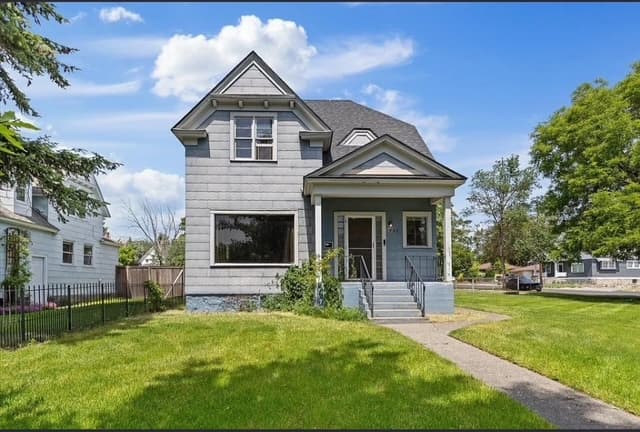
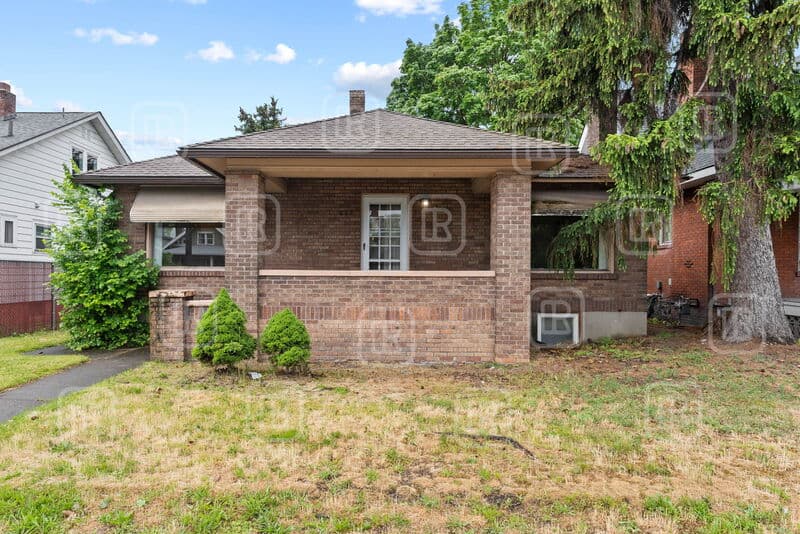
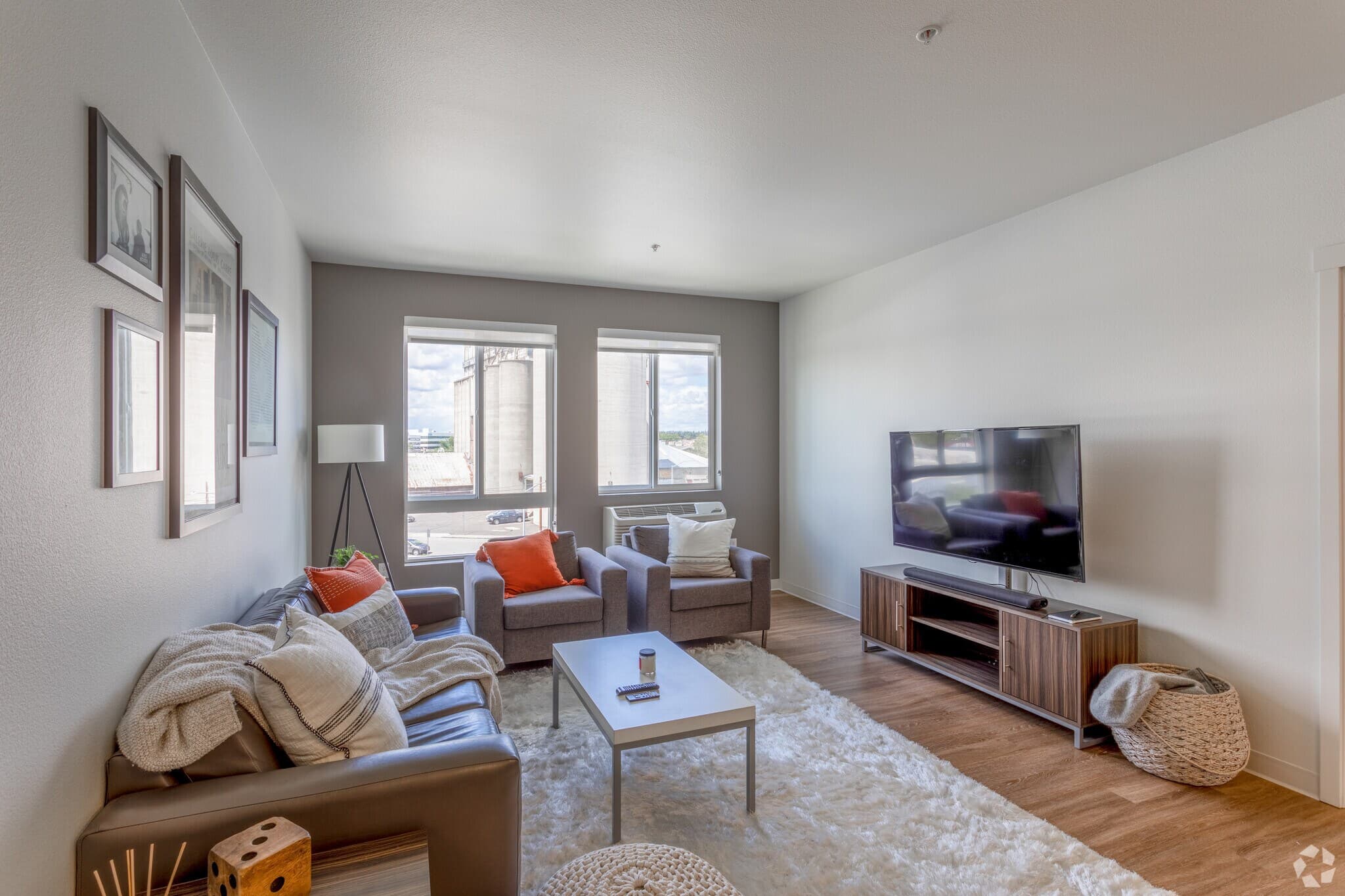
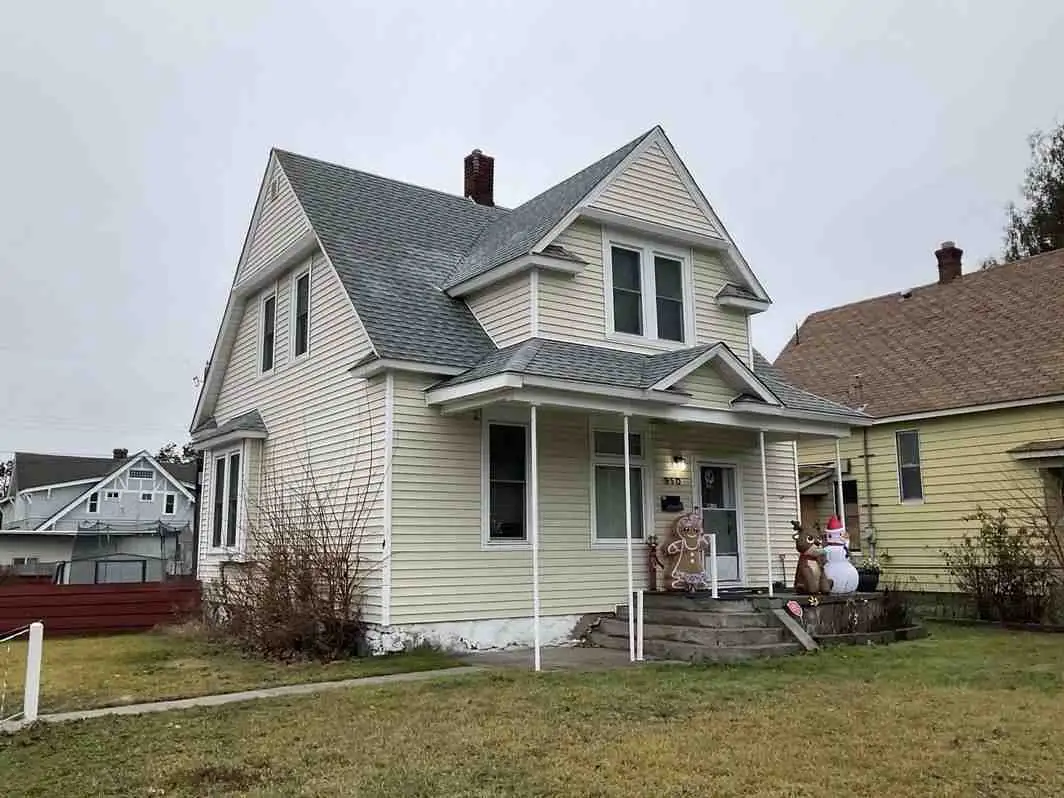
$1,247+/unit
Fees may applyIronside Apartments - Up to Two Months Free!
About Student Housing in Spokane
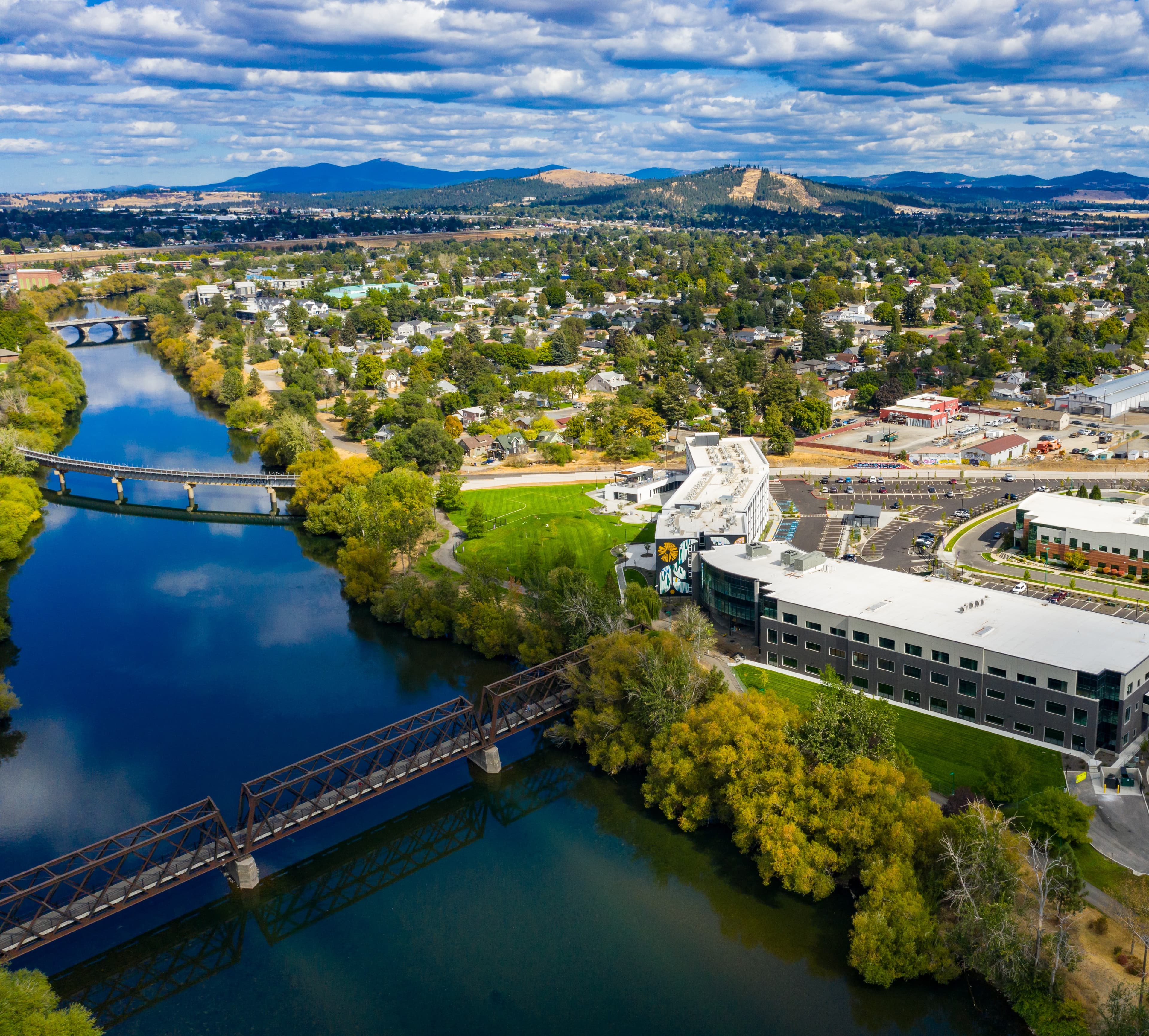
Spokane is the largest city in eastern Washington and the second-largest in the state, with a metropolitan population approaching 600,000. The city sits along the Spokane River near the Idaho border and serves as the regional hub for healthcare, education, retail, and culture across an area often called the Inland Northwest. Gonzaga University anchors the northeastern quadrant of the city along the riverbank, and Washington State University's Spokane health sciences campus adds to the city's substantial student population. Downtown Spokane features Riverfront Park, a legacy of the 1974 World's Fair, along with a growing food and bar scene, the Fox Theater, and an emerging technology and startup community. The South Hill neighborhood, Browne's Addition, and Kendall Yards are among the most vibrant residential and commercial districts. Spokane offers students a full urban experience at a cost of living dramatically lower than Seattle, Portland, or the Puget Sound region, making it attractive to students who want a real city without the West Coast price premium. Outdoor recreation is a major draw, with the Centennial Trail, Riverside State Park, and easy access to ski resorts all within a short drive.
Best Neighborhoods for Students in Spokane
Gonzaga Neighborhood
The residential streets immediately surrounding the university are the most walkable option for students and feature dense concentrations of rental houses and small apartment buildings. This area has the highest demand and leases fill up early each spring.
Browne's Addition
One of Spokane's most historic and architecturally rich neighborhoods, Browne's Addition sits just west of downtown and features beautiful older homes, independent restaurants, and a strong community character. It is a short drive or bike ride from Gonzaga and appeals to students who want an urban neighborhood feel.
South Hill
A large and diverse residential district south of downtown, South Hill contains a wide variety of apartment complexes and houses at various price points. It requires a car or bus commute to campus but offers some of the best value for newer apartments and access to a range of services along the 29th Avenue corridor.
Kendall Yards
A newer mixed-use development along the north bank of the Spokane River just west of downtown, Kendall Yards is growing in popularity with young professionals and students who want modern apartments and walkable access to restaurants, a wine bar, and the Centennial Trail.
Getting Around Spokane as a Student
Here's what you need to know about getting around Spokane.
Public Transit
Spokane Transit Authority, known as STA, operates an extensive bus network covering most neighborhoods where students are likely to live, including the South Hill, Browne's Addition, and downtown areas. The STA Plaza downtown serves as the central hub, and many routes provide service every 15 to 30 minutes during peak hours. Gonzaga students can access STA routes near campus and use the system to reach downtown, grocery stores, and employment without a car. The STA also operates a free downtown streetcar circulator and provides paratransit services for eligible riders.
Walking and Biking
The Spokane River Centennial Trail is a paved multi-use path stretching more than 37 miles that passes directly through the Gonzaga campus area, making it one of the best biking and running corridors of any college town in the Pacific Northwest. The streets immediately around campus and in Browne's Addition are walkable, though the hilly terrain of South Hill and other areas can make cycling more challenging. The city has invested in expanding its bike lane network in recent years. Students who live within the Gonzaga neighborhood or near the river trail can accomplish a great deal by foot or bike during the warmer months.
Parking
Parking in Spokane is generally available and affordable compared to larger West Coast cities. Most residential neighborhoods have ample street parking, and monthly garage parking downtown is significantly cheaper than in Seattle. Students living off campus typically have access to free or low-cost parking at their residences, though campus parking permits are required for daytime parking in university lots. Students commuting from South Hill or other neighborhoods to campus by car will find the drive manageable outside of peak morning hours.
Frequently Asked Questions: Student Housing in Spokane
Common questions from students searching for housing.
Rentals near Gonzaga University typically range from $600 to $1,000 per bedroom per month depending on the neighborhood and unit type. The broader Spokane market offers more variety, with South Hill apartments sometimes offering lower per-bedroom rates for students willing to commute. Spokane is significantly more affordable than Seattle or Portland.
Spokane is widely regarded as an excellent city for college students who want a full urban experience without West Coast prices. The city has a lively food and bar scene, extensive outdoor recreation, a growing tech and healthcare economy for internships and jobs, and a strong sense of regional identity that makes it feel like a genuine community rather than just a college town.
The Spokane Transit Authority provides reliable bus service across the city, with frequent routes connecting major residential neighborhoods to downtown and to the university area. Biking on the Centennial Trail and city bike lanes is practical in the warmer months. Students living close to campus can manage many daily needs on foot.
The Gonzaga neighborhood surrounding the campus is the top choice for walkability and proximity to classes. Browne's Addition offers historic character and easy access to downtown. South Hill is popular for newer apartments at reasonable prices, and Kendall Yards appeals to students seeking modern living with river views and trail access.
Spokane is an outstanding base for outdoor recreation. The Spokane River Centennial Trail provides 37-plus miles of paved trail for running and cycling. Mt. Spokane and 49 Degrees North ski resorts are within an hour's drive. Riverside State Park offers hiking and mountain biking close to the city. Lake Coeur d'Alene in Idaho is about 30 minutes east.
Spokane is a mid-sized city with the typical variation in safety by neighborhood. The Gonzaga area, Browne's Addition, and South Hill are generally safe for students, and the university invests in campus safety and community policing. Students should be aware of their surroundings particularly near downtown late at night and use campus safety resources when needed.
Yes, Spokane has a growing economy anchored by a large healthcare sector including Providence Health and MultiCare, Washington State University's health sciences campus, manufacturing, and an emerging technology community. Students in health sciences, business, and engineering will find meaningful internship and part-time employment opportunities in the region.
Spokane has a semi-arid four-season climate with warm dry summers, cold winters with regular snowfall, and distinct spring and fall seasons. Summer highs typically reach the upper 80s and occasionally the 90s. Winters bring cold temperatures and consistent snow, which students from milder climates should prepare for. The city receives far less rainfall than western Washington.
Spokane is approximately 280 miles east of Seattle, a drive of about 4.5 hours over Snoqualmie Pass on Interstate 90. Direct flights between the two cities are available and take about an hour. Spokane also has Amtrak service connecting to Seattle and other Pacific Northwest destinations.
Furnished apartments are available in Spokane but represent a minority of the total rental market. Some newer apartment complexes and short-term rental operators near downtown offer furnished options. Students who prefer unfurnished units will have a much larger selection throughout the city and in the neighborhoods near Gonzaga.
Find Housing by University in Spokane
Browse student housing near each Spokane-area university.
Search Spokane Student Housing by…
Lifestyle
See how students rate apartments in Spokane, WA on social life, management, and quality before you tour.
Read student apartment reviews in Spokane, WA →