Student Housing in St. Petersburg, FL
Student Housing in St. Petersburg, FL

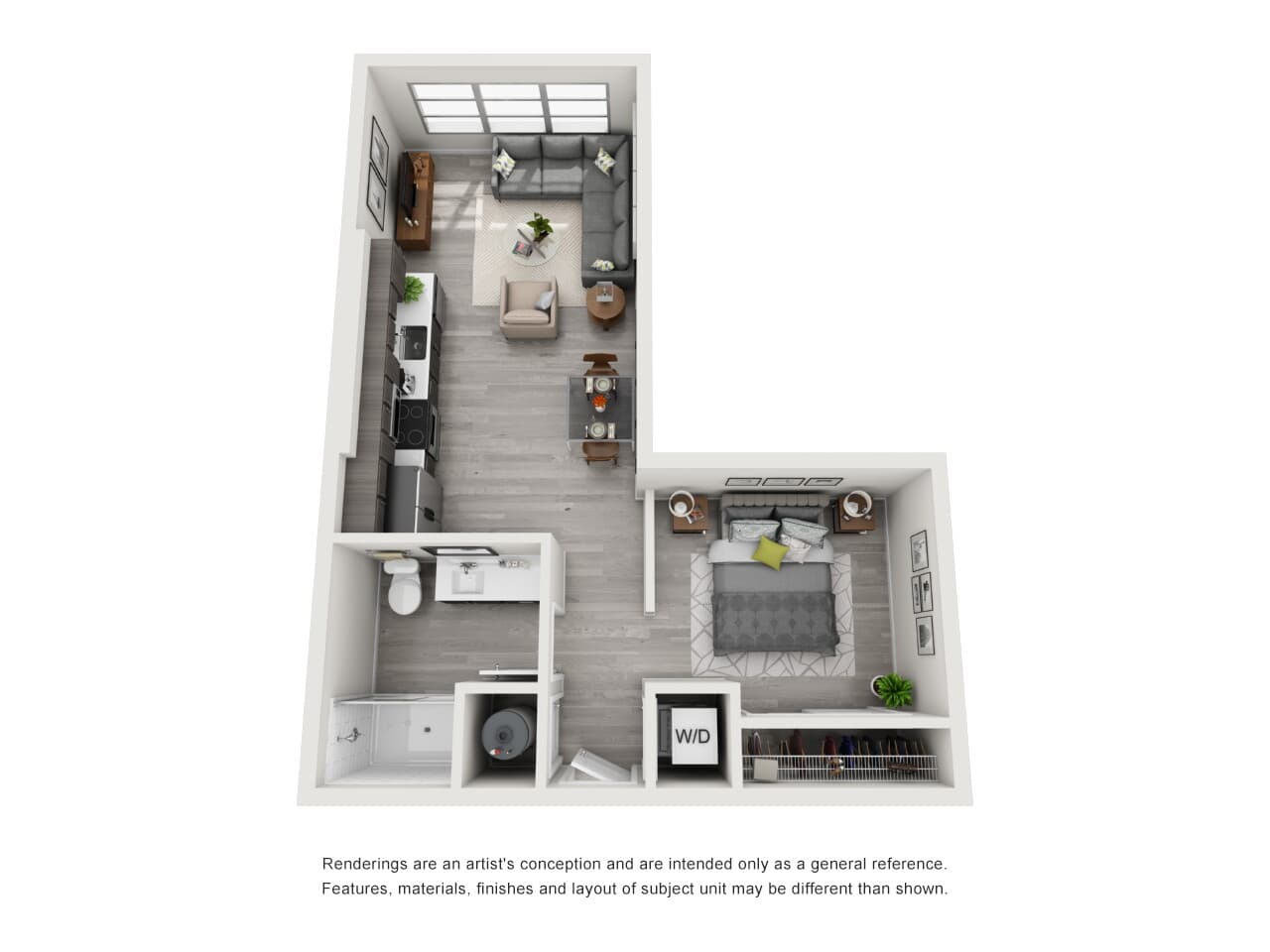
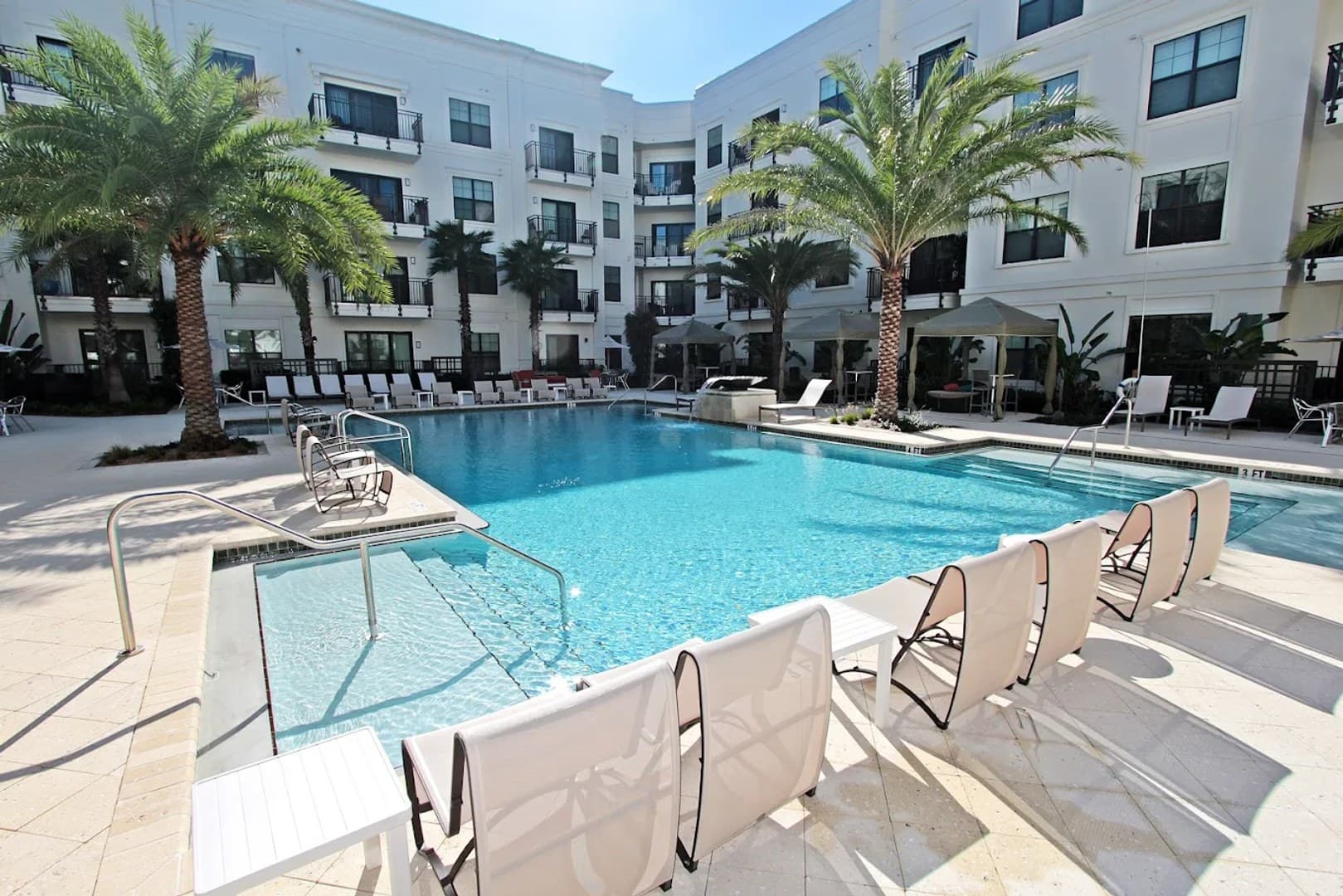
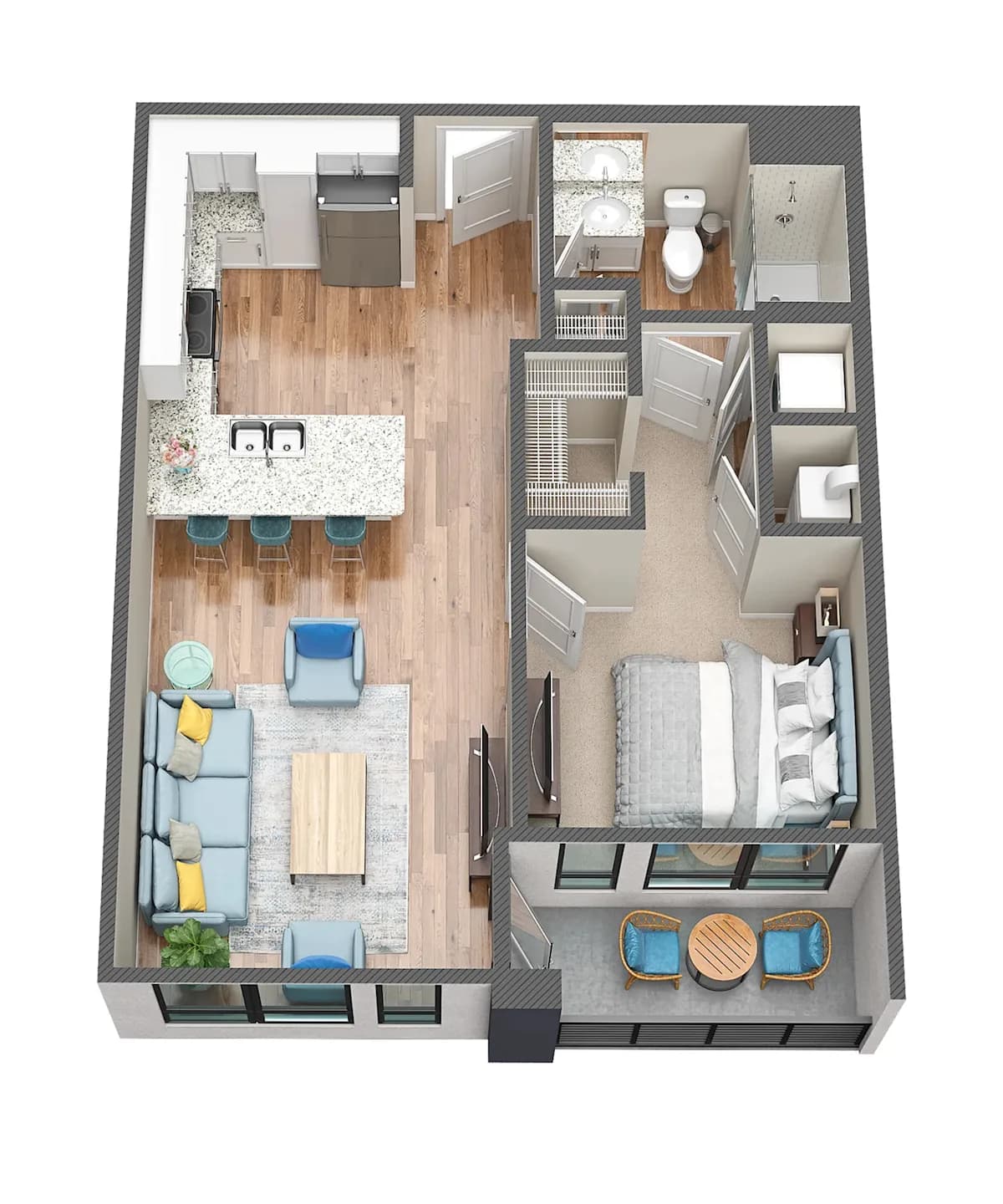
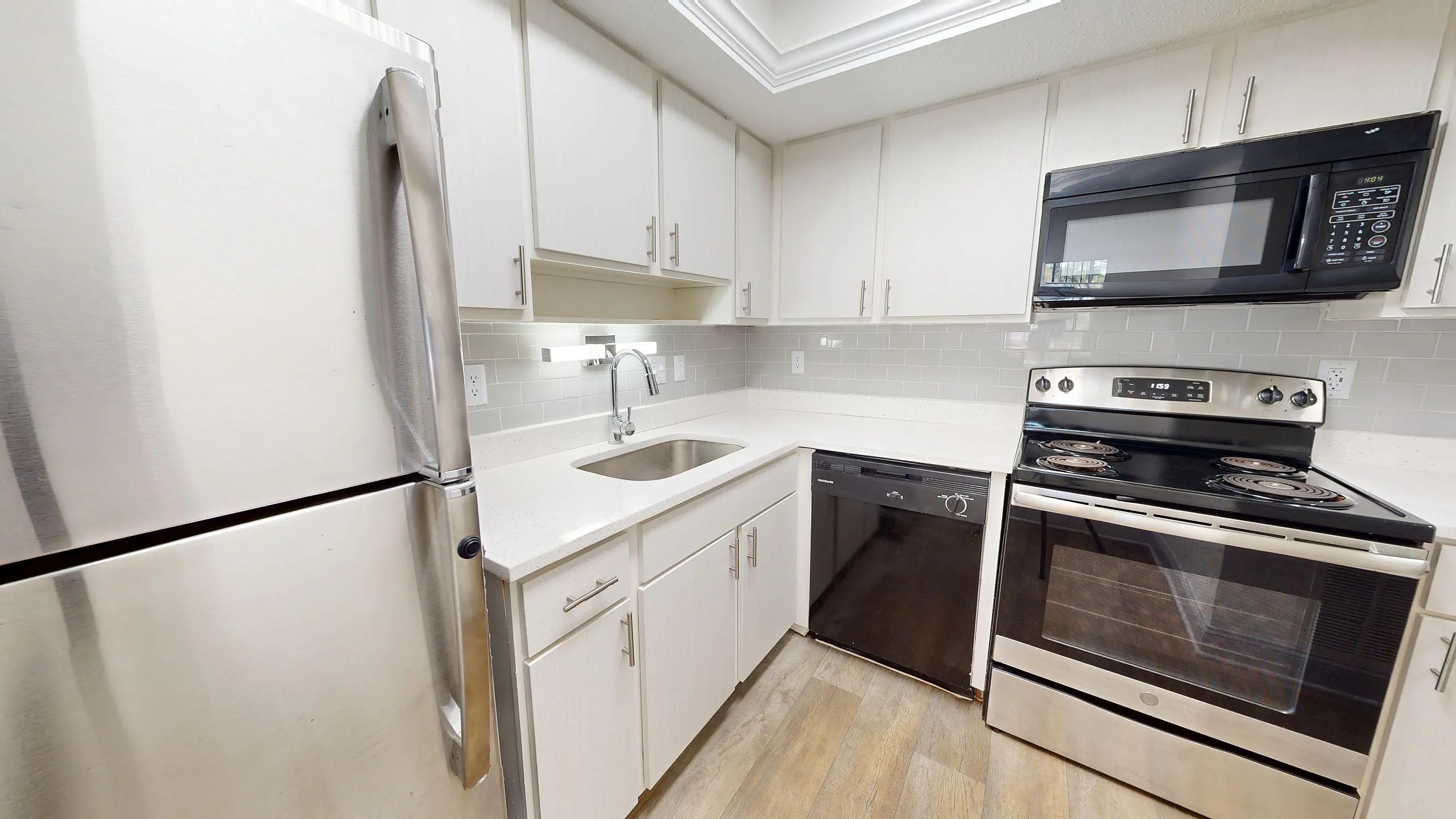

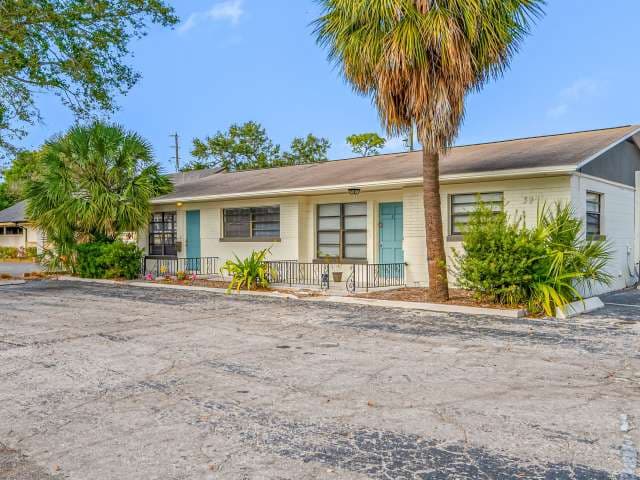
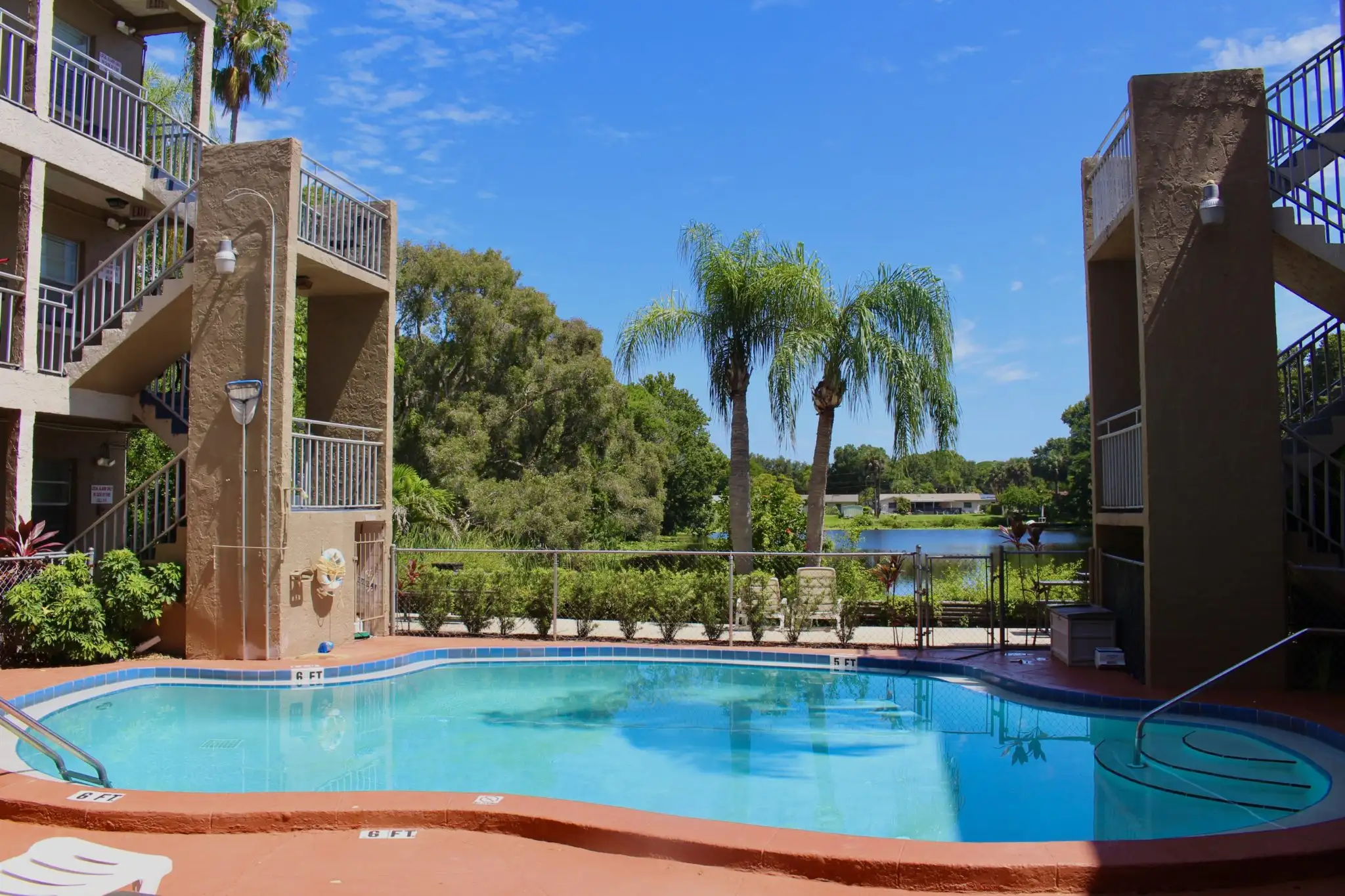
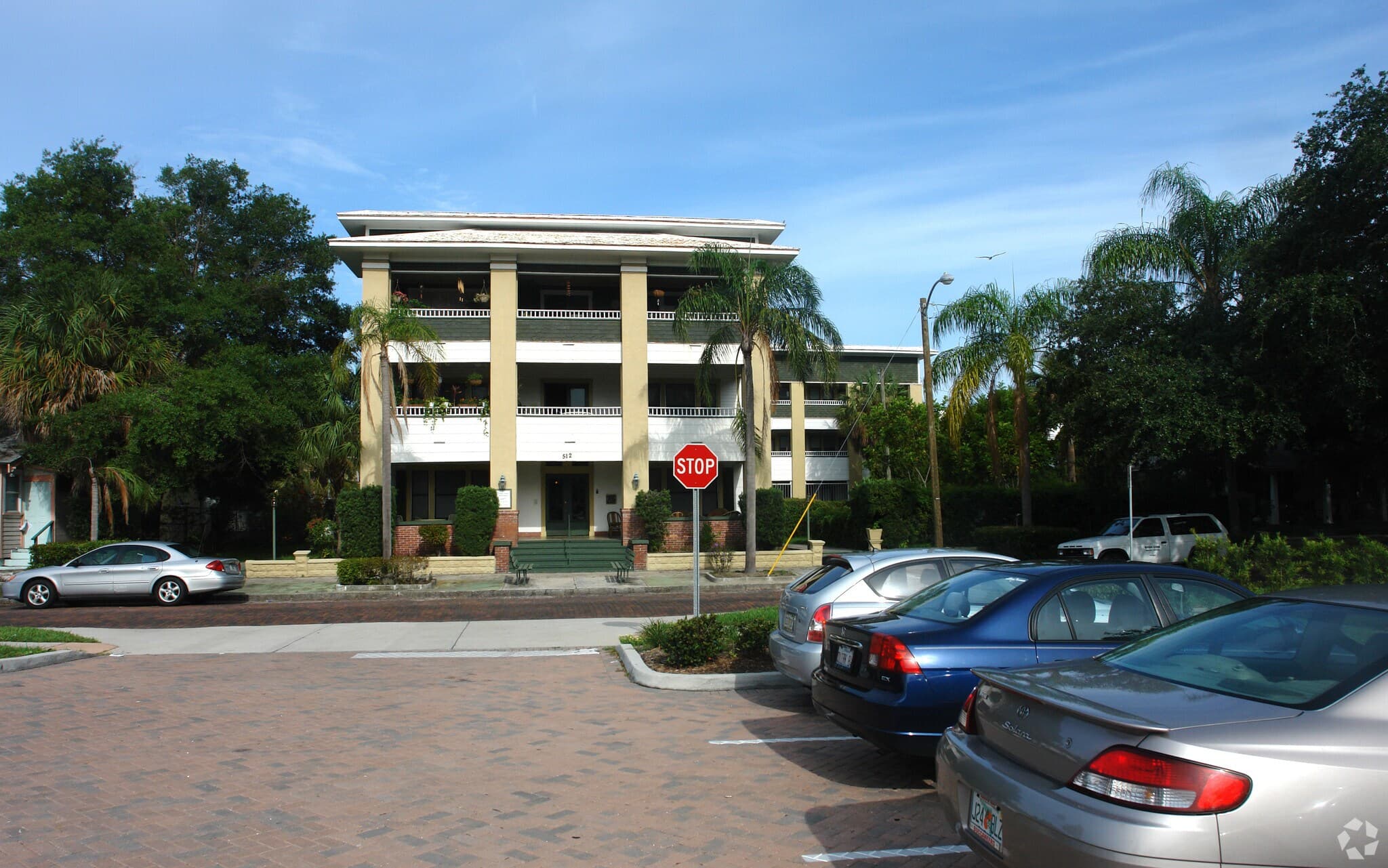
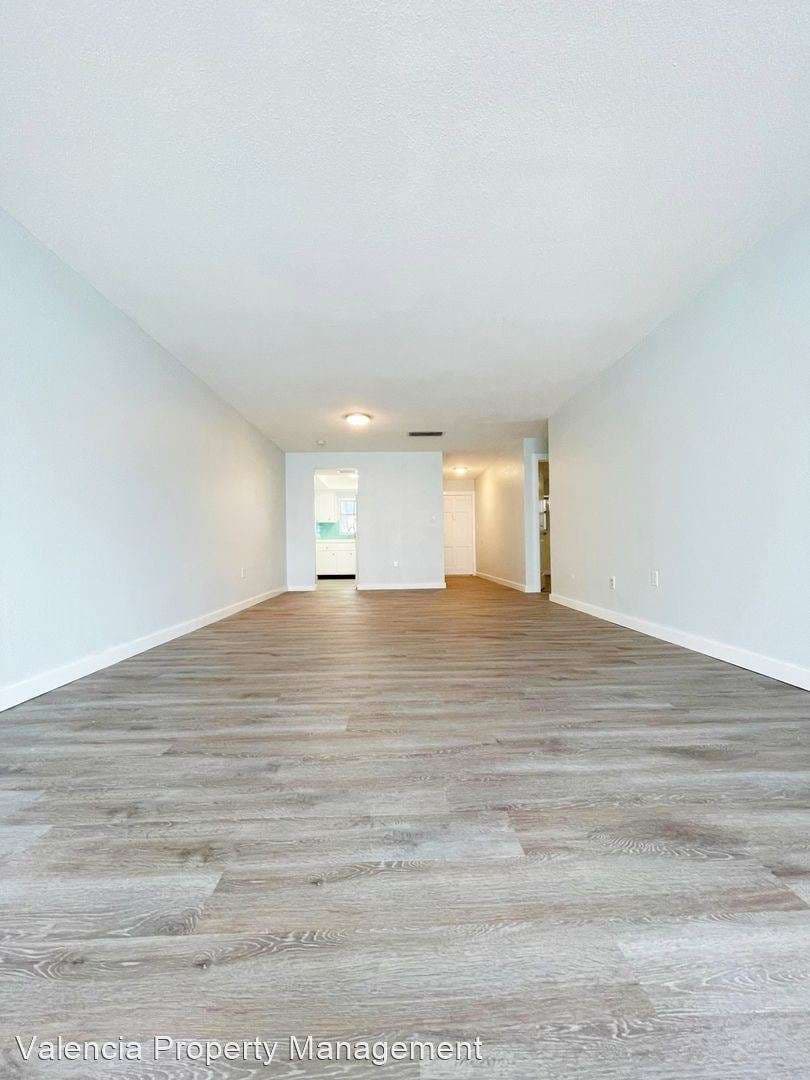
About Student Housing in St. Petersburg
St. Petersburg is a vibrant coastal city on the Pinellas Peninsula in Tampa Bay, Florida, with a population of approximately 265,000. The city is home to several colleges and universities including St. Petersburg College across multiple campuses, Eckerd College, and the University of South Florida St. Petersburg. Known for its warm climate, walkable downtown waterfront, and a thriving arts scene anchored by the Salvador Dali Museum, St. Petersburg has grown into one of Florida's most desirable mid-sized cities. The rental market is active and competitive, driven by a combination of student demand, young professionals, and relocating residents drawn to the area's quality of life.
Best Neighborhoods for Students in St. Petersburg
Downtown and the Edge District
Among the most popular areas, with walkability, nightlife, dining, and waterfront proximity, though the highest rents in the city.
Kenwood and Grand Central
Artsy, established neighborhoods with bungalow-style homes and growing cafe and restaurant scenes at more moderate prices.
Midtown
Affordable rents with central access to multiple SPC campuses and city transit corridors.
Euclid-St. Paul and Crescent Lake
A quieter, residential atmosphere within a short drive of downtown.
Seminole and Pinellas Park
Farther north, with lower rents, convenient for SPC's northern and health education campuses.
Getting Around St. Petersburg as a Student
Here's what you need to know about getting around St. Petersburg.
Public Transit
The Pinellas Suncoast Transit Authority (PSTA) operates the primary bus network serving St. Petersburg and the broader Pinellas County area. The SunRunner is a rapid bus transit line connecting downtown St. Petersburg to St. Pete Beach along Central Avenue, offering frequent service and a convenient spine for east-west travel. Bus coverage is reasonable in the core city but becomes sparser in suburban and northern Pinellas communities, so route-checking is important before choosing where to live.
Walking and Biking
St. Petersburg's flat terrain and warm weather make it one of Florida's most bikeable cities. The Pinellas Trail is a paved multi-use path running over 75 miles through the county, connecting many neighborhoods and campuses. Downtown and adjacent neighborhoods are highly walkable, with restaurants, shops, and transit stops within easy reach on foot.
Parking
Parking is widely available throughout most of St. Petersburg, including free street parking in many residential neighborhoods. Downtown and the Central Avenue corridor have metered street parking and several parking garages, with costs that are modest by urban standards. Students who live close to campus or transit lines often find they can manage without a car for daily errands, though having a vehicle expands access to the broader Pinellas County area considerably.
Frequently Asked Questions: Student Housing in St. Petersburg
Common questions from students searching for housing.
St. Petersburg's rental market is active and moderately competitive, driven by student demand, young professionals, and a steady flow of new residents. Rents vary widely by neighborhood, with downtown commanding premium prices and inner suburban areas offering more affordable options. The market tends to tighten between March and June, so searching early is advisable.
Downtown St. Petersburg and several adjacent neighborhoods are quite walkable and very bikeable thanks to flat terrain and the extensive Pinellas Trail multi-use path. Outer neighborhoods and suburban areas of Pinellas County are more car-dependent. The SunRunner BRT provides a useful east-west transit spine along Central Avenue.
St. Petersburg is home to St. Petersburg College with multiple campuses across the city and Pinellas County, Eckerd College on the city's southern waterfront, and the University of South Florida St. Petersburg campus downtown. Together these institutions contribute a significant student population to the local housing market.
Midtown, Kenwood, Pinellas Park, and Largo tend to offer the most affordable rents relative to other parts of the city and county. These areas provide reasonable access to SPC campuses and the city transit network. Students willing to commute slightly further can find good value in Largo or Seminole.
PSTA operates a bus network covering St. Petersburg and much of Pinellas County, and the SunRunner BRT offers faster service along the Central Avenue corridor. Coverage is best in the urban core and thins out in suburban areas. Most students find a car helpful for full county access, though transit is viable for common campus-to-downtown trips.
Search St. Petersburg Student Housing by…
Room Type
Lifestyle
See how students rate apartments in St. Petersburg, FL on social life, management, and quality before you tour.
Read student apartment reviews in St. Petersburg, FL →