Off-Campus Housing Near UofL
Off-Campus Housing Near UofL



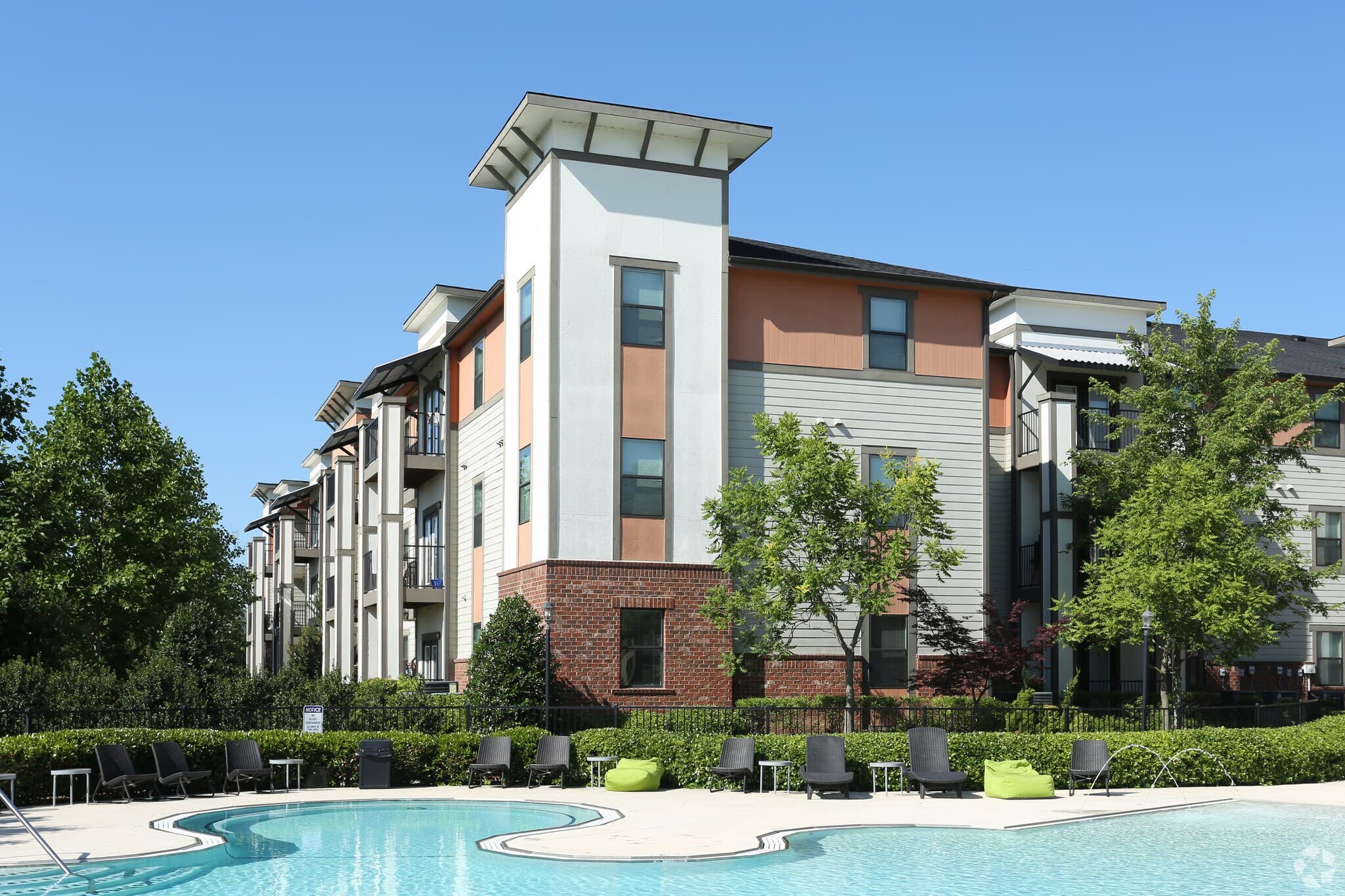
About Off-Campus Housing Near University of Louisville
The University of Louisville brings about 22,200 Cardinals to its Belknap Campus, a 274-acre stretch south of downtown Louisville, home to a famous cast of Rodin's The Thinker. Just north sits Old Louisville, one of the country's largest historic preservation districts, where Victorian mansions line walkable, tree-shaded streets and students fill century-old homes. Game days roar at Cardinal Stadium, and basketball is a civic religion here. The Highlands runs along Bardstown Road as the go-to corridor for music, shops, and nightlife, while Cherokee Park's scenic loop and the riverfront Waterfront Park give green space across town. Louisville lives for the Kentucky Derby every May, when the whole city turns out. Students walk Belknap and ride city buses.
University of Louisville Housing Requirements
Freshman Live-On Requirement
Louisville runs a genuine live-on requirement, so all first-year students must live on campus their first year. Second-years are required to live on campus or in a UofL-affiliated property.
Off-Campus Eligibility
A handful of nearby private complexes hold contracts with the school and count toward the requirement, giving sophomores an off-campus-style option that still satisfies the rule. By junior year you are free to rent anywhere, and most students spread into Old Louisville. The rental process is standard, with applications, a security deposit, and often a guarantor if you lack income or credit history.
Lease Timing
Leases typically run 12 months, and because many places target the student cycle, expect terms tied to the late-summer turnover even if you only need the school year. Old Louisville is full of subdivided historic houses, so confirm the legal occupancy and who covers utilities before signing. Watch for quirks like odd room layouts, older heating, and street-only parking.
Housing policies change frequently. Always verify current requirements directly with University of Louisville before signing a lease.
When to Start Looking for Housing Near University of Louisville
Early Searchers
Louisville's student rental cycle leans on the late-summer move-in but starts well before it. Returning students begin locking in Old Louisville houses and nearby apartments through the winter and spring, so the closest walk-to-campus spots get claimed months ahead. If you want a prime place, tour in spring for a summer or August move-in. Most students at UofL who need a close-in spot start touring early in the year.
Peak Demand Window
The closest walk-to-campus spots get claimed through the winter and spring. Affiliated properties that count toward the sophomore requirement fill especially early, so sort that out as soon as you know you need it. Most leases start in late summer to line up with fall classes. Typically the best-located and best-maintained units go first.
Last-Minute Options
Late searchers still find options into summer, since Old Louisville's many subdivided houses turn over steadily. The trade-off is that the best-located and best-maintained units go first. For spring starts or short stays, look at sublets that surface through campus housing boards and local groups. These show up especially when students leave for co-ops, study abroad, or summer trips home.
Neighborhoods Near University of Louisville
Old Louisville
Directly north of Belknap Campus, the classic student choice, a walkable historic district of Victorian homes carved into student rentals.
The Highlands
Runs along Bardstown Road with the city's best nightlife, music, and shops, livelier and a short drive or bus ride out.
Clifton
Offers tree-lined streets and a quieter, often easier-on-the-wallet feel a bit farther north.
Frequently Asked Questions: Off-Campus Housing Near University of Louisville
Common questions from students searching for housing.
A shared room or per-person rate in an Old Louisville house near campus usually runs about $500-$850/month. Splitting a subdivided historic house lands at the lower end, while newer apartments and Highlands units sit higher. Studios and one-bedrooms run more, often $800-$1,200/month. Budget another $50-$150/month for utilities, more in older houses with dated heating.
Yes. All first-year students are required to live on campus their first year. Second-years must live on campus or in a UofL-affiliated property, and only by junior year are you free to rent anywhere you like.
Old Louisville, directly north of Belknap Campus, is the classic student neighborhood. Upperclassmen also spread into the Highlands along Bardstown Road and quieter areas like Clifton, while a few affiliated complexes near campus house sophomores.
You can manage without one if you live in Old Louisville, since it's walkable to campus and city buses cover the area. A car helps for reaching the Highlands, Cherokee Park, and grocery runs, so many upperclassmen keep one, but it's not strictly required.
Start in winter or early spring for the next year. Returning students claim the best Old Louisville houses early, and affiliated properties for sophomores fill fast. You'll still find places into summer, but the closest and best-kept units go first.
Most run 12 months tied to the late-summer cycle, so you may pay through summer. Old Louisville's subdivided historic houses can have odd layouts, older heating, and street-only parking, so confirm legal occupancy and utility coverage, and read the subletting clause before signing.
Old Louisville is heavily student-populated and walkable, though like any older urban district it varies block to block. The Highlands and Clifton are generally calm and residential. Tour any place after dark, check lighting, locks, and entry security, and trust your read of the street.
It depends. Some apartments bundle water and trash, while older Old Louisville houses bill everything separately, and dated heating can run up winter costs. Always ask exactly what's covered and budget roughly $50-$150/month for the extras.
Yes. Shared houses and roommate matching are common in Old Louisville, and sublets surface through campus housing boards and local groups, especially when students leave for co-ops, study abroad, or summer. Summer sublets are the easiest to land.
The Kentucky Derby in early May turns the whole city electric, with parties, the Kentucky Derby Festival, and crowds everywhere for weeks. Living near campus means you're close to the buzz, though traffic and packed venues come with it. It's the one stretch of the year when all of Louisville feels like one big event.
More Housing Near University of Louisville
Search by Room Type
Search by Lifestyle
See how students rate the places near UofL on social life, management, and quality before you tour.
Read student housing reviews near UofL →More on off-campus housing near UofL
- Student Housing 101
When to Look for Off-Campus Housing at UofL: The Louisville Leasing Calendar
Start looking for off-campus housing at UofL in November, about nine months before an August move-in, and plan to sign by March. That window lines up with UofL's own room-selection calendar: the on-campus application opens in early November and the general priority deadline lands around February 10.
October 4, 2026read more → - Neighborhoods & Cities
6 UofL Off-Campus Neighborhoods: Old Louisville, Belknap and Germantown Compared
The six UofL off-campus neighborhoods most students end up in are the South 4th Street strip, the Floyd Street side of Belknap, the student complexes northwest of campus, Old Louisville, Germantown and the Highlands. The closest, cheapest beds sit within a mile of Belknap, starting at $609 a month at Derby Row.
October 4, 2026read more → - Budget & Affordability
UofL Off-Campus Housing Cost: Louisville Rents for 2026
UofL off-campus housing costs about $850 a month for a bed in a shared student apartment near campus, and about $1,050 for a studio or one-bedroom of your own. The cheapest bed is $609 at Derby Row, while a Louisville Hall double runs $3,337 a semester.
October 4, 2026read more →