Off-Campus Housing Near WashU
Off-Campus Housing Near WashU
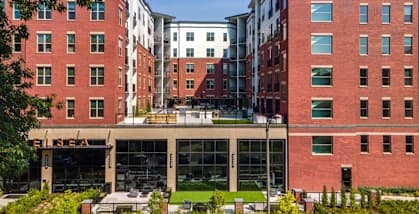
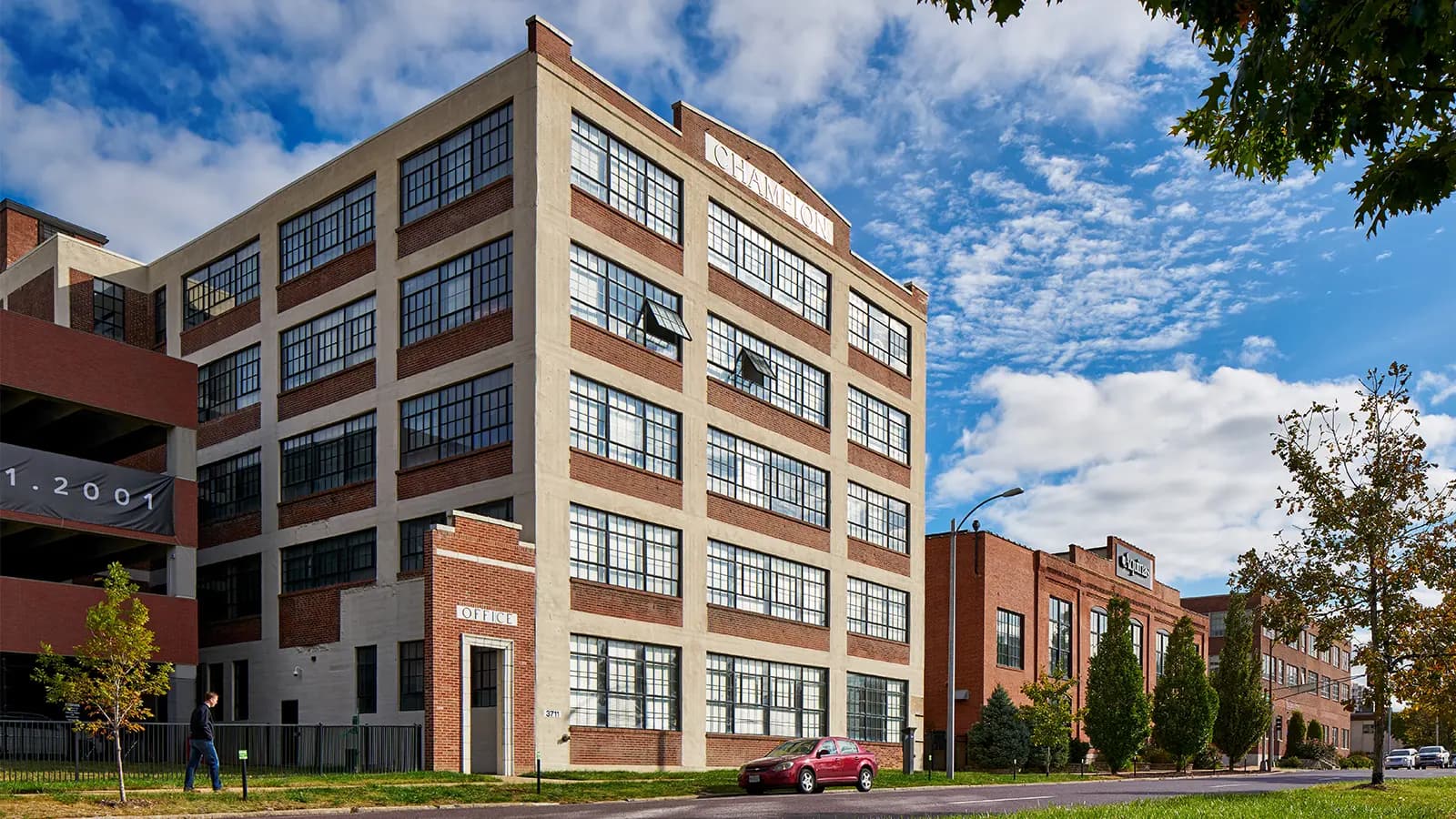
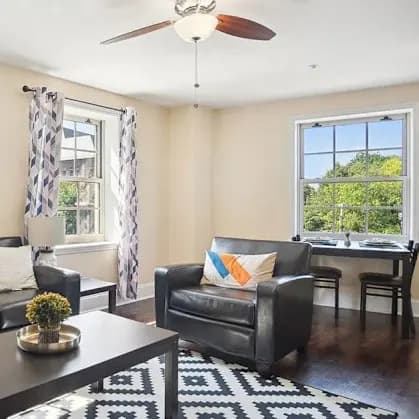
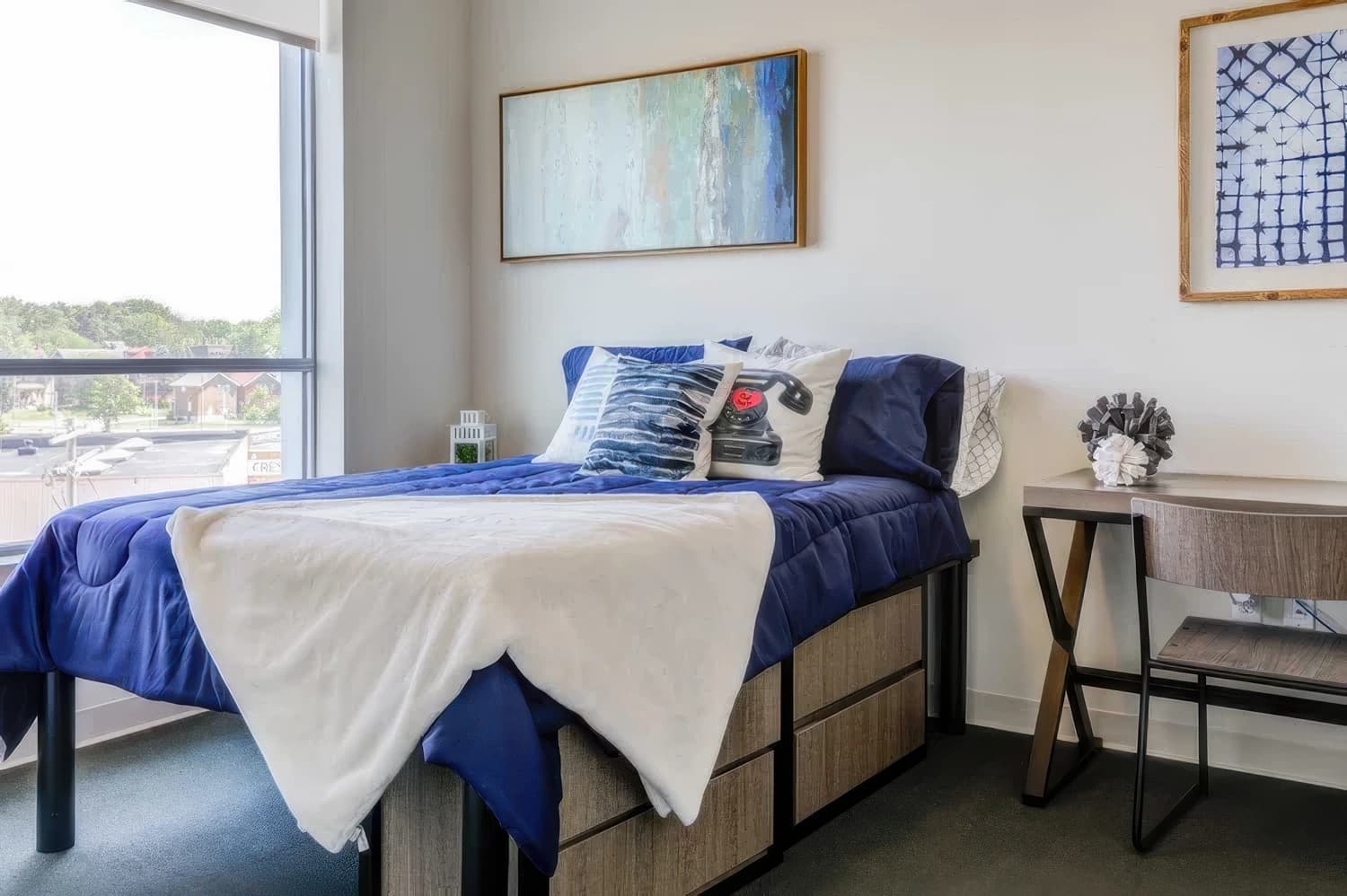
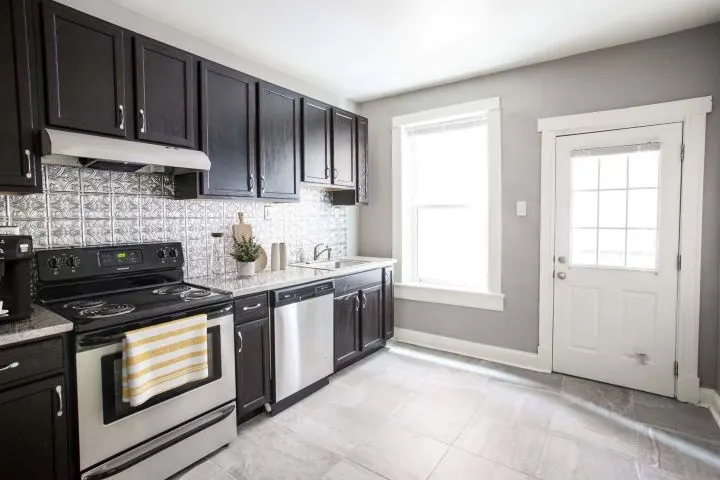
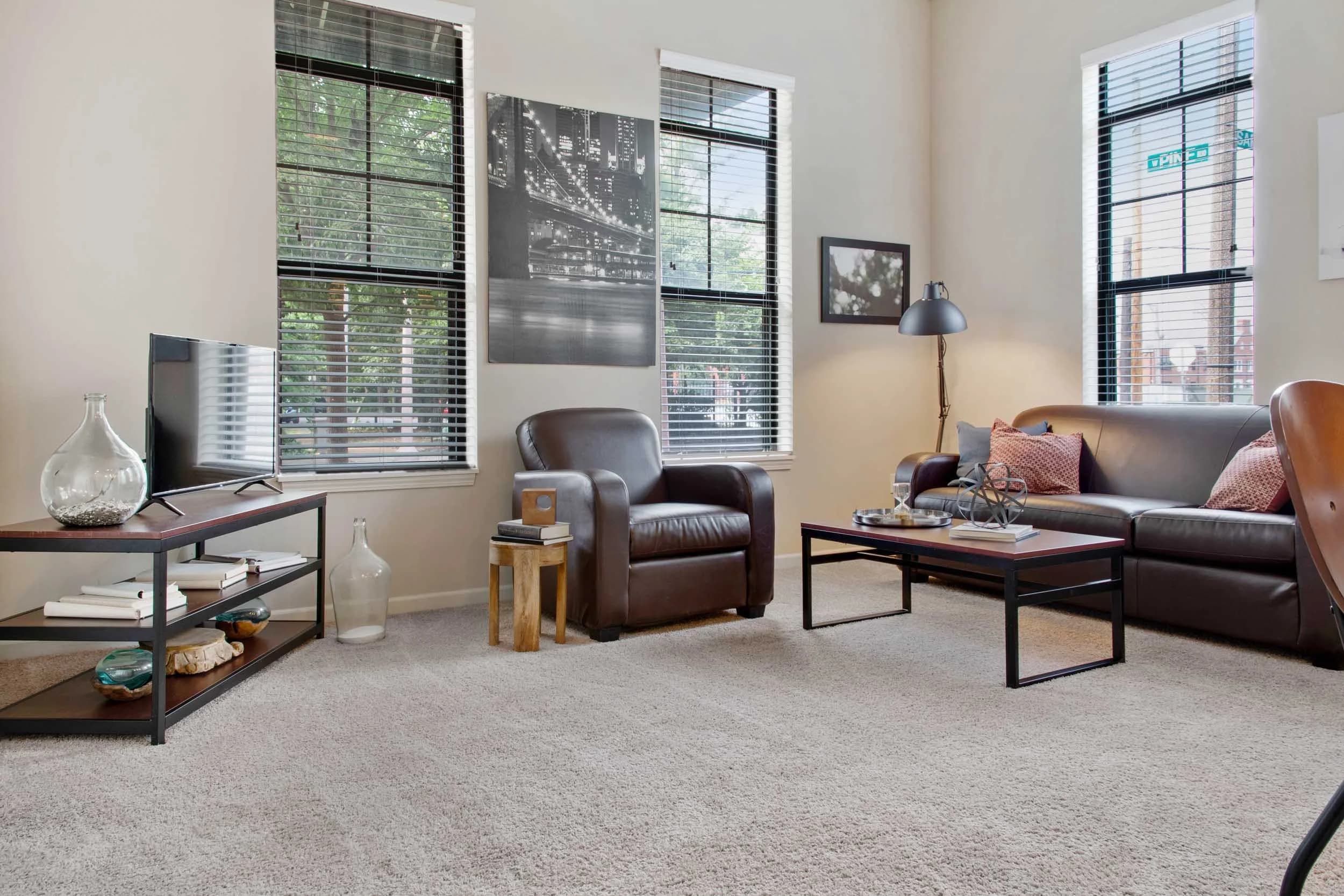
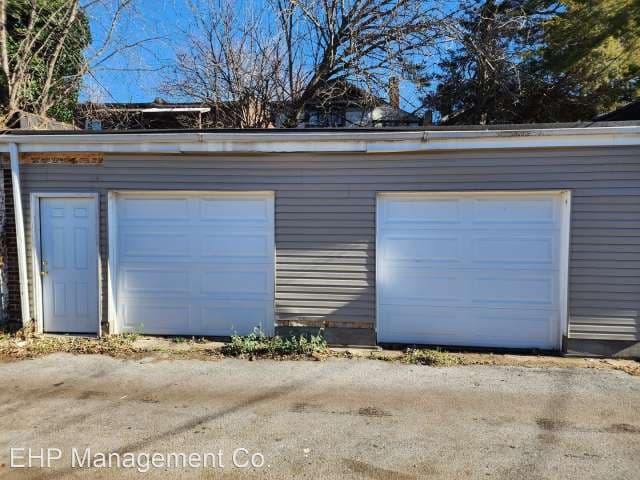
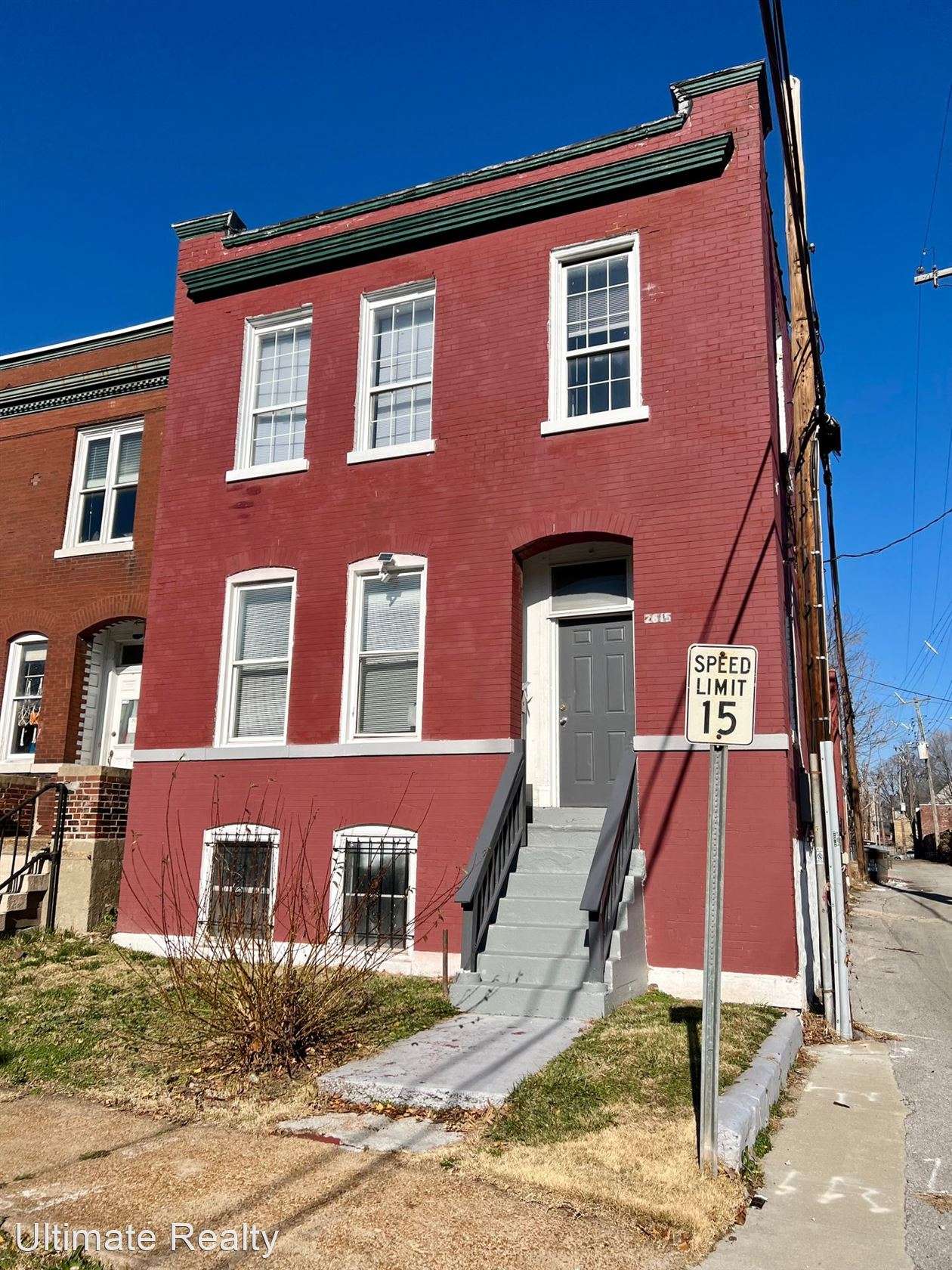
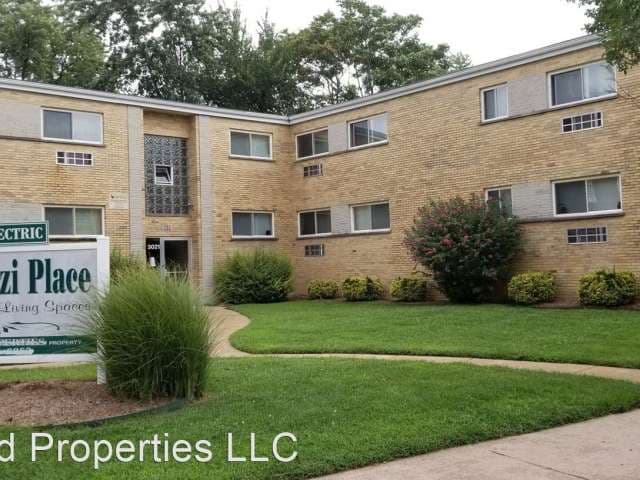
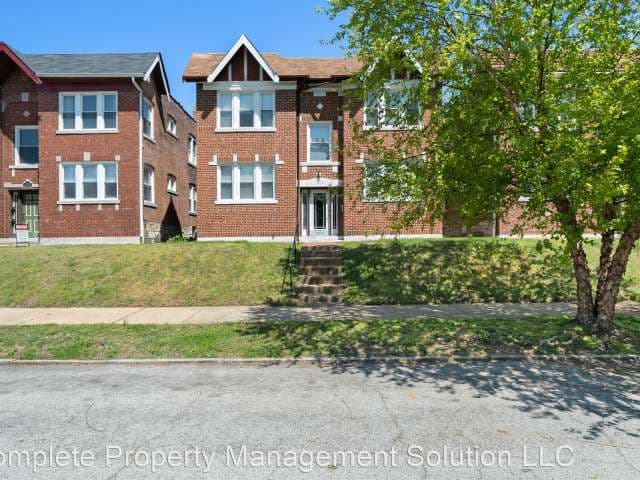
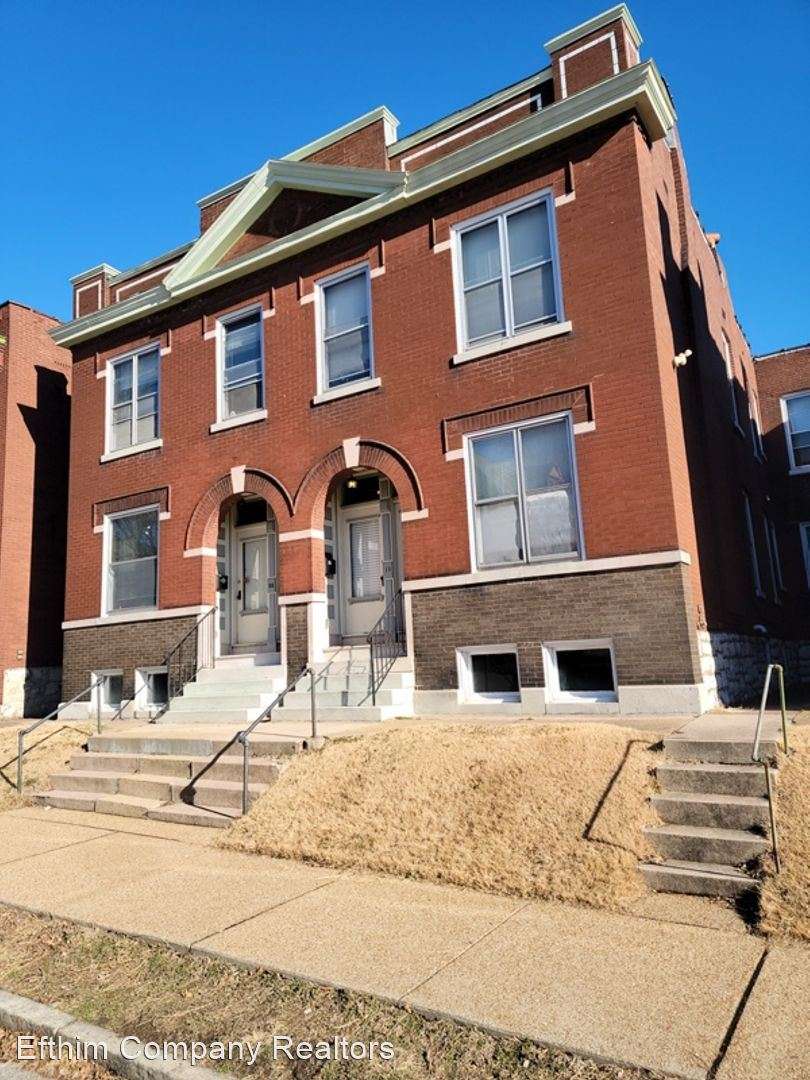
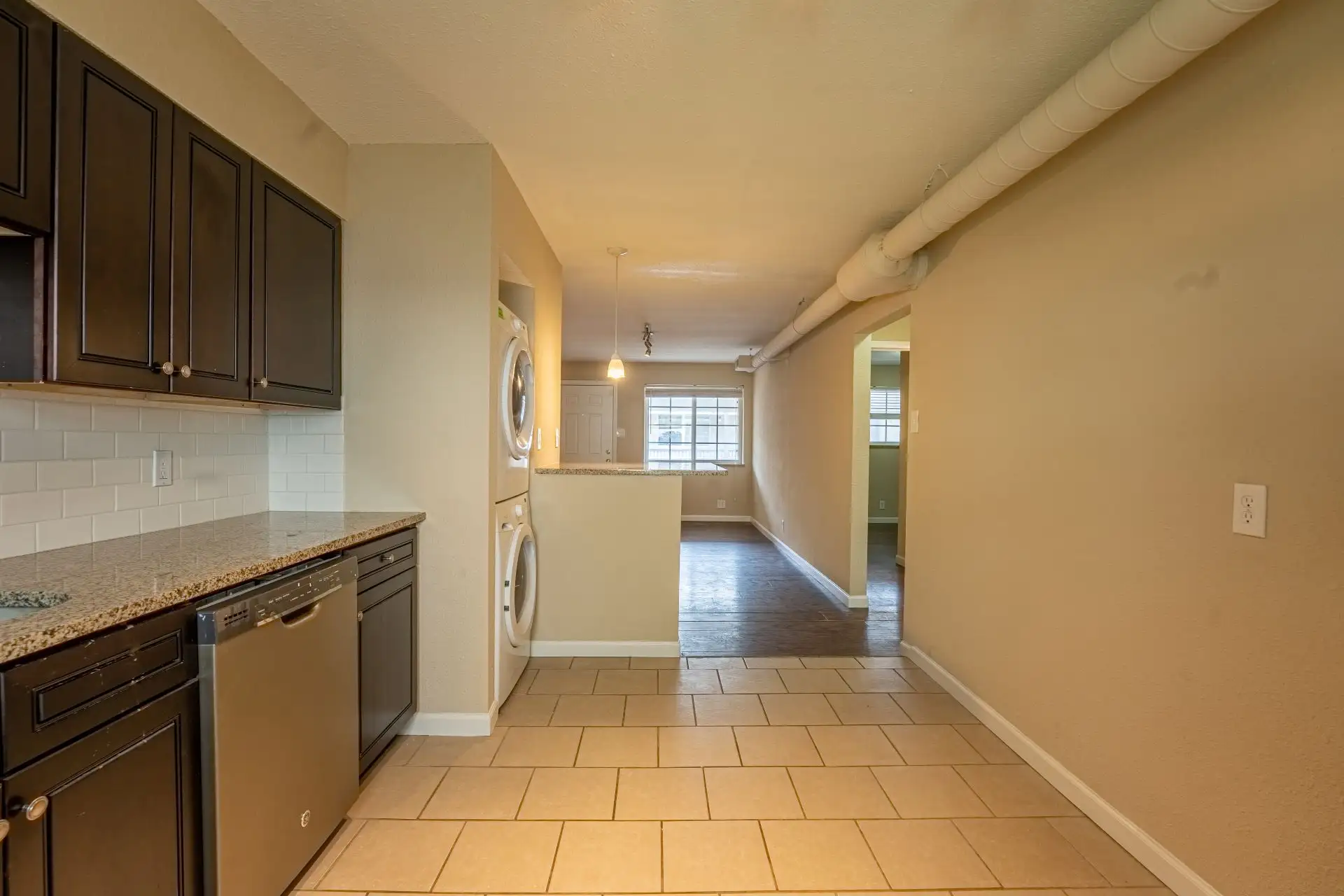
About Off-Campus Housing Near Washington University in St Louis
Washington University in St. Louis enrolls roughly 15,400 students on its Danforth Campus, a Gothic stretch of arches and quads anchored by Brookings Hall on the western edge of the city. The campus sits right on Forest Park, one of the largest urban parks in the country, where students run, bike the Centennial Greenway, and wander to free museums and the zoo. Just north, the Delmar Loop is the walkable district everyone gravitates toward. Spring brings WILD, the long-running outdoor concert that's been a campus staple since the 1970s, and fall fills Francis Olympic Field, the stadium that hosted the 1904 Olympics. The MetroLink light rail has a stop on campus, so getting around the metro area is easy without a car.
Washington University in St Louis Housing Requirements
Freshman Live-On Requirement
WashU requires all first-year undergraduates to live on campus, with most students spending their first two years in the residential communities on the South 40 before moving off. Plan on the South 40 for those early years.
Off-Campus Eligibility
After the on-campus years, students at WashU center their search on University City and the Skinker DeBaliviere area, where older apartment buildings and student-friendly houses dominate, plus newer complexes closer to the Loop. The process runs through private landlords and a few management companies: an application, proof of income or a guarantor, and first month plus a deposit.
Lease Timing
Leases usually run a full twelve months, commonly starting August 1 to line up with the fall semester. University City has its own occupancy and rental licensing rules, so a group splitting a house should confirm the unit is licensed and legal for their headcount. Older buildings near the Loop can mean window units and street parking, so check air conditioning, laundry, and repairs.
Housing policies change frequently. Always verify current requirements directly with Washington University in St Louis before signing a lease.
When to Start Looking for Housing Near Washington University in St Louis
Early Searchers
WashU's off-campus cycle is calmer than the coastal frenzy, but it still rewards an early start. Sophomores and juniors typically start looking in the winter and early spring for an August move-in. The most popular University City houses and the units closest to the Loop and campus get claimed first, often by February or March. Lock in a specific house with a specific group by late winter.
Peak Demand Window
The peak runs winter into early spring, with the most popular houses claimed by February or March. Classes start in late August, and since most leases begin August 1, move-in lines up cleanly with fall. Spring break is a popular time to tour with roommates and put deposits down. The walk-to-campus spots go first.
Last-Minute Options
Search later than early spring and you will find fewer of the prime walk-to-campus spots. Summer is a quieter window with some sublet activity, useful if you are staying for research. If you want a specific house with a specific group, lock it in by late winter rather than hoping something opens up over the summer. Late searchers should widen their area.
Neighborhoods Near Washington University in St Louis
University City
Just north of the Danforth Campus, University City is the classic student pick, full of apartments and houses within walking or biking distance.
Skinker DeBaliviere
Between campus and Forest Park, Skinker DeBaliviere is a quieter residential mix of apartment buildings and old homes.
The Delmar Loop
The Loop blocks put you in the middle of the action with shops and shows, the busiest option.
Frequently Asked Questions: Off-Campus Housing Near Washington University in St Louis
Common questions from students searching for housing.
A bedroom in a shared apartment or house near campus usually runs $700-$1,100/month per person. Older University City buildings and shared houses land at the lower end, while newer complexes near the Loop and units in Clayton run higher. Budget another $40-$100/month for utilities, depending on summer air conditioning.
Yes. WashU requires all first-year undergraduates to live on campus, and most students stay in the South 40 residential communities for their first two years. The off-campus search usually starts in sophomore or junior year.
University City just north of campus is the most popular, packed with student apartments and houses. Skinker DeBaliviere near Forest Park is quieter, the Delmar Loop blocks are the liveliest, and the Central West End and Clayton draw students who want a more upscale, urban setting.
Not necessarily. The MetroLink light rail stops on campus and the area around University City is walkable and bikeable, plus WashU runs shuttles. That said, some students keep a car to reach the wider metro area, and parking off campus is generally easier than at coastal schools.
Start in the winter and early spring for an August move-in. The best University City houses and units near the Loop go by February or March, and spring break is a popular time to tour and put down deposits. Wait until summer and the prime walk-to-campus spots are usually gone.
Most student leases run a full twelve months, usually starting August 1 to match the fall semester. You'll typically pay through the summer, so plan to be in town or line up a sublet. Always confirm the start date before signing.
The blocks closest to campus in University City and Skinker DeBaliviere are residential and well-traveled. St. Louis is a big city, so it's smart to walk a prospective block at night, check lighting, and use WashU's shuttles and escort service after dark.
It varies. Some newer complexes bundle a few utilities, but older University City buildings usually bill them separately, often $40-$100/month per person, and St. Louis summers make air conditioning a real expense. Ask what's covered and whether the unit has central air or window units.
Yes. Since most leases run twelve months and many students leave for the summer, subletting is common. You can pass your unit along or pick up a short-term spot for research or an internship. Put the arrangement in writing and clear it with the landlord first.
WILD, short for Walk In Lay Down, is the student-run outdoor concert held each spring and fall on campus, a tradition since the 1970s. It's one of the biggest events of the year, so living within easy reach of campus makes those weekends a lot simpler.
More Housing Near Washington University in St Louis
Search by Room Type
Search by Lifestyle
find my place guides for WashU
Curated recommendations from students who’ve been there.
See how students rate the places near WashU on social life, management, and quality before you tour.
Read student housing reviews near WashU →