
Best Neighborhoods for ASU Students: Where to Live Off-Campus Near Arizona State University
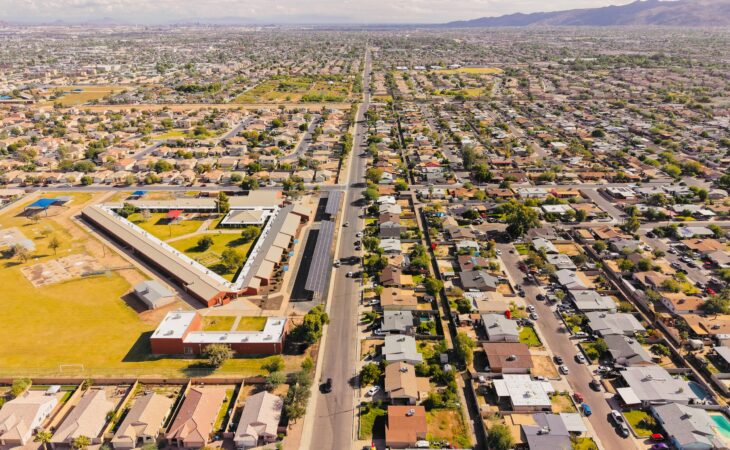
ASU students find the best off-campus housing in five distinct neighborhoods ranging from downtown Tempe’s Mill Avenue district to budget-friendly Mesa light rail zones. Each area serves different priorities. Downtown Tempe offers walkable campus access and nightlife. East Tempe and Kyrene Corridor provide affordable quiet alternatives. Mesa neighborhoods near light rail stations deliver the lowest rents with reliable transit connections to Arizona State University’s Tempe campus. Your ideal neighborhood depends on budget, commute tolerance, and lifestyle preferences.
TL;DR: Quick Answer
- Downtown Tempe near Mill Avenue offers walking distance to ASU with restaurants and nightlife but higher rents
- East Tempe and Kyrene Corridor neighborhoods cost less with good bus and bike connections to campus
- Mesa light rail areas provide the cheapest rent options with 20-30 minute transit commutes to ASU
- Greek Life Village areas near campus suit students wanting tight community atmospheres
- Culdesac Tempe offers car-free urban living designed for bikes and pedestrians near Arizona State
Downtown Tempe Near Mill Avenue Works Best for Classic College Life
Downtown Tempe surrounding Mill Avenue and University Drive delivers the quintessential ASU student experience. Walking distance to most classes. Restaurants outside your door. Coffee shops for studying. Nightlife within stumbling distance.
Location creates convenience that saves time daily. Students living here skip car ownership entirely. Bike paths connect residential areas to campus buildings in minutes. Light rail access expands range without parking hassles throughout the Phoenix metro area.
The social density runs high in downtown Tempe neighborhoods. Game weekends bring crowds and energy. Festivals fill streets seasonally. Students seeking active social environments thrive here near Mill Avenue.
Rent costs reflect this demand. Downtown Tempe apartments charge premium prices compared to surrounding areas. Studios start around $1,200 monthly. One-bedrooms reach $1,600 or more. Two-bedroom units cost $2,000 to $2,800 depending on building age and amenities near ASU.
Noise accompanies the excitement in downtown Tempe. Bar crowds on weekends. Traffic during events. Light sleepers struggle during peak social seasons around Arizona State University. Consider this trade-off carefully before signing leases near Mill Avenue.
Greek Life Village Areas Offer Community-Focused Living Near ASU
Neighborhoods adjacent to Greek Life Village attract students prioritizing social connection and campus proximity. Fraternity and sorority members cluster here naturally. Others seeking similar community atmospheres find welcoming environments throughout these Tempe blocks.
Housing options mix older rentals with newer student apartments near Arizona State. Some properties offer house-style living with yards and porches. Others provide standard apartment configurations with shared common areas.
Walking and biking to ASU classes takes minutes from Greek Life adjacent areas. Campus proximity simplifies daily logistics for students balancing academics with organizational commitments throughout the semester.
Rental quality varies significantly in these older Tempe neighborhoods. Some units feature recent updates and modern amenities. Others maintain original fixtures from decades past. Tour thoroughly before committing. Ask about maintenance history and recent improvements.
Rent prices range from $800 to $1,400 per person depending on property condition and bedroom configuration. Shared houses sometimes offer better per-person value than newer apartment complexes near Arizona State University.
Culdesac Tempe Provides Car-Free Urban Living for ASU Students
Culdesac Tempe represents a newer neighborhood concept built specifically for pedestrians and cyclists. No parking lots. Shared community spaces replace vehicle storage. Everything designed around walkability and sustainability near Arizona State.
The development attracts students embracing car-free lifestyles in the Phoenix area. Bikes and scooters handle daily transportation needs efficiently. On-site restaurants and shops reduce errand travel outside the neighborhood.
Community events bring residents together regularly at Culdesac Tempe. The design encourages interaction between neighbors through shared courtyards and gathering spaces. Students seeking social connection without traditional nightlife find appealing alternatives here.
Competition for housing runs intense in this unique Tempe development. Limited unit availability creates waitlists during peak seasons. Prices reflect the premium positioning compared to standard apartments near ASU.
Monthly rent at Culdesac Tempe starts around $1,400 for studios and reaches $2,200 for larger units. The car-free lifestyle eliminates vehicle expenses that partially offset higher housing costs for Arizona State students.
East Tempe and Kyrene Corridor Deliver Budget-Friendly Options
East Tempe neighborhoods along the Kyrene Corridor provide affordable alternatives to downtown living near ASU. Distance from campus reduces rent significantly. Quieter environments suit students prioritizing study time over social convenience.
Bus routes connect East Tempe to Arizona State University reliably throughout academic schedules. Bike paths extend commute options for good-weather days. The extra travel time trades for meaningful monthly savings on rent.
Apartment complexes in the Kyrene Corridor often provide larger units than downtown Tempe equivalents at lower prices. Students sharing two-bedroom apartments find excellent per-person value in these neighborhoods.
Rent in East Tempe typically ranges $900 to $1,400 for one-bedrooms and $1,200 to $1,800 for two-bedrooms. These prices run $200 to $500 monthly below comparable downtown Tempe units near ASU.
Grocery stores and basic services exist throughout East Tempe neighborhoods. Students manage daily needs without long trips. The area lacks nightlife density found closer to Mill Avenue but provides peaceful residential environments.
Mesa Light Rail Neighborhoods Offer Maximum Savings for ASU Students
Mesa neighborhoods near light rail stations deliver the lowest rent options for Arizona State students willing to commute. The Valley Metro Rail provides reliable transit directly to ASU’s Tempe campus without driving or parking concerns.
Commute times range from 20 to 35 minutes depending on specific Mesa location and campus destination. Students optimize schedules around transit timing. The trade-off saves hundreds monthly compared to walking-distance Tempe housing.
Rent in Mesa light rail areas starts around $800 for studios and $1,000 for one-bedrooms. Two-bedroom apartments range $1,200 to $1,600 monthly. These prices represent significant savings over Tempe equivalents near Arizona State.
Mesa neighborhoods often provide more space per dollar than Tempe options. Students find larger apartments and sometimes house rentals at budget-friendly prices throughout these Phoenix metro communities.
The quieter atmosphere suits focused students avoiding constant campus social pressure. Mesa living creates natural separation between academic and residential environments. Some students appreciate this boundary during intensive study periods.
Choosing Between ASU Neighborhood Options Requires Honest Assessment
Walkability affects daily quality of life more than many students initially realize. Shorter commutes mean more sleep. Less transit time creates study hours. Consider realistic schedules when evaluating Tempe versus Mesa trade-offs for Arizona State housing.
Budget constraints narrow options quickly in the ASU rental market. Downtown Tempe commands premium pricing. Students unwilling or unable to pay these rates must expand geographic searches into East Tempe or Mesa neighborhoods.
Social priorities shape neighborhood fit significantly. Students craving nightlife and spontaneous gatherings suit downtown Tempe near Mill Avenue. Those preferring quiet evenings and focused academics find better matches in Kyrene Corridor or Mesa areas.
Car ownership changes the calculation entirely for ASU students. Students with vehicles access cheaper housing further from campus without transit dependence. Those without cars need walkable or transit-connected neighborhoods throughout the Phoenix metro area.
Practical Tips for Evaluating ASU Neighborhoods Before Signing Leases
Visit prospective Tempe and Mesa neighborhoods at different times. Daytime impressions differ from evening reality. Weekend crowds transform quiet streets near Arizona State. Experience the actual environment before committing to leases.
Check crime statistics for specific areas beyond general neighborhood reputations. Online maps show incident density by block. Visit at night to assess comfort levels personally throughout prospective ASU housing zones.
Talk to current residents when possible. Students already living in neighborhoods provide insights landlords omit. Ask about noise, management responsiveness, and hidden costs throughout Tempe and Mesa rental communities.
Verify commute times personally rather than trusting estimates for ASU travel. Test the actual route during class hours. Traffic patterns and transit schedules affect real travel duration between Mesa or East Tempe and Arizona State campus.
Calculate total monthly costs beyond base rent. Parking fees add up in downtown Tempe. Utility structures vary between complexes near ASU. Some buildings include internet while others charge separately. Factor everything before comparing neighborhood options.
ASU Student Housing Decisions Balance Multiple Factors
No single Tempe or Mesa neighborhood suits every Arizona State student perfectly. Downtown areas offer convenience at premium prices. Budget options require commute tolerance. Community-focused developments serve specific lifestyle preferences.
Start searches early for optimal selection throughout the ASU rental market. Popular complexes fill months before semesters begin. Students searching last-minute face limited choices and reduced negotiating power with Tempe and Mesa landlords.
Consider roommate arrangements regardless of neighborhood selection near Arizona State. Shared housing reduces per-person costs substantially. Two students splitting a Tempe two-bedroom often pay less individually than solo renters in smaller Mesa units.
Find My Place lists current availability across all ASU-area neighborhoods, helping students compare options from downtown Tempe to Mesa light rail zones with transparent pricing and verified listings throughout the Phoenix metro rental market.
