Best Neighborhoods for ASU Students in Tempe (2026 Guide)
Most ASU students choose between five Tempe-area options: Downtown Tempe near Mill Avenue (walkable, priciest), the Greek Life Village blocks, car-free Culdesac, the budget-friendly East Tempe/Kyrene Corridor, and Mesa's cheaper light-rail neighborhoods.

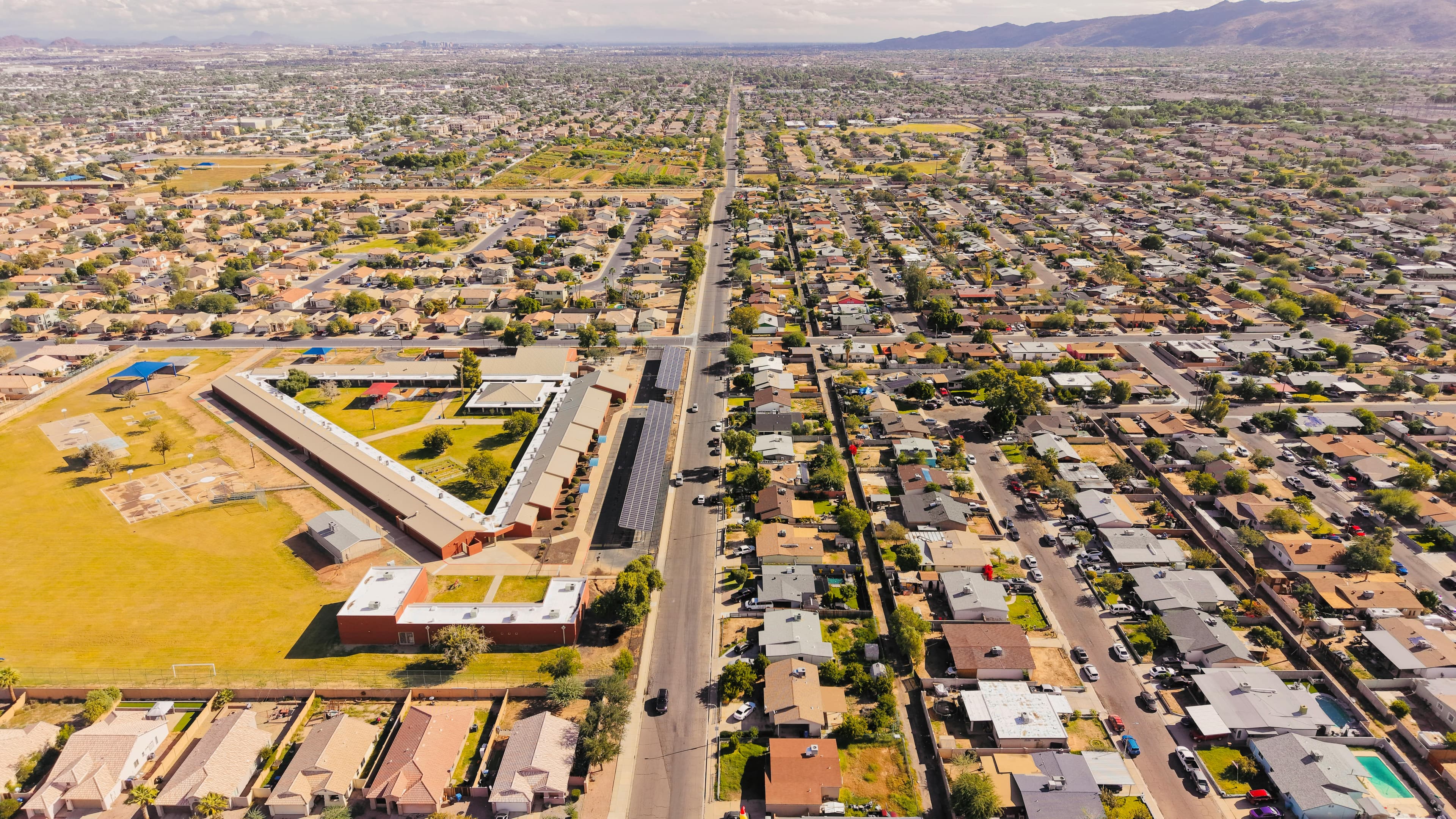
Most ASU students end up picking between five Tempe-area options, and the right one comes down to a single question: how much will you pay to skip the commute? Downtown Tempe near Mill Avenue puts you in walking distance of class, but you pay for every step you save. Mesa's light-rail neighborhoods cut hundreds off your rent in exchange for a 20-to-35-minute train ride. East Tempe, the Kyrene Corridor, the Greek Life Village blocks, and the car-free Culdesac development fill in everything between those two poles. In a shared two- or three-bedroom near campus, plan on $700 to $1,100 per person; a private one-bedroom runs $1,100 to $1,800. Tempe's overall average rent actually dipped about 2.7% over the past year to roughly $1,777, so 2026 is a slightly friendlier market than 2025 was.
Key Takeaways
- Downtown Tempe / Mill Avenue is the walkable, loud, expensive pick — studios start near $1,300 and two-bedrooms push past $2,000.
- Want quiet and more square footage per dollar? East Tempe and the Kyrene Corridor run roughly $200 to $500 a month under downtown.
- Mesa's Valley Metro light-rail corridor (the Main Street stops from Sycamore out to Gilbert Road) is the cheapest play, with one-bedrooms averaging about $1,294.
- Culdesac Tempe is a genuinely car-free neighborhood. Perfect if you bike everywhere, a headache if you don't.
- The Greek Life Village blocks fit anyone in a fraternity or sorority — and plenty of students who just want that energy nearby without pledging.
ASU Neighborhood Comparison at a Glance
| Area | Commute to ASU Tempe | Typical Rent | Best For |
|---|---|---|---|
| Downtown Tempe / Mill Ave | Walk or bike, 5–15 min | Studio ~$1,300; 2BR $2,000–$2,800 | Walkability and nightlife |
| Greek Life Village blocks | Walk or bike, 5–10 min | $800–$1,400 per person | Social, community-first students |
| Culdesac Tempe | Bike or light rail, 10–15 min | Studio ~$1,400; larger units to $2,200 | Car-free living |
| East Tempe / Kyrene Corridor | Bus or bike, 15–25 min | 1BR $1,100–$1,500; 2BR $1,400–$1,800 | Quiet, budget-aware students |
| Mesa light-rail areas | Light rail, 20–35 min | 1BR ~$1,294; 2BR ~$1,594 | Lowest rent, transit riders |
1. Downtown Tempe Near Mill Avenue — Classic College Life
Downtown Tempe around Mill Avenue and University Drive is the quintessential ASU experience: walk to most classes, grab food and coffee without crossing a parking lot, and find nightlife within stumbling distance. The bike paths and the Valley Metro line both run through here, so a car becomes optional rather than mandatory. If you came to college for the full social density, this is the block.
You pay for it. Studios in the Mill Avenue district start around $1,300 a month, one-bedrooms commonly land in the $1,500 to $1,700 range, and newer two-bedroom builds run $2,000 to $2,800 depending on age and amenities. The noise is the other tax — weekend bar crowds and event-day traffic are real, and light sleepers should think hard before signing here.
2. Greek Life Village Blocks — Community-First Living
The neighborhoods next to Greek Life Village pull in students who want connection and a short walk to campus. Fraternity and sorority members cluster here, but you don't have to be Greek to fit in — the energy spills over to the surrounding rentals. Walking or biking to class takes well under ten minutes from most of these blocks.
Quality swings hard, though. Some houses have been updated recently; others still wear their original 1990s fixtures, so tour in person and ask about maintenance history before you commit. Per-person rent generally runs $800 to $1,400, and a shared house split three or four ways often beats a newer complex on price.
3. Culdesac Tempe — Car-Free by Design
Culdesac Tempe is the country's first built-from-scratch car-free neighborhood, and it's a real thing, not a marketing line — there are no resident parking lots. Bikes, scooters, and the adjacent light-rail stop handle everything, and on-site restaurants and a corner market cut down on errands entirely. Students who already live without a car tend to love it.
Studios start around $1,400 and larger units reach roughly $2,200, which sits at the premium end. The math only works in your favor if you actually ditch the car, since you're trading parking and gas costs for higher rent. Availability is tight, so expect a waitlist during the late-summer rush.
4. East Tempe and the Kyrene Corridor — Budget Without Leaving the City
Head southeast along the Kyrene Corridor and rents start dropping while the city limits stay the same. Bus routes and bike paths connect reliably to campus, and the trade is straightforward: 15 to 25 minutes of travel for $200 to $500 in monthly savings. One-bedrooms here run roughly $1,100 to $1,500, and two-bedrooms land between $1,400 and $1,800.
You also tend to get more apartment for the money — larger floor plans than the cramped downtown studios, plus grocery stores and everyday services close by. What you give up is the after-dark scene near Mill Avenue. For students who'd rather sleep than hear a DJ through the wall, that's a feature.
5. Mesa Light-Rail Neighborhoods — Maximum Savings
If rent is the deciding factor, Mesa wins. The Valley Metro Rail runs straight into ASU's Tempe campus, with Main Street stops from Sycamore/Dobson out to Gilbert Road and trains every 15 to 20 minutes, so you skip both driving and parking. Mesa's average one-bedroom sits near $1,294 and two-bedrooms around $1,594 — noticeably below Tempe, where the same units average roughly $1,490 and $1,745.
The commute is the cost: plan on 20 to 35 minutes door-to-campus depending on your stop. You'll also get more space per dollar, and occasionally a small house instead of an apartment. The quieter setting creates a clean line between where you study and where you live, which some students find they need by midterms.
How to Choose the Right ASU Neighborhood
Start with the commute, because it shapes your day more than students expect. A shorter trip means more sleep and more study hours, and that's worth real money over a semester. If you don't own a car, your search narrows fast to walkable or light-rail-connected areas — don't sign a cheap Mesa lease and then realize you're stranded without transit.
Then layer in budget and lifestyle. Downtown commands a premium for convenience and noise; East Tempe and Mesa hand you savings for patience. Visit any prospective block at night, not just midday, and verify your actual commute during class hours rather than trusting an app's estimate. Splitting a two-bedroom with a roommate almost always beats renting solo, no matter which neighborhood you land in. For a full cost breakdown, see our guide to ASU off-campus housing costs, and you can compare current listings across every area on the Find My Place ASU page. If you want to check train timing yourself, Valley Metro publishes live schedules for the whole line.
Frequently Asked Questions About ASU Neighborhoods
What is the cheapest area to live near ASU?
Mesa's light-rail neighborhoods. One-bedrooms there average about $1,294 versus roughly $1,490 in Tempe, and you reach campus by Valley Metro in 20 to 35 minutes. The catch is the commute — you're swapping walkability for a lower number on the lease.
Can you live near ASU without a car?
Easily. Downtown Tempe, Culdesac, and any neighborhood near a light-rail stop are built for it — bikes, scooters, and the Valley Metro line cover daily trips. Culdesac Tempe goes furthest and removes resident parking entirely, so a car is genuinely unnecessary there.
How much should an ASU student budget for rent in 2026?
Most students land between $850 and $1,500 per person per month, depending on neighborhood and whether they share. A shared two- or three-bedroom near campus runs $700 to $1,100 per person; downtown and Culdesac sit at the top of the range, East Tempe and Mesa at the bottom. Rents in Tempe edged down about 2.7% over the past year, so you have a little more leverage than recent classes did.
Is it too late to find ASU housing for the fall semester?
Not if you move now and stay flexible. By July the walkable downtown complexes and Culdesac are mostly gone, but East Tempe, the Kyrene Corridor, and the Mesa light-rail stops still turn over units — and lease takeovers from students leaving for internships open up rooms in buildings that look full online. Search by per-bedroom price and be ready to tour the same week you inquire.
When should I start looking for ASU housing?
Months before the semester, not weeks. The walkable downtown complexes and Culdesac fill first and keep waitlists through summer, so an early search means real choice and better negotiating room. Last-minute hunters get whatever's left, usually farther out or pricier.
No single neighborhood is right for everyone at ASU — the downtown crowd and the quiet-Mesa crowd both made the correct call for their own priorities. Pin down your commute tolerance and your monthly ceiling first, then let those two numbers point you to the area that fits. Find My Place lists current availability across every ASU-area neighborhood, from Mill Avenue to the Mesa light-rail stops, with per-bedroom pricing and verified reviews so you can compare honestly before you sign.

Find My Place — By Students, For Students
Colton Hibbert is the founder and CEO of Find My Place. He started it after getting burned by the usual student housing routine: hidden fees, staged photos, and a leasing office that stopped answering the second the lease was signed. So he built the platform he wished he'd had. Today he sets the strategy and keeps the whole company pointed at one job, making off-campus housing something students can actually trust. He writes here about where the student housing market is headed and why FMP is built the way it is.